
Zero-Casualty Mobility in Practice: Safety Strategies, System Design, and Deployment Challenges
Zero-casualty mobility starts with real operating conditions
Zero-casualty mobility becomes practical when safety is treated as a system outcome, not a single product target.
That matters across vessels, passenger cars, commercial fleets, and intelligent cabins.
The operating context changes the risk picture.
A marine bridge must interpret unstable electromagnetic signals, poor visibility, and traffic density in real time.
An automotive platform faces a different challenge.
It must combine lightweight structures, passive restraint timing, seat geometry, and post-crash compliance without creating new weak points.
In practice, zero-casualty mobility depends on how well perception and physical protection are stitched together.
That is why GNCS tracks both precision spatial perception and physical containment protection across the same mobility chain.
The useful question is rarely whether a component is advanced.
The better question is whether it stays reliable under the exact loads, regulations, update cycles, and human behaviors it will face.
Why the same safety target leads to different design choices
Zero-casualty mobility sounds universal, yet deployment logic shifts from one scene to another.
The reason is simple.
Hazards do not arrive in the same form, and protection does not activate under the same timing.
On water, detection quality often decides whether a dangerous event is avoided early.
On the road, avoidance and containment must work together within milliseconds.
Inside the cabin, seating position, belt routing, and occupant posture can change actual protection more than headline specifications suggest.
This is where many programs drift off course.
They optimize a subsystem in isolation, then discover interface conflicts during validation.
A lighter stamped body may alter energy paths.
A smarter seat may affect airbag deployment geometry.
A navigation upgrade may improve accuracy but complicate software assurance or crew workflow.
Zero-casualty mobility therefore requires front-loaded system design, not late-stage correction.
At sea, prevention depends on perception integrity
Marine scenarios reveal a preventive side of zero-casualty mobility.
The first goal is not impact mitigation.
It is continuous situational clarity.
Ocean-going vessels rely on satellite positioning, sonar, AIS, radar, and chart systems that must agree under stress.
In congested waters, small errors in target interpretation can grow into severe events.
In harsh weather, sensor fusion matters more than nominal accuracy.
The practical judgment point is data trustworthiness.
Can the bridge team distinguish sensor drift, signal masking, and delayed updates before they become navigation risk?
Cloud-based ECDIS updates and remote diagnostics improve responsiveness, but they also raise cybersecurity and validation demands.
For zero-casualty mobility in maritime operations, resilience means graceful degradation.
Systems should keep essential guidance available when one input becomes unreliable.
A frequent mistake is choosing high-end sensors without reviewing bridge workflow, maintenance intervals, or crew interpretation burden.
On the road, lightweighting only works when energy paths stay predictable
Automotive programs often link zero-casualty mobility with electrification, software, or autonomy.
Yet body structure still sets the protection baseline.
Hot-stamped steel, aluminum, and selective reinforcement can reduce mass while preserving crash performance.
The key is not material novelty alone.
The key is how load paths, joining methods, and repairability behave after repeated real-world use.
Urban vehicles, long-range passenger cars, and mixed-duty fleet models rarely need the same balance.
Urban use sees frequent low-speed incidents and dense interaction with vulnerable road users.
Long-range platforms care more about fatigue, thermal packaging, and stable occupant protection across many seating hours.
This is why zero-casualty mobility should be validated through scenario-specific crash pulses, not generic strength claims.
Another overlooked point is process consistency.
A body design that performs well in one prototype build may drift if forming, quenching, or joining windows are hard to control at scale.
Where passive safety becomes the deciding layer
When avoidance fails, zero-casualty mobility depends on precise containment.
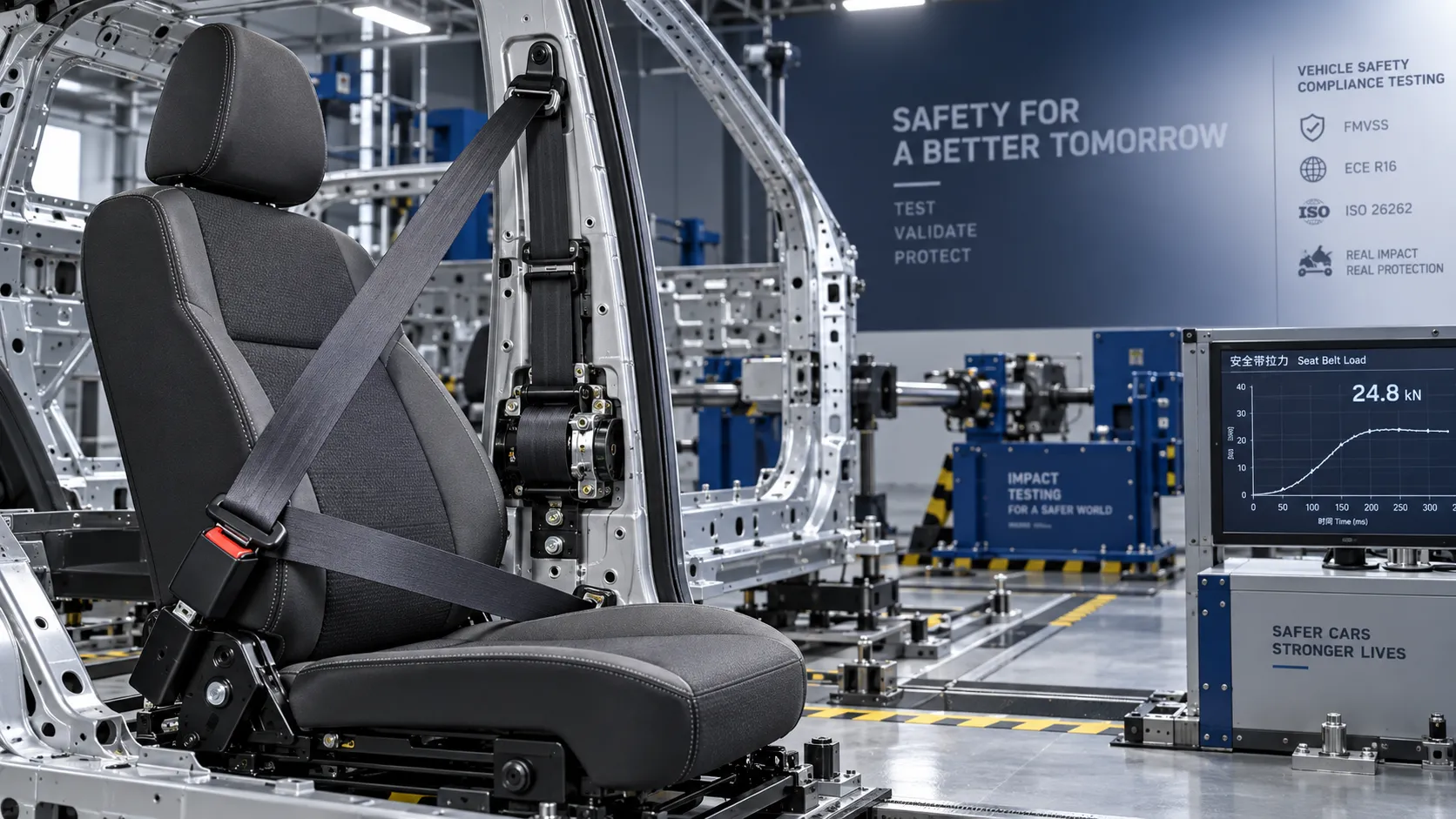
Airbag assemblies, seatbelt systems, and seat structures must act as one timed mechanism.
Pretensioning force, load limiting, inflator chemistry, vent strategy, and occupant classification cannot be tuned independently.
A common misjudgment is assuming that adding smart sensing automatically improves protection.
It helps only when sensing quality matches seat kinematics and restraint logic.
GNCS follows this intersection closely because passive safety now sits between materials science, microelectronics, and regulatory interpretation.
Inside the cabin, human posture changes the safety equation
Cabin systems are often discussed through comfort, but zero-casualty mobility makes them a safety variable.
A seat is not just a support surface.
It defines occupant position, belt fit, sensor readings, and injury risk during long exposure.
Smart seating systems matter most when usage conditions vary.
Shared mobility cabins, premium long-distance vehicles, and commercial transport interiors show very different posture patterns.
A seat frame optimized for weight may transmit vibration poorly.
An aggressive comfort contour may interfere with restraint positioning for smaller occupants.
In real deployment, zero-casualty mobility improves when seat engineering includes micro-climate control, skeletal stiffness, and occupant sensing in the same validation loop.
The field lesson is straightforward.
Human-machine contact points should be tested for long-duration behavior, not only short certification events.
Different scenes call for different safety priorities
The same zero-casualty mobility target leads to different engineering priorities.
A compact comparison makes those differences easier to act on.
What teams often misread before deployment
Several recurring errors slow down zero-casualty mobility programs.
- Treating similar operating scenes as interchangeable, even when load cases and user behavior differ.
- Comparing component specifications without checking interface timing, calibration logic, or maintenance windows.
- Prioritizing purchase cost while ignoring software assurance, replacement complexity, and certification rework.
- Assuming compliance in one region will transfer cleanly to another regulatory framework.
- Underestimating how updates, repairs, or seat adjustments change protection performance over time.
These gaps explain why deployment challenges often appear late.
The issue is rarely missing technology.
It is missing alignment between use conditions, design assumptions, and validation evidence.
A workable path toward zero-casualty mobility
A stronger route is to build zero-casualty mobility around a small set of disciplined checks.
- Map real operating scenes before freezing architecture, including edge conditions and degraded modes.
- Link perception systems, body structures, restraints, and seating into one validation chain.
- Confirm which standards govern each market, then test for transfer gaps early.
- Review lifecycle factors such as updates, repair quality, consumables, and inspection intervals.
- Use technical intelligence to track changes in E-NCAP, IIHS, marine compliance, materials, and inflator chemistry.
That last step is where GNCS adds value to the broader mobility ecosystem.
Its cross-domain view connects navigation science, lightweight structures, passive protection, and cabin ergonomics in one decision frame.
For zero-casualty mobility, that integrated perspective is often the difference between a promising concept and a dependable deployment.
The next sensible move is to define the exact operating scenes, compare the hidden constraints, and build an adaptation checklist before final validation begins.
Related News
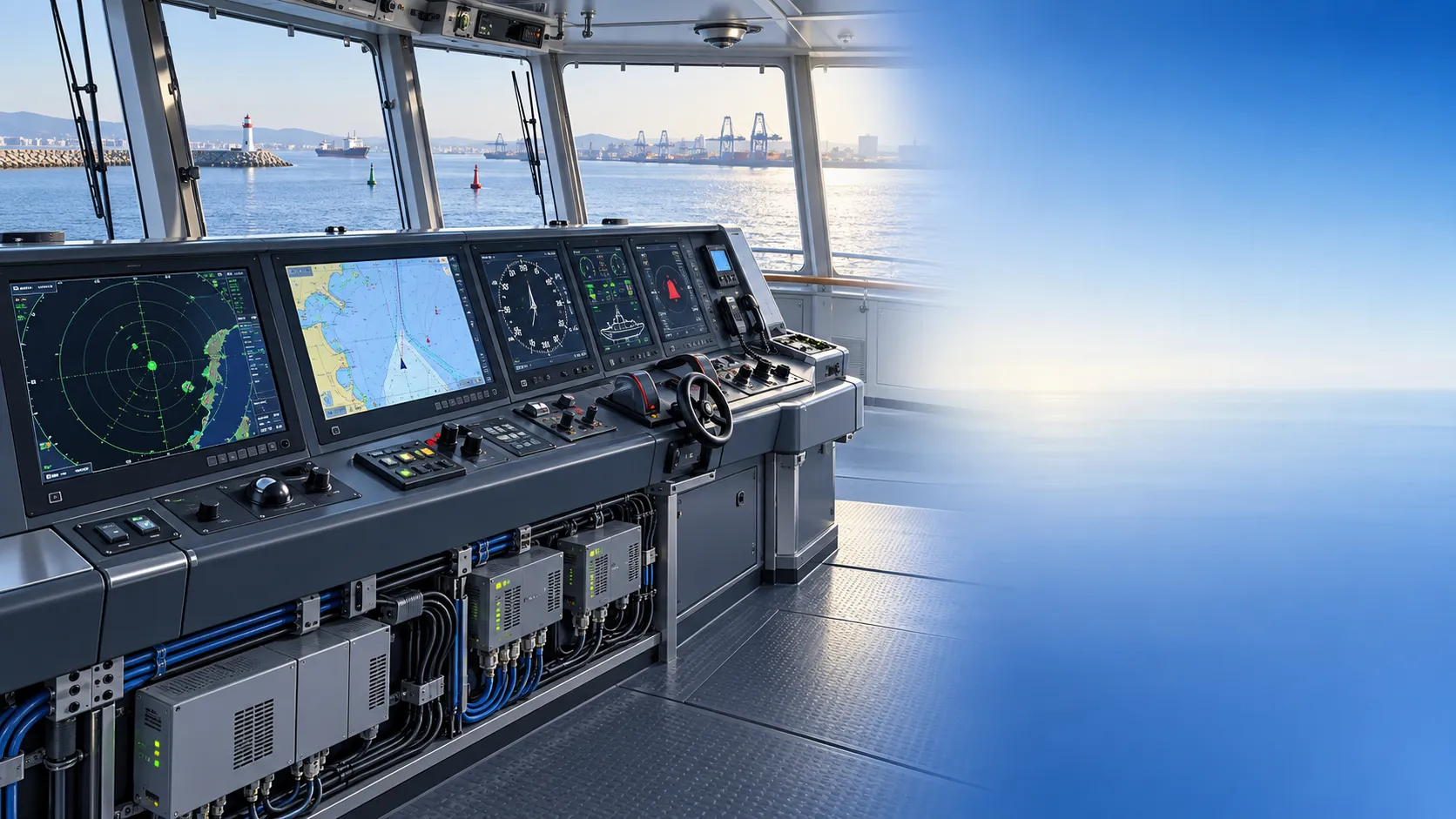
How to Specify Integrated Marine Electronics for Reliable Bridge Operations
Integrated marine electronics: learn how to specify reliable bridge systems with clear data flows, redundancy, alarm control, lifecycle interfaces, and operational testing.

How to Evaluate Navigation Radar Manufacturers for Commercial Vessel Projects
Navigation radar manufacturers: learn how to compare performance, compliance, integration, support, and lifecycle cost for commercial vessel projects.
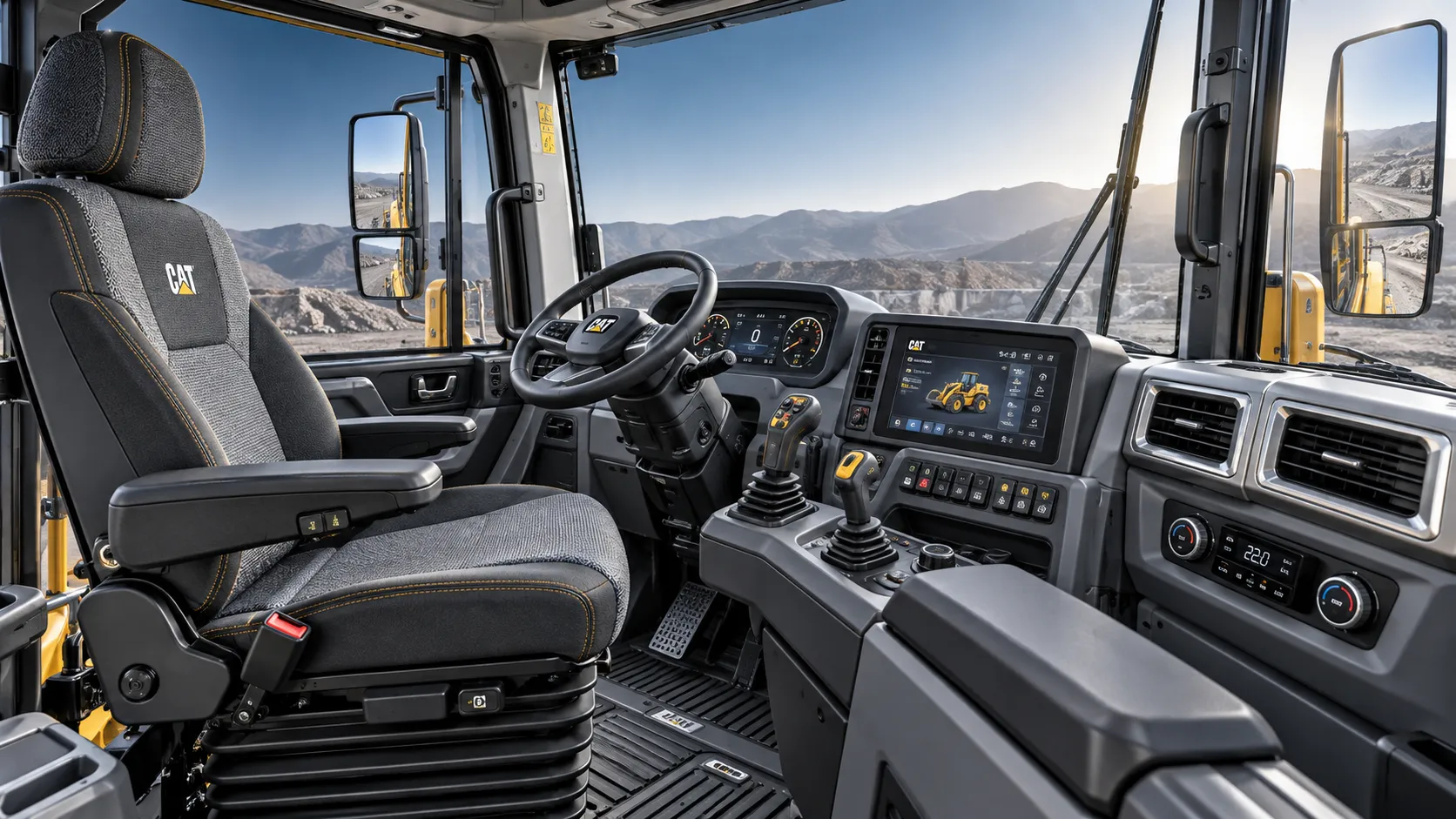
How Adjustable Cabin Ergonomics Reduce Operator Fatigue in Long-Shift Vehicles
Adjustable cabin ergonomics reduces operator fatigue through better seating, reach, visibility, vibration control, and climate comfort for safer long-shift vehicles.
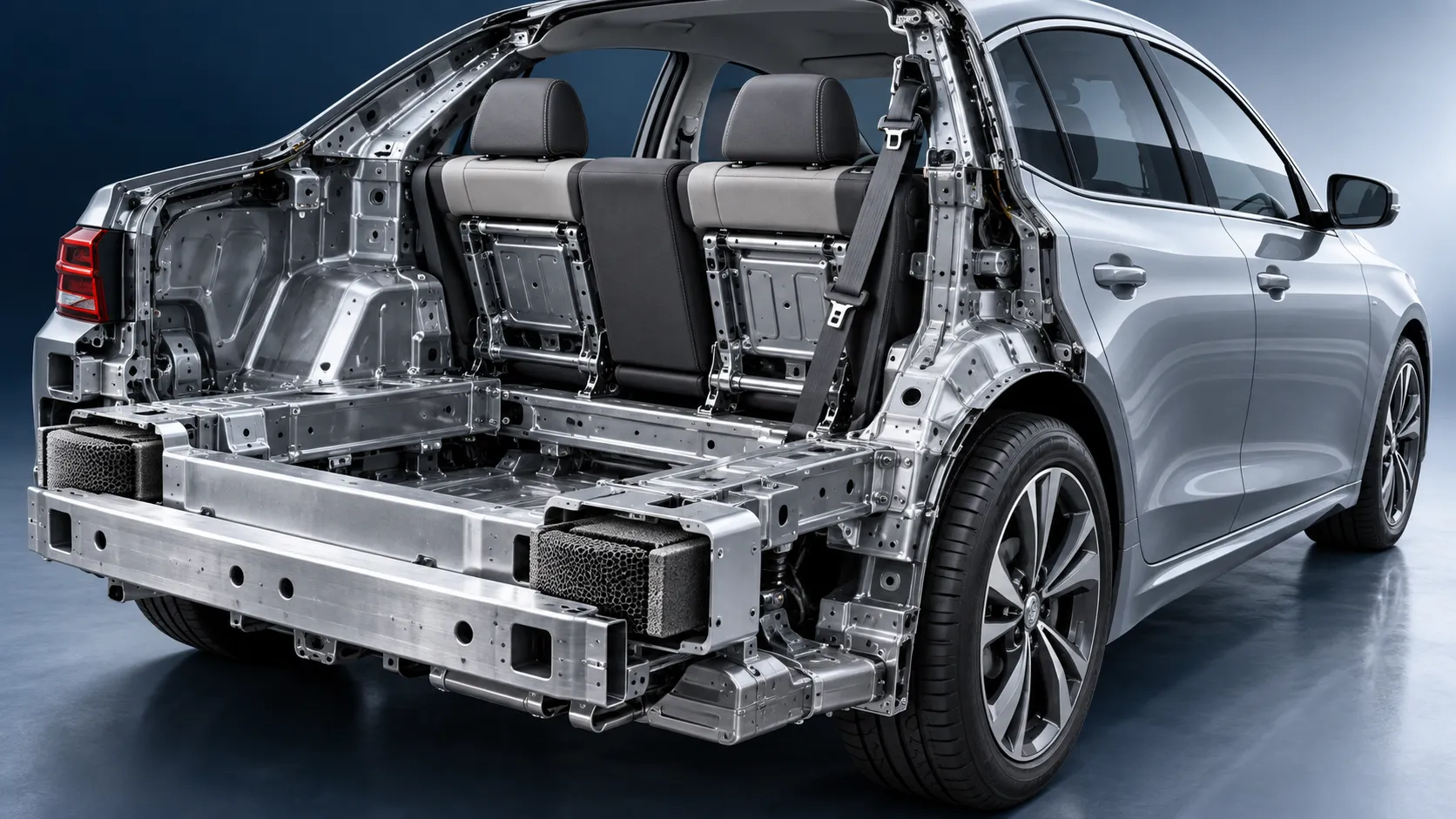
How Rear-Impact Safety Components Work Together to Protect Vehicle Occupants
Explore how automotive safety components for rear impact work together—from crash structures and seats to head restraints and belts—to enhance occupant protection.
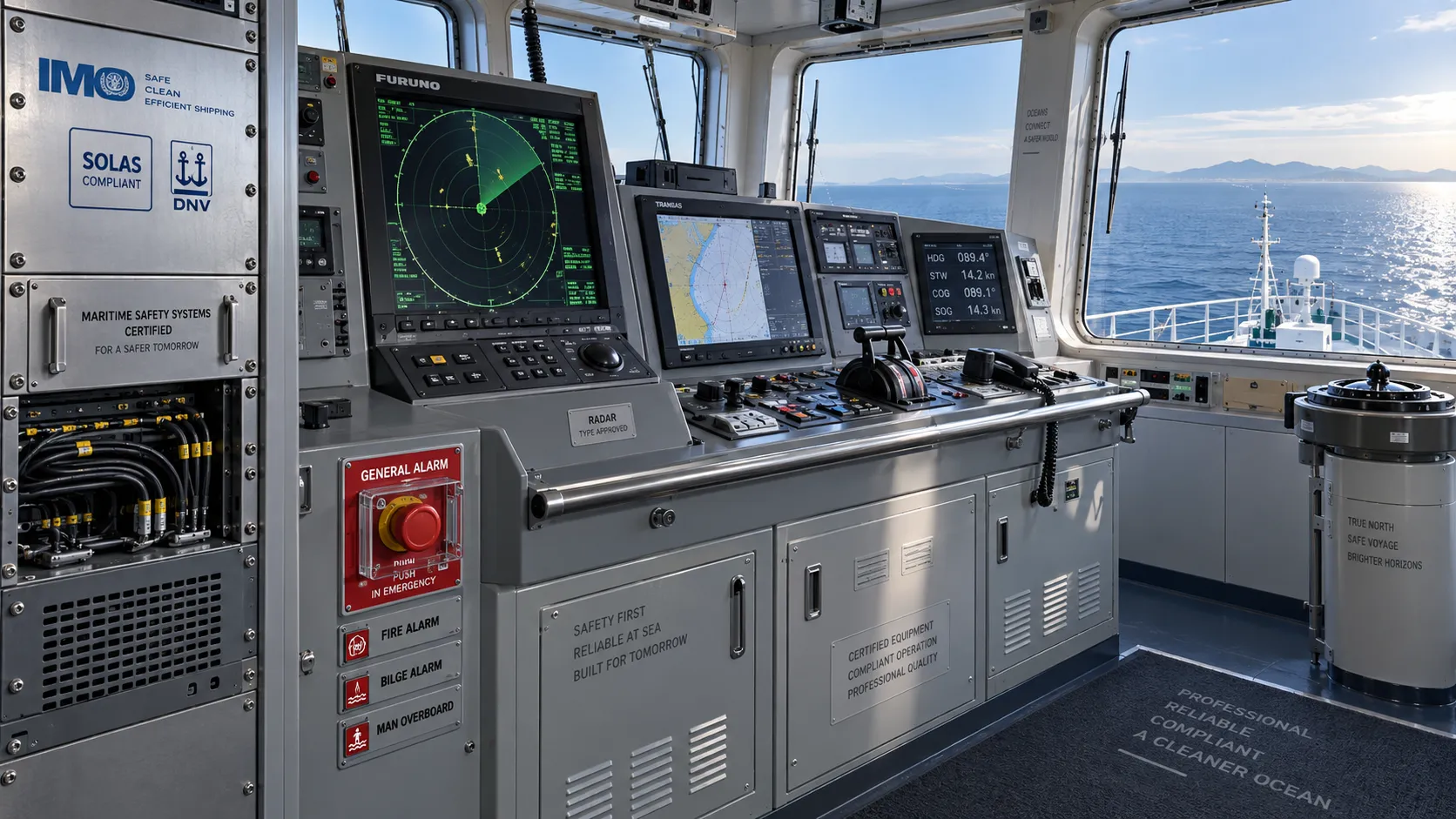
How to Evaluate a Marine Safety Systems Manufacturer for Vessel Compliance and Reliability
Marine safety systems manufacturer evaluation guide: verify compliance, engineering quality, lifecycle costs, and global service support for safer, reliable vessel operations.
Crash Test Regulations for Seatbelts: Key Compliance Requirements Explained
Crash test regulations seatbelts explained: explore FMVSS, UN rules, anchorage strength, and dynamic restraint testing for safer, compliant vehicle systems.

How to Calculate the Total Cost of Automotive Lightweighting for a Vehicle Program
Automotive lightweight solutions cost: learn how to calculate program-level costs, including materials, tooling, joining, validation, risk, and vehicle-level value.

How Automotive Seat Occupancy Sensing Improves Airbag Deployment Decisions
Automotive seat occupancy sensing helps optimize airbag deployment decisions, improving passenger classification, safety diagnostics, and compliance across real-world conditions.

What Drives Lightweight Body Component Costs in High-Volume Vehicle Programs?
Lightweight body components cost depends on material yield, forming, joining, tooling, validation, and logistics. Explore proven ways to optimize total vehicle program cost.
Related News
- 00
0000-00
What Is Driving Demand for Lightweight Automotive Bodies in Europe? - 00
0000-00
Zero-Casualty Mobility in Practice: Safety Strategies, System Design, and Deployment Challenges - 00
0000-00
Digitalized Mobility Equipment vs Conventional Systems: Where the Cost Difference Comes From - 00
0000-00
How automotive crash protection is changing in 2026 - 00
0000-00
Why are non-toxic propellants gaining ground in new programs?
Weekly Insights
Stay ahead with our curated technology reports delivered every Monday.