
How to Evaluate Smart Seating Systems for Safety, Comfort, and Integration Needs
Evaluating smart seating systems starts well beyond a feature checklist. In current mobility programs, the seat is no longer an isolated cabin part. It sits at the intersection of passive safety, electronics, lightweight engineering, thermal comfort, sensing, and regulatory validation. That is why smart seating systems now deserve the same disciplined review once reserved for airbags, seatbelt systems, or structural crash components.
For platforms shaped by digital cabins and tighter compliance demands, the real question is not whether a seat looks advanced. It is whether the system protects occupants, supports endurance over long operating cycles, and integrates cleanly with the wider vehicle architecture. From the GNCS perspective, this fits a broader intelligence pattern: precision perception and physical containment must work together, not compete.
Why smart seating systems matter now
The industry focus has shifted from component-level novelty to system-level performance. Smart seating systems are now assessed as active participants in cabin safety and occupant experience.
This matters for several reasons. Vehicle architectures are becoming more software-driven. Occupants expect better thermal and ergonomic support. Regulators and testing bodies continue to raise the bar on crash outcomes and occupant management.
At the same time, lightweight body strategies affect seat anchoring loads, packaging space, and material choices. A seat that performs well in isolation may still fail as a program decision if it complicates integration, adds mass, or creates validation risk.
That broader context is familiar to GNCS, where marine navigation, hot-stamped body structures, airbags, restraints, and seating are observed as connected safety domains rather than separate product silos.
What should be included in the evaluation scope
A useful review of smart seating systems usually covers three layers at once: safety behavior, comfort performance, and integration readiness.
Safety behavior includes structural integrity, restraint compatibility, sensor accuracy, and predictable performance in crash-related scenarios. Comfort performance includes posture support, pressure distribution, micro-climate control, vibration response, and adjustability.
Integration readiness looks at electrical interfaces, software communication, diagnostics, packaging, cybersecurity exposure, and maintainability across the vehicle lifecycle.
When these areas are reviewed separately, trade-offs are often missed. A heating or occupant detection feature may improve perceived value, yet introduce harness complexity, calibration drift, or repair burdens.
Key evaluation lens
Safety should be tested as a system, not a seat alone
The most important mistake in evaluating smart seating systems is treating the seat as a stand-alone comfort module. In reality, it is deeply tied to passenger containment.
Seat structures affect occupant kinematics during impact. Cushion stiffness changes pelvis behavior. Backrest geometry can influence torso motion. Integrated sensors may support airbag deployment logic, seatbelt reminders, or occupancy classification.
That means safety review should examine how the seat works with adjacent systems, especially airbags and restraints. GNCS has long framed this as a connected protection chain: body energy absorption, belt control, airbag timing, and seat behavior must align under load.
Practical assessment usually includes static strength, dynamic loading, seat track durability, anti-submarining behavior, child-seat interaction where relevant, and sensor reliability under real-world contamination, temperature shifts, and repeated use.
Safety checkpoints worth prioritizing
- Frame and recliner strength under crash and misuse loads
- Compatibility with seatbelt pretensioners and force limiters
- Occupant classification accuracy across body types and postures
- Sensor stability after vibration, spills, dust, and thermal cycling
- Performance consistency after repeated adjustment cycles
Comfort is measurable when judged properly
Comfort can sound subjective, yet smart seating systems can be reviewed through repeatable engineering criteria. That is especially important when products claim advanced support or wellness features.
A serious comfort assessment should look at pressure mapping, lumbar adjustability range, entry and exit ease, thermal uniformity, vibration isolation, and support consistency over time. Foam aging and trim material performance also matter.
Long-duration use is often where weaker designs reveal themselves. A seat may feel impressive during a brief demo while creating heat buildup, pressure points, or posture drift after two hours.
More advanced smart seating systems may add occupant monitoring, posture memory, massage, or adaptive climate functions. These are valuable only if the basic ergonomics are already sound.
Useful comfort questions
- Does the support geometry suit multiple body sizes without excessive adjustment?
- Does ventilation or heating remain balanced across cushion and backrest zones?
- Does the system maintain support after long vibration exposure?
- Are premium functions adding real benefit or only software complexity?
Integration needs often decide the final selection
In many programs, integration is the hidden factor that separates a promising concept from a deployable one. Smart seating systems now interact with body controllers, occupant sensing modules, HMI layers, memory profiles, and over-the-air update strategies.
This creates several practical questions. What is the peak and steady power demand? Which communication protocol is used? How are diagnostics exposed? What happens during sensor failure or software rollback?
Integration also includes packaging and production issues. Harness routing, connector access, seat removal service procedures, and calibration steps can all affect manufacturing efficiency and aftersales cost.
A GNCS-style view is useful here because seat intelligence should be evaluated the same way high-reliability navigation or safety hardware is evaluated: by interface discipline, fault tolerance, and lifecycle clarity.
Integration review points
Material, weight, and durability cannot be separated
Lightweight targets continue to shape seat design. Magnesium structures, mixed-material frames, advanced foams, and thinner packaged mechanisms can improve efficiency, but each choice changes durability and validation demands.
A lighter seat is not automatically a better seat. The balance lies in achieving mass reduction without degrading fatigue life, squeak and rattle performance, crash response, or repair practicality.
This is especially relevant in programs where body stampings and crash energy paths are already tightly optimized. Changes in seat mass or mounting strategy can affect load distribution and secondary tuning decisions.
Durability testing should therefore include real adjustment frequency, harsh-road vibration, climate aging, trim wear, and actuator reliability, not only laboratory-perfect motion cycles.
Common scenarios that require different judgment
Not all smart seating systems are judged by the same priorities. A premium passenger vehicle may emphasize thermal comfort and memory functions. A commercial mobility platform may value robustness, serviceability, and simplified electronics.
Autonomous-ready cabins add another layer. Rotating layouts, reclined postures, and enhanced occupant sensing make seat evaluation more complex because traditional assumptions about posture and restraint timing may no longer hold.
Specialized environments can push requirements further. High-vibration duty cycles, frequent ingress and egress, or global climate variation can expose weaknesses in smart seating systems that pass basic showroom comparisons.
That is why evaluation criteria should be tied to the actual operating case, not only the supplier’s feature narrative.
A practical way to compare options
A disciplined comparison framework helps prevent overvaluing visible features and undervaluing hidden risks. Usually, the strongest method is a weighted matrix built around program priorities.
Safety-critical factors should receive the highest confidence requirements. Comfort metrics should be validated through repeatable trials, not only user impressions. Integration items should include failure handling, software maturity, and service impact.
- Define mandatory thresholds before reviewing premium features
- Separate supplier claims from validated test evidence
- Score lifecycle burden, not just launch readiness
- Check compatibility with regulatory and regional compliance needs
- Review smart seating systems alongside adjacent safety components
That final point matters most. Seats, belts, airbags, and body structures form one protection environment. A balanced decision comes from reading those interfaces together.
Where to focus next
The best next step is to build a short evaluation model around three questions: does the seat protect reliably, does it support real human use, and does it integrate without hidden cost?
From there, compare smart seating systems using evidence from crash compatibility, ergonomic testing, electrical architecture, and durability validation. Broader intelligence sources, including GNCS coverage of restraints, lightweight structures, and compliance shifts, can help place a seat decision in its full program context.
When the evaluation standard is clear, smart seating systems become easier to judge not as isolated cabin upgrades, but as strategic safety and integration assets within the evolving mobility landscape.
Related News
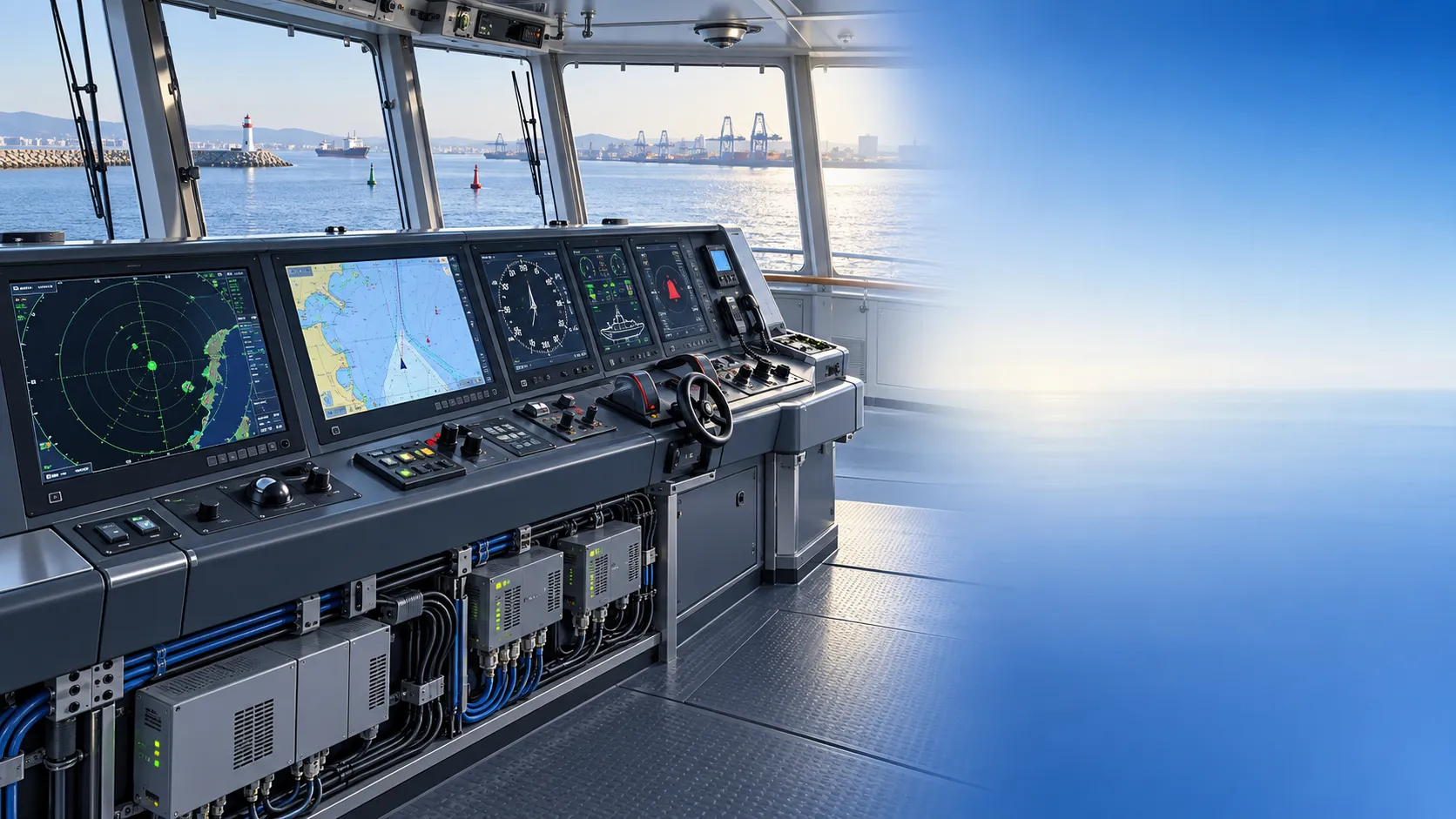
How to Specify Integrated Marine Electronics for Reliable Bridge Operations
Integrated marine electronics: learn how to specify reliable bridge systems with clear data flows, redundancy, alarm control, lifecycle interfaces, and operational testing.

How to Evaluate Navigation Radar Manufacturers for Commercial Vessel Projects
Navigation radar manufacturers: learn how to compare performance, compliance, integration, support, and lifecycle cost for commercial vessel projects.
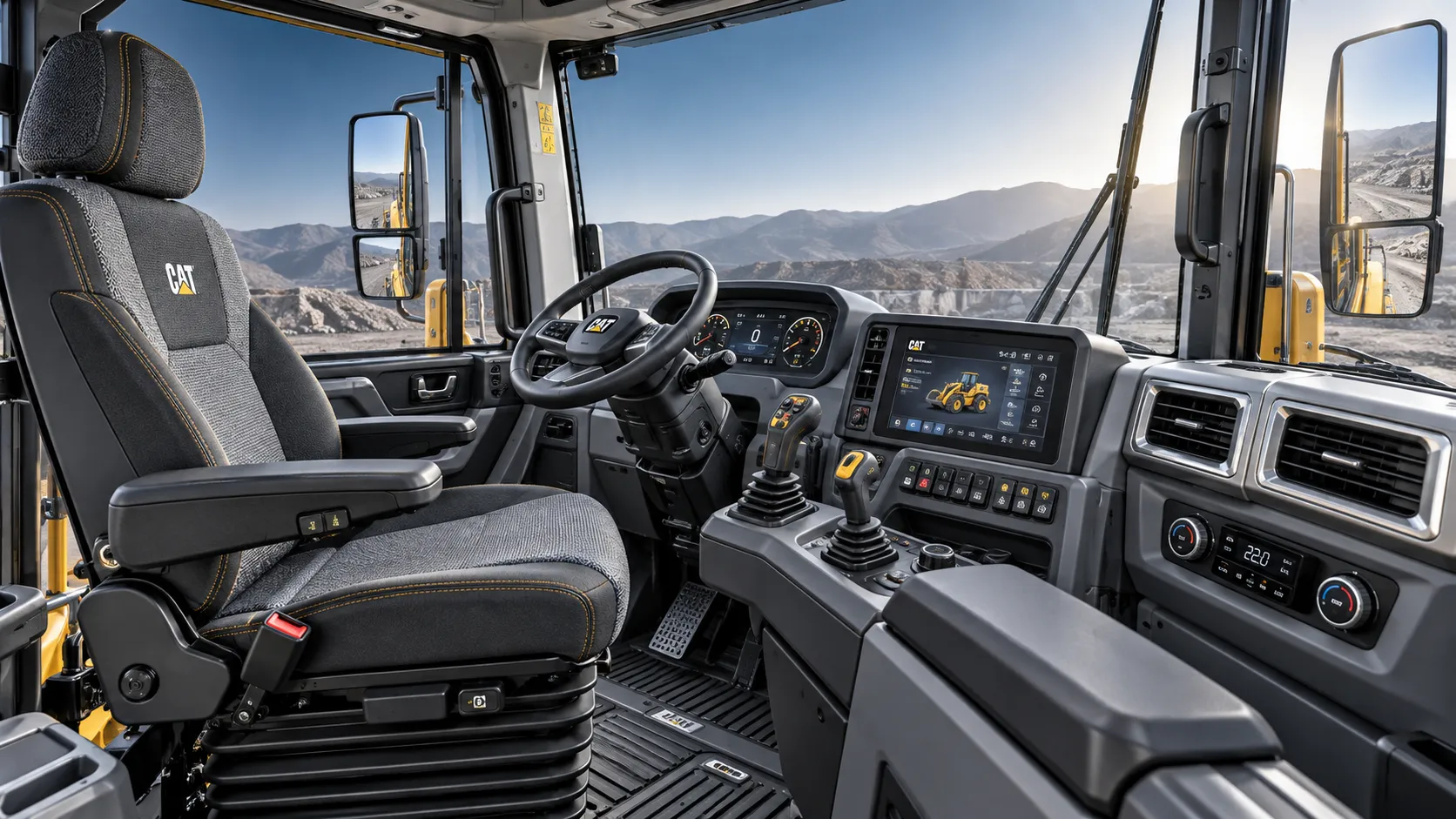
How Adjustable Cabin Ergonomics Reduce Operator Fatigue in Long-Shift Vehicles
Adjustable cabin ergonomics reduces operator fatigue through better seating, reach, visibility, vibration control, and climate comfort for safer long-shift vehicles.
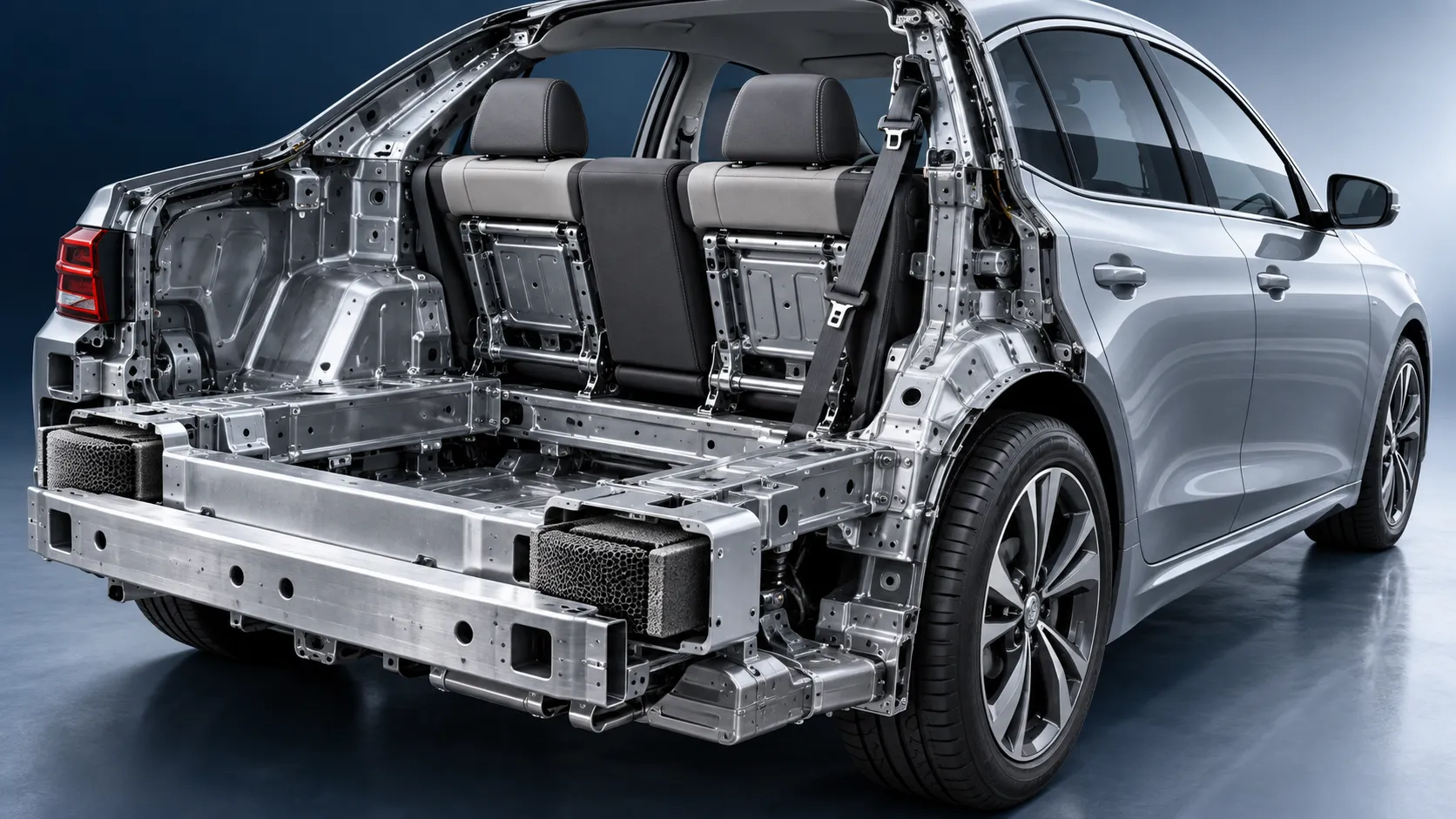
How Rear-Impact Safety Components Work Together to Protect Vehicle Occupants
Explore how automotive safety components for rear impact work together—from crash structures and seats to head restraints and belts—to enhance occupant protection.
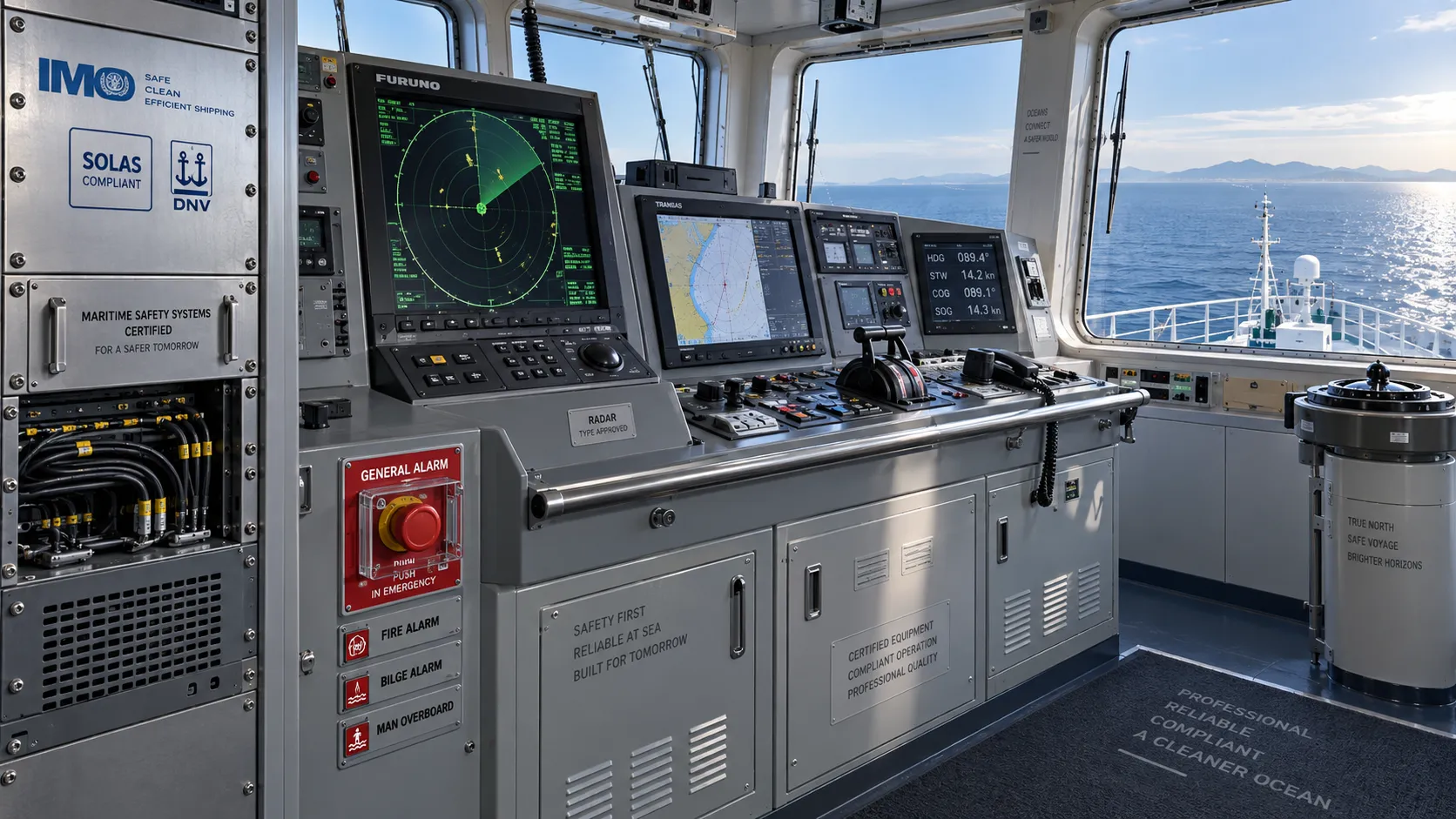
How to Evaluate a Marine Safety Systems Manufacturer for Vessel Compliance and Reliability
Marine safety systems manufacturer evaluation guide: verify compliance, engineering quality, lifecycle costs, and global service support for safer, reliable vessel operations.
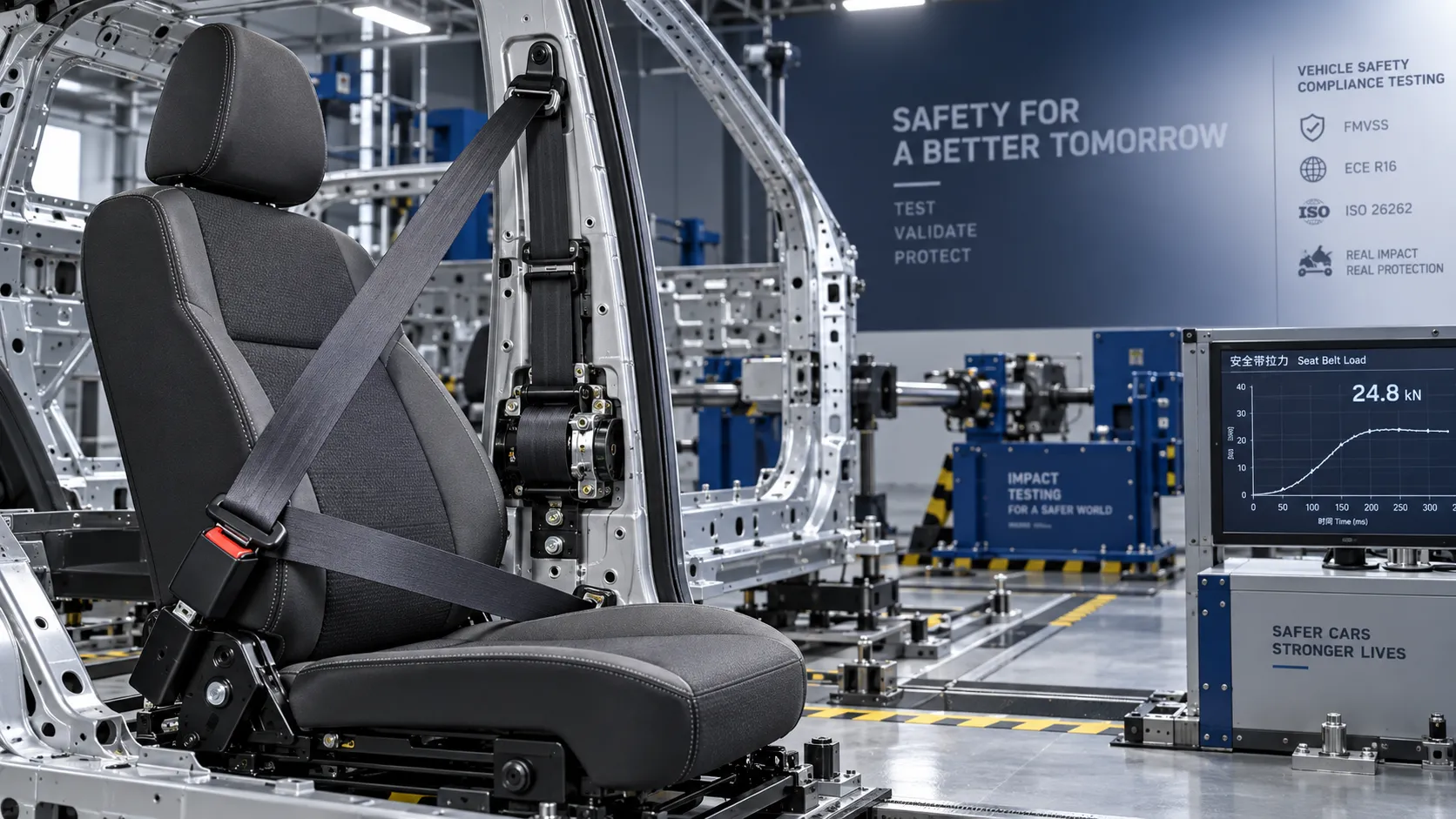
Crash Test Regulations for Seatbelts: Key Compliance Requirements Explained
Crash test regulations seatbelts explained: explore FMVSS, UN rules, anchorage strength, and dynamic restraint testing for safer, compliant vehicle systems.
How to Calculate the Total Cost of Automotive Lightweighting for a Vehicle Program
Automotive lightweight solutions cost: learn how to calculate program-level costs, including materials, tooling, joining, validation, risk, and vehicle-level value.
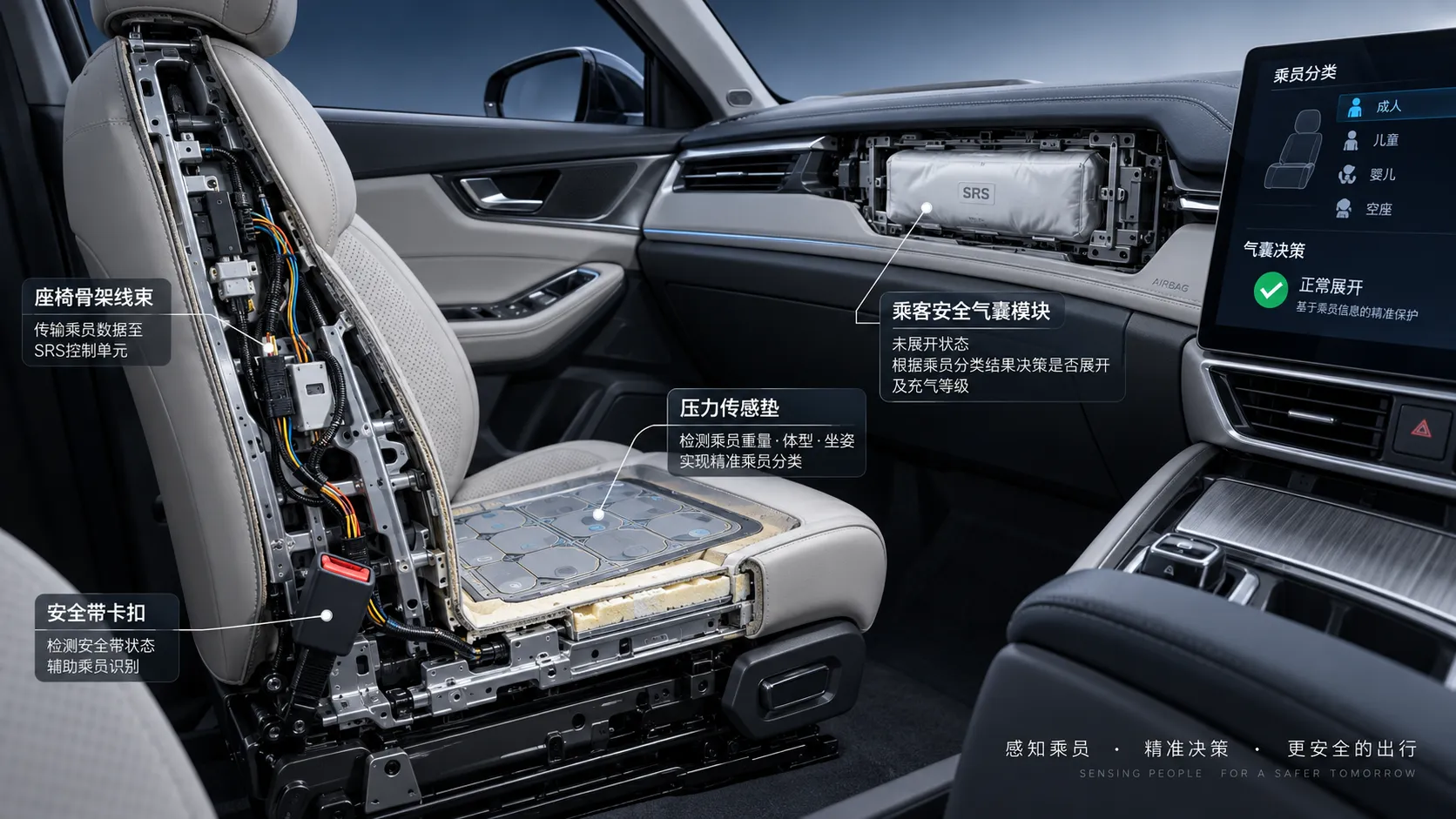
How Automotive Seat Occupancy Sensing Improves Airbag Deployment Decisions
Automotive seat occupancy sensing helps optimize airbag deployment decisions, improving passenger classification, safety diagnostics, and compliance across real-world conditions.
What Drives Lightweight Body Component Costs in High-Volume Vehicle Programs?
Lightweight body components cost depends on material yield, forming, joining, tooling, validation, and logistics. Explore proven ways to optimize total vehicle program cost.
Related News
- 00
0000-00
What European OEMs Should Evaluate When Sourcing Memory Seat Modules - 00
0000-00
How to Evaluate Custom Smart Automotive Seating for Premium Vehicle Programs? - 00
0000-00
How to Evaluate Custom Smart Seating Solutions for Comfort, Safety, and Integration? - 00
0000-00
What Affects Memory Seat Modules Price? Cost Drivers and Spec Trade-Offs - 00
0000-00
Smart Seat Systems Price Breakdown: What Drives Cost Across Sensors, Motors, and Modules?
Weekly Insights
Stay ahead with our curated technology reports delivered every Monday.