
What Is Crash Energy-Absorbing Design and How Is It Used in Modern Vehicles?
Crash energy-absorbing design sits at the center of modern vehicle safety. It determines how a vehicle manages impact force before that force reaches the human body, and it influences everything from body structures to restraint timing.
That matters even more now because lightweighting, electrification, and stricter crash standards are moving together. A lighter body cannot simply be thinner. It must remain predictable under load and support reliable occupant protection.
For platforms tracking mobility intelligence, such as GNCS, this topic connects materials, passive safety, compliance, and cabin systems. It also shows how hot-stamped parts, airbags, seatbelts, and seats work as one coordinated protection chain.
What crash energy-absorbing design really means
In simple terms, crash energy-absorbing design is the practice of controlling deformation. During a crash, vehicle structures are designed to bend, fold, crush, or redirect force in planned ways.
The goal is not to keep every part rigid. The goal is to protect survival space, reduce deceleration peaks, and give restraint systems enough time to operate effectively.
This is why crash energy-absorbing performance is often discussed together with load paths, crumple zones, intrusion control, and occupant kinematics. The structure and the cabin must respond as a system, not as isolated components.
A useful distinction is that some parts are meant to deform early, while others must remain stable. Front rails, crash boxes, and bumper beams often dissipate energy first. The passenger cell is expected to retain integrity longer.
Why the industry is paying closer attention
Regulatory and consumer test programs have raised the bar. IIHS, Euro NCAP, and other assessment frameworks evaluate not only overall survival outcomes, but also overlap conditions, side impacts, and compatibility with real traffic scenarios.
At the same time, vehicle architecture is changing. Battery packs add mass and alter underbody stiffness. Advanced driver assistance may reduce some crash frequencies, yet when collisions happen, impact conditions can still be severe and complex.
This is where crash energy-absorbing design becomes a strategic issue rather than a narrow engineering detail. It affects material selection, stamping methods, joining techniques, restraint calibration, repair economics, and brand safety credibility.
GNCS follows this intersection closely because mobility safety no longer belongs to one silo. Physical containment protection now depends on data, simulation, chemistry, structural metallurgy, and cabin ergonomics moving in the same direction.
Where energy absorption happens in a modern vehicle
Crash energy-absorbing design appears across the whole vehicle. Some features are visible in the body-in-white. Others are hidden inside restraint modules and seating structures.
Primary structural zones
- Front and rear crash structures manage initial impact loads and reduce peak energy transfer.
- Side structures, including door beams and pillars, limit intrusion during narrow-impact events.
- The roof rail, floor, and cross-members help preserve the occupant cell.
- Battery enclosures in electric vehicles must resist deformation while controlling load redistribution.
Occupant-facing protection systems
- Seatbelt pre-tensioners remove slack early and help position the body for controlled loading.
- Force limiters reduce chest loads by allowing managed belt payout.
- Airbags spread impact over larger body areas and support head, chest, and knee protection.
- Seats and head restraints influence posture, submarining control, and rear-impact response.
The important point is coordination. Excellent crash energy-absorbing components can still underperform if timing, stiffness, and occupant motion are not aligned.
Materials and manufacturing shape the outcome
Material choice is one of the biggest variables in crash energy-absorbing design. Strength alone is not enough. Engineers need the right balance of strength, ductility, thickness, geometry, and manufacturing consistency.
This explains the rise of advanced high-strength steel, press-hardened steel, aluminum alloys, and selective mixed-material strategies. Each material behaves differently during impact, especially when strain rates rise sharply.
Hot-stamped parts are especially important in modern safety architecture. They allow high-strength components with accurate dimensional control, which helps build rigid safety cells while still supporting lightweight targets.
Yet higher strength does not automatically mean better crash energy-absorbing behavior everywhere. Some zones need controlled crush, not maximum rigidity. Good design places the right material in the right deformation role.
How it is used in real vehicle programs
In practice, crash energy-absorbing design starts long before prototypes exist. It begins with target setting: crash modes, legal requirements, consumer test priorities, vehicle mass, seating layout, and expected platform derivatives.
Simulation then plays a major role. Engineers model how structures collapse, how spot welds or adhesives behave, how belts load the chest, and how airbags deploy across different occupant sizes and seating positions.
By the prototype stage, the focus turns to correlation. Does the real part buckle where the model predicted? Do production tolerances change energy absorption? Does a lighter seat frame alter belt geometry during impact?
This cross-functional view reflects the GNCS perspective. Auto body stampings, airbag assemblies, seatbelt systems, and smart seat structures cannot be evaluated in isolation when the safety outcome depends on synchronized performance.
What to examine when comparing solutions
For useful evaluation, it helps to move beyond headline claims such as “high strength” or “lightweight.” Crash energy-absorbing quality is usually revealed by behavior under specific conditions.
- Check whether deformation is progressive and repeatable, not abrupt or unstable.
- Look at system compatibility between body structure, restraint calibration, and seat performance.
- Review compliance alignment with IIHS, Euro NCAP, and regional regulations.
- Assess manufacturing robustness, including forming accuracy, joining quality, and batch consistency.
- Consider repairability and post-crash replacement cost, especially for mixed-material zones.
- For EV platforms, include battery protection and underfloor energy paths in the review.
These checks are useful because crash energy-absorbing success rarely depends on one hero component. The stronger indicator is whether the full protection chain behaves predictably across several crash modes.
Why this topic reaches beyond one segment
Although the phrase is most common in automotive safety, the underlying logic is broader. Controlled force management, structural resilience, and human protection also matter in marine navigation equipment housings, seating systems, and other mobility platforms.
That is why GNCS treats crash energy-absorbing knowledge as part of a wider intelligence map. Precision perception and physical containment are different disciplines, yet both depend on disciplined engineering, verified data, and compliance awareness.
In business terms, this makes the subject valuable for technology benchmarking, supplier screening, and platform planning. It helps separate superficial lightweight claims from protection strategies that are technically credible.
A practical next step for deeper evaluation
A clear way forward is to build a comparison framework around three linked questions: where the energy goes, what remains protected, and how repeatably the system performs in production conditions.
From there, compare material routes, body stampings, restraint strategies, and seat integration against actual crash scenarios rather than marketing language. That approach makes crash energy-absorbing analysis more useful for both technical review and strategic decision-making.
As vehicle architectures continue to evolve, the most reliable insight will come from watching how structure, cabin, and compliance requirements converge. That is where the real meaning of crash energy-absorbing design becomes visible.
Related News

How to Specify Integrated Marine Electronics for Reliable Bridge Operations
Integrated marine electronics: learn how to specify reliable bridge systems with clear data flows, redundancy, alarm control, lifecycle interfaces, and operational testing.

How to Evaluate Navigation Radar Manufacturers for Commercial Vessel Projects
Navigation radar manufacturers: learn how to compare performance, compliance, integration, support, and lifecycle cost for commercial vessel projects.
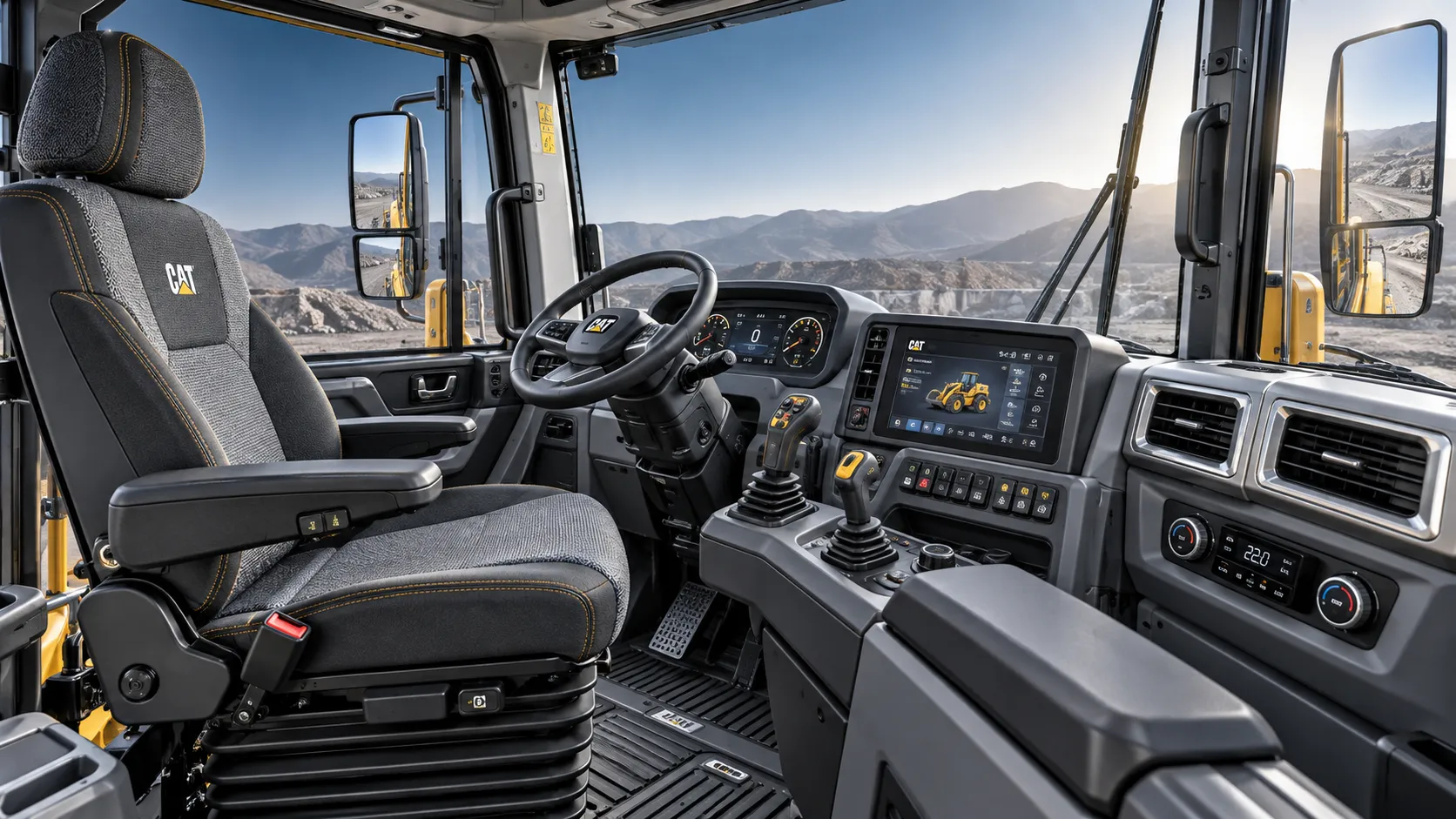
How Adjustable Cabin Ergonomics Reduce Operator Fatigue in Long-Shift Vehicles
Adjustable cabin ergonomics reduces operator fatigue through better seating, reach, visibility, vibration control, and climate comfort for safer long-shift vehicles.
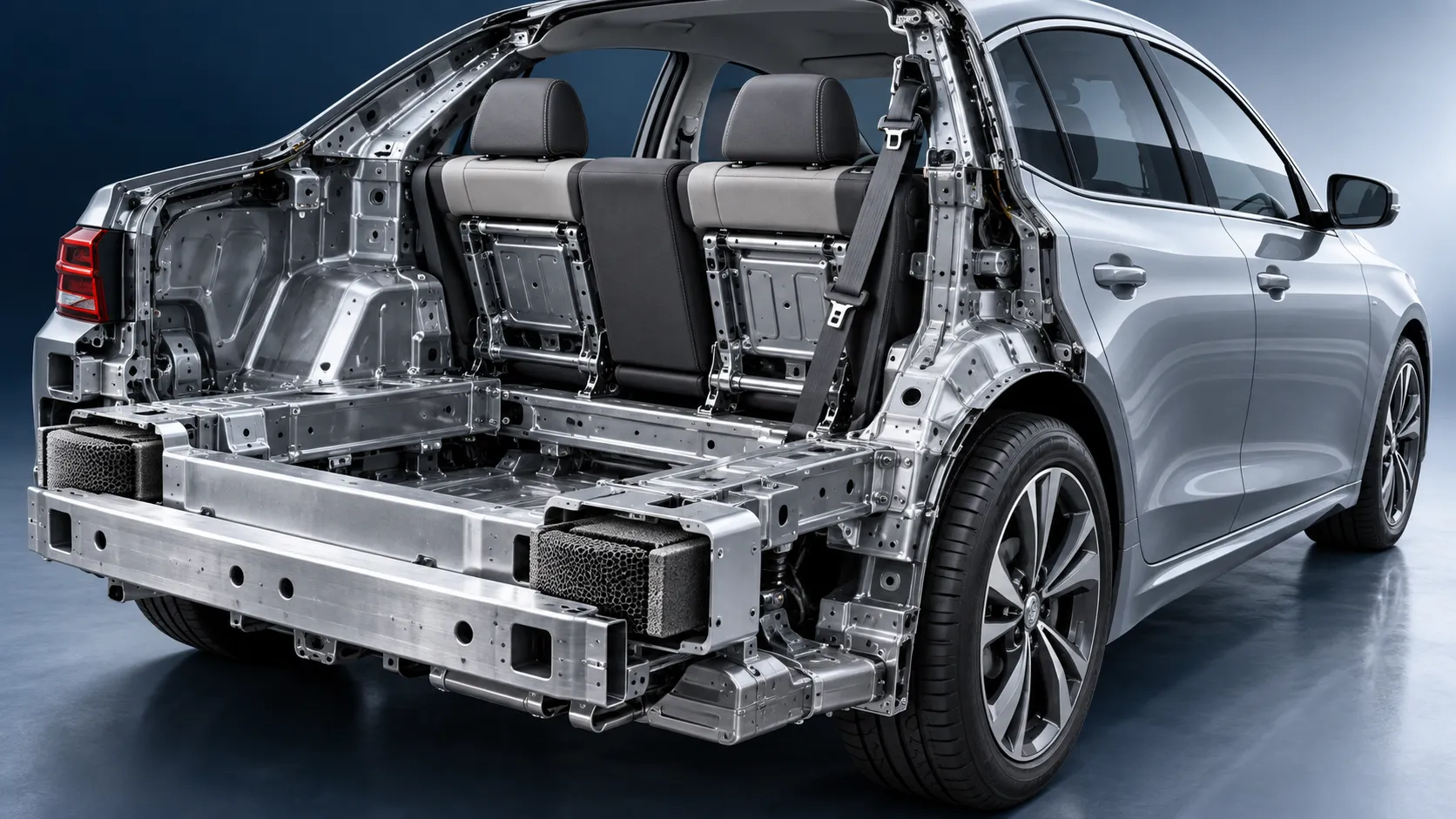
How Rear-Impact Safety Components Work Together to Protect Vehicle Occupants
Explore how automotive safety components for rear impact work together—from crash structures and seats to head restraints and belts—to enhance occupant protection.

How to Evaluate a Marine Safety Systems Manufacturer for Vessel Compliance and Reliability
Marine safety systems manufacturer evaluation guide: verify compliance, engineering quality, lifecycle costs, and global service support for safer, reliable vessel operations.
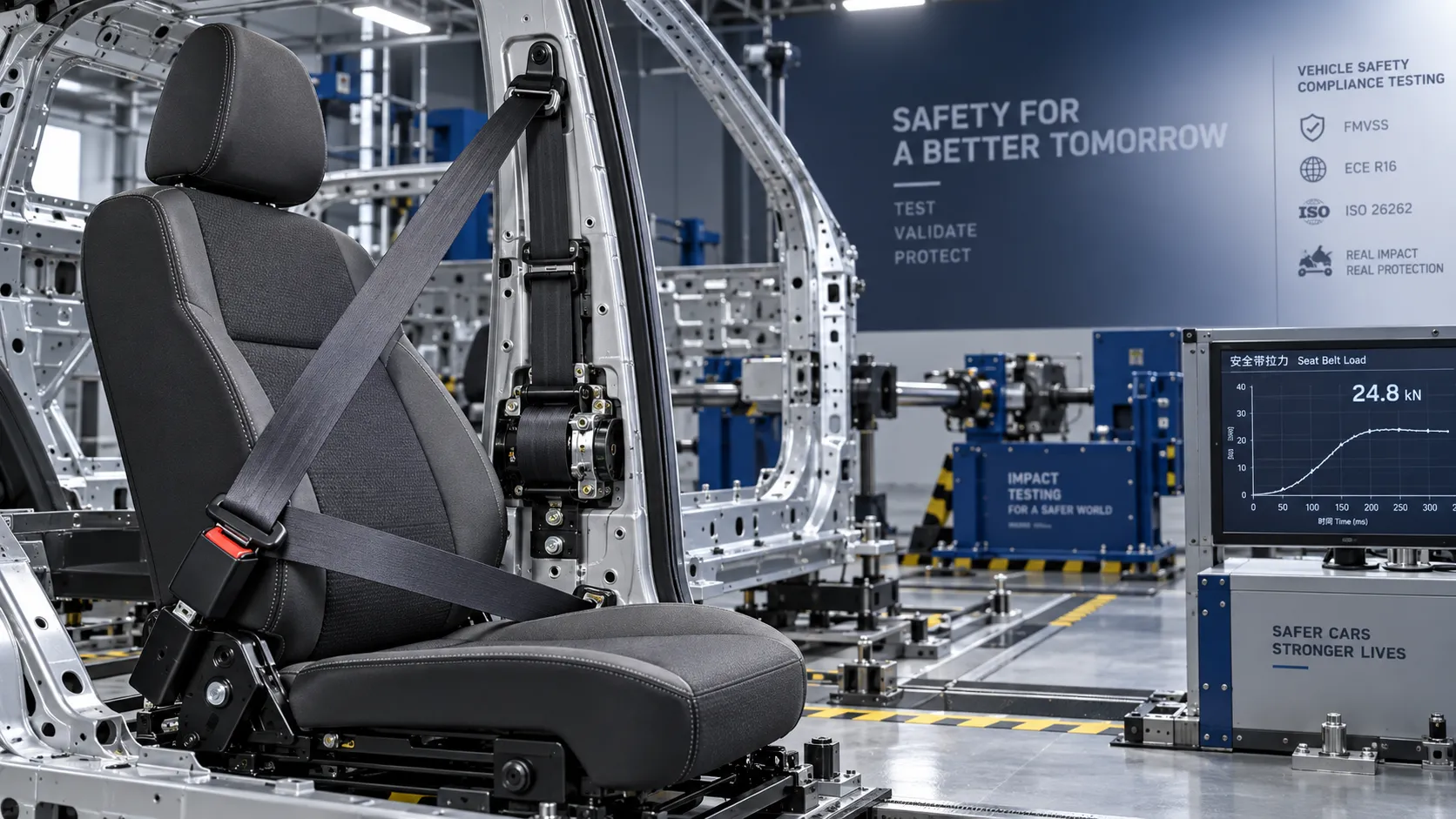
Crash Test Regulations for Seatbelts: Key Compliance Requirements Explained
Crash test regulations seatbelts explained: explore FMVSS, UN rules, anchorage strength, and dynamic restraint testing for safer, compliant vehicle systems.

How to Calculate the Total Cost of Automotive Lightweighting for a Vehicle Program
Automotive lightweight solutions cost: learn how to calculate program-level costs, including materials, tooling, joining, validation, risk, and vehicle-level value.

How Automotive Seat Occupancy Sensing Improves Airbag Deployment Decisions
Automotive seat occupancy sensing helps optimize airbag deployment decisions, improving passenger classification, safety diagnostics, and compliance across real-world conditions.

What Drives Lightweight Body Component Costs in High-Volume Vehicle Programs?
Lightweight body components cost depends on material yield, forming, joining, tooling, validation, and logistics. Explore proven ways to optimize total vehicle program cost.
Related News
- 00
0000-00
How to Evaluate High Strength Hot Stamped Steel Parts for Crash-Safety Applications - 00
0000-00
How to Evaluate Steel Auto Body Stampings for Strength, Fit, and Cost - 00
0000-00
Vehicle Lightweight Engineering for Body Structures vs High-Strength Steel: When to Use Which - 00
0000-00
Vehicle Lightweight Solutions for Structural Parts: When to Use Aluminum, HSS, or Hot Stamping - 00
0000-00
How to Evaluate High Strength Steel Stampings for Seat Structures: Key Grades and Forming Limits
Weekly Insights
Stay ahead with our curated technology reports delivered every Monday.