
How to Choose High-Strength Steel for Structural Parts: Grades, Formability, and Cost
Choosing high-strength steel for structural parts is rarely a simple grade comparison. It shapes crash behavior, weight targets, stamping stability, corrosion strategy, and landed cost. In sectors followed closely by GNCS, from auto body stampings to cabin safety structures, the right steel choice often determines whether a program stays competitive and compliant.
That is why grade, formability, and cost must be assessed together. A stronger steel is not always the better buy. If forming windows are narrow, tool wear rises, or supply options are limited, the total value equation can change quickly.
What high-strength steel really means in structural applications
High-strength steel is a broad family rather than one material. It includes conventional high-strength low-alloy grades, advanced high-strength steel, and ultra-high-strength steel designed for demanding load paths.
For structural parts, the target is not strength alone. The steel must carry loads, absorb energy in a controlled way, survive forming, and maintain repeatable quality in mass production.
This matters in B-pillars, cross members, seat structures, belt anchors, reinforcements, battery protection parts, and selected marine equipment brackets. In each case, the required failure mode is different.
Why this issue is getting more attention
Regulatory pressure keeps rising. Crash protocols, durability expectations, lightweight targets, and lifecycle efficiency all push designs toward smarter material selection rather than simple overdesign.
GNCS tracks this shift across mobility equipment. In automotive lightweight bodies, hot stamping and advanced forming routes are redefining how structural safety is achieved. In passive safety components, material consistency is directly tied to predictable energy management.
Cost pressure adds another layer. Steel prices move with alloying elements, regional capacity, coating availability, energy costs, and logistics. The gap between nominal price and actual sourcing cost can be significant.
Grades are selected by performance window, not by headline strength
A common mistake is choosing the highest tensile number available. Structural performance depends on yield strength, tensile strength, elongation, hole expansion, bendability, weldability, and thickness tolerance.
In practical terms, different grade families serve different purposes:
The better approach is to define a performance window first. Then match the high-strength steel family to the part’s geometry, joining method, crash role, and production route.
Formability often decides whether a grade works in production
Many sourcing issues appear after the grade has already been approved on paper. A steel can meet strength targets yet still fail at the press because of edge cracking, excessive springback, surface damage, or unstable dimensional repeatability.
Formability should be read beyond elongation data. More useful indicators include hole expansion ratio, bend radius capability, forming limit behavior, and sensitivity to edge condition.
Questions worth asking during evaluation
- Does the part require deep drawing, stretch flanging, tight bending, or roll forming?
- How much springback compensation is needed in the tool design?
- Will laser cutting, punching, or trimming affect edge crack performance?
- Is the steel supplied bare, galvanized, or aluminized for downstream processing?
- Can the current press line, die material, and lubricant support the selected grade?
These questions matter because high-strength steel selection is tightly linked to manufacturing capability. A lower-cost grade that causes scrap, downtime, or rework can become the expensive option.
Cost should be measured across the full sourcing picture
Price per ton is only the starting point. Total cost includes yield loss, tooling life, forming speed, heat treatment needs, coating choice, welding consumables, inspection effort, and supply risk.
For example, a thinner advanced high-strength steel may reduce mass and material consumption. Yet if it demands more complex dies or stricter process control, the savings may be delayed.
On the other hand, a higher-grade solution can still be economical when it consolidates parts, removes reinforcements, improves crash ratings, or lowers transportation weight.
Main cost drivers behind high-strength steel
- Alloy design and metallurgical complexity
- Regional production capacity and mill qualification
- Coating type and corrosion performance requirements
- Processing route such as cold stamping or hot stamping
- Volume commitment and supply chain resilience
Different structural parts need different steel logic
Not every structural part should move to the same grade family. A seat track, a side-impact reinforcement, and a marine electronics support bracket face very different duty cycles and failure consequences.
In automotive body structures, high-strength steel is often chosen to preserve cabin integrity while reducing mass. In passive safety hardware, the steel must behave predictably under sudden loads and tight tolerance conditions.
In marine-adjacent structures, vibration, corrosion exposure, and long service intervals may outweigh pure crash metrics. The grade decision then becomes a balance between structural margin, coating strategy, and fabrication practicality.
A practical framework for comparing options
A useful comparison model is to score each high-strength steel candidate across five dimensions: mechanical fit, forming fit, joining fit, compliance fit, and commercial fit.
This kind of framework is especially valuable when several mills offer nominally similar grades. Equivalent chemistry on paper does not always mean equivalent forming behavior in practice.
Signals that deserve closer attention before nomination
Some risks are easy to miss during early comparison. Broader market intelligence helps here, which is why GNCS often connects material trends with process and compliance developments rather than treating them separately.
- Large property spread between coil lots
- Too few qualified suppliers in the target region
- Coating choices that interfere with welding windows
- Tooling assumptions based on mild steel history
- Weight savings that disappear after reinforcements are added back
When any of these signals appear, the grade review should widen. Testing only coupon properties is not enough. Part geometry, process route, and supply continuity need equal attention.
Turning material selection into a stronger decision process
The best high-strength steel decision usually comes from early alignment between design targets, forming realities, and commercial constraints. That reduces the chance of expensive redesign after tooling or validation.
A practical next step is to shortlist two or three grade routes, compare them on formed-part performance, and map total cost rather than mill price alone. Then review regional supply depth, coating options, and qualification timelines.
High-strength steel creates real value when it is matched to the part’s job, the plant’s capability, and the program’s risk tolerance. That is the point where lighter structures, safer outcomes, and better sourcing discipline begin to reinforce each other.
Related News
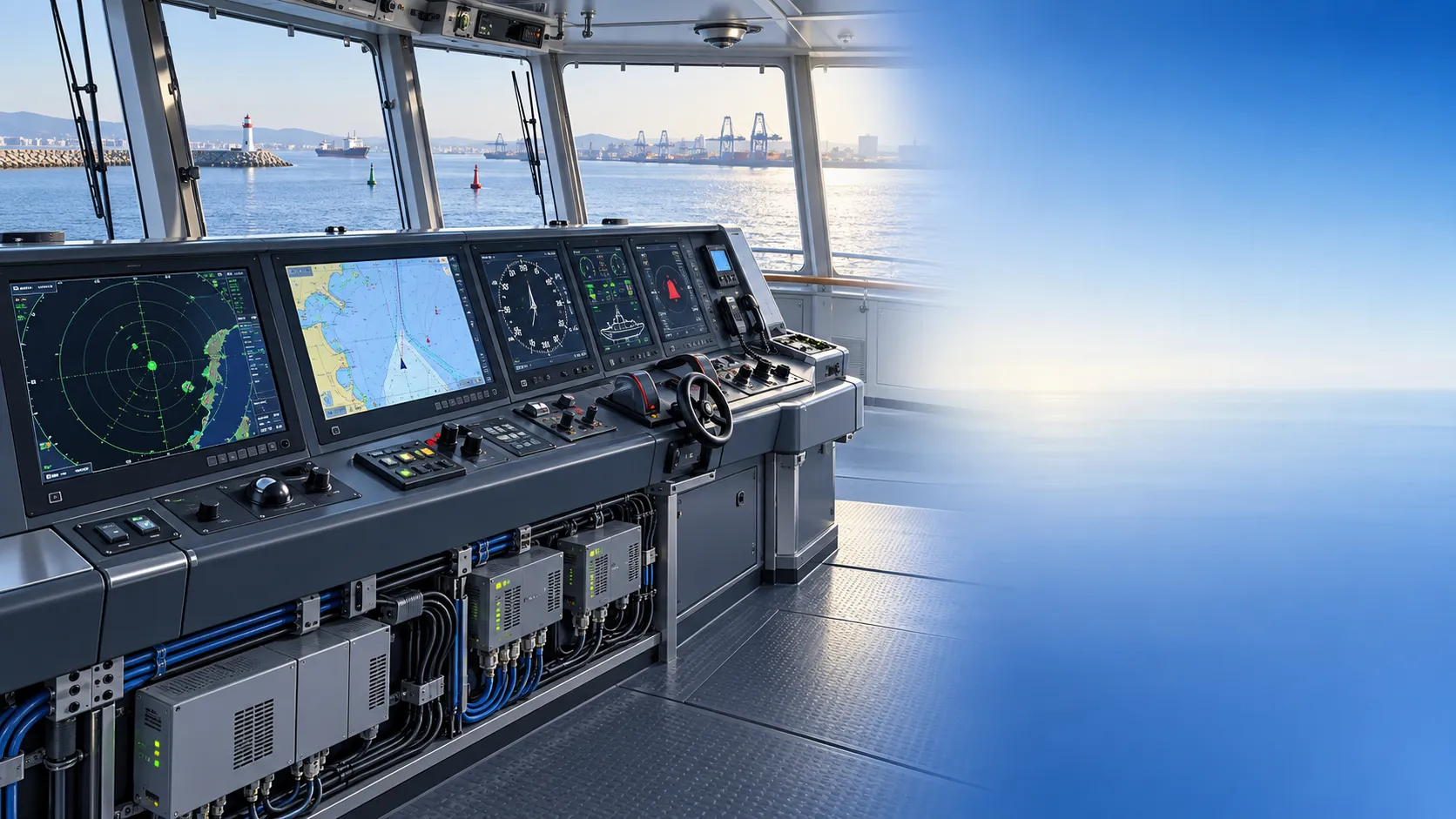
How to Specify Integrated Marine Electronics for Reliable Bridge Operations
Integrated marine electronics: learn how to specify reliable bridge systems with clear data flows, redundancy, alarm control, lifecycle interfaces, and operational testing.

How to Evaluate Navigation Radar Manufacturers for Commercial Vessel Projects
Navigation radar manufacturers: learn how to compare performance, compliance, integration, support, and lifecycle cost for commercial vessel projects.
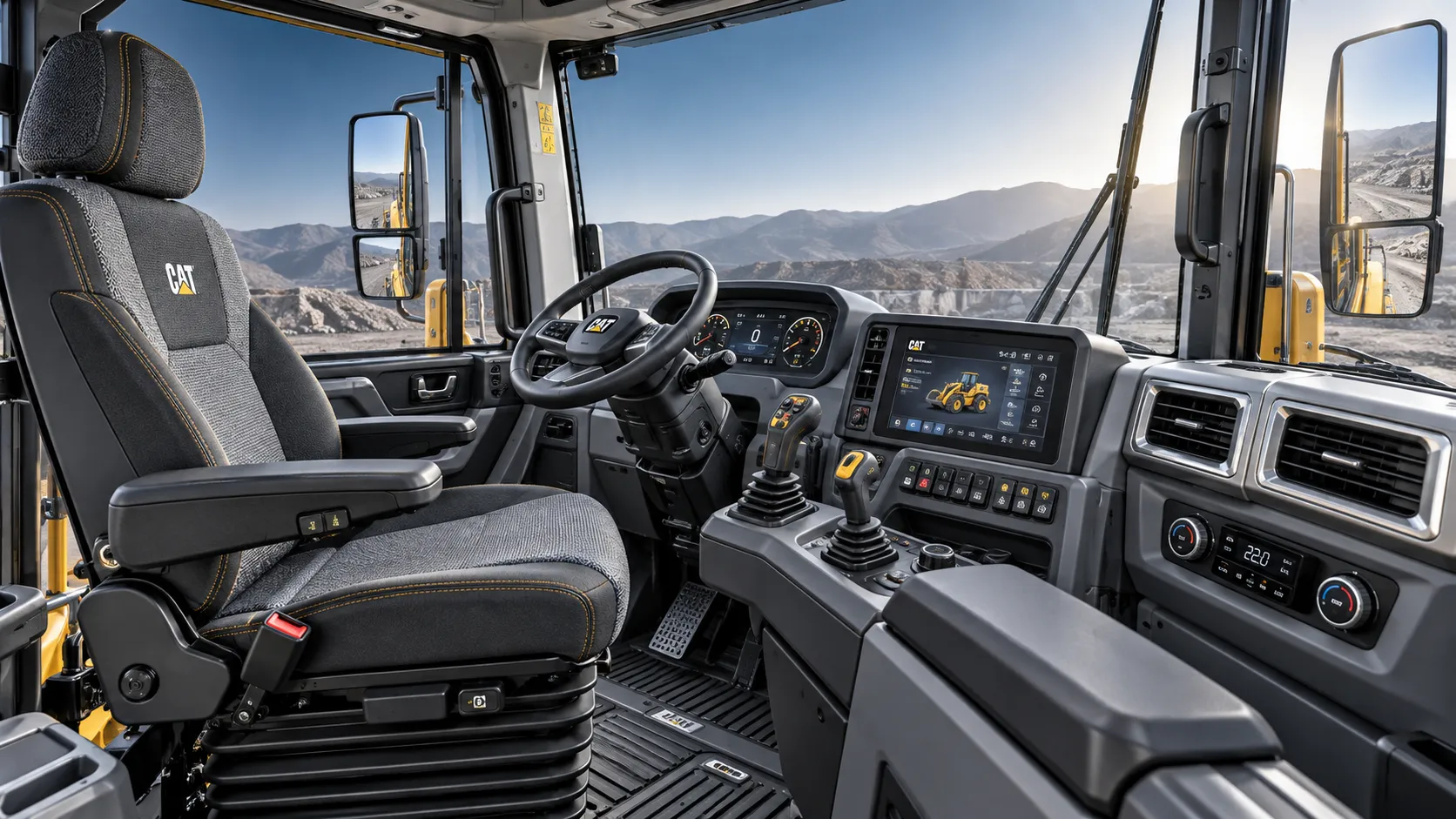
How Adjustable Cabin Ergonomics Reduce Operator Fatigue in Long-Shift Vehicles
Adjustable cabin ergonomics reduces operator fatigue through better seating, reach, visibility, vibration control, and climate comfort for safer long-shift vehicles.
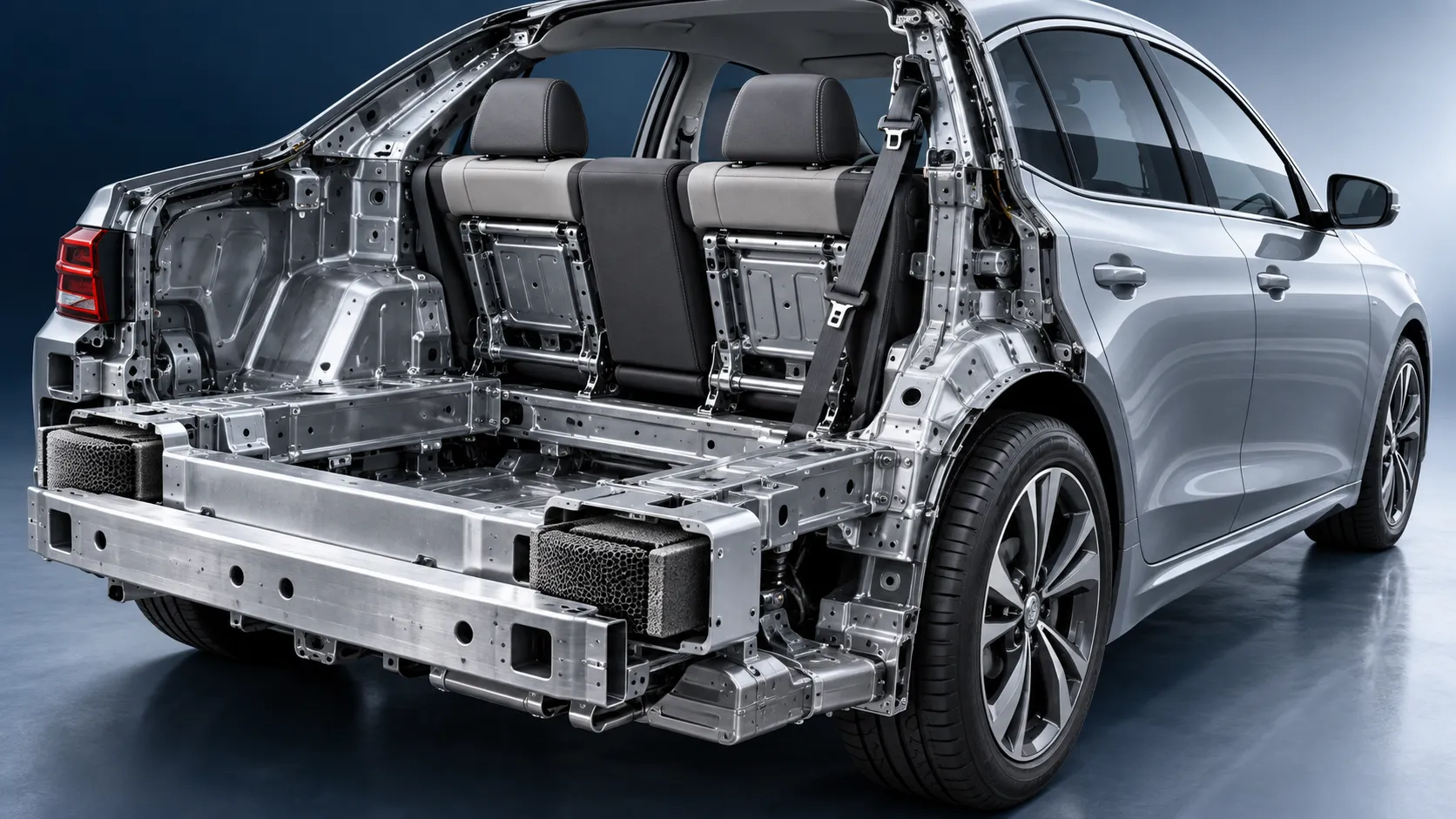
How Rear-Impact Safety Components Work Together to Protect Vehicle Occupants
Explore how automotive safety components for rear impact work together—from crash structures and seats to head restraints and belts—to enhance occupant protection.
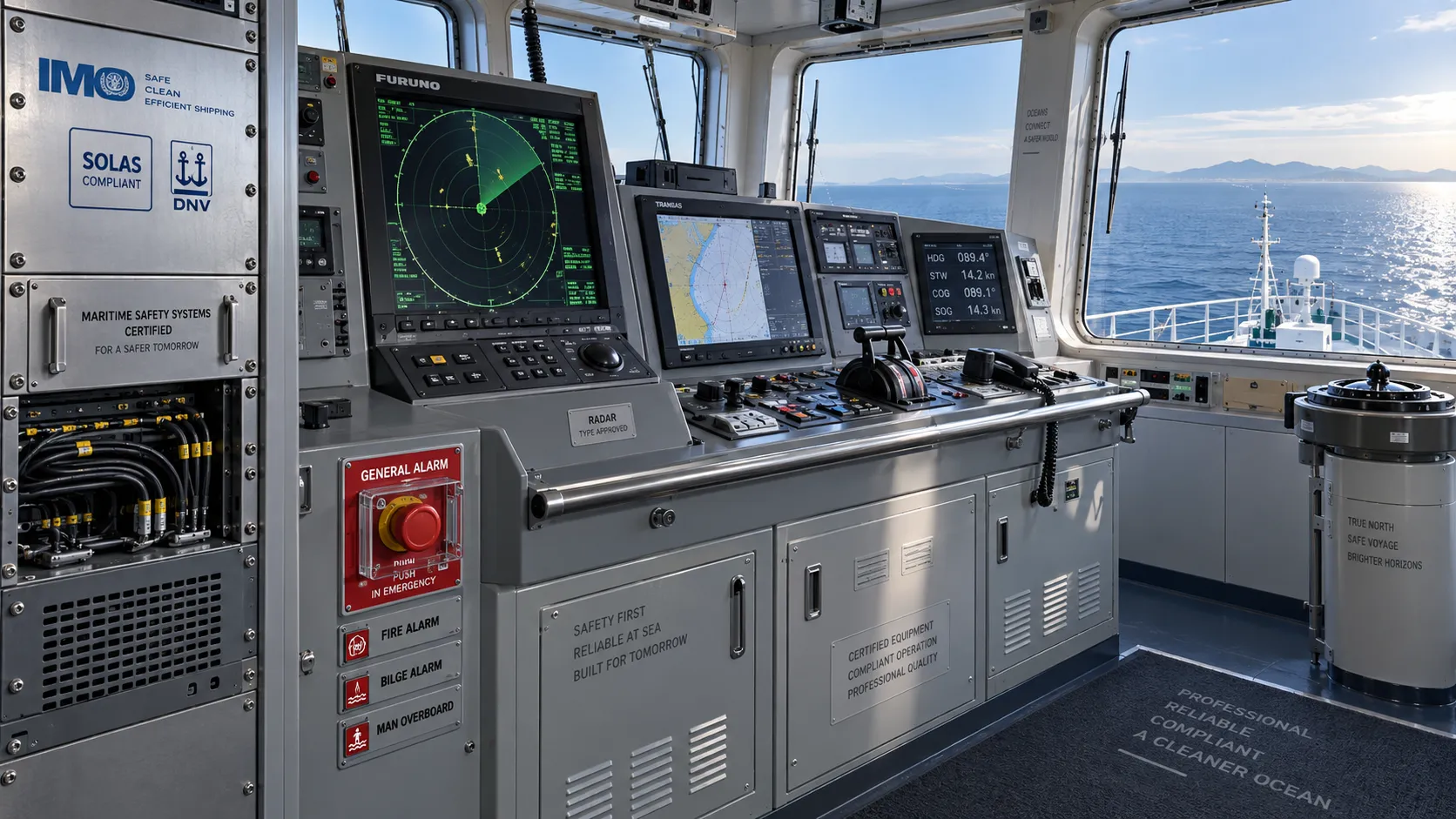
How to Evaluate a Marine Safety Systems Manufacturer for Vessel Compliance and Reliability
Marine safety systems manufacturer evaluation guide: verify compliance, engineering quality, lifecycle costs, and global service support for safer, reliable vessel operations.
Crash Test Regulations for Seatbelts: Key Compliance Requirements Explained
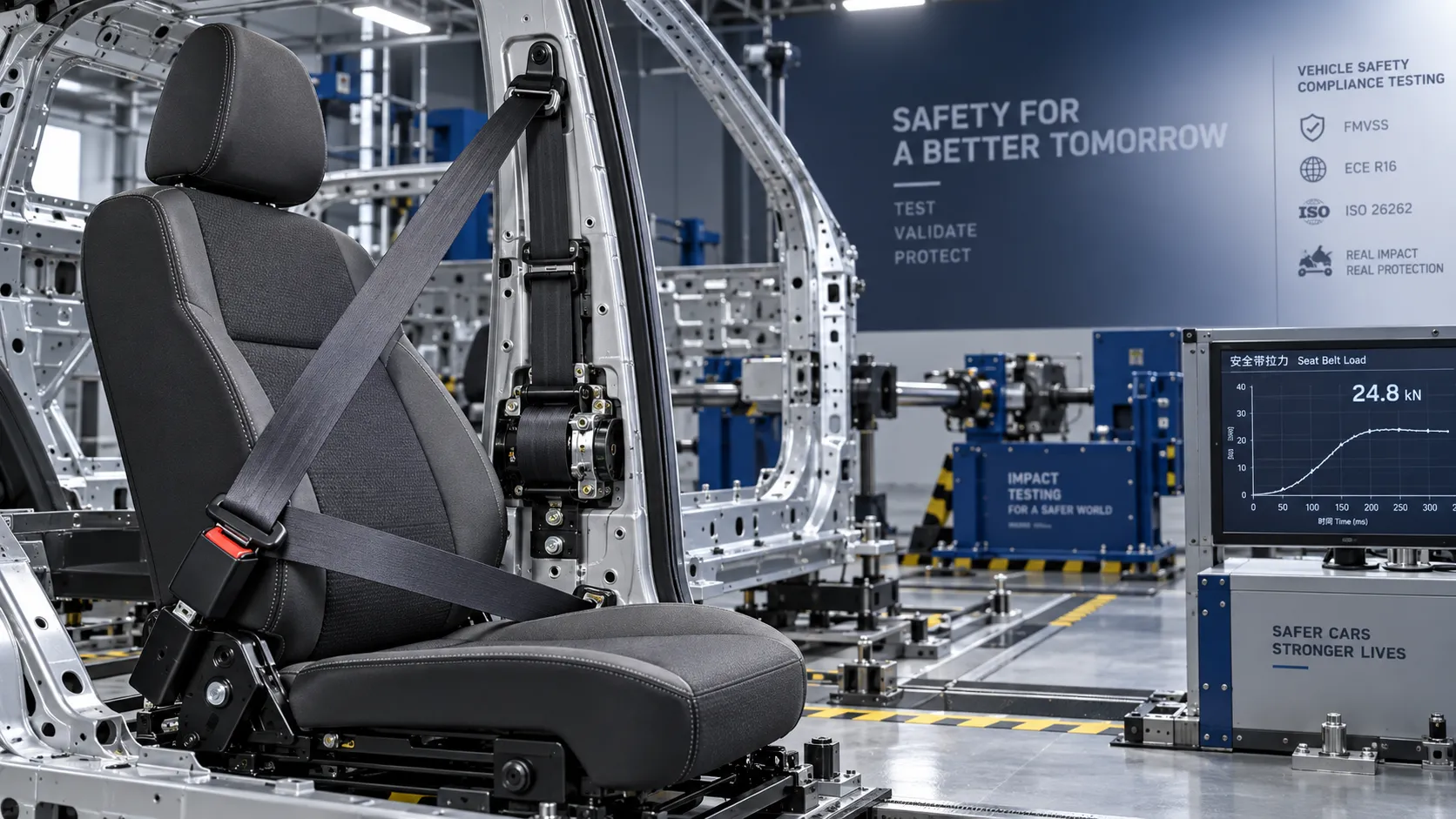
Crash test regulations seatbelts explained: explore FMVSS, UN rules, anchorage strength, and dynamic restraint testing for safer, compliant vehicle systems.

How to Calculate the Total Cost of Automotive Lightweighting for a Vehicle Program
Automotive lightweight solutions cost: learn how to calculate program-level costs, including materials, tooling, joining, validation, risk, and vehicle-level value.

How Automotive Seat Occupancy Sensing Improves Airbag Deployment Decisions
Automotive seat occupancy sensing helps optimize airbag deployment decisions, improving passenger classification, safety diagnostics, and compliance across real-world conditions.

What Drives Lightweight Body Component Costs in High-Volume Vehicle Programs?
Lightweight body components cost depends on material yield, forming, joining, tooling, validation, and logistics. Explore proven ways to optimize total vehicle program cost.
Related News
- 00
0000-00
How to Evaluate High Strength Hot Stamped Steel Parts for Crash-Safety Applications - 00
0000-00
How to Evaluate Steel Auto Body Stampings for Strength, Fit, and Cost - 00
0000-00
Vehicle Lightweight Engineering for Body Structures vs High-Strength Steel: When to Use Which - 00
0000-00
Vehicle Lightweight Solutions for Structural Parts: When to Use Aluminum, HSS, or Hot Stamping - 00
0000-00
How to Evaluate High Strength Steel Stampings for Seat Structures: Key Grades and Forming Limits
Weekly Insights
Stay ahead with our curated technology reports delivered every Monday.