
Auto Body Stampings for Door Panels: Material Choices, Tolerances, and Cost Drivers
Auto Body Stampings for Door Panels: Material Choices, Tolerances, and Cost Drivers
For procurement teams, sourcing auto body stampings for door panels means balancing material performance, dimensional consistency, and total landed cost.
From high-strength steel to aluminum solutions, each choice affects crashworthiness, tooling investment, and production efficiency.
This article breaks down the main options, the tolerance points that matter most, and the cost levers buyers should evaluate before locking in suppliers.
Why Auto Body Stampings for Door Panels Matter in Sourcing
Door panels do more than close an opening. They support side-impact performance, sealing quality, window function, and final vehicle appearance.
That is why auto body stampings for door panels sit at the intersection of safety, manufacturability, and cost control.
A cheap part with unstable geometry can create downstream losses in welding, hemming, painting, and assembly.
In actual purchasing work, the right question is not just unit price. The better question is total cost per qualified vehicle set.
Core Material Choices for Auto Body Stampings for Door Panels
Material selection drives weight, formability, corrosion resistance, and tool life. It also sets the baseline for how tolerant the process can be.
Mild steel
Mild steel remains common for less demanding door applications. It offers stable stamping behavior and relatively lower raw material cost.
It is often easier to source globally, and suppliers usually have mature die experience with it.
The tradeoff is weight. For programs targeting aggressive fuel efficiency or EV range, mild steel can become limiting.
High-strength steel and AHSS
High-strength steel and advanced high-strength steel are widely used in auto body stampings for door panels when crash energy management matters.
These grades support thinner gauges while keeping structural performance. That helps reduce mass without fully changing the body architecture.
However, higher strength usually means more springback, tougher die tuning, and stricter process control.
Hot-stamped boron steel
For reinforcement areas around the door structure, hot-stamped boron steel may be used where maximum strength is required.
This route offers excellent strength, but it adds furnace, tooling, and cycle-time complexity.
If a supplier proposes hot stamping, buyers should confirm whether the performance benefit justifies the process premium.
Aluminum alloys
Aluminum is increasingly relevant in auto body stampings for door panels, especially for premium vehicles and EV platforms.
Its weight advantage is clear, but the buying decision should go beyond kilograms saved.
Aluminum can require different lubricant strategies, more careful surface handling, and additional joining considerations. Scrap recovery value may offset some cost.
How to Match Material to Program Needs
There is no universal best material for auto body stampings for door panels. The right choice depends on the vehicle, volume, and compliance targets.
- Choose mild steel when cost discipline and process stability outweigh lightweight goals.
- Choose AHSS when side-impact performance and gauge reduction are both important.
- Choose aluminum when mass reduction supports a larger platform strategy or premium positioning.
- Consider mixed-material solutions when inner and outer door functions differ.
A practical sourcing review should compare material cost, stamping yield, scrap rate, and downstream joining impact in one model.
Tolerance Priorities Buyers Should Not Overlook
Tolerances influence whether a door closes correctly, seals well, and aligns with adjacent panels. Not every dimension deserves the same control level.
The more useful approach is to separate critical-to-function features from dimensions that are less sensitive.
Key tolerance zones
- Hole positions for hinges, latches, reinforcements, and regulators.
- Edge geometry used in hemming and assembly fit-up.
- Surface flatness and contour consistency for visible outer panels.
- Datum relationships that affect robotic welding and fixture repeatability.
For auto body stampings for door panels, a supplier that controls springback well often delivers better dimensional consistency than a lower-quote competitor.
This is especially true when higher-strength steels are involved. Small geometric drift can become expensive after welding and paint.
Process Capability and Measurement Standards
Tolerance promises only matter when they are measured consistently. That is where supplier capability reviews become critical.
Ask how the supplier validates auto body stampings for door panels during launch and mass production.
- Check CMM routines and fixture repeatability.
- Review Cp and Cpk on critical features.
- Confirm first-article and PPAP discipline.
- Verify traceability by coil, die, and shift.
Recent sourcing changes show a stronger push for digital inspection records. That shortens response time when line issues appear.
In real programs, faster root-cause analysis can save more money than a small piece-price concession.
Main Cost Drivers Behind Auto Body Stampings for Door Panels
Unit price is only the visible layer. The full cost structure of auto body stampings for door panels is broader and more dynamic.
1. Raw material price and volatility
Steel and aluminum markets can swing quickly. Grade availability also changes by region and contract timing.
For this reason, price formulas tied to indexes may be more useful than fixed quotes for long programs.
2. Tooling complexity
Deep draws, sharp radii, and high cosmetic demands increase die development cost. Complex parts often need more tryout cycles.
When quoting auto body stampings for door panels, ask whether maintenance and engineering changes are included.
3. Scrap and material utilization
Blank nesting efficiency directly affects cost. This is often underestimated during early sourcing rounds.
Low-yield layouts can erase the savings of a lower press rate, especially with aluminum.
4. Press tonnage and cycle time
Higher forming loads and slower strokes raise machine cost. Hot stamping adds heating and quenching steps as well.
This means material upgrades should always be tested against throughput assumptions.
5. Quality losses and warranty risk
Poor panel fit, oil canning, burrs, and hole mismatch create hidden expense. Some costs appear only after vehicle assembly starts.
The lowest quote for auto body stampings for door panels can become the highest program cost when field quality is weak.
Questions to Ask Before Awarding a Supplier
A strong RFQ process should force clarity early. That reduces late disputes over scope, capability, and commercial assumptions.
- Which material grades have already run in mass production for similar door stampings?
- What dimensional features have the highest historical rejection rate?
- How are springback and cosmetic surface issues controlled?
- What is the scrap assumption used in the quoted price?
- How are tooling maintenance, change requests, and capacity expansion handled?
- What contingency exists for raw material shortages or coil quality variation?
These questions make supplier comparisons more realistic. They also expose whether a quote is operationally solid or only commercially attractive on paper.
A Practical Buying Framework
For auto body stampings for door panels, the most reliable decisions usually follow a simple sequence.
- Define critical performance targets first, including crash, appearance, and weight.
- Screen materials based on realistic forming and joining capability.
- Prioritize tolerances by function, not by blanket tightness.
- Model total cost using tooling, scrap, throughput, and quality risk.
- Award suppliers that can prove repeatability, not just promise it.
This approach keeps sourcing discussions grounded in facts. It also improves negotiation leverage because technical and commercial tradeoffs stay visible.
When buyers evaluate auto body stampings for door panels through the combined lens of material choice, tolerance discipline, and cost structure, supplier decisions become faster, clearer, and much harder to regret later.
Related News
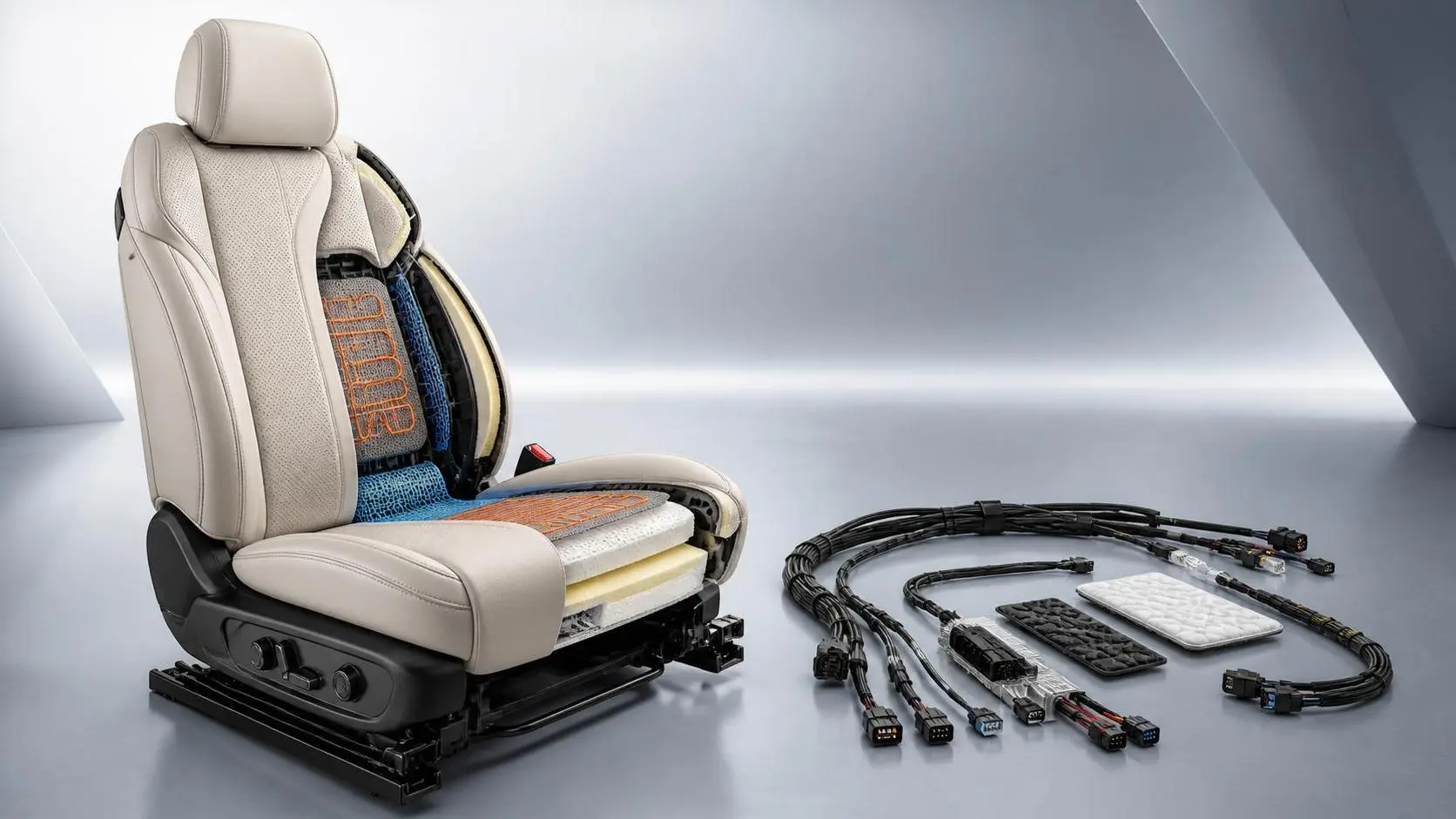
Climate Control Seats Cost: What Drives Price and Long-Term Ownership Value?
Climate control seats cost depends on materials, thermal tech, and integration. Learn what drives price and how to judge long-term value before you buy.

What Factors Drive Marine Navigation Components Cost in Commercial Vessel Projects?
Marine navigation components cost is shaped by integration, compliance, installation, and lifecycle support. Discover what drives pricing and how buyers can reduce risk while improving value.

How Much Does Seat Occupancy Sensing Cost? Key Pricing Factors for Buyers
Seat occupancy sensing price varies widely by technology, integration, and compliance needs. Learn the key cost drivers, avoid hidden fees, and make smarter buying decisions.
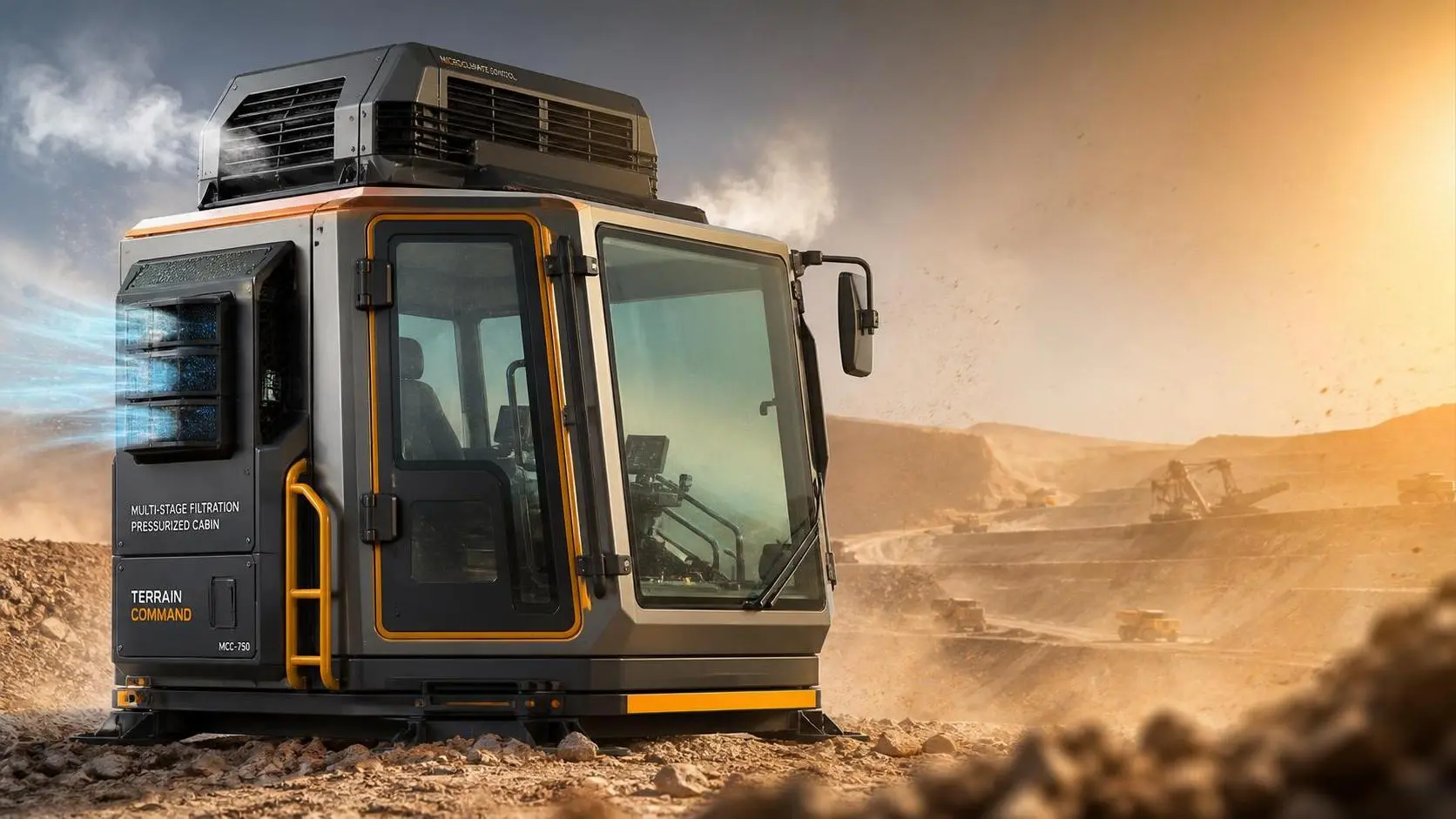
How to Specify Micro-Climate Control Cabins for Harsh Outdoor Worksites?
Micro-climate control cabins for harsh outdoor worksites: learn how to specify thermal control, filtration, pressurization, and durability for safer uptime and smarter buying.
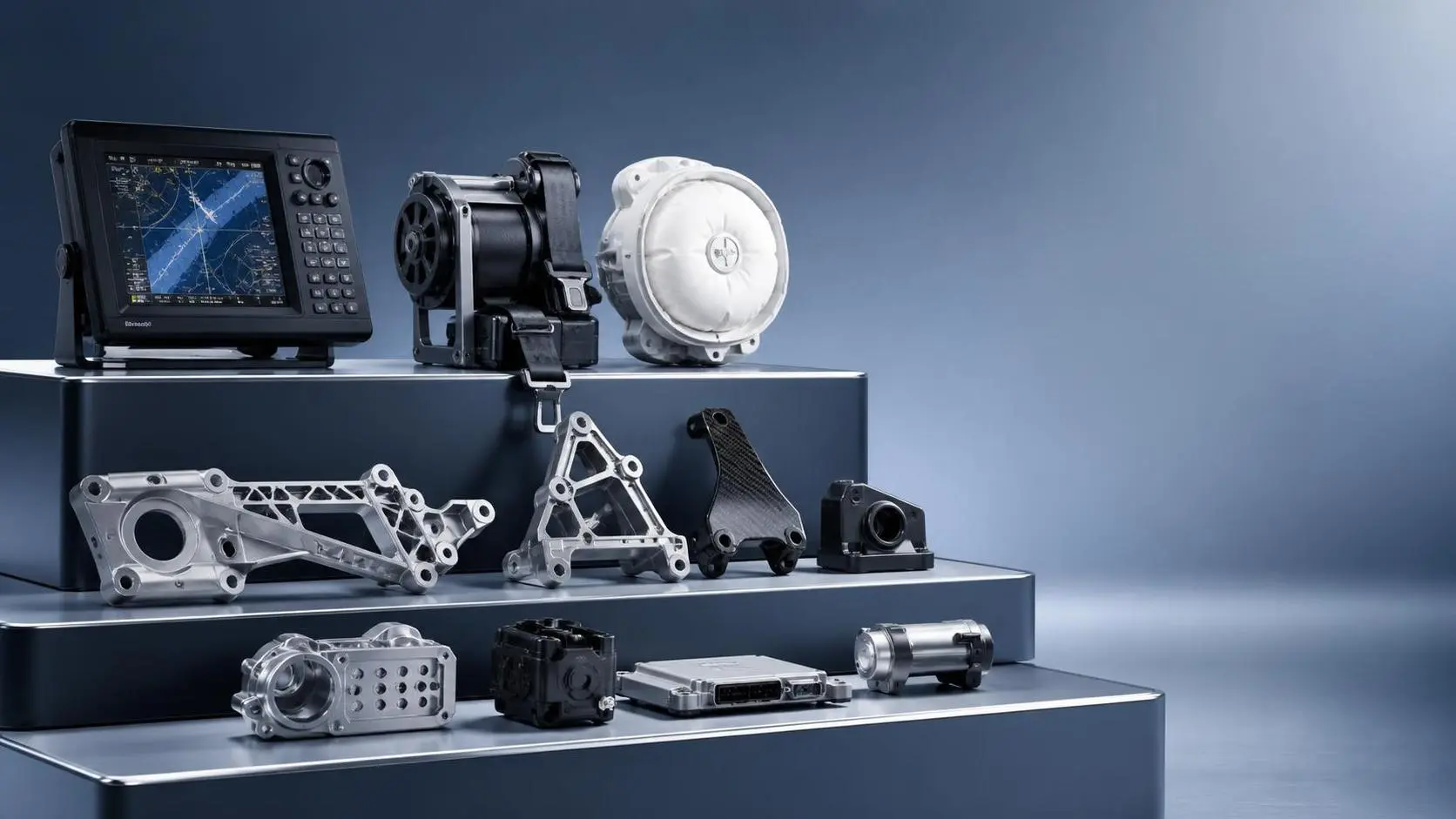
How to Evaluate a B2B Product Knowledge Platform for Faster Procurement Decisions
B2B product knowledge platform procurement starts with reducing decision risk. Learn how to compare specs, compliance, and supplier data to speed sourcing with confidence.
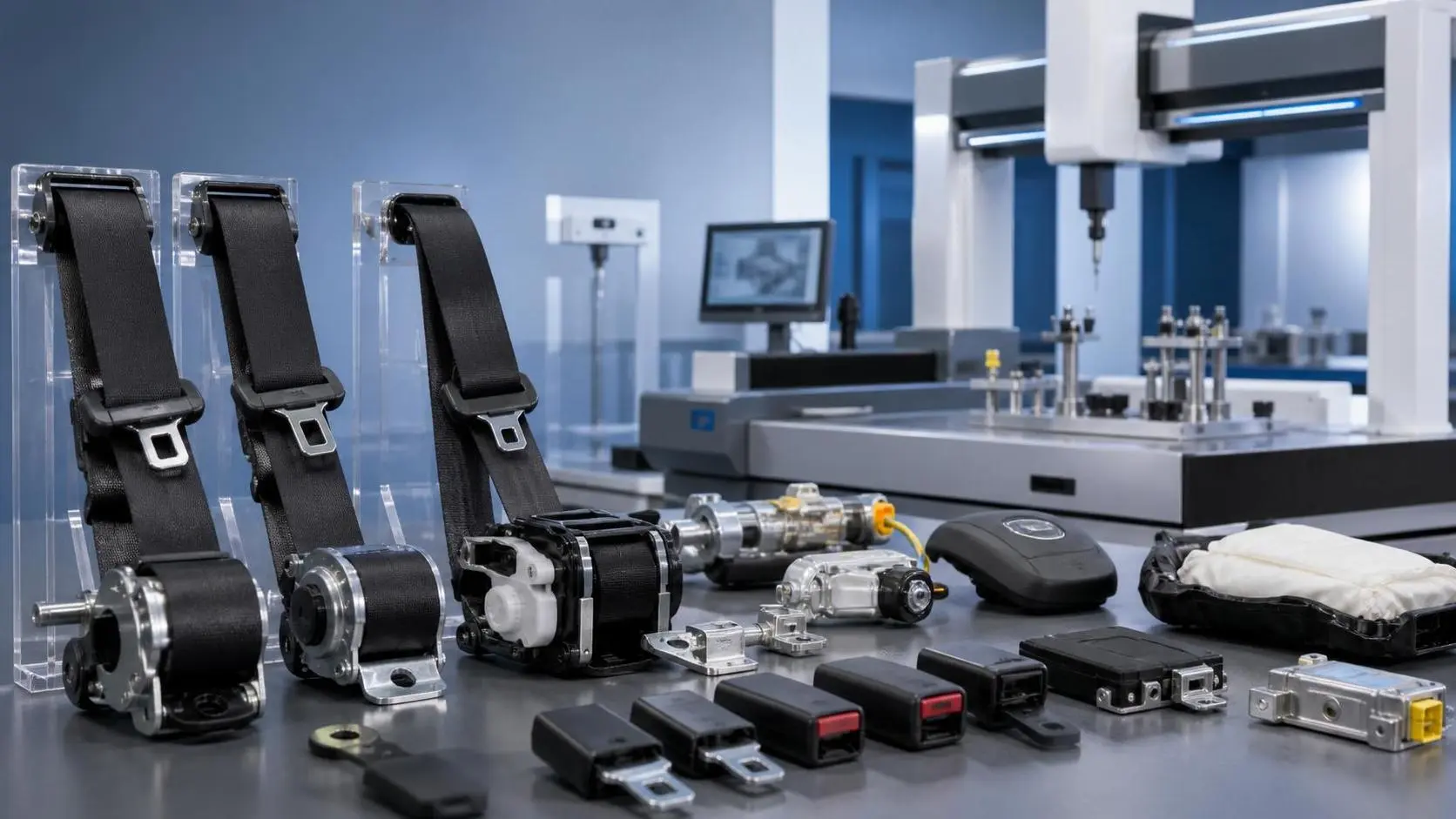
How to Evaluate an Occupant Restraint Systems Exporter for Quality, Compliance, and Supply Risk
Occupant restraint systems exporter evaluation guide: learn how to verify quality controls, compliance evidence, and supply risk before sourcing to avoid recalls, delays, and hidden costs.

Navigation Compliance Certification: Which Marine Systems Need It and How to Prepare?
Navigation compliance certification explained: discover which marine systems need approval, what documents matter, and how to prepare early to avoid delays, rework, and costly project risks.
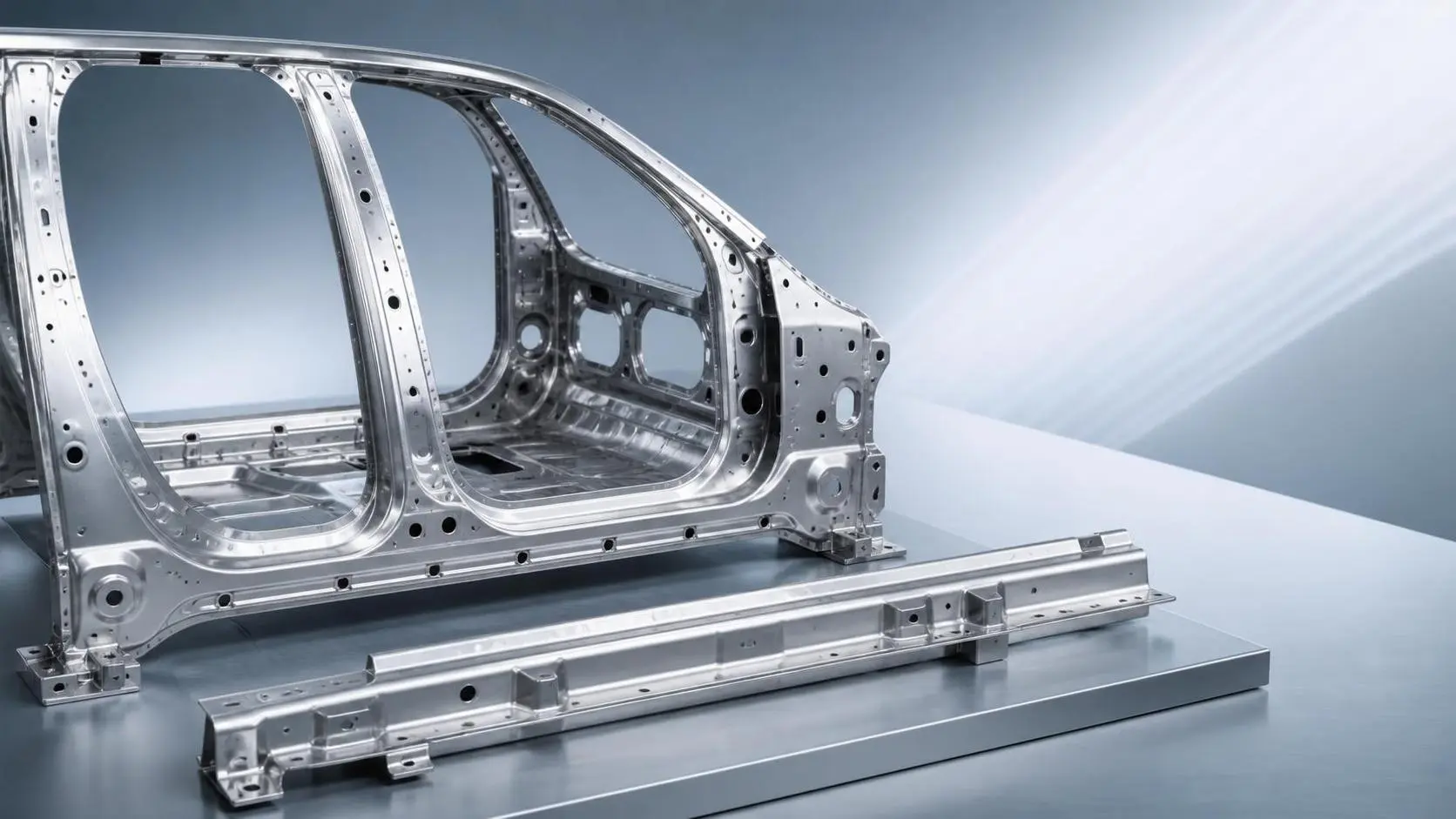
How to Evaluate Steel Auto Body Stampings for Strength, Fit, and Cost
Steel auto body stampings should be judged by strength, fit, and total cost together. Learn how to compare materials, forming limits, springback, joining, and tooling before choosing.
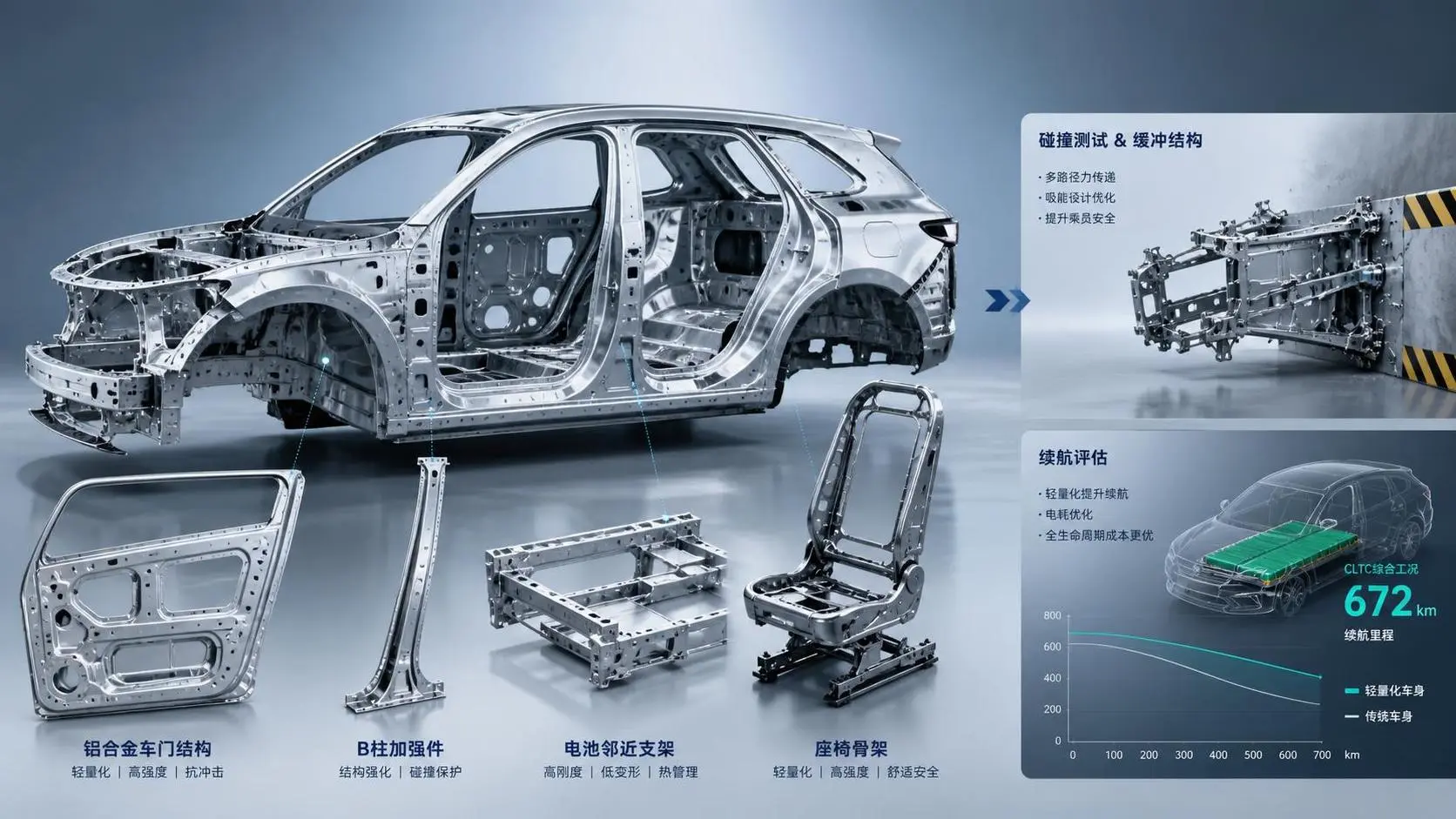
How to Evaluate Lightweight Automotive Components for EV Range and Crash Performance
Lightweight automotive components for EVs: learn how to evaluate real range gains, crash performance, joining risk, and manufacturability to choose safer, smarter EV parts.
Related News
- 00
0000-00
How to Evaluate Steel Auto Body Stampings for Strength, Fit, and Cost - 00
0000-00
Vehicle Lightweight Engineering for Body Structures vs High-Strength Steel: When to Use Which - 00
0000-00
Vehicle Lightweight Solutions for Structural Parts: When to Use Aluminum, HSS, or Hot Stamping - 00
0000-00
How to Evaluate High Strength Steel Stampings for Seat Structures: Key Grades and Forming Limits - 00
0000-00
Custom High Strength Steel Stampings: Key Tolerances, Tooling Factors, and Lead Times
Weekly Insights
Stay ahead with our curated technology reports delivered every Monday.