
How to Evaluate Steel Auto Body Stampings for Strength, Fit, and Cost
Choose a steel auto body stamping by starting with the part function under load, then testing whether the proposed geometry can still be stamped, trimmed, welded, and assembled without creating cost penalties elsewhere. A pillar reinforcement, rocker inner, floor cross member, door ring, and hood inner may all be called steel auto body stampings, but they should not be judged by the same balance of priorities. Some parts are governed by intrusion resistance and energy absorption, some by outer surface quality and gap control, and some by joining access or package space. A part that looks strong on paper can still fail selection if springback control is unstable, if flange access is poor for welding, or if the tool design forces excessive maintenance.
The first useful split is between load-bearing stampings and closure or appearance-sensitive stampings. For structural members, evaluation usually begins with strength level, thickness strategy, crash load path, and local stiffness around holes, beads, embossments, and weld flanges. For exposed or near-exposed parts, dent resistance, waviness, hem quality, and dimensional consistency often matter as much as tensile properties. In both cases, the grade designation alone is an incomplete signal. Two steels with similar nominal strength can behave very differently in forming, edge cracking, and dimensional recovery after unloading.
Start from the part’s actual service condition
A steel stamping should be reviewed in the condition in which it will work inside the body structure, not as a flat coupon and not as an isolated CAD surface. Strength in service depends on section shape, local draw history, trimming quality, and the way the part is joined to adjacent members. A martensitic reinforcement with very high tensile strength may be suitable for an anti-intrusion path, but if its flange shape makes spot weld nugget formation inconsistent, the assembled structure may not deliver the expected load transfer. Likewise, a lower-strength dual-phase or bake-hardening steel may be acceptable in some regions if the section geometry and attachment scheme produce better overall stiffness and assembly stability.
Three questions usually expose weak assumptions early. Where does the part receive load during crash, abuse, vibration, or closure cycling? Which zones are likely to thin, wrinkle, or split during forming? Which interfaces control final vehicle fit, such as locator holes, mating flanges, hem lines, or adhesive paths? If these are not mapped before grade comparison begins, the evaluation often drifts toward nominal material strength and misses the reasons a stamping becomes expensive or unstable in production.
Material selection needs forming context
Common steel auto body stampings use mild steel, high-strength low-alloy grades, dual-phase steel, complex-phase steel, martensitic steel, press-hardened steel, and in some closure applications bake-hardening grades. Each group carries a different forming window. Higher strength can reduce gauge, but it also tends to increase forming load, springback sensitivity, trimming difficulty, and tool wear. That trade-off is manageable only if the part geometry supports it.
Press-hardened steel can be attractive for intrusion-critical members because it allows a relatively thin part with high post-process strength. The real evaluation, however, should include blank heating, transfer timing, die quenching, hole strategy, and downstream piercing limits. If the design requires many post-formed holes or intricate edge conditions, the process route may become more complex than a cold-formed alternative with tailored local reinforcements. Tailor welded blanks or patch reinforcements can improve local performance, but they also add weld distortion variables and blank management issues.
For cold-stamped structural parts, elongation, strain hardening behavior, and hole expansion capability are often as important as ultimate tensile strength. Edge stretch around pierced holes, trimmed corners, and flange transitions may govern whether the part survives production without microcracking. If the design includes tight radii or abrupt section changes, a grade with slightly lower peak strength but better formability may produce a more reliable body structure after welding and painting.
Strength should be judged at section level, not by grade alone
When comparing alternatives, section modulus and local collapse behavior usually reveal more than a catalog description. Beads, darts, embossments, wall angle, and flange return length can shift structural response significantly. A thinner, higher-strength stamping may still underperform a thicker, lower-strength part if the latter achieves a more stable closed section after assembly. This is common in rails, rockers, and cross members where joining sequence and mating stiffness determine whether the section actually behaves as intended.
Energy absorption also needs careful interpretation. In some crash zones, progressive deformation is preferred over simple peak resistance. A very strong stamping that transfers load too abruptly into surrounding members can move the problem rather than solve it. Local initiators, crush beads, trigger geometry, and weld spacing may need to be considered with the base material choice. If the stamping is part of a managed crush path, the best option may be the one with repeatable deformation behavior rather than the highest static number in a material table.
Hardness variation matters as well. In hot-stamped parts, uneven cooling or process drift can create property scatter across the part. In cold-formed high-strength steels, severe strain localization may create zones that are harder and less forgiving at trimmed edges. These issues do not automatically disqualify a design, but they should be included in evaluation through coupon tests, section cuts, dimensional audits, and assembled performance reviews rather than assumed away.
Fit begins with dimensional stability after unloading
Many stamping decisions fail at the fit stage because springback is treated as a tooling issue only. In reality, springback is a material-and-geometry interaction that should influence selection from the start. High-strength steels generally recover more elastic strain after forming, which can distort wall angles, open hems, shift hole positions, and twist long narrow parts. If the part locates several adjacent assemblies, small angular deviations can cascade into poor gap, flushness, or weld access.
Look closely at zones with asymmetrical draw depth, sharp character lines, offset flanges, and long unsupported walls. Those features often drive dimensional instability. Compensation in die surfaces may correct one loop of data, but if the process window is narrow, the part can still drift with coil variation, lubrication change, or die wear. The better question is whether the chosen material and section are inherently robust enough to hold geometry across normal production scatter.
Hole and slot location should be reviewed in relation to the forming sequence. Piercing before forming can distort feature position under strain; piercing after forming can require harder tooling and may challenge access. Trimming lines near highly strained regions can also affect shape recovery. On body-side and underbody parts, locator strategy is especially important because datum holes and fixture edges often determine whether a large assembly builds square. A structurally strong stamping that requires excessive fixture forcing is usually a poor choice.
Surface and edge quality can change the decision
Not every steel auto body stamping is hidden. Hood inners, door inners, roof rails, and closure reinforcements may influence hem quality, adhesive squeeze-out, or read-through on outer panels. Even when the part itself is not visible, poor edge quality can create assembly damage or coating problems. Burr direction, sheared edge ratio, rollover, and microcracks at pierced features should be examined if the part will see flange expansion, hemming loads, or corrosion exposure at cut edges.
Edge cracking is often underestimated when stronger steels are introduced into an existing design. The part may pass a first forming trial but develop cracks later when trimming clearance shifts, punches wear, or local strain concentrates near a corner relief. If a proposal relies on very small radii and heavily stretched edge conditions, it deserves skepticism even when simulation looks acceptable. Physical tryout and section inspection are hard to replace here.
Tooling complexity often hides inside cost comparisons
A low piece-part estimate can be misleading if it excludes the tooling burden needed to keep the stamping stable. Steel choice affects press tonnage, draw bead design, blankholder pressure, lubrication sensitivity, punch material, trimming force, and rework frequency. Hot-stamped parts add furnace handling, quench die requirements, temperature control, and possible post-process operations. Large structural stampings with complex cam actions, long trim steels, or difficult scrap evacuation can become expensive to maintain even if the raw material utilization looks acceptable.
Blank development deserves attention during evaluation. Irregular blank shapes may improve formability or reduce thinning, but they can also worsen coil utilization and increase blanking complexity. Tailored blanks can save mass and place strength where needed, yet they introduce upstream welding and traceability demands. Small changes in flange length or corner shape sometimes reduce blank waste and improve die life more effectively than switching to a stronger grade.
A practical cost review usually includes at least these dimensions:
- Material route: base steel grade, coating requirement, gauge availability, and whether supply is stable across the required width and coil condition.
- Processing burden: press force, line speed sensitivity, hot or cold forming path, trimming and piercing difficulty, and expected die maintenance frequency.
- Assembly effect: weld accessibility, adhesive path control, fixture count, re-strike or calibration needs, and the chance that dimensional variation drives rework in downstream body build.
- Logistics penalties that are easy to miss, such as part nesting efficiency in racks, risk of flange damage during transport, and whether oiling or packaging controls become tighter because of surface requirements.
These factors rarely move together. A part can save weight while raising die maintenance. It can improve crash margin while creating transport damage risk because long thin flanges are left unsupported. It can reduce raw material mass but force a more expensive joining route. Cost should be read across the manufacturing chain, not only at the stamping press.
Joining compatibility is part of stamping evaluation
A body part is rarely judged in isolation once it enters the shop. Resistance spot welding, laser welding, arc welding, riveting, clinching, flow-drill screws, and structural adhesives all place different demands on flange shape, coating condition, access, and stack-up tolerance. High-strength or press-hardened steel may need adjusted joining parameters or alternative feature design. If the selected stamping introduces narrow flanges, steep approach angles, or excessive hardness near the weld zone, the assembly route may need revision.
That revision can outweigh the benefit of the new part. For example, a stronger reinforcement with reduced thickness may look attractive until electrode access becomes marginal and weld consistency falls. An added local embossment may improve section stiffness while interfering with adhesive bead continuity. A hole pattern intended for fixture location can become problematic if it sits in a zone that distorts after welding. Fit and cost both depend on joining compatibility, so the review should include welded dimensional results rather than bare-part inspection alone.
Corrosion, coating, and repairability should not be treated as late topics
Steel auto body stampings often use galvanized or galvannealed surfaces, and the coating can influence forming friction, weld behavior, and paint performance. Flange hems, lap joints, and closed sections deserve extra attention because local moisture traps and damaged coatings can shorten service life if sealing is inconsistent. A part with aggressive forming or trimming may expose vulnerable edges that require more careful e-coat access or sealant coverage.
Repairability can also affect selection. Very high-strength and press-hardened components may have limitations in sectioning, straightening, or heat exposure during service repair. If a stamping sits in an area that commonly sees collision replacement, those limitations may matter. This does not automatically rule out the material, but it changes the full-life evaluation and may influence whether the design uses a replaceable reinforcement, a sectional part strategy, or a more conventional cold-formed solution.
Common misreads during comparison
Several mistakes recur when steel stamping options are reviewed too quickly. One is treating simulation output as final evidence without verifying edge condition, tool compensation sensitivity, and joining distortion. Another is assuming thinner high-strength steel always lowers cost because less mass is used. In practice, the saving can be absorbed by slower throughput, more frequent die service, tougher trimming, or tighter assembly controls.
A different error is judging fit only by nominal CAD alignment. Real fit depends on process variation, weld pull, fixture strategy, and stack-up through the body side or underbody. There is also a tendency to compare raw material strength across suppliers without checking whether coil flatness, surface condition, coating type, and mechanical property scatter are equally controlled. A stamping can fail production targets even when its average test values look acceptable.
Sometimes the part is overengineered because stiffness and crash requirements are mixed without separating their locations. Adding strength everywhere may increase springback and cost with little benefit. Local reinforcement, revised bead layout, or a better closed-section assembly may solve the actual issue more efficiently.
Useful evidence before final selection
The most reliable evaluation usually combines material data, forming simulation, tryout parts, dimensional reports, and joined-assembly results. Section cuts from high-strain areas can reveal thinning, edge quality, and local feature stability. Springback studies are more credible when they include realistic trim conditions and re-strike strategy. Welded body data should show whether locator holes, flange planes, and critical interfaces remain stable after joining rather than only after stamping.
It is also worth reviewing scrap handling, rack condition after transport, and flange damage from normal part movement. These details are easy to dismiss during early comparison, yet they often explain why a seemingly suitable stamping becomes expensive in launch or unstable in routine production. Selection improves when the question is framed narrowly: does this specific stamping, in this process route and this assembly condition, deliver the required structure and geometry without introducing avoidable manufacturing burden?
That framing usually leads to a more defensible choice than chasing the highest material strength or the lowest quoted part price. For steel auto body stampings, strength, fit, and cost are tightly linked, and any option that solves only one of them should be treated with caution.
Related News

How to Specify Integrated Marine Electronics for Reliable Bridge Operations
Integrated marine electronics: learn how to specify reliable bridge systems with clear data flows, redundancy, alarm control, lifecycle interfaces, and operational testing.

How to Evaluate Navigation Radar Manufacturers for Commercial Vessel Projects
Navigation radar manufacturers: learn how to compare performance, compliance, integration, support, and lifecycle cost for commercial vessel projects.
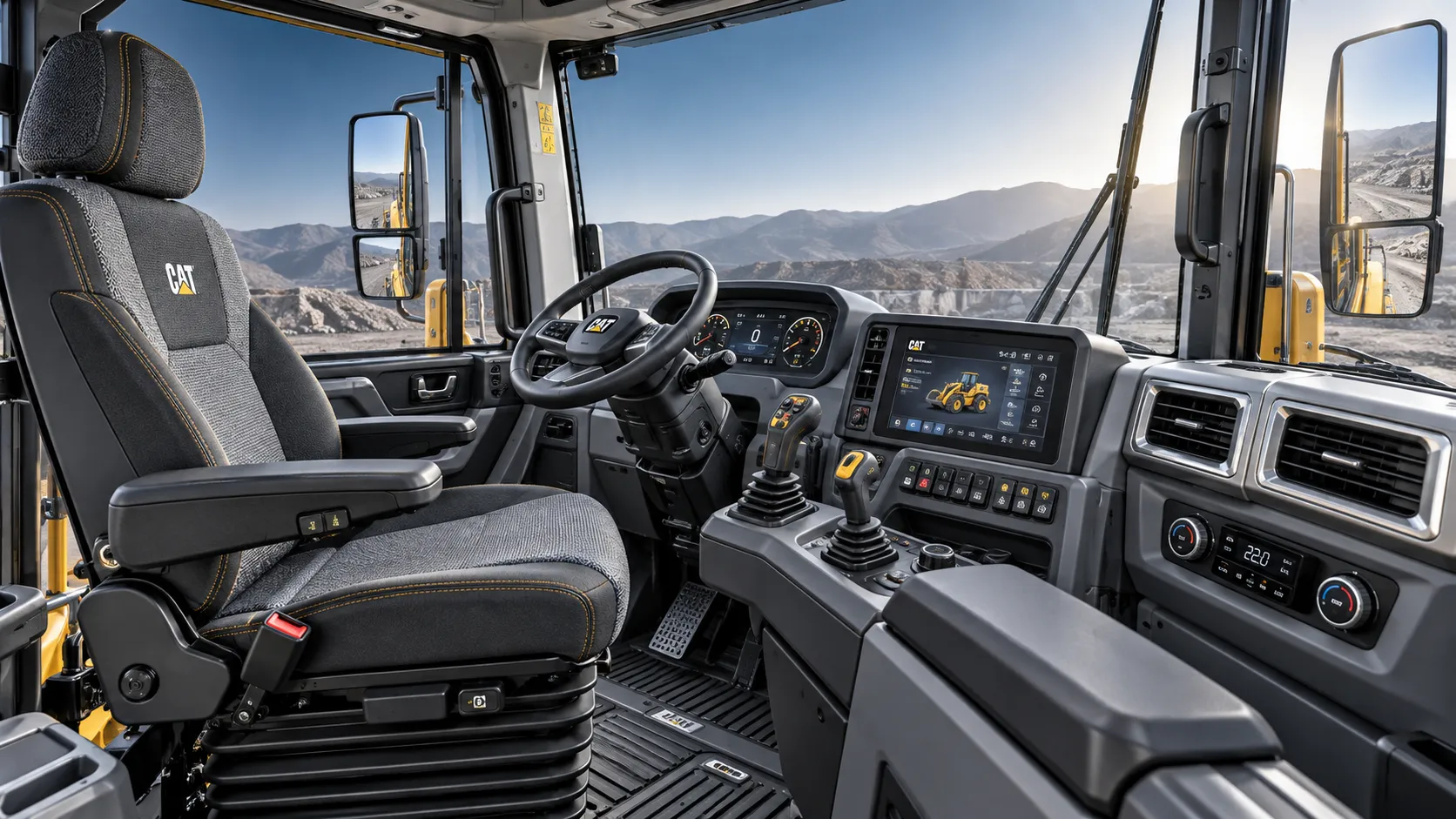
How Adjustable Cabin Ergonomics Reduce Operator Fatigue in Long-Shift Vehicles
Adjustable cabin ergonomics reduces operator fatigue through better seating, reach, visibility, vibration control, and climate comfort for safer long-shift vehicles.
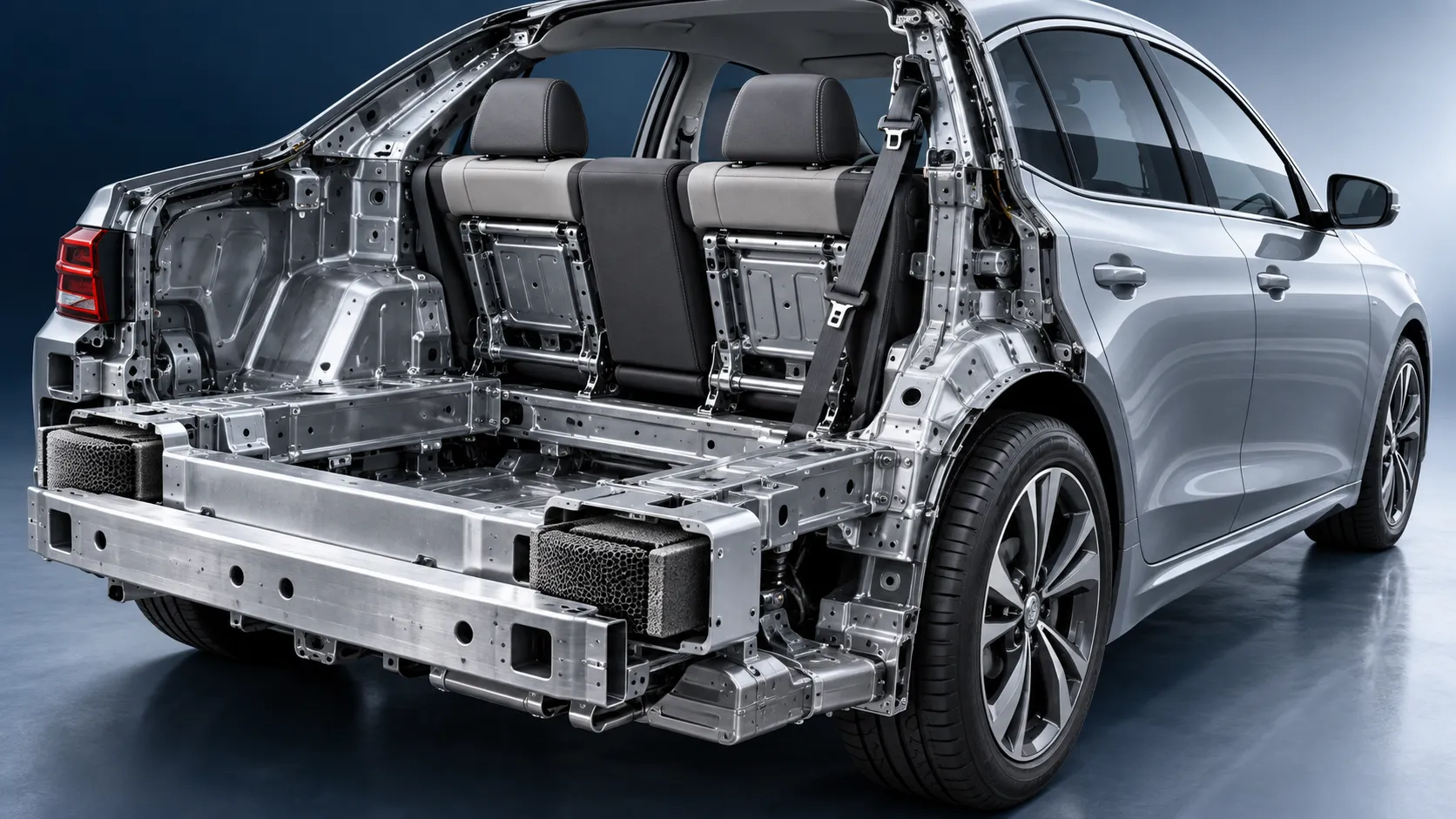
How Rear-Impact Safety Components Work Together to Protect Vehicle Occupants
Explore how automotive safety components for rear impact work together—from crash structures and seats to head restraints and belts—to enhance occupant protection.

How to Evaluate a Marine Safety Systems Manufacturer for Vessel Compliance and Reliability
Marine safety systems manufacturer evaluation guide: verify compliance, engineering quality, lifecycle costs, and global service support for safer, reliable vessel operations.
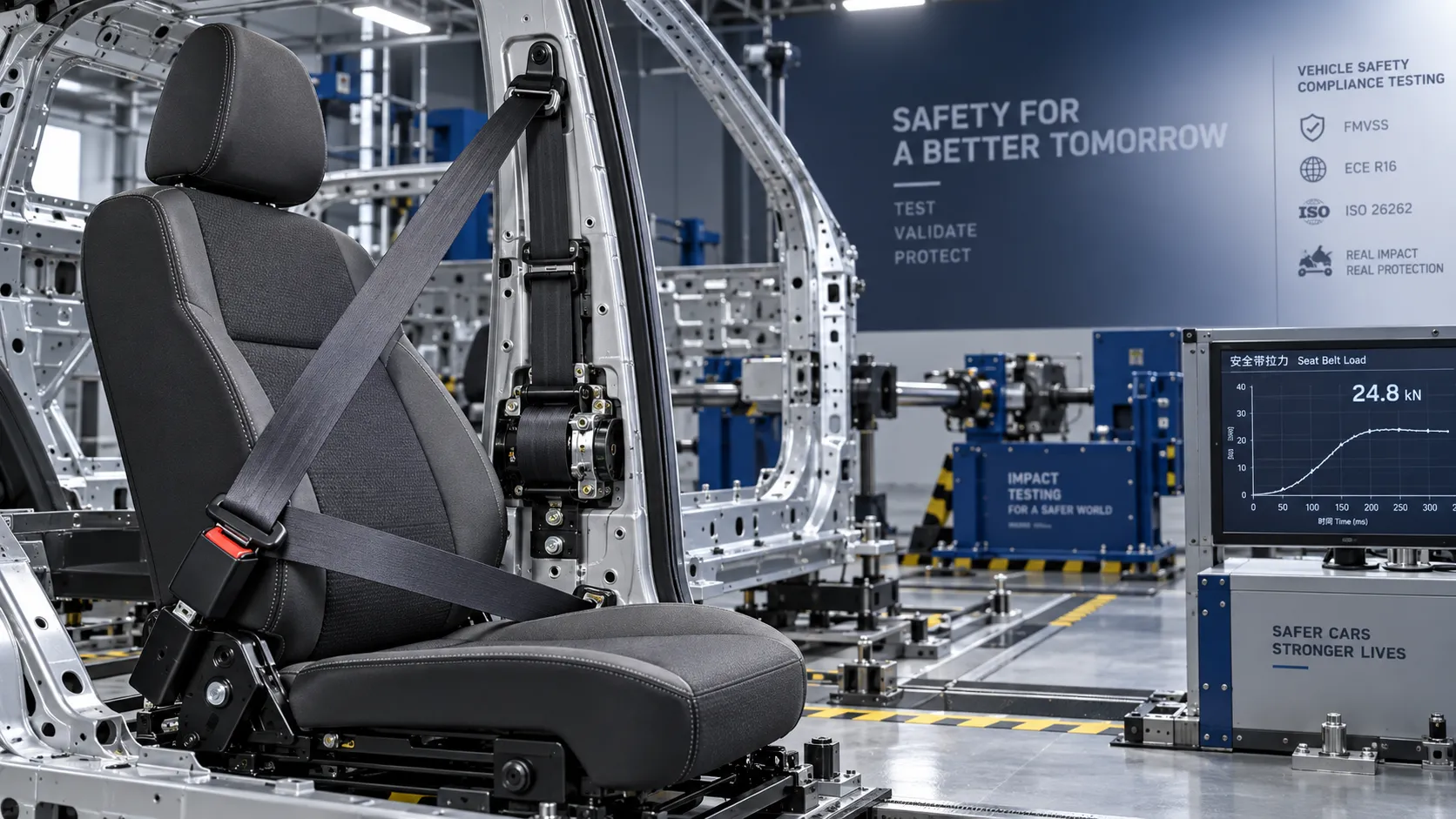
Crash Test Regulations for Seatbelts: Key Compliance Requirements Explained
Crash test regulations seatbelts explained: explore FMVSS, UN rules, anchorage strength, and dynamic restraint testing for safer, compliant vehicle systems.

How to Calculate the Total Cost of Automotive Lightweighting for a Vehicle Program
Automotive lightweight solutions cost: learn how to calculate program-level costs, including materials, tooling, joining, validation, risk, and vehicle-level value.

How Automotive Seat Occupancy Sensing Improves Airbag Deployment Decisions
Automotive seat occupancy sensing helps optimize airbag deployment decisions, improving passenger classification, safety diagnostics, and compliance across real-world conditions.

What Drives Lightweight Body Component Costs in High-Volume Vehicle Programs?
Lightweight body components cost depends on material yield, forming, joining, tooling, validation, and logistics. Explore proven ways to optimize total vehicle program cost.
Related News
- 00
0000-00
How to Evaluate High Strength Hot Stamped Steel Parts for Crash-Safety Applications - 00
0000-00
How to Evaluate Steel Auto Body Stampings for Strength, Fit, and Cost - 00
0000-00
Vehicle Lightweight Engineering for Body Structures vs High-Strength Steel: When to Use Which - 00
0000-00
Vehicle Lightweight Solutions for Structural Parts: When to Use Aluminum, HSS, or Hot Stamping - 00
0000-00
How to Evaluate High Strength Steel Stampings for Seat Structures: Key Grades and Forming Limits
Weekly Insights
Stay ahead with our curated technology reports delivered every Monday.