
How occupant safety systems are changing crash protection
Occupant safety systems are changing crash protection in a fundamental way: they no longer act as isolated parts that respond after impact, but as connected systems that sense risk early, position the occupant, manage crash energy, and reduce injury through coordinated action.
For information researchers, the key shift is not simply “better airbags” or “stronger seatbelts.” It is the integration of restraints, seating, sensing, and lightweight structures into a cabin-wide protection strategy that is faster, smarter, and more regulation-driven than previous generations.
This matters because modern crash performance is increasingly judged by how well the whole vehicle manages occupant motion. Regulators, consumers, and OEMs now expect protection across more crash types, more seating positions, and a wider range of occupant sizes and postures.
In practice, that means the most important changes are happening at the system level. Airbag assemblies, seatbelt systems, smart seat structures, and body stampings are being engineered together, supported by sensors, software, and stricter validation standards.
What is the real change in occupant safety systems?
The real change is that occupant safety systems are moving from reactive restraint to predictive protection. Traditional passive safety focused on surviving the crash pulse after impact. New architectures begin working before or at the earliest milliseconds of a collision event.
Advanced crash sensing now combines accelerometers, pressure sensors, radar inputs, seat occupancy detection, and belt-use data. This allows the vehicle to estimate crash severity, occupant position, and deployment timing with much greater precision than older systems.
That precision matters because restraint performance is highly sensitive to timing. A seatbelt pretensioner that fires too late, or an airbag that deploys without considering occupant position, can reduce the intended protective effect or even introduce secondary injury risks.
As a result, the cabin is increasingly treated as a coordinated protection environment. The seatbelt controls motion, the airbag cushions contact, the seat helps posture and load transfer, and the body structure manages deformation so the survival space remains intact.
Why integrated protection matters more than individual components
Many readers search for occupant safety systems expecting a list of technologies. But the bigger value is understanding how these technologies work together. In modern crash protection, component quality alone is not enough; integration quality often determines final injury outcomes.
For example, airbags cannot perform well if occupant kinematics are poorly controlled before contact. That places major importance on seatbelt pretensioning, force limiting, seat geometry, and anchorage design. The restraint chain is only as strong as its weakest interaction point.
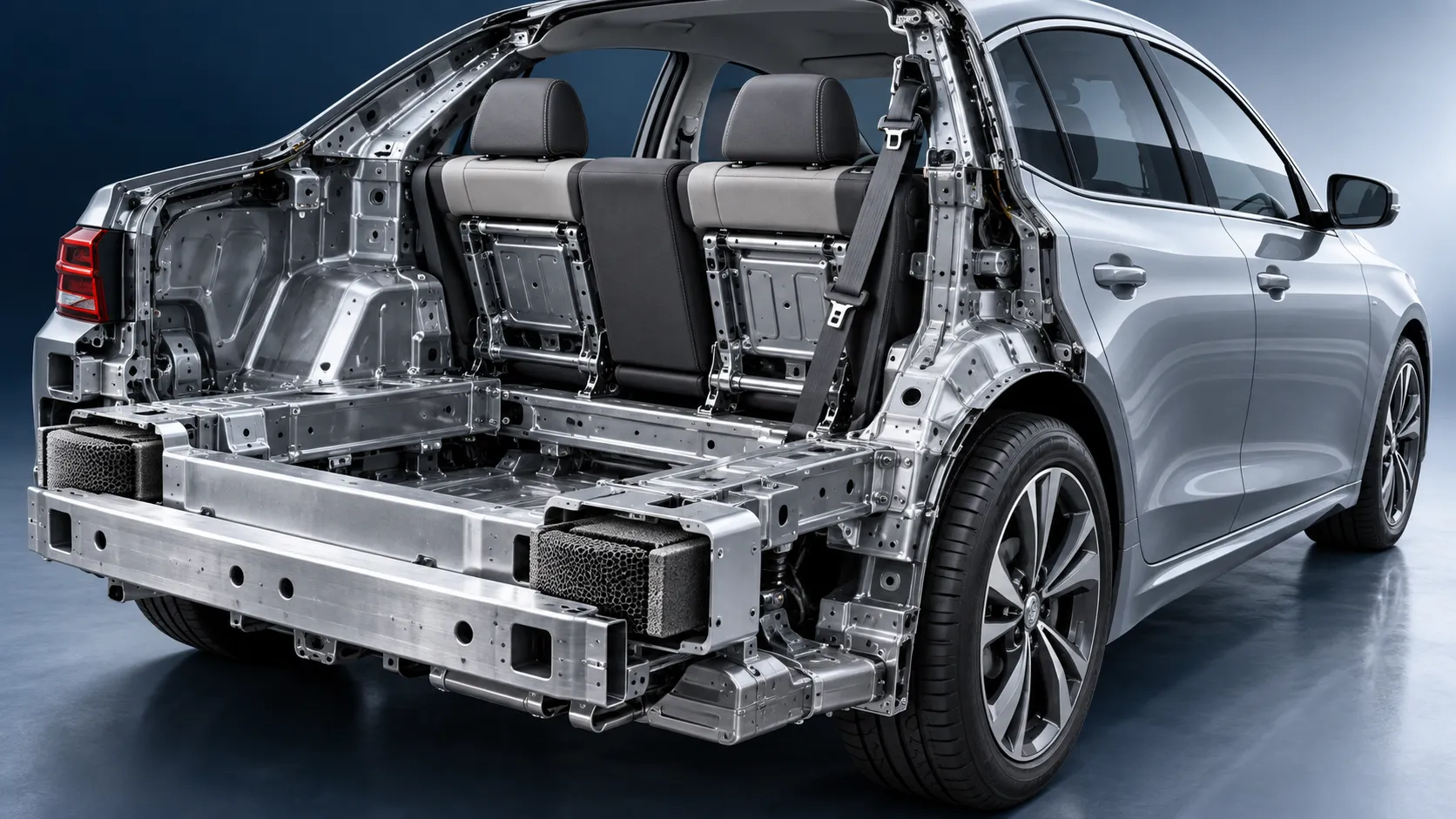
Vehicle structure also plays a larger role than many non-specialists assume. Auto body stampings, especially hot-stamped high-strength steel and lightweight aluminum structures, help absorb and redirect crash energy before the occupant experiences peak cabin loads.
When structural intrusion is reduced, restraint systems can operate within a more predictable space. That improves the effectiveness of frontal airbags, side curtains, knee airbags, and belt load management, especially in offset and oblique crash conditions.
This is one reason lightweighting and safety are no longer seen as opposing goals. Advanced materials and optimized body stampings can lower mass while preserving stiffness, controlling deformation paths, and supporting the timing logic of occupant protection systems.
How seatbelt systems are becoming smarter and more adaptive
Seatbelts remain the foundation of passive safety, but they are evolving far beyond simple webbing and locking retractors. Today’s systems increasingly use pyrotechnic or motorized pretensioners, adaptive load limiters, and occupant-aware control logic.
Pretensioners remove slack almost instantly when a crash is detected, helping position the occupant earlier in the event. This reduces forward excursion and improves alignment with airbags, which is essential for reducing head, chest, and pelvis injury risk.
Force limiters then help manage the loads transferred to the chest. Instead of restraining the body as rigidly as possible, modern systems try to balance occupant containment with injury reduction, allowing controlled payout under calibrated force thresholds.
More advanced systems can vary response based on seat position, occupant size, buckle status, and crash mode. This adaptive behavior is especially important as cabin layouts become more diverse and as regulators place greater emphasis on real-world crash variability.
For researchers evaluating safety trends, the key takeaway is that seatbelt systems are now data-informed devices. Their value lies not only in restraint strength, but in how intelligently they coordinate with airbags, seats, and crash sensing logic.
How airbag assemblies are improving injury mitigation
Airbags remain among the most visible occupant safety systems, but their design priorities are changing. The current direction is toward more targeted deployment, cleaner inflator chemistry, better venting control, and broader coverage of crash scenarios and seating positions.
In frontal crashes, deployment timing and bag shape are being refined to work with modern belt strategies and varying occupant postures. In side impacts, curtain airbags and thorax bags are increasingly optimized for rollover retention and multi-impact protection.
Another important development is occupant classification and suppression logic. Airbags should not simply deploy whenever a threshold is crossed. The system must consider whether the seat is occupied, the occupant’s likely size, and whether the posture is out of position.
This is where smart microelectronics have become central. Faster processors and better sensing allow inflator and deployment decisions to be more nuanced, improving protection while reducing unnecessary deployment risks in borderline or nonstandard conditions.
The industry is also paying closer attention to environmental and compliance concerns. Non-toxic propellant development, long-term inflator reliability, and global certification consistency are now part of the quality conversation, especially for suppliers serving multiple regional markets.
Why smart seats and seating position now influence crash outcomes
Seats were once treated mainly as comfort features, but they are now critical contributors to crash safety. Smart seating systems influence occupant posture, pelvis location, belt fit, anti-submarining performance, and the body’s alignment with airbags during impact.
Seat frame strength, cushion behavior, recliner integrity, head restraint geometry, and rail attachment all affect how loads are distributed in a crash. A poorly designed seat can compromise even a strong belt-and-airbag package by allowing harmful occupant motion.
Intelligent seats increasingly add sensors for occupancy, posture, weight distribution, and belt interaction. These inputs support restraint calibration and can improve decision-making for airbag deployment, pretensioning intensity, and warnings for unsafe seating positions.
As automated and premium mobility concepts evolve, seating flexibility will create new engineering challenges. Rotating seats, relaxed seating postures, and different interior layouts may require occupant safety systems that can protect effectively without relying on traditional seating assumptions.
For market observers, this means seat assemblies are becoming part of the safety technology stack, not just an interior subsystem. Their strategic value will rise as cabins become more intelligent, personalized, and structurally integrated.
How regulations and crash testing are accelerating change
One of the biggest drivers behind new occupant safety systems is the tightening of crash standards and consumer test protocols. Programs such as Euro NCAP and IIHS increasingly reward not only basic crash survival, but also nuanced injury prevention in more demanding scenarios.
Tests now place greater pressure on manufacturers to perform well in small overlap crashes, side impacts, rear impacts, pedestrian interactions, and second-row occupant protection. This broadens the design brief for passive safety engineers and subsystem suppliers.
There is also growing focus on female occupants, children, elderly passengers, and non-average body types. This is important because historical safety optimization often centered too heavily on a standard adult male dummy, limiting real-world inclusiveness.
As simulation tools improve, validation is becoming more data-rich and more continuous. Physical crash testing remains essential, but digital twins, CAE modeling, and sensor-driven fleet feedback increasingly shape how systems are tuned and updated during development cycles.
For suppliers and analysts, regulatory momentum is a signal of long-term demand. Components that support compliance, repeatable crash performance, and cross-market certification are likely to gain strategic importance as mobility platforms become more globally standardized.
What information researchers should look for when evaluating safety innovation
If your goal is to understand which occupant safety systems truly matter, focus less on marketing labels and more on architecture, integration, and validation evidence. The best systems are usually those that demonstrate coordinated performance across multiple crash conditions.
Start by asking whether the technology improves occupant positioning, reduces intrusion, or controls crash energy more effectively. Those three questions reveal whether a feature contributes to core injury mitigation rather than adding surface-level complexity.
Next, examine how the system interacts with adjacent subsystems. A new airbag design matters more if it is matched with belt pretension logic, seat sensing, and body structure performance. Safety gains rarely come from one component acting alone.
It is also useful to look at material strategy. In body stampings and seat structures, high-strength steels, aluminum alloys, and magnesium applications can influence crash pulse management, weight targets, and package efficiency all at once.
Finally, look for evidence of compliance readiness and manufacturing consistency. In safety-critical industries, innovation only creates value when it can be validated, produced at scale, and trusted across regional standards and long product lifecycles.
Where occupant safety systems are heading next
The next phase of crash protection will likely be defined by deeper fusion between active and passive safety. Vehicles will increasingly use pre-crash sensing to prepare restraints before impact, adjusting occupant safety systems based on predicted collision direction and severity.
This pre-positioning may include tightening belts, adjusting seats, closing windows, altering suspension posture, and preparing airbags for optimized deployment. The goal is to reduce the gap between hazard detection and occupant protection response.
Artificial intelligence will also play a growing role, though likely in tightly controlled forms. Rather than replacing core safety engineering, AI may help improve sensing interpretation, scenario classification, and validation efficiency across massive development datasets.
At the same time, electrification will influence structural and cabin safety design. Battery packaging changes floor height, vehicle mass distribution, and impact pathways, which means occupant safety systems must adapt to new structural and packaging realities.
Ultimately, the future is not about one breakthrough device. It is about safety ecosystems: cabins in which structure, restraints, sensors, and software continuously work together to protect a wider range of people in a wider range of crash situations.
Conclusion
Occupant safety systems are changing crash protection by becoming more predictive, more integrated, and more adaptive to real-world variability. The center of innovation has shifted from standalone parts to coordinated cabin safety architectures.
For information researchers, the most useful lens is to evaluate how airbags, seatbelt systems, seats, and lightweight structures work as one protection chain. That systems-level perspective explains why some safety advances deliver meaningful injury reduction while others offer only incremental value.
As regulations tighten and mobility platforms evolve, the winners will be technologies that combine precise sensing, robust structural engineering, intelligent restraints, and scalable compliance. In that environment, occupant safety systems are no longer just protective devices; they are a strategic foundation of future mobility safety.
Related News
How to Specify Integrated Marine Electronics for Reliable Bridge Operations
Integrated marine electronics: learn how to specify reliable bridge systems with clear data flows, redundancy, alarm control, lifecycle interfaces, and operational testing.

How to Evaluate Navigation Radar Manufacturers for Commercial Vessel Projects
Navigation radar manufacturers: learn how to compare performance, compliance, integration, support, and lifecycle cost for commercial vessel projects.
How Adjustable Cabin Ergonomics Reduce Operator Fatigue in Long-Shift Vehicles
Adjustable cabin ergonomics reduces operator fatigue through better seating, reach, visibility, vibration control, and climate comfort for safer long-shift vehicles.
How Rear-Impact Safety Components Work Together to Protect Vehicle Occupants
Explore how automotive safety components for rear impact work together—from crash structures and seats to head restraints and belts—to enhance occupant protection.
How to Evaluate a Marine Safety Systems Manufacturer for Vessel Compliance and Reliability
Marine safety systems manufacturer evaluation guide: verify compliance, engineering quality, lifecycle costs, and global service support for safer, reliable vessel operations.
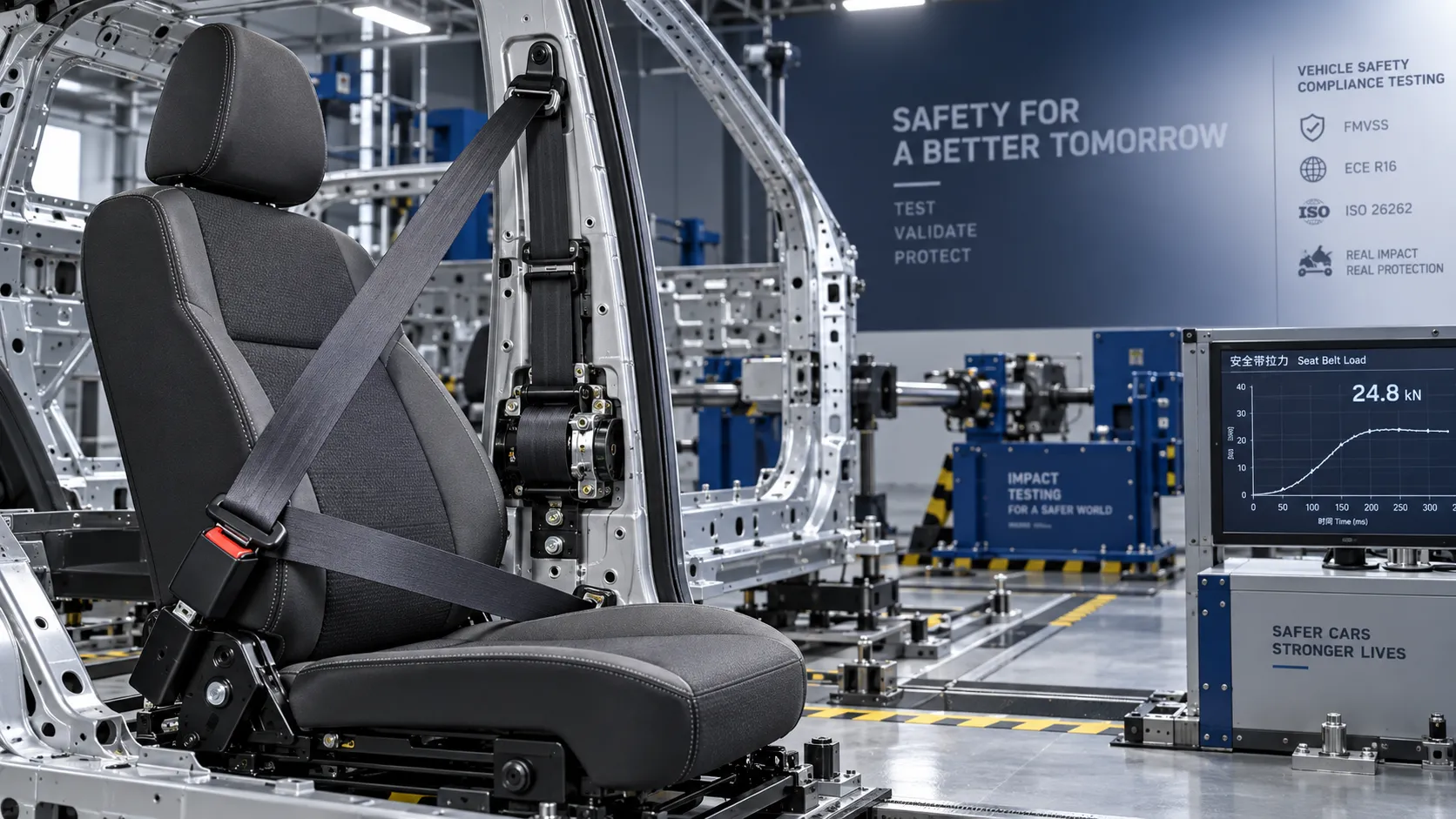
Crash Test Regulations for Seatbelts: Key Compliance Requirements Explained
Crash test regulations seatbelts explained: explore FMVSS, UN rules, anchorage strength, and dynamic restraint testing for safer, compliant vehicle systems.
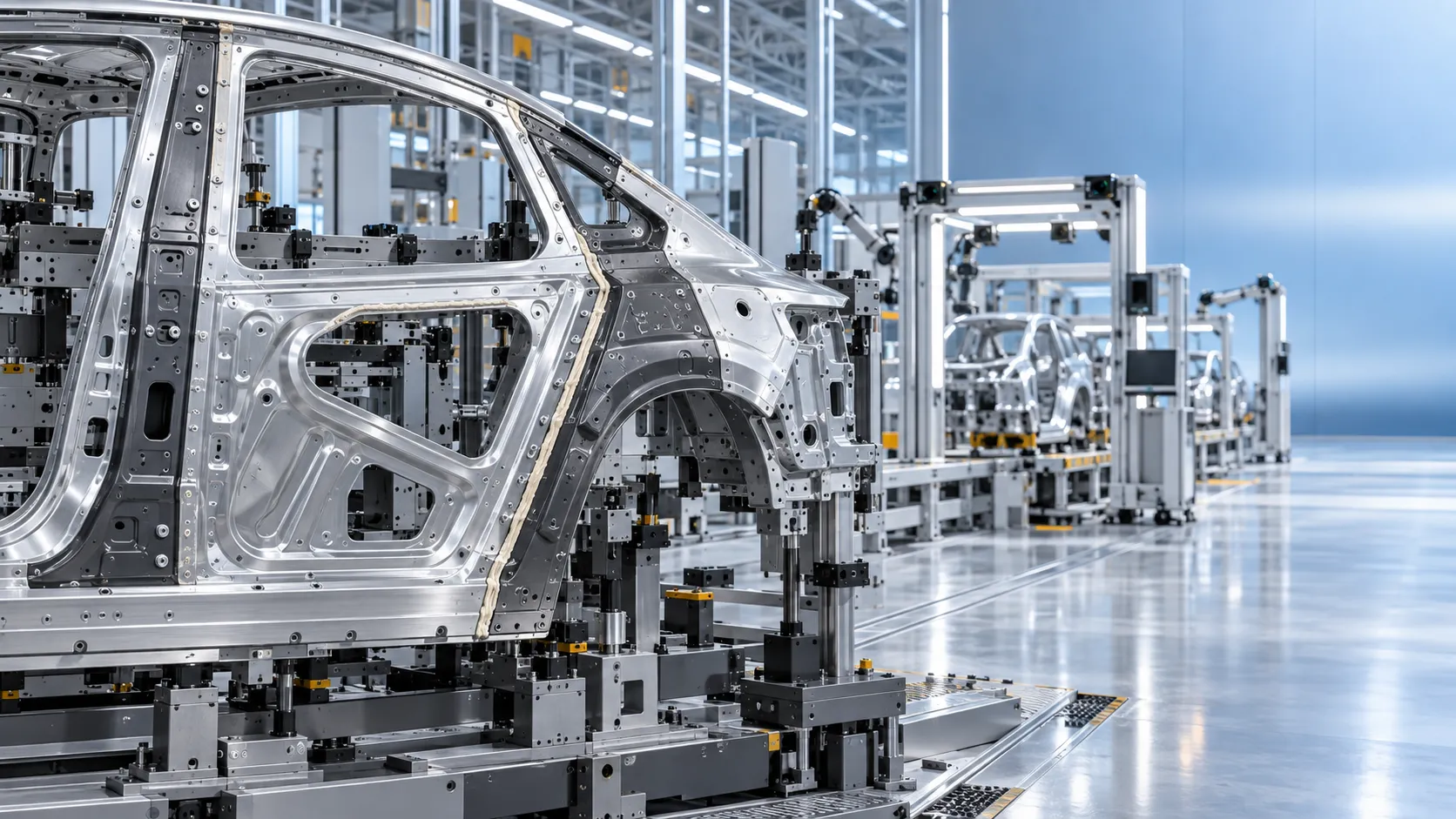
How to Calculate the Total Cost of Automotive Lightweighting for a Vehicle Program
Automotive lightweight solutions cost: learn how to calculate program-level costs, including materials, tooling, joining, validation, risk, and vehicle-level value.
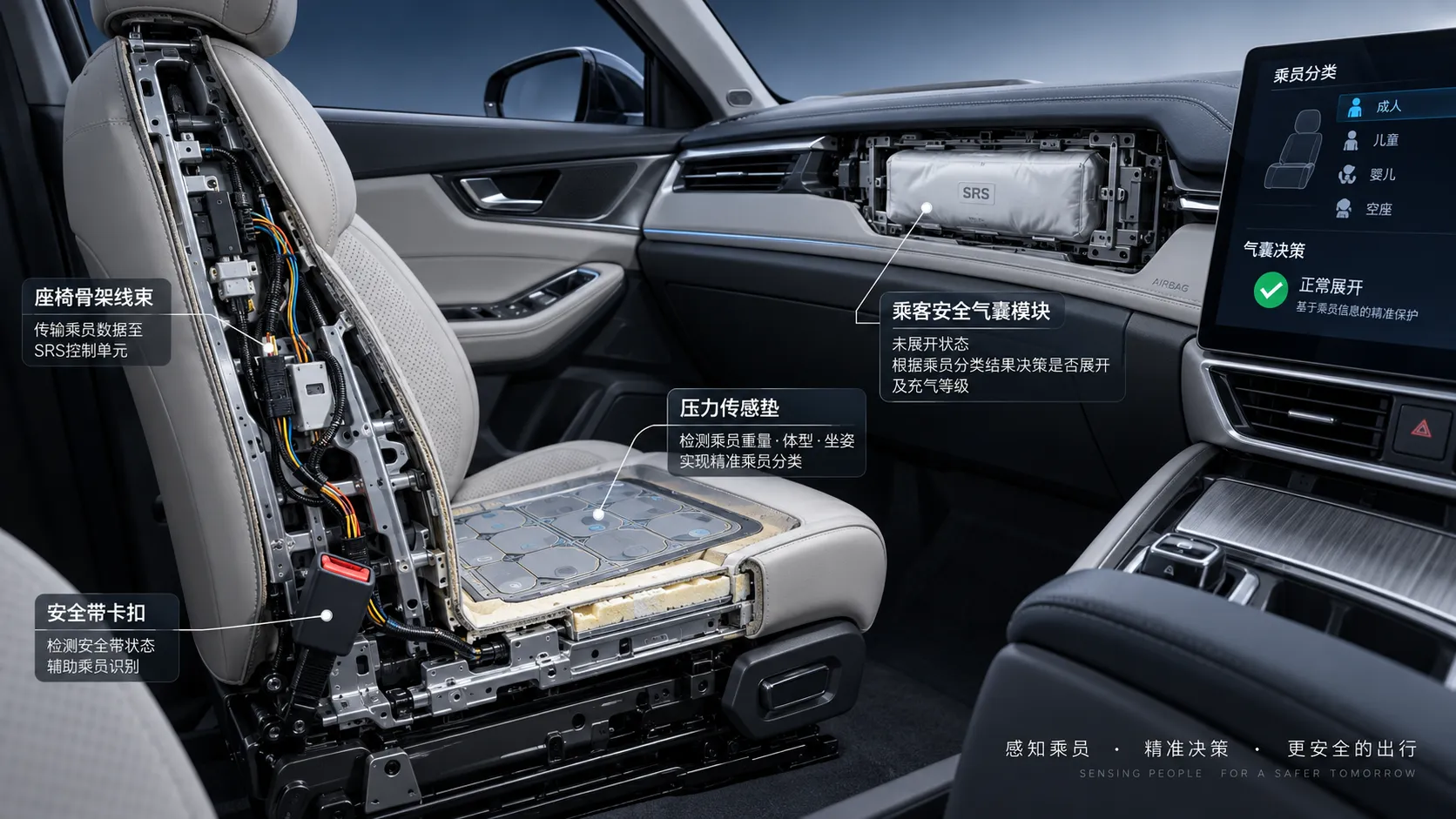
How Automotive Seat Occupancy Sensing Improves Airbag Deployment Decisions
Automotive seat occupancy sensing helps optimize airbag deployment decisions, improving passenger classification, safety diagnostics, and compliance across real-world conditions.
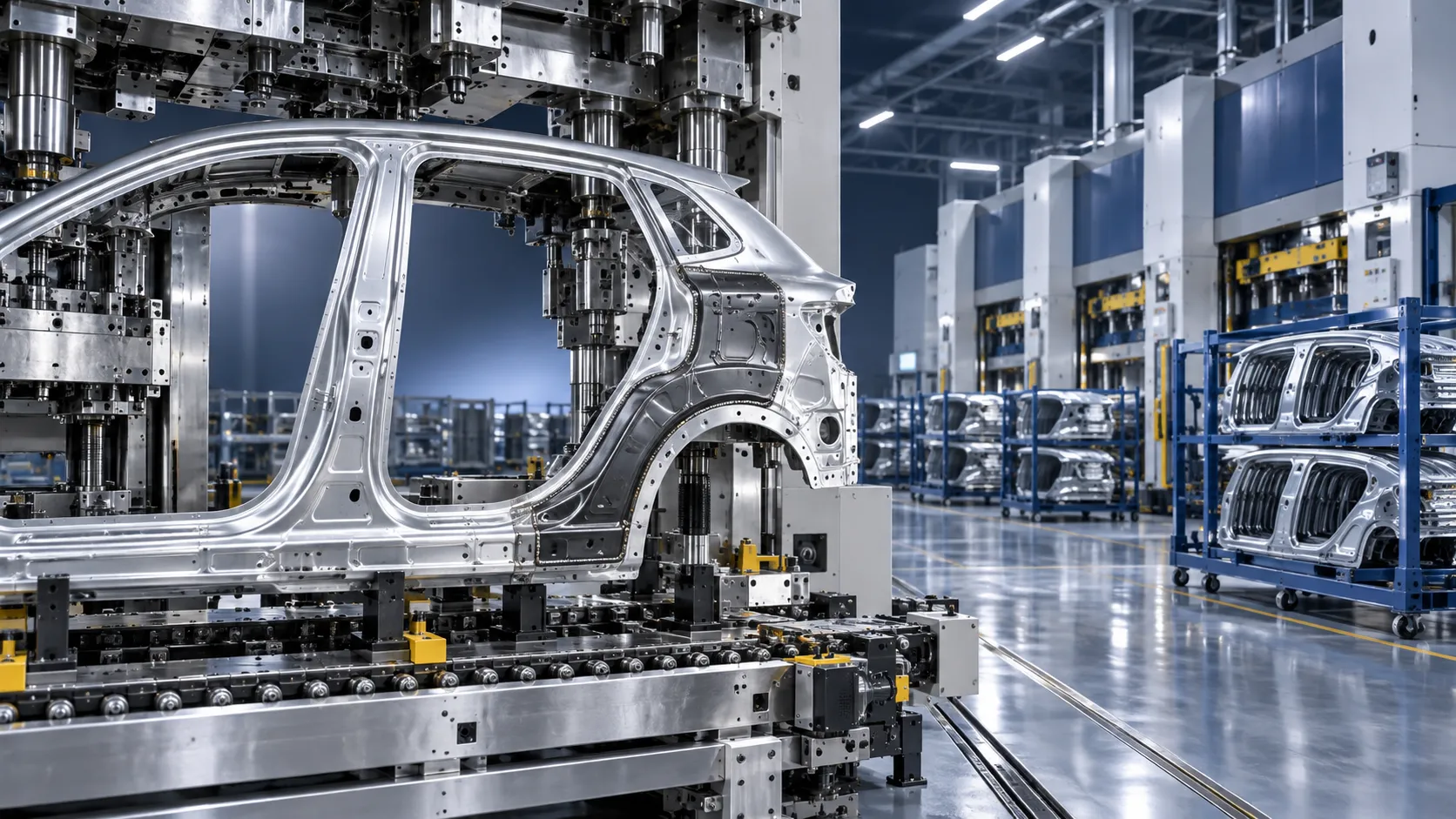
What Drives Lightweight Body Component Costs in High-Volume Vehicle Programs?
Lightweight body components cost depends on material yield, forming, joining, tooling, validation, and logistics. Explore proven ways to optimize total vehicle program cost.
Related News
- 00
0000-00
How Automotive Seat Occupancy Sensing Improves Airbag Deployment Decisions - 00
0000-00
How Smart Seating Sensors Improve Occupant Detection and Airbag Deployment - 00
0000-00
How to Qualify an Airbag Modules Supplier for OEM Safety and Delivery Requirements - 00
0000-00
How to Select Occupant Safety Systems for Vehicles Operating in the Middle East - 00
0000-00
Which Passive Safety Engineering Standards Apply to Automotive Restraint Systems?
Weekly Insights
Stay ahead with our curated technology reports delivered every Monday.