
How do crash test regulations change vehicle design costs?
Crash test regulations are becoming a direct cost variable in vehicle design
Crash test regulations do far more than set compliance targets.
They reshape material choices, tooling investment, validation cycles, and supplier strategies across the full vehicle program.
As global standards tighten, design cost is no longer driven only by styling, performance, or manufacturing scale.
It is increasingly driven by how early a platform aligns with crash test regulations in different markets.
For sectors linked to mobility equipment, this shift matters beyond passenger cars.
It influences stampings, airbag assemblies, seatbelt systems, seat structures, sensing hardware, and digital validation ecosystems.
The real question is not whether crash test regulations increase costs.
The real question is how they redistribute costs across design, testing, sourcing, and long-term platform economics.
Stronger global signals are pushing crash test regulations into earlier design decisions
Recent years show a clear pattern.
Crash test regulations are expanding from basic structural survival toward integrated occupant protection and post-crash safety performance.
Programs such as Euro NCAP, IIHS, NHTSA, C-NCAP, and other regional frameworks continue raising test complexity.
Small overlap impacts, far-side protection, pedestrian safety, child occupant performance, and active-passive system interaction now influence design targets.
This means crash test regulations are no longer checked late in development.
They increasingly shape body architecture, cabin packaging, restraint tuning, and joining methods from the concept phase.
The consequence is a larger share of cost moving upstream.
Early design changes cost less individually, but more categories must now be evaluated before tooling release.
Why the pressure keeps rising
- Consumer rating systems influence market reputation as much as legal compliance.
- Electrified platforms introduce new mass distribution and structural load paths.
- Lightweighting targets can conflict with energy absorption and intrusion control.
- Global platforms must satisfy multiple crash test regulations with one architecture.
- Seat, belt, airbag, and sensing systems now require tighter functional integration.
The main cost drivers behind crash test regulations are structural, digital, and supply-chain related
Vehicle design costs rise through several connected channels.
Some are obvious, like stronger materials and more prototypes.
Others are less visible, including software model refinement, traceability demands, and regional variant management.
Material decisions now carry a bigger compliance premium
Crash test regulations often force a trade-off between mass reduction and crash pulse management.
High-strength steel, aluminum, tailored welds, and mixed-material joints may lower weight.
Yet they can also raise forming difficulty, joining cost, repair complexity, and validation burden.
A lightweight body is not automatically a lower-cost body under tighter crash test regulations.
It becomes economical only when safety targets, manufacturability, and regional compliance align early.
Crash test regulations increasingly change the economics of passive safety components
The body structure takes most attention, but component systems absorb large hidden costs.
Airbag modules, seatbelt systems, and seat assemblies now operate as a coordinated protective network.
When crash test regulations evolve, the network must be recalibrated.
That recalibration affects hardware, sensors, algorithms, and packaging interfaces.
- Airbag costs rise with chamber complexity, inflator evolution, and deployment logic tuning.
- Seatbelt costs rise with pre-tensioner refinement, force limiter calibration, and anchor load requirements.
- Seat assembly costs rise when frame stiffness, anti-submarining behavior, and occupant posture control become critical.
- Sensor and ECU costs rise when detection timing must support more edge-case scenarios.
These changes are especially relevant for integrated suppliers across body, cabin, and safety domains.
A low-cost component may create higher system cost if it complicates crash correlation or packaging flexibility.
Different business links feel the cost impact of crash test regulations in different ways
The same regulation can create very different financial pressure across the value chain.
Understanding where cost concentrates helps improve planning and technical negotiation.
Where the pressure shows up first
- Concept engineering faces earlier architecture lock-in and more simulation iterations.
- Stamping operations face tighter formability windows for ultra-high-strength parts.
- Restraint integration teams face more interaction testing between seats, belts, airbags, and sensors.
- Validation groups face more prototype builds and correlation work.
- Sourcing teams face supplier capability gaps in materials, tooling precision, and compliance evidence.
Global platforms face another challenge.
One body-in-white may need to serve regions with different crash test regulations and different rating priorities.
Without disciplined modular design, variant complexity can erase economies of scale.
The smartest cost control move is to treat crash test regulations as a design architecture input
Late fixes are usually the most expensive fixes.
When crash test regulations are treated as final validation gates, teams often overpay through emergency reinforcements and rushed retesting.
A more durable approach is to build compliance logic into architecture planning from the start.
Key priorities worth tracking closely
- Cross-market test mapping before platform hard points are frozen.
- Early CAE correlation using real supplier material data.
- Joint optimization of body structure and restraint timing.
- Tooling feasibility reviews for advanced stampings and mixed-material joints.
- Seat and cabin packaging studies covering occupant diversity and far-side scenarios.
- Supplier audits focused on traceability, test evidence, and repeatable process capability.
A practical response framework can reduce the cost volatility created by crash test regulations
Not every upgrade adds equal value.
The most effective response combines selective reinforcement, digital validation discipline, and stronger component-system collaboration.
This framework also supports adjacent mobility sectors.
Any equipment field balancing structural integrity, occupant protection, and regulatory proof can benefit from this logic.
The next design advantage will come from intelligence stitched across structure, safety, and compliance
Crash test regulations will continue to evolve.
The cost challenge will grow for programs that separate body engineering, restraint design, and compliance planning.
The opportunity will grow for programs that connect them through shared data and earlier decision discipline.
For organizations tracking lightweight bodies, passive safety components, and intelligent cabin systems, the lesson is clear.
Crash test regulations should be read as a market signal, not only a legal requirement.
They reveal where design costs are likely to rise, where supplier capability must deepen, and where better integration can defend margins.
A useful next step is to review current platforms against upcoming crash test regulations by region, subsystem, and validation stage.
That review often exposes avoidable cost layers before they become expensive engineering corrections.
Related News

How to Specify Integrated Marine Electronics for Reliable Bridge Operations
Integrated marine electronics: learn how to specify reliable bridge systems with clear data flows, redundancy, alarm control, lifecycle interfaces, and operational testing.

How to Evaluate Navigation Radar Manufacturers for Commercial Vessel Projects
Navigation radar manufacturers: learn how to compare performance, compliance, integration, support, and lifecycle cost for commercial vessel projects.

How Adjustable Cabin Ergonomics Reduce Operator Fatigue in Long-Shift Vehicles
Adjustable cabin ergonomics reduces operator fatigue through better seating, reach, visibility, vibration control, and climate comfort for safer long-shift vehicles.
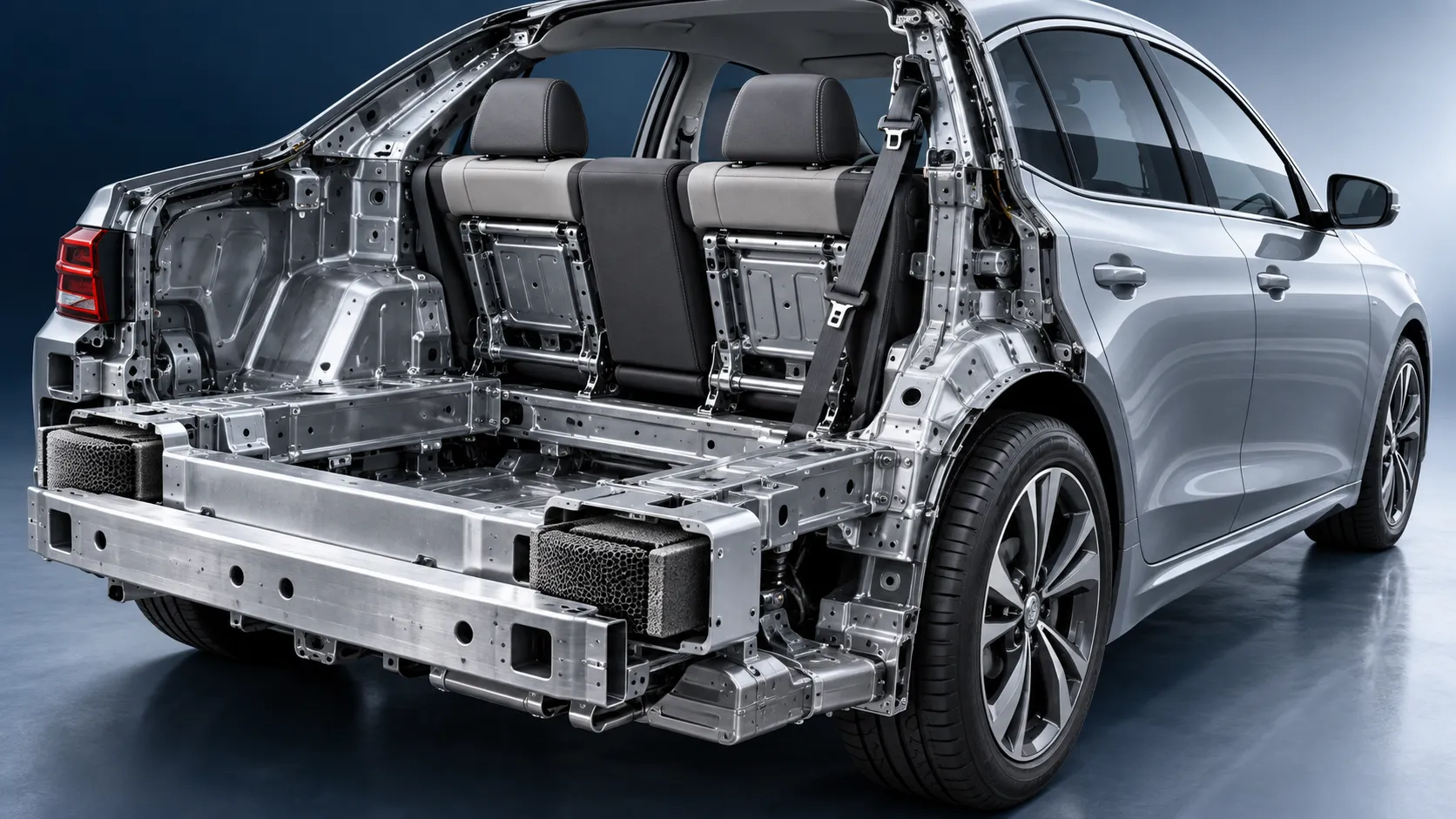
How Rear-Impact Safety Components Work Together to Protect Vehicle Occupants
Explore how automotive safety components for rear impact work together—from crash structures and seats to head restraints and belts—to enhance occupant protection.
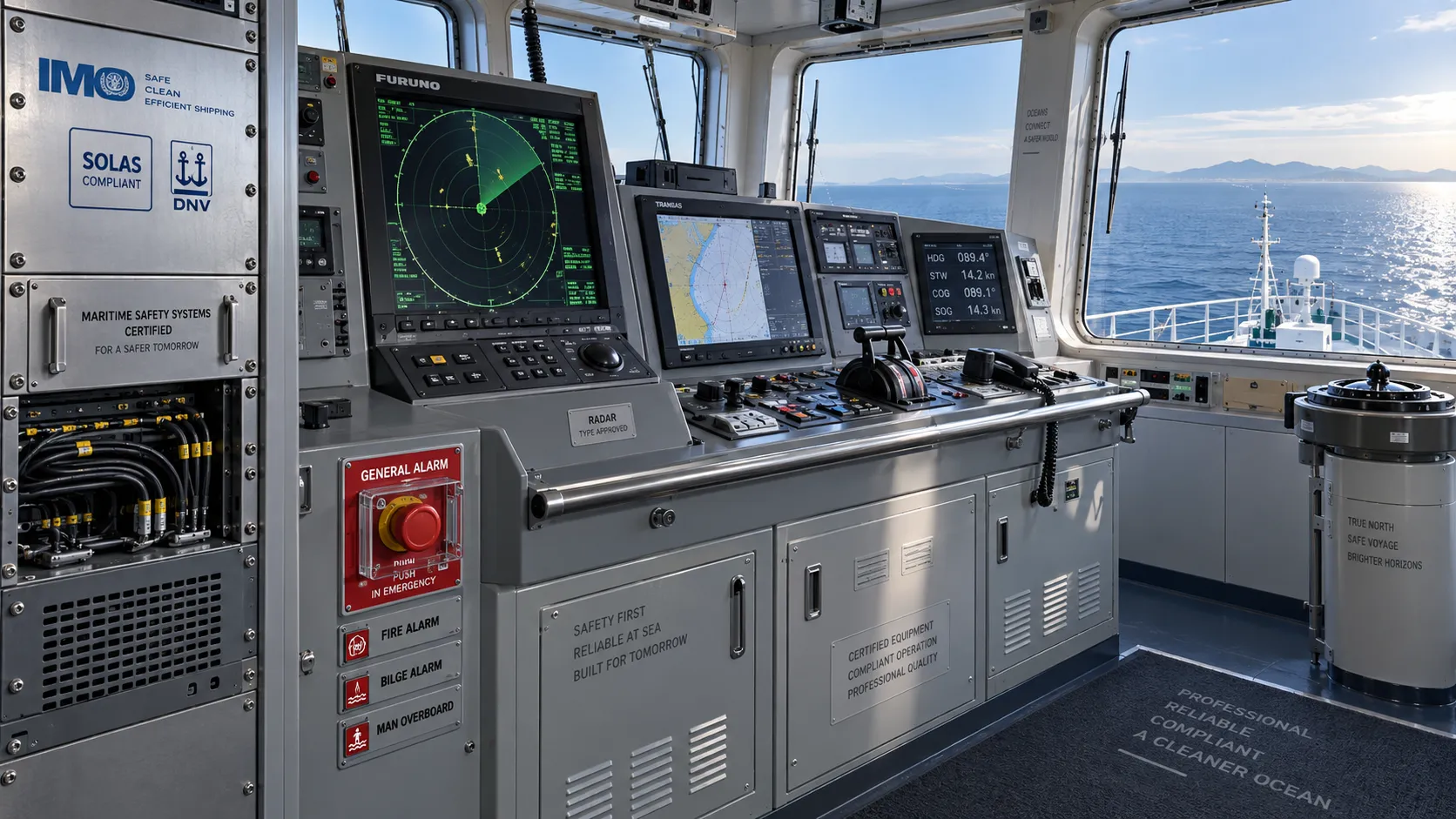
How to Evaluate a Marine Safety Systems Manufacturer for Vessel Compliance and Reliability
Marine safety systems manufacturer evaluation guide: verify compliance, engineering quality, lifecycle costs, and global service support for safer, reliable vessel operations.
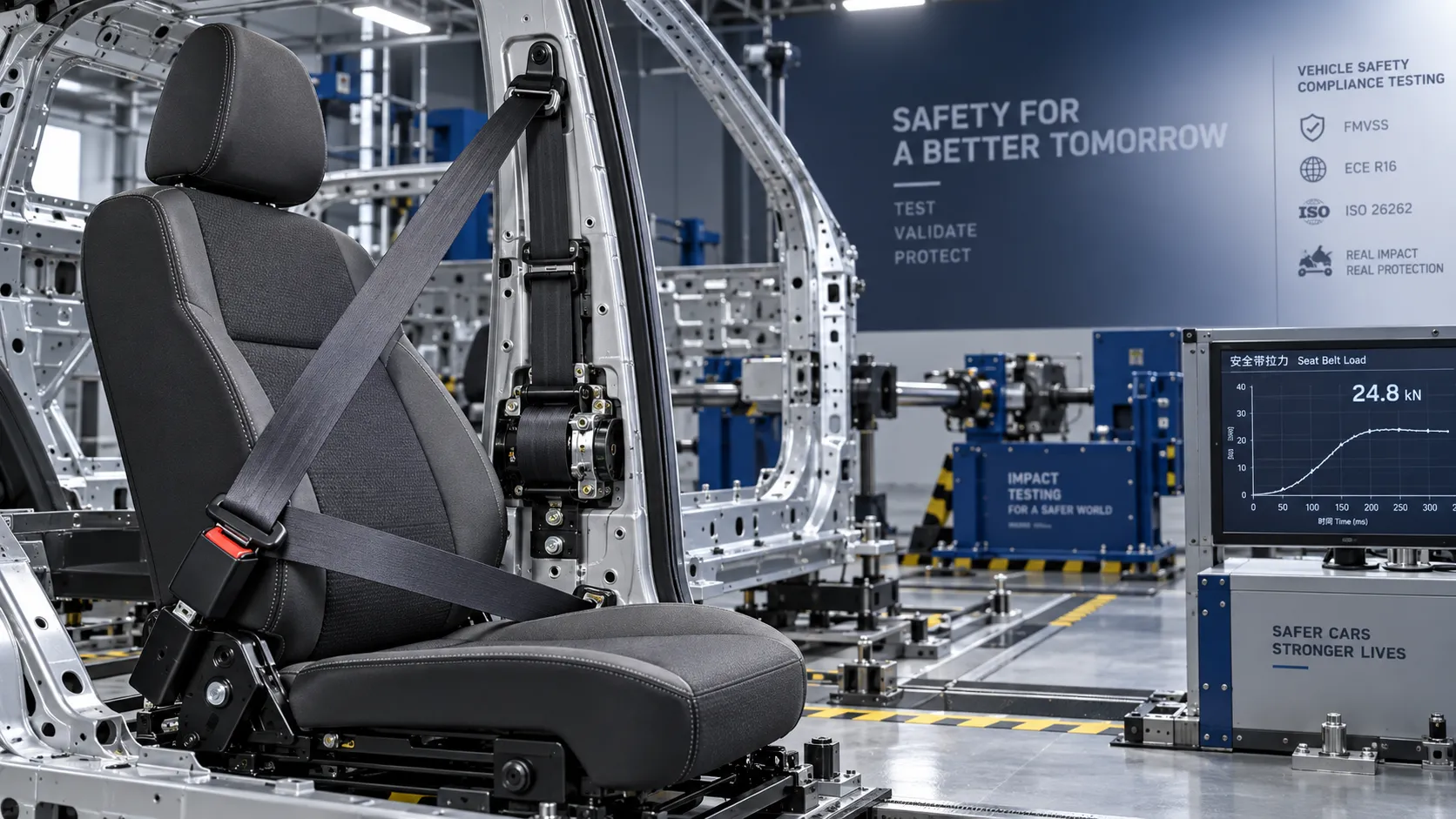
Crash Test Regulations for Seatbelts: Key Compliance Requirements Explained
Crash test regulations seatbelts explained: explore FMVSS, UN rules, anchorage strength, and dynamic restraint testing for safer, compliant vehicle systems.

How to Calculate the Total Cost of Automotive Lightweighting for a Vehicle Program
Automotive lightweight solutions cost: learn how to calculate program-level costs, including materials, tooling, joining, validation, risk, and vehicle-level value.

How Automotive Seat Occupancy Sensing Improves Airbag Deployment Decisions
Automotive seat occupancy sensing helps optimize airbag deployment decisions, improving passenger classification, safety diagnostics, and compliance across real-world conditions.

What Drives Lightweight Body Component Costs in High-Volume Vehicle Programs?
Lightweight body components cost depends on material yield, forming, joining, tooling, validation, and logistics. Explore proven ways to optimize total vehicle program cost.
Related News
- 00
0000-00
How Automotive Seat Occupancy Sensing Improves Airbag Deployment Decisions - 00
0000-00
How Smart Seating Sensors Improve Occupant Detection and Airbag Deployment - 00
0000-00
How to Qualify an Airbag Modules Supplier for OEM Safety and Delivery Requirements - 00
0000-00
How to Select Occupant Safety Systems for Vehicles Operating in the Middle East - 00
0000-00
Which Passive Safety Engineering Standards Apply to Automotive Restraint Systems?
Weekly Insights
Stay ahead with our curated technology reports delivered every Monday.