
Automotive Crash Protection Systems Selection Guide: Key Components and Test Criteria
Selecting automotive crash protection systems is no longer a narrow component decision. It sits at the intersection of regulation, vehicle architecture, supplier reliability, and occupant protection strategy.
A body structure may pass one regional requirement yet create integration issues for airbags, seatbelts, or seats in another program. That is why sourcing decisions need both technical depth and a wider market view.
For platforms facing global launch schedules, the real challenge is consistency. Automotive crash protection systems must perform across varied crash modes, material choices, validation methods, and certification pathways.
This matters even more in a mobility landscape shaped by lightweight structures, stricter consumer ratings, and faster compliance cycles. GNCS tracks these shifts closely through its focus on passive safety components, body stampings, and smart seating systems.
What automotive crash protection systems include
In practical terms, automotive crash protection systems are the coordinated hardware and control elements designed to manage impact energy and reduce occupant injury during a collision.
They are not limited to visible safety devices. The system begins with the vehicle body, continues through restraint technologies, and extends to seat structures, sensors, and deployment logic.
The most common scope includes:
- Body-in-white crash load paths and energy-absorbing stampings
- Front, side, curtain, knee, and center airbag assemblies
- Seatbelt systems with pretensioners and load limiters
- Seat frames, head restraints, and anti-submarining features
- Crash sensors, ECUs, and calibration logic
- Interfaces linking seats, restraints, and occupant detection
Simple sourcing comparisons often fail because these elements do not work independently. A stronger stamping, for example, may change deceleration pulses and require restraint retuning.
Why the market is paying closer attention
Several industry shifts are raising the bar for automotive crash protection systems. Lightweighting is one of them, especially as high-strength steel, aluminum, and mixed-material body structures become more common.
These materials help reduce mass, but they also alter deformation behavior. That changes how energy travels through the cabin and how restraint systems should respond.
Consumer test programs are another driver. IIHS, Euro NCAP, and similar frameworks keep refining side impact, small overlap, far-side, and occupant monitoring expectations.
More importantly, scores now influence commercial outcomes. Safety performance affects platform reputation, export access, insurer confidence, and supplier selection.
GNCS approaches this from a broader equipment intelligence perspective. Its work across passive safety, body stampings, and smart seating highlights how compliance pressure increasingly depends on system integration, not isolated parts.
The components that deserve the closest review
Body structures and stamped parts
The body is the first line of crash management. Key questions involve material grade, thickness strategy, joining method, dimensional stability, and repeatability in production.
Hot-stamped parts are especially relevant for frontal and side intrusion control. Their value depends not only on tensile strength, but on forming precision and consistent energy absorption behavior.
Airbag assemblies
Airbags remain central within automotive crash protection systems, yet performance depends on timing, venting, cushion shape, inflator chemistry, and compatibility with seat and belt geometry.
Attention should also go to propellant evolution, environmental requirements, and traceability. Inflator design has become both a safety issue and a long-tail quality risk.
Seatbelt systems
Seatbelts still do most of the restraint work in many crashes. Pretensioner force, load limiter tuning, buckle performance, and retractor durability all affect injury outcomes.
A lower-cost belt system may satisfy basic specifications, yet perform poorly when paired with new seat architectures or revised occupant packaging.
Seats and occupant interface
Seat structures matter more than many sourcing teams expect. Cushion geometry, frame rigidity, recliner integrity, head restraint positioning, and sensor placement all influence crash kinematics.
With smart seating systems, the interface between comfort features and passive safety hardware also needs careful review. Added functions must not weaken core restraint performance.
How to judge performance beyond a datasheet
The strongest purchasing decisions usually come from comparing parts across a common evaluation framework. Technical claims are useful, but only when tied to validated test evidence.
This is where automotive crash protection systems should be reviewed as programs, not simply as line items. A cheaper component can become expensive once retesting, redesign, or delayed approval enters the equation.
Test criteria that should shape sourcing decisions
Crash validation is not just about passing one full-vehicle event. Reliable automotive crash protection systems are supported by layered test evidence from material level to integrated vehicle performance.
Key test criteria typically include:
- Frontal, side, rear, rollover, and small overlap crash performance
- Sled testing for restraint tuning and occupant kinematics
- Static and dynamic seat strength validation
- Inflator reliability, deployment consistency, and environmental aging
- Belt anchorage integrity and pretensioner durability
- Corrosion, thermal cycling, vibration, and long-term material stability
Certification pathways also vary by target market. FMVSS, ECE regulations, Euro NCAP, and IIHS expectations may overlap, but they do not create identical engineering priorities.
A supplier that understands these differences can reduce revalidation work. That capability is often more valuable than a narrow price advantage.
Typical sourcing risks in real programs
One common issue is buying to nominal specification without enough attention to integration history. On paper, the component fits. In testing, the broader system behaves differently.
Another risk is treating lightweighting as a pure material substitution exercise. In reality, revised stampings can affect intrusion patterns, pulse shape, and restraint calibration.
Documentation quality also matters. Automotive crash protection systems generate large evidence trails, and gaps in traceability can slow audits, PPAP reviews, and launch timing.
Then there is regional divergence. A component validated for one market may still need meaningful changes for another due to local safety rules or consumer test protocols.
A practical framework for the next comparison round
A useful starting point is to map the target vehicle program before comparing suppliers. Vehicle class, export markets, occupant package, body material mix, and rating goals should be clear first.
Then review automotive crash protection systems in linked groups rather than separate purchasing buckets. Body parts, airbags, belts, and seats should be compared against the same crash objectives.
It also helps to request evidence in three layers:
- Component performance data
- Subsystem integration records
- Regional compliance and rating support
This approach aligns with the GNCS view of safety intelligence. The most reliable decisions come from connecting structural behavior, physical containment, and regulatory interpretation into one sourcing logic.
For the next evaluation cycle, the strongest move is to build a comparison sheet around crash modes, test evidence, integration fit, and certification readiness. That will reveal which options are merely acceptable and which are genuinely program-ready.
Related News
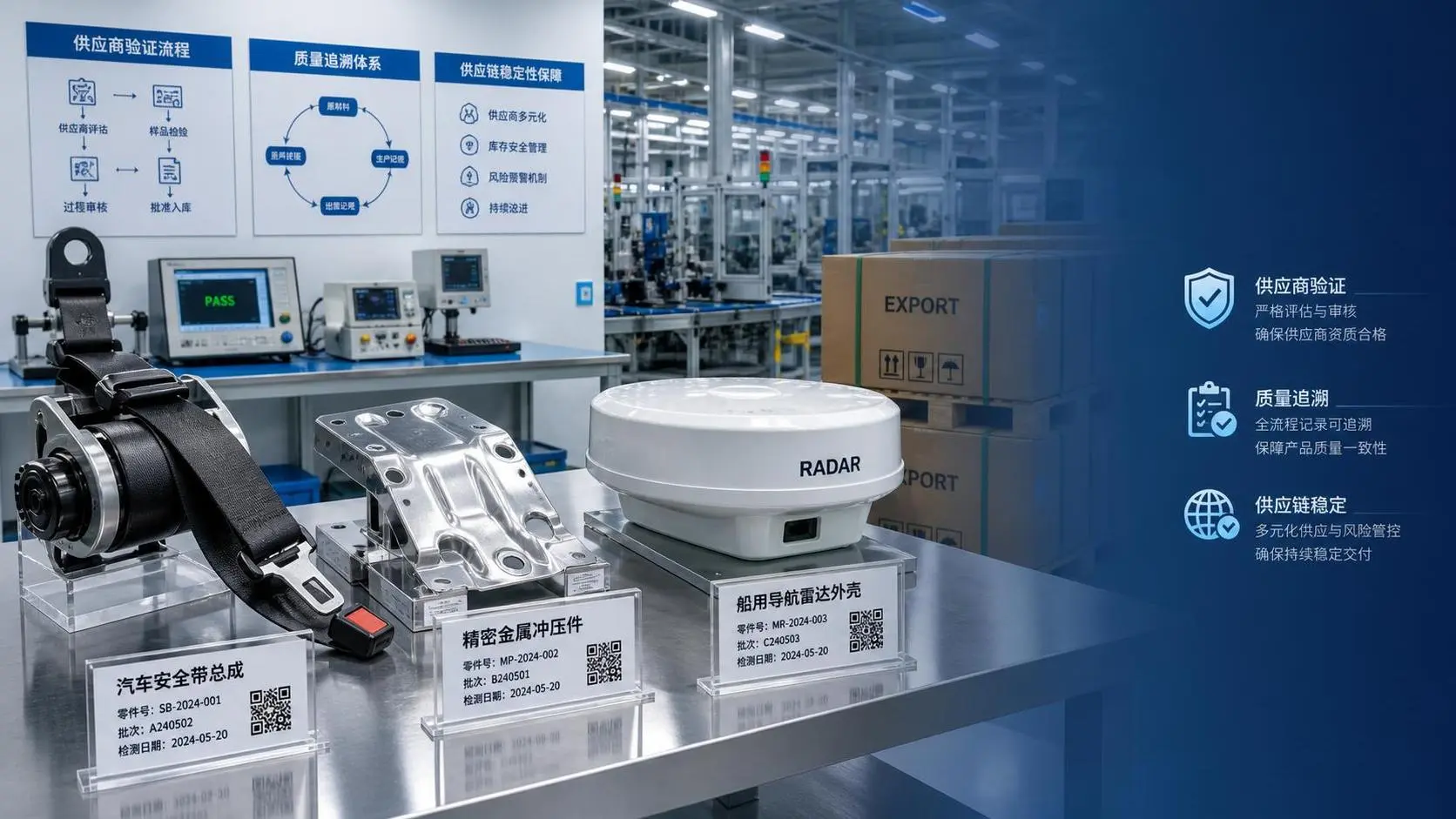
Industrial Sourcing Information: How Buyers Vet Suppliers, Costs, and Supply Risks
Industrial sourcing information guide for vetting suppliers, calculating landed costs, managing compliance, and reducing supply-chain risks in marine and automotive safety programs.
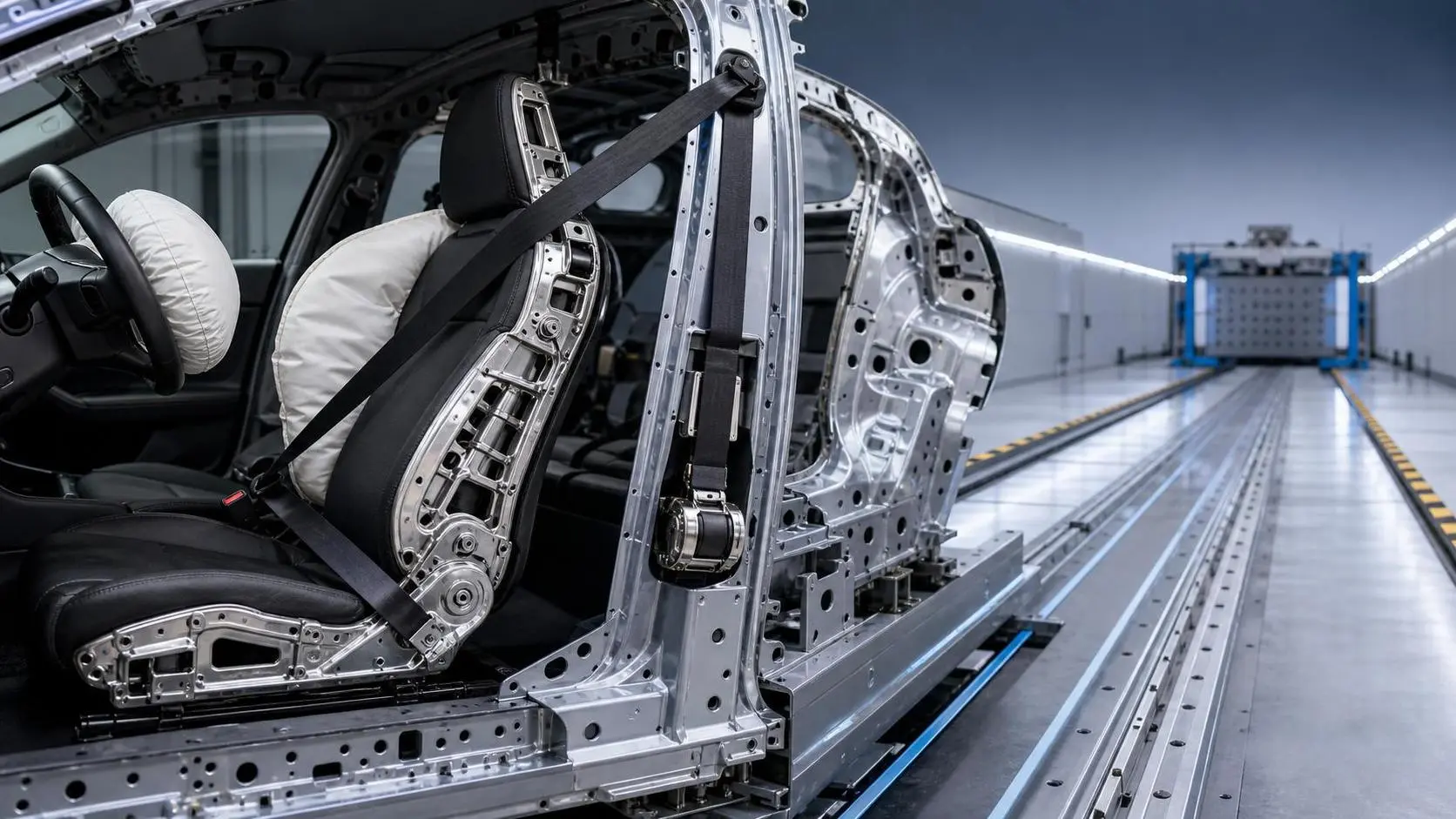
Which Passive Safety Engineering Standards Apply to Automotive Restraint Systems?
Passive safety engineering standards for automotive restraint systems: explore FMVSS, UN regulations, seatbelts, airbags, anchors, and compliance planning.

How European B2B Teams Can Evaluate Product Intelligence Platforms for Sourcing
B2B product intelligence platform Europe: learn how procurement teams assess suppliers, compliance data, technical capabilities, and sourcing risks with confidence.
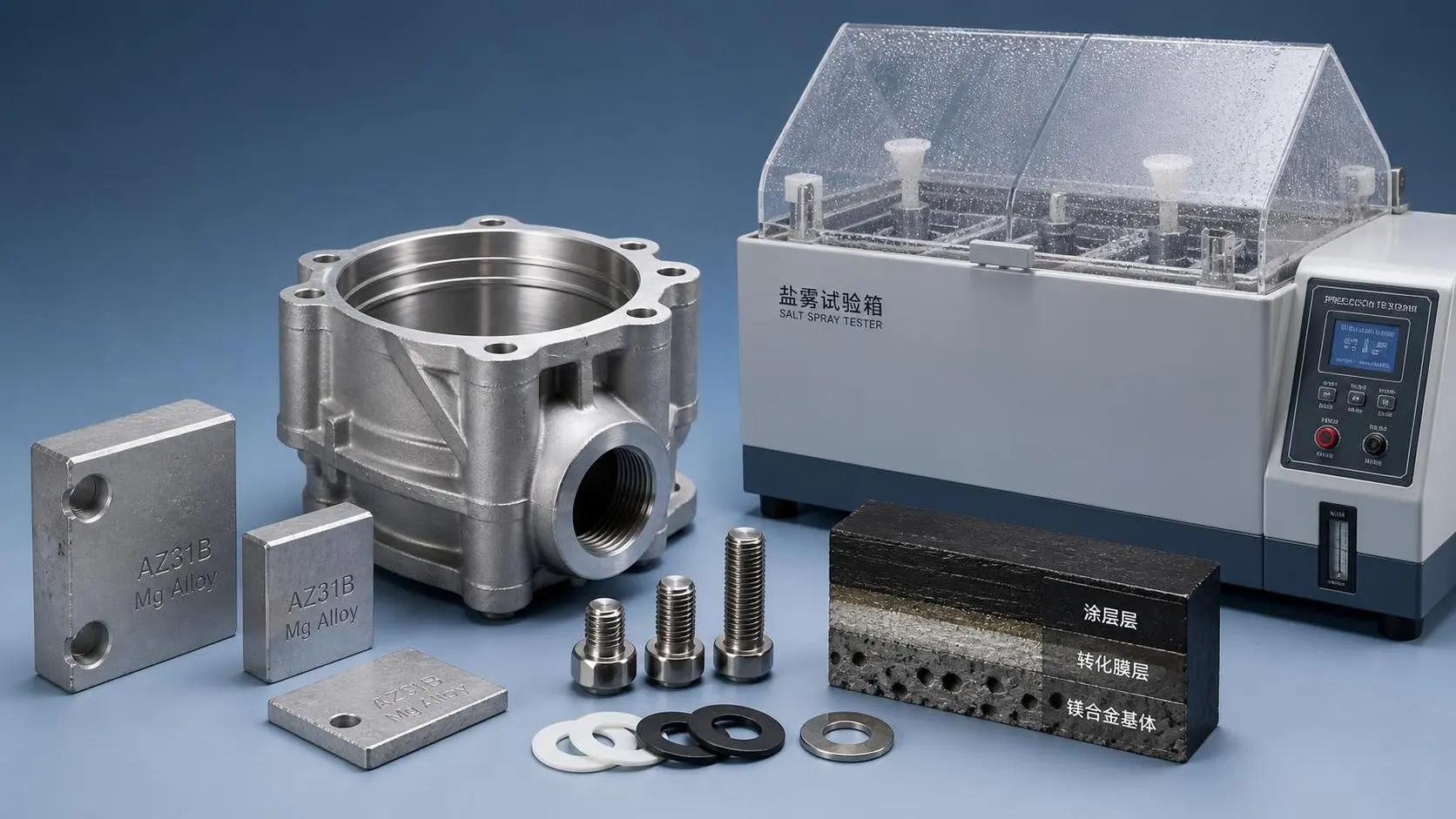
How to Evaluate Magnesium Alloys Corrosion Resistance for Marine Parts?
Magnesium alloys corrosion resistance for marine parts depends on more than alloy grade. Learn how to assess coatings, galvanic risk, geometry, and real-world exposure before you decide.
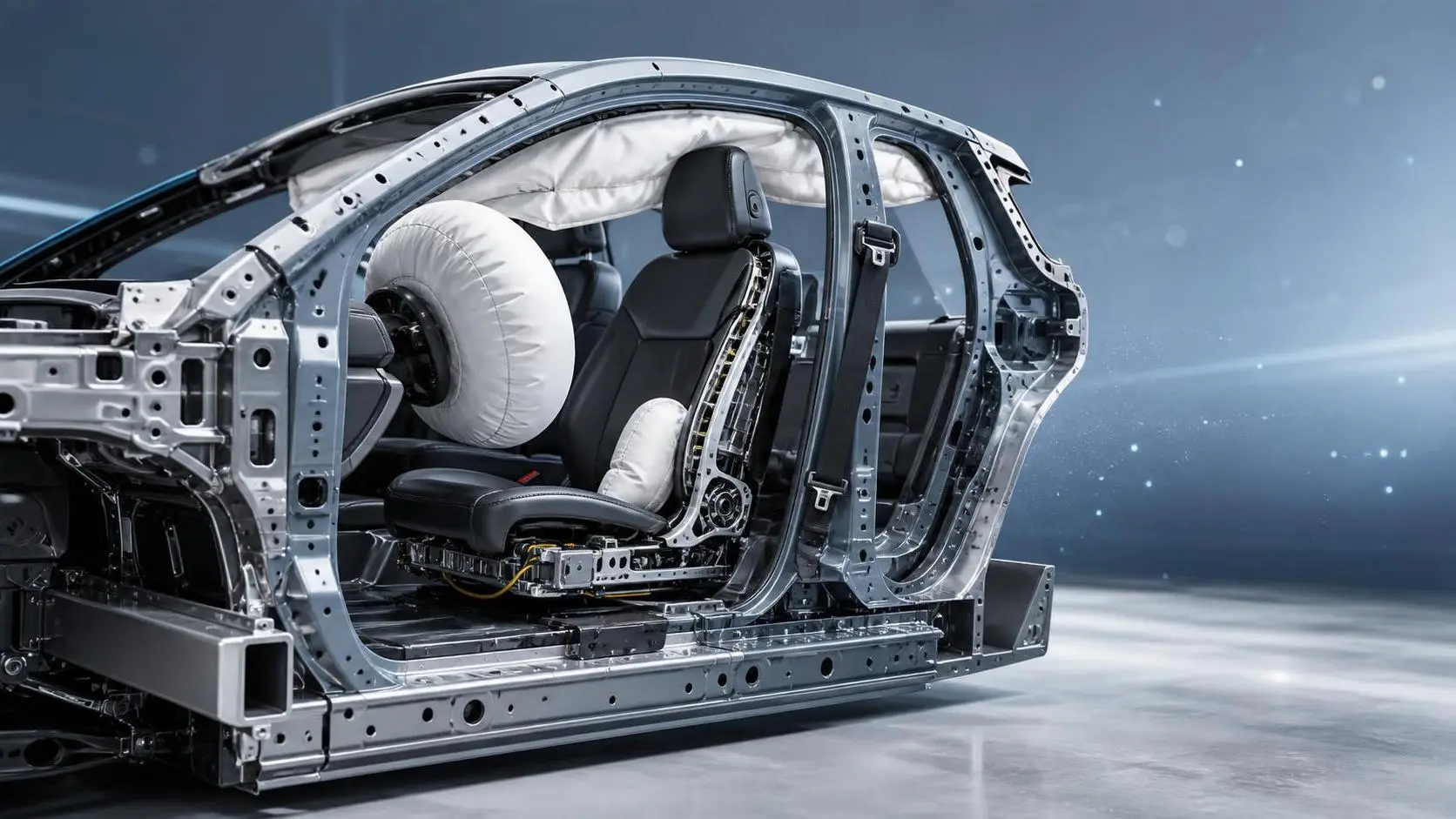
How to Evaluate Mobility Safety Systems for Safer Vehicle Platform Design
Mobility safety systems evaluation starts with platform architecture, crash energy management, and seat-restraint timing. Learn how to choose safer, validation-ready vehicle designs.
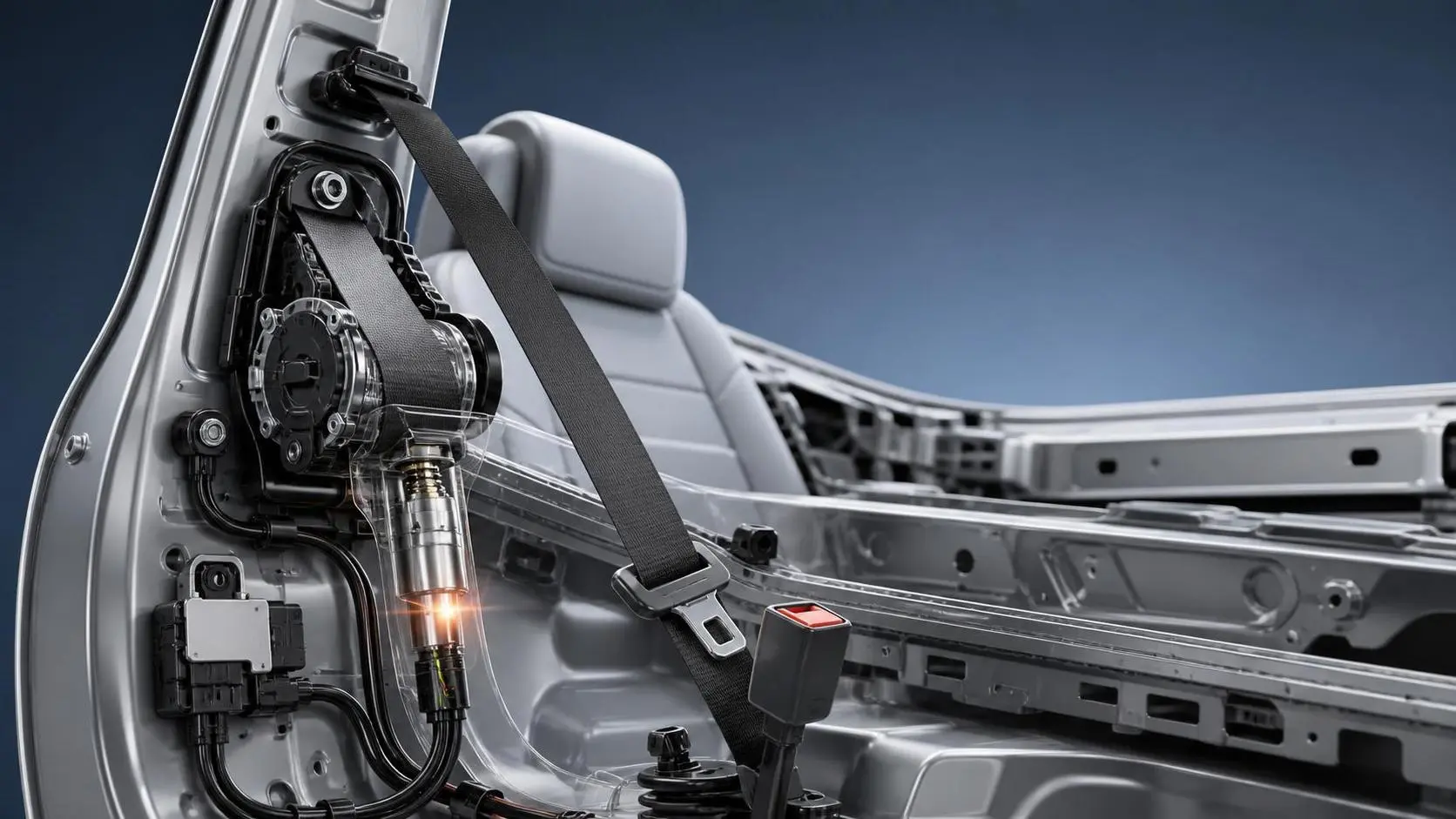
How Seat Belt Pretensioners for EVs Improve Crash Safety and System Response
Seat belt pretensioners for EVs improve crash timing, occupant control, and system response. Discover how smarter integration boosts EV safety performance.
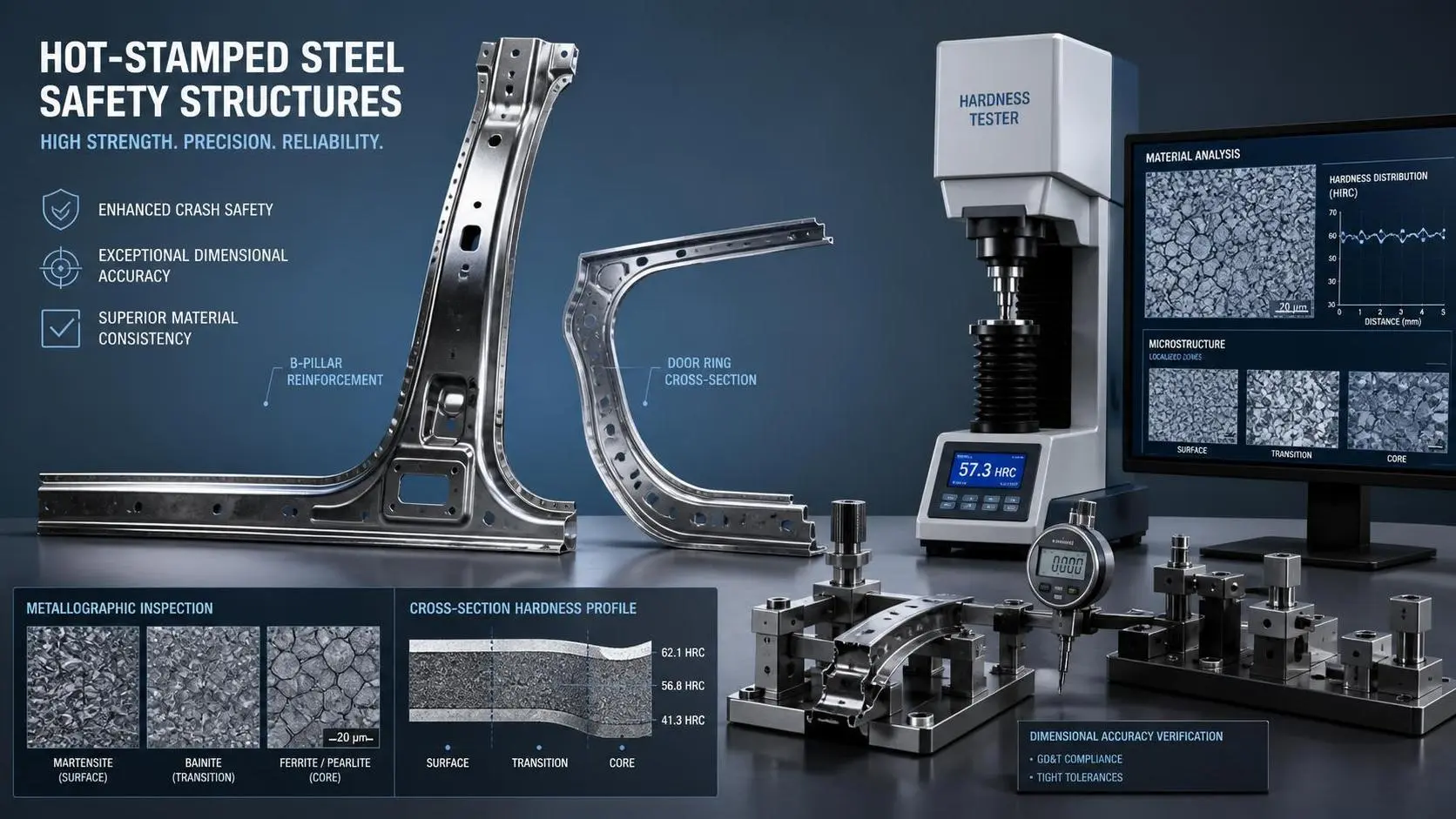
How to Evaluate High Strength Hot Stamped Steel Parts for Crash-Safety Applications
High strength hot stamped steel parts for crash-safety applications: learn how to assess strength, microstructure, dimensional accuracy, and process stability for safer sourcing decisions.
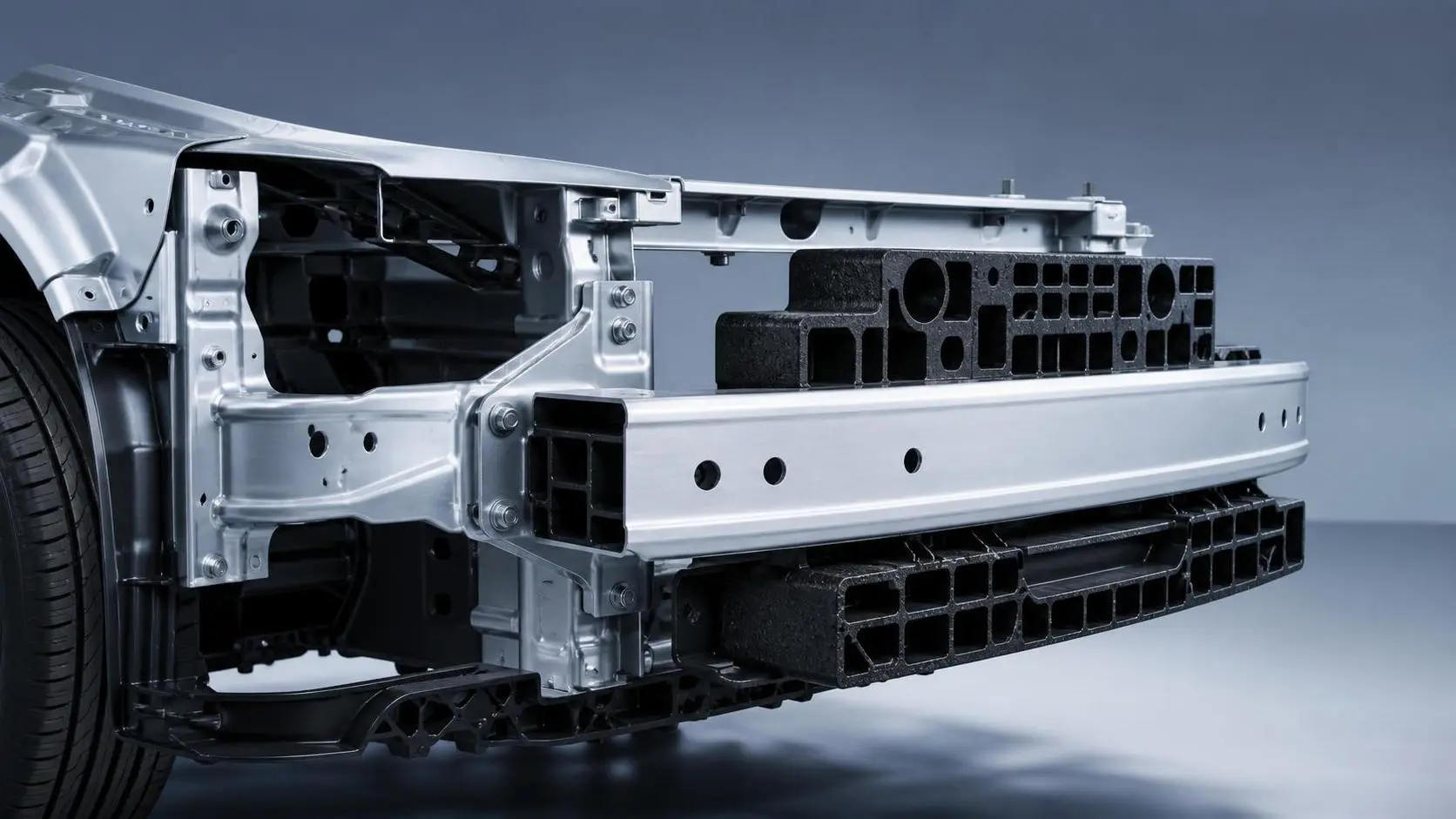
How Crash Management Components Reduce Repair Costs and Improve Impact Performance
Crash management components help reduce repair costs, protect critical vehicle structures, and improve impact performance. Learn how smarter design supports safer, more cost-efficient mobility programs.
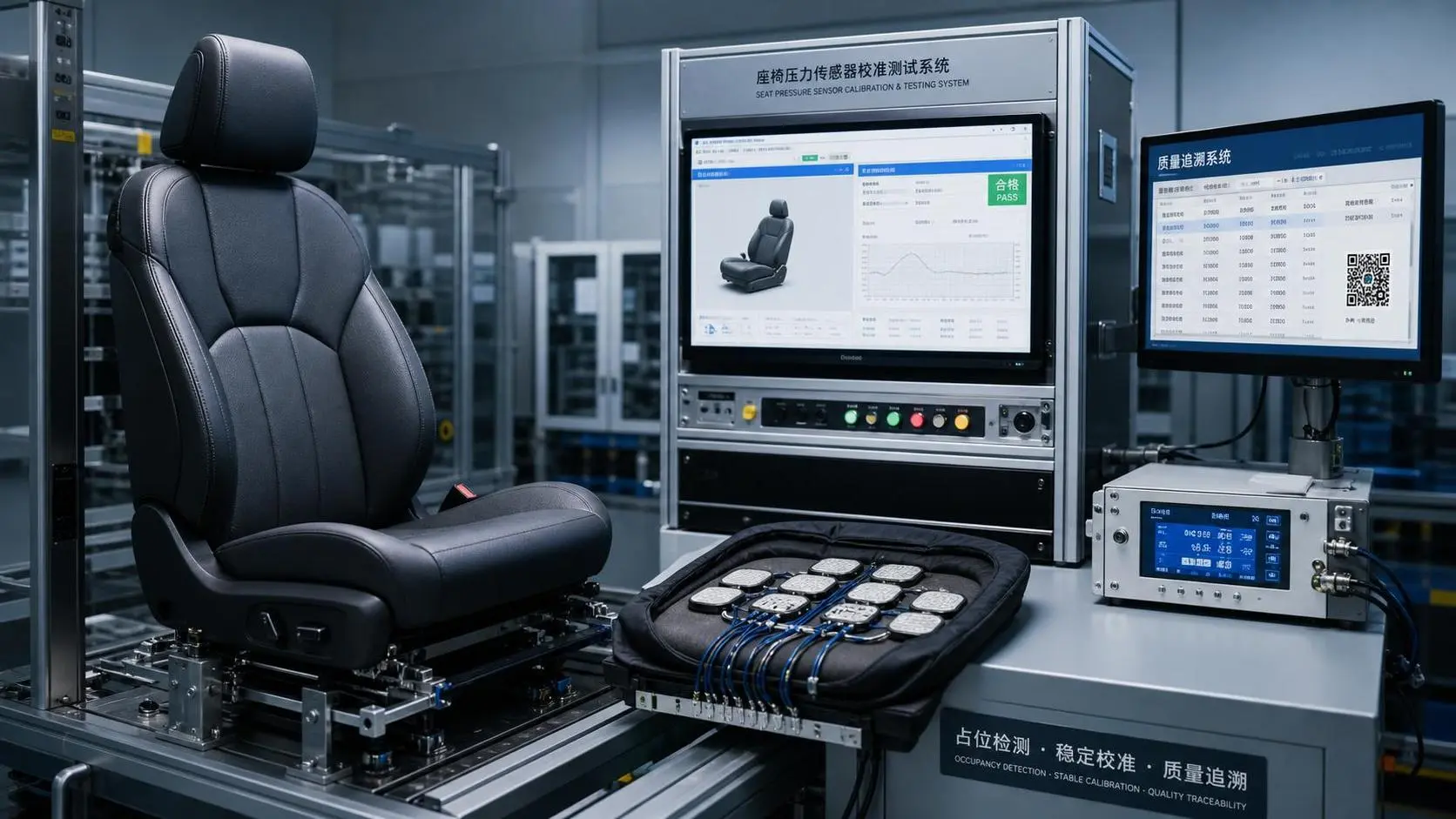
How to Evaluate a Seat Sensing Systems Factory for Automotive Safety Programs
Seat sensing systems factory selection goes beyond price. Learn how to assess quality control, validation, PPAP readiness, and long-term supply reliability for safer automotive programs.
Related News
- 00
0000-00
Which Passive Safety Engineering Standards Apply to Automotive Restraint Systems? - 00
0000-00
How to Evaluate a Seat Sensing Systems Factory for Automotive Safety Programs - 00
0000-00
How to Evaluate Airbag Components for OEM Safety Performance and Compliance? - 00
0000-00
Automotive Crash Protection Systems Selection Guide: Key Components and Test Criteria - 00
0000-00
Automotive Occupant Protection Devices: Types, Functions, and How They Work Together
Weekly Insights
Stay ahead with our curated technology reports delivered every Monday.