
Airbag Components OEM Basics: Parts, Materials, and Validation Requirements
Airbag components OEM decisions sit at the center of passive safety performance. They affect not only deployment timing, but also long-term durability, traceability, and regulatory confidence across global vehicle programs.
For any review of cabin safety supply chains, the details matter. Inflators, cushions, covers, housings, and sensors must work as one system under extreme conditions, with almost no tolerance for variation.
That is why airbag components OEM evaluation is no longer a narrow sourcing topic. It now intersects lightweight structures, seat integration, crash compliance, and the broader intelligence work shaping mobility safety platforms.
Why this topic carries more weight now
The passive safety landscape has become more demanding. New vehicle architectures, electrification, compact interiors, and stricter testing protocols have raised the bar for every airbag component.
At the same time, OEM programs are asking suppliers to balance cost, weight, packaging space, and compliance. That balance is difficult when one unstable material lot can change deployment behavior.
From the GNCS perspective, this is part of a larger pattern. High-reliability equipment, whether in navigation systems or cabin protection, depends on precision, verification, and disciplined data interpretation.
In airbag components OEM work, that means understanding not just the part drawing, but the material chemistry, process controls, and validation logic behind the part.
What falls inside airbag components OEM
The phrase covers more than a finished airbag module. It includes the individual parts and subassemblies that determine whether an airbag system performs consistently in a real crash event.
Core hardware and textile elements
- Inflators, including stored gas, hybrid, or pyrotechnic designs
- Airbag cushions made from woven technical fabric
- Covers, doors, tear seams, and decorative trim interfaces
- Metal housings, brackets, retainers, and mounting components
- Connectors, initiators, filters, and internal gas management parts
- Labels, traceability marks, and packaging elements tied to compliance
System-linked parts around the module
Airbag components OEM programs also connect to crash sensors, electronic control units, seat structures, steering wheels, dashboards, and body stampings.
This connection is important because part quality cannot be judged in isolation. A well-made cushion can still underperform if folding, mounting geometry, or seat position assumptions are wrong.
Materials that shape performance
Materials are where many hidden risks begin. In airbag components OEM sourcing, a small change in yarn quality, coating thickness, or metal treatment can alter system behavior.
Fabric and coating choices
Most cushions rely on high-strength nylon fabric, often nylon 6,6, because it offers a useful combination of tensile strength, folding behavior, and thermal resistance.
Coatings are selected to control gas retention and heat exposure. Silicone and neoprene-based systems remain common, though formulations vary by application and deployment profile.
Side curtain airbags may require different coating and seam strategies than driver airbags. Longer inflation duration changes the stress pattern across fabric panels and stitched areas.
Metal and polymer parts
Housings and brackets often use stamped steel or aluminum, depending on packaging, corrosion targets, and weight goals. Surface treatment matters as much as base material selection.
Injection-molded covers and trim interfaces must maintain predictable break patterns. Brittleness at low temperature or excessive softness at high temperature can create deployment problems.
Propellant and gas-generation chemistry
Inflator chemistry remains one of the most sensitive parts of airbag components OEM assessment. Thermal stability, residue behavior, pressure curve, and aging response all require close review.
Current market attention is shifting toward cleaner and more tightly controlled formulations. This reflects both safety expectations and wider environmental compliance pressure.
Where validation requirements become decisive
A compliant drawing alone is not enough. Airbag components OEM credibility comes from validation discipline, especially when parts move across plants, regions, or vehicle platforms.
Typical validation layers
Standards and customer-specific requirements vary by market. FMVSS, UNECE rules, and consumer test regimes such as Euro NCAP or IIHS can all influence validation depth.
In practice, airbag components OEM review should always ask one question. Was this part only tested to pass, or was it tested to remain stable across variation and aging?
Business signals behind the technical details
The value of strong airbag components OEM capability is not limited to safety claims. It also affects launch timing, warranty exposure, recall risk, and access to higher-trust vehicle programs.
This is where GNCS often connects the dots across adjacent sectors. Lightweight body structures, seat architecture, and restraint timing increasingly influence one another in modern cabin design.
For example, thinner pillars, lighter cross-car beams, or new seat-mounted layouts can change packaging assumptions. That creates fresh demands for folding strategy, vent tuning, and cover release behavior.
More broadly, airbag components OEM programs are now judged by data transparency. Buyers and development teams want cleaner test histories, stronger lot traceability, and faster response to engineering changes.
How to read an OEM offer or supplier file more clearly
A strong quotation or capability deck should make technical assumptions visible. If the file only lists dimensions and annual capacity, the real risk picture is still missing.
Points worth checking early
- Which airbag type is covered: driver, passenger, side, knee, or curtain
- Whether materials are sourced from approved and stable upstream channels
- How sewing, folding, and inflator assembly are controlled in production
- What validation is already complete, and what remains application-specific
- How engineering changes are documented, approved, and tracked by lot
- Whether the evidence package supports global compliance expectations
It is also useful to compare nominal performance with robustness. A part that meets target output in one condition may still be weak under humidity exposure, aging, or low-temperature deployment.
Common gaps in airbag components OEM evaluation
Several issues appear repeatedly across sourcing and technical reviews. Most are not dramatic on paper, but they become serious when programs scale.
- Assuming fabric specification alone predicts seam durability
- Treating inflator output as stable without aging evidence
- Ignoring trim-cover interaction during deployment validation
- Overlooking traceability below module level
- Using one region’s compliance package as proof for all markets
These gaps matter because passive safety failures are rarely caused by one obvious defect. They usually come from accumulated variation across materials, interfaces, and process control.
A practical next step for deeper assessment
The most useful way to approach airbag components OEM analysis is to build a comparison frame before reviewing suppliers or programs. Start with part scope, material stack, validation depth, and change-control discipline.
Then connect those findings to the full cabin system. Seat geometry, body structure, occupant sensing, and target regulations often explain whether a component choice is merely acceptable or genuinely dependable.
For ongoing market tracking, it helps to watch the same signals GNCS follows across safety and mobility equipment: tighter compliance cycles, lighter structures, cleaner inflator chemistry, and stronger evidence standards.
That approach turns airbag components OEM from a parts checklist into a clearer judgment framework. It also makes the next comparison, audit, or sourcing discussion much easier to ground in facts.
Related News
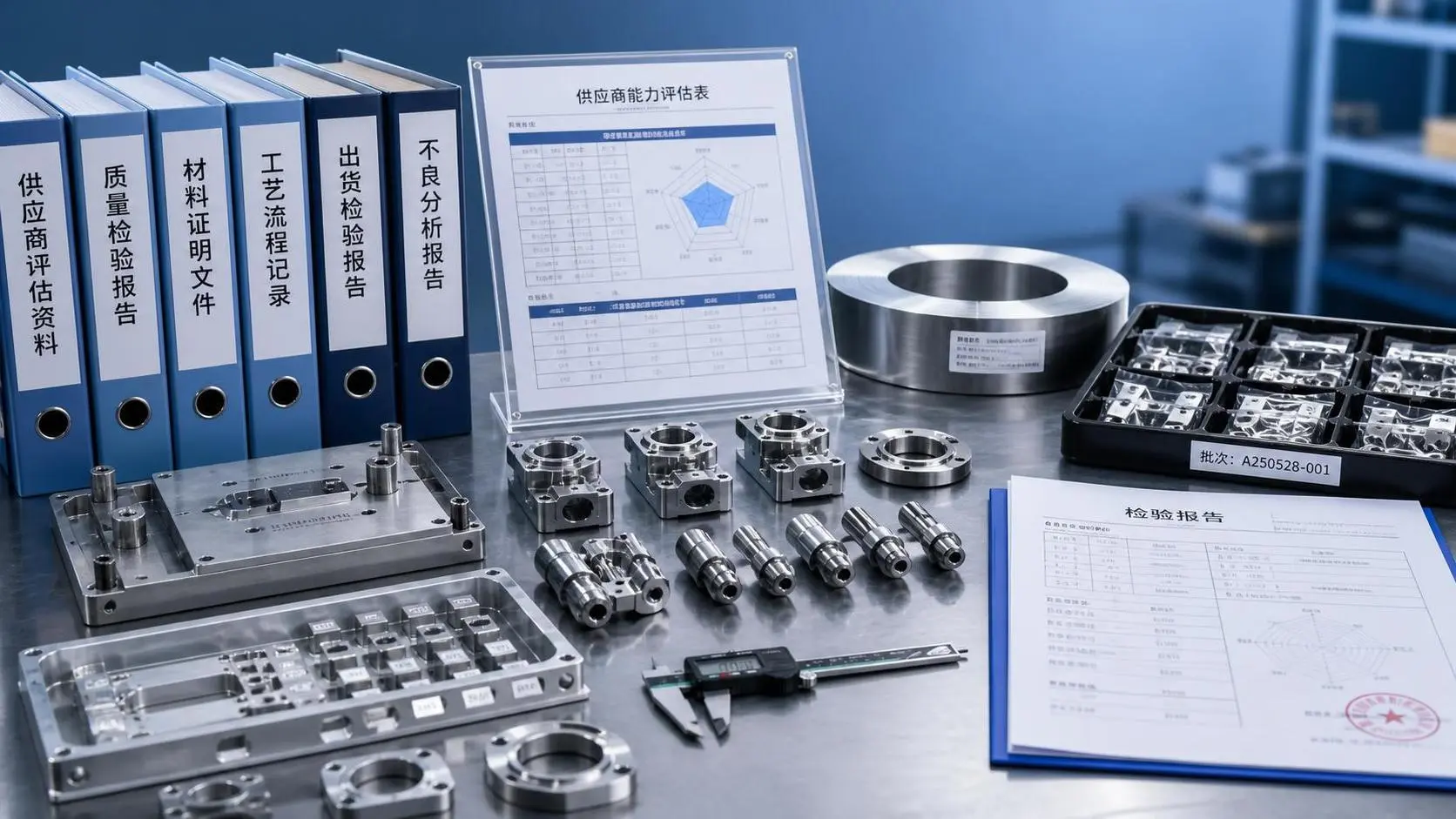
Supplier Capability Evaluation Process: Key Criteria for B2B Sourcing Decisions
Supplier capability evaluation process explained: learn the key criteria for B2B sourcing decisions, reduce supplier risk, and choose partners with confidence.
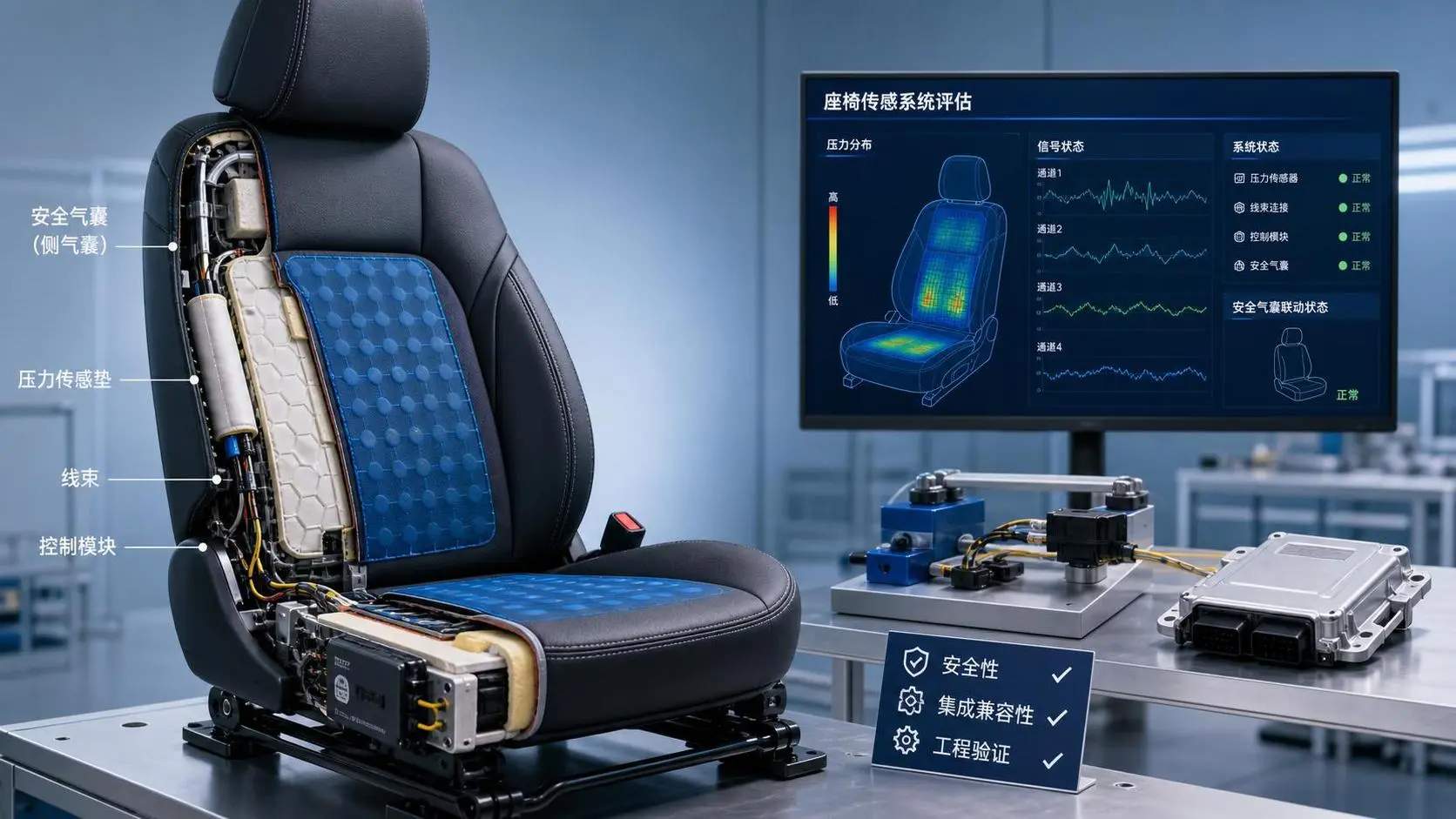
How to Evaluate a Seat Sensing Technology Supplier for Safety and Integration?
Seat sensing technology supplier evaluation guide: compare safety maturity, integration fit, algorithm reliability, and validation support to choose a partner that reduces risk.
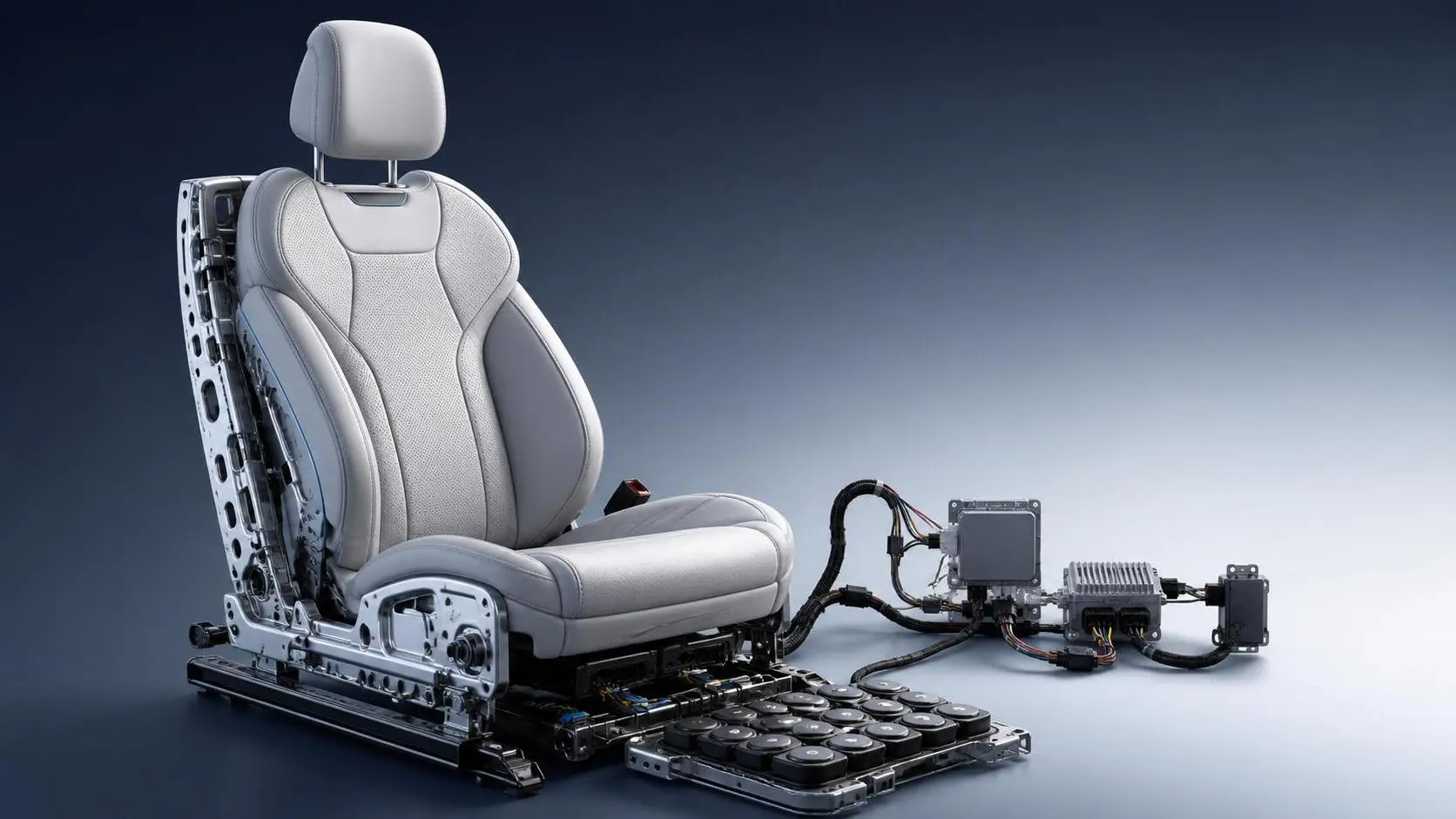
How to Evaluate Custom Smart Automotive Seating for Premium Vehicle Programs?
Custom smart automotive seating evaluation starts with safety, comfort, integration, and production readiness. Discover how premium vehicle teams choose smarter, lower-risk seat solutions.
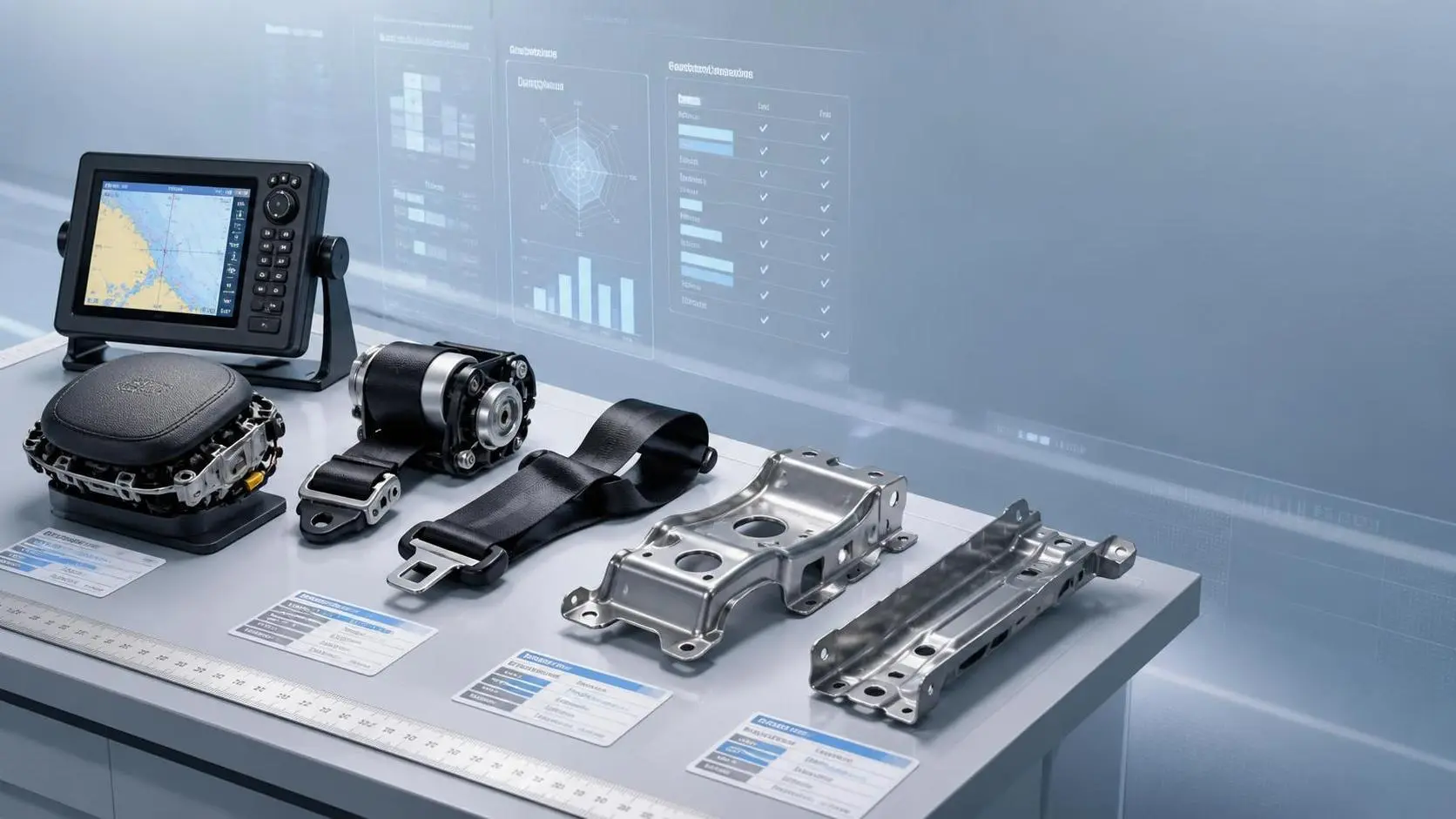
B2B Product Intelligence Platforms: How to Compare Features, Data Coverage, and ROI
B2B product intelligence platform comparison: learn how to evaluate data coverage, feature depth, compliance visibility, and ROI to choose a sourcing tool that reduces risk and speeds decisions.
Climate Control Seats Cost: What Drives Price and Long-Term Ownership Value?
Climate control seats cost depends on materials, thermal tech, and integration. Learn what drives price and how to judge long-term value before you buy.

What Factors Drive Marine Navigation Components Cost in Commercial Vessel Projects?
Marine navigation components cost is shaped by integration, compliance, installation, and lifecycle support. Discover what drives pricing and how buyers can reduce risk while improving value.

How Much Does Seat Occupancy Sensing Cost? Key Pricing Factors for Buyers
Seat occupancy sensing price varies widely by technology, integration, and compliance needs. Learn the key cost drivers, avoid hidden fees, and make smarter buying decisions.

How to Specify Micro-Climate Control Cabins for Harsh Outdoor Worksites?
Micro-climate control cabins for harsh outdoor worksites: learn how to specify thermal control, filtration, pressurization, and durability for safer uptime and smarter buying.
How to Evaluate a B2B Product Knowledge Platform for Faster Procurement Decisions
B2B product knowledge platform procurement starts with reducing decision risk. Learn how to compare specs, compliance, and supplier data to speed sourcing with confidence.
Related News
- 00
0000-00
How to Evaluate Airbag Components for OEM Safety Performance and Compliance? - 00
0000-00
Automotive Crash Protection Systems Selection Guide: Key Components and Test Criteria - 00
0000-00
Automotive Occupant Protection Devices: Types, Functions, and How They Work Together - 00
0000-00
Airbag Components OEM Basics: Parts, Materials, and Validation Requirements - 00
0000-00
Airbag Systems for Commercial Vehicles: Types, Functions, and Use Cases
Weekly Insights
Stay ahead with our curated technology reports delivered every Monday.