
How automotive crash protection is changing with EV design
As EV platforms redefine vehicle architecture, automotive crash protection is moving beyond legacy front-rail thinking. Battery packs, flat floors, reduced engine mass, and software-linked restraint systems are changing how impact energy is managed. For technical evaluation, the key question is no longer whether an EV is safe, but how its structure, battery enclosure, and cabin systems work together under real crash loads.
Why a checklist approach matters for automotive crash protection
Traditional safety reviews often separate body structure, restraint devices, and electrical systems. EV design makes that separation less useful. The battery is now a large structural object, the floor is load-bearing, and cabin packaging affects occupant kinematics more directly.
A checklist helps compare architectures with consistent logic. It also reduces the risk of overvaluing headline test scores while missing battery intrusion paths, repair complexity, seat-integrated sensing limits, or compatibility issues in mixed-fleet collisions.
For sectors observed by GNCS, this matters because lightweight body stampings, airbag assemblies, seatbelt systems, and seat structures are increasingly interdependent. Good automotive crash protection now depends on system stitching, not isolated component performance.
Core checklist for evaluating EV-era automotive crash protection
- Map impact load paths from bumper to rear structure, then verify how loads bypass the battery pack without creating localized floor failure or uncontrolled cabin deformation.
- Check battery enclosure stiffness, crossmember placement, and side sill reinforcement to confirm that underbody strikes and side impacts do not trigger thermal propagation risks.
- Review front-end crash space carefully, because EVs often have shorter crush zones and different mass distribution than comparable internal combustion vehicles.
- Assess mixed-material joints, especially hot-stamped steel, aluminum castings, and adhesive-bonded interfaces, since joint behavior can dominate real-world energy absorption performance.
- Examine occupant restraint timing, including pretensioners, load limiters, airbags, and seat sensors, because EV seating geometry can alter torso and pelvis motion.
- Verify side-impact and pole-impact countermeasures, where battery edge proximity, rocker strength, and curtain airbag coverage strongly affect automotive crash protection.
- Measure roof strength and rollover behavior, noting that battery mass can lower the center of gravity but also raise structural loading demands.
- Confirm post-crash electrical isolation, high-voltage disconnect speed, and emergency access provisions, since occupant survivability includes rescue safety after impact.
- Compare seat frame integrity and anchor performance, because smart seating features must not compromise restraint geometry during oblique or offset crashes.
- Study compatibility with heavier vehicles and vulnerable road users, as EV mass and front-end geometry can change crash outcomes beyond lab protocols.
How EV architecture is changing structural strategy
Battery pack as a structural participant
In many EVs, the battery pack is not just protected by the body. It also contributes to bending stiffness and floor rigidity. That improves handling and packaging, but it complicates automotive crash protection decisions.
Engineers must decide when the pack should stay isolated and when surrounding rails, rockers, and crossmembers should engage it as part of the crash management strategy. The wrong balance can increase intrusion risk or repair cost.
Lightweighting with stricter energy control
EV range pressure drives lightweighting, but thinner structures cannot simply replace heavier ones. Hot-stamped steel, tailored blanks, aluminum extrusions, and cast nodes must collapse in a controlled sequence.
This is where body stampings become central. Material selection now serves dual goals: preserving battery survival space and tuning occupant deceleration pulses. Stronger is not always safer if it shifts loads into the cabin too abruptly.
Cabin systems are more tightly integrated
Smart seats, seatbelt systems, and advanced airbags are increasingly calibrated together. Occupant posture data, seat track position, and even pre-crash sensing can adjust restraint deployment within milliseconds.
That means automotive crash protection can no longer be judged by structural test data alone. Cabin containment protection must be analyzed as a synchronized system.
Application-specific considerations
Urban compact EVs
Compact EVs usually face severe packaging constraints. Short overhangs reduce available crush space, so energy management relies more heavily on material efficiency and restraint precision.
In these vehicles, side impact protection deserves extra attention. Battery modules often sit close to the outer structure, leaving less margin for intrusion before critical components are threatened.
Premium long-range platforms
Larger EVs may offer more structural volume, yet higher curb weight raises kinetic energy in crashes. Their automotive crash protection challenge is not lack of space, but managing more energy without escalating repair severity.
These platforms also use more mixed materials and larger castings. Evaluations should focus on joint durability, replacement zones, and whether crash performance remains stable after minor prior damage.
Commercial and fleet-oriented EVs
Delivery vans and utility EVs often operate with variable payloads. Load state changes ride height, braking balance, and occupant motion, which can alter passive safety behavior.
Here, post-crash serviceability matters more. Emergency disconnect labeling, floor pack shielding, and predictable deformation zones can strongly affect downtime and secondary hazard control.
Commonly overlooked risks
Ignoring underbody strikes. EV battery packs are vulnerable not only in classic crash modes, but also in debris strikes, curb events, and road-surface penetration scenarios.
Overreading test ratings. Standard protocols are essential, yet they may not capture every compatibility issue involving heavier SUVs, poles, offset barriers, or repeated low-speed damage.
Separating cabin and structure reviews. Seat position, belt geometry, and airbag venting can change injury outcomes even when body intrusion remains low.
Missing thermal-event pathways. Strong automotive crash protection includes preventing delayed battery failure after the initial impact, not just surviving the first milliseconds.
Undervaluing repairability. A design that performs well once but requires extensive structural replacement after moderate impact may create practical safety and cost drawbacks over time.
Practical execution steps
- Start with architecture drawings and battery layout before reviewing crash videos or ratings.
- Cross-check structural materials with restraint calibration and seating geometry.
- Request side-impact, pole-impact, and underbody protection evidence, not only frontal results.
- Track post-crash electrical isolation and emergency response design as core safety metrics.
- Compare repair sectioning strategy with claimed lightweight and safety benefits.
Conclusion and action guide
The future of automotive crash protection is defined by integration. EV safety is no longer only about crumple zones, nor only about battery shielding. It is about how lightweight bodies, passive safety components, and smart cabin systems coordinate under extreme loads.
A useful next step is to score each EV platform against the checklist above: load paths, battery protection, mixed-material joints, restraint timing, side-impact defense, rollover behavior, and post-crash isolation. That process reveals whether a design is merely compliant or truly robust.
For GNCS-aligned technical tracking, the strongest signal is convergence. When body stampings, airbags, seatbelts, and seat assemblies are engineered as one safety ecosystem, automotive crash protection becomes more measurable, more scalable, and better suited to the next mobility cycle.
Related News
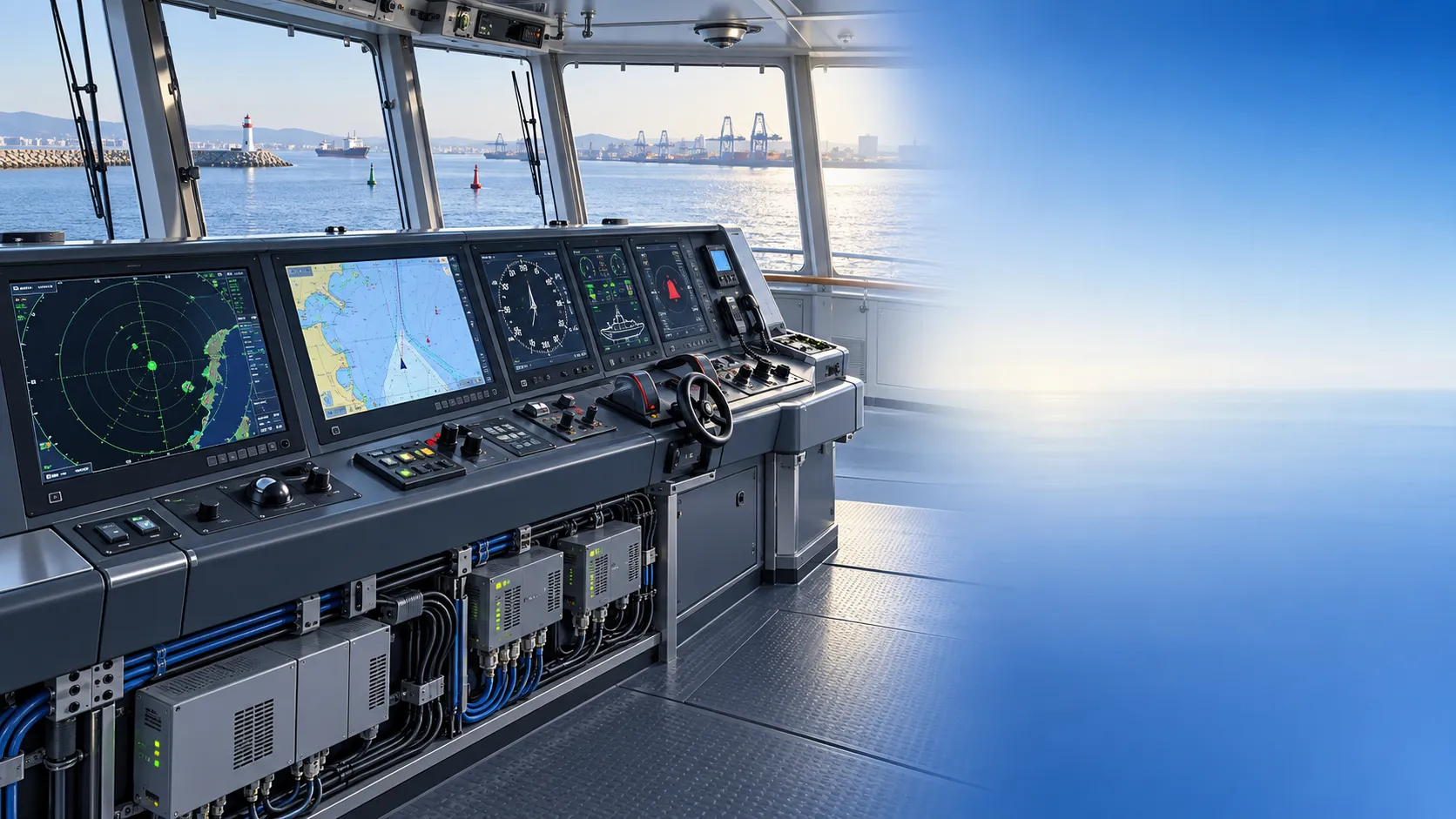
How to Specify Integrated Marine Electronics for Reliable Bridge Operations
Integrated marine electronics: learn how to specify reliable bridge systems with clear data flows, redundancy, alarm control, lifecycle interfaces, and operational testing.

How to Evaluate Navigation Radar Manufacturers for Commercial Vessel Projects
Navigation radar manufacturers: learn how to compare performance, compliance, integration, support, and lifecycle cost for commercial vessel projects.
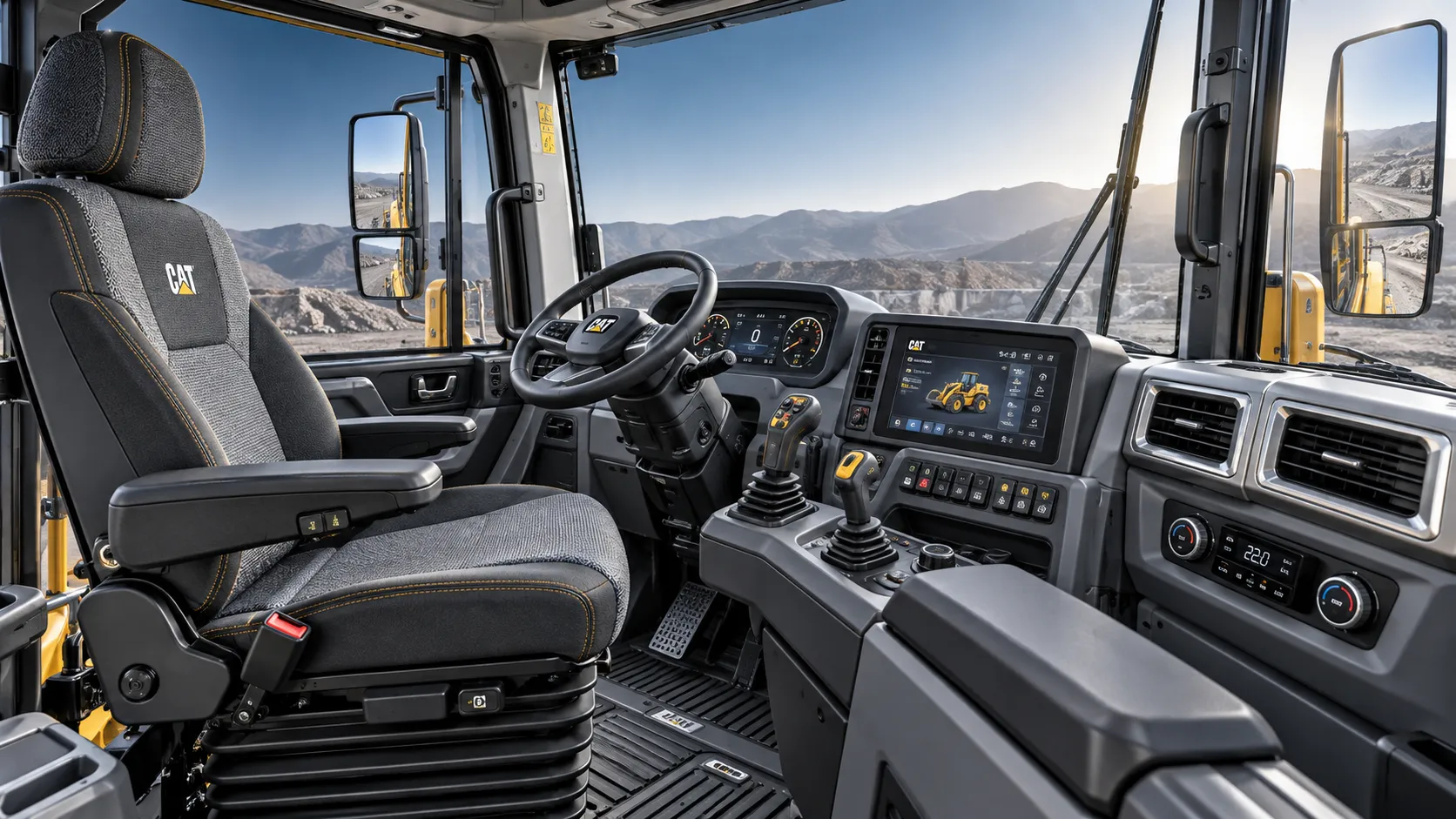
How Adjustable Cabin Ergonomics Reduce Operator Fatigue in Long-Shift Vehicles
Adjustable cabin ergonomics reduces operator fatigue through better seating, reach, visibility, vibration control, and climate comfort for safer long-shift vehicles.
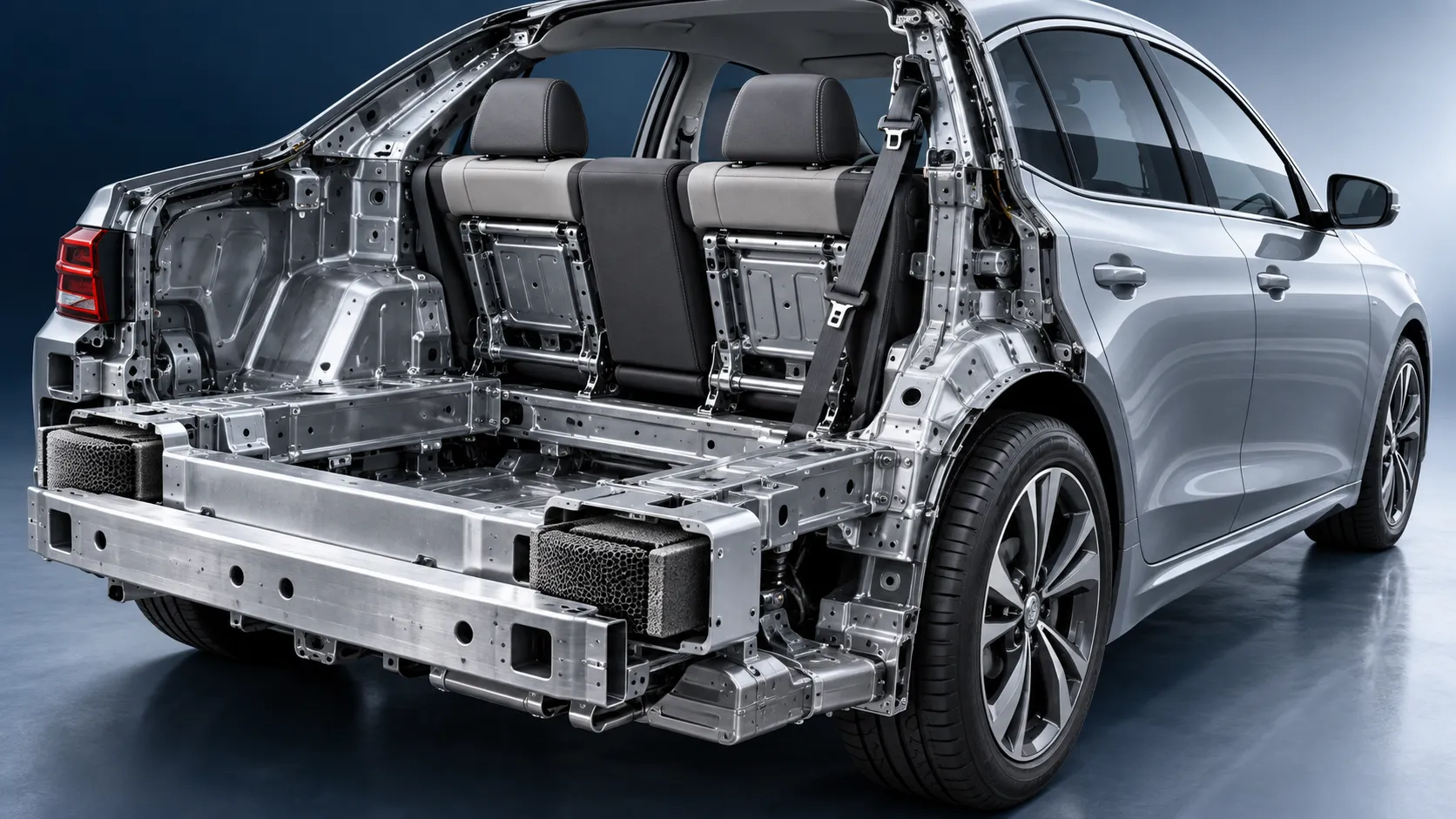
How Rear-Impact Safety Components Work Together to Protect Vehicle Occupants
Explore how automotive safety components for rear impact work together—from crash structures and seats to head restraints and belts—to enhance occupant protection.
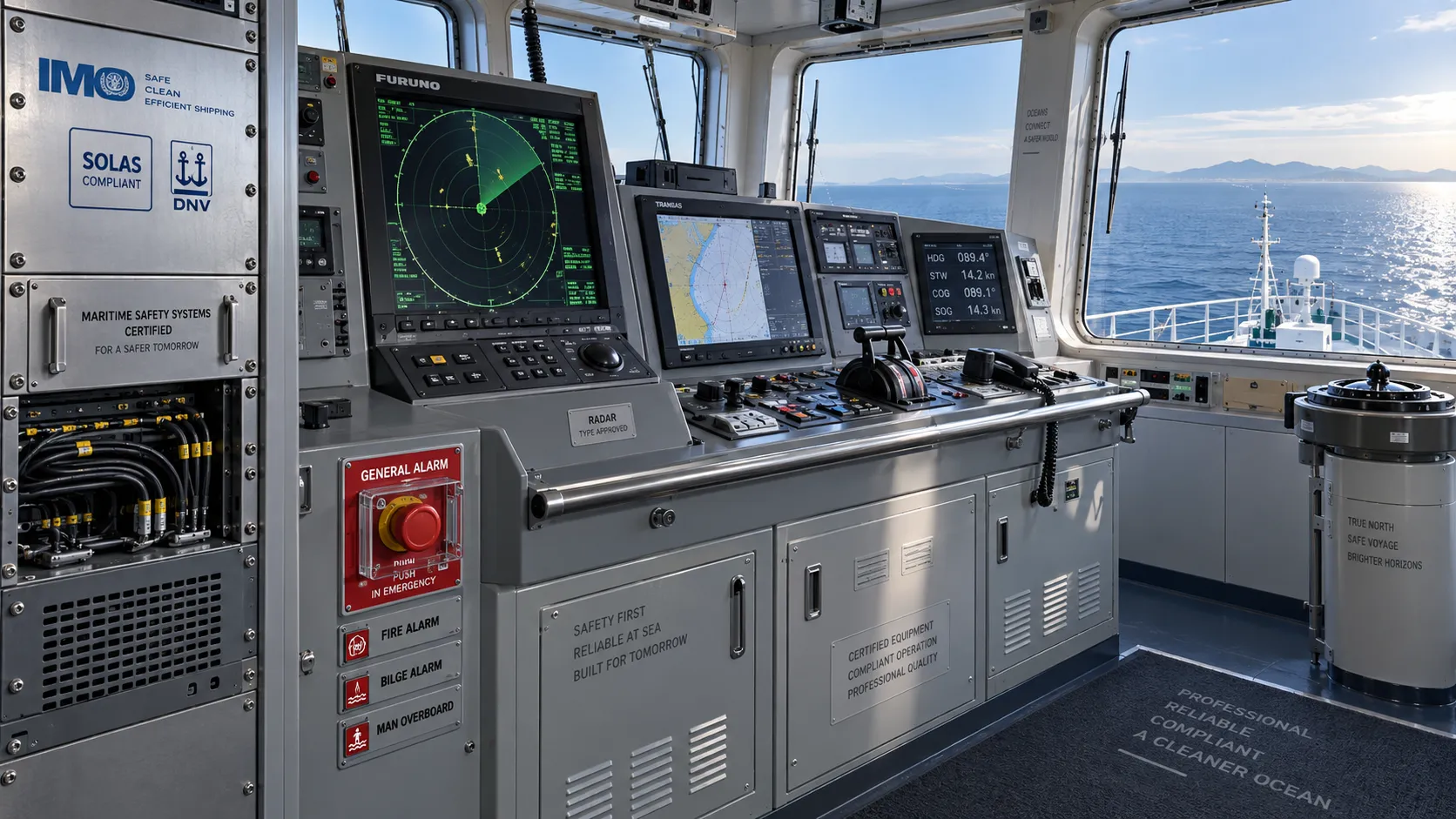
How to Evaluate a Marine Safety Systems Manufacturer for Vessel Compliance and Reliability
Marine safety systems manufacturer evaluation guide: verify compliance, engineering quality, lifecycle costs, and global service support for safer, reliable vessel operations.
Crash Test Regulations for Seatbelts: Key Compliance Requirements Explained
Crash test regulations seatbelts explained: explore FMVSS, UN rules, anchorage strength, and dynamic restraint testing for safer, compliant vehicle systems.

How to Calculate the Total Cost of Automotive Lightweighting for a Vehicle Program
Automotive lightweight solutions cost: learn how to calculate program-level costs, including materials, tooling, joining, validation, risk, and vehicle-level value.

How Automotive Seat Occupancy Sensing Improves Airbag Deployment Decisions
Automotive seat occupancy sensing helps optimize airbag deployment decisions, improving passenger classification, safety diagnostics, and compliance across real-world conditions.

What Drives Lightweight Body Component Costs in High-Volume Vehicle Programs?
Lightweight body components cost depends on material yield, forming, joining, tooling, validation, and logistics. Explore proven ways to optimize total vehicle program cost.
Related News
- 00
0000-00
How Automotive Seat Occupancy Sensing Improves Airbag Deployment Decisions - 00
0000-00
How Smart Seating Sensors Improve Occupant Detection and Airbag Deployment - 00
0000-00
How to Qualify an Airbag Modules Supplier for OEM Safety and Delivery Requirements - 00
0000-00
How to Select Occupant Safety Systems for Vehicles Operating in the Middle East - 00
0000-00
Which Passive Safety Engineering Standards Apply to Automotive Restraint Systems?
Weekly Insights
Stay ahead with our curated technology reports delivered every Monday.