
Occupant Restraint Systems in Modern Vehicles: Key Components and Integration Challenges
Occupant Restraint Systems in Modern Vehicles: Key Components and Integration Challenges
Occupant restraint systems have changed from separate safety devices into connected vehicle architectures.
Airbags, belts, seats, sensors, software, and body structures now work as one timed protection chain.
That shift matters because crash performance is no longer decided by one component alone.
It depends on how the full occupant restraint systems package reacts within milliseconds.
From a program perspective, that makes integration risk just as important as component capability.
Compliance, timing, cost, packaging, and validation all converge around occupant restraint systems decisions.
In practical terms, successful programs treat restraint development as a system engineering task from day one.
Why occupant restraint systems are now system-level programs
Modern regulations and consumer ratings keep raising the bar for occupant protection.
IIHS, Euro NCAP, and FMVSS requirements push occupant restraint systems to manage more crash modes and occupant sizes.
Electrification adds new layout constraints, while lightweight structures change load paths during impact.
At the same time, smart cabins introduce occupant monitoring, posture detection, and adaptive deployment logic.
This means occupant restraint systems must coordinate mechanical energy management with electronic decision making.
The technical challenge is not only performance, but repeatable integration across variants and markets.
What changed in recent vehicle platforms
- More seat configurations, including powered, heated, and memory seats, affect occupant kinematics.
- Mixed-material bodies alter stiffness, intrusion behavior, and restraint tuning targets.
- ADAS features increase expectations for pre-crash sensing and restraint pre-arming.
- Global platforms require one occupant restraint systems strategy to cover different legal frameworks.
Key components inside occupant restraint systems
A strong technical review starts with the main building blocks and their interactions.
Each element has its own validation path, but none of them works effectively in isolation.
Seatbelt systems
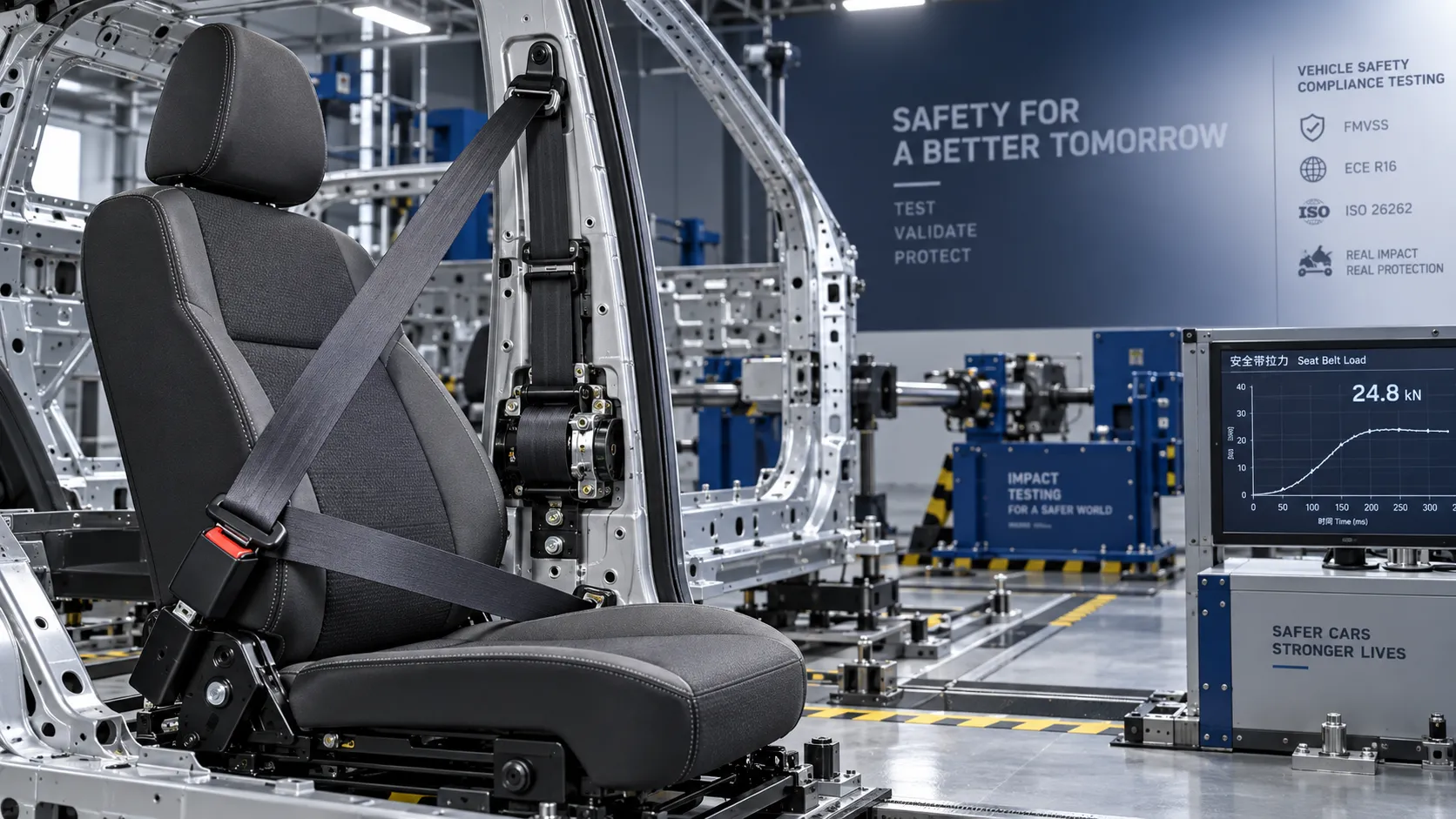
Seatbelts remain the first line of defense in occupant restraint systems.
Pre-tensioners remove slack early, while load limiters manage chest forces after peak deceleration.
Belt geometry, anchorage stiffness, and spool behavior strongly influence occupant motion.
Airbag assemblies
Frontal, side, curtain, knee, and center airbags serve different injury countermeasures.
Inflator output, venting, folding pattern, and deployment timing must match occupant restraint systems logic precisely.
Even small packaging changes can shift bag trajectory and reduce real-world effectiveness.
Seats and structural interfaces
Seats are often underestimated in occupant restraint systems planning.
Yet cushion angle, frame deformation, head restraint position, and track strength directly affect occupant posture.
A smart seating package can improve submarine resistance and help align restraint loads more predictably.
Sensors and control units
Crash sensors, occupant classification, belt buckle status, and seat position sensing feed the control algorithm.
The airbag control unit must filter noise, confirm impact severity, and trigger devices within strict windows.
In advanced occupant restraint systems, software calibration becomes as critical as hardware selection.
The hardest integration challenges in real programs
The biggest failures rarely come from a missing component.
They usually come from poor coordination across design, timing, and validation.
1. Packaging conflicts
Occupant restraint systems compete for space with wiring, HVAC, batteries, trim, and infotainment parts.
A few millimeters lost near an instrument panel or seat frame can disrupt deployment paths.
Late packaging changes often trigger expensive retesting and delay certification milestones.
2. Variant complexity
One platform may support several trims, powertrains, seating layouts, and regional specifications.
That increases tuning combinations for occupant restraint systems and stretches test budgets quickly.
Without a disciplined variant matrix, teams can overlook dangerous edge cases.
3. Cross-functional timing gaps
Body engineering, seat engineering, electronics, and compliance teams often move at different speeds.
When assumptions are not aligned, occupant restraint systems tuning becomes unstable late in development.
This is especially risky when suppliers update hardware after calibration has already matured.
4. Regulatory overlap
Legal compliance and consumer rating performance are not always optimized by the same setup.
A restraint strategy that passes one standard may still underperform in public crash comparisons.
Programs need occupant restraint systems targets that combine regulation, brand goals, and market expectations.
A practical framework for managing occupant restraint systems integration
A workable integration model reduces rework more effectively than late heroic debugging.
The following actions are usually where disciplined teams create the most value.
- Freeze critical interfaces early, especially belt anchor points, airbag packaging zones, and seat hard points.
- Build one shared requirements tree linking crash modes, occupant sizes, standards, and supplier deliverables.
- Use simulation aggressively, but correlate models early with sled tests and subsystem hardware results.
- Track every variant effect on occupant restraint systems through a living change-control process.
- Review software calibration together with mechanical changes, not as separate approval streams.
- Plan compliance and rating tests together to avoid last-minute tradeoff surprises.
Where supplier coordination matters most
Many occupant restraint systems problems appear at supplier interfaces rather than inside one module.
Inflator tolerance, seat foam changes, bracket stiffness, and harness routing can all affect final results.
Regular design reviews with Tier 1 and Tier 2 partners keep assumptions visible and measurable.
Key standards, validation priorities, and decision checkpoints
Occupant restraint systems must be managed against both technical evidence and documented compliance logic.
That requires clear checkpoints instead of broad assumptions that everything will converge later.
Programs that define these checkpoints early usually control occupant restraint systems risk far better.
They also shorten decision loops when design changes arrive from adjacent teams.
What strong execution looks like
Strong occupant restraint systems execution is rarely dramatic.
It usually comes from early interface discipline, realistic validation plans, and fast cross-functional decisions.
The better signal is not only a passing crash test.
It is a stable development path where occupant restraint systems targets stay credible across variants and regions.
For modern vehicle programs, that discipline protects schedule, budget, and brand trust at the same time.
The smartest next step is to review restraint interfaces before the next design freeze.
That is often where hidden occupant restraint systems risk becomes visible early enough to fix.
Related News
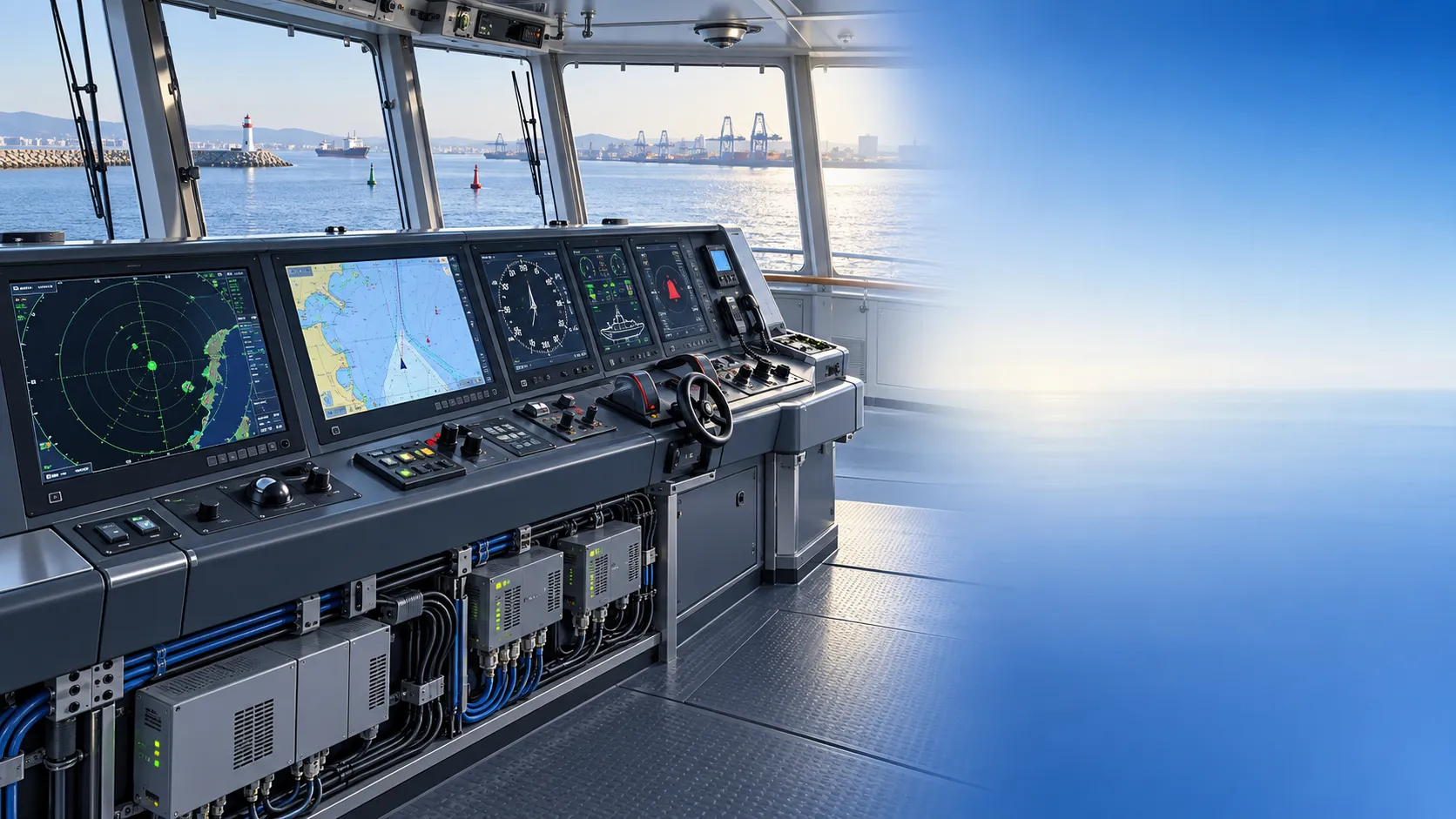
How to Specify Integrated Marine Electronics for Reliable Bridge Operations
Integrated marine electronics: learn how to specify reliable bridge systems with clear data flows, redundancy, alarm control, lifecycle interfaces, and operational testing.

How to Evaluate Navigation Radar Manufacturers for Commercial Vessel Projects
Navigation radar manufacturers: learn how to compare performance, compliance, integration, support, and lifecycle cost for commercial vessel projects.
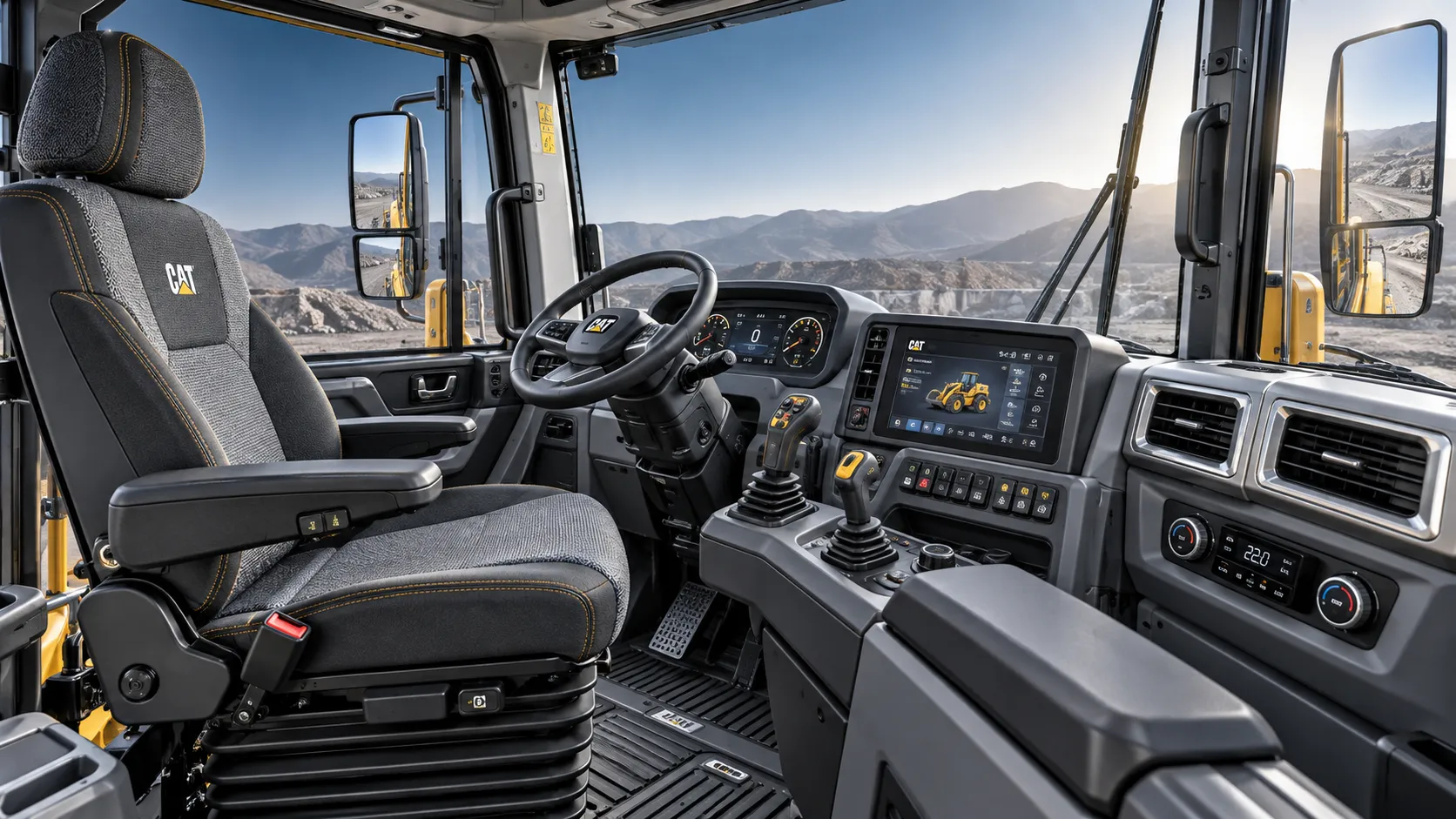
How Adjustable Cabin Ergonomics Reduce Operator Fatigue in Long-Shift Vehicles
Adjustable cabin ergonomics reduces operator fatigue through better seating, reach, visibility, vibration control, and climate comfort for safer long-shift vehicles.
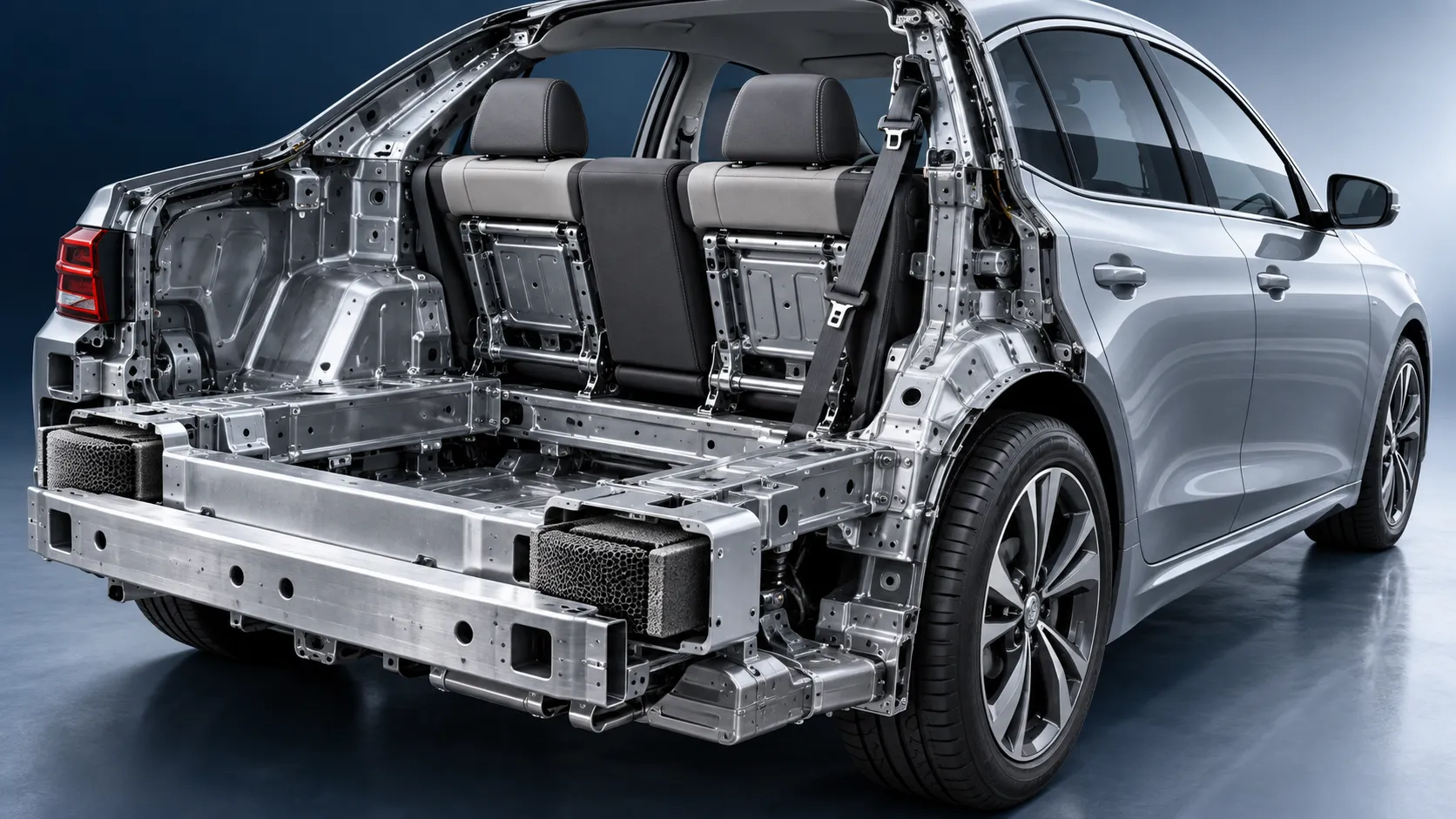
How Rear-Impact Safety Components Work Together to Protect Vehicle Occupants
Explore how automotive safety components for rear impact work together—from crash structures and seats to head restraints and belts—to enhance occupant protection.
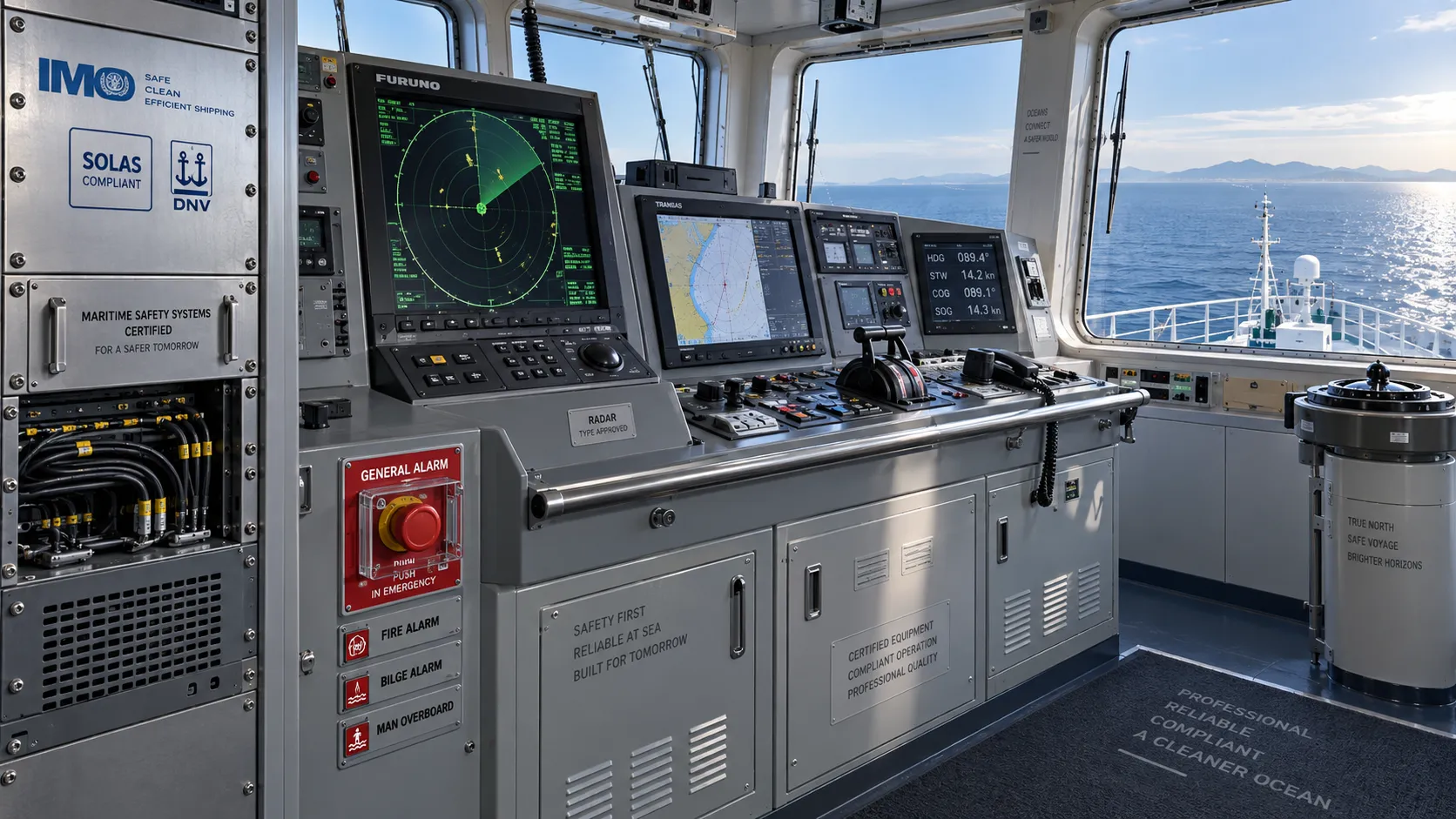
How to Evaluate a Marine Safety Systems Manufacturer for Vessel Compliance and Reliability
Marine safety systems manufacturer evaluation guide: verify compliance, engineering quality, lifecycle costs, and global service support for safer, reliable vessel operations.
Crash Test Regulations for Seatbelts: Key Compliance Requirements Explained
Crash test regulations seatbelts explained: explore FMVSS, UN rules, anchorage strength, and dynamic restraint testing for safer, compliant vehicle systems.

How to Calculate the Total Cost of Automotive Lightweighting for a Vehicle Program
Automotive lightweight solutions cost: learn how to calculate program-level costs, including materials, tooling, joining, validation, risk, and vehicle-level value.

How Automotive Seat Occupancy Sensing Improves Airbag Deployment Decisions
Automotive seat occupancy sensing helps optimize airbag deployment decisions, improving passenger classification, safety diagnostics, and compliance across real-world conditions.
What Drives Lightweight Body Component Costs in High-Volume Vehicle Programs?
Lightweight body components cost depends on material yield, forming, joining, tooling, validation, and logistics. Explore proven ways to optimize total vehicle program cost.
Related News
- 00
0000-00
How Automotive Seat Occupancy Sensing Improves Airbag Deployment Decisions - 00
0000-00
How Smart Seating Sensors Improve Occupant Detection and Airbag Deployment - 00
0000-00
How to Qualify an Airbag Modules Supplier for OEM Safety and Delivery Requirements - 00
0000-00
How to Select Occupant Safety Systems for Vehicles Operating in the Middle East - 00
0000-00
Which Passive Safety Engineering Standards Apply to Automotive Restraint Systems?
Weekly Insights
Stay ahead with our curated technology reports delivered every Monday.