
Are Airbag Assemblies Becoming Too Complex to Source?
Are Airbag Assemblies Becoming Too Complex to Source?
As vehicle safety systems become more intelligent, airbag assemblies are no longer simple commodity parts.
They are tightly engineered modules involving inflators, sensors, fabrics, electronics, compliance data, and global traceability.
For sourcing functions, this rising complexity creates new challenges in supplier qualification, cost control, regulatory alignment, and delivery reliability.
Understanding what drives sourcing difficulty is now essential for securing high-quality passive safety components without exposing programs to unnecessary risk.
A Safety Module Is Becoming a System-Level Decision
The sourcing challenge around airbag assemblies reflects a wider shift in global mobility equipment.
Safety parts are increasingly tied to electronics, software validation, crash algorithms, and regional certification logic.
A front airbag module once centered on fabric, housing, and inflator compatibility.
Today, airbag assemblies may require occupant classification, multi-stage deployment, steering wheel integration, and post-crash data consistency.
This makes each module less interchangeable and more dependent on validated vehicle architecture.
The same trend appears across passive safety components, seatbelt systems, auto seat assemblies, and lightweight body structures.
Physical containment protection is moving from part-level strength to integrated system behavior.
Trend Signals Showing Sourcing Pressure Is Rising
Several market signals suggest that airbag assemblies are becoming harder to source with traditional price-led methods.
Vehicle platforms now serve multiple regions, yet crash requirements still vary by market and rating body.
Side-impact, small-overlap, pedestrian, and out-of-position scenarios keep expanding validation demands.
Electric vehicles add another layer because cabin layouts, battery packaging, and interior architectures are changing rapidly.
New seating positions, larger displays, slimmer instrument panels, and panoramic cabins affect airbag deployment space.
At the same time, supply chains face traceability expectations for inflator chemistry, microelectronics, textiles, and assembled modules.
This turns airbag assemblies into compliance-sensitive components, not only mechanical safety products.
Why Airbag Assemblies Are No Longer Easy to Compare
The main difficulty is not the number of parts alone.
It is the dependency between every part, test condition, vehicle interface, and regulatory interpretation.
These drivers reduce the usefulness of simple quote comparisons.
Two airbag assemblies may look similar on a drawing but behave differently in a crash pulse.
That gap can become expensive during validation, launch preparation, or field monitoring.
Electronics Are Changing the Definition of Passive Safety
The word passive safety no longer means a purely passive component.
Modern airbag assemblies depend on sensing speed, deployment logic, occupant position, and vehicle data integrity.
This creates a bridge between physical energy absorption and precision spatial perception.
It also connects cabin safety modules with the intelligence trend seen in marine navigation systems.
Both fields rely on trustworthy signals, correct timing, and robust decisions under extreme conditions.
For airbag assemblies, milliseconds matter as much as material strength.
A stable supply base must understand both the explosive mechanical event and its electronic trigger chain.
The Cost Question Is Moving Beyond Piece Price
Sourcing airbag assemblies through lowest unit cost can create hidden financial exposure.
Validation delays, redesign loops, documentation gaps, and shipment containment can outweigh initial savings.
Total cost now includes engineering support, change control, compliance evidence, and launch responsiveness.
- Late module changes can affect instrument panels, steering systems, and seat structures.
- Weak documentation can slow regional certification and customer approval.
- Poor traceability can expand containment scope after a quality event.
- Limited test capacity can create bottlenecks during crash validation.
- Unstable electronics supply can interrupt airbag assemblies even when mechanical parts are ready.
This is why commercial evaluation must include technical credibility.
In high-reliability safety programs, dependable proof often has more value than aggressive pricing.
Compliance Fragmentation Adds Another Layer of Risk
Airbag assemblies must satisfy different legal and consumer-test expectations across major markets.
Regulations define minimum performance, while rating programs often push beyond legal baselines.
A module that passes one configuration may need tuning for another crash pulse or occupant profile.
Documentation must support engineering release, production validation, material compliance, and field accountability.
This requirement is especially important for global platforms using shared cabins across several regions.
The sourcing question becomes strategic: can one supplier support multiple regulatory environments without uncontrolled variation?
The answer depends on test resources, engineering maturity, and disciplined change governance.
Impact Across the Mobility Equipment Chain
Rising complexity in airbag assemblies affects more than safety module sourcing.
It influences body design, seating geometry, trim materials, steering packages, and software release timing.
- Vehicle architecture: Deployment paths must match cabin packaging and occupant zones.
- Auto body stampings: Crash pulse management shapes airbag calibration requirements.
- Seatbelt systems: Pretensioners and force limiters must coordinate with airbag timing.
- Auto seat assemblies: Seat position and occupant sensing affect deployment decisions.
- Electronics supply: Sensors and control units introduce semiconductor risk into passive safety.
This integration means sourcing errors can spread across multiple program workstreams.
Airbag assemblies should therefore be evaluated as part of the complete restraint ecosystem.
What Should Be Monitored Before Supplier Commitment
A strong sourcing view should connect engineering, compliance, manufacturing, and lifecycle risk.
The following checkpoints help separate capable suppliers from low-cost but fragile options.
- Confirm validated experience with comparable airbag assemblies and crash environments.
- Review inflator aging data, output stability, and material safety documentation.
- Check fabric sourcing, coating consistency, folding control, and humidity resistance.
- Assess electronics compatibility, sensor interfaces, and software release discipline.
- Audit traceability from raw material lots to finished airbag assemblies.
- Evaluate test capacity for sled tests, environmental cycling, and deployment trials.
- Verify change management for drawings, process parameters, and approved sub-suppliers.
These checks are practical because they focus on failure points that often appear late.
Early visibility reduces expensive surprises during homologation, pilot builds, and production launch.
A More Realistic Sourcing Framework Is Emerging
The next sourcing model for airbag assemblies will likely be evidence-led and system-aware.
It will balance cost discipline with safety proof, production resilience, and regional compliance readiness.
This approach supports faster decisions without weakening safety discipline.
It also helps align airbag assemblies with lightweight bodies, smart seating, and restraint system evolution.
The Outlook: Complexity Will Increase, but Risk Can Be Managed
Airbag assemblies are likely to become more complex as cabins become more flexible and intelligent.
Future vehicles may use adaptive restraints, broader sensing networks, and more personalized occupant protection logic.
This will raise technical barriers for suppliers that lack multidisciplinary engineering capability.
However, complexity does not make sourcing impossible.
It makes disciplined intelligence, structured qualification, and early technical alignment more important.
The strongest decisions will combine crash physics, electronics knowledge, manufacturing audits, and compliance monitoring.
That is the direction shaping the next generation of passive safety sourcing.
Practical Next Steps for Safer Sourcing Decisions
Begin with a module risk map before requesting final commercial offers for airbag assemblies.
List every interface, including body pulse, seatbelt timing, occupant sensing, instrument panel geometry, and software dependencies.
Then ask suppliers to prove capability through data, not promises.
Prioritize validated deployment performance, traceable production control, and clear compliance evidence.
For deeper monitoring, follow GNCS intelligence on passive safety components, smart cabin systems, and global crash-test evolution.
A clearer view of airbag assemblies today can prevent costly safety, launch, and reputation risks tomorrow.
Related News

How to Specify Integrated Marine Electronics for Reliable Bridge Operations
Integrated marine electronics: learn how to specify reliable bridge systems with clear data flows, redundancy, alarm control, lifecycle interfaces, and operational testing.

How to Evaluate Navigation Radar Manufacturers for Commercial Vessel Projects
Navigation radar manufacturers: learn how to compare performance, compliance, integration, support, and lifecycle cost for commercial vessel projects.
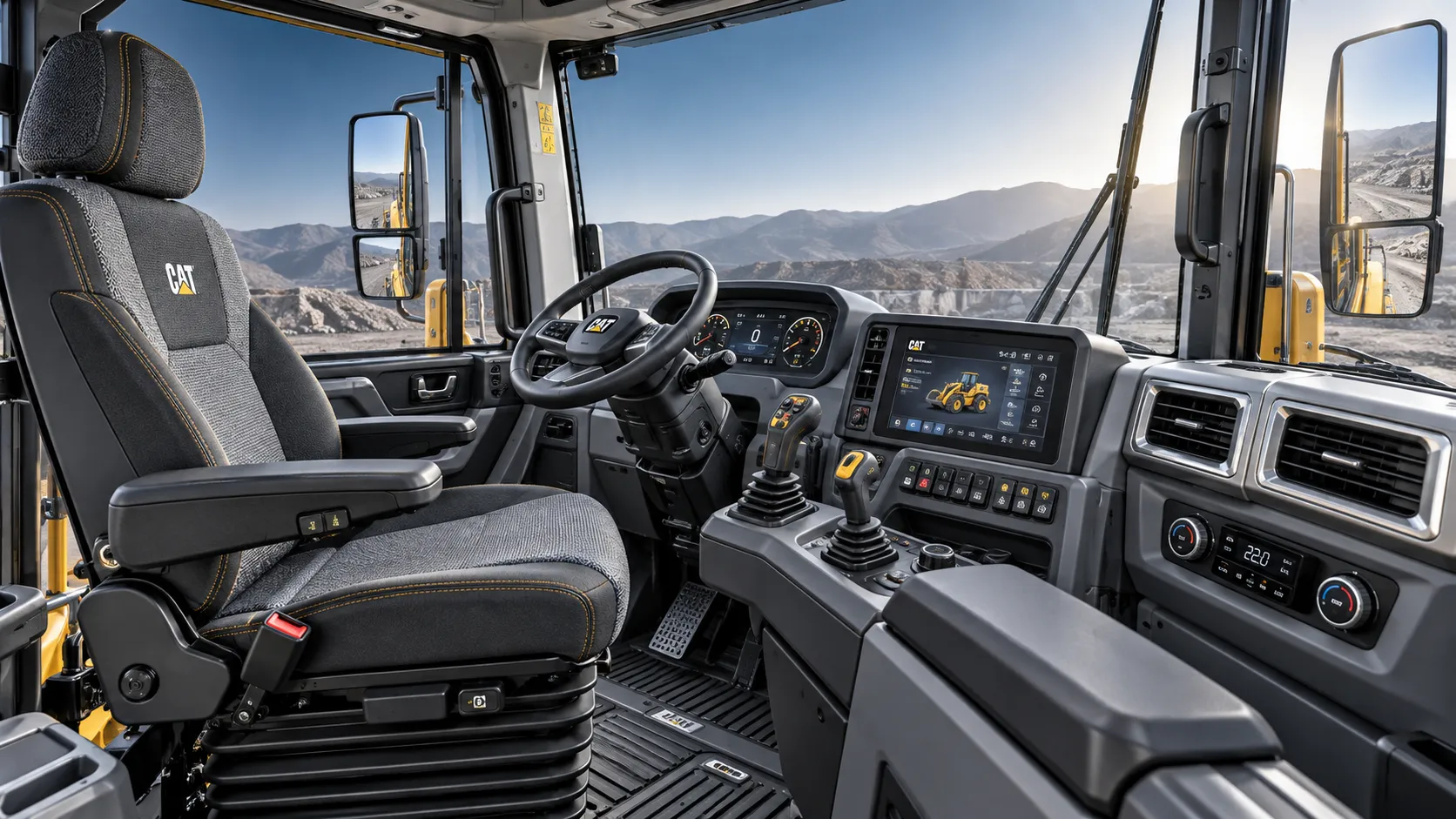
How Adjustable Cabin Ergonomics Reduce Operator Fatigue in Long-Shift Vehicles
Adjustable cabin ergonomics reduces operator fatigue through better seating, reach, visibility, vibration control, and climate comfort for safer long-shift vehicles.

How Rear-Impact Safety Components Work Together to Protect Vehicle Occupants
Explore how automotive safety components for rear impact work together—from crash structures and seats to head restraints and belts—to enhance occupant protection.
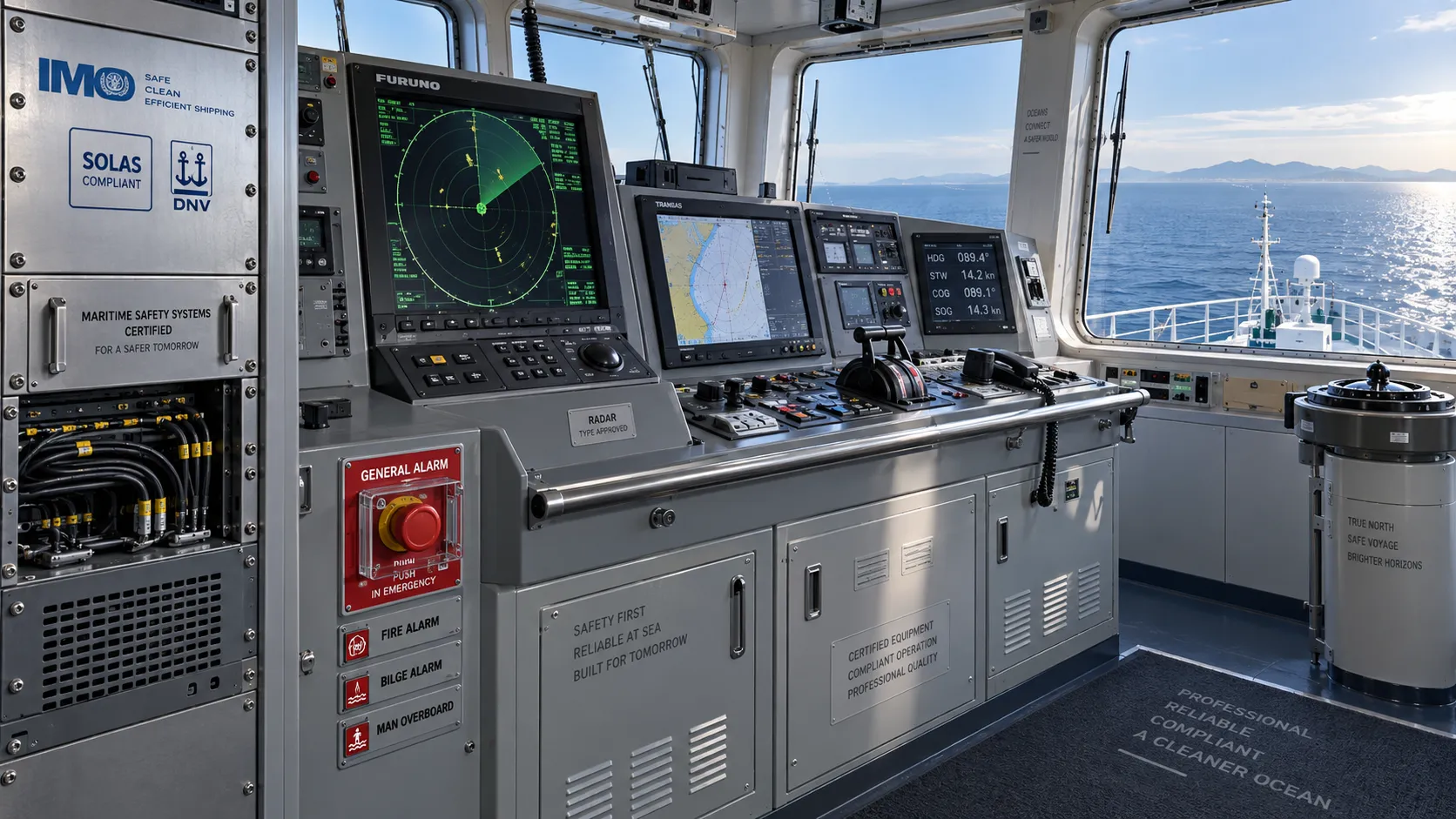
How to Evaluate a Marine Safety Systems Manufacturer for Vessel Compliance and Reliability
Marine safety systems manufacturer evaluation guide: verify compliance, engineering quality, lifecycle costs, and global service support for safer, reliable vessel operations.
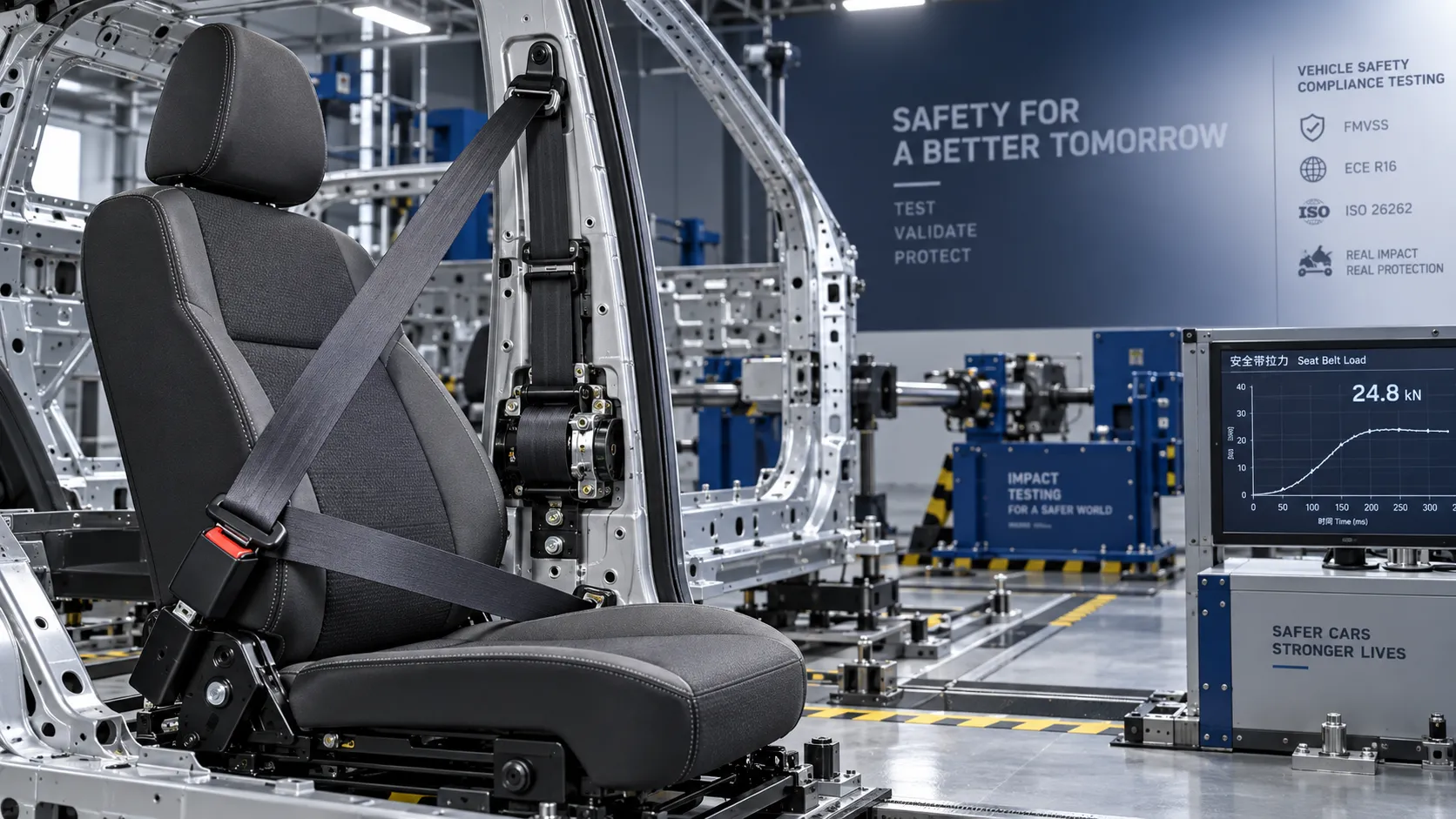
Crash Test Regulations for Seatbelts: Key Compliance Requirements Explained
Crash test regulations seatbelts explained: explore FMVSS, UN rules, anchorage strength, and dynamic restraint testing for safer, compliant vehicle systems.

How to Calculate the Total Cost of Automotive Lightweighting for a Vehicle Program
Automotive lightweight solutions cost: learn how to calculate program-level costs, including materials, tooling, joining, validation, risk, and vehicle-level value.

How Automotive Seat Occupancy Sensing Improves Airbag Deployment Decisions
Automotive seat occupancy sensing helps optimize airbag deployment decisions, improving passenger classification, safety diagnostics, and compliance across real-world conditions.

What Drives Lightweight Body Component Costs in High-Volume Vehicle Programs?
Lightweight body components cost depends on material yield, forming, joining, tooling, validation, and logistics. Explore proven ways to optimize total vehicle program cost.
Related News
- 00
0000-00
How Automotive Seat Occupancy Sensing Improves Airbag Deployment Decisions - 00
0000-00
How Smart Seating Sensors Improve Occupant Detection and Airbag Deployment - 00
0000-00
How to Qualify an Airbag Modules Supplier for OEM Safety and Delivery Requirements - 00
0000-00
How to Select Occupant Safety Systems for Vehicles Operating in the Middle East - 00
0000-00
Which Passive Safety Engineering Standards Apply to Automotive Restraint Systems?
Weekly Insights
Stay ahead with our curated technology reports delivered every Monday.