What automotive crash protection adds real safety value?
For technical evaluators, understanding what automotive crash protection truly adds safety value means looking beyond marketing claims to measurable performance in real-world impact scenarios. From body structure load paths and crumple zones to airbags, seatbelt systems, and seat integration, effective automotive crash protection is defined by how well these elements work together to manage energy, preserve occupant space, and support compliance with evolving global safety standards.
What adds real safety value in automotive crash protection?
In technical evaluation, automotive crash protection should be judged as a system, not as a collection of isolated parts. A strong body-in-white, advanced airbag assemblies, reliable seatbelt systems, and well-engineered seat structures only create real safety value when they are tuned to work together within milliseconds of impact.
This matters because many solutions look impressive on a specification sheet yet underperform when crash pulse timing, occupant size variation, off-axis impacts, or secondary collisions are considered. The evaluator’s task is to separate visible hardware from actual injury mitigation performance.
- Structural energy management determines whether crash loads are redirected away from the passenger cell instead of collapsing into it.
- Restraint timing determines whether airbags and seatbelts engage early enough, but not too aggressively, for the crash severity.
- Seat integration determines whether the occupant remains properly positioned during frontal, side, rear, and rollover events.
- Compliance readiness determines whether the platform can meet IIHS, Euro NCAP, FMVSS, or other program expectations without costly redesign.
For organizations sourcing components or assessing platform risk, the highest-value automotive crash protection is the solution that reduces injury metrics consistently across different crash modes while staying manufacturable, lightweight, and regulation-ready.
Why evaluators often misjudge safety value
A common mistake is to overemphasize material strength alone. Higher tensile steel, larger airbags, or additional sensors do not automatically create better automotive crash protection. If the load path is poorly designed, if belt force limiting is mismatched, or if seat geometry allows excessive occupant excursion, the added hardware may produce limited benefit.
Another mistake is evaluating parts in supplier silos. GNCS closely tracks how auto body stampings, airbag assemblies, seatbelt systems, and seat assemblies interact under real crash conditions. That cross-domain view is often where hidden risk becomes visible.
Which crash protection components deliver measurable gains?
The following comparison helps technical evaluators focus on the automotive crash protection elements that most directly influence occupant survival space, deceleration control, and injury reduction. It is especially useful during supplier screening and architecture reviews.
The table shows why real automotive crash protection value comes from interaction. A body structure may control intrusion well, but if the restraint system does not manage occupant motion to match the crash pulse, injury outcomes may still be unsatisfactory.
The role of lightweighting without compromising protection
Lightweight design is no longer optional. Yet in passive safety, reducing mass must not weaken energy absorption or destabilize occupant kinematics. High-strength steel, aluminum, and selected magnesium use can add value, but only when forming quality, joining strategy, and crash behavior are validated together.
This is where GNCS brings practical insight. Because it monitors both lightweight body evolution and passive safety architecture, technical teams can better assess whether a proposed material shift improves total automotive crash protection or simply shifts risk elsewhere.
How should technical evaluators assess crash protection performance?
When budgets are limited and timelines are tight, evaluators need a structured method. The goal is not to review every possible data point, but to identify which ones predict real crash safety value and downstream validation cost.
- Check cabin survival strategy first. Review A-pillar, B-pillar, rocker, cross-member, and front rail load transfer logic before reviewing airbags or trim-level restraint variations.
- Map restraint timing to crash pulse. Ask whether pretensioners, force limiters, and airbags are calibrated to the expected impact severities and occupant conditions.
- Assess seat and belt geometry together. Belt path, cushion angle, seat pan stiffness, and anti-submarining features should be reviewed as one kinematic package.
- Review manufacturability and consistency. A theoretically strong stamping design loses value if forming variation, weld distortion, or inflator supply instability affects repeatability.
- Validate certification pathway. Early understanding of applicable rules reduces redesign risk when entering multiple markets.
Key technical signals worth prioritizing
Not every parameter has equal decision value. Evaluators usually gain the most from focusing on a shortlist of indicators linked directly to crash energy management and occupant injury control.
- Passenger compartment intrusion behavior in frontal offset and side impacts.
- Crash pulse shape and restraint synchronization rather than only peak deceleration.
- Airbag coverage and venting consistency across occupant positions.
- Seatback and seat anchorage performance in rear impact and rebound phases.
- Tolerance sensitivity in hot-stamped structural parts and key joints.
These indicators help technical evaluators avoid overpaying for impressive but low-impact features while missing the few design variables that dominate crash outcome.
What should procurement and sourcing teams compare before selection?
Automotive crash protection decisions are often made under conflicting pressures: lower mass, lower cost, faster launch, broader certification, and stable quality. A structured selection table can reduce ambiguity when comparing suppliers, modules, or platform concepts.
For technical evaluators, the strongest sourcing decision is rarely the one with the lowest quoted unit price. It is the one with the best total fit across integration, validation, process stability, and compliance readiness.
Cost versus value in automotive crash protection
Some upgrades clearly add value. Better hot-stamped load paths, more refined belt force management, or improved seat anti-submarining geometry can reduce the need for repeated tuning later. Other upgrades create marginal gains but add sourcing complexity, tooling burden, or supply risk.
A practical rule is to prioritize investments that improve cabin integrity, occupant positioning, and restraint timing before investing in cosmetic complexity or isolated feature additions.
How do standards and compliance affect real safety value?
Automotive crash protection gains market value only when it aligns with the regulatory and consumer-test environment of the target region. Engineering for one internal test condition is not enough if vehicle programs must also satisfy public ratings, legal rules, and customer-specific validation requirements.
GNCS follows evolving crash and cabin safety frameworks, including developments referenced by programs such as IIHS and Euro NCAP, as well as broader passive safety design trends. This intelligence helps technical teams understand where today’s compliant design may become tomorrow’s weak point.
- Frontal small overlap and offset scenarios continue to challenge load path design.
- Side impact expectations increasingly demand better thorax and pelvis control.
- Rear impact and whiplash performance make seat geometry and head restraint tuning more important.
- Occupant diversity and seating posture variation increase the need for adaptable restraint strategies.
In practice, compliance should not be treated as a final checkpoint. It should shape early architecture decisions, especially when sourcing body stampings, seatbelt systems, airbags, and seat assemblies from different partners.
Common misconceptions about automotive crash protection
Does more material strength always mean more safety?
No. Excessive local stiffness can redirect forces unfavorably or create a harsher crash pulse. The value of high-strength material depends on placement, geometry, joining method, and compatibility with the restraint system.
Are airbags the main reason a vehicle performs well in a crash?
Airbags are critical, but they are not the foundation. If the occupant compartment collapses or belt management is poor, airbags alone cannot compensate. Good automotive crash protection begins with structural control and correct occupant positioning.
Can seat design materially affect passive safety results?
Yes. Seat frame stiffness, cushion profile, belt anchorage position, and head restraint geometry all influence occupant motion. A poorly integrated seat can reduce the effectiveness of otherwise capable airbags and belts.
Is low cost a sign of efficient protection design?
Sometimes, but not reliably. Lower initial component cost may hide added tuning work, tooling modifications, failed tests, or regional compliance gaps. Evaluators should compare lifecycle cost, not quotation alone.
Why GNCS is a practical intelligence partner for technical evaluators
GNCS is positioned at the intersection of lightweight structure, passive safety components, and intelligent cabin systems. That matters because real automotive crash protection value emerges at those interfaces, not within isolated product categories.
Its Strategic Intelligence Center tracks crash regulation evolution, body material trends, inflator chemistry development, and seat-frame lightweighting implications. For technical evaluators, this means faster access to connected insight: what a material shift could mean for intrusion, what a restraint change could mean for occupant kinematics, and what a compliance update could mean for sourcing priorities.
- If you are comparing body structure routes, GNCS can help frame the safety trade-offs of hot stamping, aluminum application, and joining decisions.
- If you are assessing passive safety modules, GNCS can help connect airbag, belt, and seat choices to system-level crash performance logic.
- If your team faces multi-market launch pressure, GNCS can help prioritize the standards and trend signals most likely to affect validation planning.
Why choose us for automotive crash protection evaluation support?
If your team is reviewing automotive crash protection options, GNCS can support a more informed decision process with focused, technical, cross-domain intelligence rather than generic summaries. This is especially useful when body structure, airbag assemblies, seatbelt systems, and seat assemblies are sourced or evaluated on different timelines.
You can consult us on specific decision points, including parameter confirmation for body and restraint integration, comparative review of supplier routes, delivery-cycle considerations for safety-critical components, regional compliance priorities, lightweighting impact on crash behavior, and sample or quotation discussion for targeted sourcing plans.
For technical evaluators, the right next step is not more broad information. It is sharper evaluation logic. If you need support narrowing selection criteria, clarifying certification concerns, or mapping a safer and more cost-efficient automotive crash protection path, GNCS is ready to help you move from fragmented data to actionable judgment.
Related News
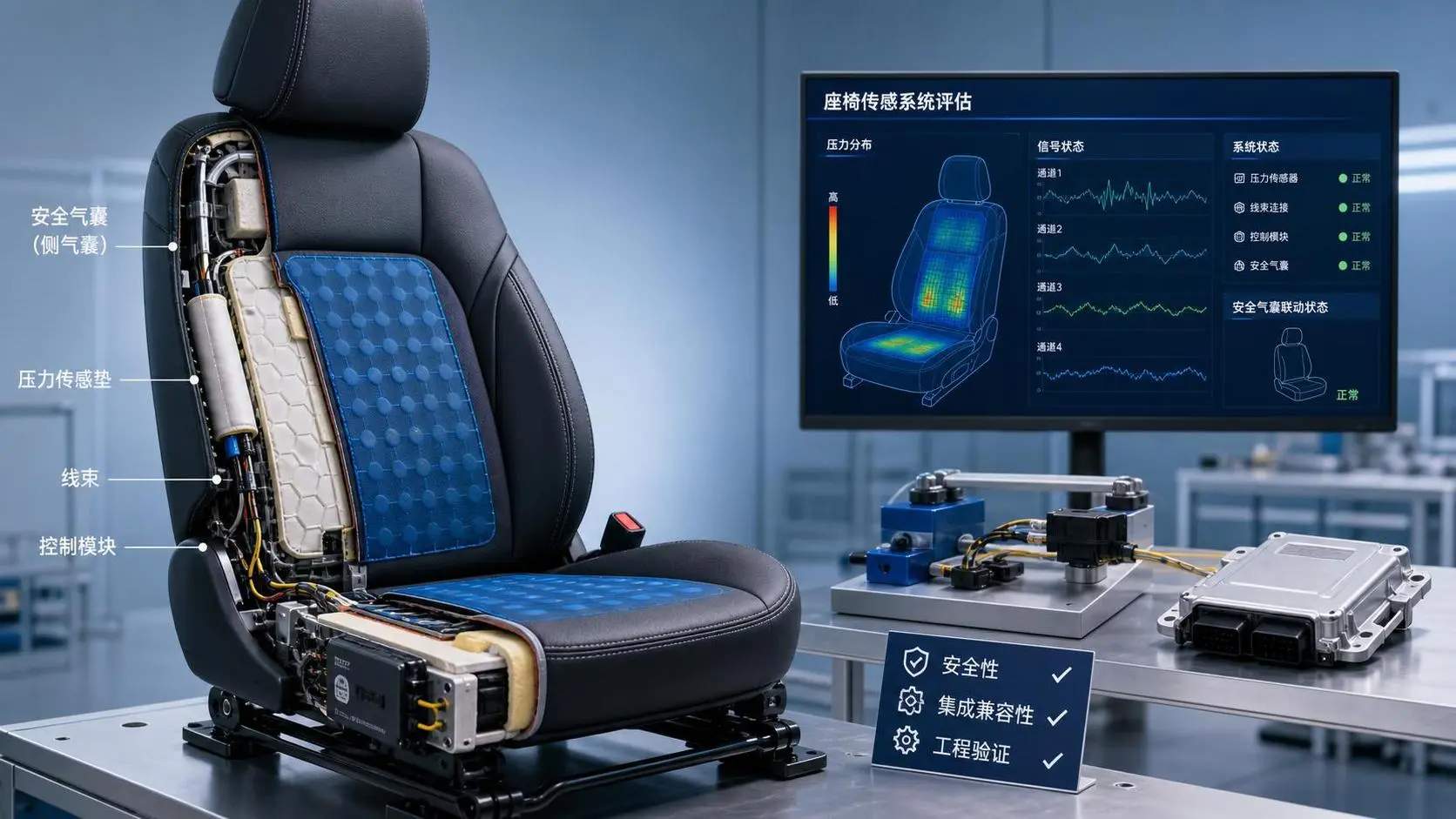
How to Evaluate a Seat Sensing Technology Supplier for Safety and Integration?
Seat sensing technology supplier evaluation guide: compare safety maturity, integration fit, algorithm reliability, and validation support to choose a partner that reduces risk.
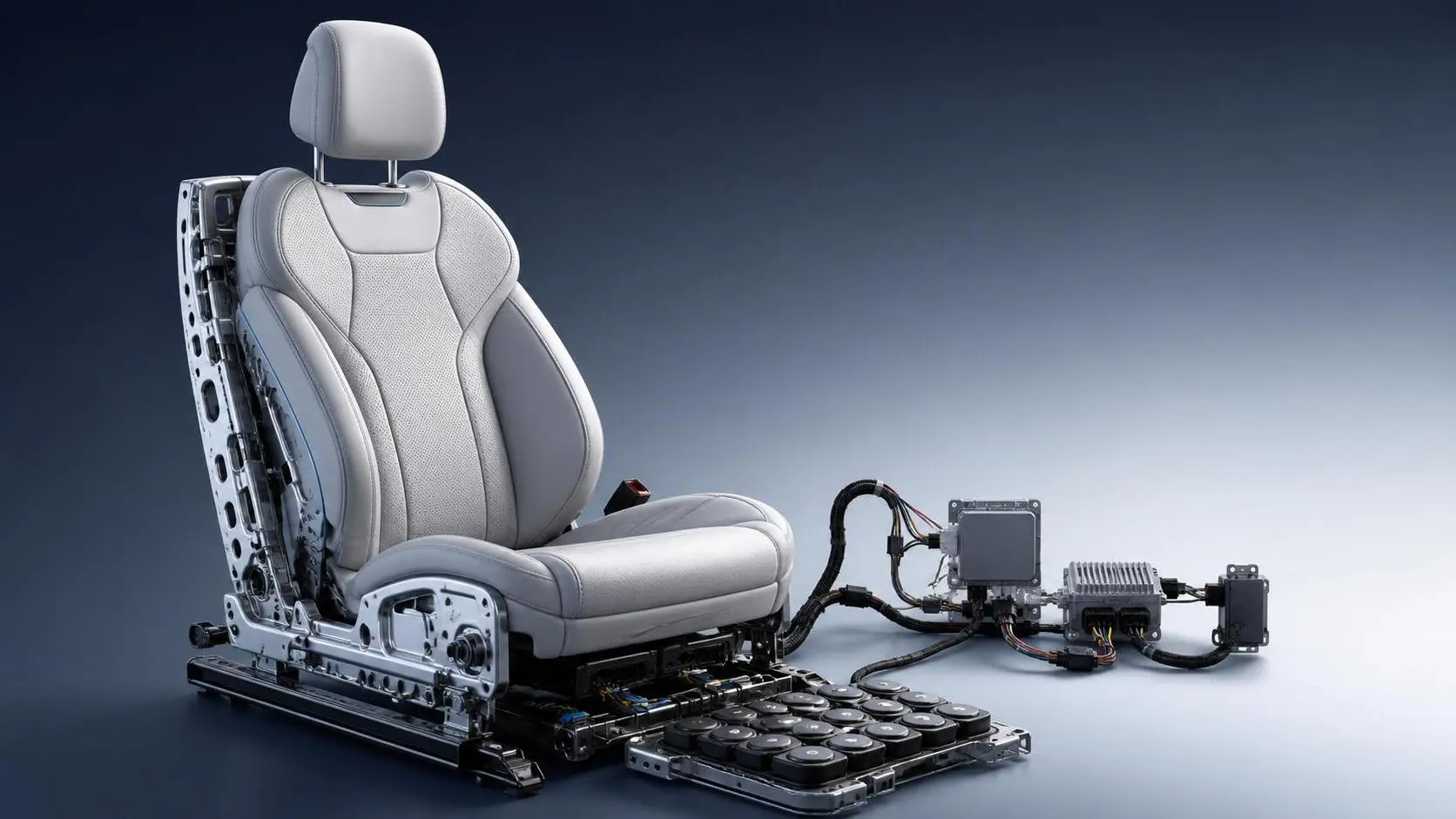
How to Evaluate Custom Smart Automotive Seating for Premium Vehicle Programs?
Custom smart automotive seating evaluation starts with safety, comfort, integration, and production readiness. Discover how premium vehicle teams choose smarter, lower-risk seat solutions.
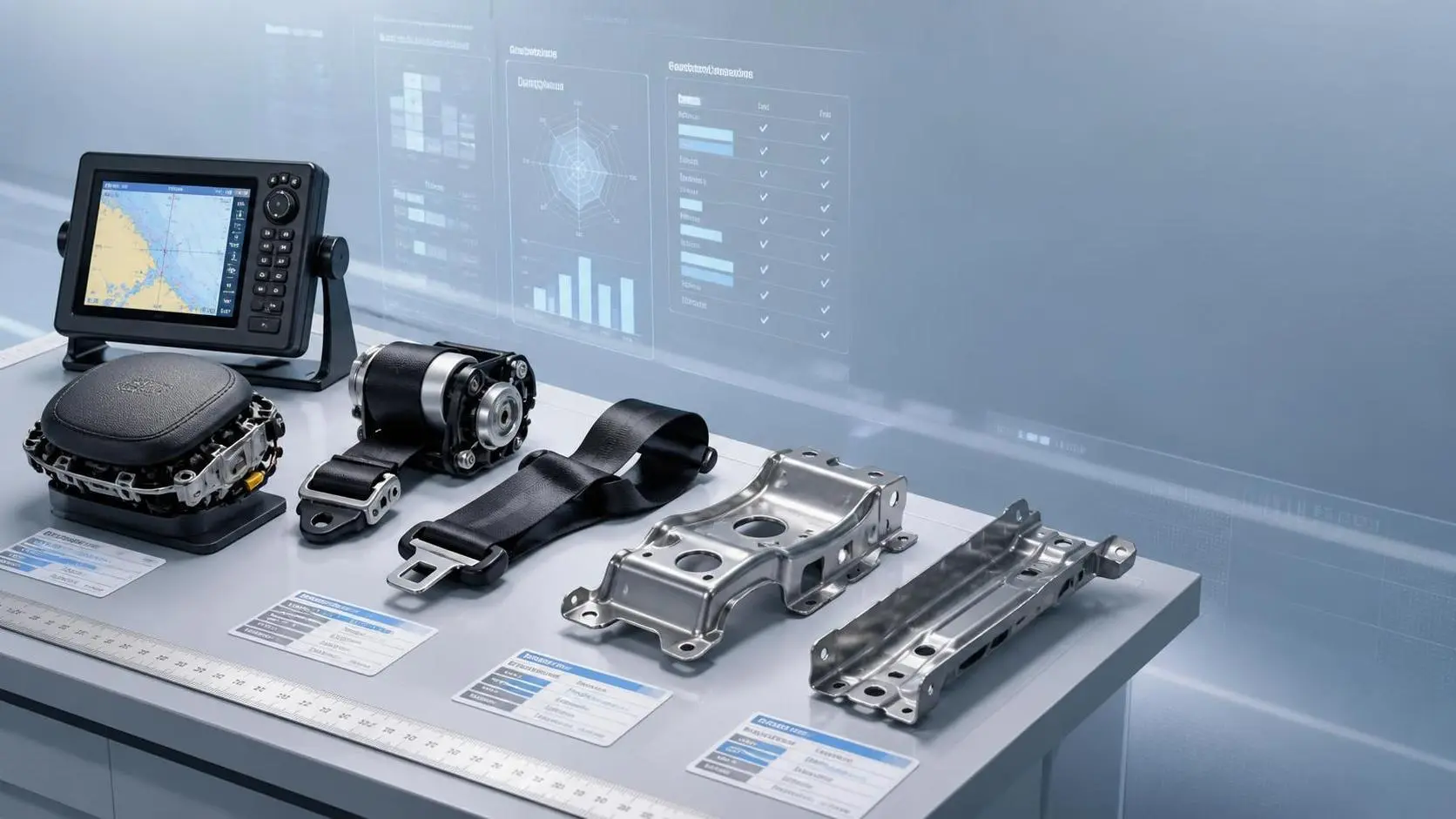
B2B Product Intelligence Platforms: How to Compare Features, Data Coverage, and ROI
B2B product intelligence platform comparison: learn how to evaluate data coverage, feature depth, compliance visibility, and ROI to choose a sourcing tool that reduces risk and speeds decisions.
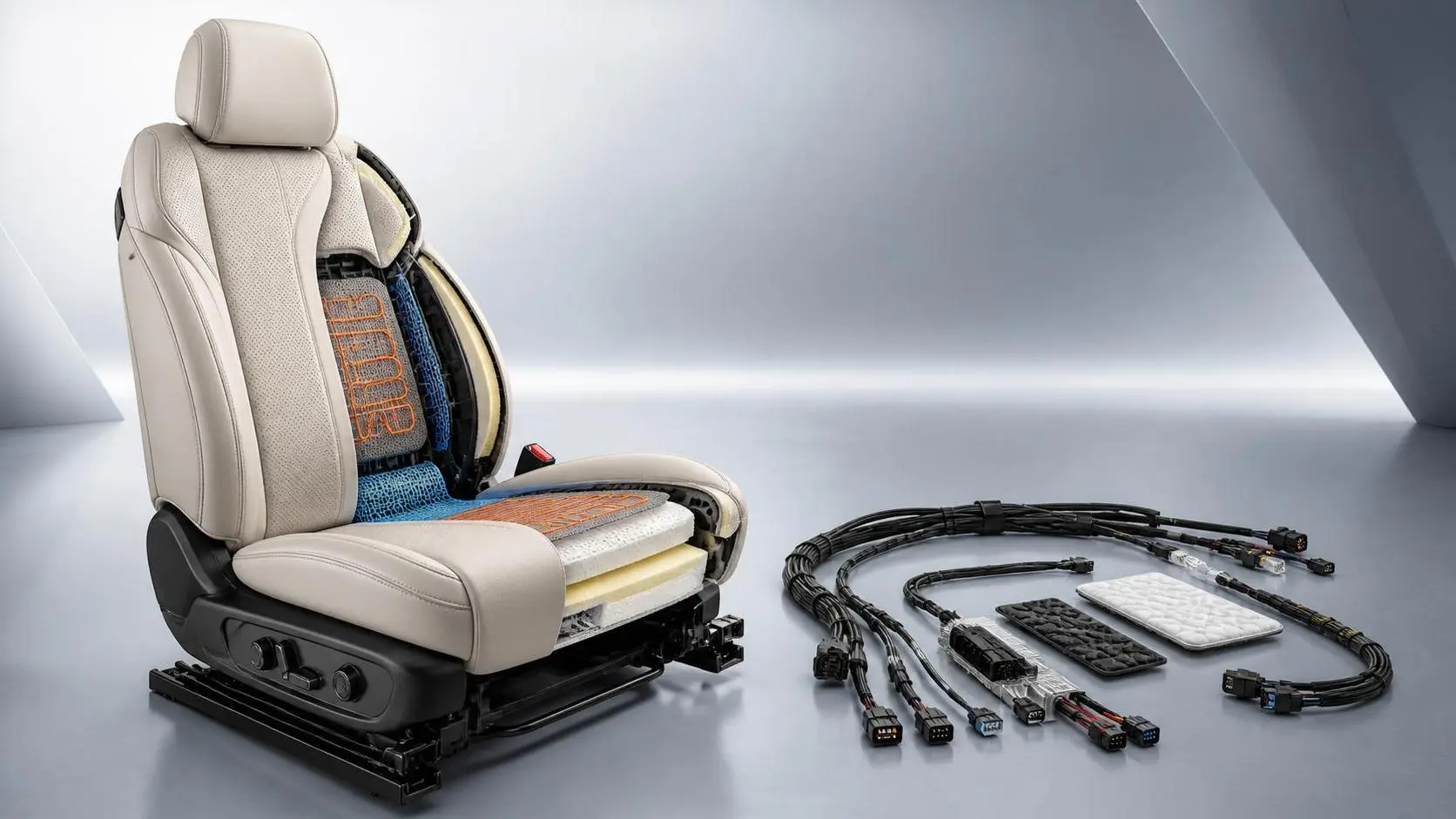
Climate Control Seats Cost: What Drives Price and Long-Term Ownership Value?
Climate control seats cost depends on materials, thermal tech, and integration. Learn what drives price and how to judge long-term value before you buy.

What Factors Drive Marine Navigation Components Cost in Commercial Vessel Projects?
Marine navigation components cost is shaped by integration, compliance, installation, and lifecycle support. Discover what drives pricing and how buyers can reduce risk while improving value.

How Much Does Seat Occupancy Sensing Cost? Key Pricing Factors for Buyers
Seat occupancy sensing price varies widely by technology, integration, and compliance needs. Learn the key cost drivers, avoid hidden fees, and make smarter buying decisions.

How to Specify Micro-Climate Control Cabins for Harsh Outdoor Worksites?
Micro-climate control cabins for harsh outdoor worksites: learn how to specify thermal control, filtration, pressurization, and durability for safer uptime and smarter buying.
How to Evaluate a B2B Product Knowledge Platform for Faster Procurement Decisions
B2B product knowledge platform procurement starts with reducing decision risk. Learn how to compare specs, compliance, and supplier data to speed sourcing with confidence.
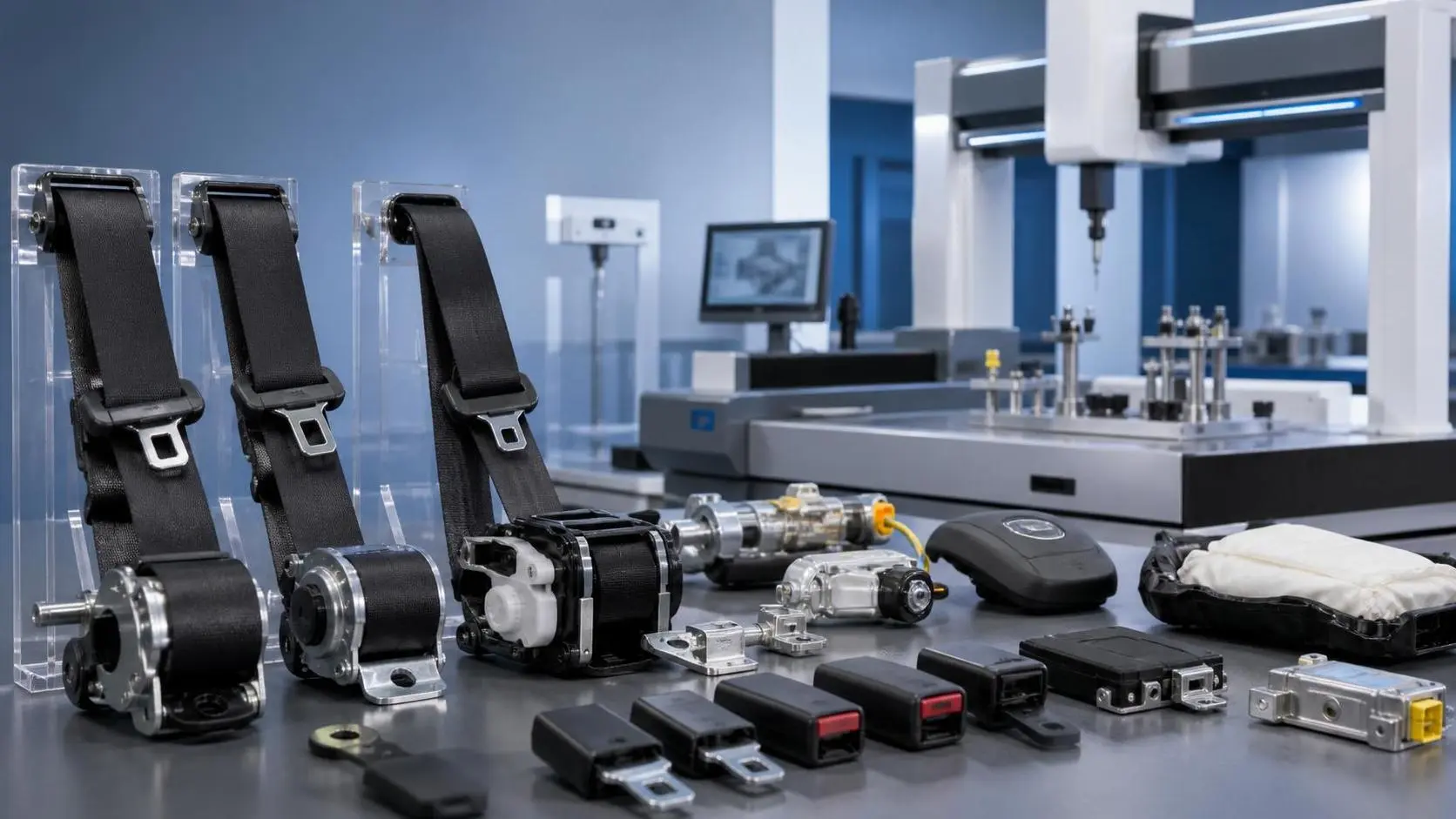
How to Evaluate an Occupant Restraint Systems Exporter for Quality, Compliance, and Supply Risk
Occupant restraint systems exporter evaluation guide: learn how to verify quality controls, compliance evidence, and supply risk before sourcing to avoid recalls, delays, and hidden costs.
Related News
- 00
0000-00
How to Evaluate Airbag Components for OEM Safety Performance and Compliance? - 00
0000-00
Automotive Crash Protection Systems Selection Guide: Key Components and Test Criteria - 00
0000-00
Automotive Occupant Protection Devices: Types, Functions, and How They Work Together - 00
0000-00
Airbag Components OEM Basics: Parts, Materials, and Validation Requirements - 00
0000-00
Airbag Systems for Commercial Vehicles: Types, Functions, and Use Cases
Weekly Insights
Stay ahead with our curated technology reports delivered every Monday.