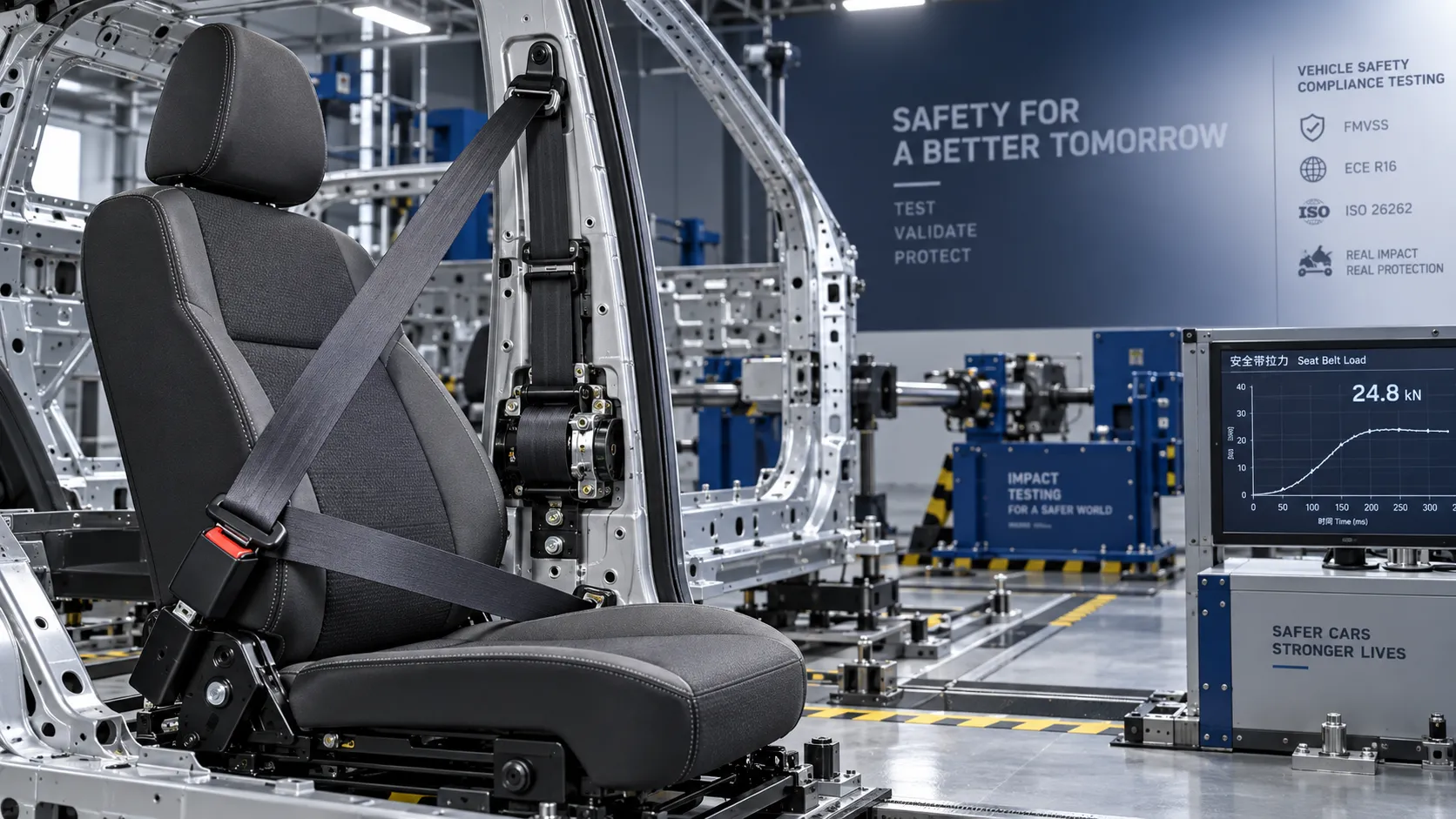
Airbag Assemblies Selection: Modules, Sensors, and Crash Test Fit
Selecting airbag assemblies is no longer a parts-matching exercise; it is a systems-level safety decision shaped by module architecture, sensor logic, inflator chemistry, packaging constraints, and crash test performance.
For technical evaluators, the real challenge is verifying whether each assembly can integrate with vehicle electronics, meet regulatory expectations, and deliver reliable occupant protection within milliseconds.
This guide examines how to assess modules, sensors, and crash test fit with an engineering-focused lens.
What Technical Evaluators Are Really Trying to Confirm
The core search intent behind airbag assemblies selection is not basic product identification. Evaluators want to reduce validation risk before sourcing, integration, or platform nomination.
They need to know whether a module, sensor strategy, and restraint algorithm can work together under real crash pulses, not only under datasheet conditions.
The most important questions usually concern compatibility, deployment timing, occupant coverage, diagnostic behavior, environmental durability, and evidence from regulatory or consumer crash testing.
Generic explanations of airbags add limited value. A technical review should instead clarify selection criteria, trade-offs, failure modes, and verification methods.
Start With Vehicle-Level Restraint Objectives
Airbag assemblies should be selected from the vehicle safety concept outward, not from module availability inward. The restraint system must match platform geometry and crash targets.
Before comparing suppliers, evaluators should define occupant protection goals for frontal, side, pole, rollover, offset, and out-of-position scenarios.
Those objectives determine bag volume, venting strategy, inflator output, tether design, fabric coating, fold pattern, and required communication with seatbelts and sensors.
A compact electric vehicle, a pickup, and a premium sedan can require very different airbag assemblies despite sharing similar regulatory categories.
The best early selection work translates crash performance targets into measurable module parameters, leaving less room for late-stage redesign.
Module Architecture: More Than Bag, Inflator, and Housing
A complete airbag module includes the cushion, inflator, retainer, housing, cover, connector, deployment door interface, and manufacturing traceability elements.
Technical evaluators should inspect how these components interact during storage, thermal exposure, vibration, and high-speed deployment.
Frontal driver modules require strict steering wheel packaging discipline, while passenger modules must manage larger cushion volumes and instrument panel breakaway behavior.
Side torso, curtain, knee, center, and seat-mounted airbags each introduce different sealing, routing, and load path requirements.
For each module, assess whether the housing stiffness, cover seam, and cushion fold pattern support consistent deployment across manufacturing tolerances.
Small packaging deviations can alter emergence direction, delay fill time, or increase the risk of trim interaction during deployment.
Inflator Selection: Chemistry, Output Curve, and Compliance
Inflator choice is central because it defines gas generation rate, thermal profile, deployment pressure, and compatibility with cushion venting.
Modern airbag assemblies may use pyrotechnic, stored-gas, or hybrid inflators, depending on module type, packaging space, and required output profile.
Evaluators should avoid judging inflators only by peak output. The time-pressure curve matters more for occupant interaction and crash pulse matching.
Frontal airbags may require dual-stage or adaptive deployment, while curtain airbags may prioritize gas retention for rollover protection.
Chemistry also matters for regulatory, environmental, and long-term stability reasons. Non-toxic propellant evolution remains a major technical and sourcing consideration.
Review aging data, temperature performance, corrosion resistance, moisture protection, and lot-level traceability before accepting a module for serious evaluation.
Sensor Logic Determines Whether Good Hardware Performs
Even well-designed airbag assemblies can underperform if sensing logic misreads crash severity, occupant state, or deployment timing.
Crash sensing usually combines central acceleration data with satellite sensors, pressure sensors, yaw-rate information, seat occupancy signals, and belt buckle inputs.
The evaluator’s task is to verify whether the algorithm can discriminate deploy, non-deploy, and misuse cases with sufficient robustness.
Side impact sensing is especially demanding because available decision time is short and intrusion speed can be high.
For frontal events, the algorithm must interpret pulse shape, overlap percentage, deceleration severity, and belt status before deployment thresholds are crossed.
Technical reviews should request algorithm validation evidence, sensor placement rationale, electromagnetic compatibility results, and diagnostic fault handling documentation.
Integration With Seatbelts, Seats, and Body Structure
Airbags rarely protect occupants alone. Their performance depends on belt pretensioners, load limiters, seat stiffness, occupant posture, and structural crash energy management.
A frontal module calibrated without belt force-limiting behavior may produce acceptable deployment data but poor chest deflection or neck injury outcomes.
Seat-mounted airbags also depend on seat frame integrity, trim tear seam accuracy, side bolster geometry, and wiring harness durability.
Curtain airbags require reliable roof rail packaging, deployment along the glazing line, and retention against head excursion in rollover or pole impacts.
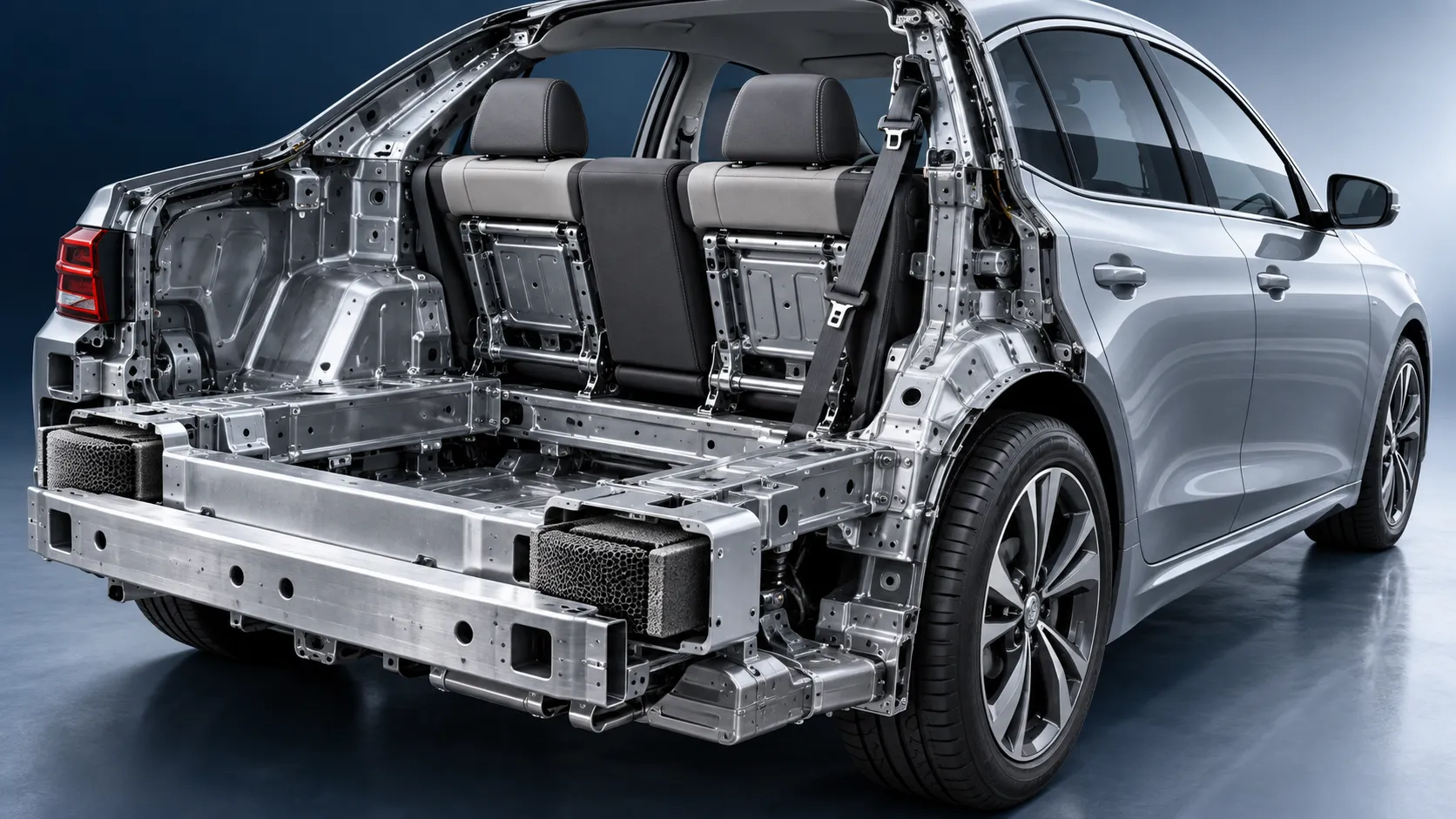
Body-in-white stiffness and hot-stamped components influence crash pulse shape, which directly affects sensing thresholds and restraint timing.
Selection should therefore include cross-functional review with body engineering, electronics, seat systems, belt suppliers, and safety simulation teams.
Crash Test Fit: Match the Assembly to the Test Matrix
Crash test fit means the selected assembly can support expected performance across regulatory, rating, internal, and regional test scenarios.
Evaluators should map each airbag function against FMVSS, UNECE, CNCAP, Euro NCAP, IIHS, and internal corporate protocols where applicable.
The relevant matrix may include full-width frontal, moderate overlap, small overlap, side moving barrier, side pole, far-side, rollover, and pedestrian-related scenarios.
Do not rely on a single successful crash result. Airbag assemblies must perform across dummy sizes, seat positions, belt states, and temperature conditions.
Technical evidence should include sled tests, component deployment tests, CAE correlation, full-vehicle crash data, and post-test module inspection.
A strong supplier can explain why results are robust, not merely show that one prototype test passed.
Key Evaluation Criteria Before Supplier Shortlisting
A structured scorecard helps prevent procurement pressure from overpowering safety engineering judgment during airbag assemblies selection.
The first criterion is safety performance, including injury metric contribution, deployment timing consistency, occupant coverage, and compatibility with the restraint control unit.
The second criterion is integration feasibility, covering packaging space, mounting interfaces, connector standards, software calibration support, and vehicle assembly process compatibility.
The third criterion is durability, including thermal aging, humidity exposure, vibration endurance, corrosion resistance, storage life, and transport stability.
The fourth criterion is compliance maturity, demonstrated through documentation, validation plans, failure mode analysis, production control, and regional regulation experience.
The fifth criterion is change management. Evaluators should confirm how design revisions, propellant lots, software updates, and supplier substitutions are controlled.
Documentation That Separates Engineering Evidence From Sales Claims
Technical evaluators should request a documentation package before awarding serious development status to any airbag assembly supplier.
Core documents include product specifications, dimensional drawings, interface control documents, deployment test reports, environmental validation results, and material certification.
Safety-related evidence should include DFMEA, PFMEA, control plans, traceability process maps, diagnostic logic descriptions, and end-of-line testing procedures.
For crash performance, ask for sled correlation reports, CAE model validation, representative vehicle test summaries, and dummy injury metric analysis.
Documentation quality often reveals engineering maturity. Vague reports, missing boundary conditions, and unclear sample histories increase integration risk.
The strongest suppliers present limitations transparently, because restraint systems require controlled assumptions rather than optimistic generalizations.
Common Red Flags During Technical Assessment
One warning sign is a module promoted as universal without clear boundaries for vehicle class, packaging geometry, occupant population, or crash pulse range.
Another concern is insufficient explanation of deployment timing under low-temperature, high-temperature, or aged inflator conditions.
Evaluator attention should also focus on inconsistent connector strategy, weak harness protection, incomplete EMC testing, or unclear diagnostic communication behavior.
Poor tear seam validation is a serious issue for instrument panel, seat, and pillar-mounted deployments because trim interaction can alter cushion trajectory.
Limited traceability for inflator lots, fabric batches, or folding processes can become a major recall and compliance exposure.
If a supplier cannot explain failure modes and mitigation actions, the product is not ready for high-confidence platform integration.
How to Compare Cost Without Undermining Safety
Cost evaluation is legitimate, but airbag assemblies should be compared through lifecycle risk, not only unit price.
A cheaper module may increase validation rounds, packaging redesign, software recalibration, warranty exposure, or crash rating risk.
Technical evaluators should calculate total impact across tooling, testing, engineering support, quality containment, logistics, and regional certification needs.
Supplier responsiveness is also part of value. Fast root-cause analysis during crash development can protect program timing and reduce expensive retesting.
Cost should be optimized after safety feasibility, integration confidence, and compliance readiness are established.
This approach helps procurement teams negotiate intelligently without forcing engineering teams into hidden technical compromises.
Practical Selection Workflow for Technical Teams
A practical workflow starts with vehicle safety targets, occupant protection strategy, platform packaging data, and applicable regulatory requirements.
Next, create a preliminary module specification covering cushion type, inflator output, mounting interfaces, sensing dependencies, diagnostics, and environmental conditions.
Then screen suppliers using evidence-based criteria, including test history, engineering support, production controls, and software integration experience.
Shortlisted assemblies should enter CAE and sled evaluation before full-vehicle crash testing, allowing early correction of timing or coverage issues.
After prototype validation, technical teams should conduct design reviews focused on tolerances, assembly processes, traceability, and field risk controls.
The final sourcing decision should combine safety performance, test robustness, integration effort, supplier maturity, and lifecycle cost.
Conclusion: Select the System, Not Just the Component
Airbag assemblies selection is fundamentally a systems-engineering decision. Modules, sensors, inflators, seats, belts, body structures, and software must work as one restraint ecosystem.
For technical evaluators, the best choice is not the assembly with the most impressive brochure, but the one with verifiable crash test fit.
Strong candidates show consistent deployment behavior, clear documentation, mature diagnostics, robust environmental performance, and transparent compliance evidence.
When selection is grounded in vehicle-level objectives and validated through realistic crash scenarios, airbag assemblies become reliable protection technologies rather than isolated components.
That distinction is where engineering judgment creates measurable safety value for platforms, occupants, and global mobility programs.