
When force-limiting systems add value in modern restraint
In modern restraint design, force-limiting systems add measurable value by balancing occupant protection with controlled energy management during a crash. For technical evaluators, understanding how these systems reduce chest loads, improve compliance outcomes, and interact with pretensioners, airbags, and seat structures is essential to judging real-world safety performance and integration potential.
For GNCS readers working across passive safety, lightweight structures, and smart seating, this is not a narrow component discussion. It is a system-level engineering question that affects crash pulse management, occupant kinematics, design validation, sourcing strategy, and regulatory readiness.
In practice, the value of force-limiting systems becomes clearer when restraint architecture must perform across multiple seat positions, occupant sizes, frontal impact severities, and vehicle body stiffness targets. A design that looks efficient in a single test condition can underperform when pretension timing, belt payout, or seat deformation changes by only a few milliseconds.
For technical assessment teams, the real task is to determine when force-limiting systems create measurable safety gains, where they introduce integration complexity, and how to evaluate them against cost, packaging, and compliance constraints in modern mobility programs.
Why force-limiting systems matter in current restraint engineering
A force-limiting system is designed to control the belt load applied to the occupant once the restraint reaches a defined threshold. Instead of allowing belt force to rise without moderation, the mechanism permits controlled webbing payout or load release, often within a calibrated range such as 4 kN to 6 kN for a given design target.
This matters because restraint performance is always a trade-off. Higher belt loads can restrain forward motion more aggressively, but they can also increase chest deflection, rib loading, and injury risk. Lower loads can reduce thoracic stress, yet too much payout may allow excessive head excursion or poorer interaction with airbags.
The shift from simple restraint to managed energy absorption
Modern restraint systems are no longer judged only by whether they hold the occupant in place. They are judged by how intelligently they manage crash energy over roughly 80 to 150 milliseconds in a frontal event. Force-limiting systems add value precisely in that window, where the belt must transition from rapid restraint to controlled load moderation.
This is especially relevant in vehicles using lightweight body stampings, mixed-material structures, and optimized seat frames. As body stiffness and crash pulse shape change, belt load management becomes more sensitive. A force limiter that was acceptable in one platform may require recalibration in another with different deceleration characteristics.
Where evaluators usually see the benefit
- Reduced chest loading in moderate-to-severe frontal crashes
- Improved coordination with airbags during occupant ride-down
- Better tuning flexibility when seat structure or body pulse changes
- Stronger pathways to meeting internal injury criteria and external test protocols
For B2B buyers and engineering reviewers, these benefits are valuable only if they remain stable across at least 3 key dimensions: occupant size, impact severity, and seat position. A narrow optimization that works in one sled condition but fails under out-of-position scenarios offers limited commercial value.
The table below shows how force-limiting systems compare with more basic belt load strategies in typical technical evaluation discussions.
The key conclusion is not that force-limiting systems are automatically better in every configuration. Their value appears when the restraint system must manage both occupant retention and injury reduction under varying crash conditions. That balance is increasingly important in global programs targeting more than 1 test regime or more than 1 seating architecture.
How force-limiting systems work with pretensioners, airbags, and seat structures
Force-limiting systems do not operate in isolation. Their effect depends on the timing and stiffness of the full cabin safety chain: pretensioner activation, belt geometry, retractor behavior, airbag deployment curve, seat frame compliance, and even anchor point location. In most programs, a 5 to 15 millisecond shift in timing can materially alter occupant loading outcomes.
This is why GNCS places force-limiting systems within the broader context of passive safety components and smart seating. The most effective designs are rarely component-led. They are architecture-led, with each subsystem tuned to the same crash pulse and occupant motion targets.
Pretensioner and force limiter sequencing
Pretensioners remove slack early in the event, often within the first few tens of milliseconds. They help position the occupant before peak forward displacement develops. Once belt loads climb, the force limiter takes over to prevent excessive thoracic loading. If the pretensioner is too aggressive or too late, the force limiter may be asked to compensate for a poor initial condition.
Technical evaluators should check whether the system is tuned for a clean sequence: early slack removal, stable belt coupling, controlled load plateau, and synchronized airbag support. A good calibration is not just about peak numbers. It is about the shape of the restraint response over time.
Airbag support and occupant ride-down
Airbags and force-limiting systems share the same job from different angles. The belt controls torso restraint; the airbag manages head and upper body support during forward ride-down. If the force limiter allows too much payout, the airbag may receive the occupant too late or at the wrong angle. If the limiter is too stiff, chest loading can increase while the bag does less useful work.
This interaction becomes more critical with multi-stage airbags and seating systems that include recline variability, occupant sensing, or integrated seatbelt designs. In those layouts, the acceptable tuning window may narrow from a broad range to a smaller engineering band, such as a few degrees of torso angle and a few centimeters of additional excursion allowance.
Seat frame stiffness and geometry effects
Seat structures influence how the occupant rotates, submarines, or remains aligned with the belt path during impact. Lightweight seat frames, magnesium components, and packaging changes for smart seating functions can alter this behavior. When seatback yield or cushion ramp changes, the same force-limiting system may produce different chest and pelvis outcomes.
For this reason, evaluators should request integrated test data rather than reviewing force-limiting systems as stand-alone hardware. At minimum, validation should include the production-intent seat frame, belt anchorage geometry, and relevant airbag configuration.
The matrix below helps technical teams review the main subsystem interactions before approval, sourcing, or platform carryover decisions.
The practical takeaway is simple: force-limiting systems deliver the greatest value when evaluated as one node in a coordinated restraint ecosystem. Reviewing them independently can hide timing mismatches that only appear during full-vehicle or integrated sled validation.
When force-limiting systems add the most value for technical evaluators
Not every restraint program gains the same benefit from added load-limiting sophistication. Technical evaluators should focus on the conditions where force-limiting systems solve a real engineering problem rather than simply adding complexity.
High-value application scenarios
- Vehicle programs targeting multiple regional test protocols such as IIHS and Euro NCAP alignment strategies
- Lightweight body programs where crash pulse shape changed after hot stamping or mixed-material redesign
- Seat-integrated restraint architectures with tighter packaging and geometry sensitivity
- Premium or long-distance mobility platforms prioritizing both injury mitigation and comfort-led seat design
In these scenarios, force-limiting systems provide tuning flexibility that helps engineering teams avoid a rigid pass-fail mindset. Instead of selecting between hard restraint and soft restraint, the team can build a more graded response across small female, midsize male, and larger occupant conditions.
Common buying and validation pain points
Many procurement and validation teams encounter three recurring issues. First, supplier data may focus on component capability without enough integrated crash context. Second, timing compatibility with existing inflator, retractor, or seat hardware may be underexplained. Third, commercial proposals may not define the validation envelope, leaving gaps between prototype results and production risk.
A disciplined review process should therefore cover at least 4 dimensions: load threshold range, payout behavior, environmental durability, and integration evidence. For production planning, teams should also ask about PPAP timing, tooling maturity, and test sample lead times, which often run from 2 to 6 weeks depending on program phase.
A practical 5-step evaluation path
- Define target injury metrics and platform crash pulse boundaries.
- Review load-limiting threshold range and payout consistency under representative belt loads.
- Verify compatibility with pretensioner timing, airbag deployment, and seat geometry.
- Assess durability across temperature, corrosion, and repeated load exposure conditions.
- Confirm supplier validation evidence, change control process, and launch support readiness.
This process helps evaluators distinguish between systems that are merely technically interesting and systems that are production-relevant. In B2B sourcing, that distinction often saves months of revalidation work and avoids late-stage calibration churn.
Selection criteria, risk control, and implementation advice
Choosing force-limiting systems for modern restraint applications requires more than a catalog comparison. The evaluation must connect mechanical behavior, occupant safety targets, manufacturing feasibility, and lifecycle support. For GNCS-aligned technical teams, the best decision usually comes from a cross-functional review involving restraint engineers, seat designers, body teams, and supplier quality specialists.
Key criteria before nomination
Start with measurable questions. What is the target force band? How repeatable is payout under dynamic loading? What tolerance shift appears after corrosion or thermal cycling? Can the same system support more than 1 trim level or seat architecture? A design that performs well only in a narrow setup may create hidden cost later.
It is also wise to examine the effect on adjacent systems. If a lower load threshold demands a larger airbag support window, the apparent benefit may come with new module cost or packaging penalties. Likewise, if seat structure changes are required to preserve belt geometry, the total value equation may shift.
Risk areas that deserve early attention
- Calibration carryover from one platform to another without pulse revalidation
- Insufficient testing across temperature ranges such as -30°C to 80°C
- Underestimating seat frame and anchor point sensitivity
- Reviewing chest protection gains without checking head excursion impact
- Supplier documentation that lacks integrated system test evidence
These risks are manageable when they are identified before sourcing lock. They become expensive when discovered after tooling release or after a late change in body structure, seat design, or inflator strategy.
Implementation guidance for global mobility programs
A sound implementation plan usually runs in 3 phases. Phase 1 defines performance targets and subsystem assumptions. Phase 2 uses simulation, sled work, and subsystem checks to narrow the tuning window. Phase 3 confirms production-intent validation with the final seat, belt path, airbag, and body pulse. Skipping any phase increases downstream redesign risk.
For organizations serving marine, automotive, and broader mobility intelligence markets, the lesson is familiar: performance comes from disciplined integration. Just as navigation accuracy depends on sensor fusion rather than one signal source, restraint value depends on coordinated energy management rather than one safety component acting alone.
Force-limiting systems add value when they help the restraint architecture manage energy more precisely, lower critical chest loads, and improve the probability of repeatable compliance across real operating conditions. Their strongest business case appears in programs where lightweight structures, advanced airbags, and smart seating increase the need for tighter system coordination.
For technical evaluators, the right question is not whether force-limiting systems are advanced, but whether they are correctly matched to the crash pulse, seat structure, occupant package, and sourcing plan. If you are reviewing passive safety integration, supplier capability, or next-generation cabin protection strategies, GNCS can help you assess the technical trade-offs with greater precision. Contact us to discuss product details, compare solution pathways, or obtain a tailored evaluation framework for your program.
Related News
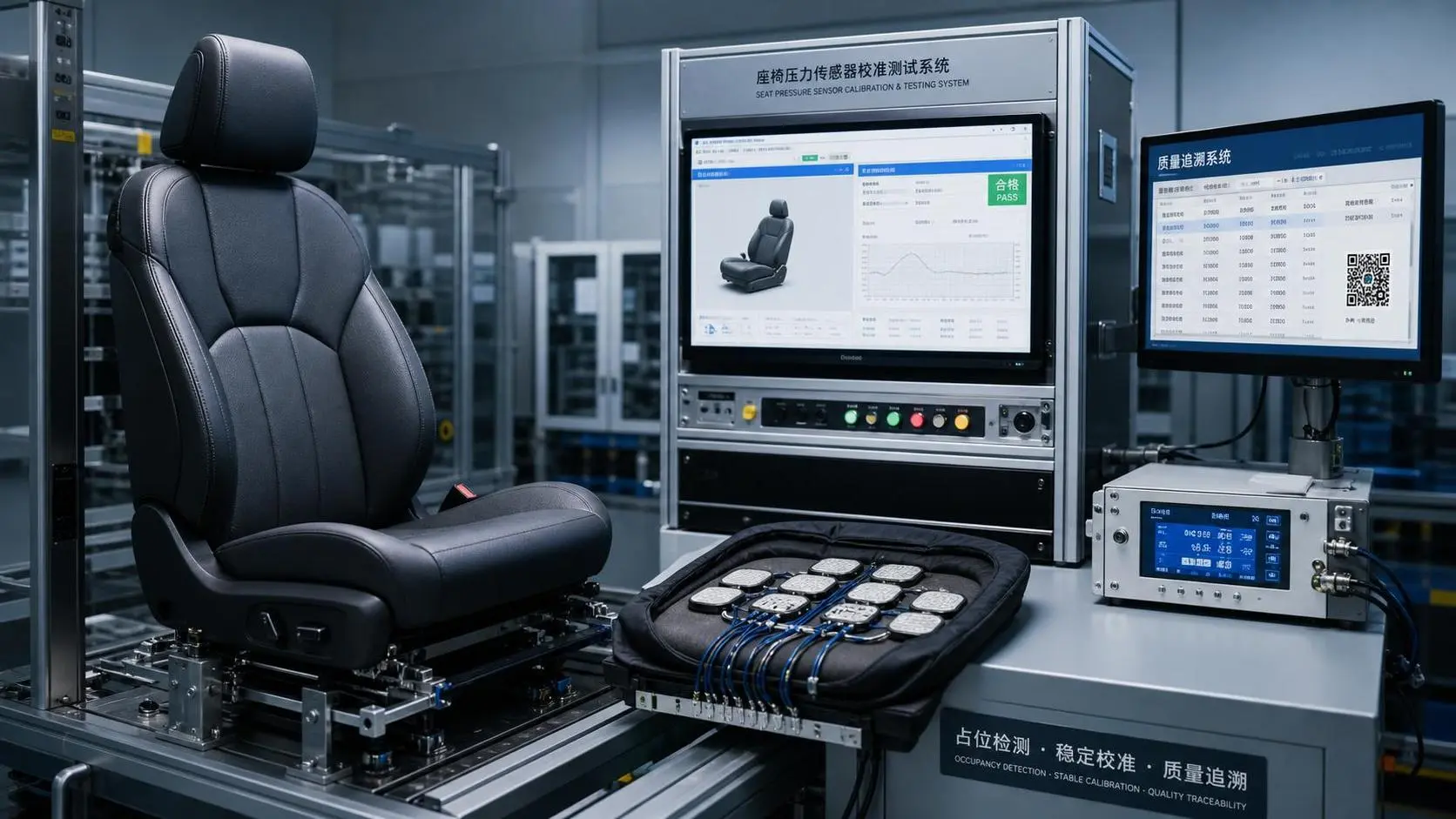
How to Evaluate a Seat Sensing Systems Factory for Automotive Safety Programs
Seat sensing systems factory selection goes beyond price. Learn how to assess quality control, validation, PPAP readiness, and long-term supply reliability for safer automotive programs.
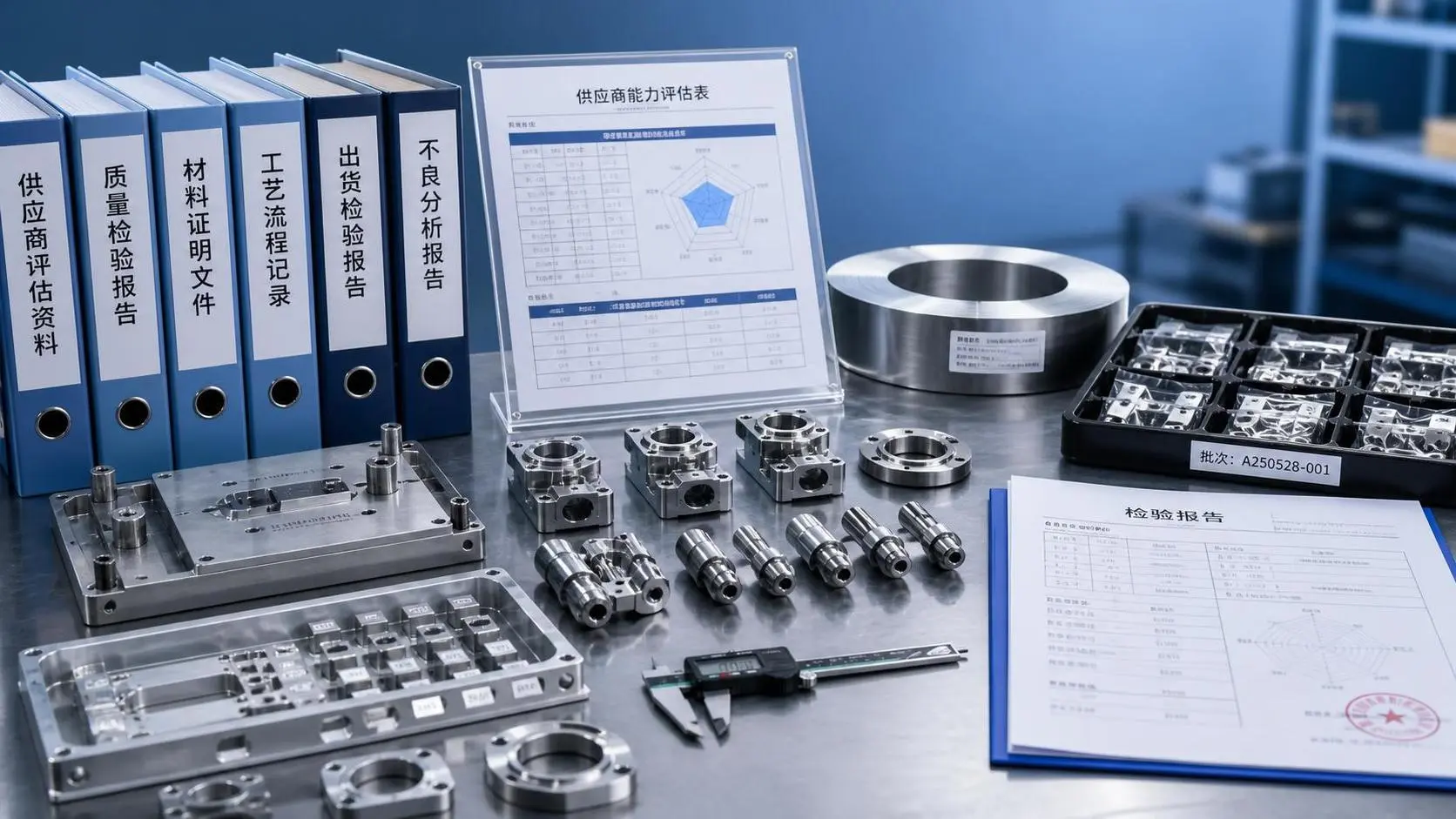
Supplier Capability Evaluation Process: Key Criteria for B2B Sourcing Decisions
Supplier capability evaluation process explained: learn the key criteria for B2B sourcing decisions, reduce supplier risk, and choose partners with confidence.
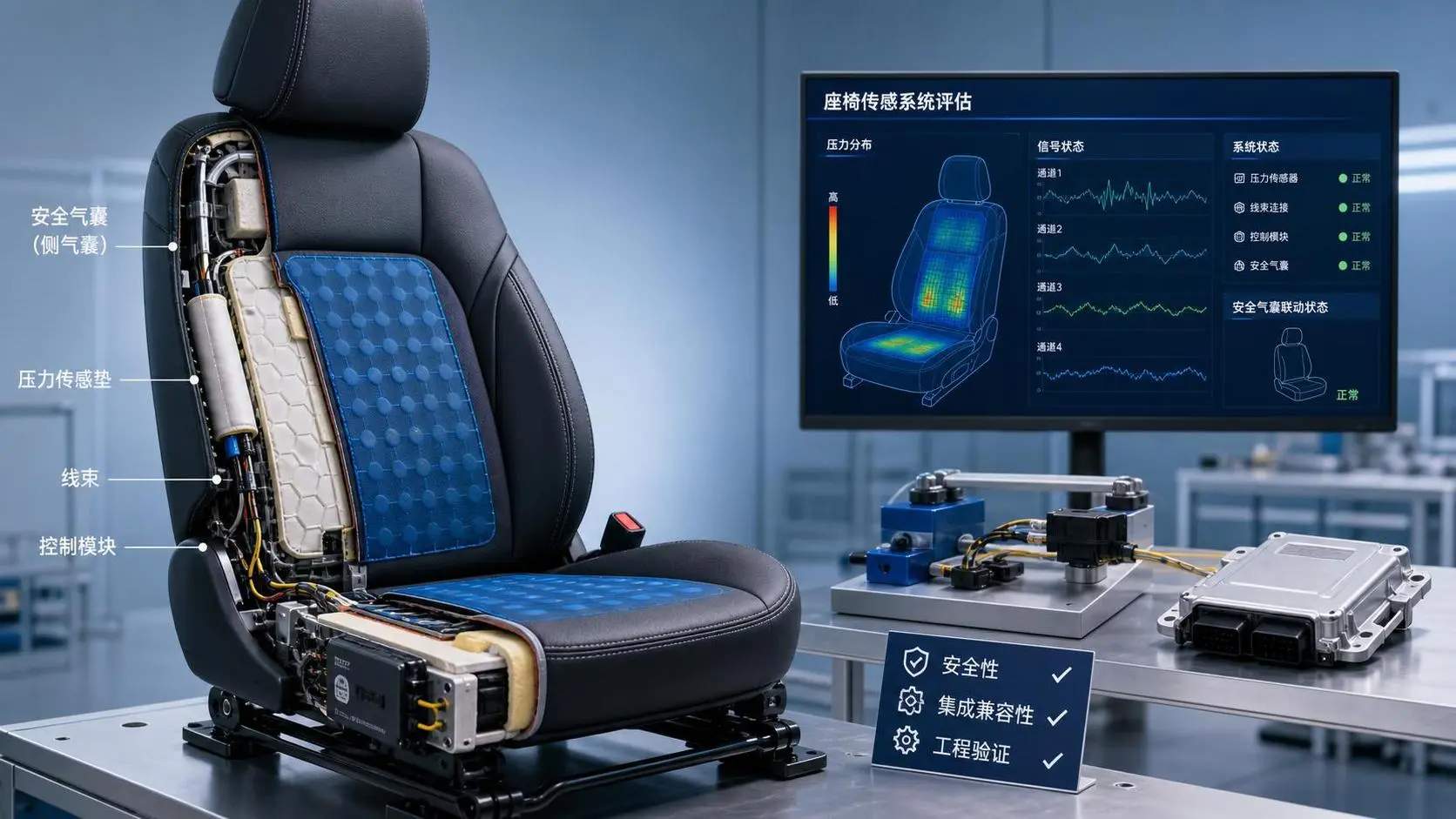
How to Evaluate a Seat Sensing Technology Supplier for Safety and Integration?
Seat sensing technology supplier evaluation guide: compare safety maturity, integration fit, algorithm reliability, and validation support to choose a partner that reduces risk.
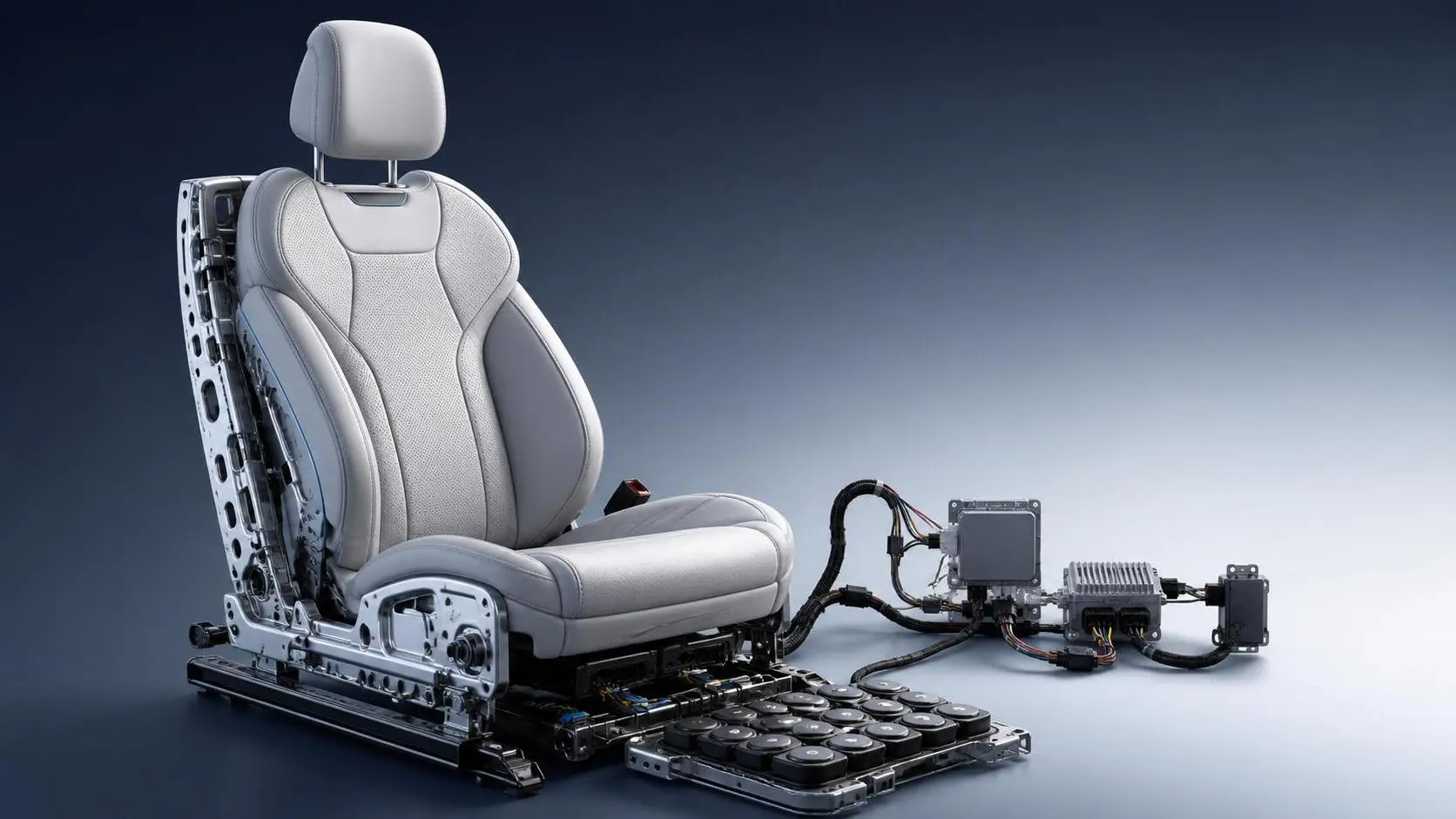
How to Evaluate Custom Smart Automotive Seating for Premium Vehicle Programs?
Custom smart automotive seating evaluation starts with safety, comfort, integration, and production readiness. Discover how premium vehicle teams choose smarter, lower-risk seat solutions.
B2B Product Intelligence Platforms: How to Compare Features, Data Coverage, and ROI
B2B product intelligence platform comparison: learn how to evaluate data coverage, feature depth, compliance visibility, and ROI to choose a sourcing tool that reduces risk and speeds decisions.
Climate Control Seats Cost: What Drives Price and Long-Term Ownership Value?
Climate control seats cost depends on materials, thermal tech, and integration. Learn what drives price and how to judge long-term value before you buy.

What Factors Drive Marine Navigation Components Cost in Commercial Vessel Projects?
Marine navigation components cost is shaped by integration, compliance, installation, and lifecycle support. Discover what drives pricing and how buyers can reduce risk while improving value.

How Much Does Seat Occupancy Sensing Cost? Key Pricing Factors for Buyers
Seat occupancy sensing price varies widely by technology, integration, and compliance needs. Learn the key cost drivers, avoid hidden fees, and make smarter buying decisions.

How to Specify Micro-Climate Control Cabins for Harsh Outdoor Worksites?
Micro-climate control cabins for harsh outdoor worksites: learn how to specify thermal control, filtration, pressurization, and durability for safer uptime and smarter buying.
Weekly Insights
Stay ahead with our curated technology reports delivered every Monday.