
How pre-tensioning technology affects safety and repair
For passive safety systems, pre-tensioning technology shapes both crash outcomes and post-accident workload. It tightens the belt within milliseconds, reduces occupant motion, and supports airbag timing.
Yet the same mechanism that improves restraint performance can increase inspection demands, replacement scope, and repair cost after deployment. That is why understanding how pre-tensioning technology affects safety and repair matters across global mobility equipment decisions.
Within the broader GNCS view of navigation, cabin protection, and compliant mobility engineering, this topic connects crash energy management, component reliability, serviceability, and long-term lifecycle control.
What pre-tensioning technology means in modern restraint systems
Pre-tensioning technology is a seatbelt function that instantly removes slack during a collision or rapid deceleration event. It positions the occupant earlier, before peak body movement develops.
Most systems use pyrotechnic, mechanical, or motorized activation methods. In automotive applications, pyrotechnic pre-tensioners remain common because they react quickly and integrate well with airbag control logic.
A typical system includes the retractor, webbing, buckle, sensor inputs, control unit communication, and a triggering mechanism. Performance depends on timing, force profile, belt geometry, and coordination with force limiters.
Pre-tensioning technology should not be viewed as an isolated feature. It works as part of a restraint architecture that includes seats, body structure, airbags, and occupant sensing.
Core safety function
- Reduces belt slack before major occupant displacement
- Improves chest and pelvis positioning
- Supports controlled interaction with airbags
- Helps lower injury risk in frontal and some side impacts
Why the industry pays close attention to pre-tensioning technology
Across global mobility sectors, passive safety is under stronger regulatory and market scrutiny. Crash ratings, legal exposure, warranty control, and repair transparency all influence component selection.
Pre-tensioning technology affects these areas because it directly changes restraint performance and often triggers mandatory replacement procedures after a crash, even when visible damage appears limited.
For GNCS-relevant sectors, this attention mirrors a broader trend. Safety hardware is no longer judged only by activation speed. It is also judged by traceability, diagnostics, and field service consequences.
How pre-tensioning technology affects safety performance
The main safety value of pre-tensioning technology is better occupant control during the earliest crash phase. That early control can reduce forward excursion and improve how loads are distributed across the body.
Earlier restraint engagement
Without pre-tensioning, belt slack allows more initial movement. With pre-tensioning technology, the belt engages the occupant sooner, which helps stabilize posture before airbag inflation reaches its most forceful stage.
Improved system coordination
A seatbelt, airbag, seat structure, and body shell must work together. Pre-tensioning technology improves this coordination by placing the occupant in a more predictable position during impact.
Lower injury exposure in specific crash modes
The benefit is often strongest in frontal crashes, but it can also support protection in rollover preparation and selected side-impact strategies, depending on the vehicle platform and sensing logic.
Limits and engineering trade-offs
Pre-tensioning technology is not a cure-all. Overly aggressive restraint can raise chest loading if force limiting, seat design, and occupant diversity are not addressed carefully.
That is why validation must consider different occupant sizes, seating postures, and crash severities. Good safety performance comes from balance, not from tightening force alone.
How pre-tensioning technology affects repair and service operations
The repair side is where many hidden implications appear. Once activated, pre-tensioning technology usually changes the service path from inspection-only to replacement and system verification.
Replacement after deployment
Many pre-tensioners are single-use devices. After activation, the retractor, buckle assembly, or related wiring may need replacement according to service manuals and regulatory expectations.
Diagnostic complexity
Fault codes may involve crash sensors, airbag controllers, occupancy systems, or seat wiring. A correct diagnosis requires understanding whether pre-tensioning technology deployed, partially triggered, or registered a fault without deployment.
Hidden damage risk
Webbing stretch, anchor distortion, connector stress, and seat frame load transfer may not be obvious during a visual check. This raises the importance of documented inspection criteria.
Repair cost and downtime
Pre-tensioning technology can increase parts cost and labor time. It may also extend downtime when calibrated modules, matched components, or controlled shipping rules apply to replacement units.
Typical application differences across mobility equipment
Pre-tensioning technology is most visible in passenger vehicles, but the decision logic extends to broader transportation equipment where occupant restraint integrity matters.
- Passenger cars: emphasis on crash ratings, occupant comfort, and efficient repair networks.
- Commercial vehicles: emphasis on durability, downtime control, and service documentation.
- Special mobility platforms: emphasis on configurable seating, sensor integration, and compliance traceability.
- Advanced cabin systems: emphasis on coordination with smart seats and occupant detection logic.
In GNCS-related intelligence work, these differences matter because restraint systems increasingly interact with lightweight body structures, smart seating modules, and evolving global test frameworks.
Practical evaluation points for safety, repair, and total value
A useful assessment of pre-tensioning technology should combine crash performance with serviceability. Focusing on only one side can distort long-term value.
Check performance evidence
- Activation timing data and repeatability
- Integration results with airbags and force limiters
- Validation across occupant sizes and crash modes
Check repair consequences
- Single-use versus reusable adjacent parts
- Fault code transparency and diagnostic paths
- Replacement lead time and global parts availability
Check compliance support
- Regional certification alignment
- Traceable test records and revision control
- Clear field service instructions
When these points are reviewed together, pre-tensioning technology becomes easier to compare beyond brochure claims. The result is better safety confidence and fewer aftersales surprises.
Implementation considerations for durable program decisions
Strong decisions often come from cross-checking restraint design, seat integration, body load paths, and field repair procedures early, rather than after validation problems appear.
Pre-tensioning technology performs best when paired with accurate sensors, stable electronics, robust connectors, and service documentation that reflects real workshop conditions.
It is also wise to examine whether a supplier supports software diagnostics, regional compliance updates, and engineering change communication over the full product lifecycle.
In safety-critical equipment, long-term reliability depends on more than the trigger device itself. It depends on the complete ecosystem around pre-tensioning technology.
Next-step focus for informed selection
To assess how pre-tensioning technology affects safety and repair, start with three practical checkpoints: measured crash benefit, post-deployment replacement scope, and diagnostic clarity.
Then compare lifecycle impacts across platforms, especially where lightweight bodies, smart seating, and strict compliance targets intersect. This creates a more realistic view of total ownership value.
For organizations tracking mobility equipment intelligence, pre-tensioning technology remains a decisive link between occupant protection, repair efficiency, and durable global safety credibility.
Related News
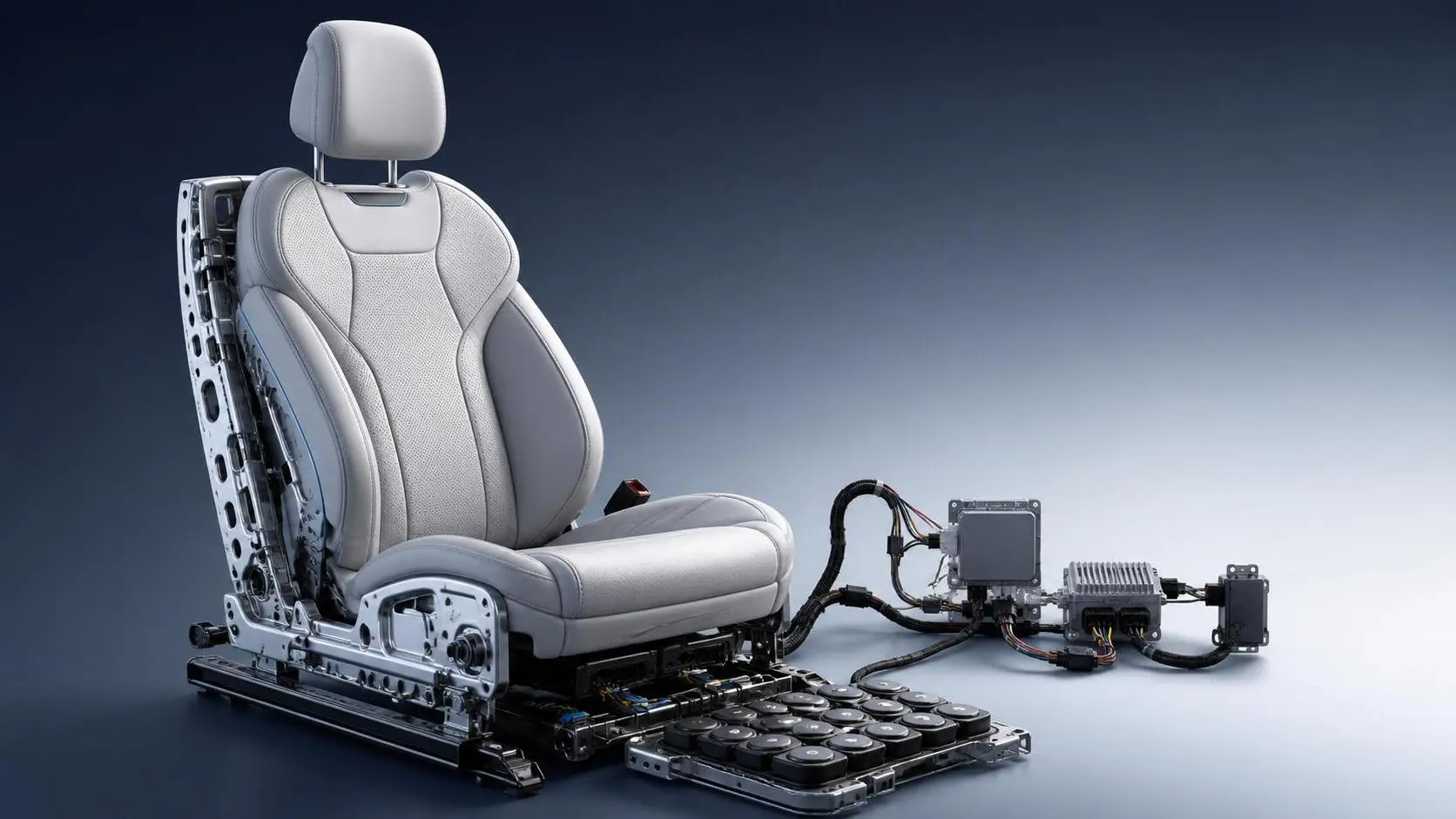
How to Evaluate Custom Smart Automotive Seating for Premium Vehicle Programs?
Custom smart automotive seating evaluation starts with safety, comfort, integration, and production readiness. Discover how premium vehicle teams choose smarter, lower-risk seat solutions.
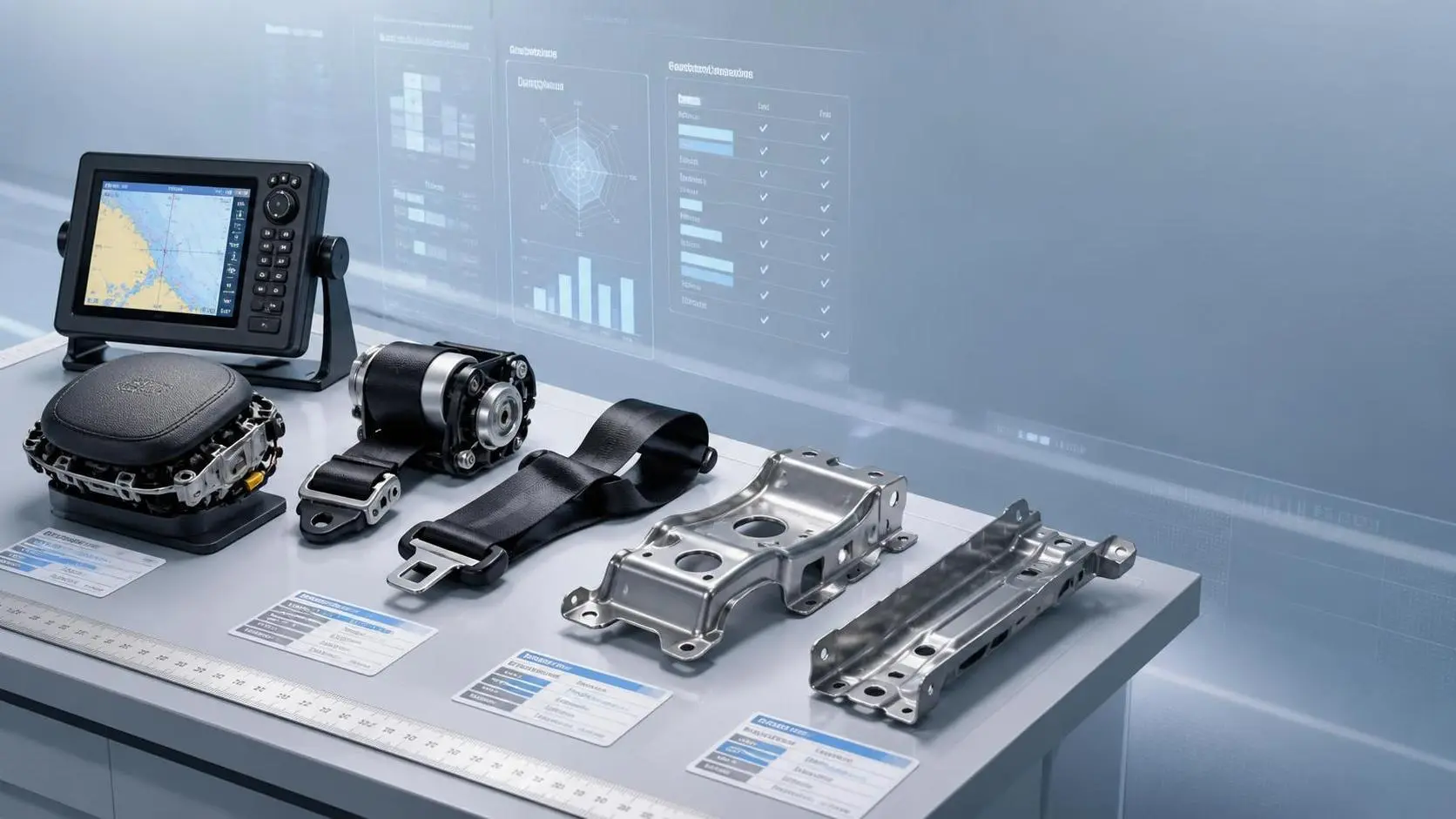
B2B Product Intelligence Platforms: How to Compare Features, Data Coverage, and ROI
B2B product intelligence platform comparison: learn how to evaluate data coverage, feature depth, compliance visibility, and ROI to choose a sourcing tool that reduces risk and speeds decisions.
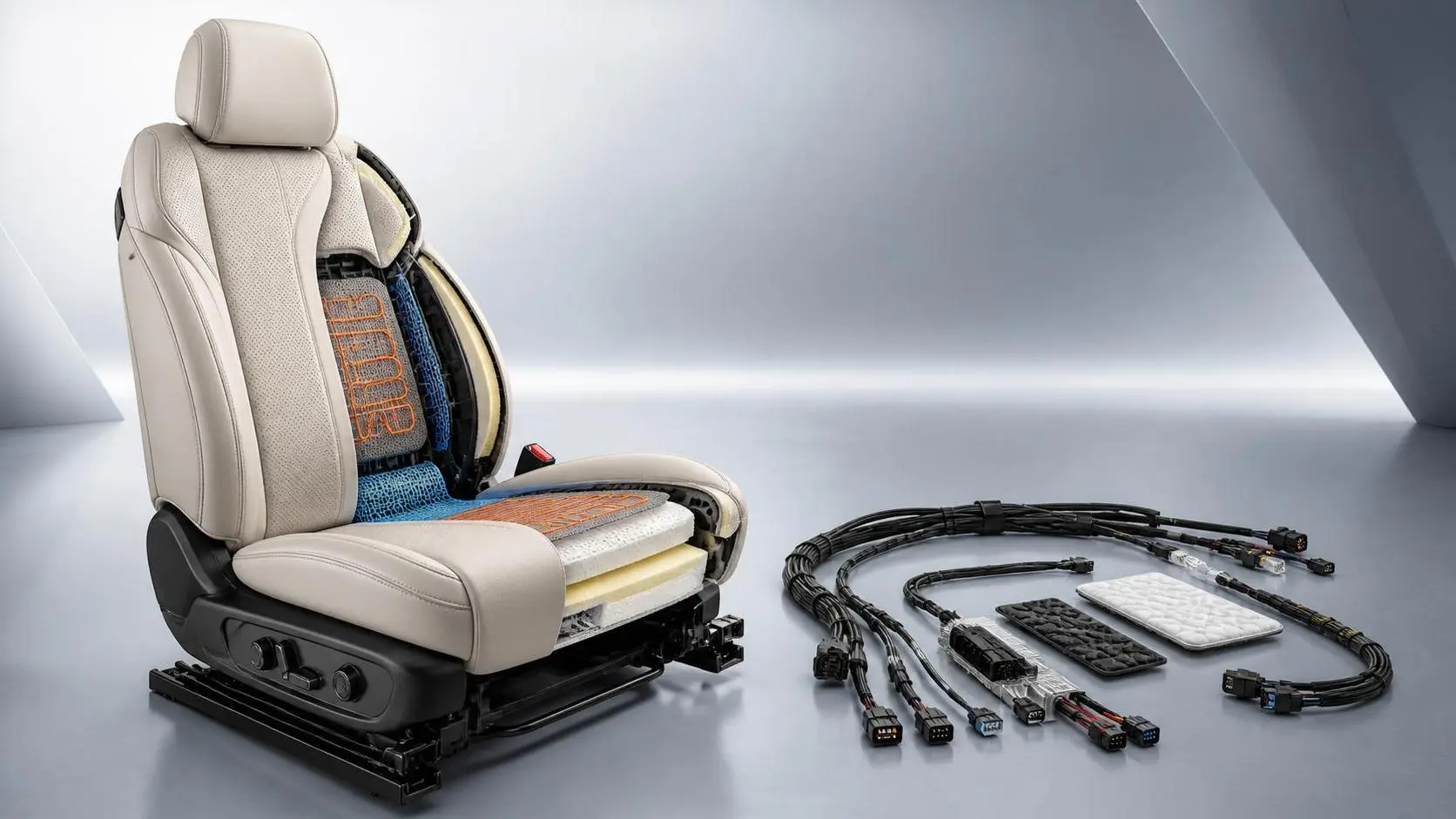
Climate Control Seats Cost: What Drives Price and Long-Term Ownership Value?
Climate control seats cost depends on materials, thermal tech, and integration. Learn what drives price and how to judge long-term value before you buy.
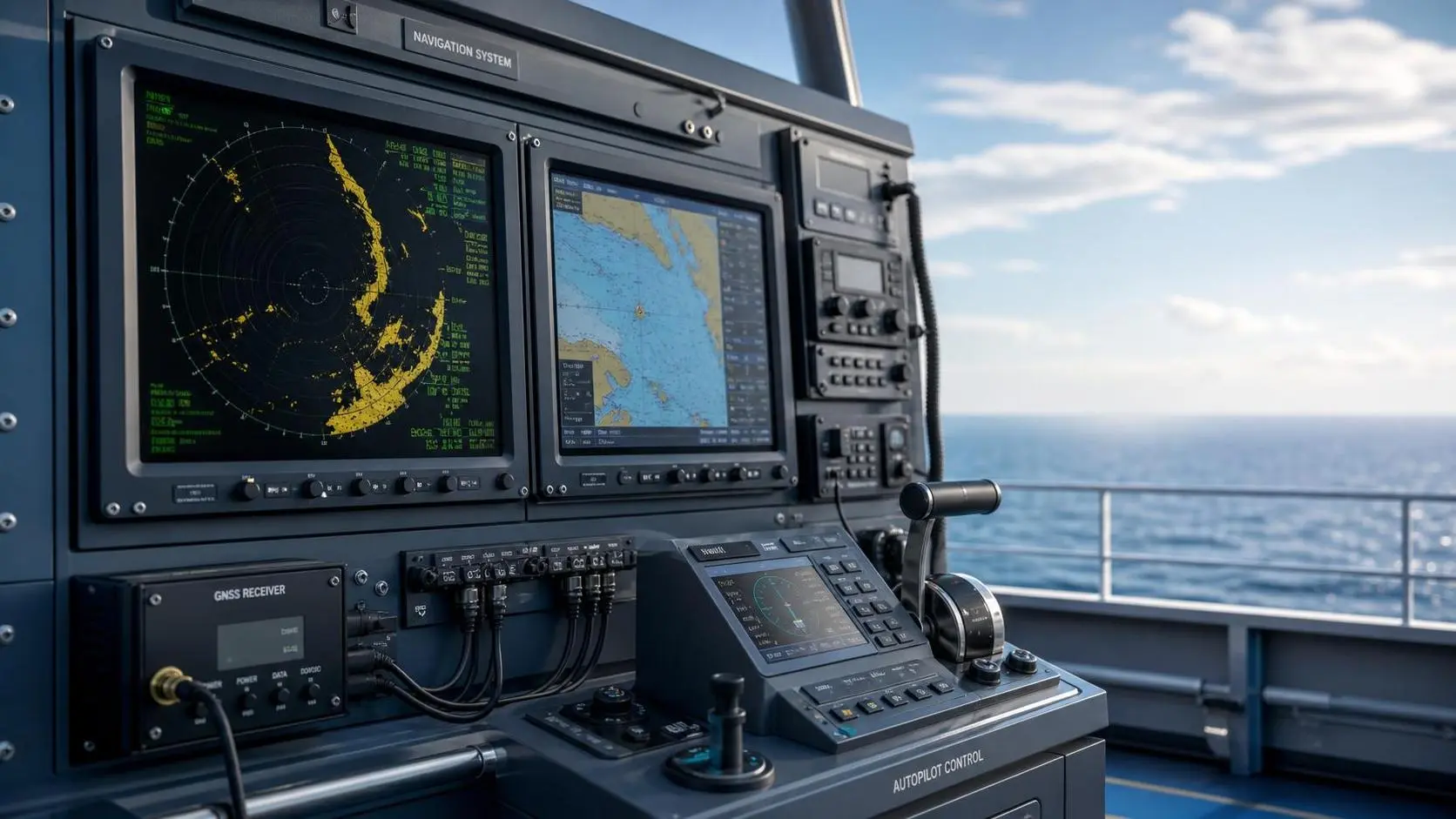
What Factors Drive Marine Navigation Components Cost in Commercial Vessel Projects?
Marine navigation components cost is shaped by integration, compliance, installation, and lifecycle support. Discover what drives pricing and how buyers can reduce risk while improving value.
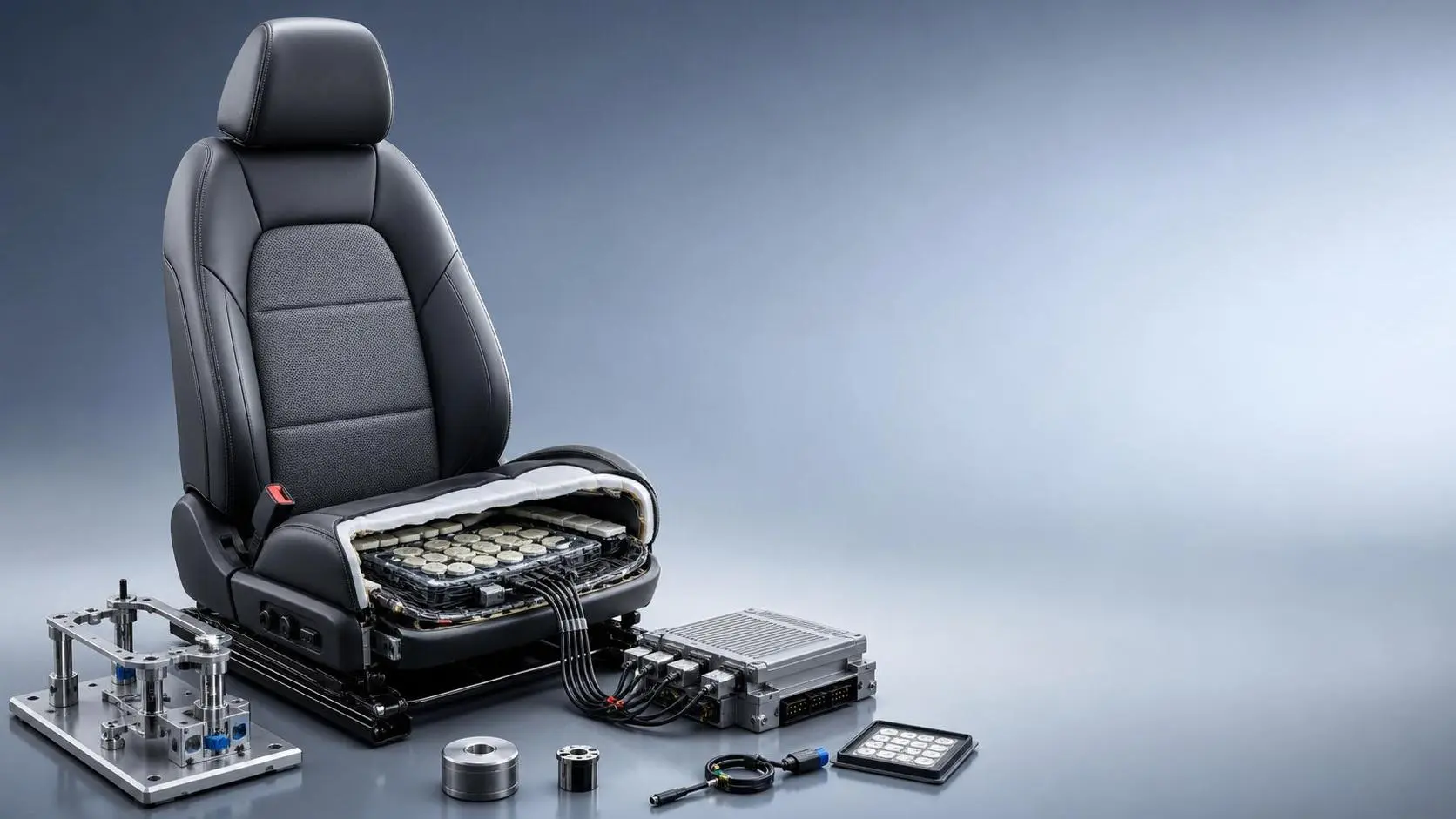
How Much Does Seat Occupancy Sensing Cost? Key Pricing Factors for Buyers
Seat occupancy sensing price varies widely by technology, integration, and compliance needs. Learn the key cost drivers, avoid hidden fees, and make smarter buying decisions.
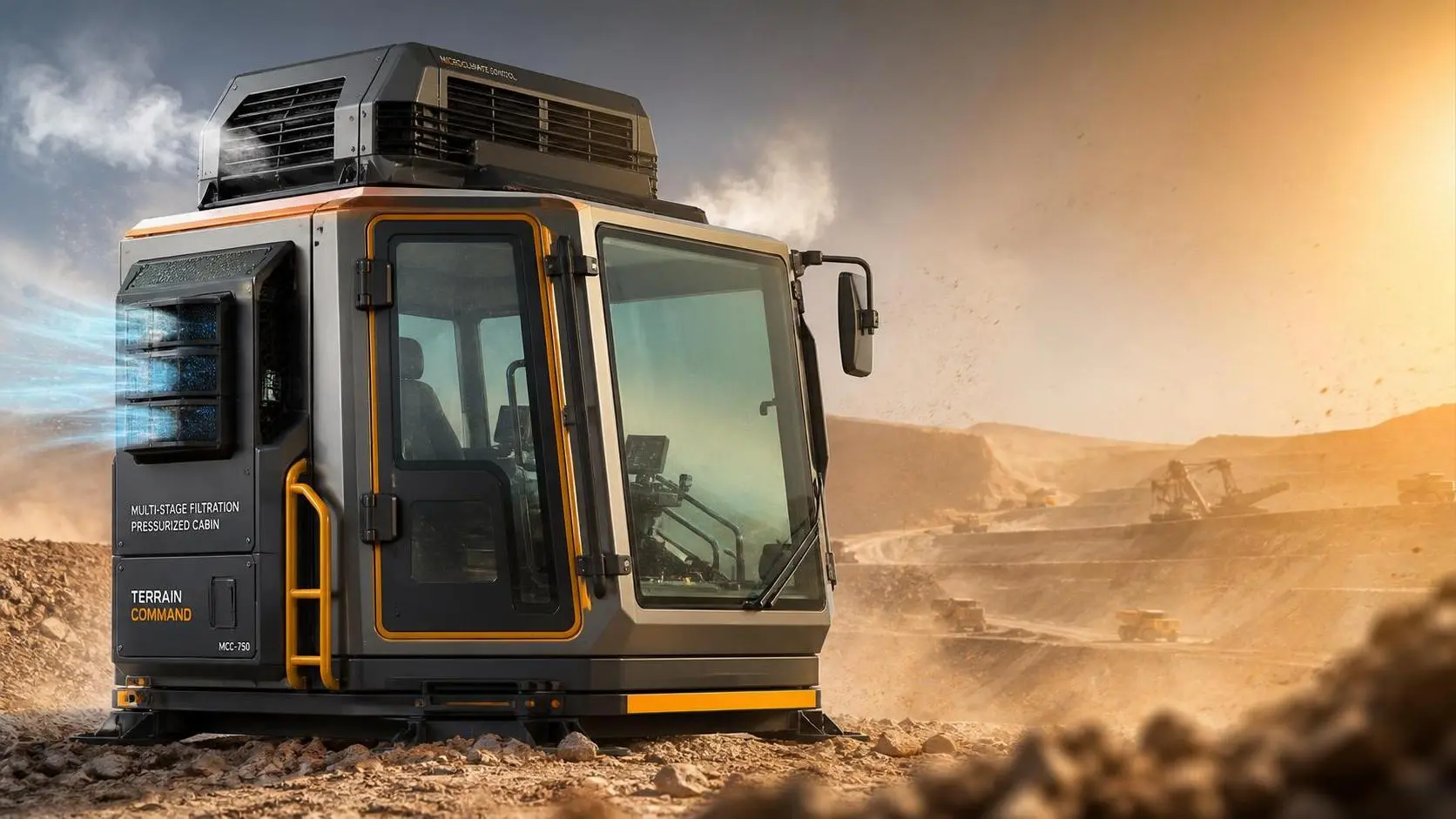
How to Specify Micro-Climate Control Cabins for Harsh Outdoor Worksites?
Micro-climate control cabins for harsh outdoor worksites: learn how to specify thermal control, filtration, pressurization, and durability for safer uptime and smarter buying.
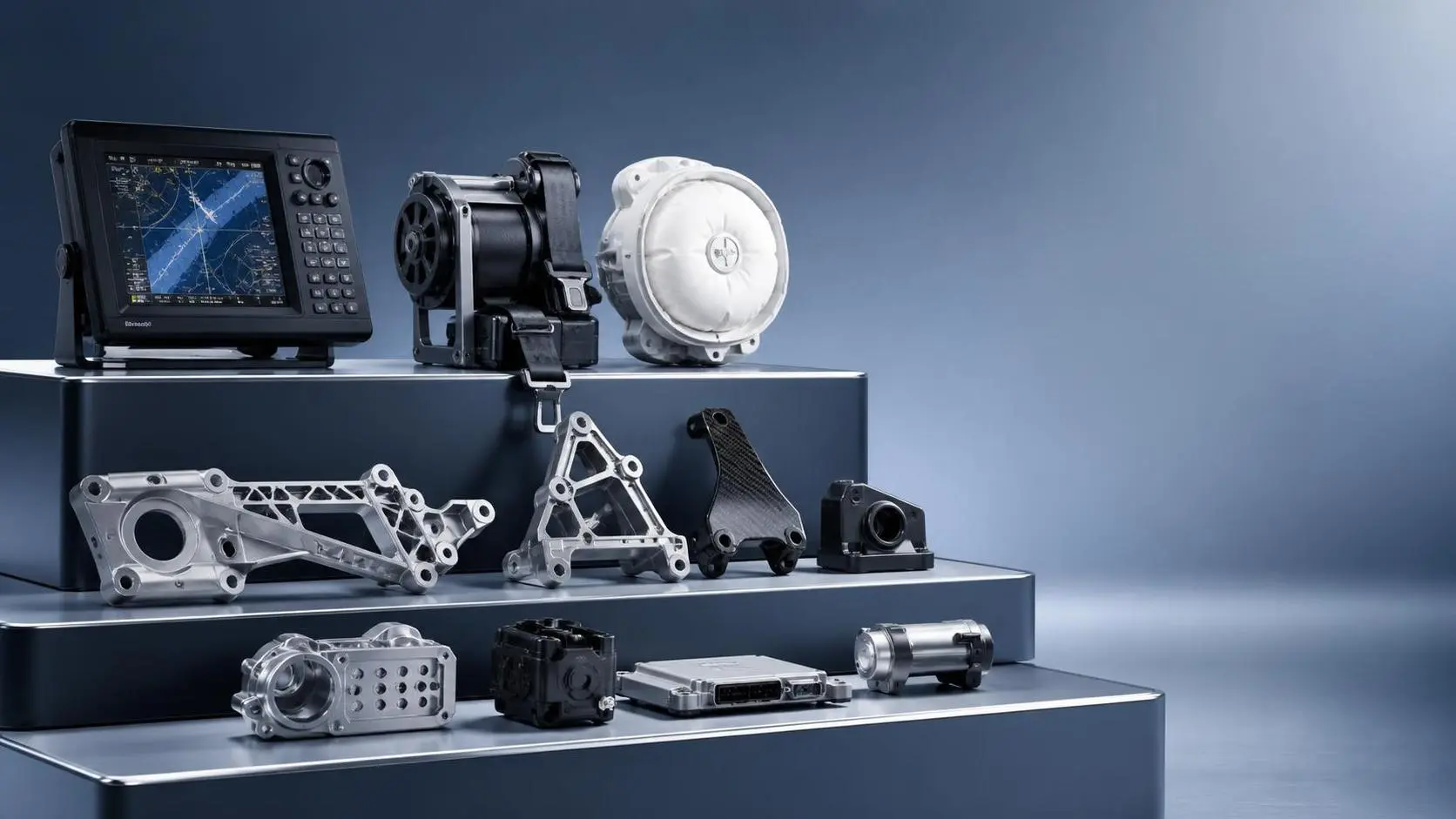
How to Evaluate a B2B Product Knowledge Platform for Faster Procurement Decisions
B2B product knowledge platform procurement starts with reducing decision risk. Learn how to compare specs, compliance, and supplier data to speed sourcing with confidence.
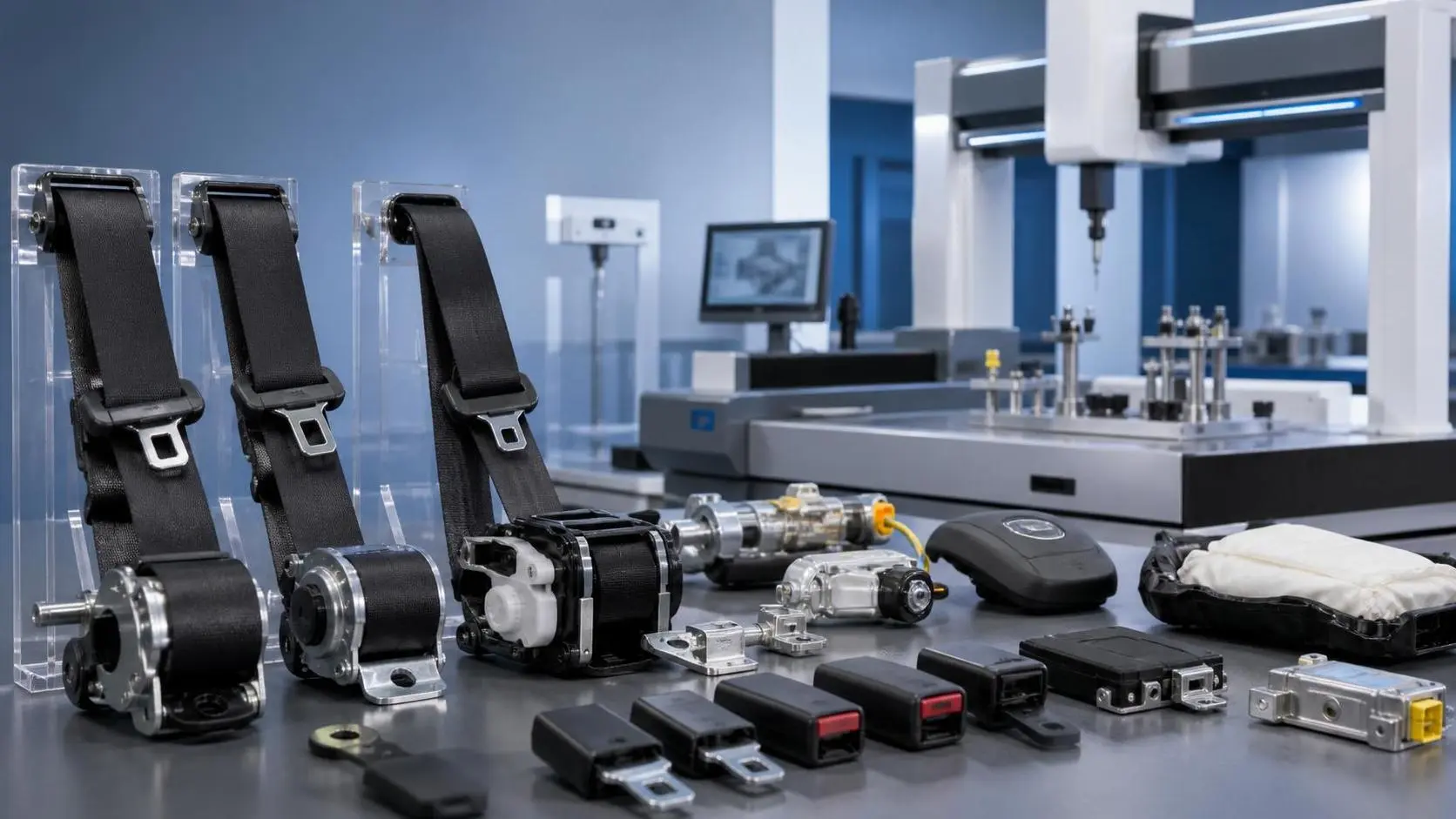
How to Evaluate an Occupant Restraint Systems Exporter for Quality, Compliance, and Supply Risk
Occupant restraint systems exporter evaluation guide: learn how to verify quality controls, compliance evidence, and supply risk before sourcing to avoid recalls, delays, and hidden costs.
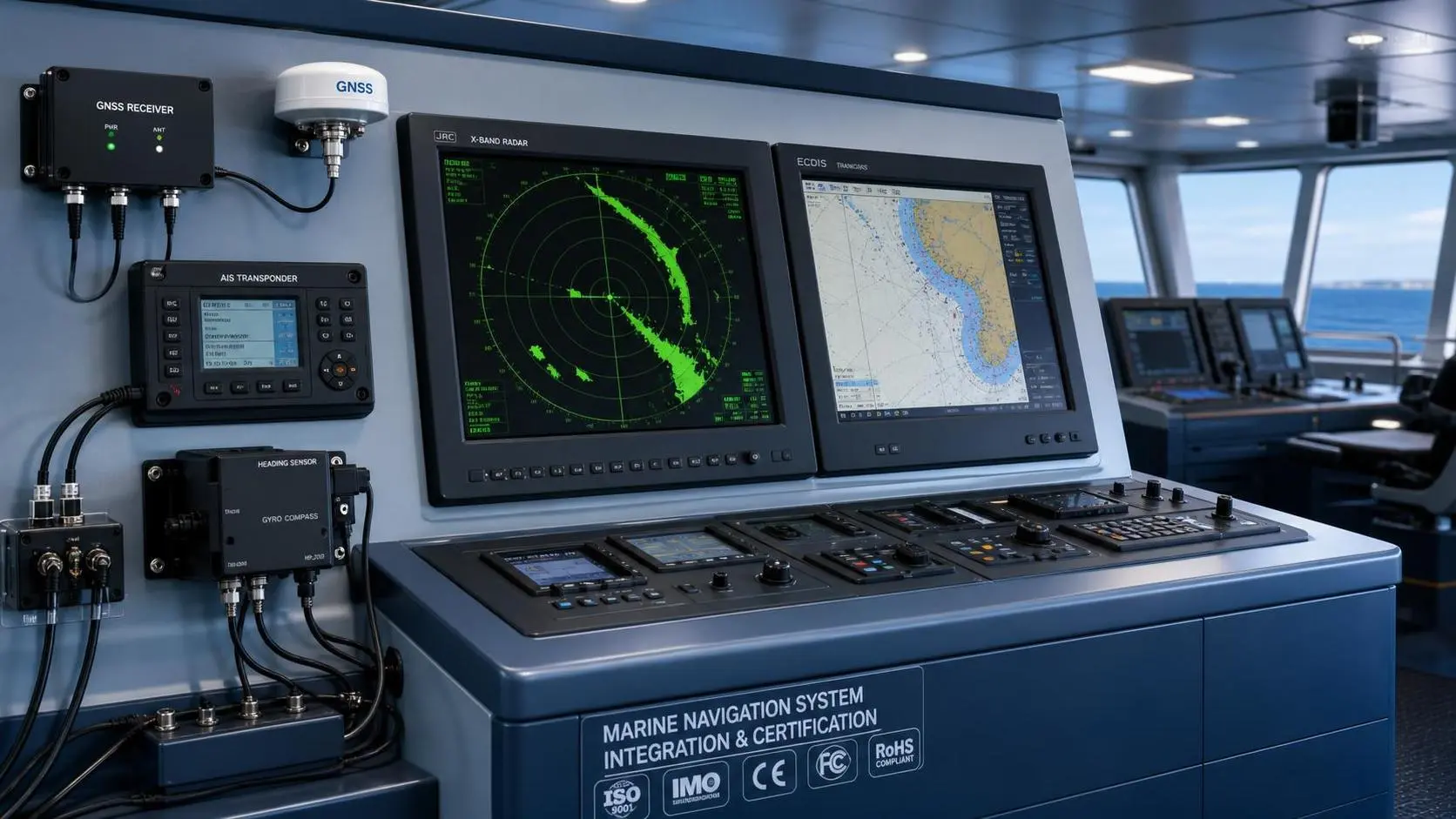
Navigation Compliance Certification: Which Marine Systems Need It and How to Prepare?
Navigation compliance certification explained: discover which marine systems need approval, what documents matter, and how to prepare early to avoid delays, rework, and costly project risks.
Related News
- 00
0000-00
How Do Seatbelt Systems with Pretensioner Improve Crash Protection? - 00
0000-00
How Seatbelt Technology for Buses Improves Passenger Safety and Meets Compliance Needs - 00
0000-00
How Buckle Pretensioner Systems Improve Occupant Restraint in Modern Vehicles - 00
0000-00
Integrated Seatbelt Systems vs Conventional Designs: Which Fits Your Vehicle Platform Better? - 00
0000-00
Seatbelt Components for Passenger Cars: Main Parts, Functions, and How They Work Together
Weekly Insights
Stay ahead with our curated technology reports delivered every Monday.