
Crash test standards differ more than many teams expect
Crash test standards vary far more across regions, protocols, and vehicle classes than many teams first assume.
That gap affects validation plans, tooling choices, restraint calibration, seat design, and launch timing.
In global mobility programs, a single platform may face different impact speeds, barrier types, occupant models, and scoring priorities.
For organizations tracking marine navigation, lightweight structures, airbags, seatbelts, and seating systems, these shifts matter beyond compliance alone.
They influence engineering credibility, supplier coordination, and the commercial value of safety-focused equipment intelligence.
Crash test standards are diverging faster than many validation roadmaps
The old assumption was simple.
Pass one major regulation, then adjust lightly for nearby markets.
Today, crash test standards no longer move in parallel.
Regulatory tests, consumer ratings, and insurance-driven protocols often reward different design decisions.
A structure optimized for one frontal offset test may underperform in small overlap evaluation.
A restraint system tuned for adults may lose points when rear-seat or far-side criteria tighten.
This is why crash test standards should be treated as a moving portfolio, not a single checklist.
The strongest trend signals come from protocol updates, not headline regulations alone
Many teams monitor formal legal requirements closely.
Yet the sharper disruption often starts elsewhere.
Consumer programs such as Euro NCAP and IIHS frequently change assessment methods sooner than statutory frameworks.
Those changes quickly reshape target setting across body structures, airbags, seatbelt systems, and seat-integrated sensors.
At the same time, battery-electric platforms introduce packaging differences that alter pulse management and occupant kinematics.
As a result, crash test standards now interact more directly with lightweighting, cabin architecture, and software-enabled safety functions.
Where the trend is most visible
- Frontal impact variants are expanding in geometry and scoring detail.
- Side impact assessments increasingly emphasize torso, pelvis, and far-side protection.
- Rear occupant protection is receiving more direct attention.
- Active safety and passive safety scores are becoming more interlinked.
- Post-crash considerations are gaining weight in overall safety narratives.
Why crash test standards keep separating across regions and vehicle categories
The divergence is not random.
It comes from several structural drivers acting at once.
The impact reaches far beyond the test lab
Different crash test standards do not only change final certification activities.
They push upstream into architecture, sourcing, simulation, and tooling release timing.
For hot-stamped body parts, load paths may require regional reinforcement strategies.
For airbag assemblies, inflator output and bag shape may need scenario-specific tuning.
For seatbelt systems, pretensioner logic and force limiters often become balancing points between ratings.
For seat assemblies, frame stiffness, anti-submarining geometry, and smart sensing can become decisive.
Even marine and cross-sector safety intelligence teams can learn from this pattern.
In every safety-critical sector, fragmented standards reward early signal detection and disciplined requirement stitching.
Typical business effects
- More prototype loops when regional targets are discovered too late.
- Higher tooling cost when body reinforcements are added after freeze points.
- Supplier friction when assumptions about crash test standards are inconsistent.
- Longer calibration cycles across airbags, belts, and seat controls.
- Commercial risk if ratings miss market expectations despite legal compliance.
What deserves the closest attention now
The most effective response starts with sharper prioritization.
Not every difference in crash test standards carries equal business weight.
- Track the distinction between legal approval tests and consumer rating protocols.
- Map test conditions by market, body style, and powertrain type.
- Review how lightweighting choices affect multi-mode crash robustness.
- Check whether seating and restraint suppliers use the same target matrix.
- Assess far-side, rear-seat, and small-overlap exposure separately.
- Include software-triggered sensing logic in passive safety reviews.
- Build timing margin for protocol updates that arrive mid-program.
This is where intelligence platforms add real value.
GNCS connects structural materials, cabin protection, and evolving compliance signals into one decision view.
That stitched perspective helps reduce blind spots between engineering data and market-facing safety expectations.
A practical way to respond to shifting crash test standards
A useful response model is simple, but disciplined.
- Create one unified matrix of all relevant crash test standards.
- Rank each requirement by market importance and redesign cost.
- Translate the matrix into body, restraint, and seat subsystem targets.
- Use simulation correlation gates before tool release commitments.
- Review updates quarterly, not only at launch milestones.
The next step is to treat safety intelligence as a strategic operating asset
Crash test standards will keep evolving.
The bigger risk is assuming they still evolve together.
Programs that monitor only final compliance may react too late.
Programs that connect regulation, ratings, structure, and cabin systems gain clearer choices earlier.
That is the practical advantage of integrated intelligence.
Use the next review cycle to audit assumptions, refresh the target matrix, and verify where crash test standards differ across current platforms.
A focused update now can prevent costly rework later and support stronger global safety positioning.
Related News
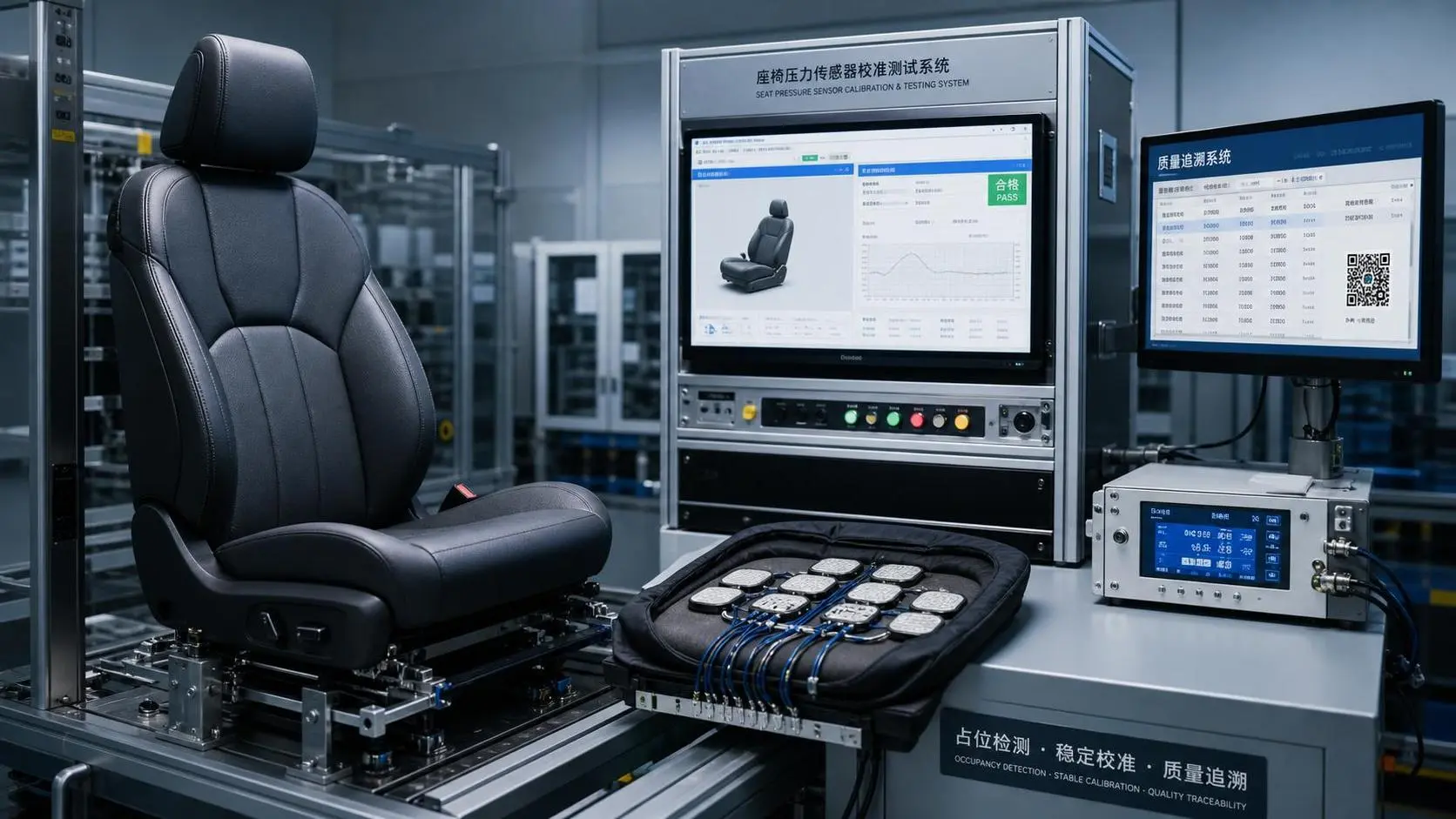
How to Evaluate a Seat Sensing Systems Factory for Automotive Safety Programs
Seat sensing systems factory selection goes beyond price. Learn how to assess quality control, validation, PPAP readiness, and long-term supply reliability for safer automotive programs.
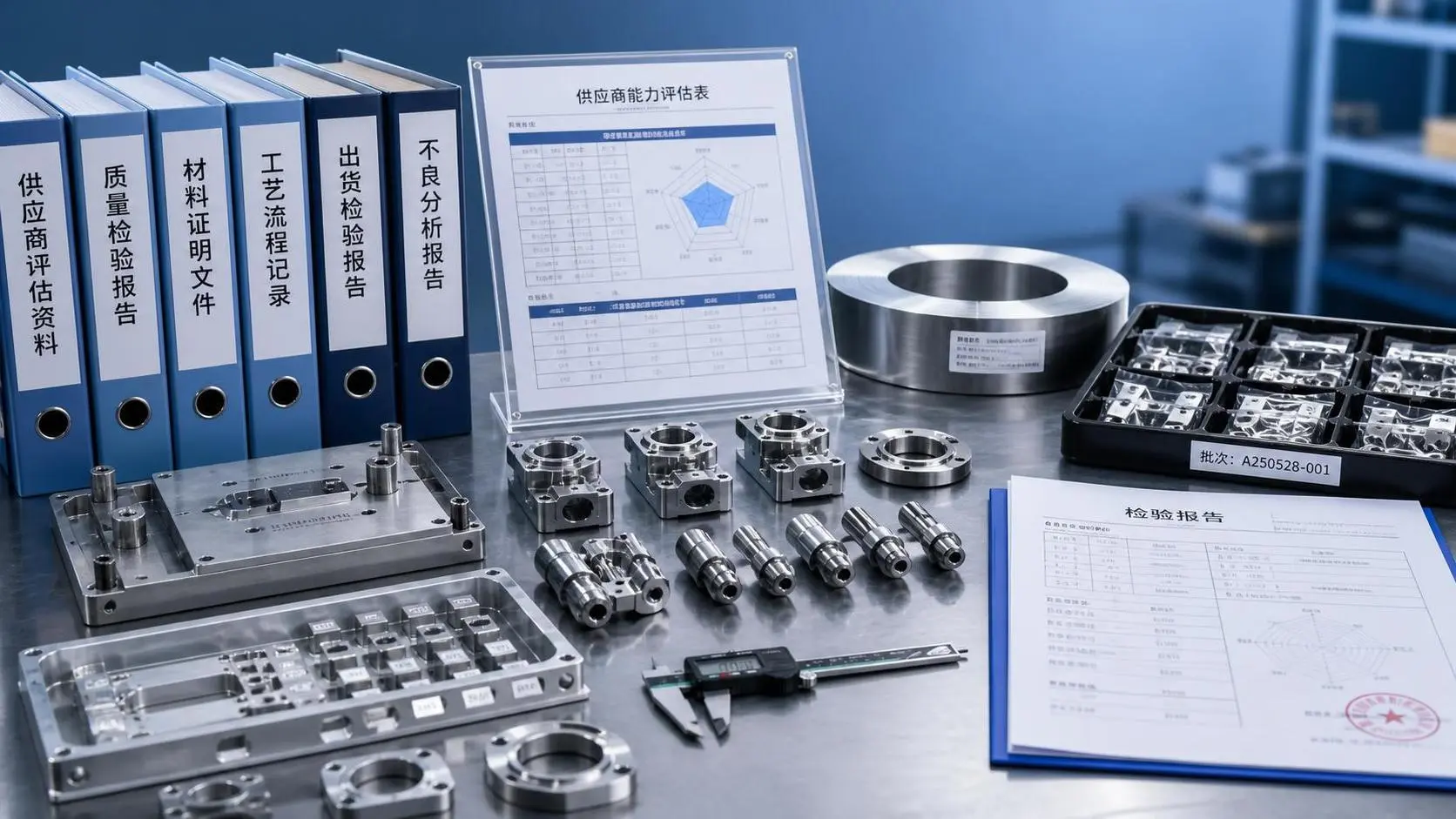
Supplier Capability Evaluation Process: Key Criteria for B2B Sourcing Decisions
Supplier capability evaluation process explained: learn the key criteria for B2B sourcing decisions, reduce supplier risk, and choose partners with confidence.
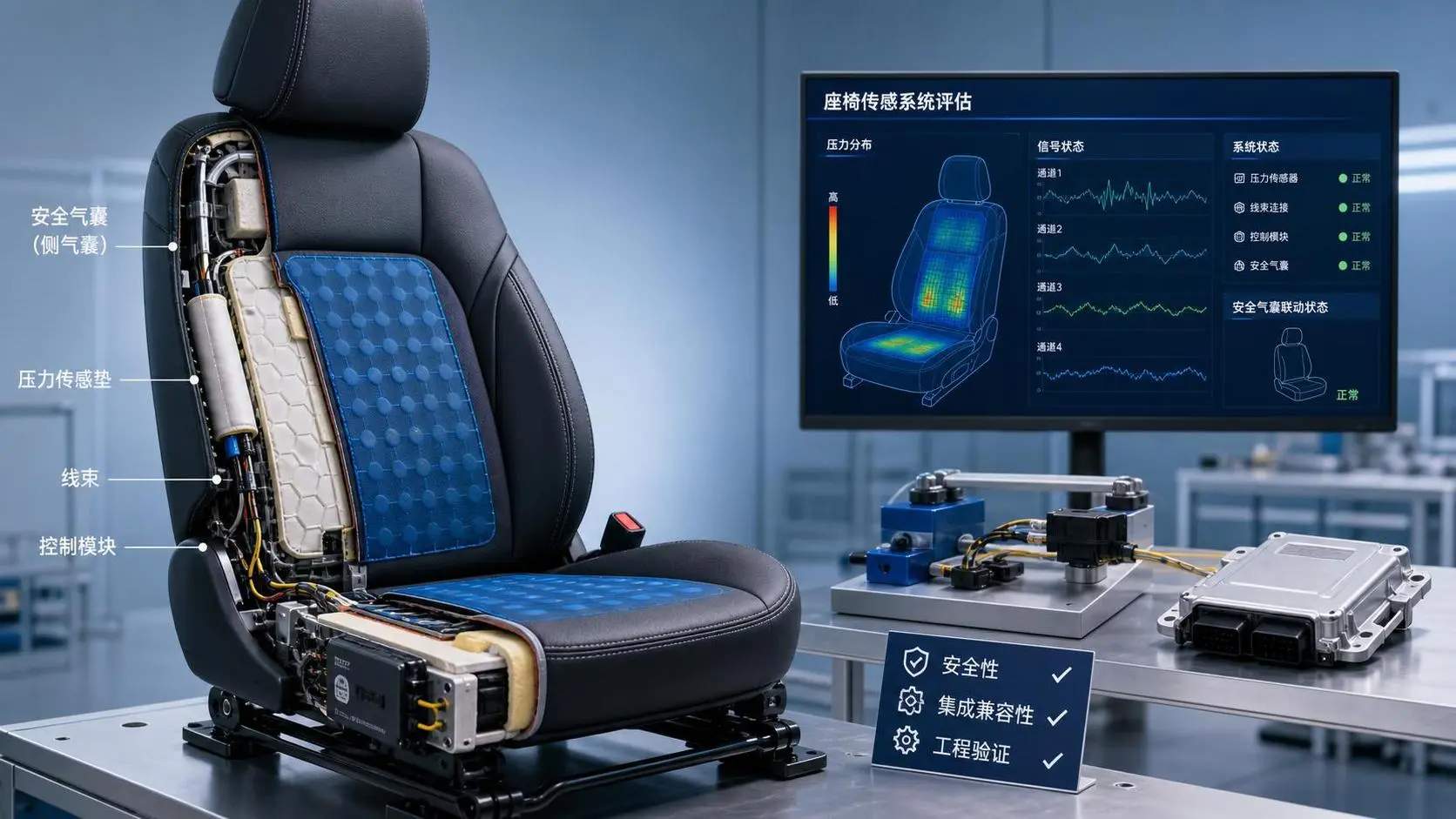
How to Evaluate a Seat Sensing Technology Supplier for Safety and Integration?
Seat sensing technology supplier evaluation guide: compare safety maturity, integration fit, algorithm reliability, and validation support to choose a partner that reduces risk.
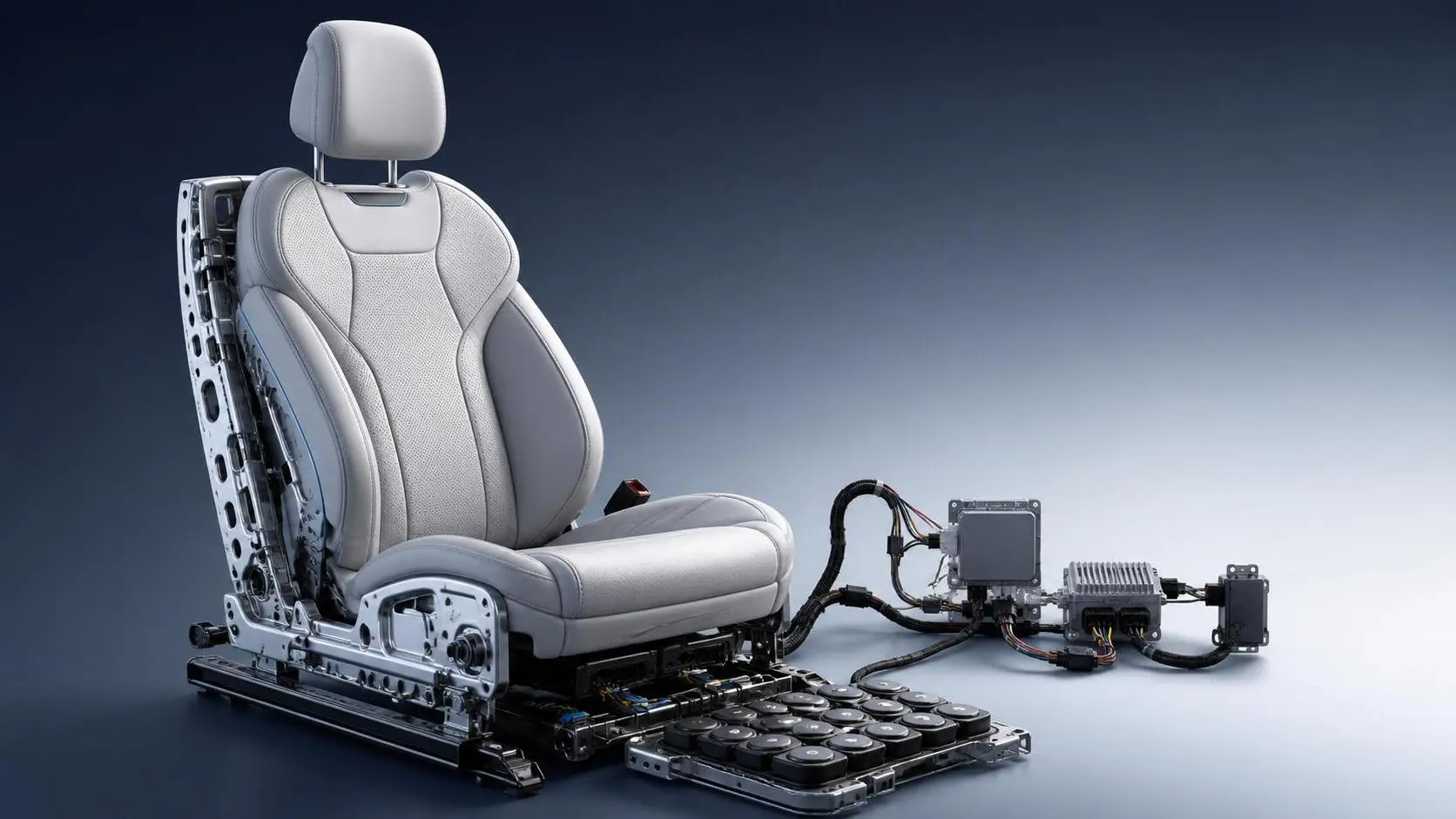
How to Evaluate Custom Smart Automotive Seating for Premium Vehicle Programs?
Custom smart automotive seating evaluation starts with safety, comfort, integration, and production readiness. Discover how premium vehicle teams choose smarter, lower-risk seat solutions.
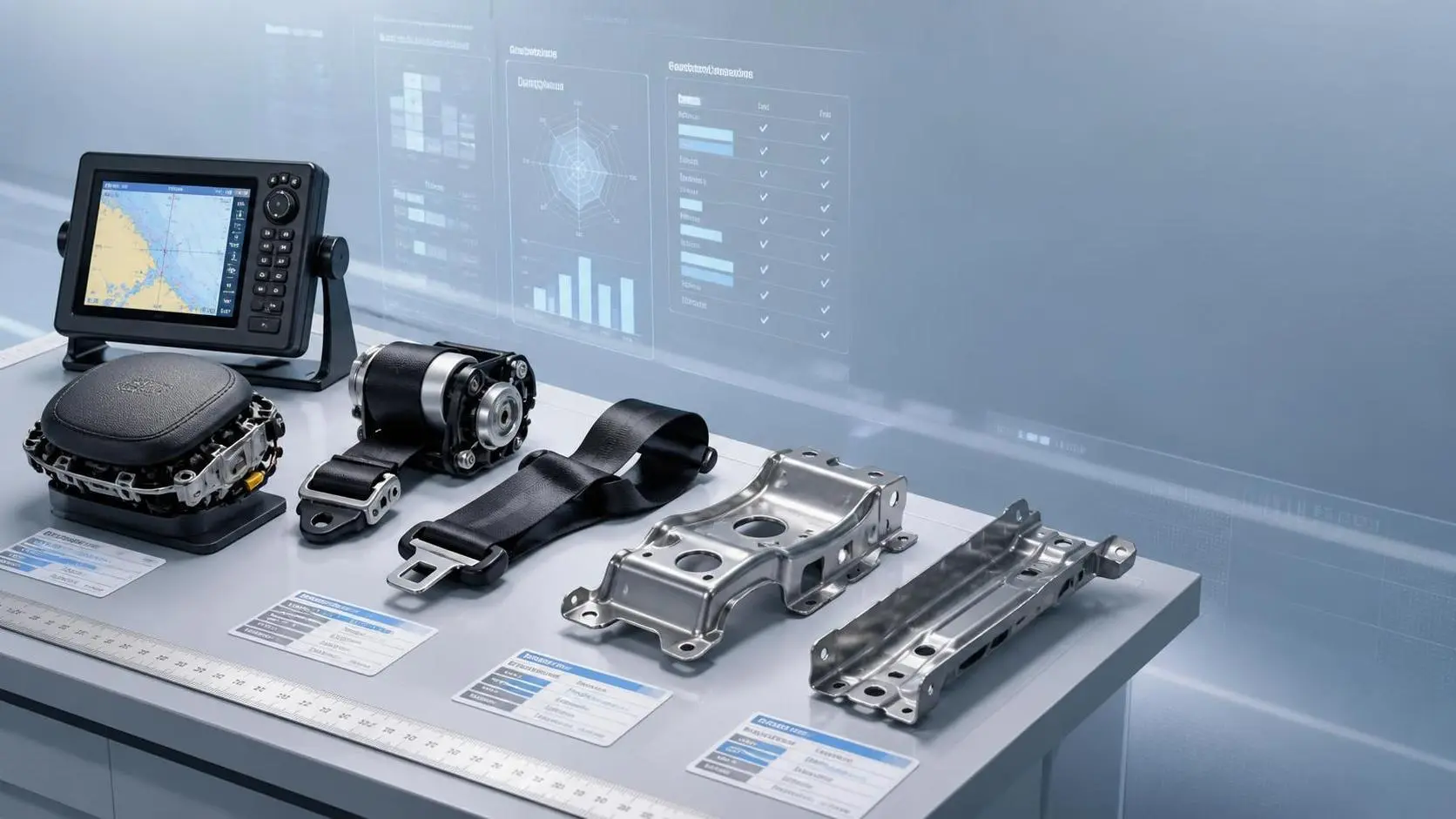
B2B Product Intelligence Platforms: How to Compare Features, Data Coverage, and ROI
B2B product intelligence platform comparison: learn how to evaluate data coverage, feature depth, compliance visibility, and ROI to choose a sourcing tool that reduces risk and speeds decisions.
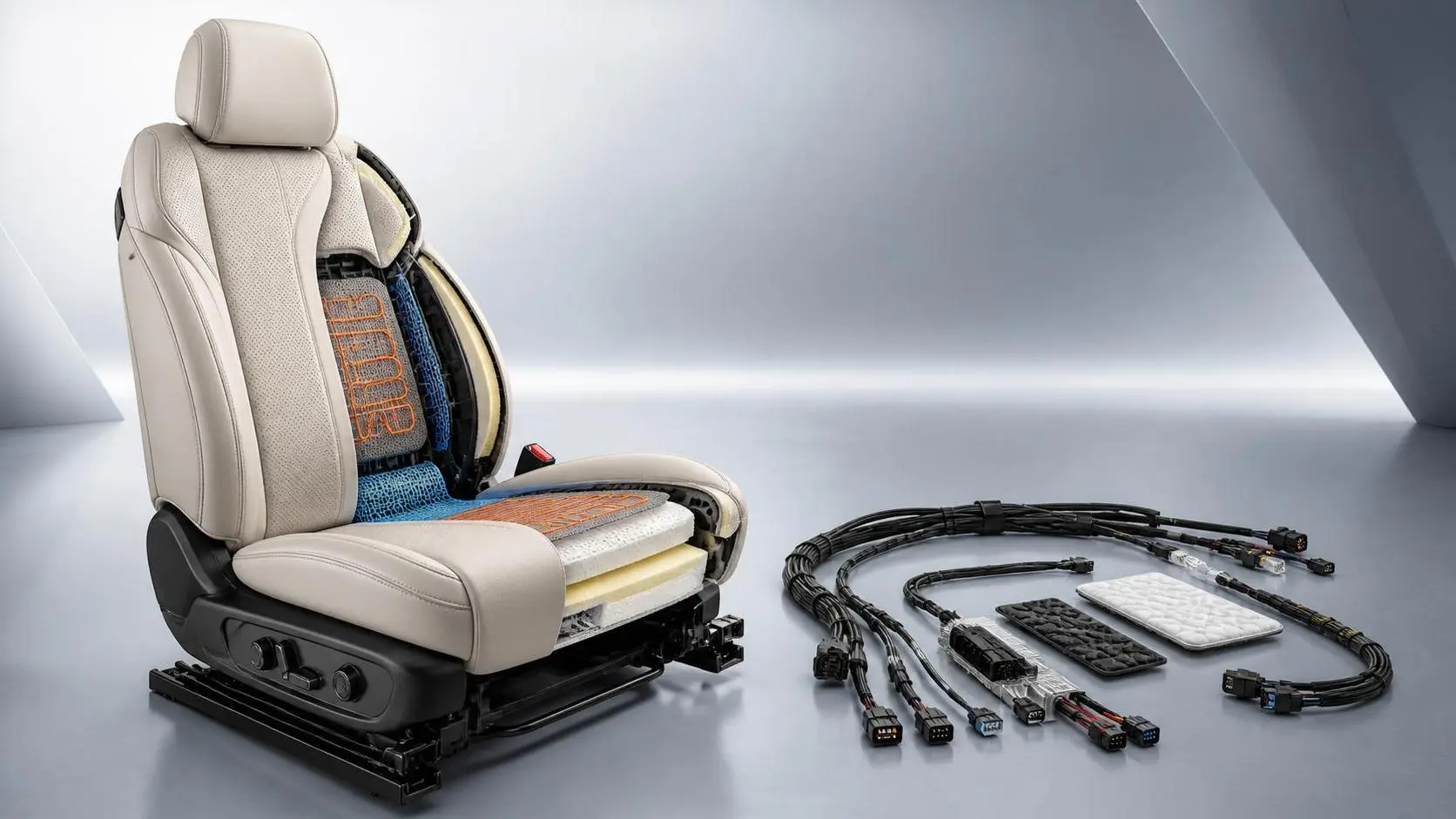
Climate Control Seats Cost: What Drives Price and Long-Term Ownership Value?
Climate control seats cost depends on materials, thermal tech, and integration. Learn what drives price and how to judge long-term value before you buy.
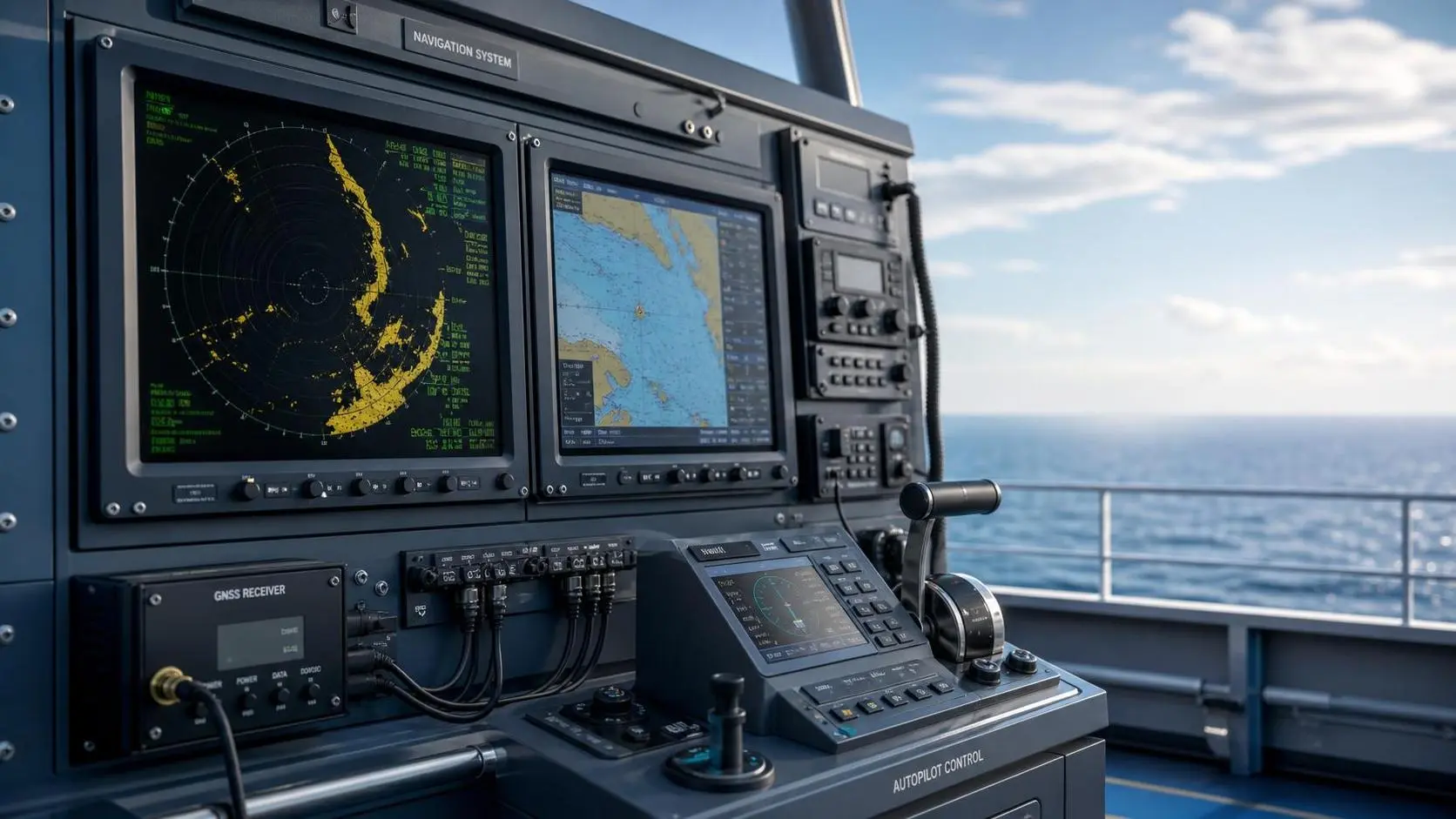
What Factors Drive Marine Navigation Components Cost in Commercial Vessel Projects?
Marine navigation components cost is shaped by integration, compliance, installation, and lifecycle support. Discover what drives pricing and how buyers can reduce risk while improving value.

How Much Does Seat Occupancy Sensing Cost? Key Pricing Factors for Buyers
Seat occupancy sensing price varies widely by technology, integration, and compliance needs. Learn the key cost drivers, avoid hidden fees, and make smarter buying decisions.

How to Specify Micro-Climate Control Cabins for Harsh Outdoor Worksites?
Micro-climate control cabins for harsh outdoor worksites: learn how to specify thermal control, filtration, pressurization, and durability for safer uptime and smarter buying.
Related News
- 00
0000-00
Supplier Capability Evaluation Process: Key Criteria for B2B Sourcing Decisions - 00
0000-00
How to Evaluate a Seat Sensing Technology Supplier for Safety and Integration? - 00
0000-00
B2B Product Intelligence Platforms: How to Compare Features, Data Coverage, and ROI - 00
0000-00
What Factors Drive Marine Navigation Components Cost in Commercial Vessel Projects? - 00
0000-00
How Much Does Seat Occupancy Sensing Cost? Key Pricing Factors for Buyers
Weekly Insights
Stay ahead with our curated technology reports delivered every Monday.