
How to compare marine safety equipment before you buy
Before investing in marine safety equipment, a simple price comparison is not enough. Effective buying decisions require a structured review of compliance, technical fit, reliability, maintenance burden, and total lifecycle value. When marine safety equipment is evaluated through a clear checklist, it becomes easier to reduce operating risk, support safe navigation, and avoid costly replacement or non-compliance later.
Why a checklist matters when comparing marine safety equipment
Marine systems operate in vibration, salt spray, humidity, electromagnetic noise, and severe weather. Under those conditions, weak components fail faster, and poor documentation creates avoidable safety gaps.
A checklist also improves consistency. It helps compare different brands of marine safety equipment using the same criteria, rather than relying on marketing claims or one-time discounts.
For vessels integrating navigation, alerting, communication, and onboard safety devices, comparison should include both standalone performance and system compatibility. This is especially important in fleets adopting smarter bridge and cabin technologies.
Core checklist for comparing marine safety equipment before purchase
- Verify regulatory compliance against SOLAS, IMO guidance, flag-state rules, and relevant classification standards before reviewing optional features or delivery promises.
- Check environmental durability ratings for salt fog, water ingress, vibration, shock, UV exposure, and temperature range in the actual operating profile.
- Confirm test evidence, certification records, and traceable quality documentation rather than accepting general statements about safety or marine-grade construction.
- Compare functional performance under realistic conditions, including detection range, alarm clarity, response speed, positional accuracy, and signal stability.
- Review integration requirements with bridge electronics, power supply, antenna systems, alarms, data networks, and existing vessel monitoring architecture.
- Assess maintenance needs, calibration intervals, software update procedures, spare parts access, and whether onboard service can be completed without extended downtime.
- Examine usability, including display readability, control logic, multilingual labeling, alert prioritization, and training effort for safe daily operation.
- Calculate lifecycle cost by combining purchase price, installation complexity, inspection frequency, consumables, repairs, training, and expected service life.
- Request field references from comparable vessel types to validate long-term reliability of the marine safety equipment in similar sea states and routes.
- Check supplier responsiveness, technical support depth, documentation quality, and update commitment because support quality often determines real operational value.
What to compare in the most important categories
Navigation and awareness systems
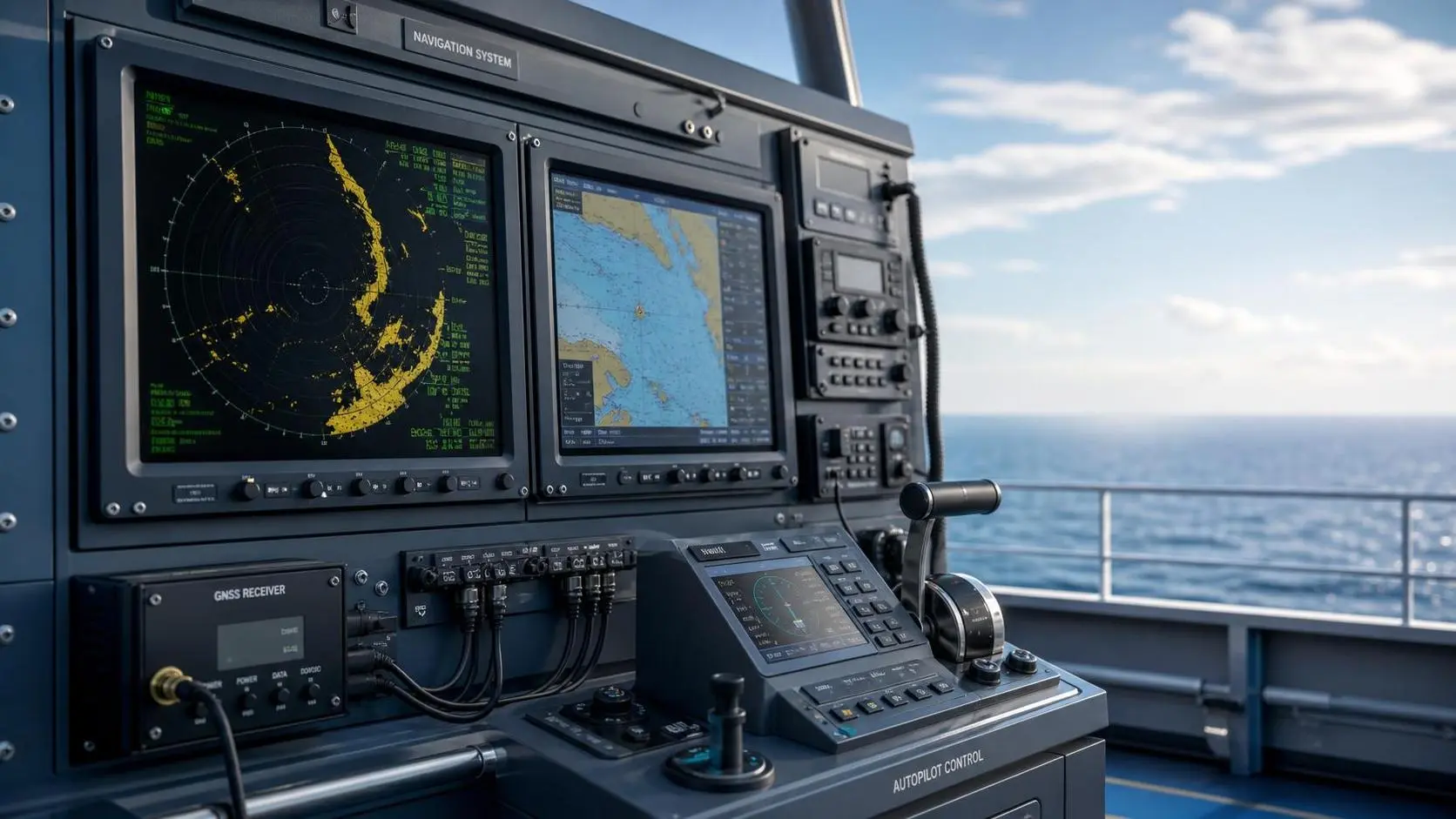
For radar, AIS, sonar, GNSS, and ECDIS-linked devices, compare precision first. Accuracy on paper means little if signal filtering, target separation, or screen interpretation is weak at sea.
Look at interface compatibility and update policy. Marine safety equipment in this category should exchange clean data with other bridge systems and support secure software maintenance.
Emergency and lifesaving equipment
For EPIRBs, SARTs, life rafts, life jackets, flares, and fire safety devices, compare activation reliability, storage requirements, shelf life, and inspection intervals.
Do not treat emergency gear as a commodity. Infrequently used marine safety equipment must still perform instantly after long exposure to humidity, shock, and aging.
Cabin and passive safety systems
For high-speed craft, patrol vessels, or advanced marine cabins, compare seats, restraints, impact-absorbing structures, and smart alert systems as part of one protection chain.
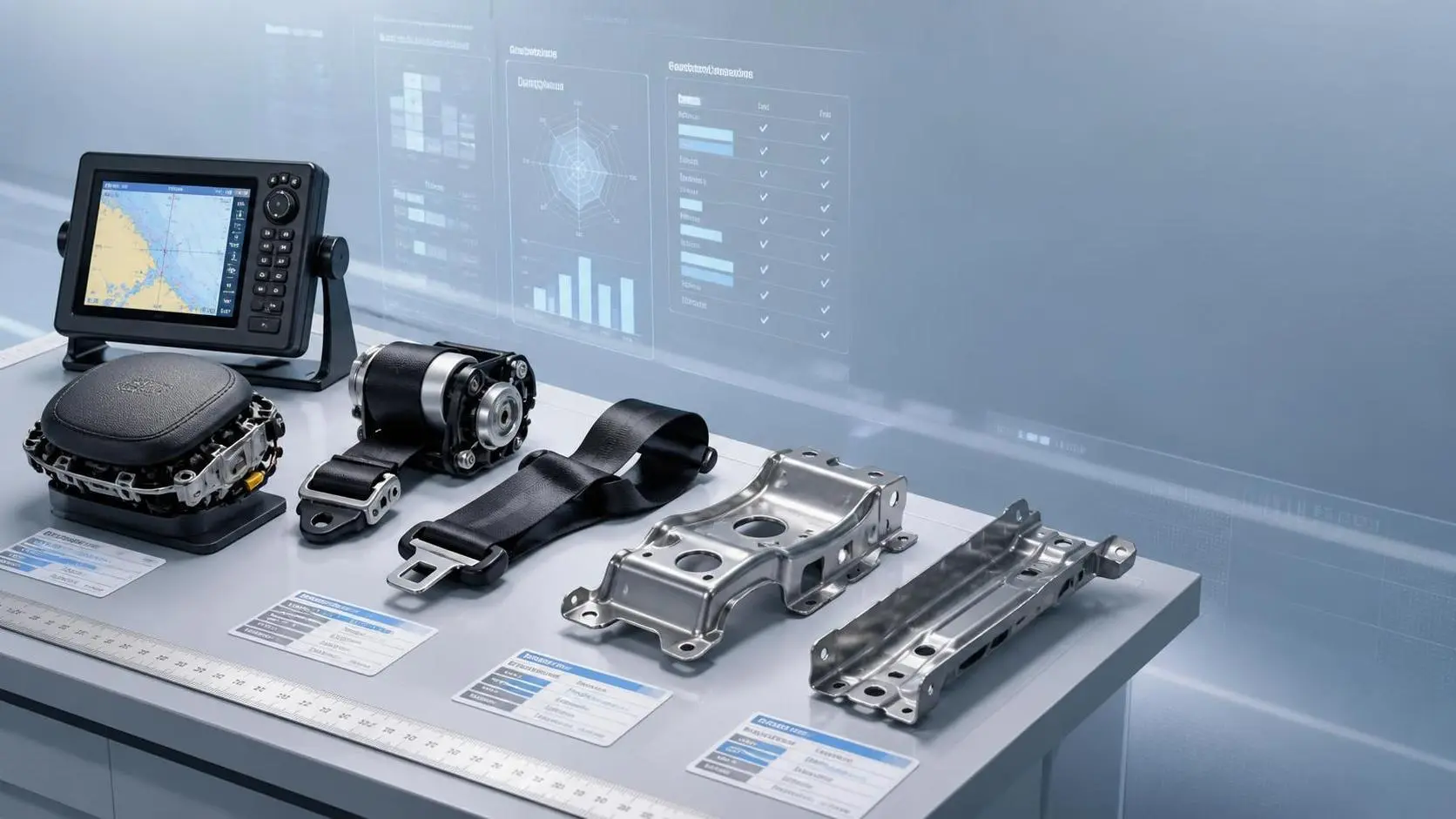
GNCS closely tracks how physical containment protection and precision perception intersect. That perspective helps when marine safety equipment must support both survivability and operational awareness.
How comparison changes by application scenario
Ocean-going commercial vessels
Long routes raise the importance of reliability, spare parts availability, and remote support. Marine safety equipment should be selected for uptime across multiple ports and changing regulatory inspections.
Power stability, bridge integration, and corrosion resistance matter more than cosmetic design. Documentation must also satisfy auditors and class survey expectations.
Coastal, passenger, and service craft
Frequent boarding cycles increase wear on restraints, seating, alarms, and lifesaving gear. In this scenario, compare cleaning resistance, fast inspection routines, and clear user interfaces.
Compact installation space may force trade-offs. Marine safety equipment should fit without obstructing movement, visibility, or emergency access paths.
High-speed or specialized vessels
Shock loads, rapid maneuvering, and mission intensity demand tougher evaluation. Compare mounting strength, energy absorption, sensor stability, and operator retention performance.
This is where cross-industry knowledge becomes useful. Lessons from passive automotive safety and smart seating can improve marine safety equipment selection in demanding cabins.
Commonly overlooked risks during marine safety equipment evaluation
Ignoring installation complexity can erase apparent savings. Cabling changes, bracket redesign, software integration, and commissioning time may raise the real project cost significantly.
Overlooking false alarm behavior creates fatigue and weakens trust. Poorly tuned marine safety equipment may be technically compliant yet operationally disruptive.
Failing to check update governance is another major issue. Connected equipment needs secure firmware control, version traceability, and documented rollback procedures.
Assuming all certified products perform equally is risky. Certification is a baseline, not proof of equal durability, service support, or ease of integration.
Neglecting human factors can reduce safety. Displays that wash out in sunlight or controls that confuse operators can compromise even advanced marine safety equipment.
Practical steps for a stronger buying decision
- Build a comparison sheet with weighted criteria for compliance, performance, integration, maintenance, and lifecycle cost.
- Ask for test reports, service manuals, update procedures, and parts availability before approving final selection.
- Use vessel-specific operating conditions to score each marine safety equipment option, not generic brochure claims.
- Run a technical review of power, mounting, network interfaces, and alarm logic before issuing any purchase commitment.
- Document acceptance criteria for installation, commissioning, crew training, and support response times in writing.
Conclusion and next action
The best marine safety equipment is not simply the lowest-cost or highest-specification option. It is the solution that meets compliance, performs reliably in harsh marine conditions, integrates cleanly, and remains supportable through its full service life.
Use a checklist-driven comparison, validate evidence carefully, and score every option against real operating demands. That approach leads to better safety outcomes, stronger lifecycle value, and more confident investment decisions.
For organizations tracking navigation intelligence, cabin protection, and safety technology convergence, GNCS offers a valuable lens for understanding how marine safety equipment should be evaluated in a more connected mobility landscape.
Related News
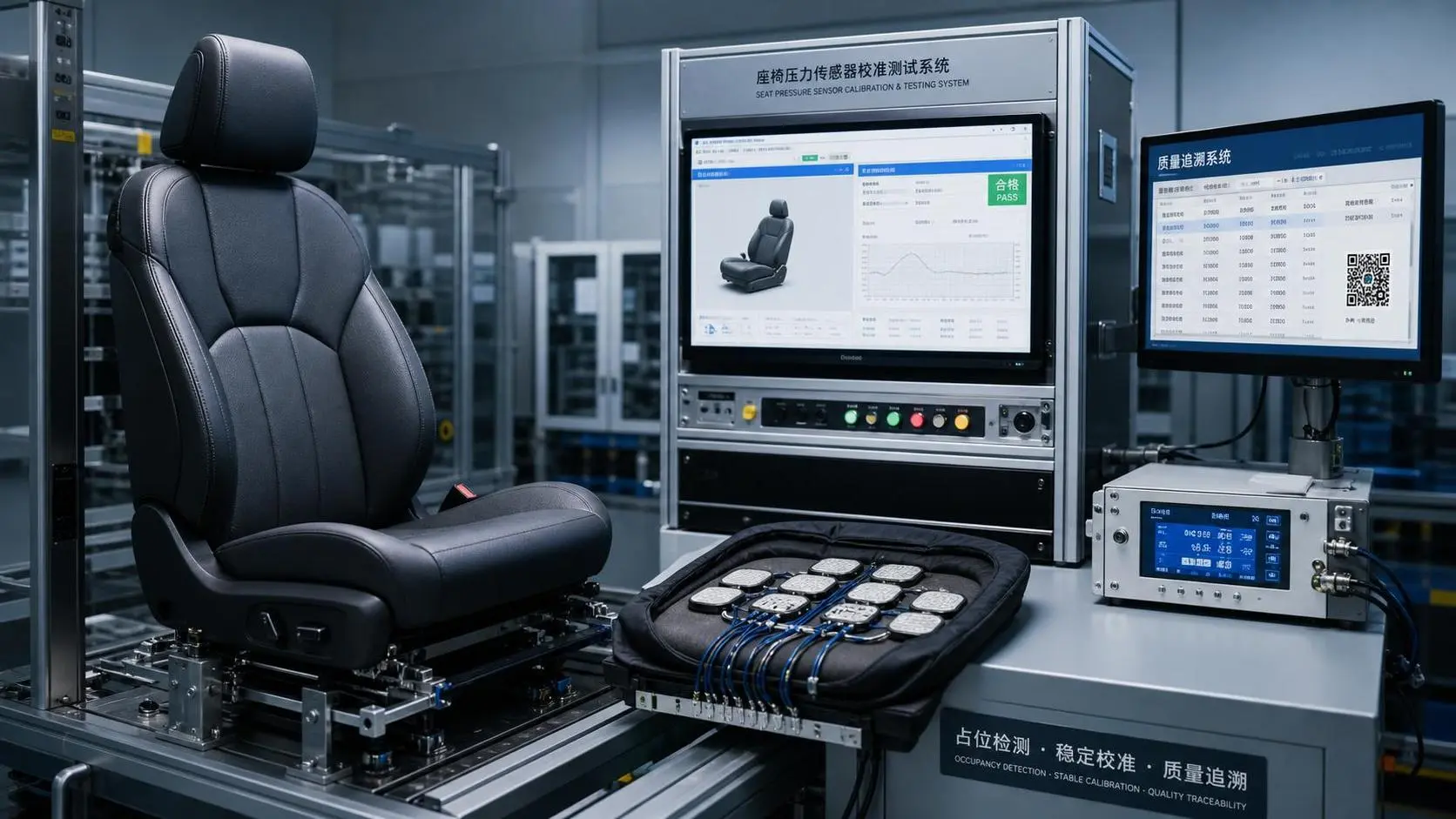
How to Evaluate a Seat Sensing Systems Factory for Automotive Safety Programs
Seat sensing systems factory selection goes beyond price. Learn how to assess quality control, validation, PPAP readiness, and long-term supply reliability for safer automotive programs.
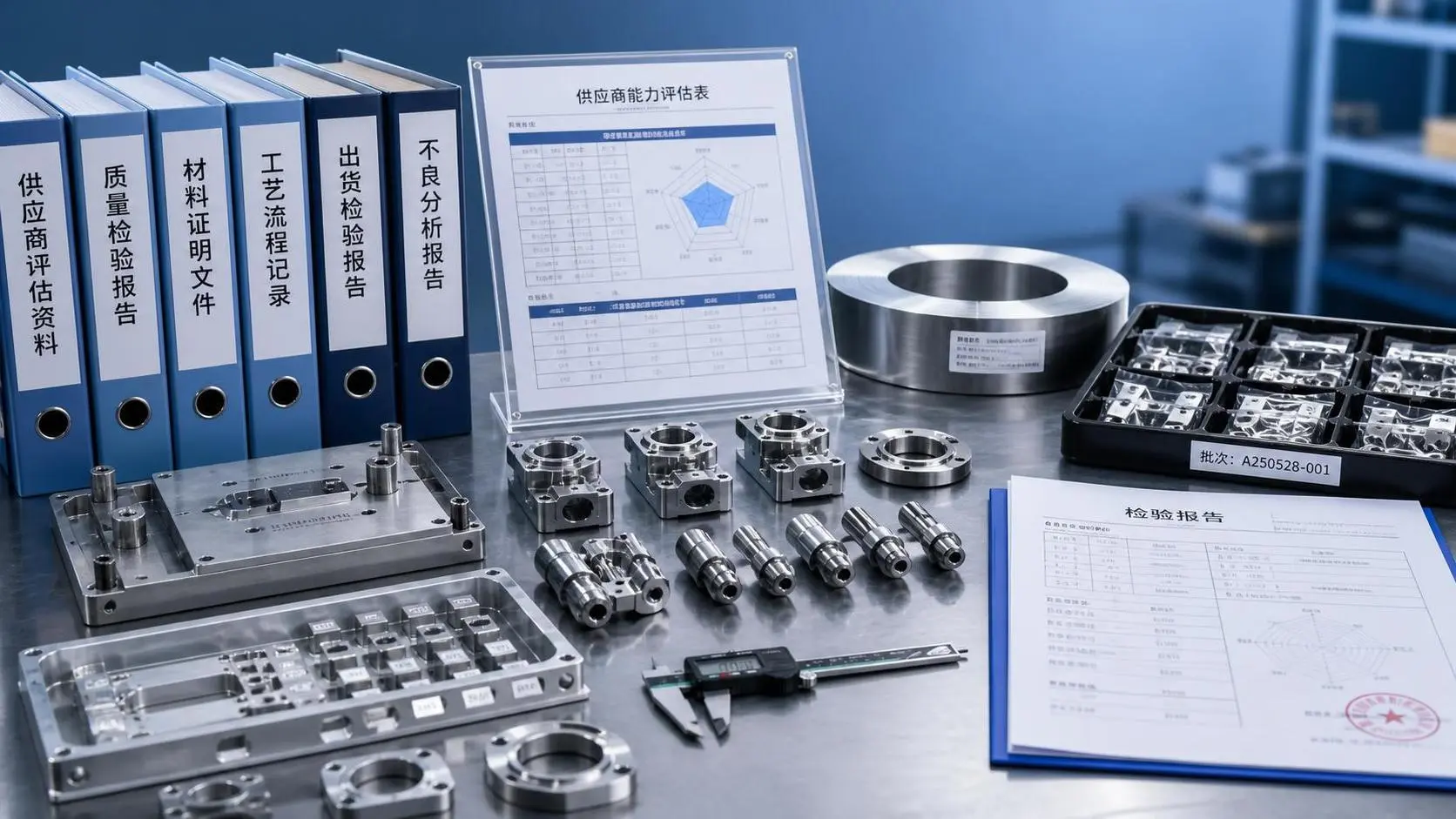
Supplier Capability Evaluation Process: Key Criteria for B2B Sourcing Decisions
Supplier capability evaluation process explained: learn the key criteria for B2B sourcing decisions, reduce supplier risk, and choose partners with confidence.
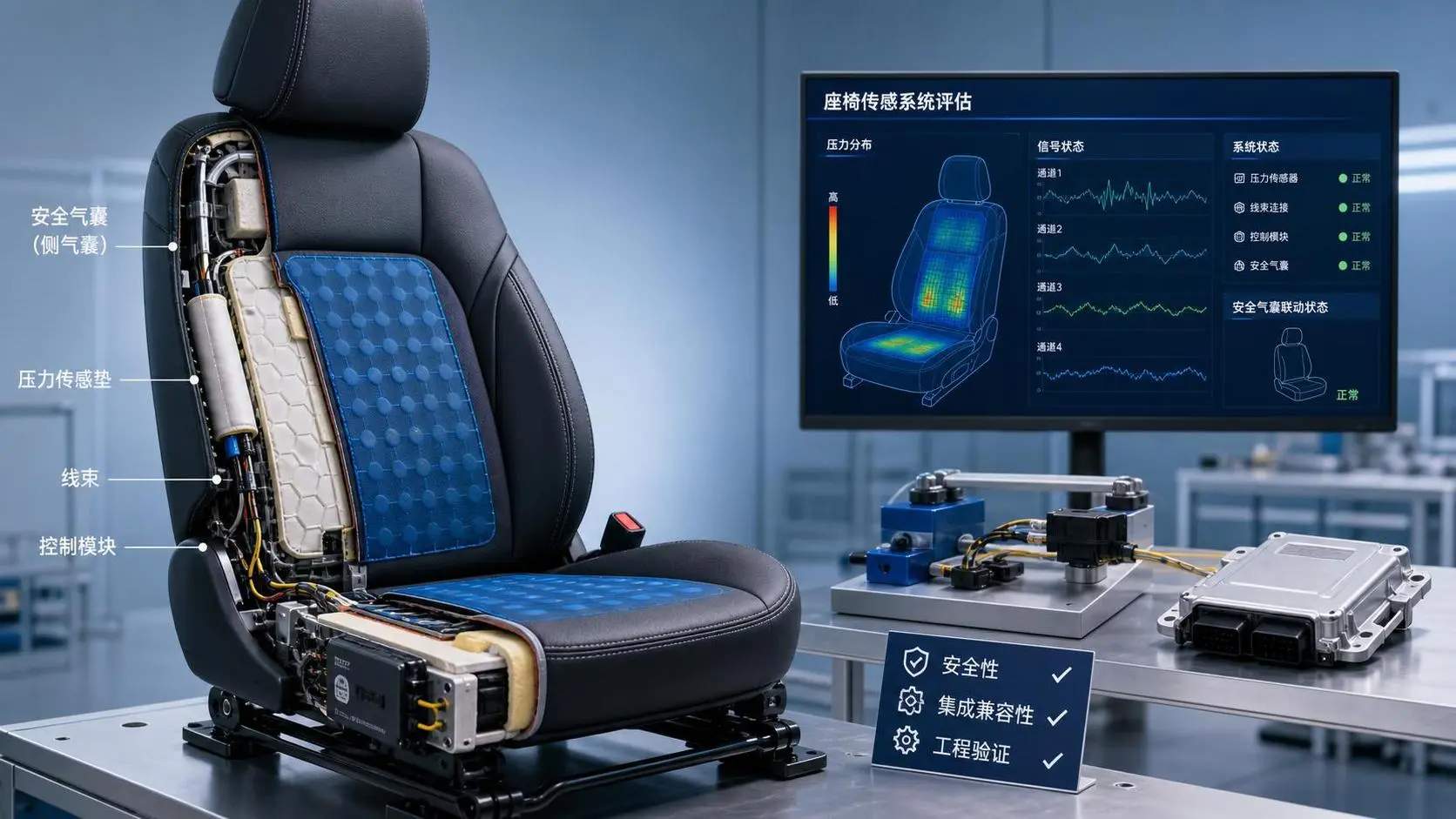
How to Evaluate a Seat Sensing Technology Supplier for Safety and Integration?
Seat sensing technology supplier evaluation guide: compare safety maturity, integration fit, algorithm reliability, and validation support to choose a partner that reduces risk.
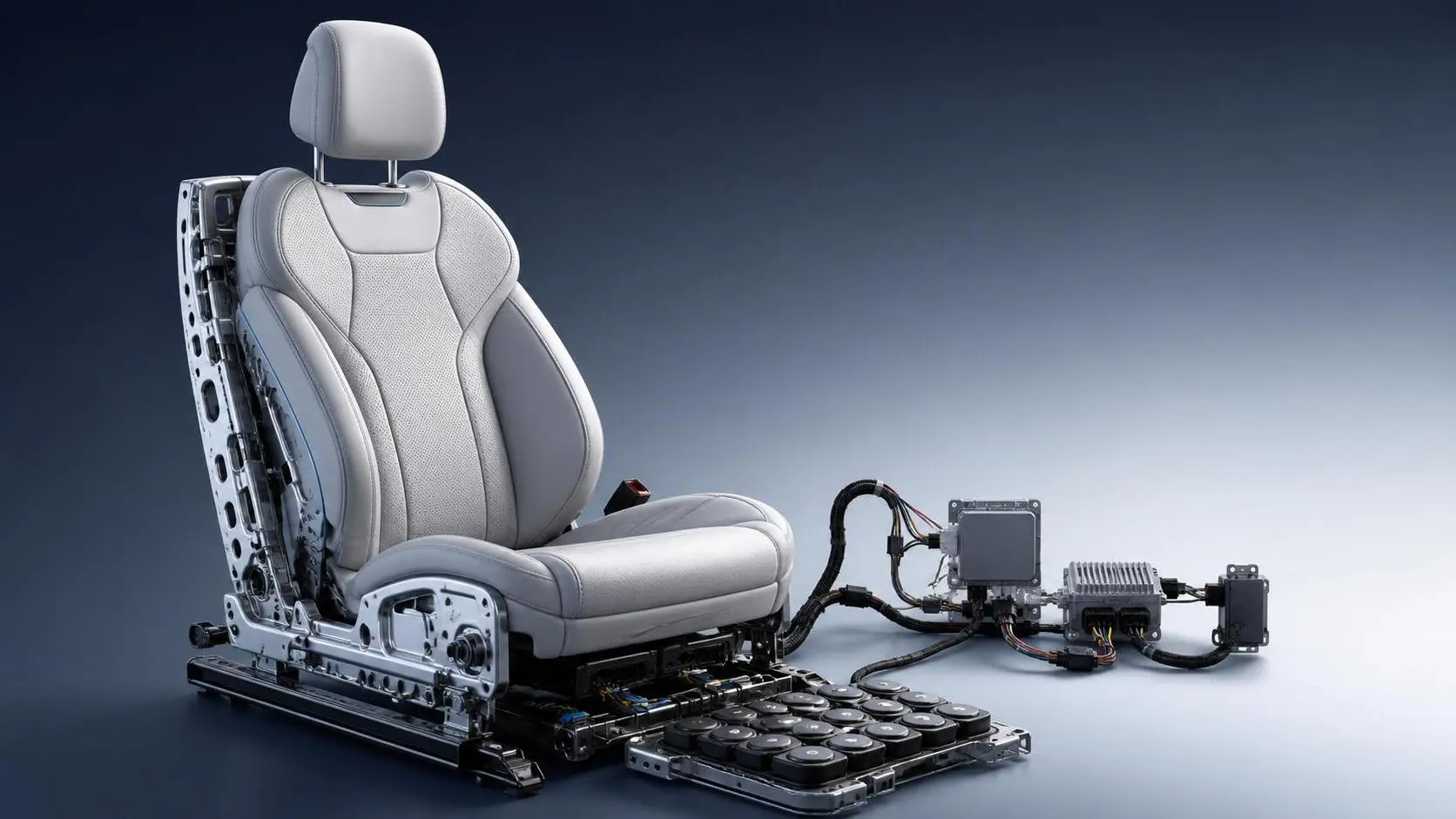
How to Evaluate Custom Smart Automotive Seating for Premium Vehicle Programs?
Custom smart automotive seating evaluation starts with safety, comfort, integration, and production readiness. Discover how premium vehicle teams choose smarter, lower-risk seat solutions.
B2B Product Intelligence Platforms: How to Compare Features, Data Coverage, and ROI
B2B product intelligence platform comparison: learn how to evaluate data coverage, feature depth, compliance visibility, and ROI to choose a sourcing tool that reduces risk and speeds decisions.
Climate Control Seats Cost: What Drives Price and Long-Term Ownership Value?
Climate control seats cost depends on materials, thermal tech, and integration. Learn what drives price and how to judge long-term value before you buy.
What Factors Drive Marine Navigation Components Cost in Commercial Vessel Projects?
Marine navigation components cost is shaped by integration, compliance, installation, and lifecycle support. Discover what drives pricing and how buyers can reduce risk while improving value.
How Much Does Seat Occupancy Sensing Cost? Key Pricing Factors for Buyers
Seat occupancy sensing price varies widely by technology, integration, and compliance needs. Learn the key cost drivers, avoid hidden fees, and make smarter buying decisions.
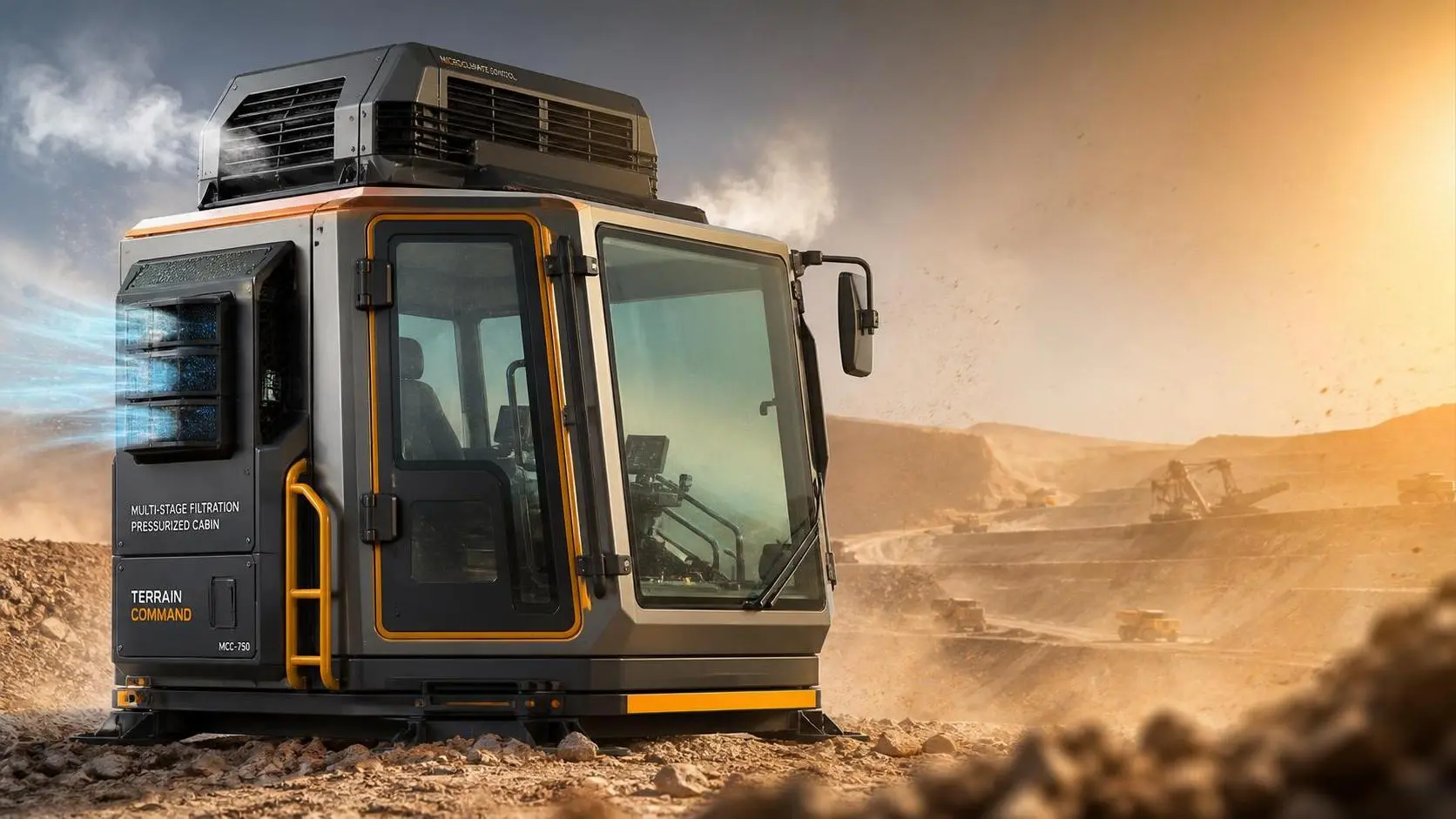
How to Specify Micro-Climate Control Cabins for Harsh Outdoor Worksites?
Micro-climate control cabins for harsh outdoor worksites: learn how to specify thermal control, filtration, pressurization, and durability for safer uptime and smarter buying.
Related News
- 00
0000-00
Supplier Capability Evaluation Process: Key Criteria for B2B Sourcing Decisions - 00
0000-00
How to Evaluate a Seat Sensing Technology Supplier for Safety and Integration? - 00
0000-00
B2B Product Intelligence Platforms: How to Compare Features, Data Coverage, and ROI - 00
0000-00
What Factors Drive Marine Navigation Components Cost in Commercial Vessel Projects? - 00
0000-00
How Much Does Seat Occupancy Sensing Cost? Key Pricing Factors for Buyers
Weekly Insights
Stay ahead with our curated technology reports delivered every Monday.