
What global maritime compliance means for daily operations
For project managers and engineering leads, global maritime compliance is no longer a separate legal checklist—it directly shapes equipment selection, system integration, testing schedules, and cross-border delivery.
In an industry where navigation accuracy, cabin safety, and technical traceability define success, understanding how compliance affects daily operations helps teams reduce risk, improve coordination, and keep complex mobility projects on course.
Global maritime compliance is moving from paperwork to operational control
The meaning of global maritime compliance has changed sharply in recent years.
It now influences specifications, software baselines, supplier approvals, onboard documentation, and service readiness.
For marine navigation systems, compliance reaches beyond installation certificates.
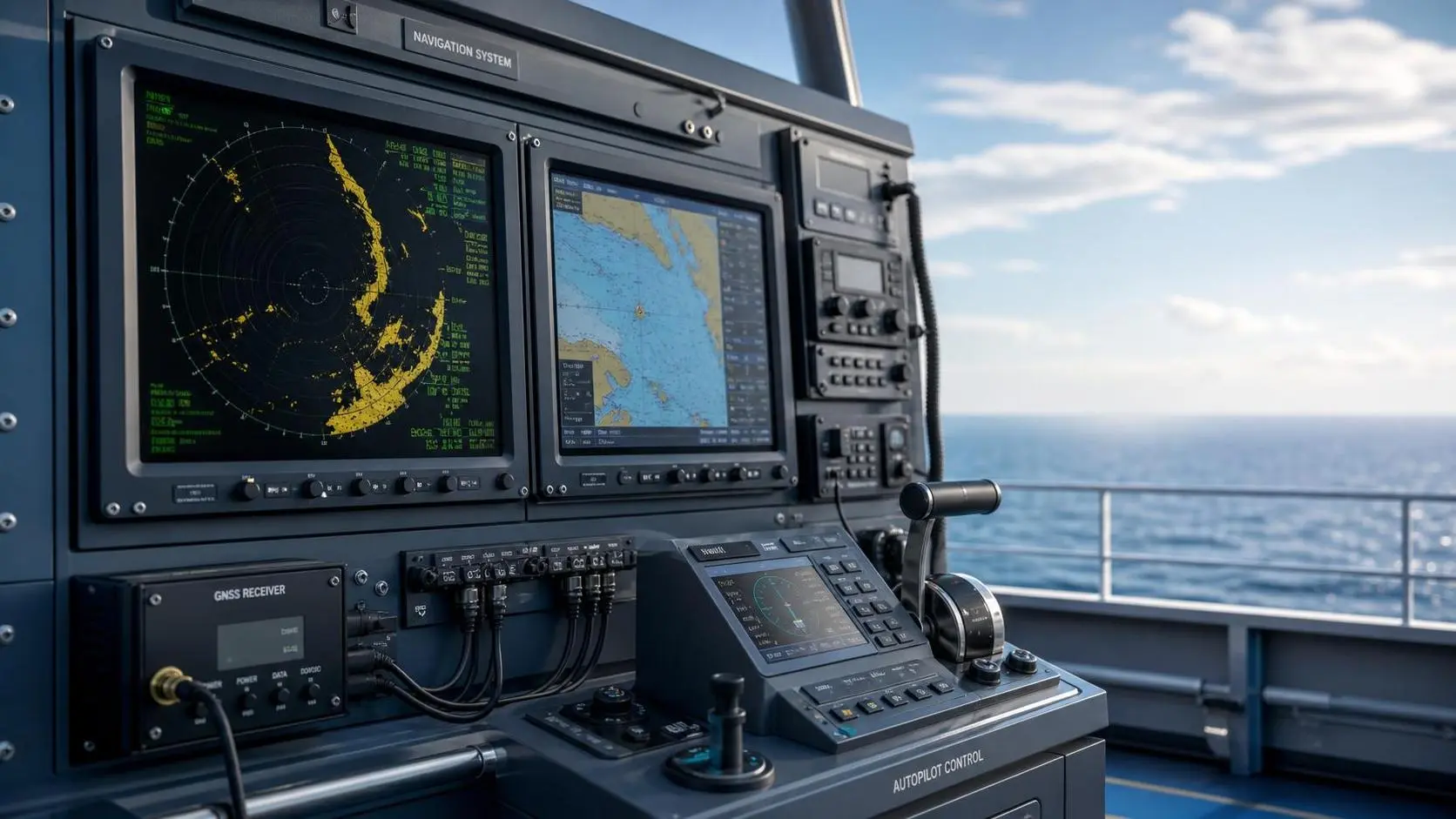
It affects sensor fusion logic, ECDIS update discipline, AIS interoperability, and cybersecurity evidence.
For cabin and mobility safety domains, the same logic applies.
Traceability, testing discipline, and regulatory alignment increasingly determine whether equipment can move across markets without delay.
This is why global maritime compliance now matters to daily operations, not only audits.
Several trend signals show why the compliance burden is becoming more technical
The first signal is digitalization.
Connected navigation equipment requires version control, patch validation, and secure update procedures.
The second signal is convergence.
Marine, automotive, and mobility safety sectors increasingly share expectations around documented testing and component integrity.
The third signal is enforcement speed.
Port state control, class reviews, and buyer audits often detect gaps earlier than final delivery.
The fourth signal is supply chain scrutiny.
A missing declaration, outdated standard, or unclear material source can stop a shipment or trigger retesting.
These signals explain why global maritime compliance is now an operational discipline.
The main forces behind global maritime compliance can be mapped clearly
Several forces are pushing global maritime compliance deeper into engineering and delivery decisions.
Together, these drivers make global maritime compliance a constant coordination task.
Daily operations feel the impact first in specification and integration work
Specification control is usually the first area affected by global maritime compliance.
Teams can no longer select equipment based only on performance claims or unit cost.
They must confirm approval scope, test references, firmware status, environmental ratings, and compatibility with vessel architecture.
Integration work is also more sensitive.
A compliant radar, display, seat structure, or restraint component can still create risk if the interface design is poorly controlled.
That is why interface matrices, revision logs, and verification plans are now central operational tools.
- Approval scope must match the real operating environment.
- Software and hardware revisions must be frozen before formal testing.
- Electrical, mechanical, and data interfaces need traceable signoff.
- Installation guidance must align with certification assumptions.
Testing calendars and delivery schedules are increasingly compliance-driven
A common mistake is treating compliance review as a late-stage gate.
In reality, global maritime compliance changes the timing of tests, inspections, and shipment release.
If standards are checked too late, teams face retesting, relabeling, or software rollback.
This affects marine navigation products especially strongly.
ECDIS updates, bridge integration tests, and communication protocol verification can add unplanned time when evidence is incomplete.
The same issue appears in passive safety and cabin systems.
Material substitutions, inflator chemistry changes, or seat frame redesigns may require renewed validation.
Therefore, global maritime compliance should be embedded in the master project schedule from the beginning.
Typical schedule pressure points
- Late identification of applicable standards
- Supplier documents arriving in different formats
- Uncontrolled engineering changes after test completion
- Regional labeling and declaration differences
- Class or customer review comments requiring rework
Supply chain visibility now determines whether compliance survives delivery
Global maritime compliance often fails in the handoff between design intent and supplied parts.
A supplier may provide a conforming component, but not the latest certificate, declaration, or batch traceability file.
That gap creates practical operational risk.
Cross-functional teams need a shared record for documents, revision history, approved substitutions, and inspection results.
This is especially important for high-reliability sectors tracked by GNCS.
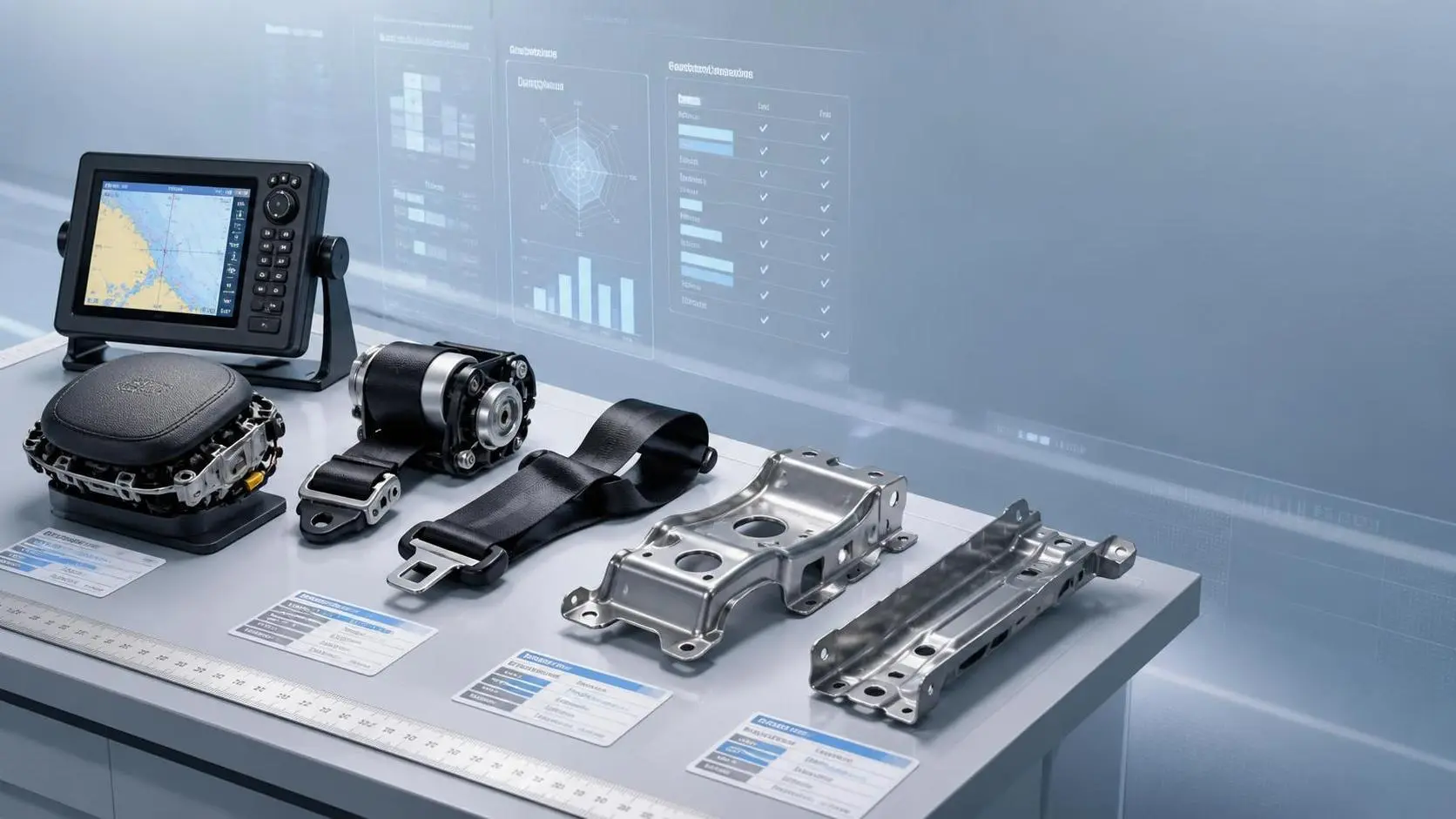
Marine electronics, lightweight body structures, airbags, seatbelts, and smart seats all rely on exact parameter control.
When traceability is weak, technical credibility drops quickly during audits or claims review.
The most important focus areas can be prioritized now
To manage global maritime compliance effectively, several focus areas deserve immediate attention.
- Build a live register of applicable standards and approval routes.
- Link every critical component to version-controlled evidence.
- Review software update procedures as carefully as hardware changes.
- Verify that test assumptions match actual installation conditions.
- Monitor document expiration dates before shipment windows open.
- Use one traceability structure across engineering, quality, and logistics.
- Escalate substitutions that affect safety, interfaces, or materials.
These actions reduce friction and make global maritime compliance manageable in daily work.
A practical response framework helps convert compliance into execution discipline
This framework turns global maritime compliance into a repeatable operating model.
The next step is to treat compliance intelligence as a strategic operating asset
The strongest teams do not wait for nonconformities to reveal weak coordination.
They use compliance intelligence to shape specifications, approve suppliers, and forecast schedule risk early.
For organizations following marine navigation and mobility safety developments, this approach is increasingly decisive.
GNCS tracks the technical and regulatory signals behind that shift.
From maritime navigation updates to passive safety evolution, the value lies in connecting standards with daily execution.
If global maritime compliance is reviewed early, documented clearly, and shared across functions, projects move with fewer disruptions.
That is the practical meaning of global maritime compliance today: safer systems, cleaner delivery, and stronger international readiness.
Related News

How to Evaluate a Seat Sensing Systems Factory for Automotive Safety Programs
Seat sensing systems factory selection goes beyond price. Learn how to assess quality control, validation, PPAP readiness, and long-term supply reliability for safer automotive programs.

Supplier Capability Evaluation Process: Key Criteria for B2B Sourcing Decisions
Supplier capability evaluation process explained: learn the key criteria for B2B sourcing decisions, reduce supplier risk, and choose partners with confidence.

How to Evaluate a Seat Sensing Technology Supplier for Safety and Integration?
Seat sensing technology supplier evaluation guide: compare safety maturity, integration fit, algorithm reliability, and validation support to choose a partner that reduces risk.

How to Evaluate Custom Smart Automotive Seating for Premium Vehicle Programs?
Custom smart automotive seating evaluation starts with safety, comfort, integration, and production readiness. Discover how premium vehicle teams choose smarter, lower-risk seat solutions.
B2B Product Intelligence Platforms: How to Compare Features, Data Coverage, and ROI
B2B product intelligence platform comparison: learn how to evaluate data coverage, feature depth, compliance visibility, and ROI to choose a sourcing tool that reduces risk and speeds decisions.

Climate Control Seats Cost: What Drives Price and Long-Term Ownership Value?
Climate control seats cost depends on materials, thermal tech, and integration. Learn what drives price and how to judge long-term value before you buy.
What Factors Drive Marine Navigation Components Cost in Commercial Vessel Projects?
Marine navigation components cost is shaped by integration, compliance, installation, and lifecycle support. Discover what drives pricing and how buyers can reduce risk while improving value.

How Much Does Seat Occupancy Sensing Cost? Key Pricing Factors for Buyers
Seat occupancy sensing price varies widely by technology, integration, and compliance needs. Learn the key cost drivers, avoid hidden fees, and make smarter buying decisions.

How to Specify Micro-Climate Control Cabins for Harsh Outdoor Worksites?
Micro-climate control cabins for harsh outdoor worksites: learn how to specify thermal control, filtration, pressurization, and durability for safer uptime and smarter buying.
Related News
- 00
0000-00
Supplier Capability Evaluation Process: Key Criteria for B2B Sourcing Decisions - 00
0000-00
How to Evaluate a Seat Sensing Technology Supplier for Safety and Integration? - 00
0000-00
B2B Product Intelligence Platforms: How to Compare Features, Data Coverage, and ROI - 00
0000-00
What Factors Drive Marine Navigation Components Cost in Commercial Vessel Projects? - 00
0000-00
How Much Does Seat Occupancy Sensing Cost? Key Pricing Factors for Buyers
Weekly Insights
Stay ahead with our curated technology reports delivered every Monday.