
Why force-limiting systems matter in modern restraint design
In modern restraint engineering, force-limiting systems are no longer optional—they are essential to balancing occupant protection, crash energy management, and regulatory performance. For technical evaluators, understanding how these systems interact with pretensioners, airbag deployment, and seat structure is critical to judging real-world safety value. This article explores why force-limiting systems matter, where they deliver measurable benefits, and how they shape next-generation passive safety design.
For GNCS readers working across seatbelt systems, airbag assemblies, lightweight body structures, and smart seating platforms, the topic is especially relevant. A restraint system is not evaluated as a single part. It is assessed as a timed, load-managed chain in which belt webbing, retractor behavior, inflator logic, seat frame deformation, and occupant kinematics must perform within milliseconds.
That is why force-limiting systems have become a core technical checkpoint in platform reviews, supplier comparison, and compliance planning. Whether the target program is a compact EV, a premium SUV, or a commercial mobility cabin, technical teams need evidence on chest load reduction, occupant excursion control, integration risk, and manufacturability.
What force-limiting systems do in a modern restraint architecture
A force-limiting system is designed to control the load transmitted through the seatbelt to the occupant during a crash. In simple terms, it allows the belt to restrain early and firmly, then release additional webbing or reduce belt force once a calibrated load threshold is reached, often in the range of 4 kN to 6 kN for passenger vehicle applications.
This matters because an overly rigid belt path can lower forward movement but raise chest compression and rib loading. A belt that limits force too early can reduce thoracic load but permit excessive head excursion. The engineering goal is not maximum restraint in one direction. It is balanced energy management over roughly 80 to 150 milliseconds of crash pulse.
Why the system cannot be judged in isolation
Technical evaluators should view force-limiting systems as one layer in a multi-device safety stack. Pretensioners typically remove slack in the first 10 to 20 milliseconds. Airbag deployment then supports the head and torso trajectory. Seat structure and cushion ramping influence pelvis retention. Belt load limiting works between these events, shaping how energy is transferred into the upper body.
A strong force limiter paired with a late airbag can increase head risk. A soft limiter combined with a short seat cushion can increase submarining potential. This is why GNCS consistently frames passive safety as an integration problem, not a single-component specification exercise.
Common technical mechanisms
- Mechanical torsion-bar retractors that deform at a preset load level
- Webbing payout strategies linked to spool torque characteristics
- Adaptive or switchable load limiting tied to crash severity sensing
- Multi-stage logic coordinated with pretensioners and airbag control units
Among these options, torsion-bar solutions remain common because they are robust, cost-manageable, and easier to validate over high production volume. Adaptive load limiting, however, is becoming more relevant in vehicles that must protect a broader occupant range, from a 5th percentile female to a 95th percentile male, under multiple seating postures.
The table below outlines how different restraint elements contribute during a frontal crash event and where force-limiting systems create measurable value.
The key takeaway is that force-limiting systems are the bridge between “hold” and “yield.” Without that bridge, the cabin may show acceptable structural performance while occupant injury metrics remain unstable across test modes, seating positions, or dummy sizes.
Why technical evaluators prioritize force-limiting systems
For technical assessment teams, the value of force-limiting systems is measurable in three areas: injury management, regulatory robustness, and platform adaptability. In frontal impact development, small changes in belt load profile can influence chest deflection, neck loading, and head trajectory enough to alter design direction, hardware selection, or calibration strategy.
1. Better injury balancing across multiple crash conditions
Vehicle programs no longer optimize for one rigid full-frontal condition only. Engineering teams must account for offset impacts, far-side interactions, small-overlap scenarios, out-of-position occupants, and varied seat track locations. A fixed, high-load belt strategy may perform well in one pulse shape and underperform in another.
Force-limiting systems help smooth these trade-offs. In many development programs, a reduction of even 0.5 kN to 1.0 kN in peak belt load can materially improve thoracic injury margins, provided forward excursion stays controlled by coordinated airbag timing and seat geometry.
2. Greater resilience against rating and compliance changes
As IIHS, Euro NCAP, and other assessment frameworks evolve, OEMs and Tier 1 suppliers need restraint systems with tuning flexibility. A platform built around only one narrow belt-load target may require expensive redesign once pulse assumptions, occupant test matrices, or rear-seat protocols change.
Technical evaluators therefore look for systems that support at least 3 decision layers: hardware load threshold, control logic compatibility, and seat-level integration room. This is particularly important in lightweight body programs where structural stiffness, crash pulse shape, and package space may differ by region or trim line.
3. Stronger performance in lightweight and electrified platforms
As auto body stampings shift toward hot-stamped steel, aluminum, and mixed-material designs, the crash pulse often changes. Electrified platforms also introduce battery protection demands, floor architecture differences, and seat mounting constraints. These factors make occupant restraint timing more sensitive, not less.
In such platforms, force-limiting systems help maintain occupant load control without depending entirely on a heavier structure. That is why they are increasingly treated as an enabling technology for lightweight safety, not just a belt feature.
Typical evaluation checkpoints
- Load threshold consistency across temperature and tolerance variation
- Coordination with single-stage or multi-stage pretensioners
- Compatibility with airbag venting and deployment timing windows
- Seat structure influence on pelvis position and torso rotation
- Performance spread across occupant size and seating posture ranges
These checkpoints are especially useful during supplier comparison, because two retractors may appear similar on paper while delivering very different occupant kinematics during sled or vehicle testing.
Integration challenges: belt, airbag, seat, and structure must be tuned together
The most common evaluation mistake is treating force-limiting systems as a stand-alone procurement item. In reality, the engineering value depends on integrated tuning. A force limiter selected without reference to seat stiffness, D-ring geometry, cushion angle, and airbag volume can create hidden risk late in development.
Interaction with pretensioners
Pretensioners improve occupant coupling early in the event, but higher early coupling can also raise belt force sooner. If the force-limiting threshold is too high, chest loading may spike. If it is too low, the restraint may “open up” before the airbag is fully supportive. In practical tuning, the retractor strategy and pretensioner output should be evaluated as one matched pair.
Interaction with airbag assemblies
Airbag vent size, bag shape, inflator output, and firing time all affect how much forward displacement can be tolerated. A force-limiting system that allows an extra 30 mm to 60 mm of torso travel may be acceptable with one airbag package and unacceptable with another. This is why GNCS places passive safety components in one intelligence framework rather than separate product silos.
Interaction with smart seat assemblies
Seatback stiffness, anti-submarining geometry, cushion ramp, and occupant sensing all influence belt effectiveness. In smart seating systems, posture detection and seat position data can improve restraint control logic, especially for switchable or adaptive force-limiting systems. Even a 15 mm seat-track shift can alter occupant-to-airbag distance enough to change the preferred load-limiting calibration window.
The matrix below can help technical evaluators identify where integration issues typically emerge during development or sourcing reviews.
The operational message is clear: force-limiting systems deliver the most value when they are treated as part of a coordinated restraint package. Evaluators should expect shared review between seat, belt, airbag, and BIW teams rather than isolated sign-off.
How to assess and source force-limiting systems for next-generation programs
For B2B decision-making, the right question is not simply whether a supplier offers force-limiting systems. The better question is whether the system can be validated, calibrated, and industrialized within the target vehicle architecture, launch timing, and regional safety requirements.
Key selection criteria for technical evaluators
- Calibrated force range suited to vehicle mass, pulse shape, and occupant package
- Stable manufacturing tolerances over high-volume production lots
- Compatibility with existing ECU logic and pretensioner architecture
- Validation support through sled, CAE correlation, and vehicle-level testing
- Scalability across front-row, second-row, and regional trim variants
A practical 4-step review path
- Define target injury trade-off and excursion window before hardware selection.
- Check load-limiting threshold against seat and airbag package assumptions.
- Validate with at least 2 pulse types and multiple occupant conditions.
- Review PPAP, tolerance control, and change-management discipline before sourcing approval.
A typical evaluation cycle may run 6 to 12 weeks for concept comparison and longer if the system requires ECU strategy changes or seat package redesign. Programs on compressed launch timing often benefit from selecting suppliers that can provide both hardware characterization data and integration engineering support, not only component samples.
Common misconceptions that weaken decisions
One misconception is that lower belt force is always safer. Another is that a proven legacy design will transfer directly to a new EV or lightweight platform. A third is that seatbelt evaluation can be closed before seat and airbag freeze. All three assumptions create rework risk, especially when package conditions shift late.
In practice, technical teams should ask for performance curves, integration boundaries, and validation assumptions. A force-limiting system is only as credible as the test envelope behind it.
Why this matters for GNCS stakeholders
GNCS tracks the intersection of passive safety, lightweight structures, and smart cabin systems because that is where the next wave of engineering decisions is happening. Force-limiting systems sit directly at that intersection. They convert crash energy into a managed occupant response, and their value rises as cabins become lighter, smarter, and more tightly packaged.
For Tier 1 suppliers, OEM engineering teams, and technical sourcing specialists, the commercial implication is straightforward: a restraint solution that demonstrates stable force management, clean integration, and adaptable calibration is easier to justify in premium safety programs and global platform bids.
Force-limiting systems matter because modern restraint design is no longer about stopping motion at any cost. It is about controlling energy, timing occupant movement, and coordinating belt, seat, airbag, and structure as one protective system. For technical evaluators, that means looking beyond headline specifications and focusing on threshold behavior, integration quality, and validation depth.
If you are comparing seatbelt technologies, reviewing passive safety architectures, or planning a lightweight cabin program, GNCS can help you connect component-level details with platform-level decision logic. Contact us to discuss product details, request a tailored intelligence brief, or explore more solutions for next-generation restraint and cabin safety design.
Related News
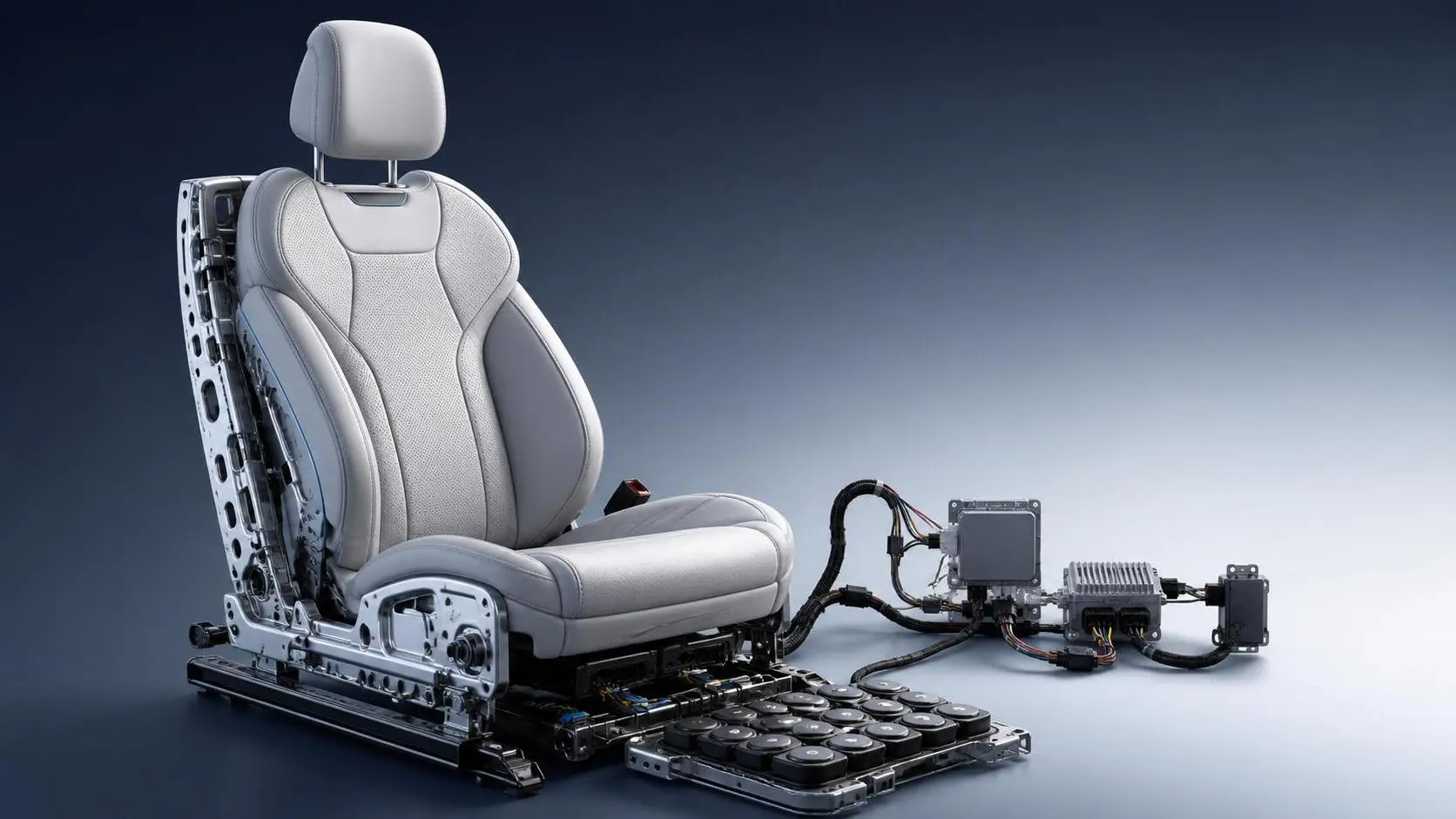
How to Evaluate Custom Smart Automotive Seating for Premium Vehicle Programs?
Custom smart automotive seating evaluation starts with safety, comfort, integration, and production readiness. Discover how premium vehicle teams choose smarter, lower-risk seat solutions.
B2B Product Intelligence Platforms: How to Compare Features, Data Coverage, and ROI
B2B product intelligence platform comparison: learn how to evaluate data coverage, feature depth, compliance visibility, and ROI to choose a sourcing tool that reduces risk and speeds decisions.
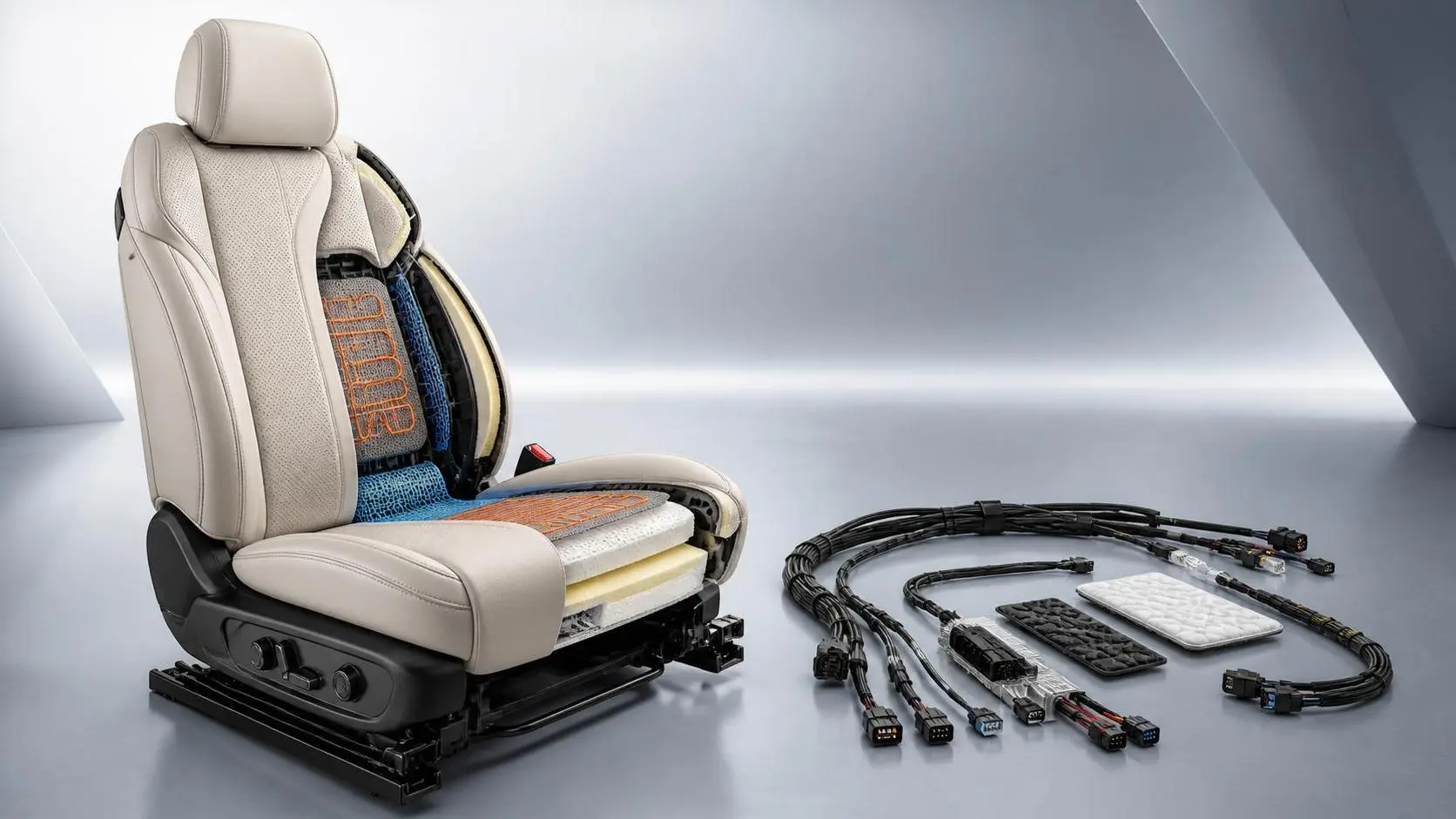
Climate Control Seats Cost: What Drives Price and Long-Term Ownership Value?
Climate control seats cost depends on materials, thermal tech, and integration. Learn what drives price and how to judge long-term value before you buy.
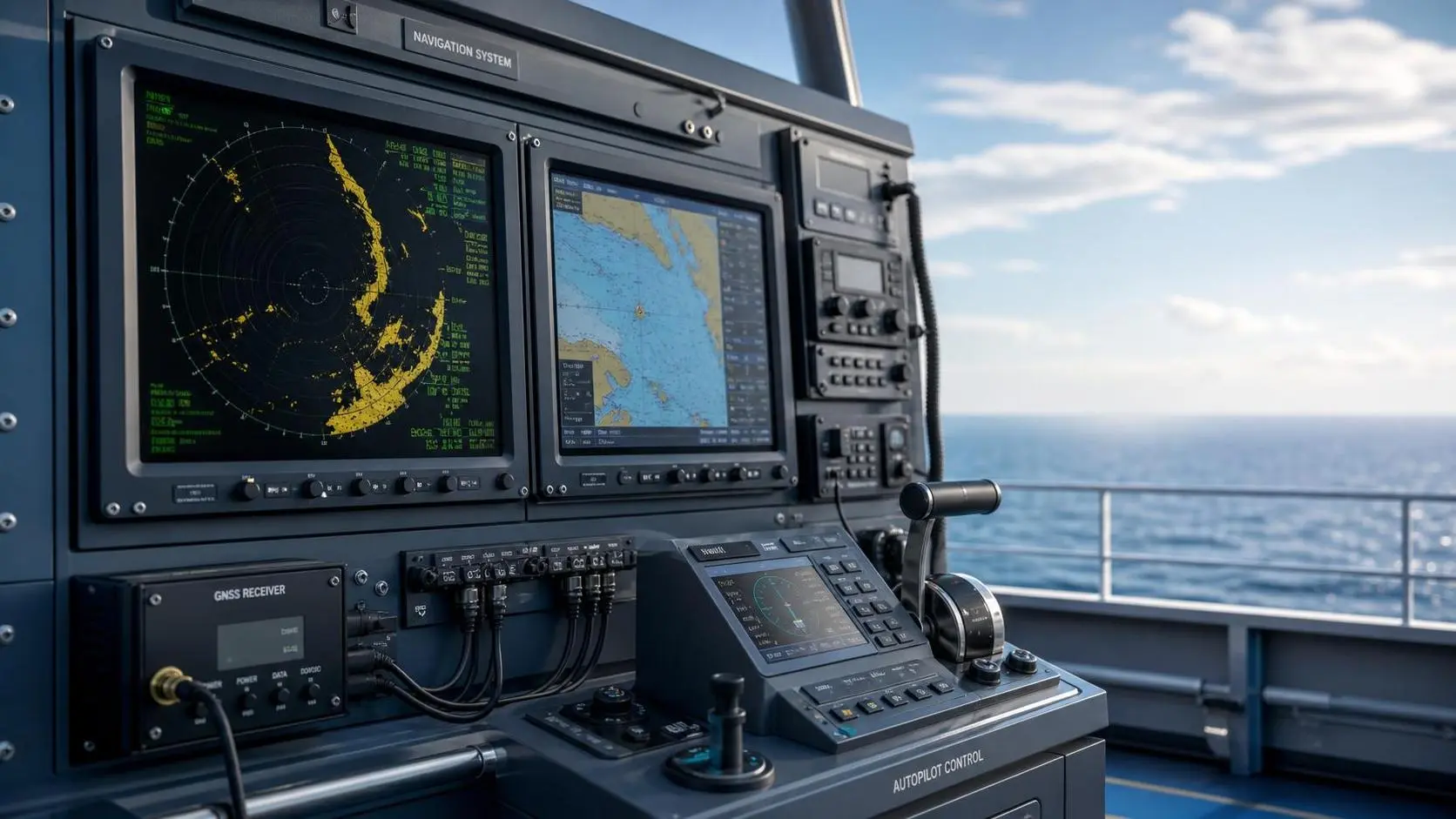
What Factors Drive Marine Navigation Components Cost in Commercial Vessel Projects?
Marine navigation components cost is shaped by integration, compliance, installation, and lifecycle support. Discover what drives pricing and how buyers can reduce risk while improving value.
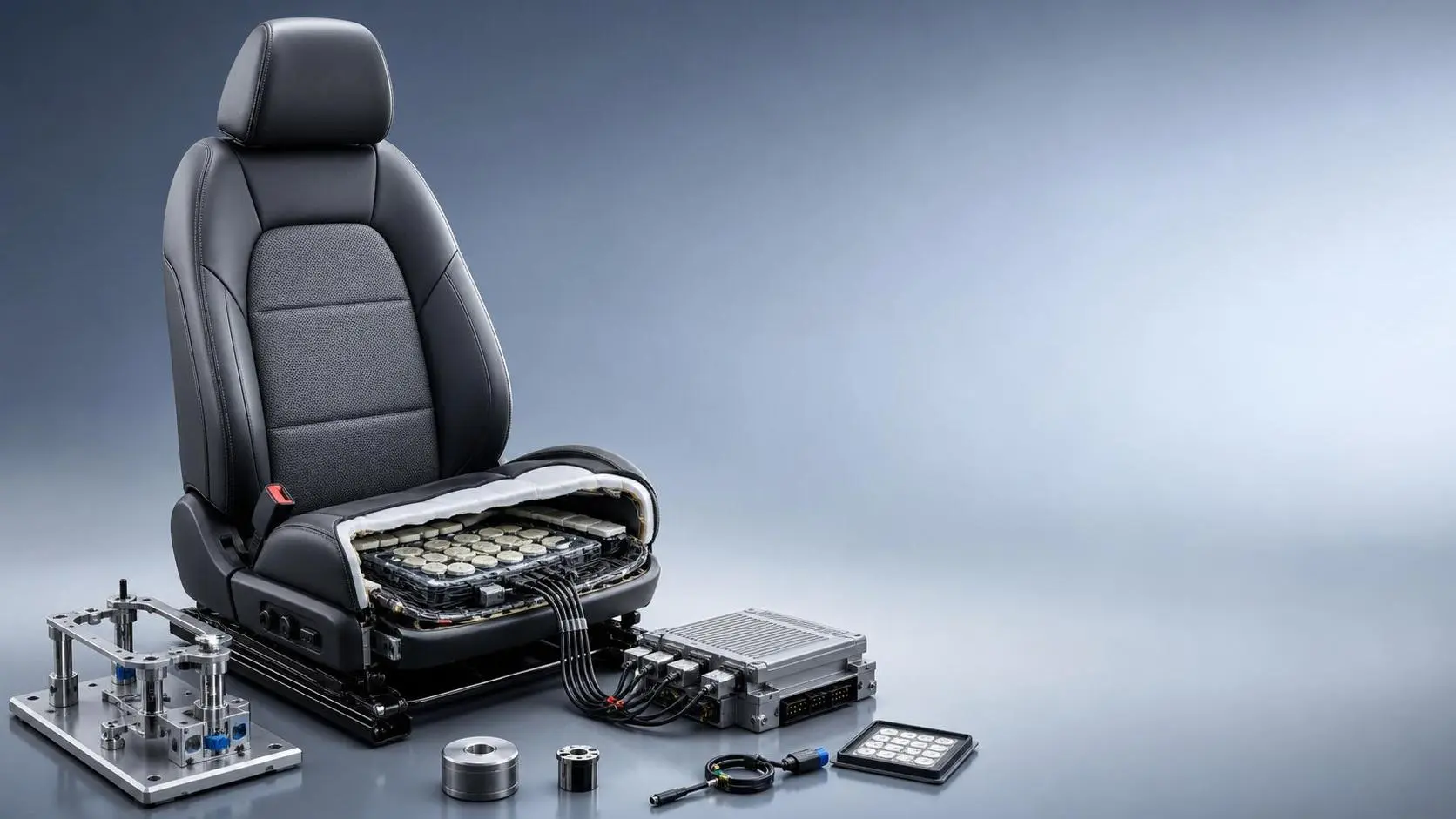
How Much Does Seat Occupancy Sensing Cost? Key Pricing Factors for Buyers
Seat occupancy sensing price varies widely by technology, integration, and compliance needs. Learn the key cost drivers, avoid hidden fees, and make smarter buying decisions.

How to Specify Micro-Climate Control Cabins for Harsh Outdoor Worksites?
Micro-climate control cabins for harsh outdoor worksites: learn how to specify thermal control, filtration, pressurization, and durability for safer uptime and smarter buying.
How to Evaluate a B2B Product Knowledge Platform for Faster Procurement Decisions
B2B product knowledge platform procurement starts with reducing decision risk. Learn how to compare specs, compliance, and supplier data to speed sourcing with confidence.
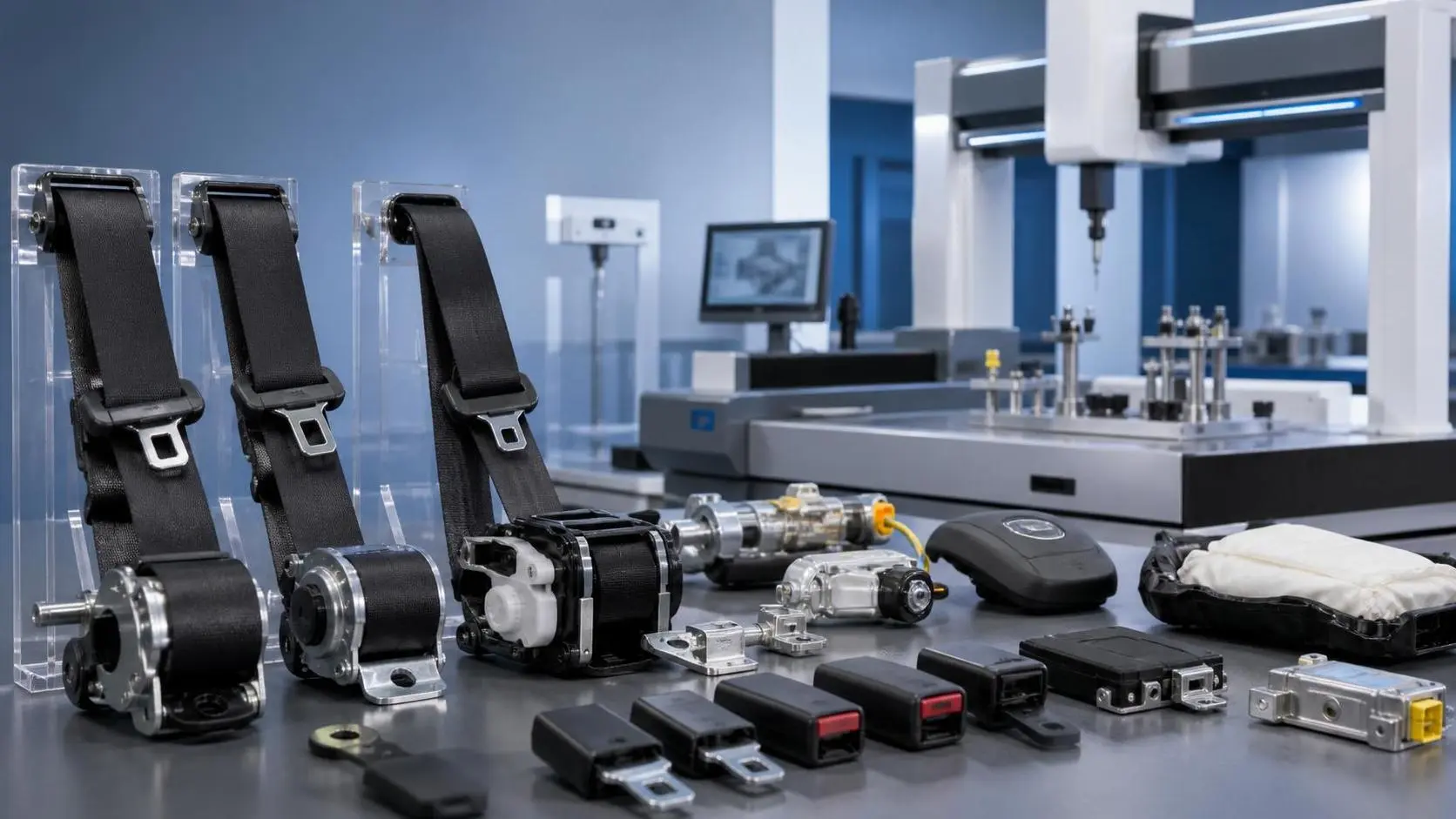
How to Evaluate an Occupant Restraint Systems Exporter for Quality, Compliance, and Supply Risk
Occupant restraint systems exporter evaluation guide: learn how to verify quality controls, compliance evidence, and supply risk before sourcing to avoid recalls, delays, and hidden costs.
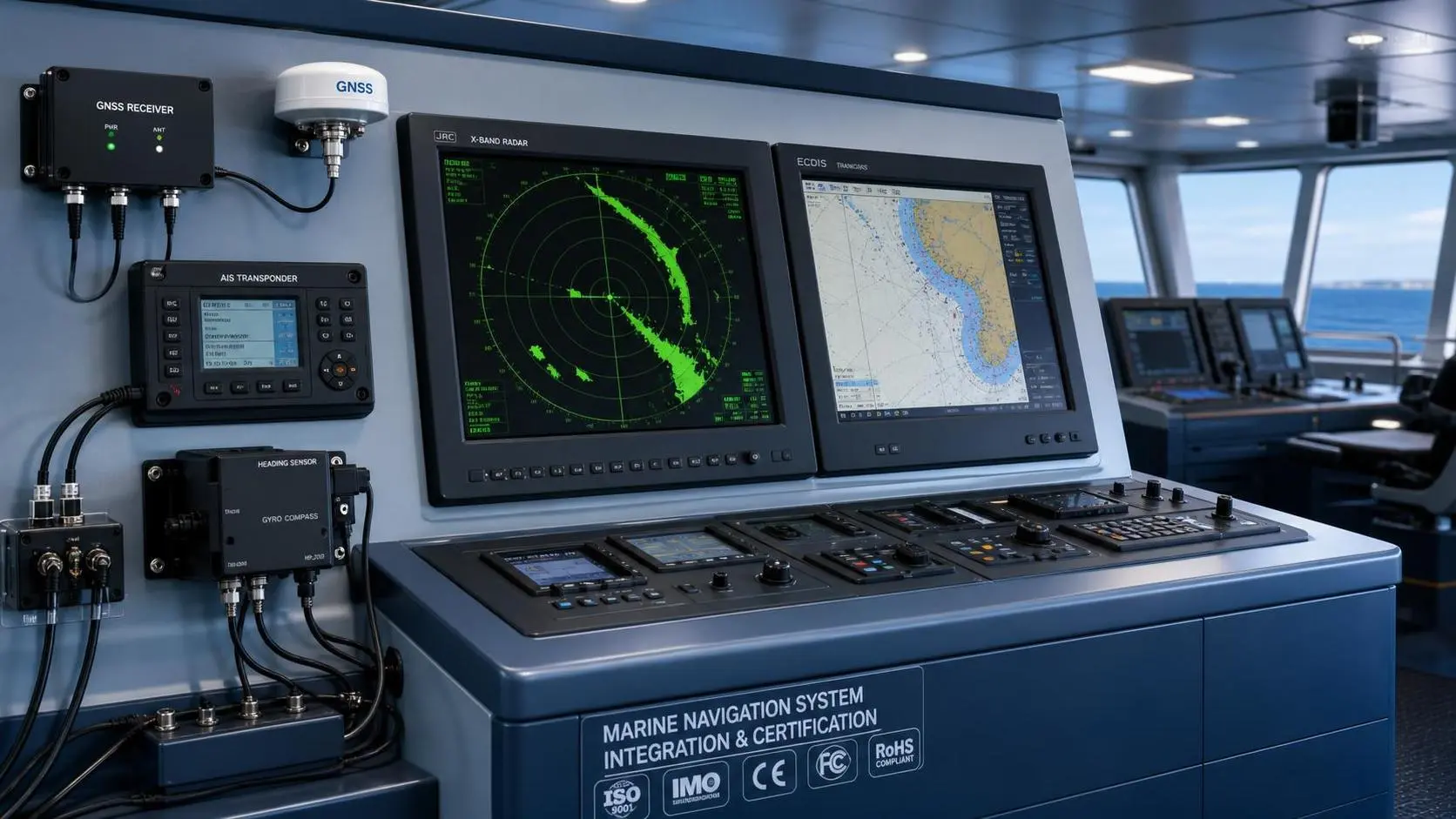
Navigation Compliance Certification: Which Marine Systems Need It and How to Prepare?
Navigation compliance certification explained: discover which marine systems need approval, what documents matter, and how to prepare early to avoid delays, rework, and costly project risks.
Related News
- 00
0000-00
How Do Seatbelt Systems with Pretensioner Improve Crash Protection? - 00
0000-00
How Seatbelt Technology for Buses Improves Passenger Safety and Meets Compliance Needs - 00
0000-00
How Buckle Pretensioner Systems Improve Occupant Restraint in Modern Vehicles - 00
0000-00
Integrated Seatbelt Systems vs Conventional Designs: Which Fits Your Vehicle Platform Better? - 00
0000-00
Seatbelt Components for Passenger Cars: Main Parts, Functions, and How They Work Together
Weekly Insights
Stay ahead with our curated technology reports delivered every Monday.