Why ECDIS update protocols still cause compliance risks
For project managers overseeing maritime digital compliance, ECDIS update protocols remain a hidden source of operational and regulatory exposure. Even when crews believe charts and software are current, gaps in validation, distribution timing, and onboard implementation can still trigger audit findings or safety risks. Understanding why ECDIS update protocols fail in practice is essential to building a more reliable, compliant navigation workflow.
Why do ECDIS update protocols still fail in well-managed fleets?
On paper, ECDIS update protocols look straightforward. A vessel receives chart corrections, software patches, and permit renewals, then the bridge team confirms installation. In reality, the process crosses shipboard operations, shore IT, procurement, service providers, and compliance management.
That complexity is exactly why compliance gaps persist. A project leader may have a defined update calendar, yet still face late chart loading, incompatible media, incomplete audit trails, or version mismatches between primary and backup systems.
For GNCS, this is not just a navigation software issue. It is a systems-governance problem inside the broader mobility equipment chain, where signal integrity, safety assurance, and regulatory timing must be stitched together with precision.
- Ship and shore teams often define “updated” differently. One side focuses on receipt of files, while the other focuses on successful installation and validation onboard.
- ECDIS update protocols may cover chart data, but not always firmware, cybersecurity patches, or service bulletin actions from the OEM.
- The compliance chain can break at handover points, especially during crew changes, drydock periods, bandwidth limits, or route deviations.
The project management blind spot
Many engineering and marine projects treat ECDIS update protocols as a recurring administrative task rather than a critical control point. That assumption weakens escalation logic, budget prioritization, and cross-department accountability.
When a nonconformity appears during flag inspection, vetting, or internal audit, the problem rarely comes from a single missed click. It usually comes from an update framework that lacked ownership, proof of execution, and exception management.
Which compliance risks are most common under ECDIS update protocols?
Project managers need a practical map of where ECDIS update protocols create exposure. The table below summarizes frequent failure points and the business consequences attached to each one.
The pattern is clear. ECDIS update protocols fail less because teams ignore updates altogether, and more because evidence, timing, and consistency are not engineered as tightly as the technical files themselves.
Why timing matters more than many teams expect
A late update is not just a late task. It can affect voyage planning approval, bridge confidence, and inspection readiness in the same cycle. If a vessel changes destination, enters constrained waters, or faces poor weather, outdated information becomes a live risk rather than a paperwork issue.
This is especially important for project managers handling retrofit programs, mixed fleets, or newbuilding handovers. Different delivery stages often introduce different assumptions about who is responsible for the final verified update state.
Where do onboard implementation gaps usually appear?
Even solid shore procedures can break onboard. ECDIS update protocols often encounter friction in the last mile, where bandwidth, crew familiarity, hardware age, and operational pressure all compete for attention.
Common shipboard execution issues
- Updates are downloaded but not activated before departure because bridge teams prioritize immediate voyage tasks.
- Primary and backup ECDIS units run different data states after partial installation or interrupted transfer.
- The crew confirms completion visually, but no structured post-update test checks alarms, sensor inputs, or route overlays.
- Legacy hardware handles media, encryption keys, or interface logic differently from newer software assumptions.
These gaps are familiar to anyone managing high-reliability equipment. In navigation, as in passive safety systems or signal-processing platforms, the weak point is often not the design intent but the field implementation sequence.
Human factors are part of protocol design
A protocol that depends on perfect memory, informal handover notes, or vendor-specific tribal knowledge is not robust enough. Project managers should treat crew usability, checklist clarity, and exception escalation as design requirements, not training afterthoughts.
How should project managers evaluate ECDIS update protocols before choosing a workflow?
Selecting or refining ECDIS update protocols requires more than comparing update channels. You need to assess control logic, evidence quality, vessel compatibility, and support responsiveness. The table below can be used during procurement review or internal process redesign.
This kind of structured evaluation helps decision-makers avoid buying a narrow update function when they actually need a compliance-control framework. That distinction matters when budgets are limited and delivery deadlines are tight.
A practical selection checklist
- Map all assets in scope, including primary ECDIS, backup units, chart services, and software dependencies.
- Define who owns receipt, installation, verification, and exception closure at both ship and shore levels.
- Test the workflow against real disruption scenarios such as low bandwidth, crew rotation, and urgent route changes.
- Require evidence outputs that can be used directly in audits, management reviews, and incident-prevention reporting.
What standards and compliance expectations should shape ECDIS update protocols?
The exact regulatory obligations vary by flag, class context, chart service arrangement, and vessel operation. Still, project managers should align ECDIS update protocols with a broad set of recognized expectations rather than treating them as vendor-only procedures.
- SOLAS carriage and navigational safety expectations make chart currency and proper use of approved systems a practical compliance priority.
- ISM-based management systems require documented procedures, defined responsibilities, and evidence that safety-critical tasks are controlled.
- Port State Control, flag inspections, and tanker or dry bulk vetting regimes often examine whether onboard records support the claimed update status.
- Cybersecurity expectations increasingly influence update governance, especially where software patches and remote data transfer share infrastructure.
A mature process therefore combines navigation compliance, software governance, and operational assurance. GNCS tracks these intersections because marine digital systems no longer sit outside the wider high-reliability equipment environment.
Compliance is evidence-driven
Inspectors and auditors do not only ask whether updates were available. They often want to see whether they were installed on time, validated correctly, and reflected in actual voyage readiness. ECDIS update protocols must therefore generate clear proof, not just routine intentions.
How can teams reduce cost and disruption without weakening control?
Many managers worry that tighter ECDIS update protocols will increase workload or service cost. In practice, the opposite is often true when the workflow is standardized. Better control reduces urgent interventions, repeated vendor support calls, and audit remediation time.
Where hidden costs usually come from
- Emergency troubleshooting after an inspection query, especially when the original update history is incomplete.
- Extra bridge time spent reconciling chart states between systems before a voyage begins.
- Unplanned port support or technician attendance caused by preventable version conflicts.
- Commercial delay risk when permits, cells, or software readiness do not match a revised route.
A disciplined update protocol does not mean the most expensive platform. It means using the right level of automation, fallback methods, and review checkpoints for your fleet profile and voyage pattern.
FAQ: what project leaders ask about ECDIS update protocols
How often should ECDIS update protocols be reviewed?
Review them whenever there is a fleet software change, chart service adjustment, major crew process revision, or audit trend indicating recurring nonconformities. At minimum, the workflow should be reassessed during management review cycles and after any significant update failure.
Are cloud-based update methods automatically safer than manual media?
Not automatically. Cloud delivery can improve speed and visibility, but only if vessel connectivity, cybersecurity controls, validation logic, and fallback options are mature. Manual media may still be necessary for remote operations or legacy installations.
What should be documented after every update cycle?
At a minimum, document what was received, when it was installed, which system it was applied to, whether primary and backup states match, who verified the result, and what exception was raised if something did not complete as planned.
What is the most common misconception about ECDIS update protocols?
The biggest misconception is that receipt equals compliance. Receiving chart files or software packages does not prove operational readiness. Compliance depends on verified implementation, traceable records, and consistent use across the full navigation setup.
Why GNCS is a practical intelligence partner for update-risk decisions
GNCS approaches ECDIS update protocols from the perspective of high-precision equipment governance. That matters for project managers who must connect technical detail with delivery pressure, audit readiness, and commercial consequence.
Our Strategic Intelligence Center follows how compliance requirements evolve across marine navigation systems and other safety-critical mobility domains. This cross-sector view helps identify where update logic, traceability discipline, and implementation design must be strengthened before they create downstream exposure.
- We help clarify parameter checks for update workflows, version control, and onboard validation points.
- We support selection thinking for mixed fleets, digital transition planning, and service-process comparison.
- We provide insight into compliance expectations, implementation bottlenecks, and risk-priority mapping for marine project teams.
Contact us for update protocol review and implementation planning
If your team is reassessing ECDIS update protocols, GNCS can support a more structured decision path. You can consult us on workflow parameters, fleet compatibility concerns, software and chart update logic, delivery-cycle planning, and documentation requirements for inspections or internal audits.
We can also help you compare update management options, identify likely implementation gaps, and frame the right questions for suppliers or service partners. For project managers balancing compliance, schedule, and budget, that clarity often prevents costly corrections later in the vessel lifecycle.
Reach out if you need support on parameter confirmation, solution selection, delivery timing, compliance checkpoints, or quotation-stage discussion for a more resilient navigation update process.
Related News

How to Evaluate a Seat Sensing Systems Factory for Automotive Safety Programs
Seat sensing systems factory selection goes beyond price. Learn how to assess quality control, validation, PPAP readiness, and long-term supply reliability for safer automotive programs.

Supplier Capability Evaluation Process: Key Criteria for B2B Sourcing Decisions
Supplier capability evaluation process explained: learn the key criteria for B2B sourcing decisions, reduce supplier risk, and choose partners with confidence.

How to Evaluate a Seat Sensing Technology Supplier for Safety and Integration?
Seat sensing technology supplier evaluation guide: compare safety maturity, integration fit, algorithm reliability, and validation support to choose a partner that reduces risk.

How to Evaluate Custom Smart Automotive Seating for Premium Vehicle Programs?
Custom smart automotive seating evaluation starts with safety, comfort, integration, and production readiness. Discover how premium vehicle teams choose smarter, lower-risk seat solutions.
B2B Product Intelligence Platforms: How to Compare Features, Data Coverage, and ROI
B2B product intelligence platform comparison: learn how to evaluate data coverage, feature depth, compliance visibility, and ROI to choose a sourcing tool that reduces risk and speeds decisions.

Climate Control Seats Cost: What Drives Price and Long-Term Ownership Value?
Climate control seats cost depends on materials, thermal tech, and integration. Learn what drives price and how to judge long-term value before you buy.
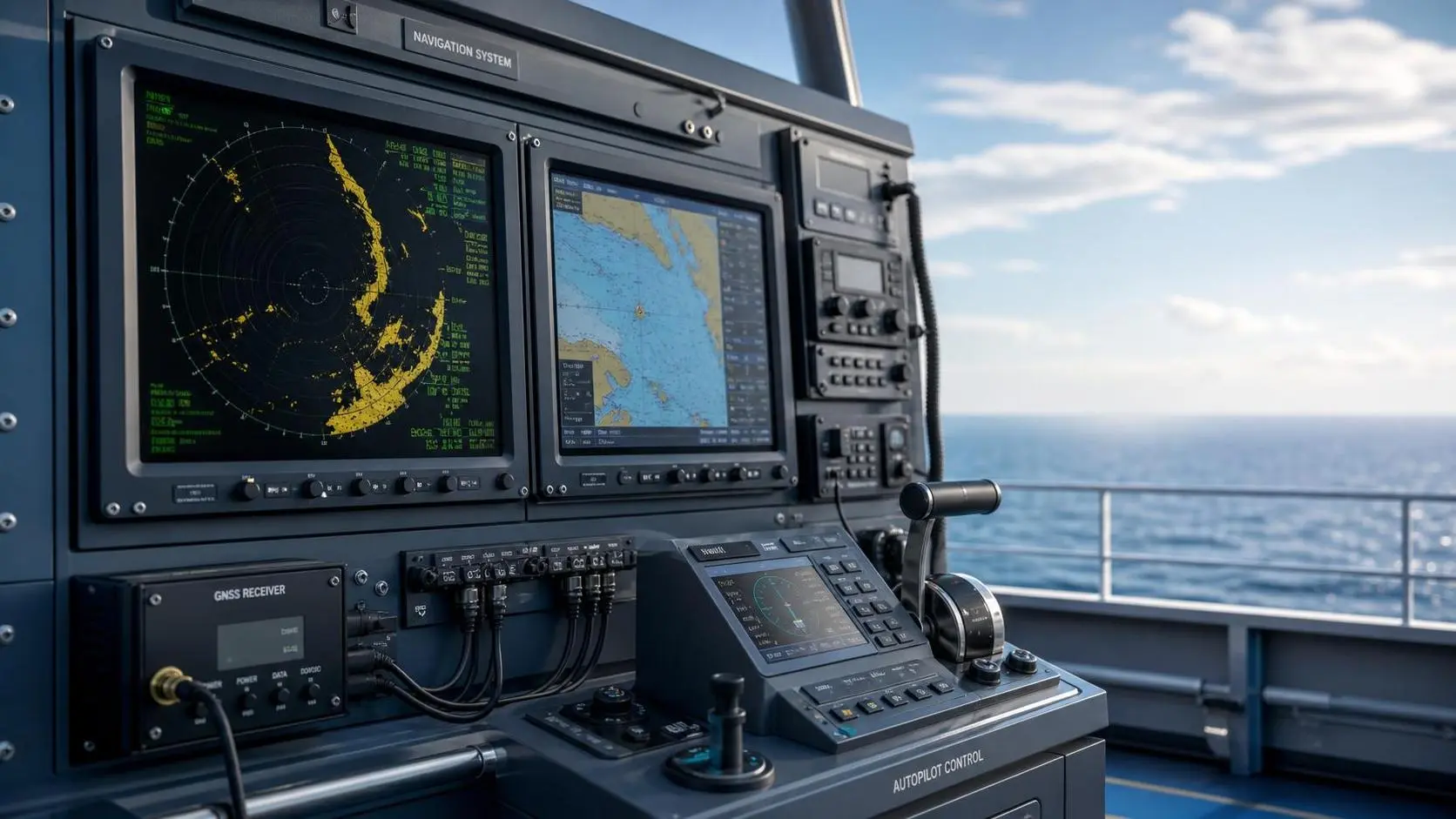
What Factors Drive Marine Navigation Components Cost in Commercial Vessel Projects?
Marine navigation components cost is shaped by integration, compliance, installation, and lifecycle support. Discover what drives pricing and how buyers can reduce risk while improving value.

How Much Does Seat Occupancy Sensing Cost? Key Pricing Factors for Buyers
Seat occupancy sensing price varies widely by technology, integration, and compliance needs. Learn the key cost drivers, avoid hidden fees, and make smarter buying decisions.

How to Specify Micro-Climate Control Cabins for Harsh Outdoor Worksites?
Micro-climate control cabins for harsh outdoor worksites: learn how to specify thermal control, filtration, pressurization, and durability for safer uptime and smarter buying.
Related News
- 00
0000-00
ECDIS Systems for Ships: Compliance Requirements, Core Functions, and Buying Checklist - 00
0000-00
Navigation Compliance for Marine Systems: Key Rules, Certificates, and Approval Steps - 00
0000-00
How to Choose Marine Navigation Systems for Coastal, Offshore, and Port Operations - 00
0000-00
How Navigation Intelligence Affects Route Planning, Fuel Use, and Bridge Decisions - 00
0000-00
ECDIS Update Protocols: How to Manage Chart, Software, and Safety Data Correctly
Weekly Insights
Stay ahead with our curated technology reports delivered every Monday.