
How skeletal mechanics helps explain injury patterns
From crash survivability to seat support and impact biomechanics, skeletal mechanics offers a practical lens for understanding why injuries occur in specific patterns. For information researchers tracking safety design, this topic connects body structure, force transfer, and protective system performance—helping explain how engineering choices in vehicles and mobility equipment shape real-world injury outcomes.
In B2B mobility sectors, injury analysis is not only a medical topic. It directly affects body-in-white design, restraint tuning, seat architecture, airbag deployment logic, and compliance planning across automotive and marine cabins. For procurement teams, engineering analysts, and technical intelligence users, understanding skeletal mechanics helps translate crash data into design requirements, supplier questions, and risk-control decisions.
Within the GNCS knowledge framework, skeletal mechanics sits at the intersection of lightweight structures, passive safety systems, and seating ergonomics. It helps explain why the same impact pulse can produce different injury outcomes depending on occupant posture, bone loading path, restraint timing, and contact with the cabin environment.
Why skeletal mechanics matters in injury pattern analysis
At its core, skeletal mechanics studies how bones, joints, and connected tissues respond to load. In collision or sudden deceleration events, the body does not absorb force uniformly. Instead, load travels through specific anatomical paths such as the pelvis, rib cage, femur, spine, and shoulder girdle.
This matters because most severe injuries happen within very short windows, often in less than 150 milliseconds in vehicle crashes. During that interval, protective systems must manage energy transfer before local stress exceeds the tolerance of bone or surrounding soft tissue.
Force transfer is rarely symmetrical
A frontal impact may appear straightforward, but occupant motion is often offset by seat position, steering angle, belt routing, or pre-crash braking. Even a 20–40 mm shift in posture can change whether load is carried by the pelvis and sternum or redirected into the abdomen, lower ribs, and cervical spine.
This is one reason skeletal mechanics is valuable for explaining recurring injury clusters. Researchers often see patterns such as rib fractures with belt loading, femur loading from knee contact, or lumbar compression linked to vertical seat input. The pattern is not random; it reflects structural load paths.
The skeleton acts as both support frame and injury map
The skeleton is the body’s primary load-bearing framework, but it also reveals where protective design is working or failing. When impact energy is distributed through stronger structures such as the pelvis or thorax, survival space is usually better preserved. When energy concentrates in weaker or poorly aligned regions, injury severity rises.
For design teams, this means injury biomechanics should be interpreted together with component geometry. Airbags, belts, seat frames, and body stampings do not operate independently. They form a 4-part containment chain, and skeletal mechanics helps evaluate the chain as an integrated system.
Key variables that influence injury distribution
- Impact direction: frontal, side, rear, oblique, rollover, or vertical slam input
- Occupant factors: stature, age, bone density, seating posture, and belt fit
- Vehicle factors: intrusion level, pulse duration, seat stiffness, and cabin geometry
- Restraint timing: pre-tensioner activation, force limiter threshold, and airbag venting behavior
- Contact points: instrument panel, side structure, steering module, floor, and head restraint
For information researchers, these variables create a practical checklist. If two crash cases involve similar speeds but different injury outcomes, skeletal mechanics often explains the difference through posture, timing, and local force concentration rather than speed alone.
How different injury patterns emerge in mobility environments
Different transport environments generate different loading modes. A road vehicle collision may involve high deceleration over 80–120 milliseconds, while marine navigation incidents can include repeated vertical shocks, lateral instability, or secondary occupant impacts inside the cabin. In both cases, skeletal mechanics provides a framework for interpreting what the body is likely to experience.
Frontal impact patterns
In frontal crashes, the chest, pelvis, knees, and lower legs are common load zones. If belt geometry is well managed, the pelvis and rib cage absorb much of the restraint load. If belt fit is poor, submarining risk increases, and the load may shift toward the abdomen and lumbar spine.
Femur injuries can also occur when forward excursion is not sufficiently controlled. This is especially relevant when seat track position, instrument panel clearance, or knee bolster behavior allows concentrated force into the distal femur within a small contact area.
Side impact patterns
Side impacts often produce more localized loading because the available crush space is smaller, commonly measured in only a few hundred millimeters. The rib cage, pelvis, and shoulder are vulnerable because the lateral body structure has less natural tolerance than the front-facing posture used in seat and belt design.
In these events, intrusion timing is critical. A side structure that reaches the occupant too early can overwhelm thoracic protection before side airbags fully deploy. Skeletal mechanics helps analysts connect intrusion velocity with fracture distribution in the ribs and pelvic ring.
Rear impact and vertical loading patterns
Rear impacts are often associated with neck injury mechanisms due to rapid differential motion between the torso and head. However, seatback stiffness, head restraint gap, and occupant posture all influence whether the cervical spine experiences extension-dominant or shear-dominant loading.
Vertical loading, which is highly relevant in rough-road and marine seating environments, can place compressive stress on the lumbar spine and pelvis. Repeated exposure at low to moderate levels may not cause acute fracture, but over time it can contribute to fatigue, discomfort, and cumulative spinal loading issues.
The table below summarizes how skeletal mechanics helps interpret injury patterns across common mobility scenarios.
A useful takeaway is that injury patterns usually mirror the structural path of energy. When researchers map the body region, impact direction, and cabin contact sequence together, skeletal mechanics becomes a decision tool rather than a purely academic concept.
What this means for seats, restraints, and body structures
Skeletal mechanics is especially relevant for three GNCS focus areas: auto body stampings, passive safety components, and smart seating systems. These domains shape how energy enters the cabin, how occupants are contained, and how loads are distributed over 3 key interfaces: seat, belt, and airbag.
Seat design is more than comfort engineering
A seat must support posture during normal use and manage body kinematics during abnormal events. Cushion contour, seat-pan angle, backrest stiffness, and head restraint geometry all influence whether the pelvis stays positioned, the torso rotates predictably, and spinal alignment remains within acceptable limits.
For example, a seat-pan angle change of 3–5 degrees can alter pelvic rotation enough to affect belt interaction. Likewise, a head restraint gap above roughly 50 mm may increase neck motion in a rear impact. These details are where skeletal mechanics turns ergonomic decisions into measurable safety outcomes.
Body stampings define survival space and pulse shape
High-strength steel and aluminum stampings influence both intrusion resistance and crash pulse management. A body structure that is too soft may compromise occupant space, while a structure that is too stiff in the wrong zone may transfer a sharper deceleration pulse into the restraint system.
This is why analysts look beyond material grade alone. Thickness distribution, load path continuity, joining strategy, and local reinforcement placement all affect how skeletal loads develop. A 10% mass reduction is valuable, but not if it leads to unfavorable load concentration at the occupant interface.
Airbags and seatbelts must work with bone structure, not against it
Restraints are most effective when they engage stronger regions of the skeleton. The lap belt should interface with the pelvis rather than the soft abdomen. The shoulder belt should spread load across the thorax without excessive neck interaction. Airbag timing should reduce head and chest deceleration without creating unnecessary local force spikes.
In practical terms, that means calibration choices such as pre-tensioner timing, force limiter range, and airbag venting are not isolated tuning tasks. They are part of a body-load management strategy built around skeletal mechanics.
The following table compares major cabin safety components through the lens of force transfer and injury mitigation.
For B2B decision-makers, the key point is system interaction. A stronger body structure alone does not guarantee better injury outcomes. The seat, belt, and airbag must be tuned to the expected occupant motion and the skeletal load path created by the cabin architecture.
How information researchers can evaluate injury risk more effectively
For technical researchers, procurement analysts, and product strategy teams, skeletal mechanics provides a disciplined method for comparing suppliers, reviewing test reports, and identifying hidden risk. The goal is not to become a biomechanical lab, but to ask better questions and interpret engineering claims with more precision.
A 5-step review framework
- Define the operating scenario: frontal, side, rear, rollover, vertical shock, or mixed-use cabin exposure.
- Map the likely occupant posture across the 5th percentile to 95th percentile user range.
- Identify the first 3 contact or restraint interfaces: seat, belt, airbag, side trim, floor, or console.
- Review whether force is directed toward strong skeletal regions or vulnerable soft-tissue zones.
- Check compliance alignment with current regulatory and consumer test expectations such as IIHS or Euro NCAP related performance philosophies.
This process helps teams move from broad safety language to evidence-based evaluation. It is particularly useful when comparing smart seat concepts, lightweight body solutions, or passive safety packages that claim improved occupant protection without clearly showing the underlying load-management logic.
Common interpretation mistakes
Mistake 1: Treating impact speed as the only variable
Speed matters, but posture, timing, and intrusion geometry can change injury outcomes dramatically even within similar speed bands. A 50 km/h event with poor belt fit may produce a different injury map than a higher-speed event with better occupant containment.
Mistake 2: Confusing comfort metrics with safety metrics
A seat that performs well in pressure distribution during a 2-hour ride may still perform poorly in crash kinematics or vertical shock attenuation. Researchers should review both static ergonomics and dynamic load behavior before drawing conclusions.
Mistake 3: Reviewing components in isolation
Injury patterns emerge from interaction. For example, a well-designed airbag may still underperform if the seat allows excessive forward excursion or if the belt loads the torso too late. Skeletal mechanics encourages full-chain evaluation instead of single-component judgment.
Practical screening questions for supplier and platform assessment
- How does the design manage pelvis positioning under both normal seating and crash loading?
- What occupant size range was considered in the validation approach?
- Does the restraint strategy direct load toward the pelvis and thorax consistently?
- How is vertical vibration or repeated slam input managed over long-duration use?
- Which 3 to 6 performance checks are used to verify head, chest, pelvis, and spine protection logic?
For GNCS users working across marine navigation cabins, automotive structures, and smart seating systems, these questions support better cross-domain intelligence. They help link human injury mechanics to component sourcing, platform planning, and compliance-sensitive product development.
Future direction: from injury explanation to predictive design intelligence
The next phase of skeletal mechanics in mobility is predictive rather than reactive. As simulation, sensor fusion, and digital engineering mature, teams can evaluate probable injury paths earlier in the 3-stage cycle of concept, validation, and iteration. That shortens redesign loops and supports more targeted safety investment.
This shift is especially important in sectors balancing lightweighting, electrification, cabin intelligence, and global compliance pressure. A lighter structure, a thinner seat package, or a new sensor-driven restraint logic may create benefits, but each change also alters how the skeleton will be loaded in abnormal events.
For technical information researchers, the value of skeletal mechanics is clear: it translates complex injury outcomes into understandable engineering relationships. It explains why fractures, spinal loads, chest compression, and pelvic injuries are patterned rather than random, and it helps identify which design choices are most likely to improve occupant protection.
GNCS tracks these relationships across marine navigation systems, body stampings, airbag assemblies, seatbelt systems, and auto seat assemblies to support more informed industry decisions. If you want deeper intelligence on safety architecture, load-path logic, or component selection priorities, contact us now to explore tailored research support and learn more solutions for precision protection and cabin performance.
Related News
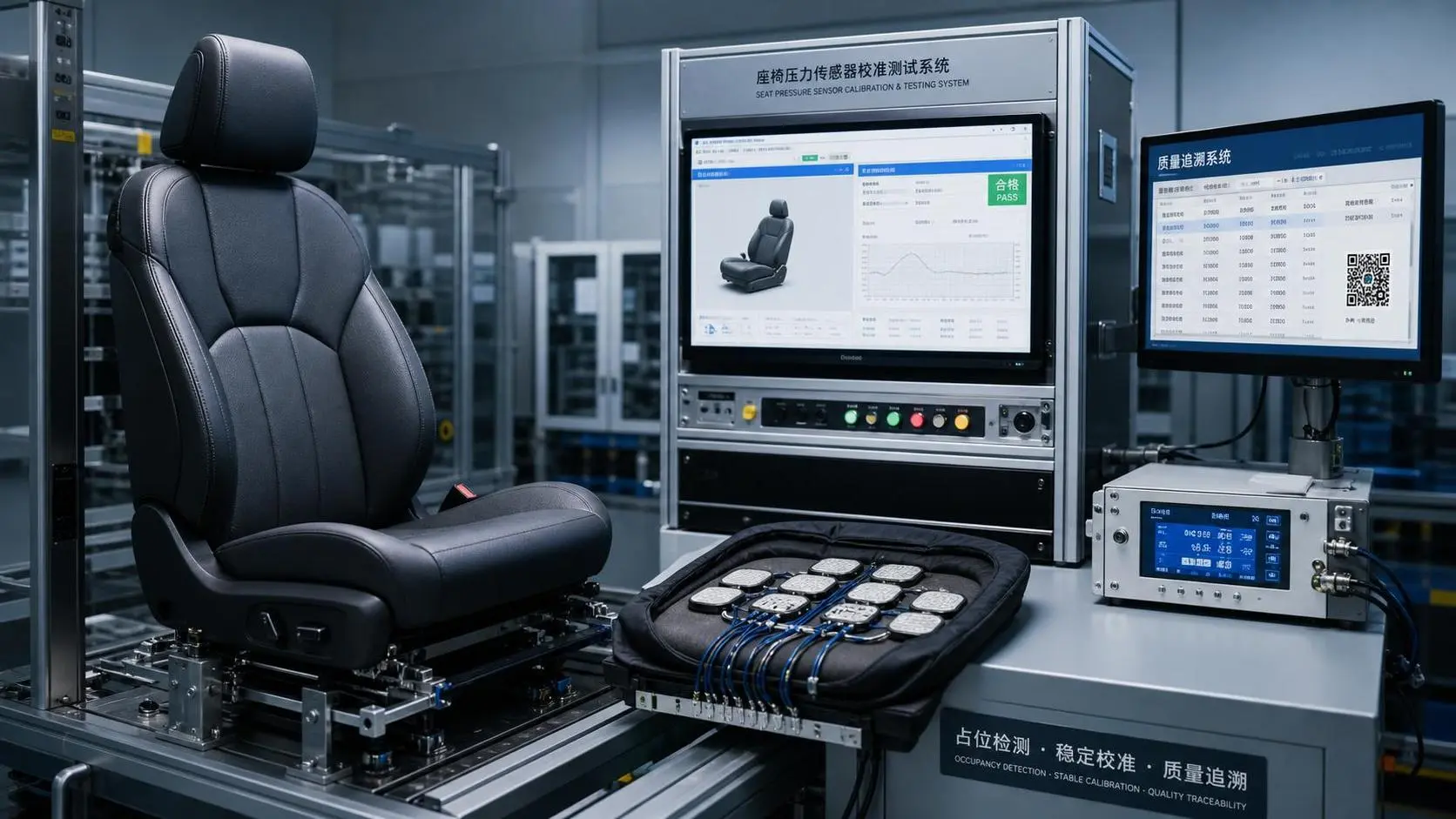
How to Evaluate a Seat Sensing Systems Factory for Automotive Safety Programs
Seat sensing systems factory selection goes beyond price. Learn how to assess quality control, validation, PPAP readiness, and long-term supply reliability for safer automotive programs.
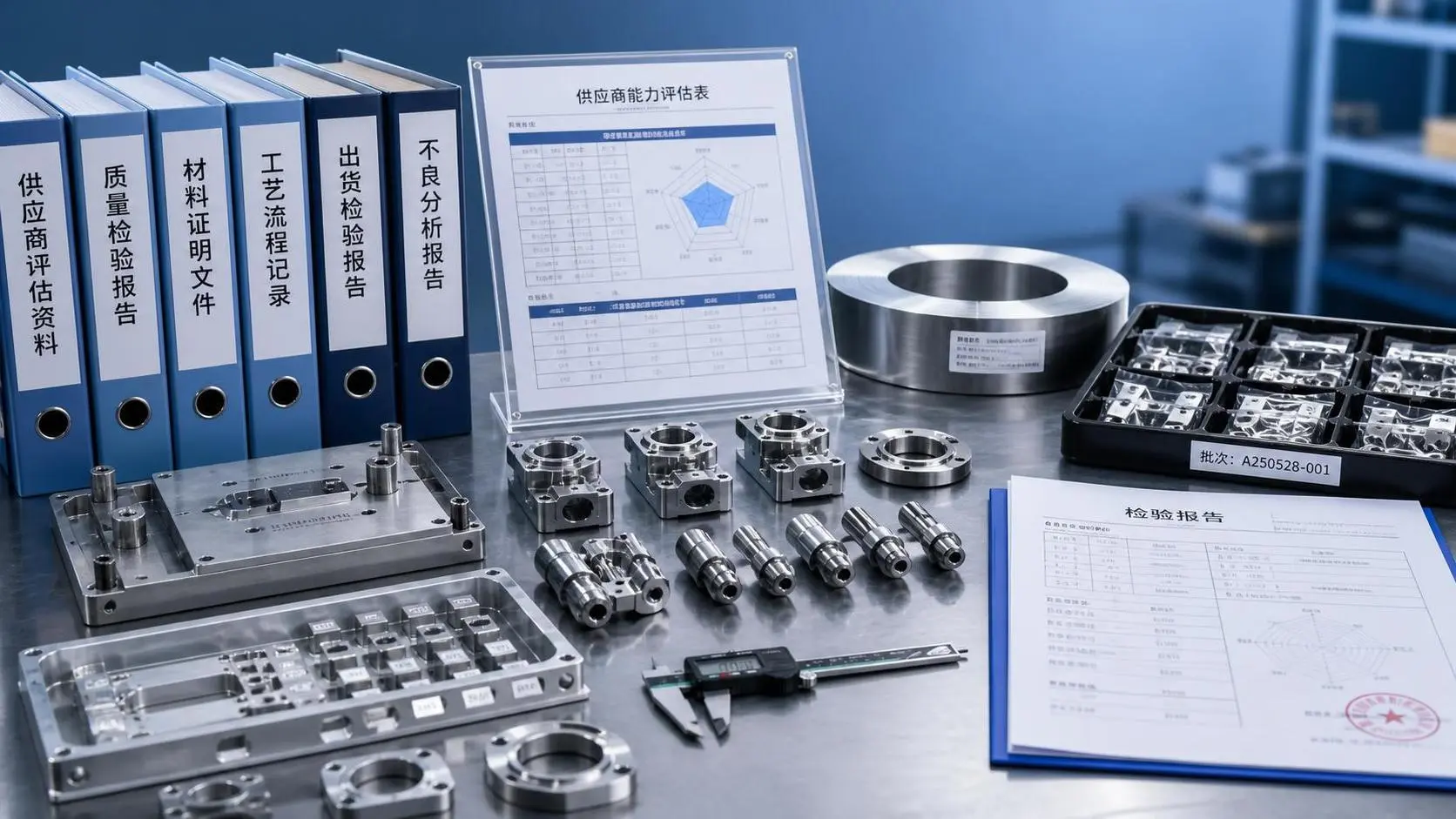
Supplier Capability Evaluation Process: Key Criteria for B2B Sourcing Decisions
Supplier capability evaluation process explained: learn the key criteria for B2B sourcing decisions, reduce supplier risk, and choose partners with confidence.
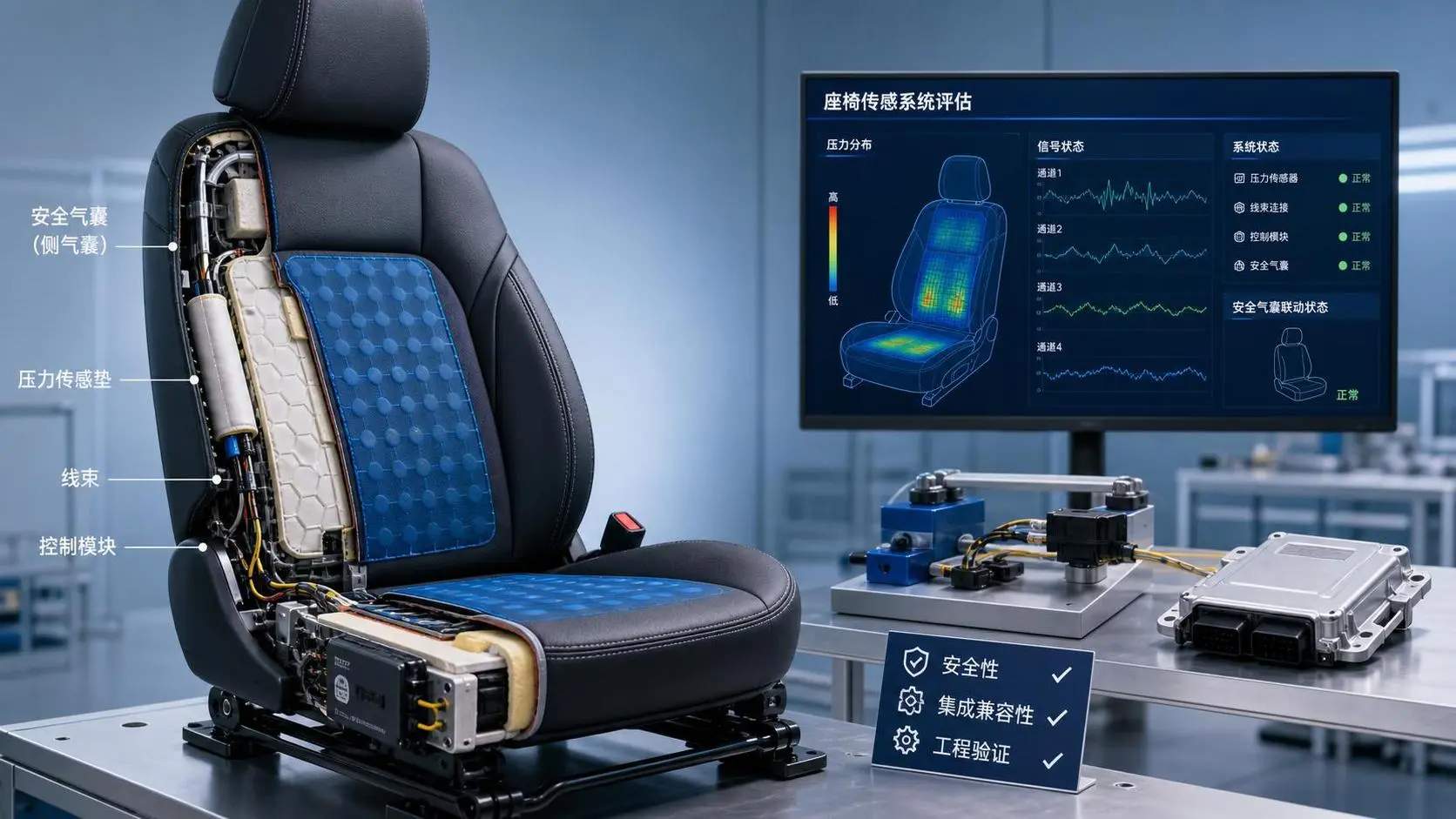
How to Evaluate a Seat Sensing Technology Supplier for Safety and Integration?
Seat sensing technology supplier evaluation guide: compare safety maturity, integration fit, algorithm reliability, and validation support to choose a partner that reduces risk.
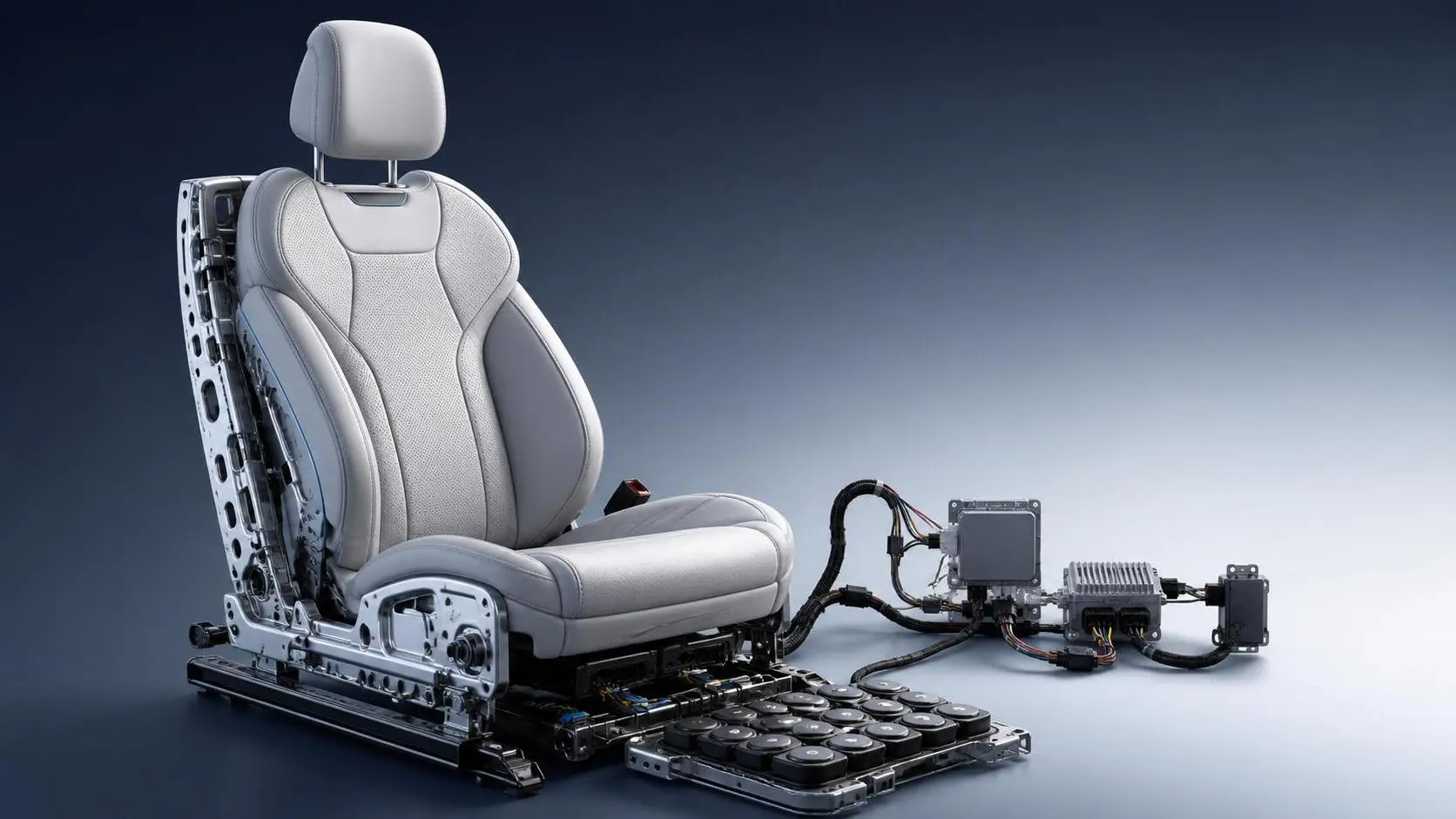
How to Evaluate Custom Smart Automotive Seating for Premium Vehicle Programs?
Custom smart automotive seating evaluation starts with safety, comfort, integration, and production readiness. Discover how premium vehicle teams choose smarter, lower-risk seat solutions.
B2B Product Intelligence Platforms: How to Compare Features, Data Coverage, and ROI
B2B product intelligence platform comparison: learn how to evaluate data coverage, feature depth, compliance visibility, and ROI to choose a sourcing tool that reduces risk and speeds decisions.
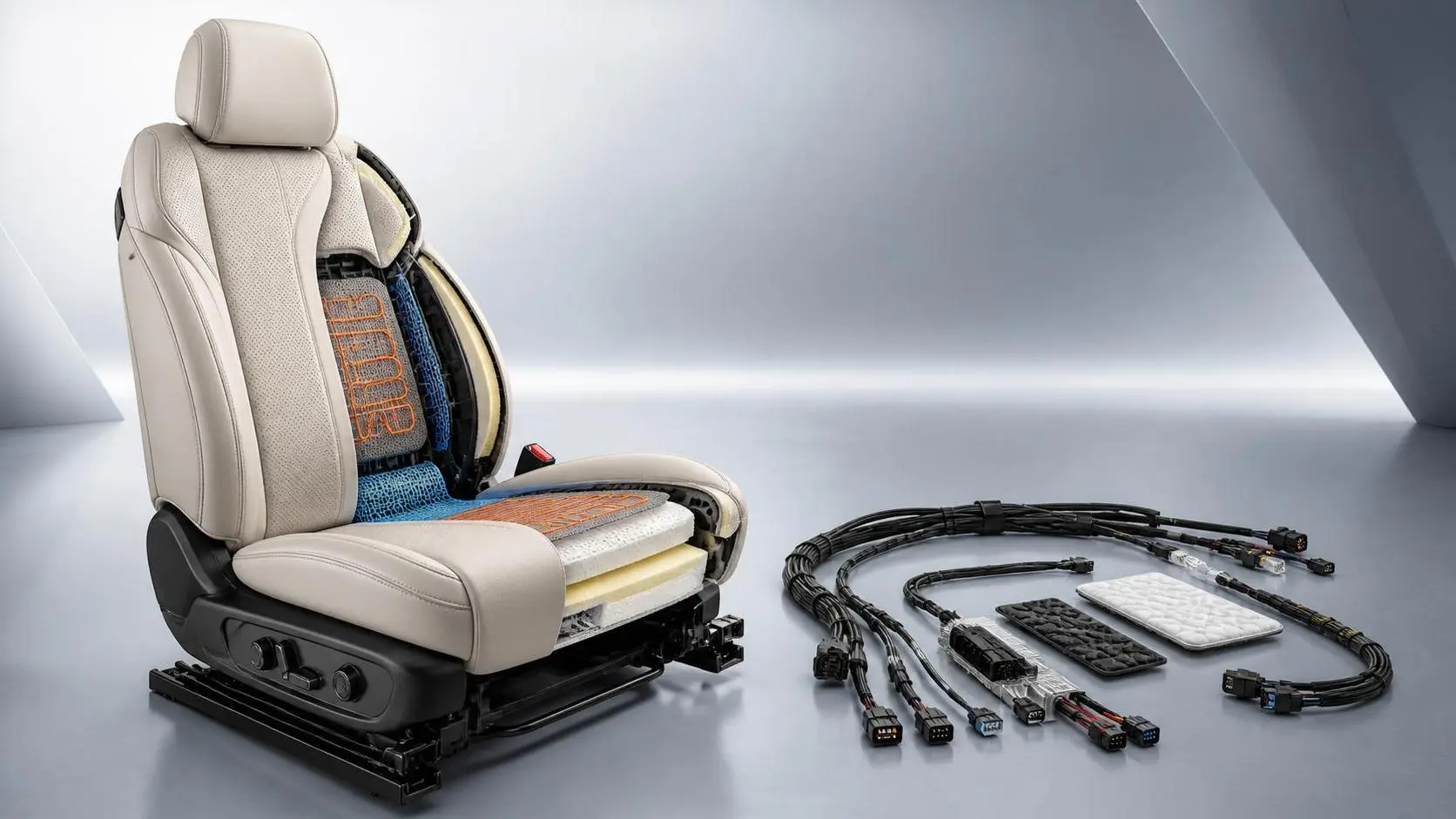
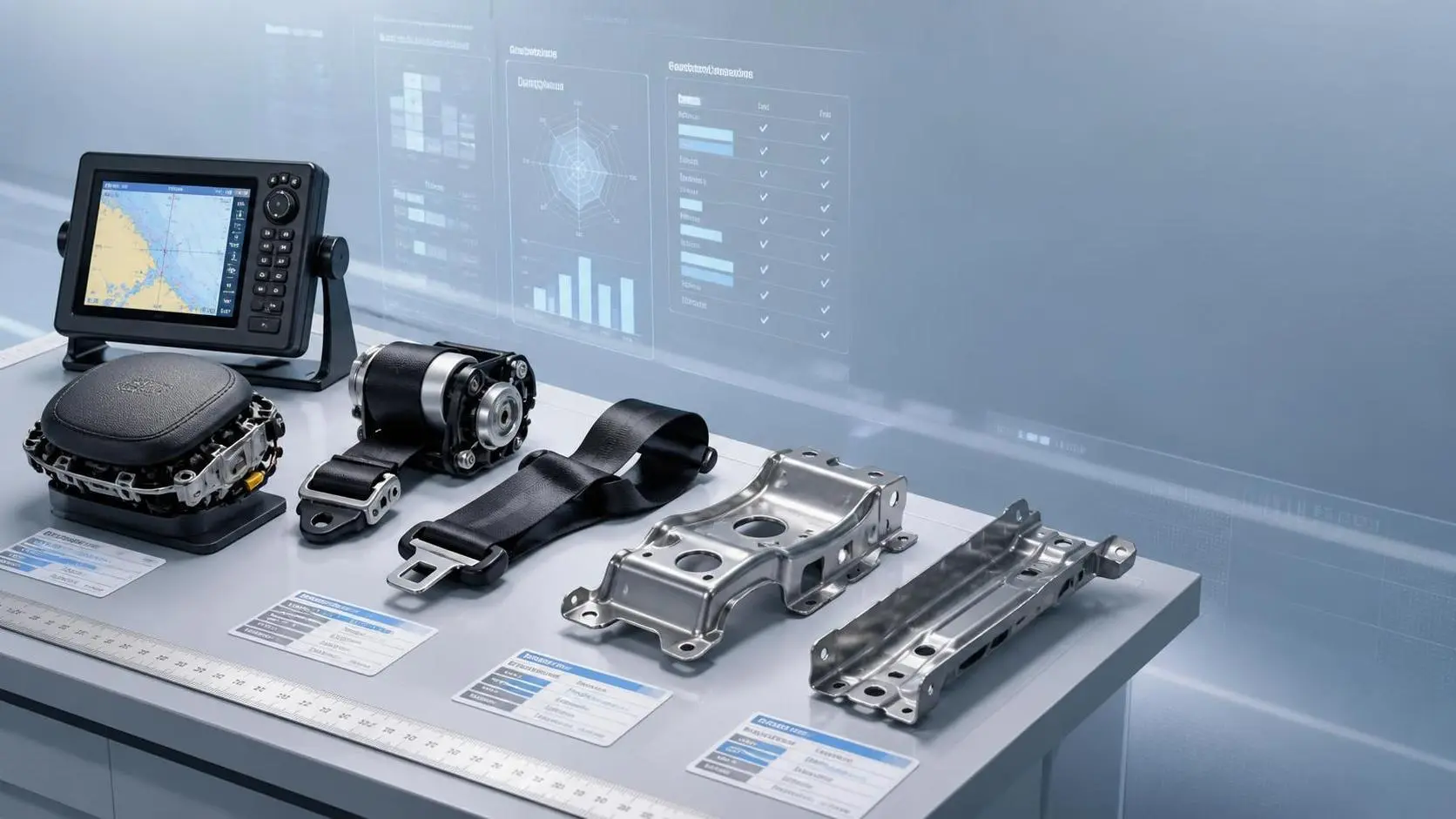
Climate Control Seats Cost: What Drives Price and Long-Term Ownership Value?
Climate control seats cost depends on materials, thermal tech, and integration. Learn what drives price and how to judge long-term value before you buy.
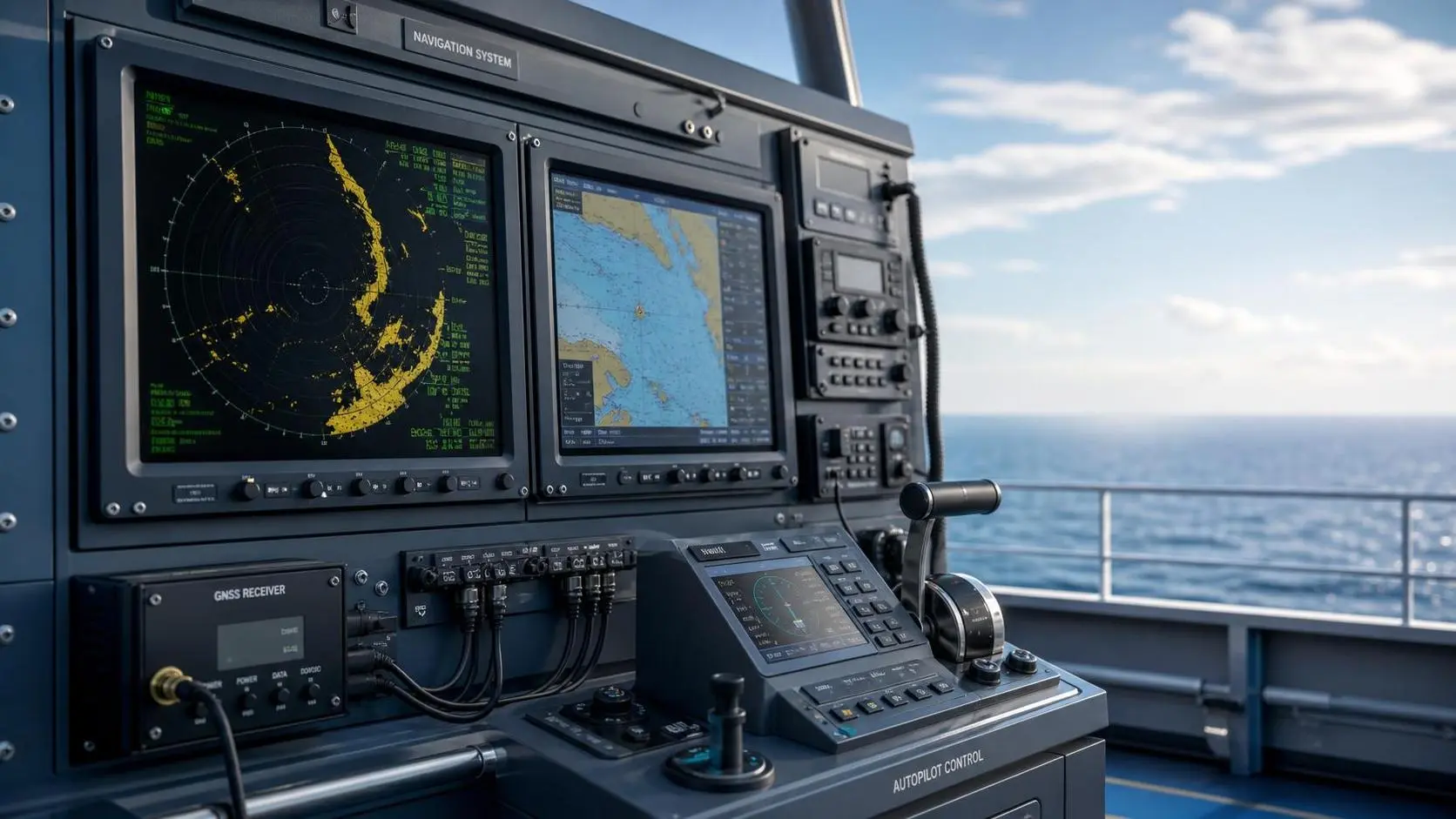
What Factors Drive Marine Navigation Components Cost in Commercial Vessel Projects?
Marine navigation components cost is shaped by integration, compliance, installation, and lifecycle support. Discover what drives pricing and how buyers can reduce risk while improving value.
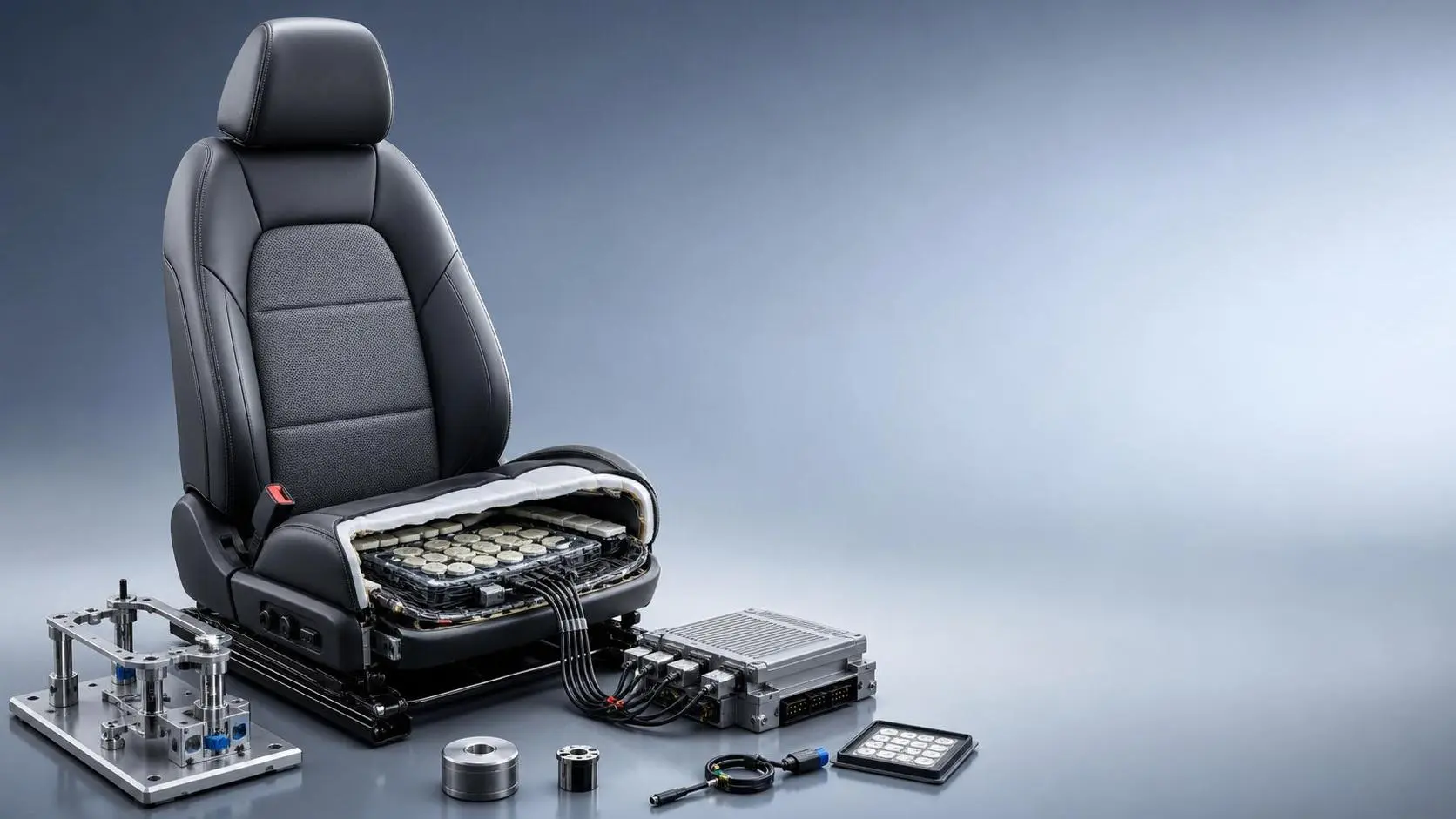
How Much Does Seat Occupancy Sensing Cost? Key Pricing Factors for Buyers
Seat occupancy sensing price varies widely by technology, integration, and compliance needs. Learn the key cost drivers, avoid hidden fees, and make smarter buying decisions.
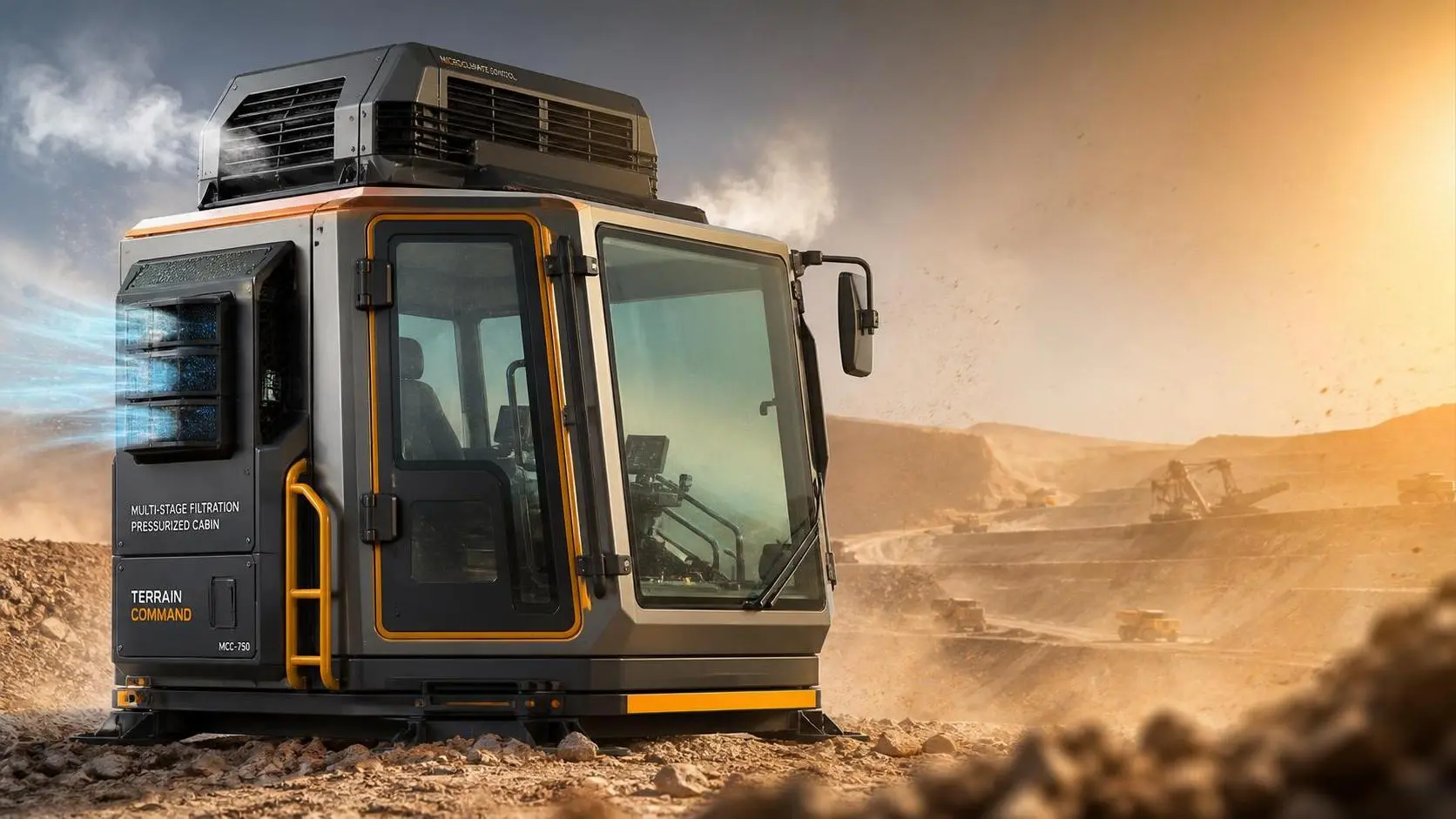
How to Specify Micro-Climate Control Cabins for Harsh Outdoor Worksites?
Micro-climate control cabins for harsh outdoor worksites: learn how to specify thermal control, filtration, pressurization, and durability for safer uptime and smarter buying.
Related News
- 00
0000-00
Supplier Capability Evaluation Process: Key Criteria for B2B Sourcing Decisions - 00
0000-00
How to Evaluate a Seat Sensing Technology Supplier for Safety and Integration? - 00
0000-00
B2B Product Intelligence Platforms: How to Compare Features, Data Coverage, and ROI - 00
0000-00
What Factors Drive Marine Navigation Components Cost in Commercial Vessel Projects? - 00
0000-00
How Much Does Seat Occupancy Sensing Cost? Key Pricing Factors for Buyers
Weekly Insights
Stay ahead with our curated technology reports delivered every Monday.