
What crash test regulations are changing this year?
Crash test regulations are changing fast this year, reshaping how automakers, suppliers, and safety engineers design bodies, restraint systems, and smart cabins. From tougher occupant protection benchmarks to updated assessment methods in major global programs, these changes signal higher technical and compliance demands. This overview explains what the latest crash test regulations mean for the mobility industry and why early intelligence matters.
For information researchers, the key issue is no longer whether rules are tightening, but where they are tightening first. In 2024 and 2025 transition cycles, major programs such as Euro NCAP, IIHS, and regional regulatory authorities are placing more weight on rear-seat safety, far-side impact, pedestrian protection, active safety integration, and post-crash considerations.
That has direct implications for body stampings, airbag assemblies, seatbelt systems, and seat structures. It also affects validation schedules, sourcing criteria, tooling decisions, and the commercial timing of platform launches. For a portal such as GNCS, which connects safety intelligence with component-level decision-making, tracking crash test regulations early helps suppliers and OEM teams reduce redesign risk and protect program margins.
Why crash test regulations are changing this year
The biggest shift is that crash test regulations are increasingly reflecting real-world injury patterns rather than only laboratory repeatability. Over the last 3–5 years, investigators have paid closer attention to second-row occupants, smaller occupants, oblique crash motion, and interaction between passive safety and driver assistance functions.
This means test protocols are becoming more demanding in two directions at once. First, physical crash performance is being examined under more complex load paths. Second, scoring systems are rewarding vehicle architectures that combine structure, restraints, sensing, and software into a coordinated protection strategy.
From single-event impact to broader safety scenarios
Traditional frontal and side tests still matter, but the scope is wider. Programs now examine what happens in moderate overlap, small overlap, side strikes with heavier barriers, and cabin motion that throws occupants toward the centerline. In some updates, test speeds, barrier geometry, and dummy positioning have been refined to reveal weaknesses that older methods missed.
For example, a design that performed well at one fixed speed may now be exposed to a different injury mechanism when belt load limiting, airbag timing, and seat stiffness interact under changed conditions. Even a 10–20 mm change in occupant excursion can affect head, chest, or pelvis injury measurements.
Why suppliers should pay attention early
- Body-in-white teams may need 2–3 rounds of reinforcement tuning instead of a single optimization loop.
- Restraint suppliers may face tighter deployment windows measured in milliseconds, especially for side and center protection systems.
- Seat engineers may need stronger anti-submarining performance, better seatback integrity, and more stable dummy kinematics.
- Validation calendars can extend by 8–12 weeks if tooling or calibration changes are discovered late.
In other words, crash test regulations are not just a compliance topic. They are a program management issue, a sourcing issue, and a platform strategy issue.
Which areas of crash testing are seeing the most important updates
The most significant updates this year center on occupant diversity, multi-row protection, and the interaction between structure and restraint systems. While exact requirements differ by market, several themes are appearing repeatedly across global safety programs.
Rear-seat occupant protection
One of the clearest trends in crash test regulations is the increased focus on rear-seat safety. Historically, front-seat performance dominated design targets. Now, second-row occupants are under closer review, especially in frontal crashes where belt geometry, pretensioning strategy, and seat cushion interaction can strongly influence injury outcomes.
For suppliers, this often means revised belt load management, better buckle positioning, and seat frame tuning that supports more controlled occupant motion. In some programs, rear-seat chest and head metrics can become a rating differentiator even if front-row performance remains strong.
Far-side impact and center protection
Far-side assessments are gaining relevance because occupants may move laterally away from the struck side and collide with interior structures or another occupant. This is one reason center airbags and improved seat-integrated restraint strategies are receiving more engineering attention.
A small change in console stiffness, seat lateral support, or airbag deployment sequence can alter the injury path. Development teams now need to consider not only intrusion, but also interior-to-occupant interaction over the first 100–150 milliseconds after impact.
Heavier barrier conditions and compatibility concerns
Some updates emphasize crash compatibility between vehicles of different mass and ride height. As SUVs, pickups, and electrified platforms grow in market share, crash test regulations increasingly examine how energy is transferred between structures rather than just how one body shell survives a standard event.
This pushes automakers toward stronger load paths, better front-end alignment, and more stable passenger-cell performance. It also raises expectations for hot-stamped components, tailored blanks, and mixed-material joining quality.
The table below outlines the main update areas and their likely engineering effect on mobility equipment developers and Tier 1 suppliers.
The key takeaway is that crash test regulations are becoming more system-oriented. A stronger pillar or faster inflator alone may not be enough if occupant motion in the seat or cabin is not controlled consistently across test modes.
What the new rules mean for bodies, airbags, belts, and seats
For GNCS readers, the practical value lies in translating regulatory movement into component priorities. The following areas deserve immediate technical review, especially when a new platform is within 12–24 months of launch.
Auto body stampings and structural load paths
As crash test regulations evolve, body structures must manage energy with less uncontrolled deformation. This often requires better use of ultra-high-strength steel, tailored thickness distribution, and more disciplined crash load transfer around the occupant cell.
Hot-stamped parts, rocker reinforcements, cross-car members, and door ring architectures are under renewed scrutiny. Material selection is only part of the answer. Dimensional stability, weld integrity, and springback control within tolerance bands such as ±0.5 mm to ±1.0 mm can materially affect repeatable crash performance.
Airbag assemblies and deployment logic
Airbag systems now need broader coverage of occupant size, position, and crash direction. That is especially true for side curtains, thorax bags, knee protection, and center airbags used to address far-side scenarios.
Engineering teams should check inflator output curves, venting strategy, fold pattern stability, and electronic trigger robustness. A deployment event unfolds in milliseconds, so even modest changes in sensor filtering or occupant classification logic can shift the protection outcome.
Seatbelt systems and restraint coordination
Modern crash test regulations increasingly expose weak coordination between pretensioners, force limiters, and airbags. A belt that is too aggressive may increase chest loading, while one that releases too early may allow excessive head excursion.
That is why many development teams are moving toward multi-stage belt management strategies, especially for front outboard and second-row seating positions. The calibration workload can rise by 20–30% when new occupant scenarios are added.
Seat assemblies and occupant kinematics
Seats are no longer passive packaging structures. Seatback stiffness, head restraint geometry, anti-submarining ramps, foam rate, and rail integrity all influence injury metrics. This is particularly important in frontal offset and far-side conditions where dummy posture changes rapidly.
A smart seat platform with sensing capability can also support future integration between occupant classification and restraint timing. That does not replace good structural design, but it improves the margin for controlled protection.
The next table maps common component areas against likely action priorities under updated crash test regulations.
The schedule matters because late-stage changes are expensive. When crash test regulations trigger redesign after prototype tooling, the cost impact can spread from part engineering to supplier nomination, DV/PV timing, and plant launch readiness.
How buyers and research teams should assess compliance risk
Information researchers often need more than a list of rule changes. They need a method to screen suppliers, technologies, and platform decisions against evolving compliance risk. A practical review can be organized into 4 checkpoints.
1. Confirm target market exposure
A vehicle sold across 2–3 major regions may face different regulatory deadlines and consumer-test expectations. Teams should identify whether they are designing for mandatory homologation, rating performance, or both. The engineering target for a legal minimum is often different from the target for a 5-star outcome.
2. Map component interfaces, not isolated parts
Crash test regulations increasingly reward integrated performance. Buyers should ask how a supplier’s product interacts with adjacent systems. A seatbelt supplier should understand seat posture effects. A seat supplier should understand airbag and belt timing assumptions. A body supplier should understand restraint load transfer points.
Key screening questions
- Which current test programs has the component architecture been developed against?
- What 3–5 injury metrics are most sensitive to this component?
- What validation evidence exists for different occupant sizes or seating positions?
- How long would an engineering change take after a failed test event: 2 weeks, 6 weeks, or longer?
3. Review development timing and change capacity
A supplier may be technically capable but operationally weak. Procurement and strategy teams should examine prototype lead time, simulation support, sample iteration capacity, and tooling responsiveness. In safety-critical programs, a 4-week delay at the wrong stage can push complete vehicle validation off track.
4. Track intelligence continuously, not once per launch
Because crash test regulations are updated in cycles, one annual review is rarely enough. Many teams now use quarterly intelligence checks and milestone-based reviews at concept freeze, design freeze, and pre-validation. This is where intelligence platforms such as GNCS provide value by connecting regulatory movement with component-level consequences.
Common mistakes when interpreting crash test regulations
Even experienced teams can misread the meaning of new protocols. Several mistakes appear repeatedly during sourcing and platform planning.
Assuming a passing design will remain competitive
A vehicle that passes one market’s legal threshold may still underperform in consumer rating systems that influence purchasing decisions and brand perception. Compliance and competitiveness are not the same target.
Treating ADAS and passive safety as separate workstreams
As protocols increasingly account for crash avoidance and mitigation, engineering silos create blind spots. Sensor package decisions, front-end packaging, and cabin restraint logic should be reviewed together, not in isolation.
Underestimating rear-seat redesign work
Rear-seat updates can seem small on paper, but they may require new anchors, revised trim clearances, seat foam tuning, and belt path changes. That can ripple into cost, tooling, and supplier coordination across 5–8 subsystems.
This year’s crash test regulations are not a narrow rules update. They represent a broader move toward whole-cabin protection, real-world crash relevance, and tighter integration between structure, restraints, seating, and sensing. For automakers, Tier 1 suppliers, and technical sourcing teams, early interpretation can save months of rework and reduce exposure to costly launch delays.
GNCS supports that process by linking regulatory developments with the practical realities of body engineering, airbag evolution, seatbelt tuning, smart seat design, and strategic intelligence for global mobility programs. If you need a clearer view of how changing crash test regulations affect your components, sourcing roadmap, or validation strategy, contact us to get tailored insight, discuss product details, or explore more safety-focused solutions.
Related News
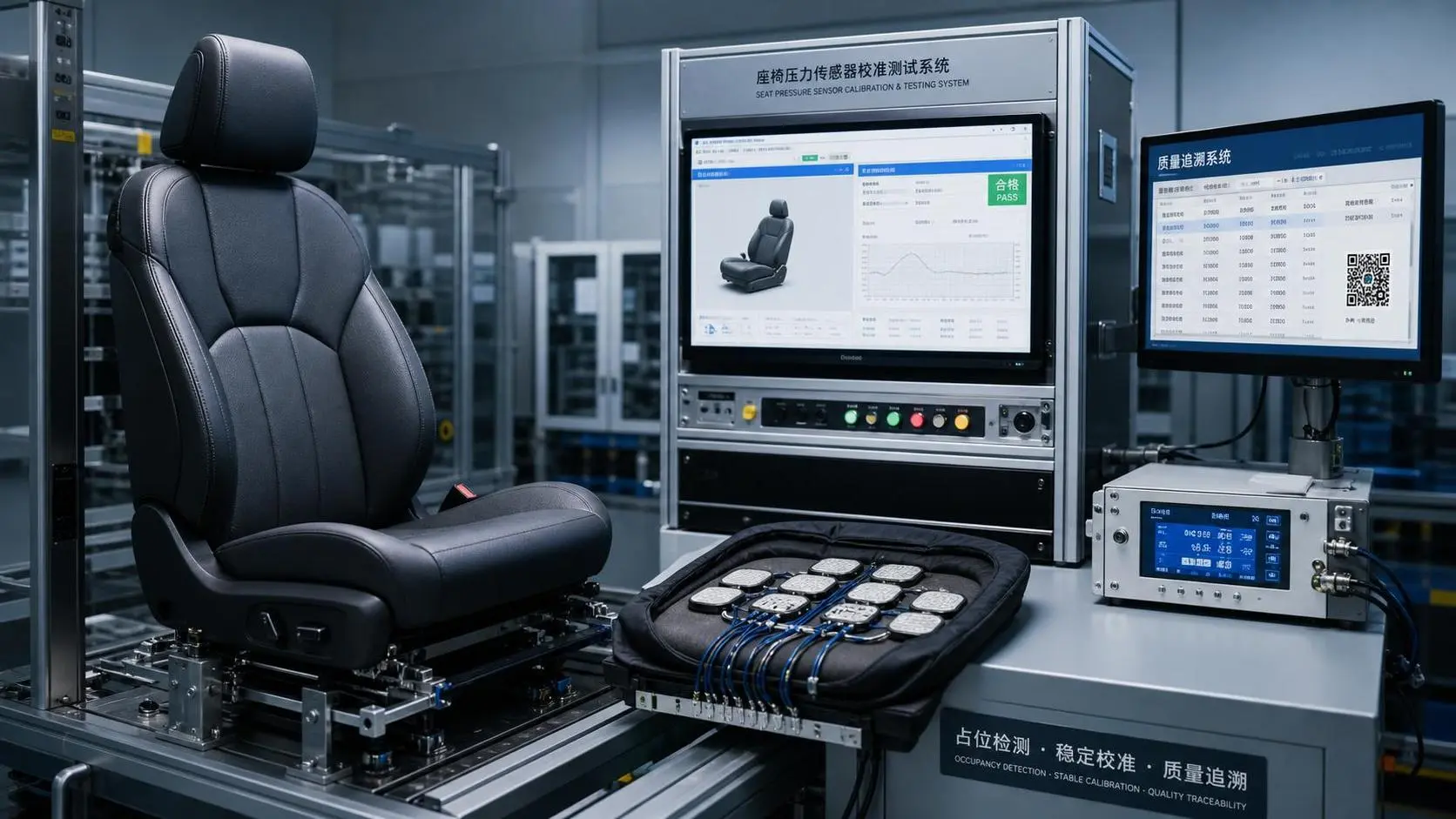
How to Evaluate a Seat Sensing Systems Factory for Automotive Safety Programs
Seat sensing systems factory selection goes beyond price. Learn how to assess quality control, validation, PPAP readiness, and long-term supply reliability for safer automotive programs.
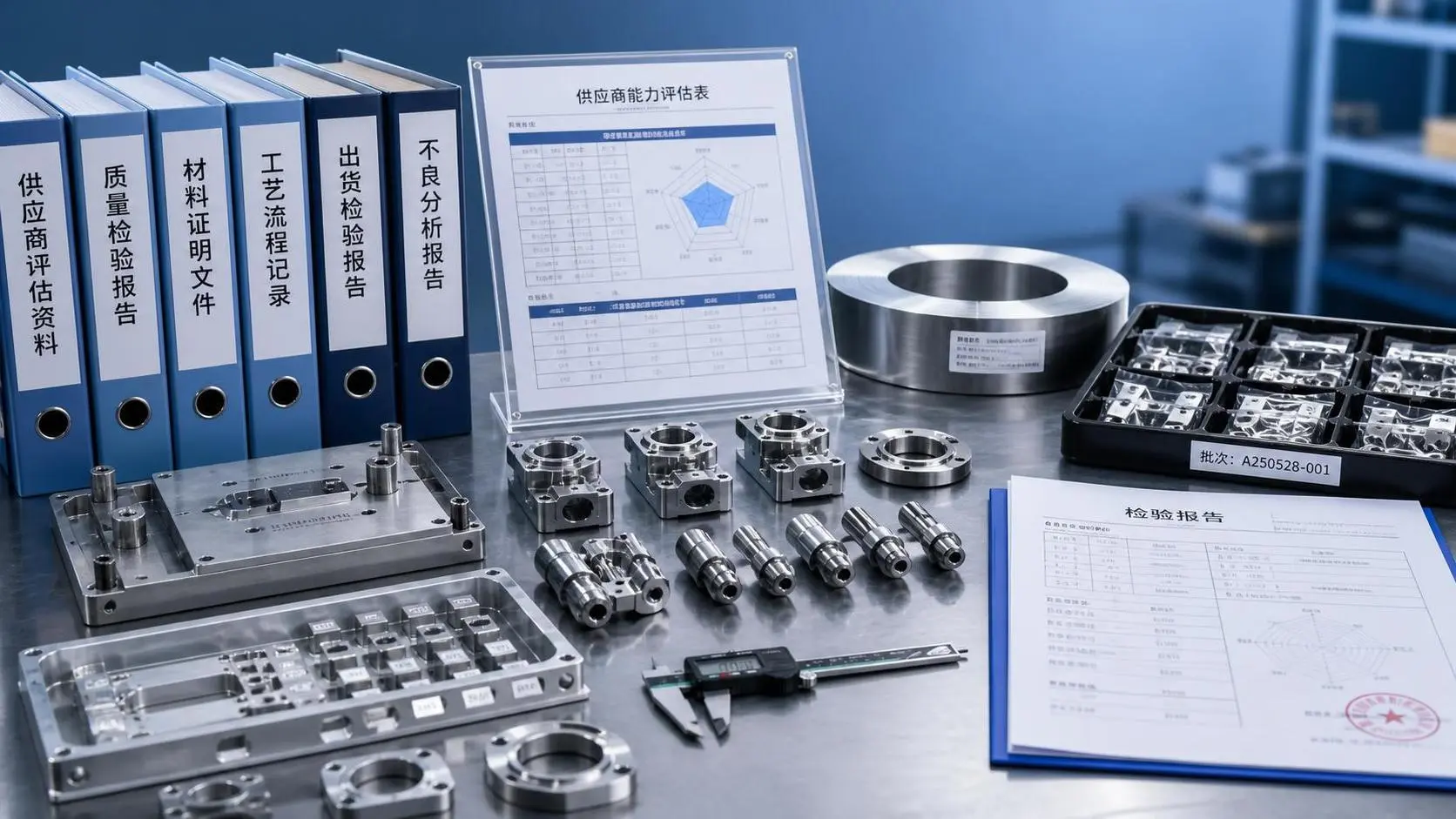
Supplier Capability Evaluation Process: Key Criteria for B2B Sourcing Decisions
Supplier capability evaluation process explained: learn the key criteria for B2B sourcing decisions, reduce supplier risk, and choose partners with confidence.
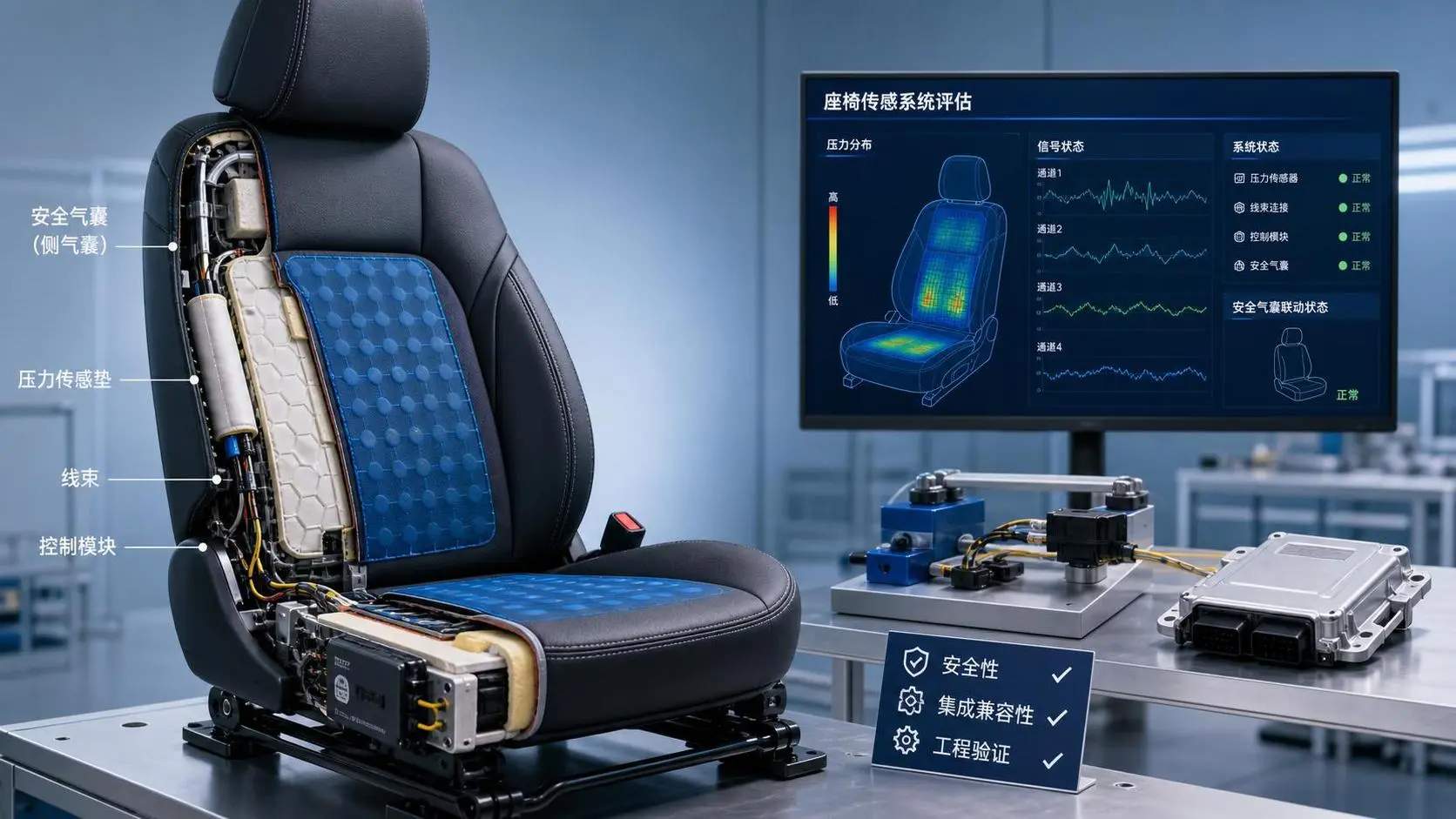
How to Evaluate a Seat Sensing Technology Supplier for Safety and Integration?
Seat sensing technology supplier evaluation guide: compare safety maturity, integration fit, algorithm reliability, and validation support to choose a partner that reduces risk.

How to Evaluate Custom Smart Automotive Seating for Premium Vehicle Programs?
Custom smart automotive seating evaluation starts with safety, comfort, integration, and production readiness. Discover how premium vehicle teams choose smarter, lower-risk seat solutions.
B2B Product Intelligence Platforms: How to Compare Features, Data Coverage, and ROI
B2B product intelligence platform comparison: learn how to evaluate data coverage, feature depth, compliance visibility, and ROI to choose a sourcing tool that reduces risk and speeds decisions.
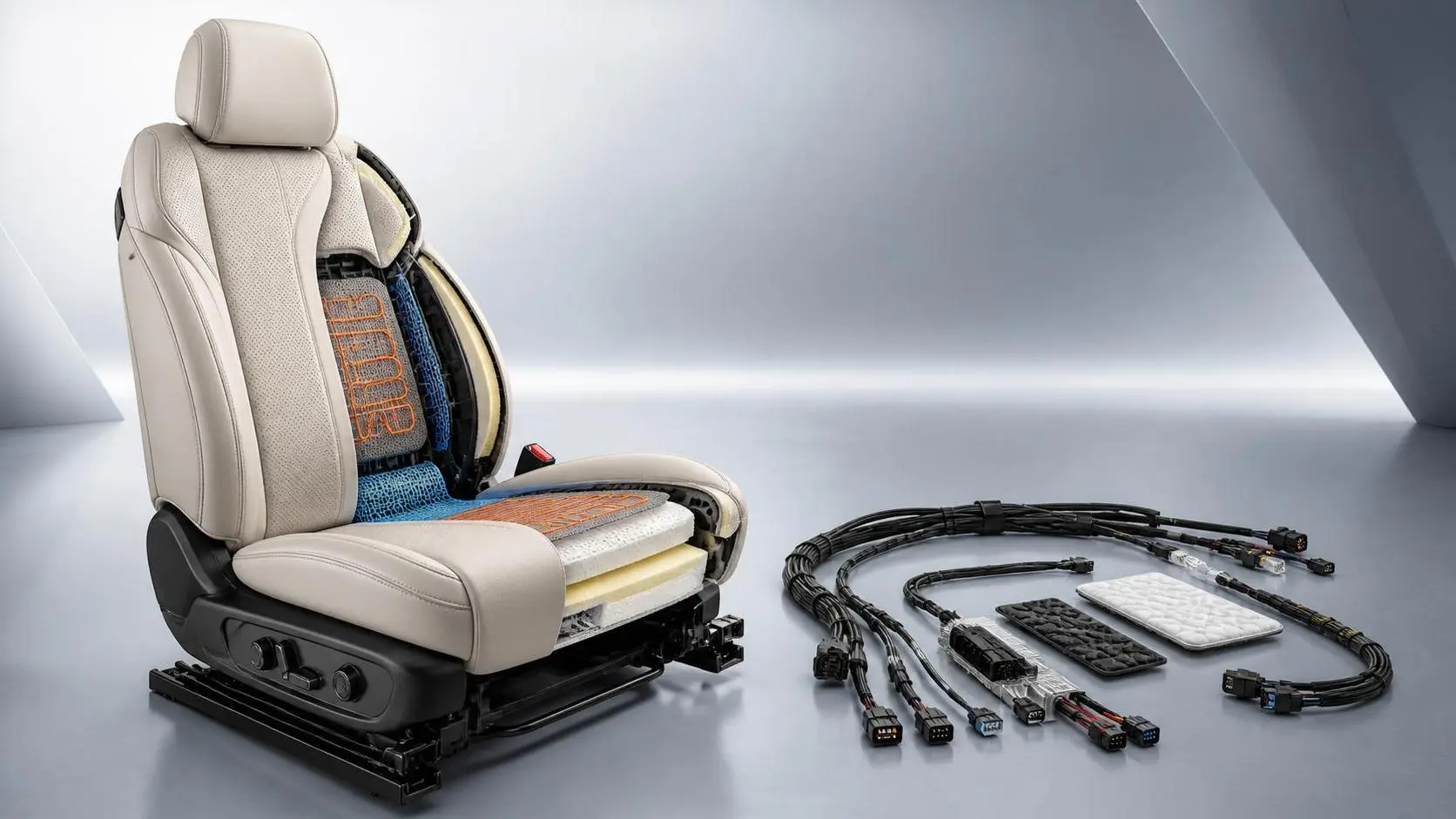
Climate Control Seats Cost: What Drives Price and Long-Term Ownership Value?
Climate control seats cost depends on materials, thermal tech, and integration. Learn what drives price and how to judge long-term value before you buy.

What Factors Drive Marine Navigation Components Cost in Commercial Vessel Projects?
Marine navigation components cost is shaped by integration, compliance, installation, and lifecycle support. Discover what drives pricing and how buyers can reduce risk while improving value.

How Much Does Seat Occupancy Sensing Cost? Key Pricing Factors for Buyers
Seat occupancy sensing price varies widely by technology, integration, and compliance needs. Learn the key cost drivers, avoid hidden fees, and make smarter buying decisions.

How to Specify Micro-Climate Control Cabins for Harsh Outdoor Worksites?
Micro-climate control cabins for harsh outdoor worksites: learn how to specify thermal control, filtration, pressurization, and durability for safer uptime and smarter buying.
Related News
- 00
0000-00
Supplier Capability Evaluation Process: Key Criteria for B2B Sourcing Decisions - 00
0000-00
How to Evaluate a Seat Sensing Technology Supplier for Safety and Integration? - 00
0000-00
B2B Product Intelligence Platforms: How to Compare Features, Data Coverage, and ROI - 00
0000-00
What Factors Drive Marine Navigation Components Cost in Commercial Vessel Projects? - 00
0000-00
How Much Does Seat Occupancy Sensing Cost? Key Pricing Factors for Buyers
Weekly Insights
Stay ahead with our curated technology reports delivered every Monday.