How seatbelt technology is changing crash survival
Seatbelt technology is no longer a simple restraint feature. It has become a core survival system in modern vehicles, linking sensors, structure, and occupant management.
From pretensioners to force limiters, advanced seatbelt technology now reacts within milliseconds. These changes improve crash survival, reduce injury severity, and support broader passive safety strategies.
For mobility intelligence platforms such as GNCS, this field matters because restraint design now connects with smart seating, lightweight bodies, airbags, and regulation-driven engineering.
What does modern seatbelt technology actually include?
Modern seatbelt technology includes more than webbing and buckles. It combines mechanical restraint, pyrotechnic devices, electronic sensing, and crash-response calibration.
The main components often include:
- Pretensioners that remove slack before peak occupant motion
- Load limiters that reduce chest force during restraint
- Retractors that control belt payout under impact
- Buckle switches that confirm restraint use
- Sensor-linked control logic integrated with airbags
Traditional belts mainly restrained motion. Today’s seatbelt technology actively manages energy transfer between the human body and the vehicle cabin.
That shift matters because survival is not only about staying inside the seat. It is about controlling deceleration, body position, and interaction with airbags and seats.
Why is timing so important?
In a crash, milliseconds decide injury outcomes. Seatbelt technology must react before the occupant moves too far forward or twists out of the protected zone.
A late response can increase head excursion, chest loading, and belt-induced injuries. A well-timed response supports better airbag positioning and lower trauma risk.
How is seatbelt technology changing crash survival in real-world impacts?
Seatbelt technology improves crash survival by controlling occupant kinematics. That means limiting dangerous movement patterns during frontal, side, rollover, and offset collisions.
Pretensioners tighten the belt almost instantly. This helps position the torso earlier, reducing forward travel before the airbag reaches full protective shape.
Load limiters then allow carefully managed belt payout. This reduces chest compression and spreads crash energy more safely across the upper body.
In severe crashes, advanced seatbelt technology can work with seat sensors, braking data, and crash prediction algorithms. This creates a more coordinated protection sequence.
What does this mean for injury reduction?
Better seatbelt technology can reduce risks linked to head strike, chest injury, submarining, and poor occupant posture at impact.
Submarining happens when the pelvis slides under the lap belt. Modern belt geometry, seat design, and pretensioning strategies help limit that dangerous motion.
Crash survival improves when restraint systems treat the occupant, seat, and body structure as one engineered safety chain rather than isolated components.
Which innovations in seatbelt technology are most influential today?
Several innovations are reshaping seatbelt technology. The most influential ones combine faster actuation, smarter sensing, and better adaptation to different occupant sizes.
1. Pretensioners with smarter triggering
Older systems triggered mainly after impact detection. Newer seatbelt technology may use pre-crash signals from radar, cameras, or braking events.
This earlier preparation improves occupant position before impact energy peaks. It is especially useful in emergency maneuvers and partial-overlap crashes.
2. Adaptive load limiting
Adaptive systems vary force release according to crash severity, seating posture, and sometimes occupant classification.
This matters because one restraint strategy does not suit every body type or every collision profile. Adaptive seatbelt technology supports more balanced protection.
3. Belt-in-seat and integrated architectures
Some smart seating systems integrate belt anchor points into the seat structure. This can improve fit consistency and support cabin layout flexibility.
For GNCS-aligned industry analysis, this is important because smart seating and seatbelt technology are increasingly developed as one safety package.
4. Rear-seat belt advancement
Rear-seat protection is receiving more attention. Advanced rear restraints now address torso control, child compatibility, and higher expectations in global safety ratings.
This reflects a wider industry move toward whole-cabin protection instead of front-row priority only.
How does seatbelt technology compare with airbags and vehicle structure?
Seatbelt technology should not be viewed as separate from airbags or the body shell. Crash survival depends on how these systems work together.
A strong structure manages crash energy. Airbags cushion impact zones. Seatbelt technology controls occupant motion so the body meets those protective elements correctly.
Without the belt, the airbag may not protect as intended. Without body integrity, the belt may face forces outside its designed performance envelope.
This is why passive safety engineering now treats restraint calibration, seat design, and body lightweighting as connected decisions.
What mistakes and misconceptions still affect seatbelt technology performance?
Even advanced seatbelt technology can be undermined by misuse, poor integration, or incorrect assumptions about safety.
Common misconceptions
- Belts matter less because airbags are standard
- All seatbelt technology performs similarly in every crash mode
- Rear seats need less advanced protection
- Lightweight body design weakens occupant safety by default
These assumptions are outdated. Safety performance now depends on calibrated system interaction, not one feature in isolation.
Integration risks to watch
A restraint can underperform if seat geometry, occupant posture sensing, or airbag timing are mismatched.
That is especially relevant in vehicles with new seating layouts, electrified platforms, or premium cabin comfort features.
Effective seatbelt technology must be validated across many body sizes, seating positions, and impact severities.
How should evolving regulation and engineering trends shape future decisions?
Global crash protocols continue to tighten. IIHS, Euro NCAP, and other frameworks increasingly reward integrated, real-world occupant protection.
That means seatbelt technology must keep improving in rear-seat safety, out-of-position performance, and compatibility with smart cabin systems.
At the same time, lightweight structures and digital sensing create new design opportunities. They also require deeper validation and more precise calibration work.
A strong next step is to evaluate seatbelt technology as part of a full cabin safety architecture. Review how restraints interact with seats, airbags, structures, and compliance targets.
For industry intelligence, the key question is no longer whether belts save lives. It is how advanced seatbelt technology can deliver more precise, data-driven crash survival outcomes.
As GNCS continues tracking passive safety evolution, seatbelt technology remains one of the clearest examples of engineering that quietly transforms survival in the moments that matter most.
Related News
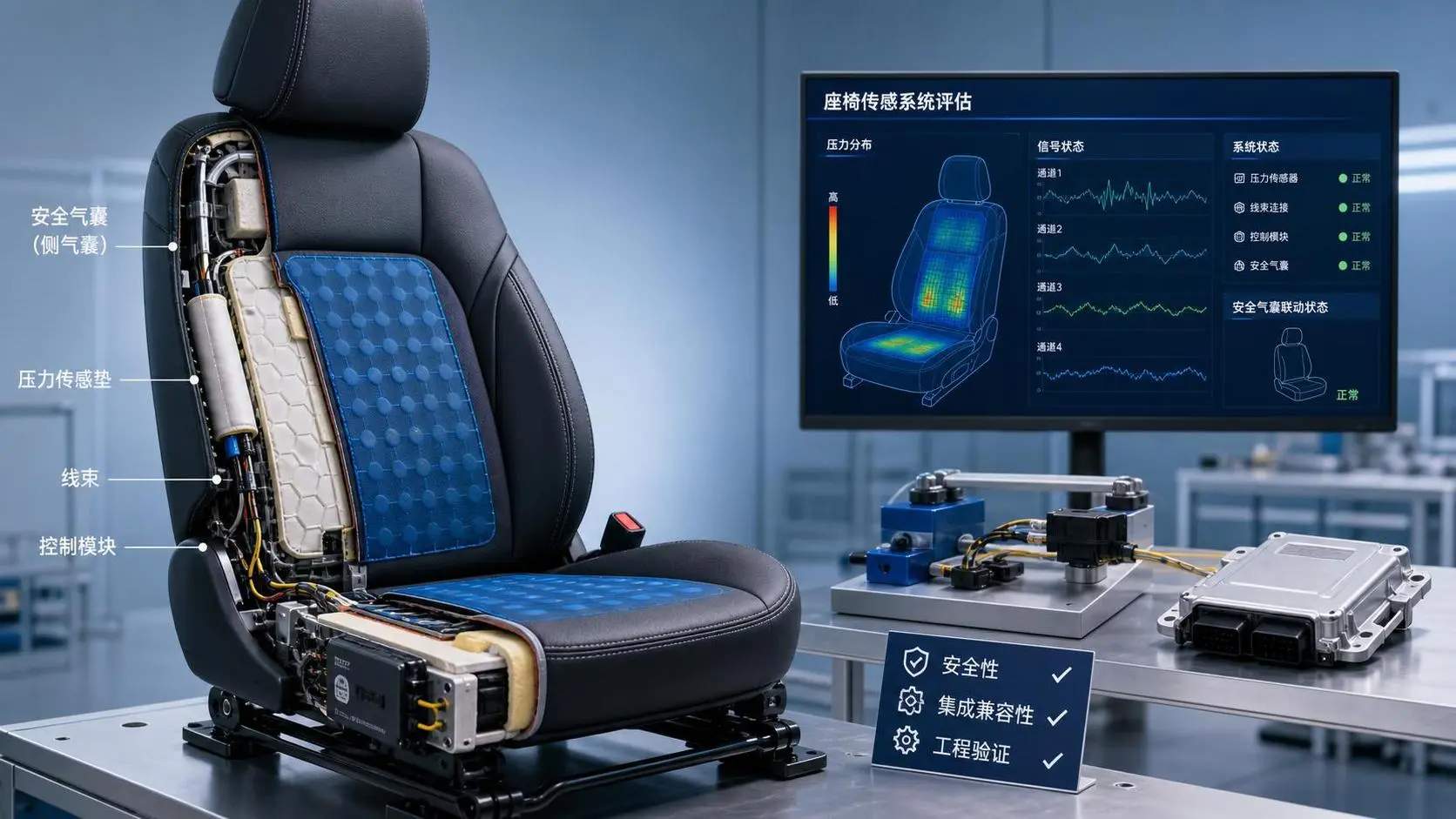
How to Evaluate a Seat Sensing Technology Supplier for Safety and Integration?
Seat sensing technology supplier evaluation guide: compare safety maturity, integration fit, algorithm reliability, and validation support to choose a partner that reduces risk.
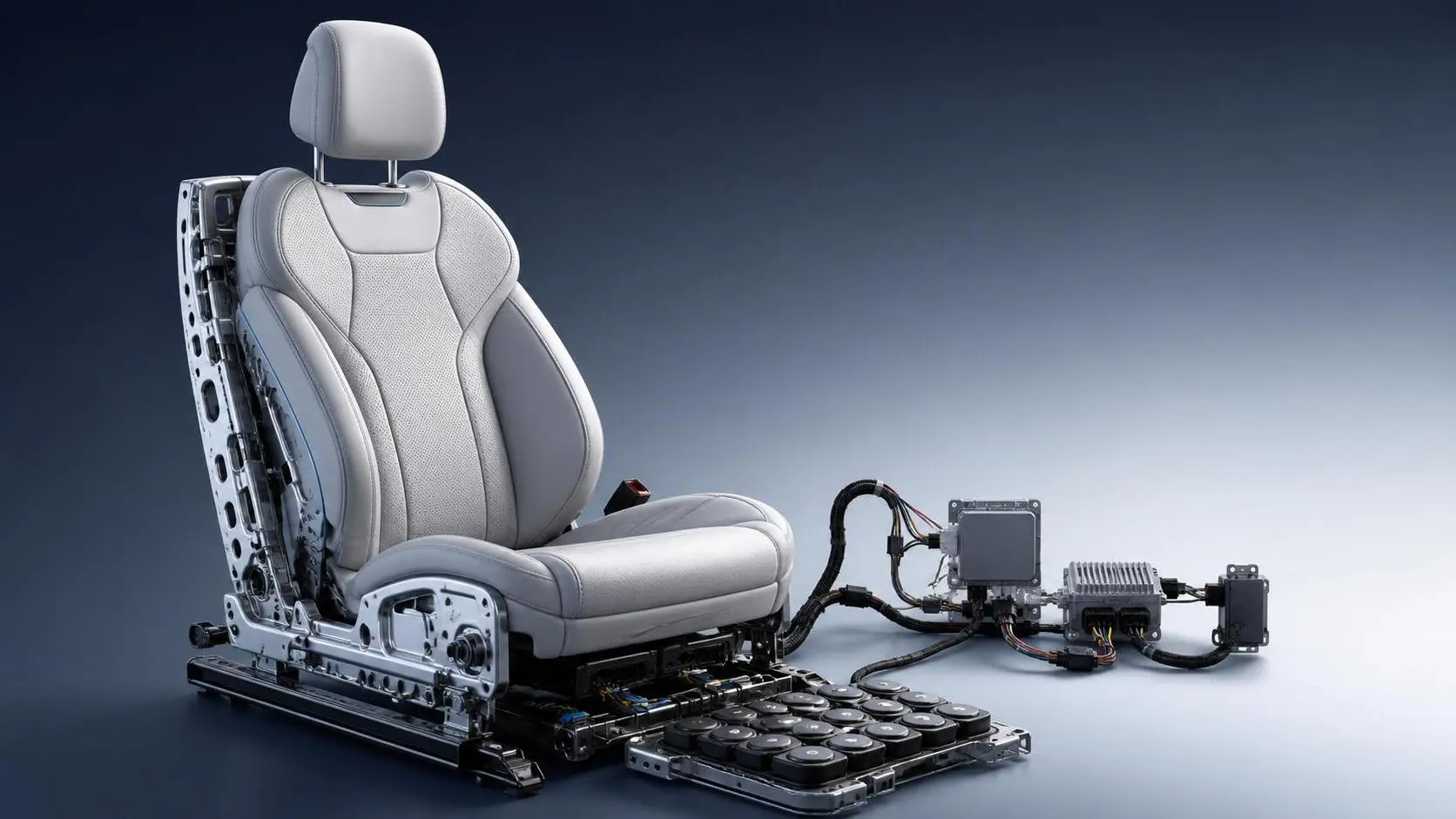
How to Evaluate Custom Smart Automotive Seating for Premium Vehicle Programs?
Custom smart automotive seating evaluation starts with safety, comfort, integration, and production readiness. Discover how premium vehicle teams choose smarter, lower-risk seat solutions.
B2B Product Intelligence Platforms: How to Compare Features, Data Coverage, and ROI
B2B product intelligence platform comparison: learn how to evaluate data coverage, feature depth, compliance visibility, and ROI to choose a sourcing tool that reduces risk and speeds decisions.
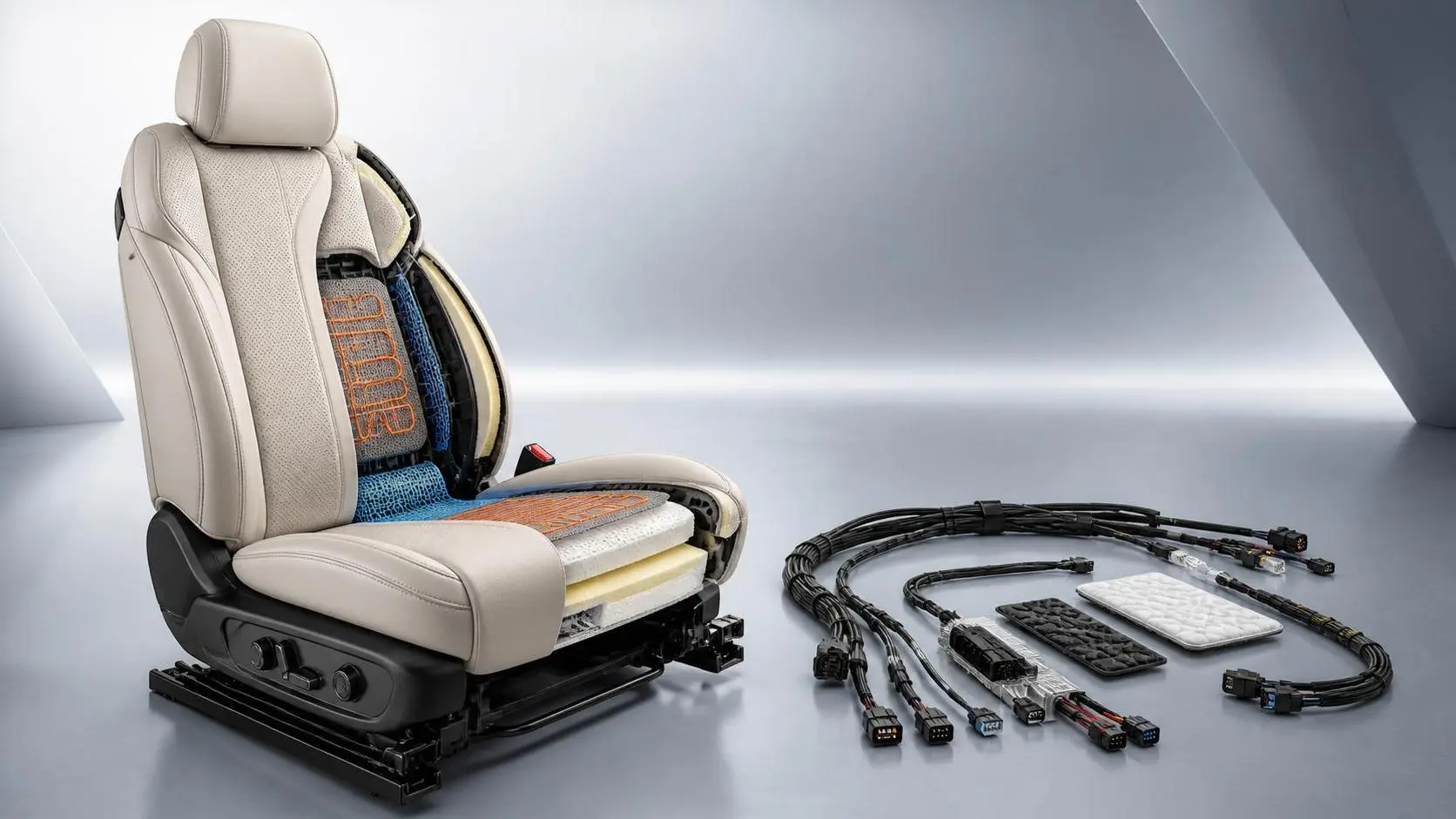
Climate Control Seats Cost: What Drives Price and Long-Term Ownership Value?
Climate control seats cost depends on materials, thermal tech, and integration. Learn what drives price and how to judge long-term value before you buy.
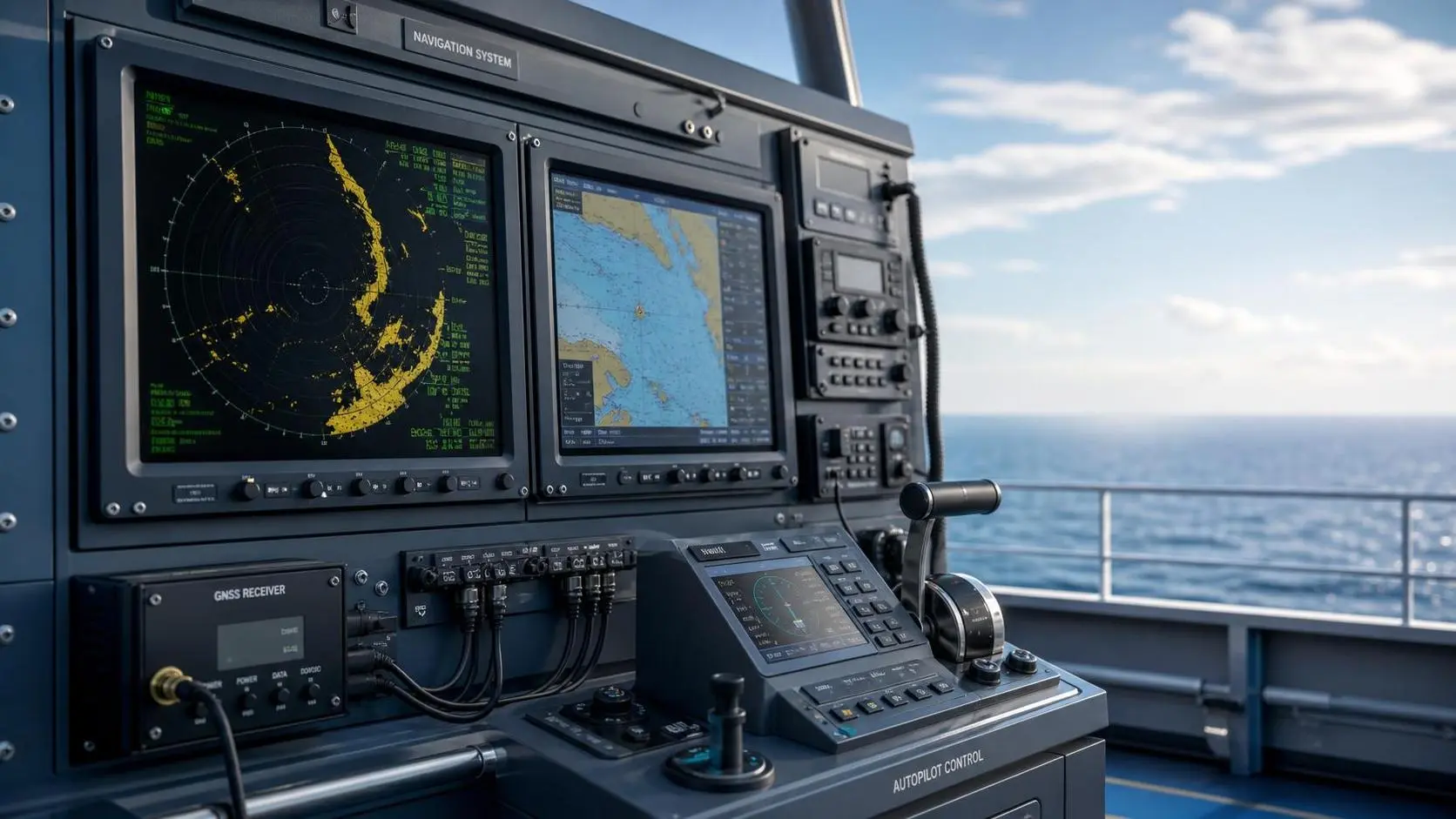
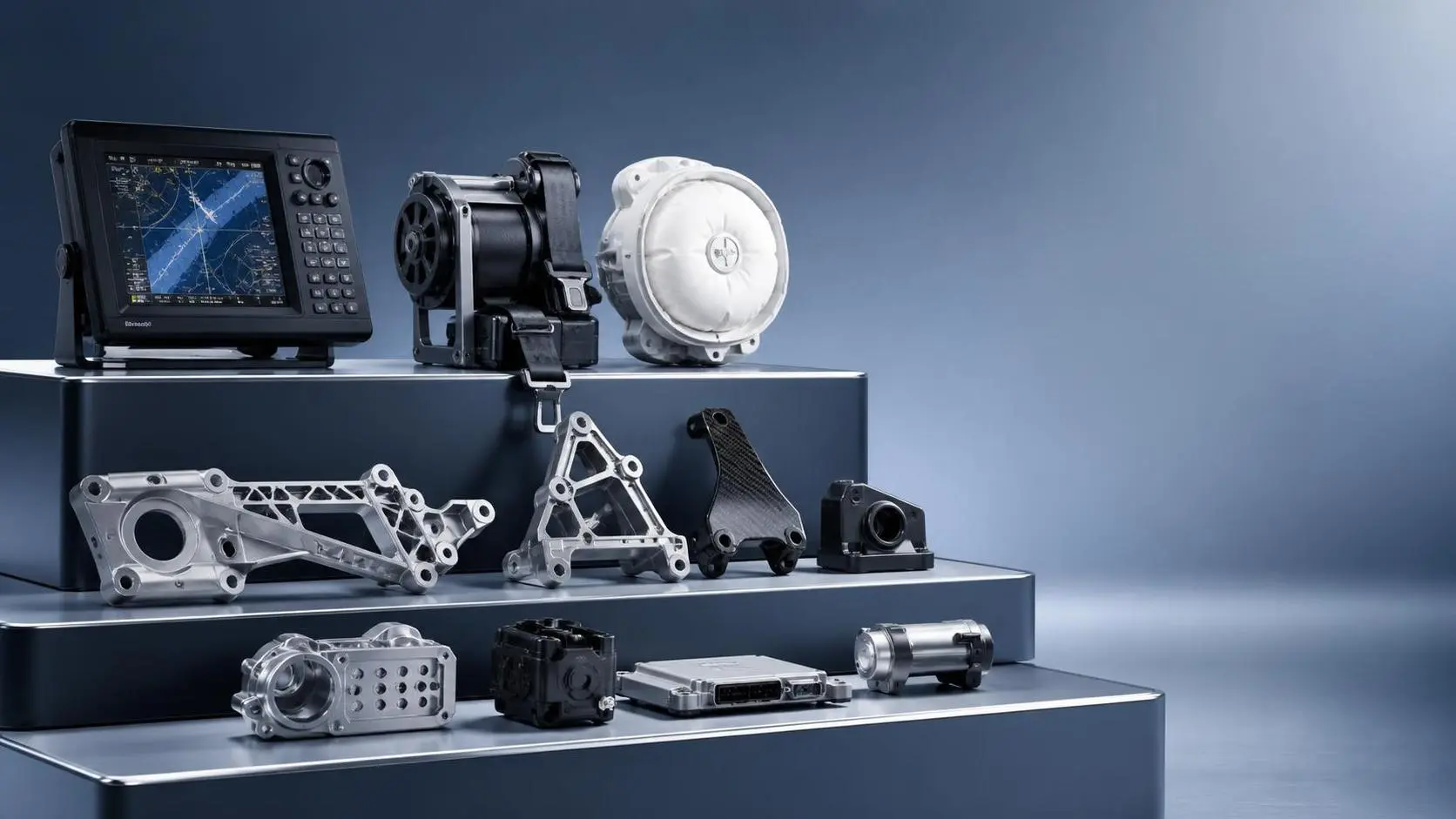
What Factors Drive Marine Navigation Components Cost in Commercial Vessel Projects?
Marine navigation components cost is shaped by integration, compliance, installation, and lifecycle support. Discover what drives pricing and how buyers can reduce risk while improving value.
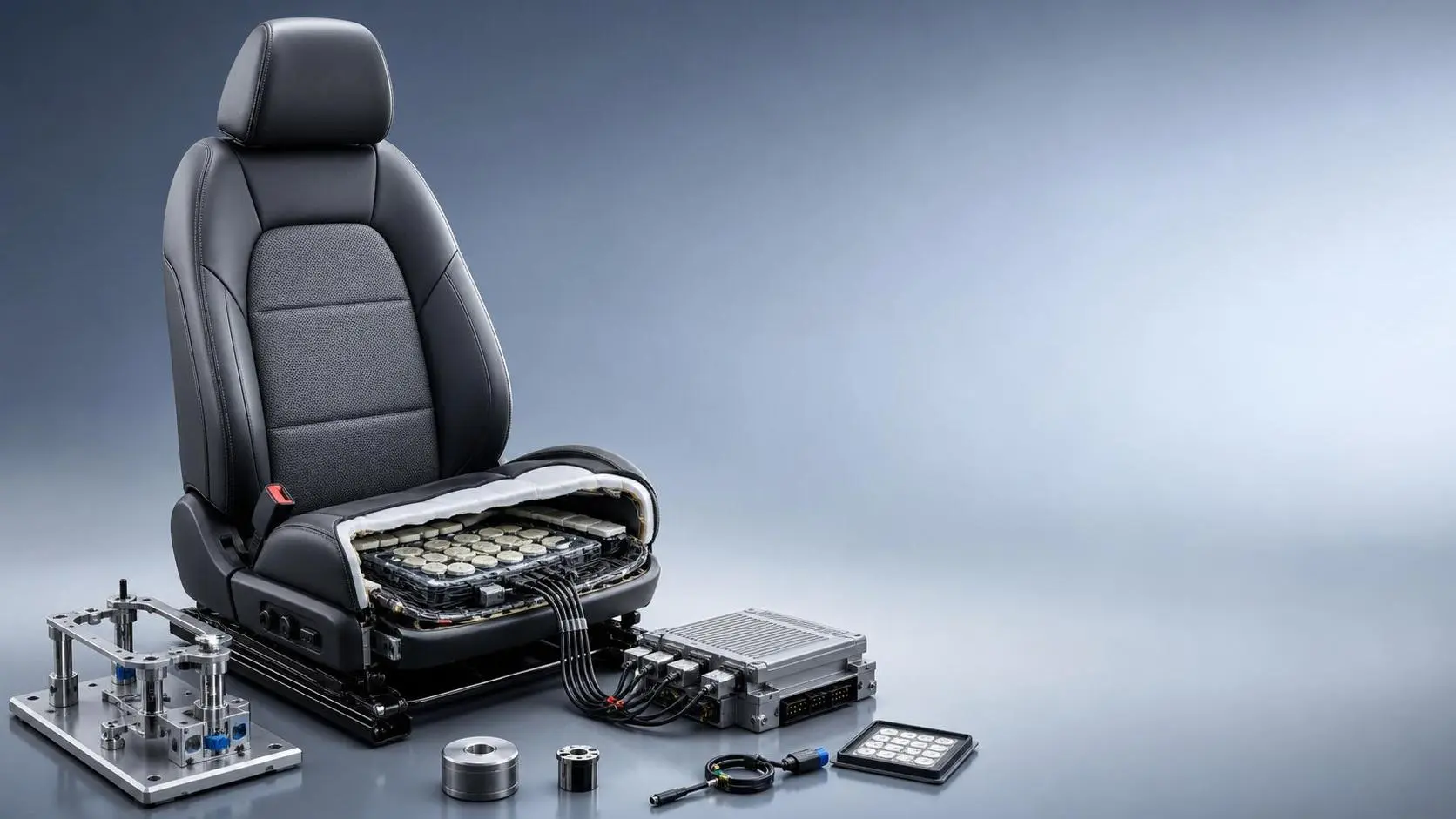
How Much Does Seat Occupancy Sensing Cost? Key Pricing Factors for Buyers
Seat occupancy sensing price varies widely by technology, integration, and compliance needs. Learn the key cost drivers, avoid hidden fees, and make smarter buying decisions.
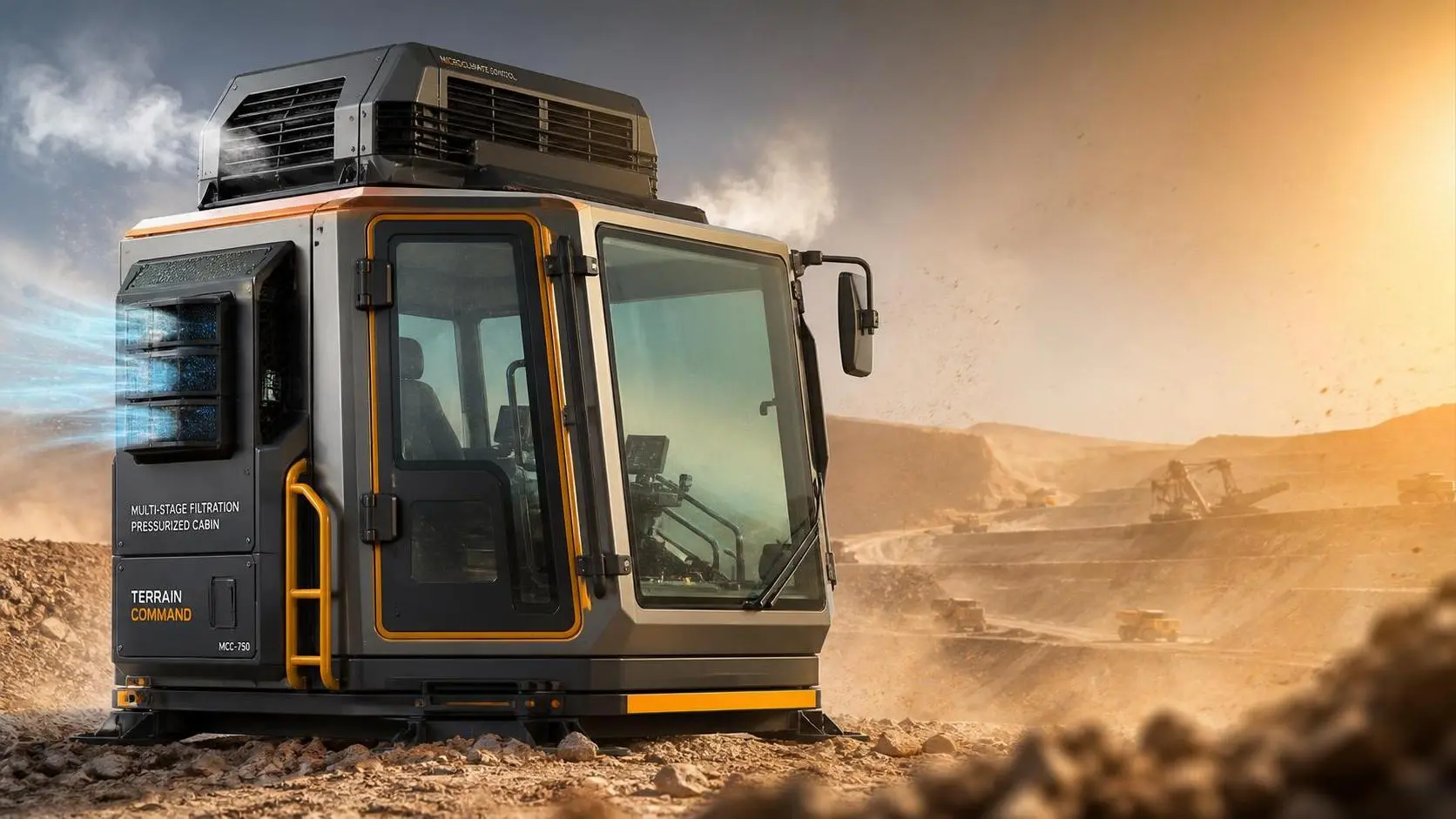
How to Specify Micro-Climate Control Cabins for Harsh Outdoor Worksites?
Micro-climate control cabins for harsh outdoor worksites: learn how to specify thermal control, filtration, pressurization, and durability for safer uptime and smarter buying.
How to Evaluate a B2B Product Knowledge Platform for Faster Procurement Decisions
B2B product knowledge platform procurement starts with reducing decision risk. Learn how to compare specs, compliance, and supplier data to speed sourcing with confidence.
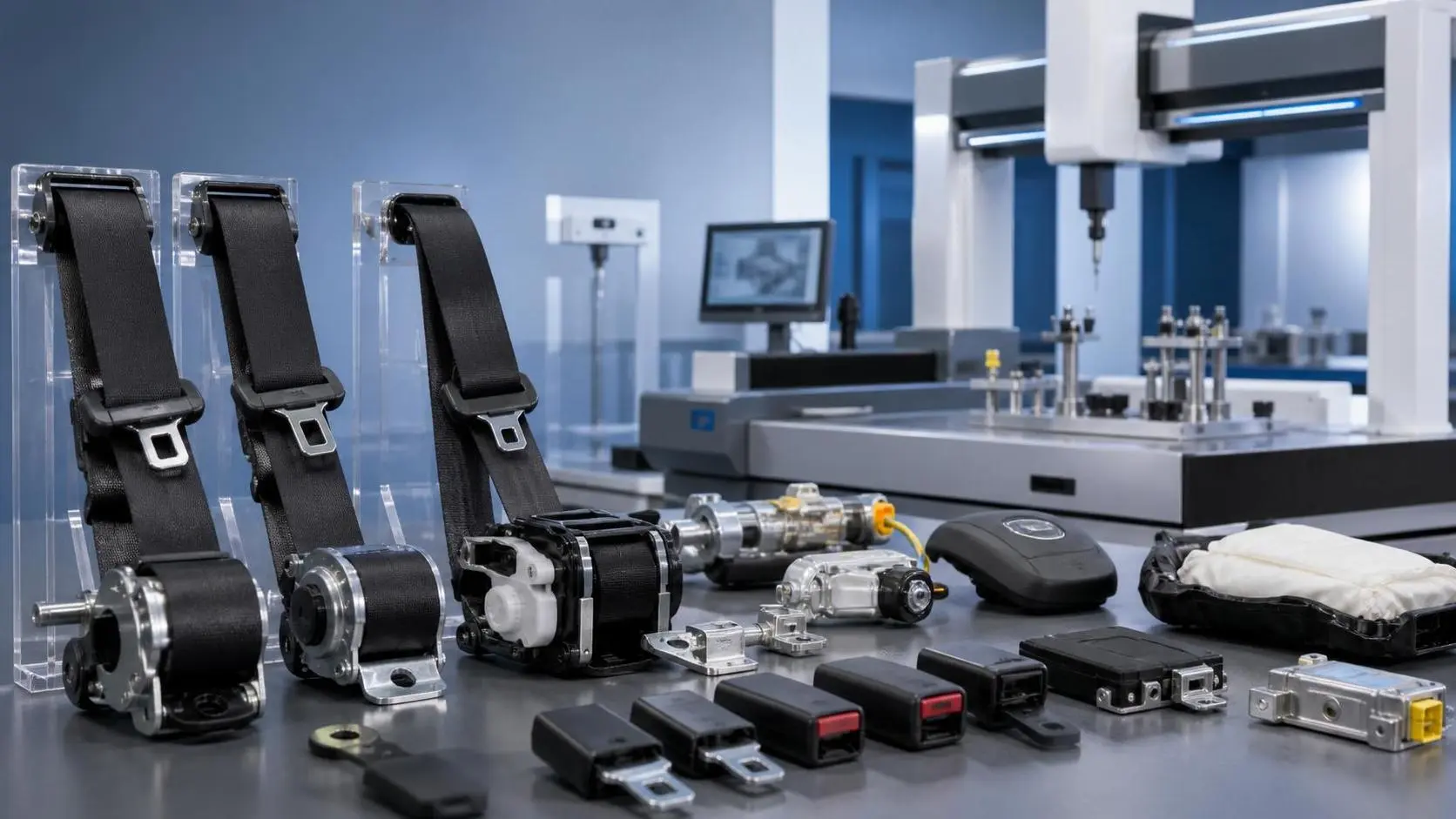
How to Evaluate an Occupant Restraint Systems Exporter for Quality, Compliance, and Supply Risk
Occupant restraint systems exporter evaluation guide: learn how to verify quality controls, compliance evidence, and supply risk before sourcing to avoid recalls, delays, and hidden costs.
Related News
- 00
0000-00
How Do Seatbelt Systems with Pretensioner Improve Crash Protection? - 00
0000-00
How Seatbelt Technology for Buses Improves Passenger Safety and Meets Compliance Needs - 00
0000-00
How Buckle Pretensioner Systems Improve Occupant Restraint in Modern Vehicles - 00
0000-00
Integrated Seatbelt Systems vs Conventional Designs: Which Fits Your Vehicle Platform Better? - 00
0000-00
Seatbelt Components for Passenger Cars: Main Parts, Functions, and How They Work Together
Weekly Insights
Stay ahead with our curated technology reports delivered every Monday.