
What to check before choosing pre-tensioning technology
Before investing in pre-tensioning technology, it is essential to look past the quoted price. In seatbelt systems and other safety-critical restraint applications, selection decisions influence crash response, platform integration, certification readiness, and long-term field reliability. A weak choice can create compliance delays, unstable deployment behavior, and costly redesign work later in the program lifecycle.
This article explains what to check before choosing pre-tensioning technology. It focuses on practical evaluation points, common sourcing risks, and application-specific considerations relevant to automotive passive safety, intelligent seating, and broader mobility equipment development.
Why a checklist matters before selecting pre-tensioning technology
A checklist reduces technical blind spots. It forces comparison across performance, manufacturability, traceability, and supplier execution instead of relying on brochure claims or a single prototype result.
That discipline is especially important for pre-tensioning technology, because the component must perform within milliseconds and still remain stable after vibration, humidity, corrosion exposure, and years of vehicle use.
In cross-industry programs, the same logic also applies to integrated safety hardware, mechatronic restraint systems, and precision assemblies where timing, packaging, and compliance must work together without compromise.
Core checklist: what to check before choosing pre-tensioning technology
- Verify response time under validated test conditions, and compare activation speed, belt pull-in behavior, and repeatability across temperature, voltage, and aging ranges.
- Check compatibility with the full restraint architecture, including buckle design, retractor layout, force limiter tuning, airbag logic, seat structure, and occupant sensing strategy.
- Review certification status against target regulations and customer standards, including ECE, FMVSS, NCAP requirements, and internal validation protocols for passive safety systems.
- Examine deployment consistency by requesting test data for multiple lots, not one sample, to confirm stable output energy and controlled manufacturing variation.
- Assess packaging constraints early, including mounting points, cable routing, pyrotechnic space claims, connector orientation, and serviceability within the seat or pillar structure.
- Confirm electronic and software interface requirements, especially trigger logic, diagnostics, fault reporting, and communication with airbag control units or central safety controllers.
- Investigate material durability by checking corrosion resistance, vibration endurance, sealing performance, and chemical stability over the expected vehicle lifetime.
- Request process traceability details, including serial tracking, inflator batch control, end-of-line testing, and containment procedures for nonconforming safety parts.
- Measure supplier engineering depth, not only capacity, by reviewing design support, CAE correlation, crash test participation, and speed of corrective action closure.
- Compare total lifecycle cost, including tooling, validation, warranty exposure, logistics risk, and change-management impact, rather than only the component purchase price.
- Check regional supply resilience by examining plant footprint, sub-tier dependence, hazardous material handling, and continuity plans for regulatory or shipping disruptions.
- Validate future scalability by asking whether the selected pre-tensioning technology can support upcoming platforms, smart seats, or upgraded occupant protection concepts.
How the checklist changes by application scenario
Passenger vehicles and light mobility platforms
In passenger vehicles, pre-tensioning technology must be evaluated as part of a coordinated passive safety package. Belt timing, force limiting, airbag deployment, and seat kinematics affect each other during the same crash event.
Compact packaging also matters. Lightweight body structures, slimmer pillars, and smart seat functions can restrict space, making connector access, routing, and integration validation more demanding than expected.
Premium seating and intelligent cabin systems
When advanced seats include memory functions, ventilation, occupant monitoring, or complex frame geometry, the selected pre-tensioning technology should not interfere with comfort systems or sensor accuracy.
This scenario also raises service and diagnostics questions. Fault isolation must remain clear, especially when multiple electrical loads and smart modules share limited installation space.
Commercial, marine-adjacent, and specialized equipment platforms
For specialized mobility equipment, environmental resistance deserves more weight. Vibration, humidity, salt exposure, and long service cycles can challenge seals, connectors, and pyrotechnic stability.
In these applications, buyers should ask whether the pre-tensioning technology has proven durability in harsh-duty environments, not only in standard passenger vehicle validation programs.
Commonly overlooked risks when reviewing pre-tensioning technology
Ignoring system-level calibration
A pre-tensioner can look strong on paper but still underperform if the restraint system is poorly tuned. Belt geometry, occupant position, and crash pulse calibration remain critical.
Accepting incomplete test evidence
Single-sample demonstrations are not enough. Reliable pre-tensioning technology should be backed by lot-based data, aging studies, abuse testing, and correlation to final application conditions.
Overlooking supply chain depth
A strong Tier supplier may still depend on fragile sub-tier sources for propellants, connectors, stamped housings, or microelectronic triggers. Hidden weakness often appears too late.
Focusing only on current compliance
Regulations evolve. If the chosen pre-tensioning technology barely passes current targets, it may struggle under future NCAP scoring changes or more demanding occupant protection expectations.
Underestimating change costs
Switching restraint hardware late in development can trigger new tooling, software updates, crash tests, and documentation revisions. The cheapest quote can become the most expensive option.
Practical evaluation steps for low-risk selection
- Build a comparison matrix covering performance, validation status, packaging, electronics, plant capability, and commercial terms.
- Request full DV/PV evidence, not summary slides, and check whether results match the target application environment.
- Run design reviews with seat, body, electronics, and safety teams together to expose integration conflicts early.
- Audit traceability and change-control discipline before nomination, especially for pyrotechnic or safety-significant subcomponents.
- Ask for a forward roadmap showing how the supplier will support platform updates and future pre-tensioning technology improvements.
A disciplined review process supports better sourcing outcomes in safety systems. It also aligns with GNCS-style intelligence priorities, where compliance, engineering credibility, and long-term operational value matter as much as product specification.
Conclusion: choose pre-tensioning technology with evidence, not assumptions
Choosing pre-tensioning technology is not a simple component purchase. It is a system decision affecting occupant protection, certification timing, platform integration, and downstream lifecycle cost.
The safest next step is to apply a structured checklist, compare suppliers using verified data, and test compatibility within the complete restraint architecture. That approach reduces sourcing risk and improves the odds of selecting pre-tensioning technology that remains compliant, reliable, and scalable over time.
Related News
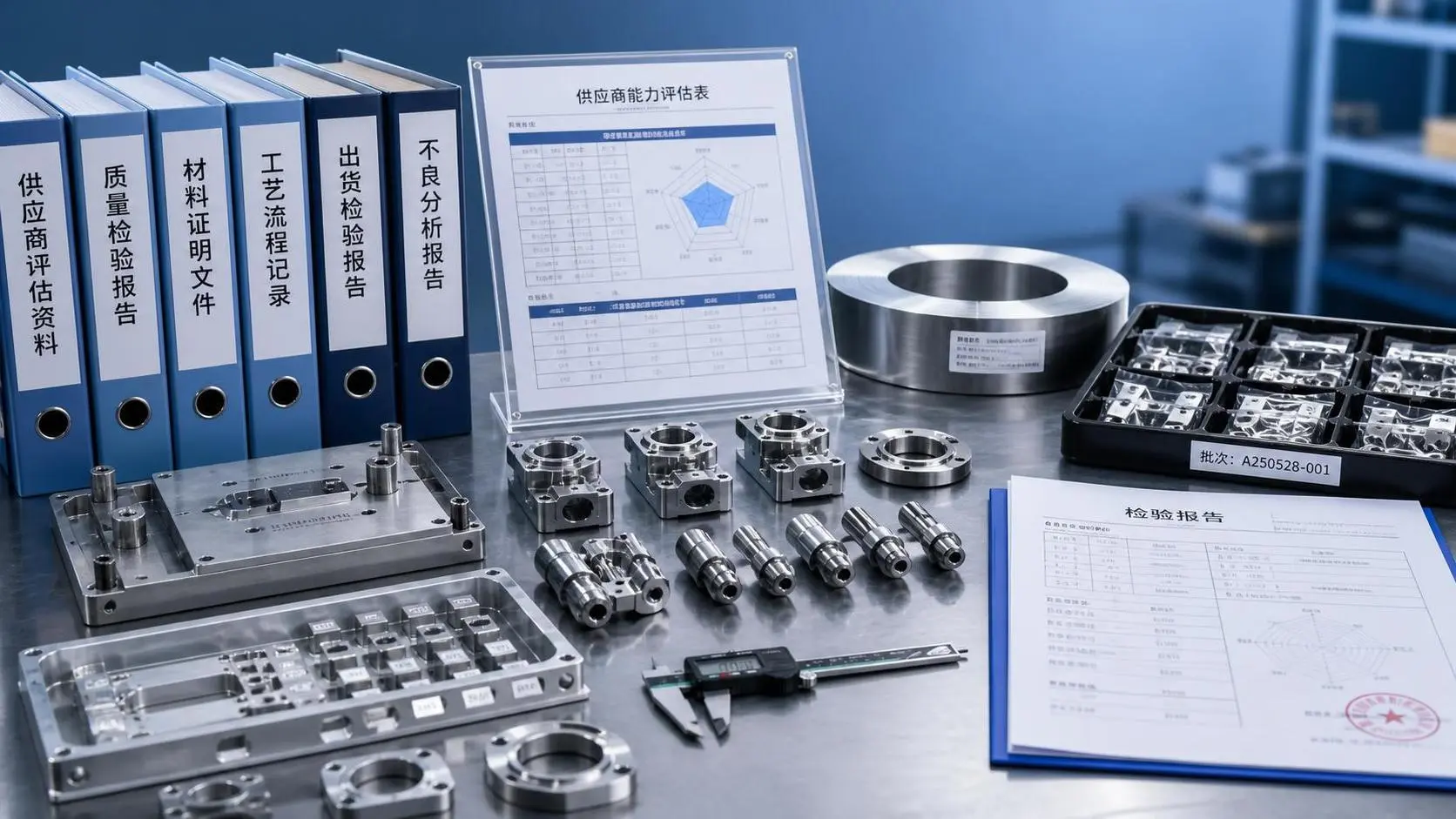
Supplier Capability Evaluation Process: Key Criteria for B2B Sourcing Decisions
Supplier capability evaluation process explained: learn the key criteria for B2B sourcing decisions, reduce supplier risk, and choose partners with confidence.
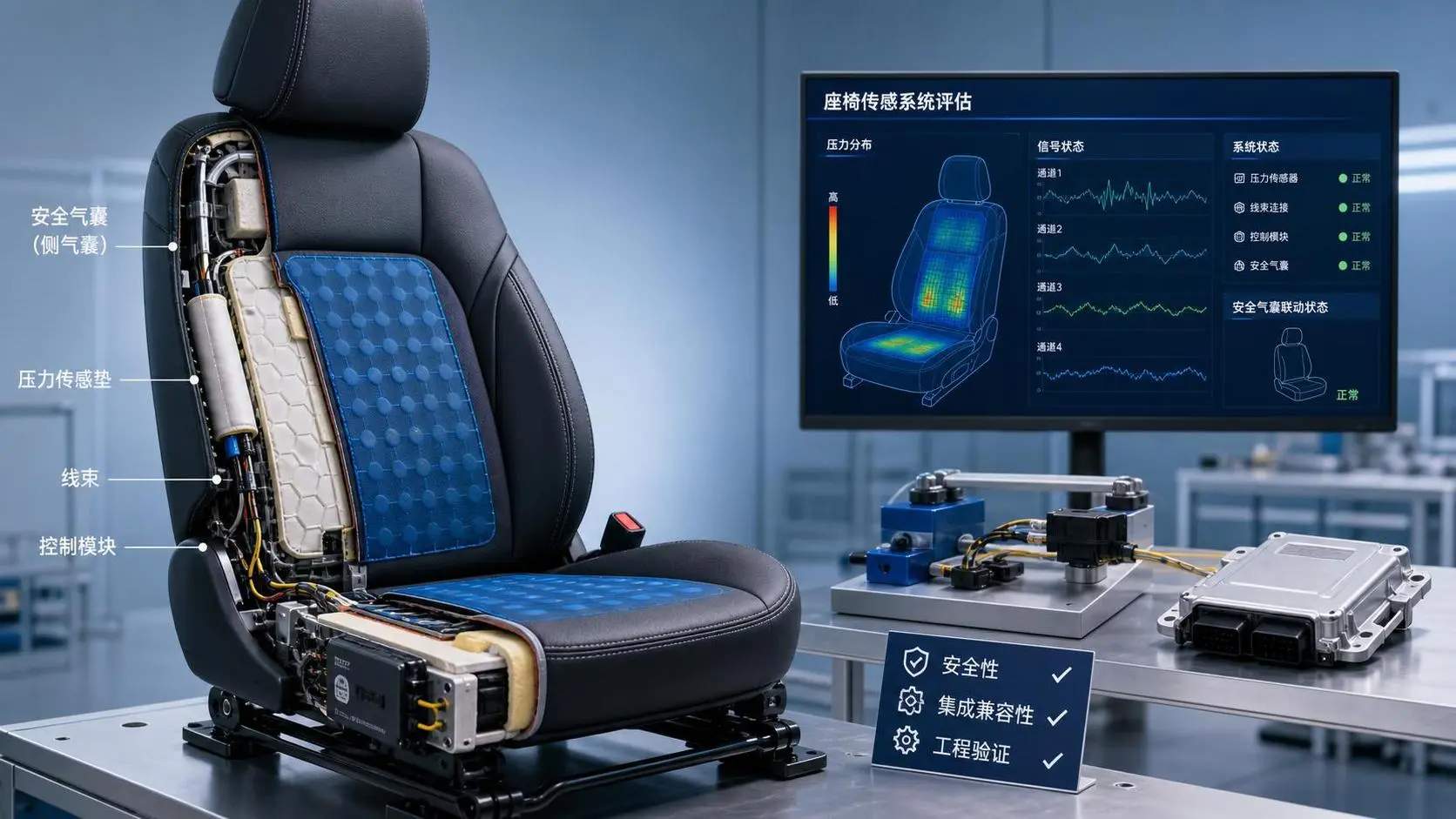
How to Evaluate a Seat Sensing Technology Supplier for Safety and Integration?
Seat sensing technology supplier evaluation guide: compare safety maturity, integration fit, algorithm reliability, and validation support to choose a partner that reduces risk.
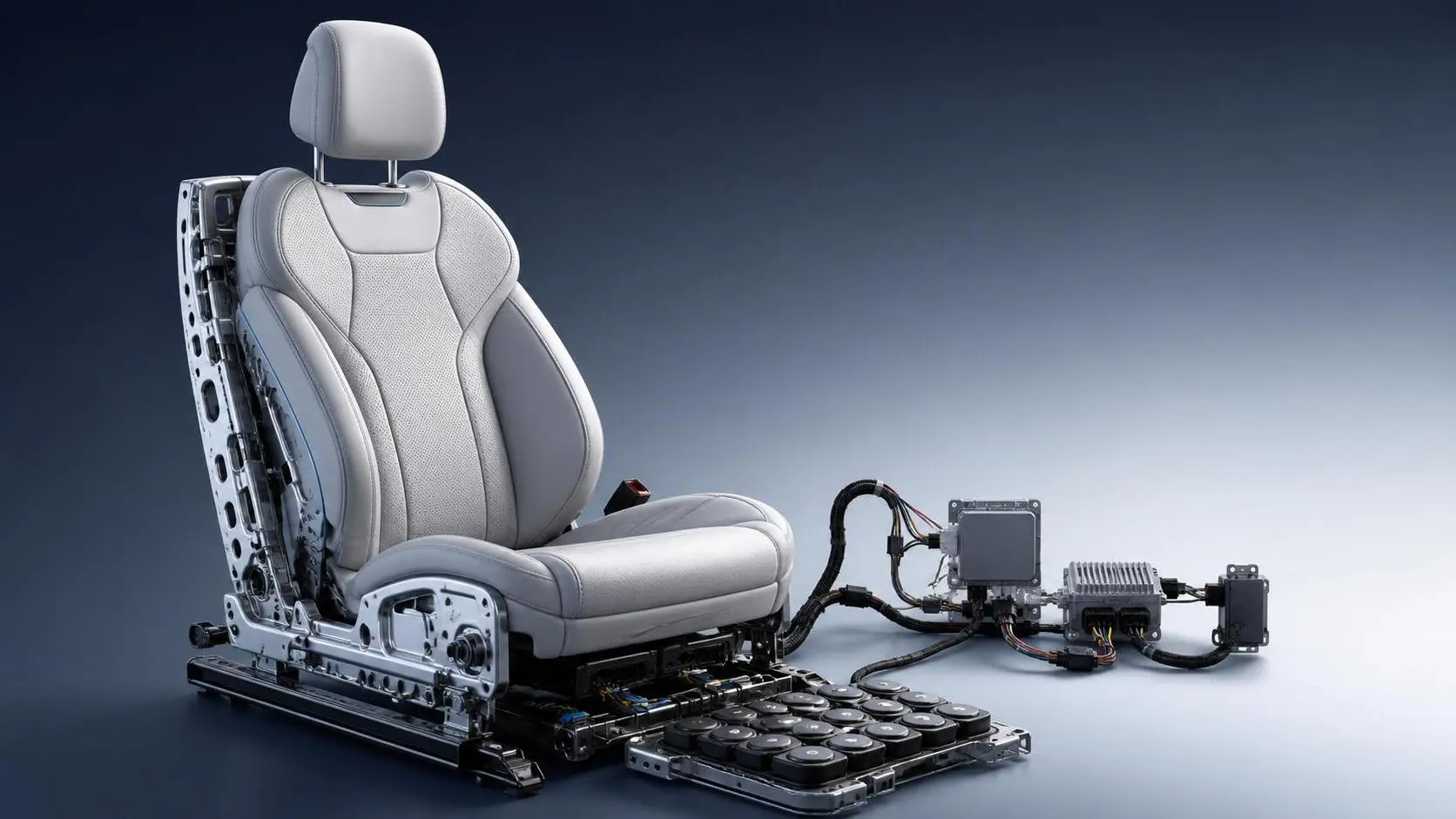
How to Evaluate Custom Smart Automotive Seating for Premium Vehicle Programs?
Custom smart automotive seating evaluation starts with safety, comfort, integration, and production readiness. Discover how premium vehicle teams choose smarter, lower-risk seat solutions.
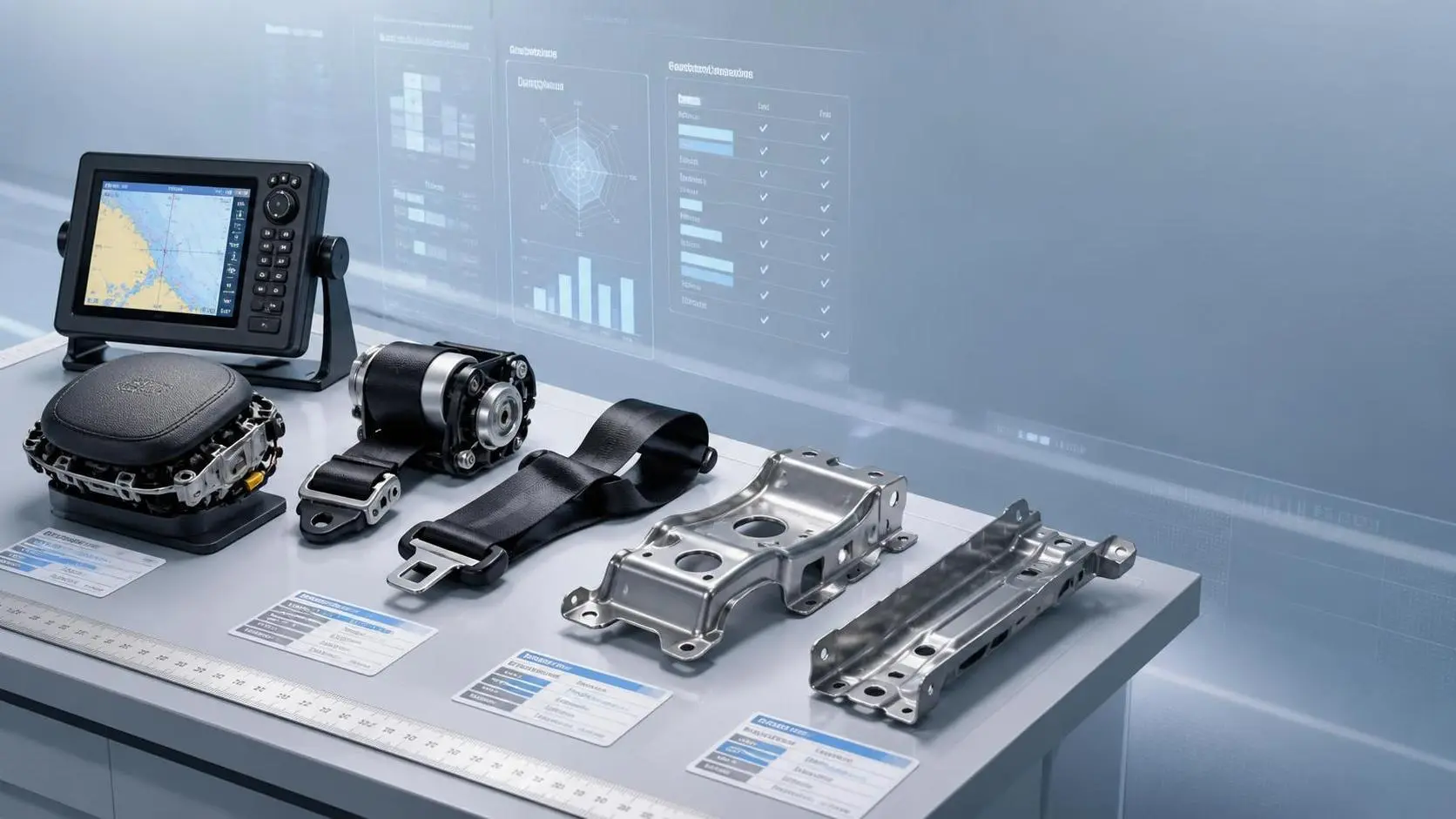
B2B Product Intelligence Platforms: How to Compare Features, Data Coverage, and ROI
B2B product intelligence platform comparison: learn how to evaluate data coverage, feature depth, compliance visibility, and ROI to choose a sourcing tool that reduces risk and speeds decisions.
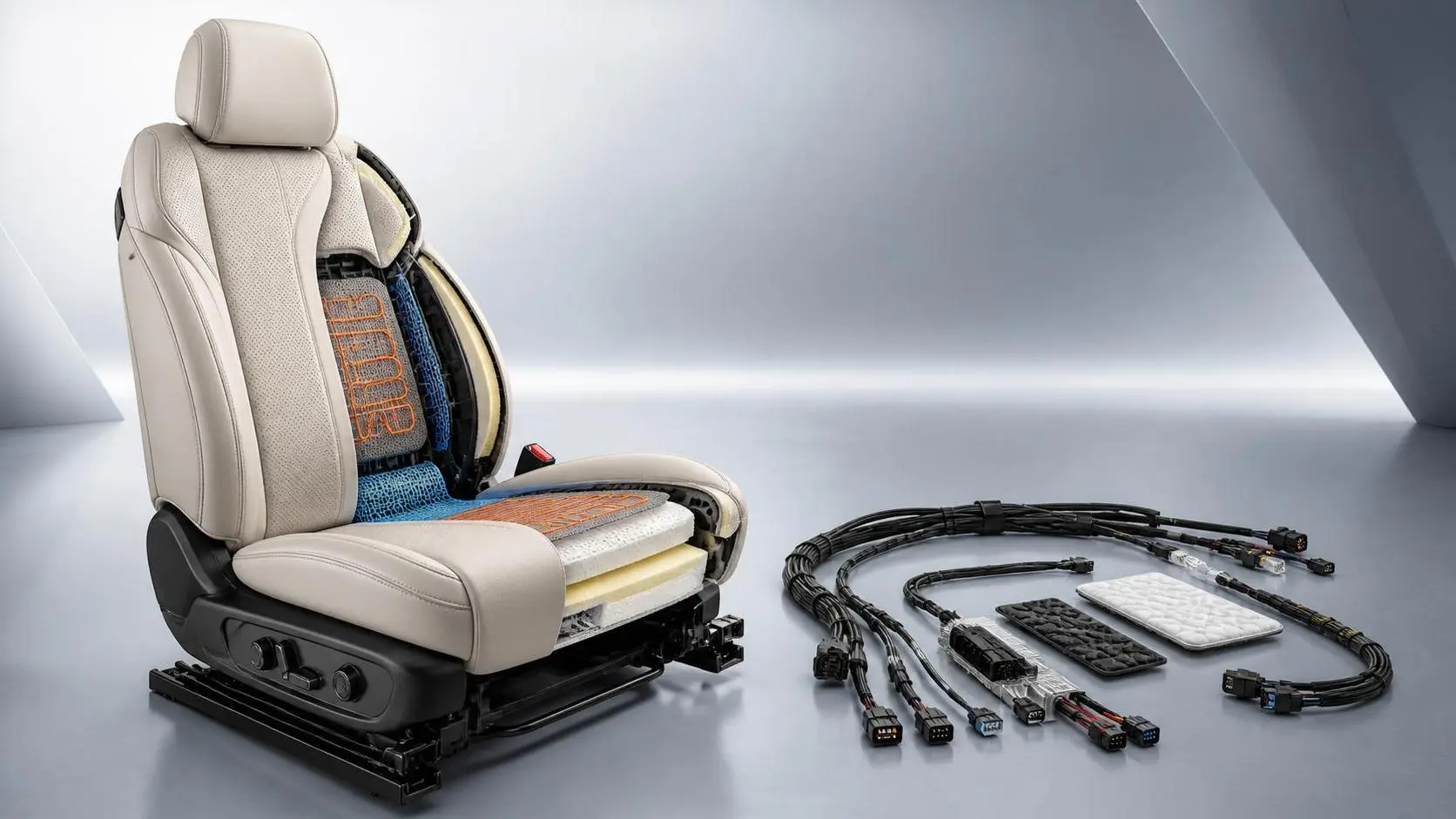
Climate Control Seats Cost: What Drives Price and Long-Term Ownership Value?
Climate control seats cost depends on materials, thermal tech, and integration. Learn what drives price and how to judge long-term value before you buy.
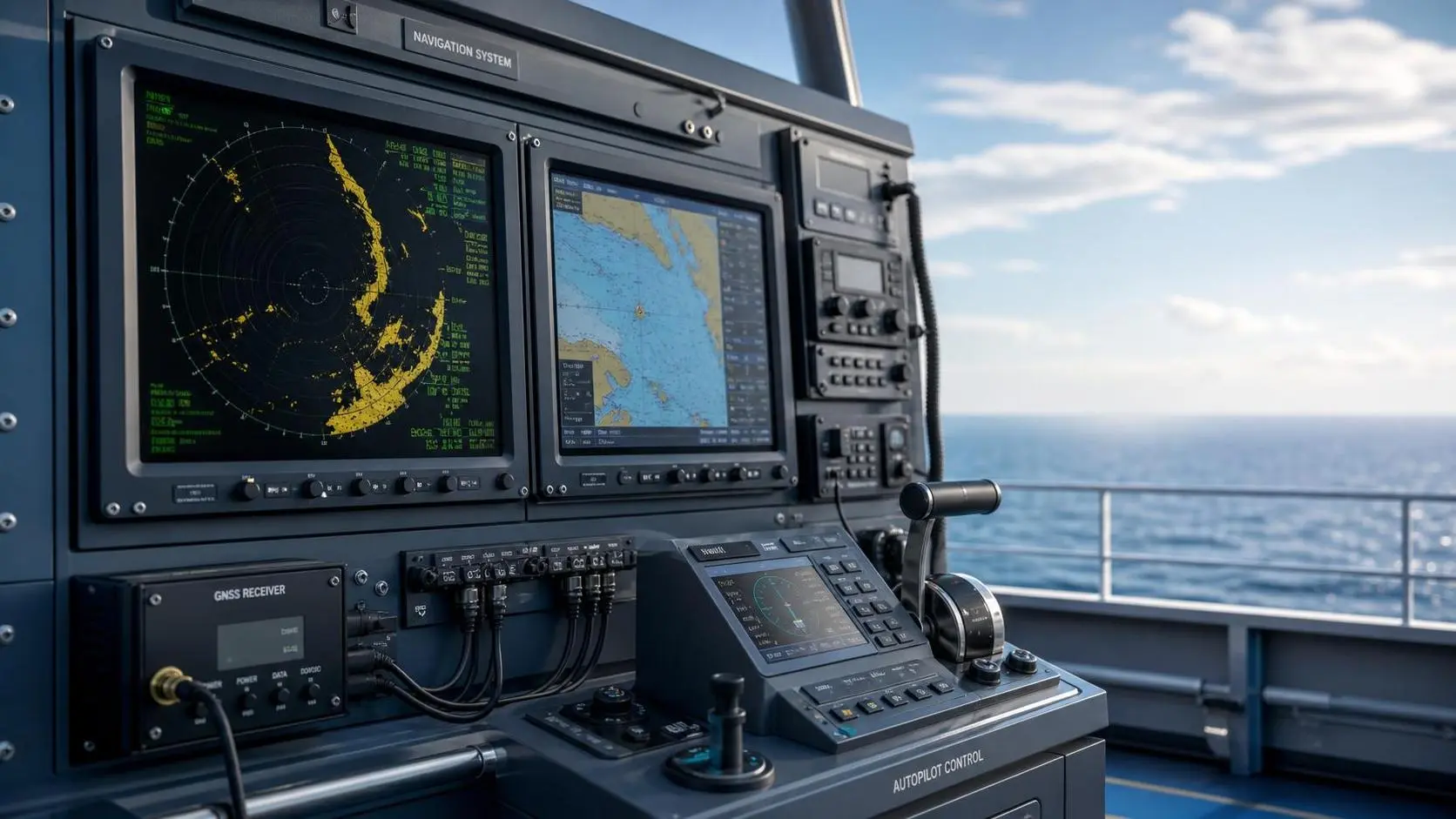
What Factors Drive Marine Navigation Components Cost in Commercial Vessel Projects?
Marine navigation components cost is shaped by integration, compliance, installation, and lifecycle support. Discover what drives pricing and how buyers can reduce risk while improving value.
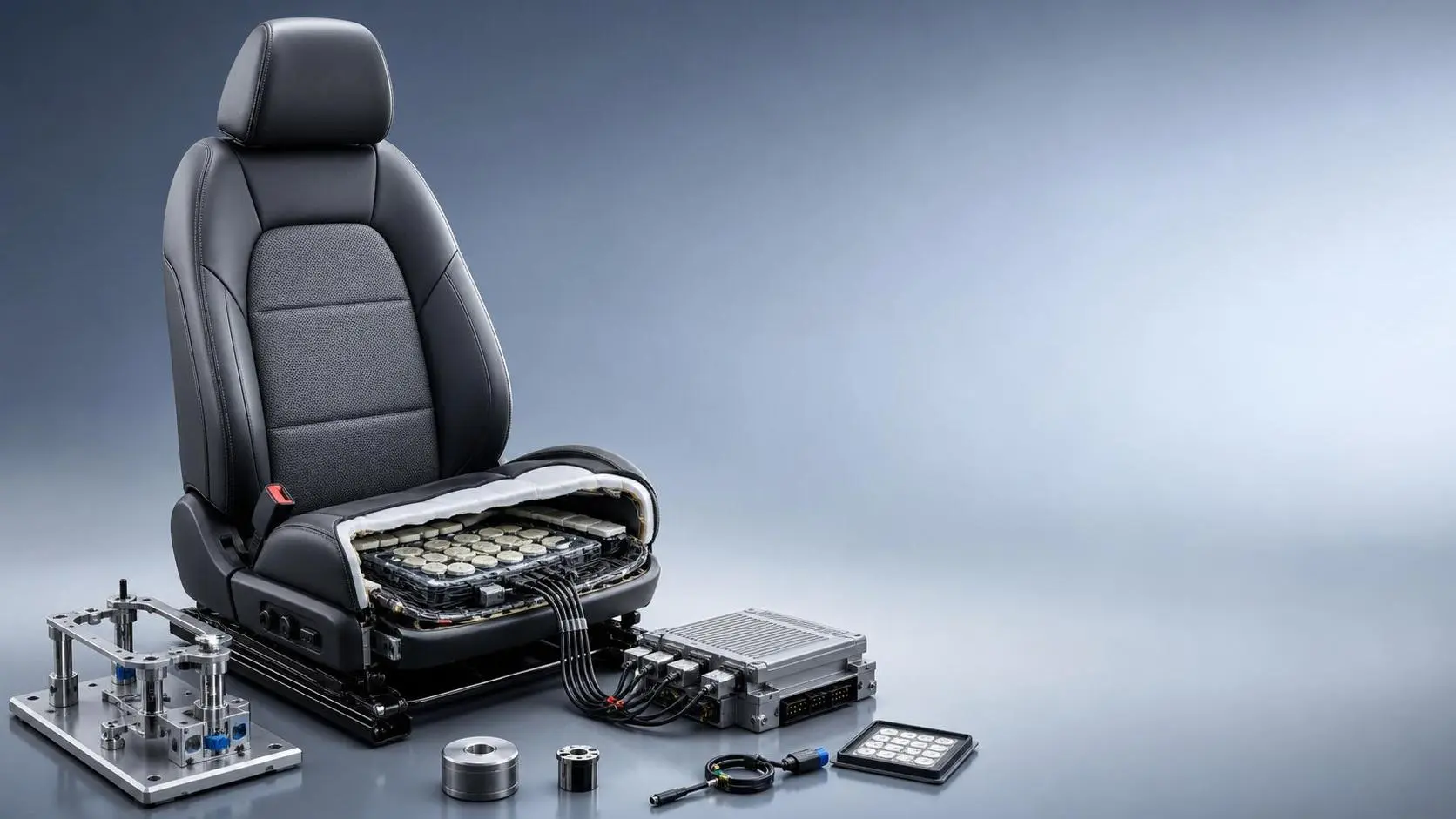
How Much Does Seat Occupancy Sensing Cost? Key Pricing Factors for Buyers
Seat occupancy sensing price varies widely by technology, integration, and compliance needs. Learn the key cost drivers, avoid hidden fees, and make smarter buying decisions.
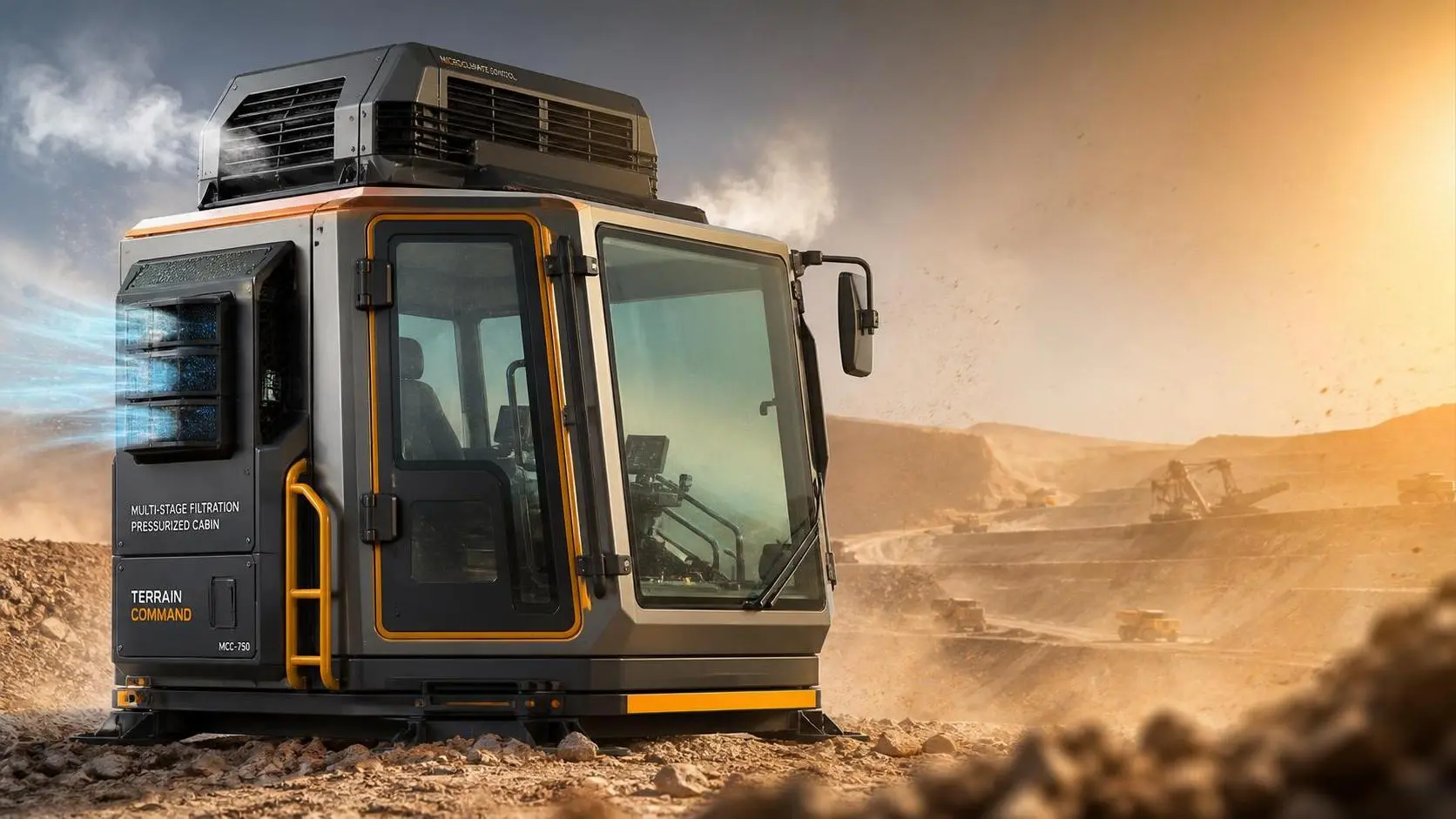
How to Specify Micro-Climate Control Cabins for Harsh Outdoor Worksites?
Micro-climate control cabins for harsh outdoor worksites: learn how to specify thermal control, filtration, pressurization, and durability for safer uptime and smarter buying.
How to Evaluate a B2B Product Knowledge Platform for Faster Procurement Decisions
B2B product knowledge platform procurement starts with reducing decision risk. Learn how to compare specs, compliance, and supplier data to speed sourcing with confidence.
Related News
- 00
0000-00
How Do Seatbelt Systems with Pretensioner Improve Crash Protection? - 00
0000-00
How Seatbelt Technology for Buses Improves Passenger Safety and Meets Compliance Needs - 00
0000-00
How Buckle Pretensioner Systems Improve Occupant Restraint in Modern Vehicles - 00
0000-00
Integrated Seatbelt Systems vs Conventional Designs: Which Fits Your Vehicle Platform Better? - 00
0000-00
Seatbelt Components for Passenger Cars: Main Parts, Functions, and How They Work Together
Weekly Insights
Stay ahead with our curated technology reports delivered every Monday.