How seatbelt technology improves safety beyond compliance
Why seatbelt technology matters when safety goals exceed compliance
For technical evaluators, seatbelt technology now functions as a performance system, not a simple regulatory checkbox.
Its design directly affects occupant kinematics, chest loading, pelvis restraint, and the timing of airbag support.
That shift matters across mobility sectors tracked by GNCS, where safety outcomes depend on integrated engineering rather than isolated parts.
Modern seatbelt technology combines webbing geometry, pre-tensioners, load limiters, buckle sensors, and software logic.
Together, these elements improve crash energy management and support better real-world injury reduction.
In practical evaluation, the question is no longer whether a system passes minimum rules.
The better question is how seatbelt technology performs in different crash scenarios, seating layouts, and occupant conditions.
Scenario background: why different operating contexts change restraint priorities
A seatbelt tuned for one platform may underperform in another, even when both meet the same legal standard.
Vehicle mass, seat position, cabin packaging, and airbag deployment strategy all reshape restraint demands.
This is especially important in an industry landscape that includes lightweight bodies, passive safety modules, and smart seating systems.
Lighter structures can alter crash pulse characteristics, requiring seatbelt technology to react faster and more precisely.
Smart seats add another variable because posture sensing, seat track position, and occupant classification influence restraint decisions.
Even comparable frontal crashes can produce different occupant motion if the belt path or seat stiffness changes.
That is why advanced assessment focuses on system behavior under use-case variation, not only certification results.
Application scenario 1: frontal crashes demand precise energy timing
Frontal impacts remain the clearest example of how seatbelt technology improves safety beyond compliance.
In these events, milliseconds decide whether the occupant stays well positioned for airbag engagement.
Pre-tensioners remove slack early, reducing forward excursion before the airbag reaches full protective shape.
Load limiters then manage chest force, allowing controlled belt payout when loads rise beyond safe levels.
The best systems balance these actions instead of maximizing one at the expense of another.
Overly aggressive restraint may limit motion, yet increase thoracic injury risk.
Too much payout may protect the chest, yet expose the head or knees to secondary contact.
For this reason, seatbelt technology should be assessed alongside crash pulse shape, steering area intrusion, and airbag venting strategy.
Key judgment points in frontal impact evaluation
- Slack removal speed before peak occupant motion
- Load limiter calibration relative to chest deflection targets
- Submarining resistance through lap belt geometry
- Coordination with frontal airbag deployment timing
- Performance with small, average, and large occupants
Application scenario 2: side impacts and oblique crashes reward integrated restraint logic
Side and oblique crashes challenge seatbelt technology because occupant motion becomes more complex and asymmetric.
A belt cannot provide the same lateral containment as a side structure or curtain airbag.
However, it can stabilize torso position and reduce harmful rotation before secondary contacts occur.
In oblique events, diagonal loading often exposes tuning weaknesses hidden in standard frontal tests.
Here, seatbelt technology benefits from sensor fusion with crash algorithms and seat occupancy data.
This allows targeted pre-tensioning or multi-stage activation instead of a fixed response for every event.
Within broader cabin safety intelligence, this system-level thinking mirrors how GNCS tracks interdependence across passive safety components.
Application scenario 3: smart seating and diverse occupant postures change belt effectiveness
Seat position and posture strongly affect the real value of seatbelt technology.
A well-designed restraint can lose effectiveness when occupants recline excessively or sit out of position.
That is why smart seating systems matter.
Seat track sensors, buckle reminders, and occupant classification help the belt system interpret actual cabin conditions.
In premium platforms, software can adapt belt force strategy according to seating configuration.
This is particularly relevant as interior comfort features increase travel-time variability in posture.
A useful reference point for integrated cabin evaluation appears here: 无.
The value is not the link itself, but the reminder that restraint performance belongs within a wider seat-to-safety architecture.
How scenario demands differ across safety evaluation contexts
Practical adaptation advice for selecting or evaluating seatbelt technology
Effective decisions come from comparing restraint strategy to actual operating scenarios, not brochure claims.
- Check whether test performance remains stable across occupant sizes and seating positions.
- Review belt tuning together with airbag maps, seat stiffness, and body structure behavior.
- Assess submarining countermeasures in reclined or comfort-oriented seat settings.
- Verify that sensor inputs improve response quality rather than adding unnecessary system complexity.
- Use real-world misuse cases, not only ideal seating postures, during validation.
When available, simulation and sled testing should complement full-vehicle crash tests.
This combination reveals whether seatbelt technology remains robust under design changes and late-stage packaging revisions.
Common misjudgments that weaken safety gains
One frequent mistake is assuming compliance-level performance equals optimized protection.
A second mistake is evaluating the belt separately from the seat and airbag system.
Another oversight involves lightweight vehicle programs.
Teams may update structures and materials, yet leave restraint tuning too close to legacy settings.
There is also a tendency to prioritize frontal metrics while underestimating oblique crash complexity.
Finally, comfort-led seat innovation can outpace restraint adaptation if posture variability is not modeled early.
These gaps reduce the true value of seatbelt technology, even in advanced platforms.
Next-step actions for stronger safety decisions
To move beyond compliance, start with a scenario map of the most relevant crash and seating conditions.
Then compare current seatbelt technology against those conditions using measurable criteria.
Focus on timing, occupant positioning, force management, and system integration quality.
Within the GNCS perspective, the strongest safety gains appear when navigation-grade precision thinking meets cabin restraint engineering discipline.
Seatbelt technology delivers its highest value when treated as a calibrated, data-informed protection system.
That approach improves not only test performance, but also the consistency of real-world occupant protection outcomes.
Related News
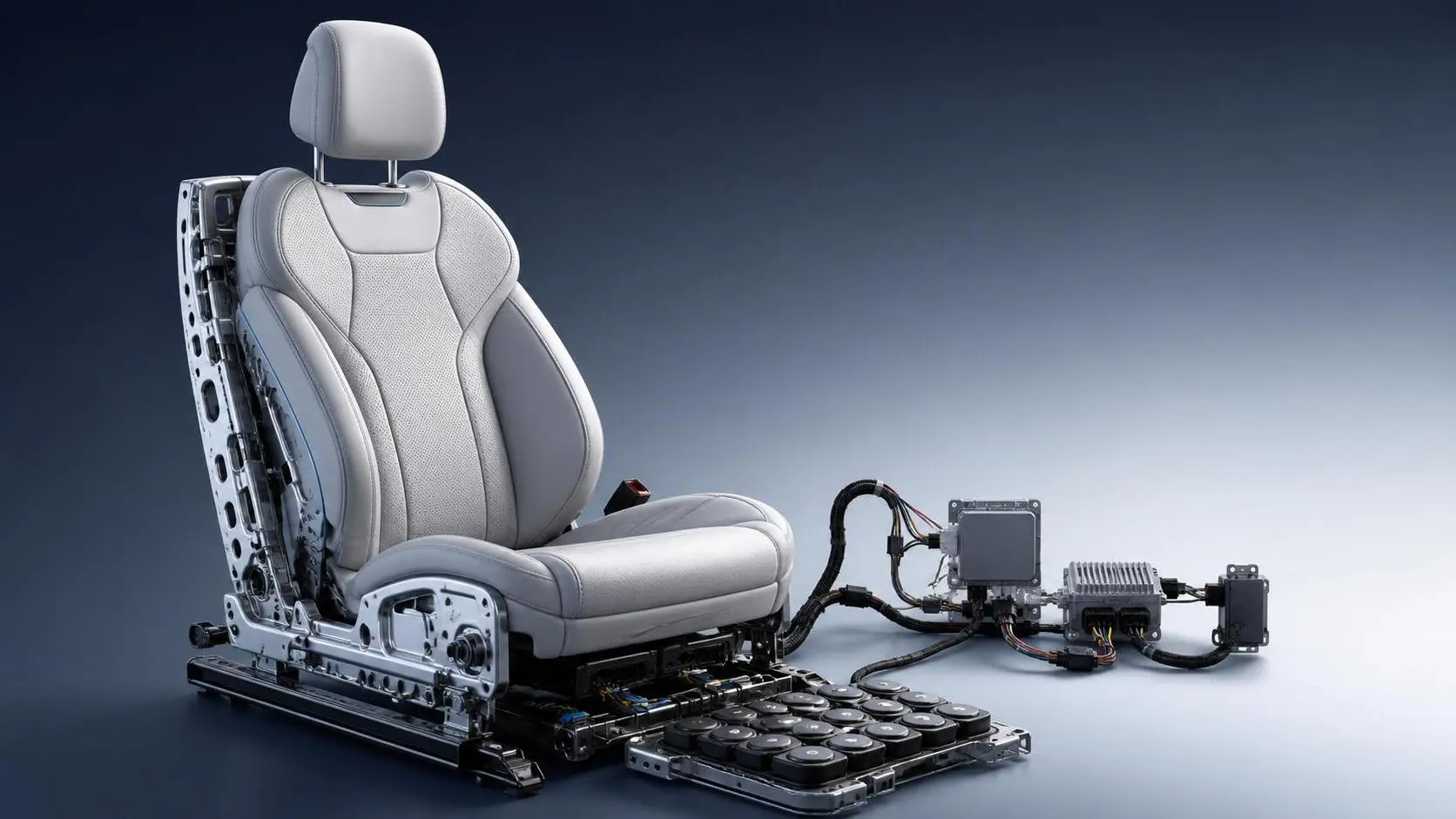
How to Evaluate Custom Smart Automotive Seating for Premium Vehicle Programs?
Custom smart automotive seating evaluation starts with safety, comfort, integration, and production readiness. Discover how premium vehicle teams choose smarter, lower-risk seat solutions.
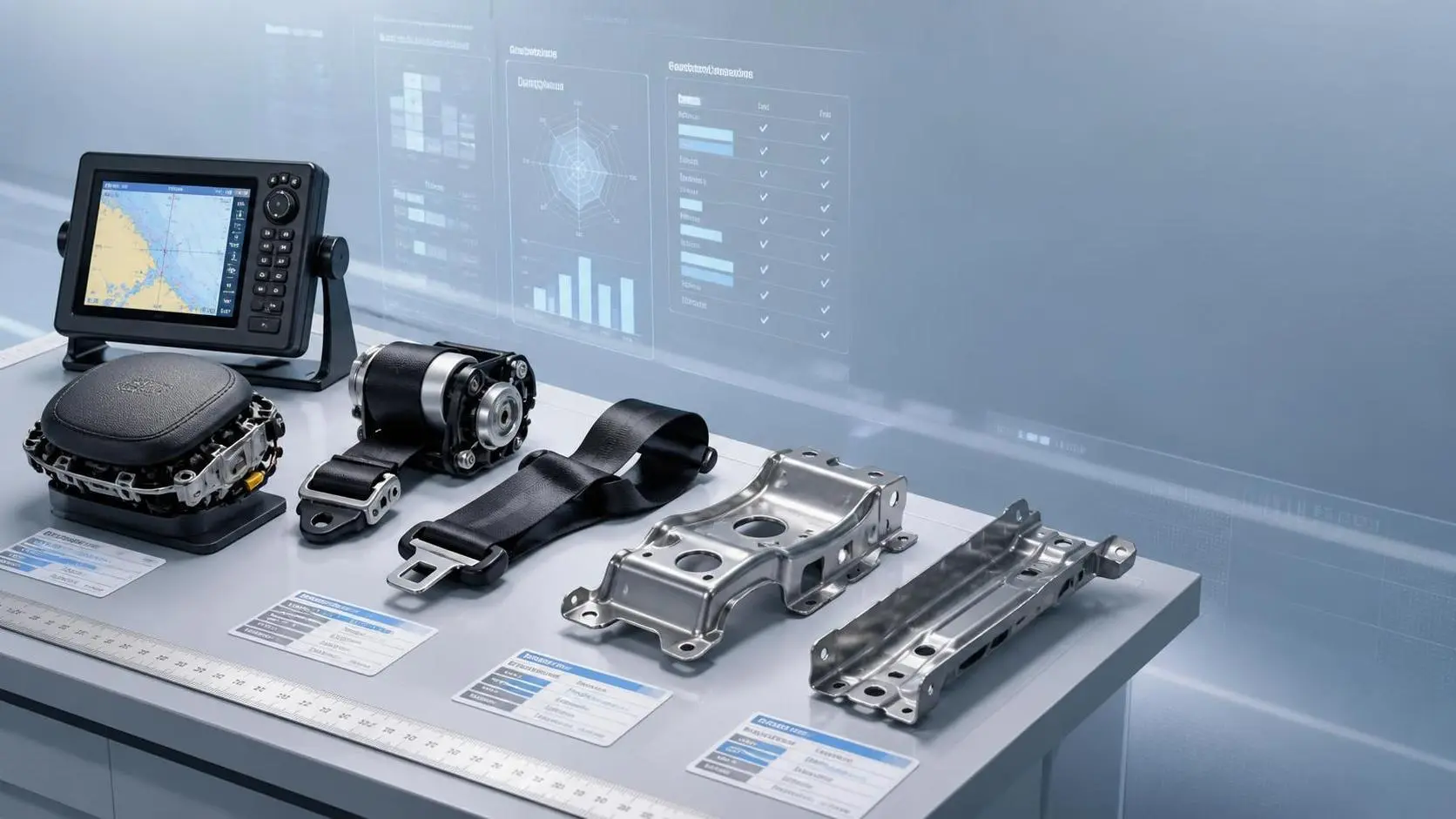
B2B Product Intelligence Platforms: How to Compare Features, Data Coverage, and ROI
B2B product intelligence platform comparison: learn how to evaluate data coverage, feature depth, compliance visibility, and ROI to choose a sourcing tool that reduces risk and speeds decisions.
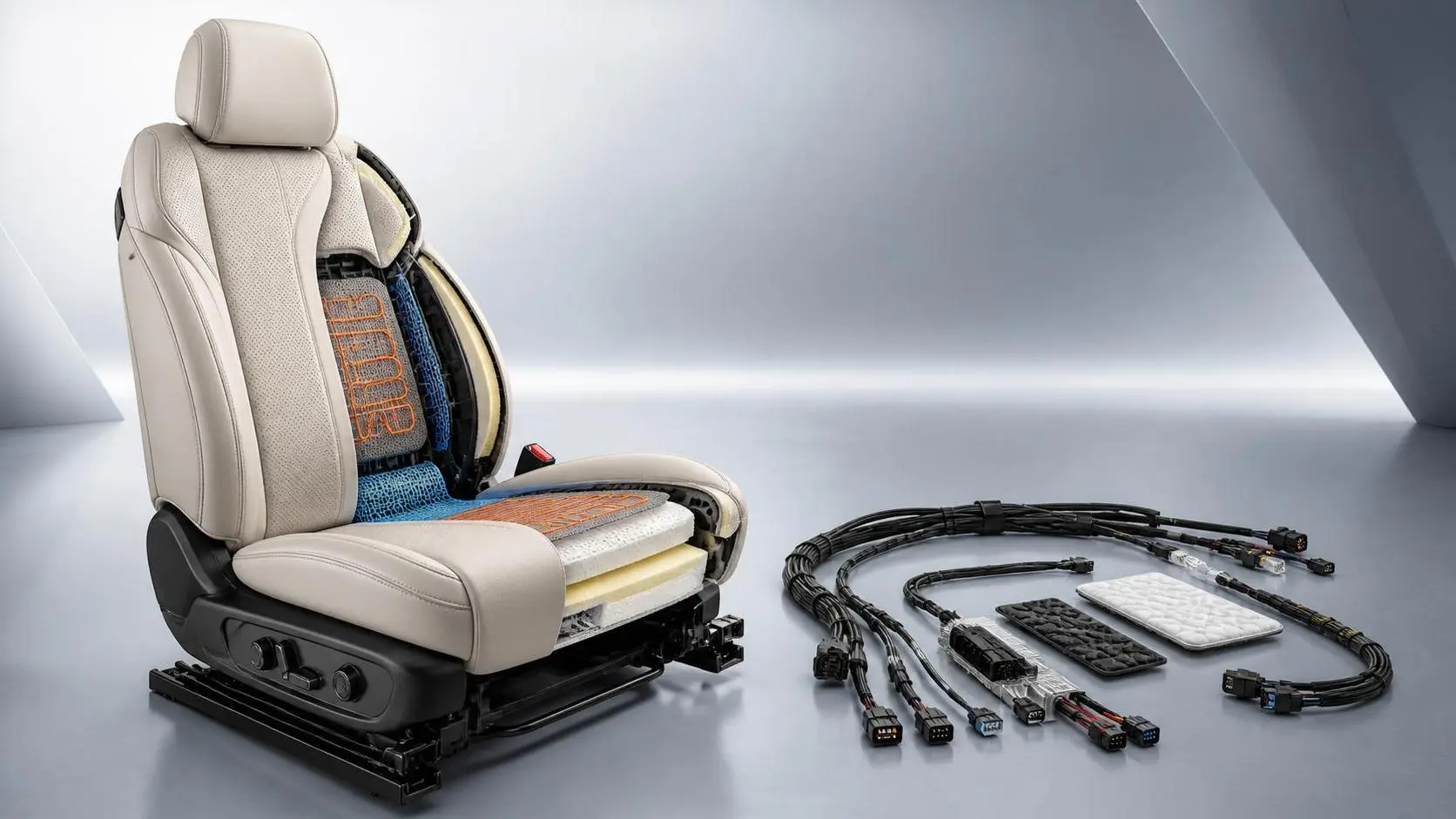
Climate Control Seats Cost: What Drives Price and Long-Term Ownership Value?
Climate control seats cost depends on materials, thermal tech, and integration. Learn what drives price and how to judge long-term value before you buy.
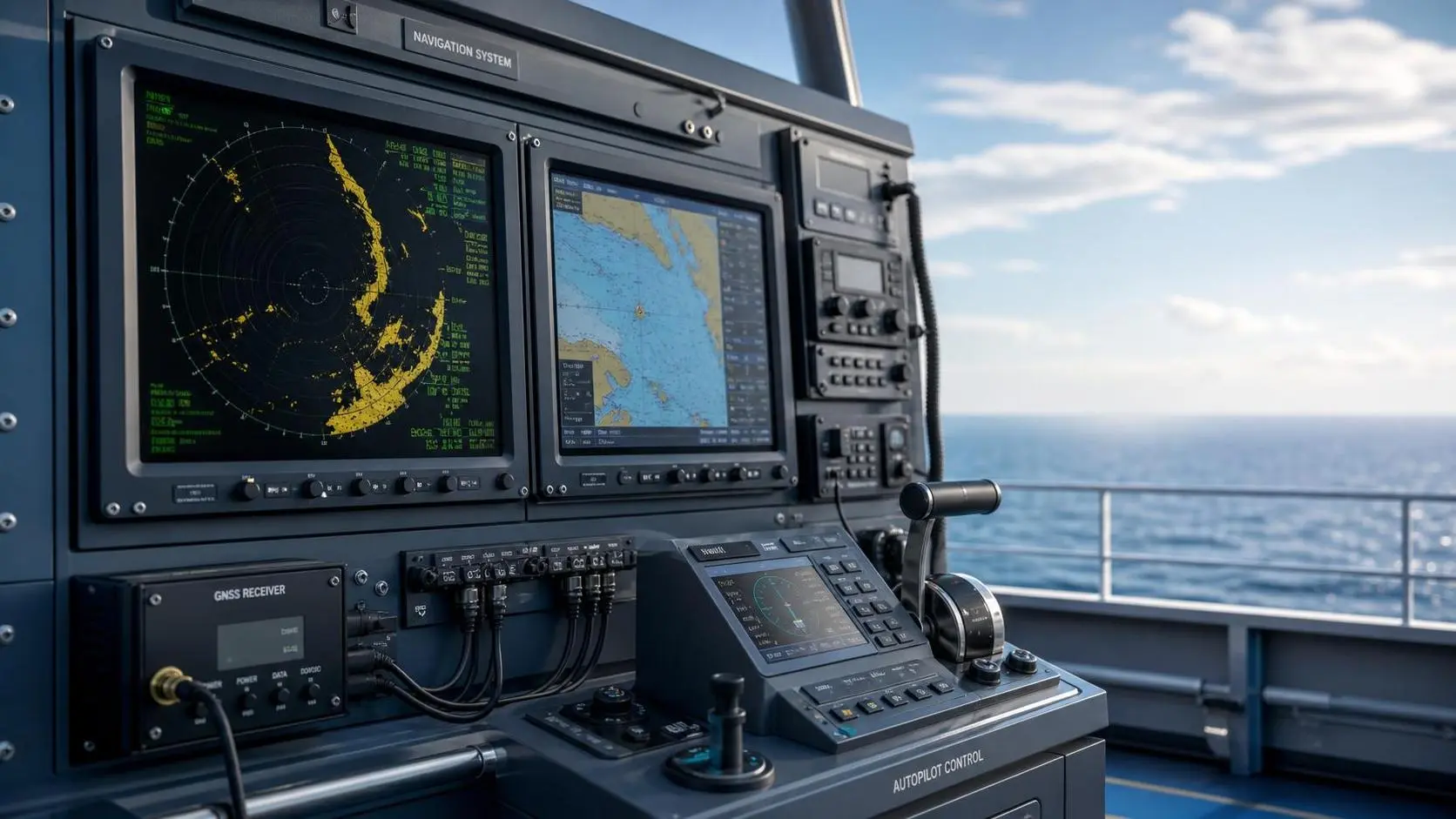
What Factors Drive Marine Navigation Components Cost in Commercial Vessel Projects?
Marine navigation components cost is shaped by integration, compliance, installation, and lifecycle support. Discover what drives pricing and how buyers can reduce risk while improving value.
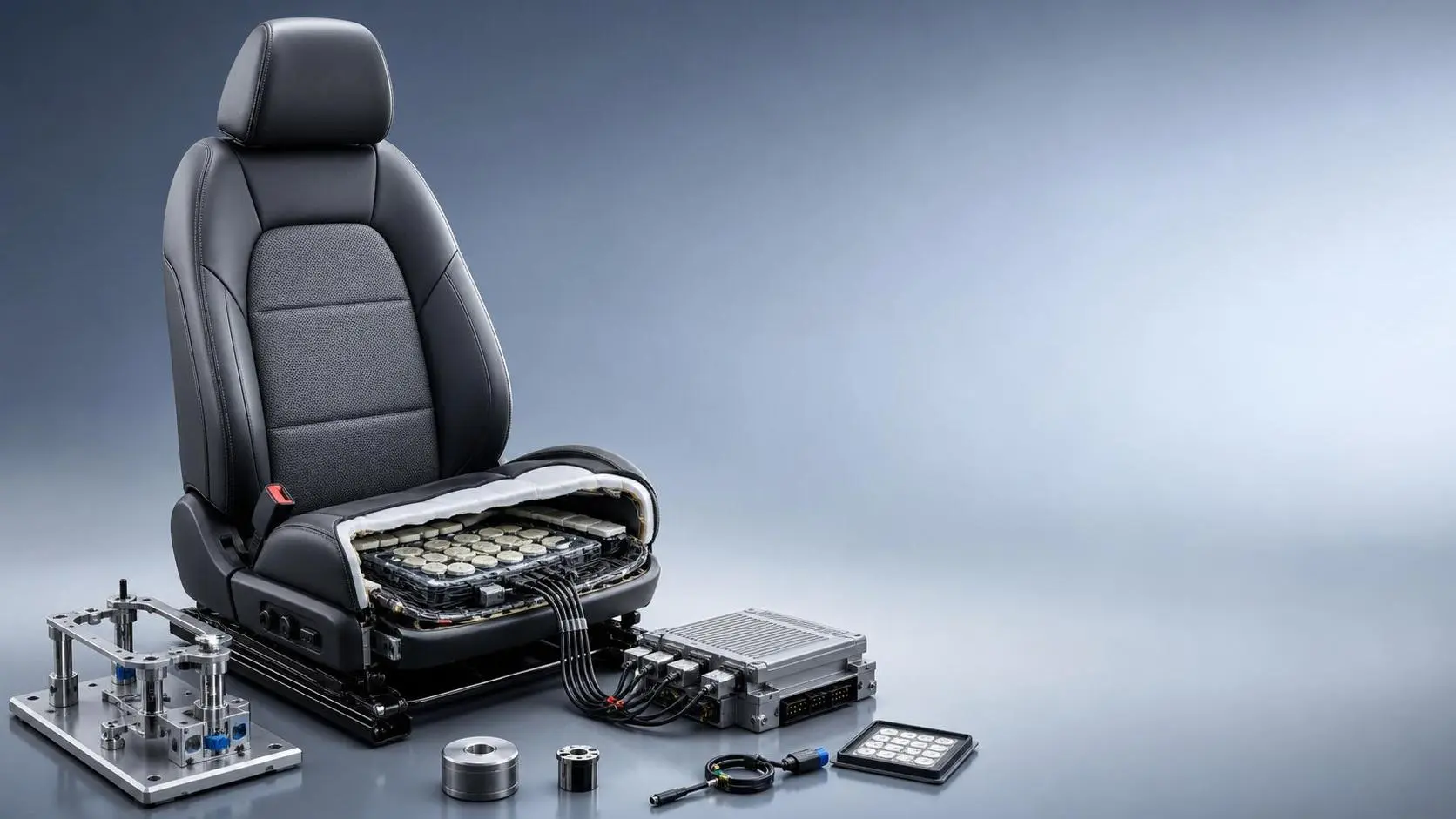
How Much Does Seat Occupancy Sensing Cost? Key Pricing Factors for Buyers
Seat occupancy sensing price varies widely by technology, integration, and compliance needs. Learn the key cost drivers, avoid hidden fees, and make smarter buying decisions.
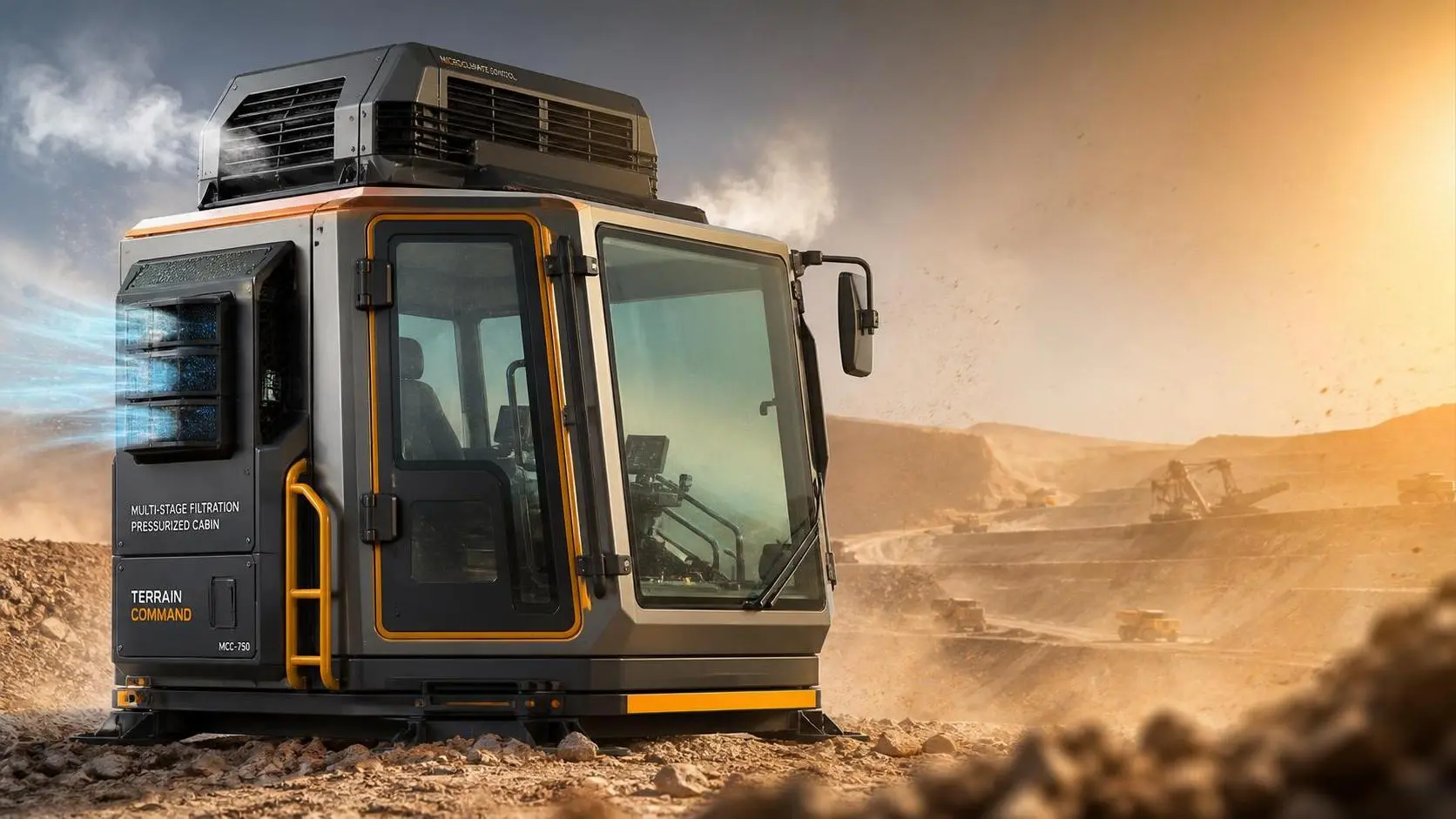
How to Specify Micro-Climate Control Cabins for Harsh Outdoor Worksites?
Micro-climate control cabins for harsh outdoor worksites: learn how to specify thermal control, filtration, pressurization, and durability for safer uptime and smarter buying.
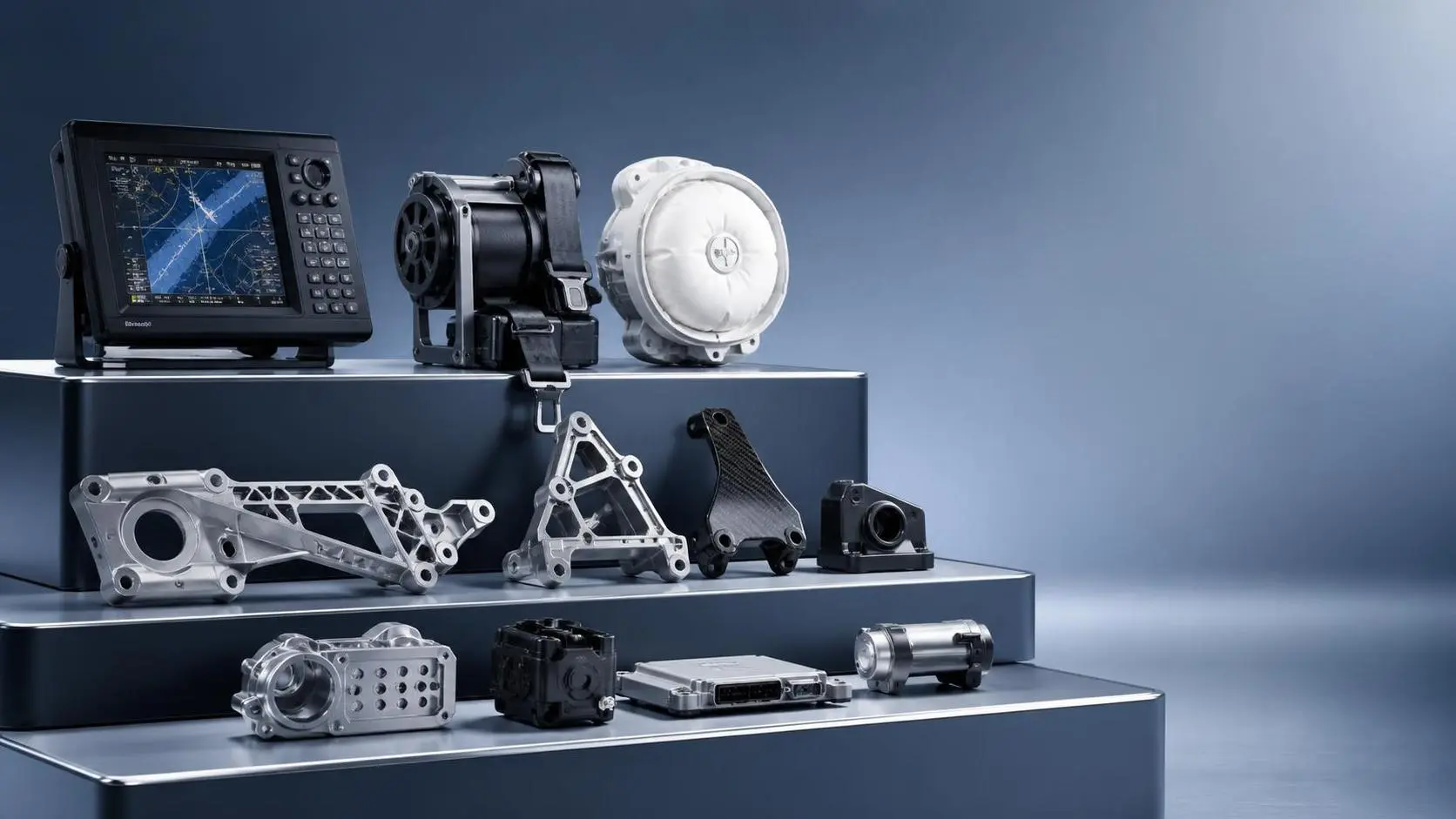
How to Evaluate a B2B Product Knowledge Platform for Faster Procurement Decisions
B2B product knowledge platform procurement starts with reducing decision risk. Learn how to compare specs, compliance, and supplier data to speed sourcing with confidence.
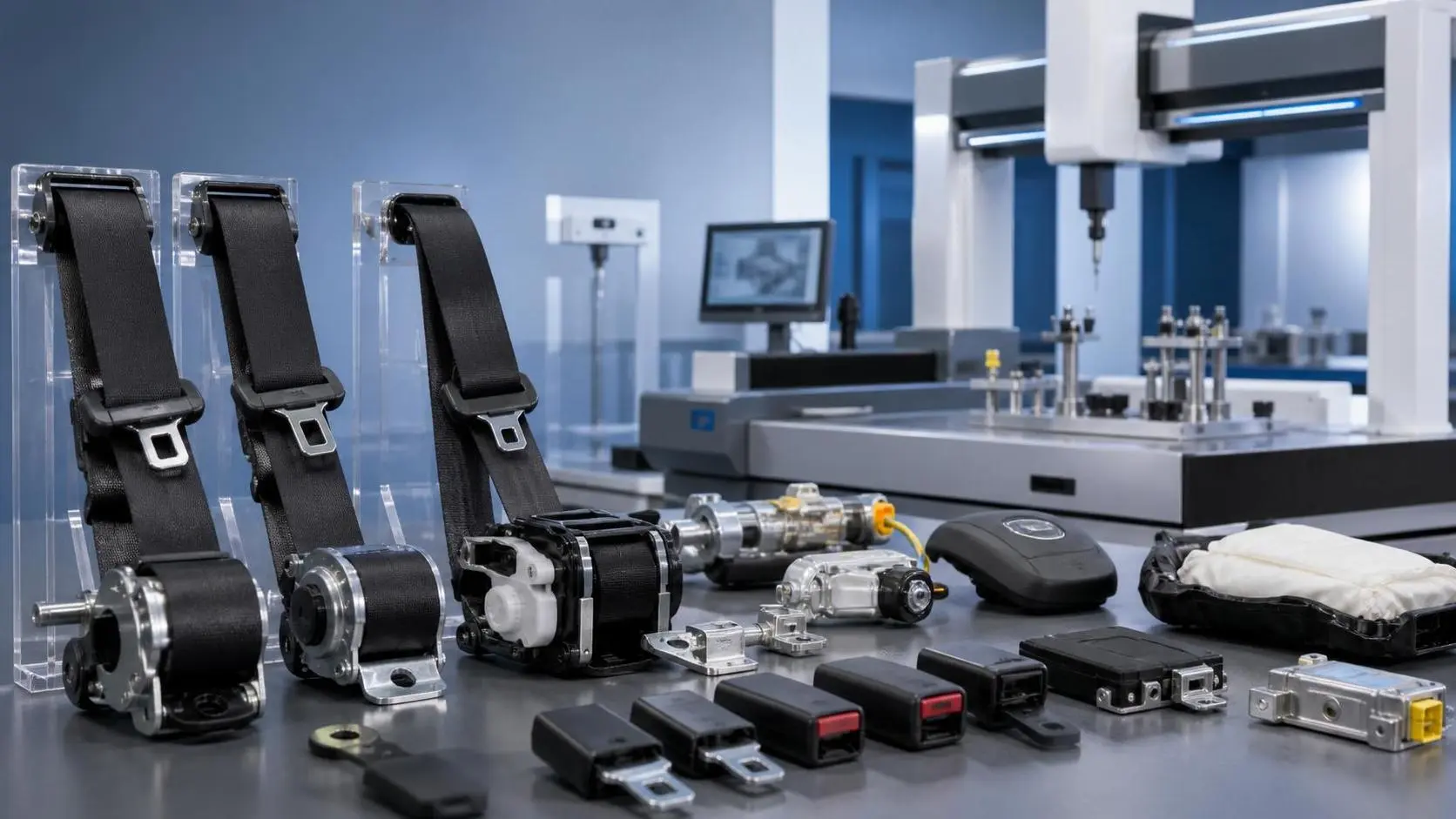
How to Evaluate an Occupant Restraint Systems Exporter for Quality, Compliance, and Supply Risk
Occupant restraint systems exporter evaluation guide: learn how to verify quality controls, compliance evidence, and supply risk before sourcing to avoid recalls, delays, and hidden costs.
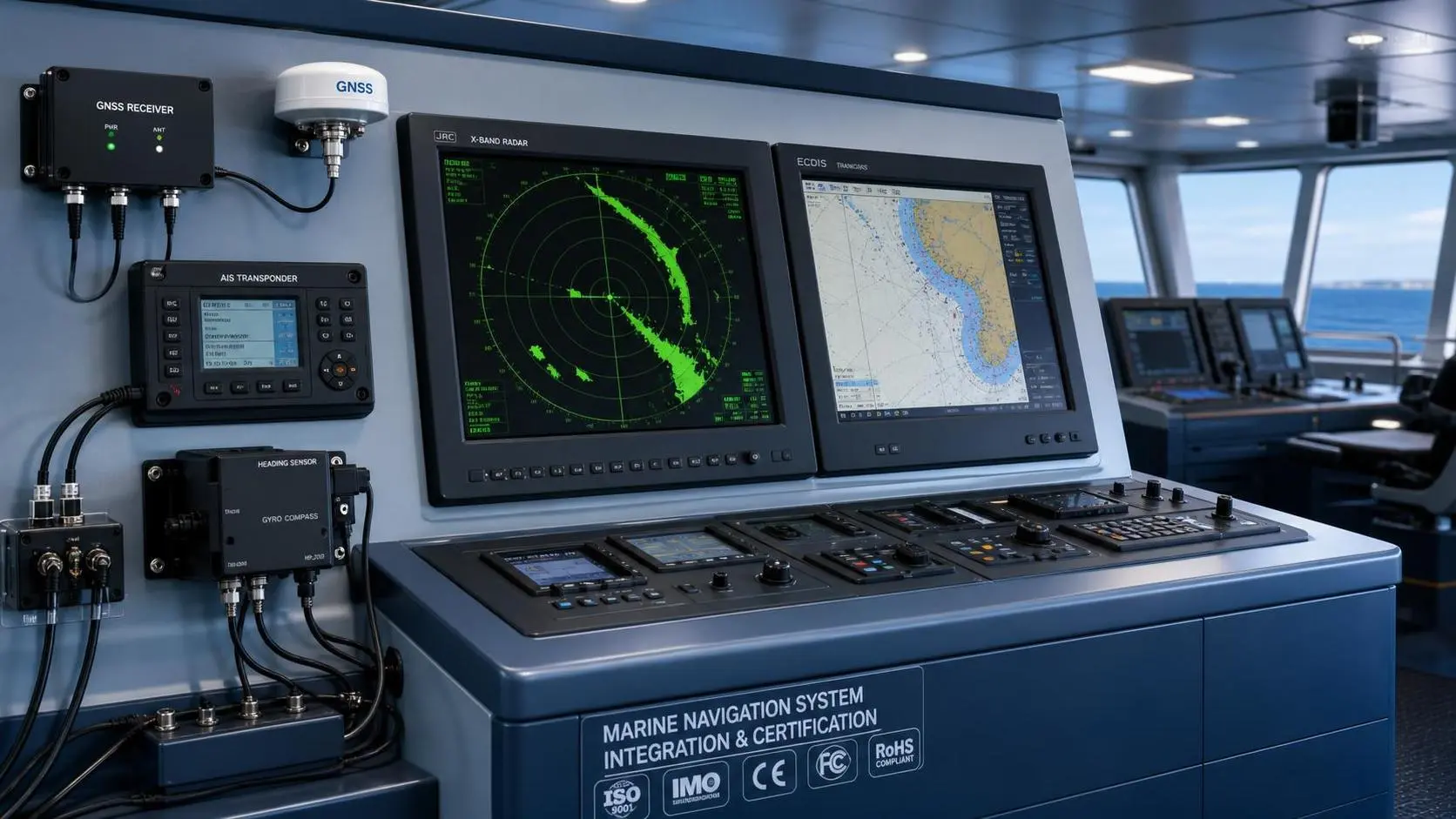
Navigation Compliance Certification: Which Marine Systems Need It and How to Prepare?
Navigation compliance certification explained: discover which marine systems need approval, what documents matter, and how to prepare early to avoid delays, rework, and costly project risks.
Related News
- 00
0000-00
How Do Seatbelt Systems with Pretensioner Improve Crash Protection? - 00
0000-00
How Seatbelt Technology for Buses Improves Passenger Safety and Meets Compliance Needs - 00
0000-00
How Buckle Pretensioner Systems Improve Occupant Restraint in Modern Vehicles - 00
0000-00
Integrated Seatbelt Systems vs Conventional Designs: Which Fits Your Vehicle Platform Better? - 00
0000-00
Seatbelt Components for Passenger Cars: Main Parts, Functions, and How They Work Together
Weekly Insights
Stay ahead with our curated technology reports delivered every Monday.