
Crash test standards are changing what cars must prove
Crash test standards are no longer measuring only survival—they are redefining what vehicles, structures, and restraint systems must prove under increasingly complex impact scenarios.
For technical evaluators, this means moving beyond headline scores and examining how body stampings, airbags, seatbelts, and seats perform under stricter, more integrated protocols.
The core search intent behind “crash test standards” is practical: readers want to know what is changing, why it matters, and how those changes affect technical assessment, compliance, and product decisions.
For evaluators, the most useful answer is not a generic overview of safety ratings. It is a framework for judging whether a vehicle or component is genuinely future-ready.
Why crash test standards are changing now
Crash test standards are changing because real-world crashes have become more complex than the scenarios many legacy protocols were designed to represent.
Vehicles are heavier, cabins include more sensing and comfort systems, and occupant diversity is receiving far greater regulatory and consumer attention than before.
At the same time, global programs such as Euro NCAP and IIHS are raising expectations for structural integrity, restraint timing, far-side protection, and post-crash risk reduction.
This shift means a vehicle can no longer rely on one strong frontal result to demonstrate overall safety credibility across markets.
Instead, manufacturers must prove repeatable protection across multiple impact conditions, occupant sizes, seating positions, and interaction paths inside the cabin.
For technical assessment teams, that creates a different evaluation task: understanding whether the safety architecture is robust by design, not merely optimized for one test setup.
What technical evaluators are really trying to determine
When searching for changes in crash test standards, technical evaluators are usually trying to answer a small number of high-value questions.
First, they want to know which protocols are becoming stricter and whether those changes affect body structure, restraint calibration, seat design, or component sourcing.
Second, they need to identify which test updates are most likely to expose weak points in current platforms, especially in occupant kinematics and energy management.
Third, they want to understand whether a product passes today by margin only, or whether it can remain compliant as standards continue evolving.
That distinction matters because redesign costs rise sharply once a platform enters late validation or production launch stages.
So the true evaluation challenge is not “Does it pass?” but “What engineering evidence shows it will continue to pass under tighter future conditions?”
Crash test standards now assess system interaction, not isolated parts
One of the most important changes is that crash performance is increasingly judged as a system outcome rather than a collection of independent component results.
Body stampings, airbags, seatbelt systems, seat frames, anchorages, head restraints, and sensing logic must now work together with much smaller tolerance for mismatch.
A strong passenger cell alone is not enough if belt load limiting, pretension timing, and airbag deployment create poor occupant positioning during impact.
Likewise, advanced airbags cannot compensate for structural intrusion patterns that drive unsafe femur, chest, or head loading paths.
For evaluators, this means reviewing interface quality between subsystems, including sensing thresholds, deployment algorithms, mounting stiffness, and manufacturing consistency.
It also means that supplier capability has become more important. The question is no longer only whether a component meets specification, but whether it supports system-level repeatability.
Body structure must prove smarter energy management
In many updated protocols, body structures are expected to do more than resist collapse. They must manage crash energy in a controlled, predictable way.
This has direct implications for hot-stamped parts, tailored blanks, multi-material joining strategies, and load-path design around the front rail, rocker, and cross-member zones.
Technical evaluators should pay close attention to whether lightweighting decisions preserve energy absorption stability across offset, side, and oblique impact conditions.
A lower mass solution may help efficiency targets, but if it creates unstable deformation or transfers load poorly into the cabin, rating performance can degrade quickly.
Assessment should therefore include not just material strength claims, but also deformation mode control, joint behavior, and sensitivity to manufacturing variation.
When crash test standards tighten, platforms with balanced load-path architecture usually outperform those relying on local reinforcement as a late correction.
Airbag performance is being judged with greater timing and positioning precision
Airbag systems are under sharper scrutiny because updated test methods increasingly reveal how small timing errors can produce large occupant protection differences.
Front, side, curtain, center, and knee airbags must deploy in harmony with belt systems and seat geometry, not simply within acceptable activation windows.
Far-side scenarios, small-overlap impacts, and mixed occupant conditions place more pressure on inflator consistency, cushion shape control, venting logic, and deployment direction.
For technical evaluators, it is essential to look beyond deployment presence and review whether the bag actually manages occupant motion as intended.
Questions worth asking include: Does the airbag support the head before excessive excursion occurs? Does it maintain coverage through rebound and secondary movement?
As crash test standards evolve, airbag evaluation increasingly depends on occupant kinematics quality, not just deployment speed.
Seatbelt systems remain the decisive first restraint layer
Seatbelts continue to be the most foundational passive safety element, and changing standards are making their calibration even more consequential.
Pretensioners, force limiters, buckle design, webbing routing, and anchorage geometry all influence how early and how effectively the occupant is managed.
If the belt system allows excessive forward motion before the airbag engages, even a sophisticated airbag package may struggle to recover safe positioning.
Technical evaluators should assess whether the belt strategy is tuned for a broad range of occupant sizes and seating postures, not just nominal test conditions.
They should also consider rear-seat protection, an area receiving rising attention as standards and consumer programs expand evaluation scope.
In practice, many crash test outcomes are won or lost in the milliseconds before the airbag reaches full usefulness, which is why belt performance remains central.
Seat assemblies are becoming more important in crash outcomes
Seats are no longer evaluated only for comfort, durability, and packaging. They are becoming active determinants of passive safety performance.
Seat frame stiffness, recliner behavior, anti-submarining geometry, cushion interaction, and head restraint positioning can all affect occupant kinematics during impact.
This is especially relevant in far-side, rear-impact, and mixed-posture scenarios where body motion relative to the restraint system becomes harder to control.
For technical evaluators, seat assessment should include how the seat supports belt geometry and preserves occupant position under high load.
Smart seating systems also introduce new variables, such as sensing hardware, motorized adjusters, and comfort features that must not undermine crash robustness.
As standards become stricter, seating design is moving from a secondary cabin topic to a critical safety validation topic.
Headline ratings are useful, but they are not enough for technical judgment
Many readers search crash test standards because they see changing scores in the market and want to understand the engineering significance behind them.
That is important because a public rating summarizes performance, but it does not fully explain where the platform is strong, vulnerable, or difficult to upgrade.
A vehicle may achieve a strong score while still showing narrow margins in chest compression, pelvis loading, structural intrusion, or occupant excursion control.
For evaluators, margin quality matters as much as pass status. Narrow margins often signal future compliance risk when protocols are refined again.
Comparative analysis should therefore include test notes, sub-category performance, restraint behavior, and likely sensitivity to design or manufacturing variation.
This is how technical teams convert public crash information into product intelligence rather than surface-level benchmarking.
How to evaluate whether a platform is ready for changing crash test standards
A useful evaluation approach starts with mapping each updated protocol to the subsystems most likely to be affected.
For example, side-impact changes may require a review of door structures, B-pillar reinforcement, curtain coverage, thorax protection, and seat lateral support behavior.
Frontal updates may call for closer analysis of load paths, toe-board intrusion, steering column movement, belt force management, and airbag synchronization.
Next, assess robustness under variation. Ask how performance changes across occupant sizes, seat positions, trim levels, and supplier production tolerances.
Then review integration maturity. Are the body, belt, airbag, and seat teams optimizing together, or are issues being traded between functions late in the process?
Finally, look at forward compatibility. A technically strong platform should not only meet current crash test standards, but show credible adaptability to the next revision cycle.
What this means for suppliers and technical sourcing decisions
Changing crash test standards are also changing how OEMs evaluate suppliers of stampings, restraint modules, and seating systems.
Technical capability is no longer judged only by component specification compliance, quoted cost, or basic test certification.
OEMs increasingly value suppliers that can demonstrate simulation depth, test correlation quality, process stability, material traceability, and systems-level engineering support.
For evaluators involved in sourcing, this means looking for evidence that a supplier can help reduce integration risk, not just provide a conforming part.
A high-strength stamping supplier, for example, should be able to discuss deformation control and joining implications, not only tensile numbers.
An airbag or seatbelt supplier should show confidence in calibration repeatability, inflator consistency, and interaction with varied cabin architectures.
The broader trend: from compliance testing to safety proof
The deeper meaning behind changing crash test standards is that the industry is moving from compliance demonstration toward broader safety proof.
In earlier phases, passing a recognized protocol could often serve as a sufficient claim of engineering maturity.
Now, regulators, consumer programs, and fleet buyers increasingly expect evidence that protection is resilient across more realistic crash circumstances and occupant conditions.
That raises the bar for design validation, supplier collaboration, and technical documentation throughout the product lifecycle.
For organizations working across lightweight structures, airbags, seatbelts, and smart seating, this is also an opportunity.
Teams that understand the convergence of precision sensing, material behavior, and occupant containment can create stronger products and more credible market positioning.
Conclusion
Crash test standards are changing what cars must prove because safety validation is no longer about surviving one controlled impact with acceptable injury numbers.
It is about demonstrating integrated occupant protection across evolving crash modes, stricter assessment logic, and greater expectations for system interaction quality.
For technical evaluators, the right response is to look past ratings and examine structural energy management, restraint coordination, seat behavior, and performance margins.
The most valuable judgment is not whether a vehicle passes today, but whether its safety architecture is technically strong enough for tomorrow’s protocols.
That is where real compliance confidence, engineering value, and long-term product credibility are now being decided.
Related News
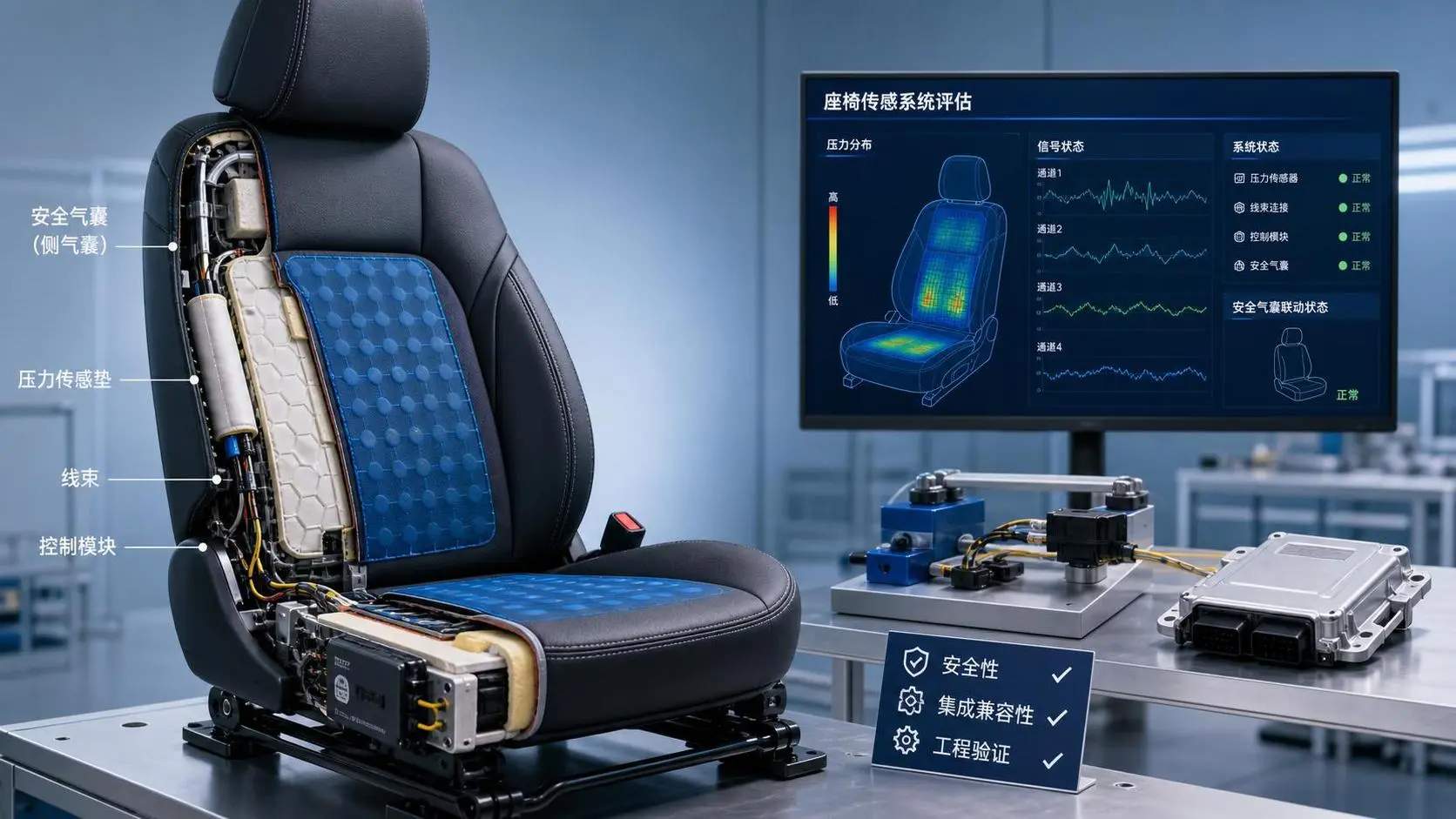
How to Evaluate a Seat Sensing Technology Supplier for Safety and Integration?
Seat sensing technology supplier evaluation guide: compare safety maturity, integration fit, algorithm reliability, and validation support to choose a partner that reduces risk.
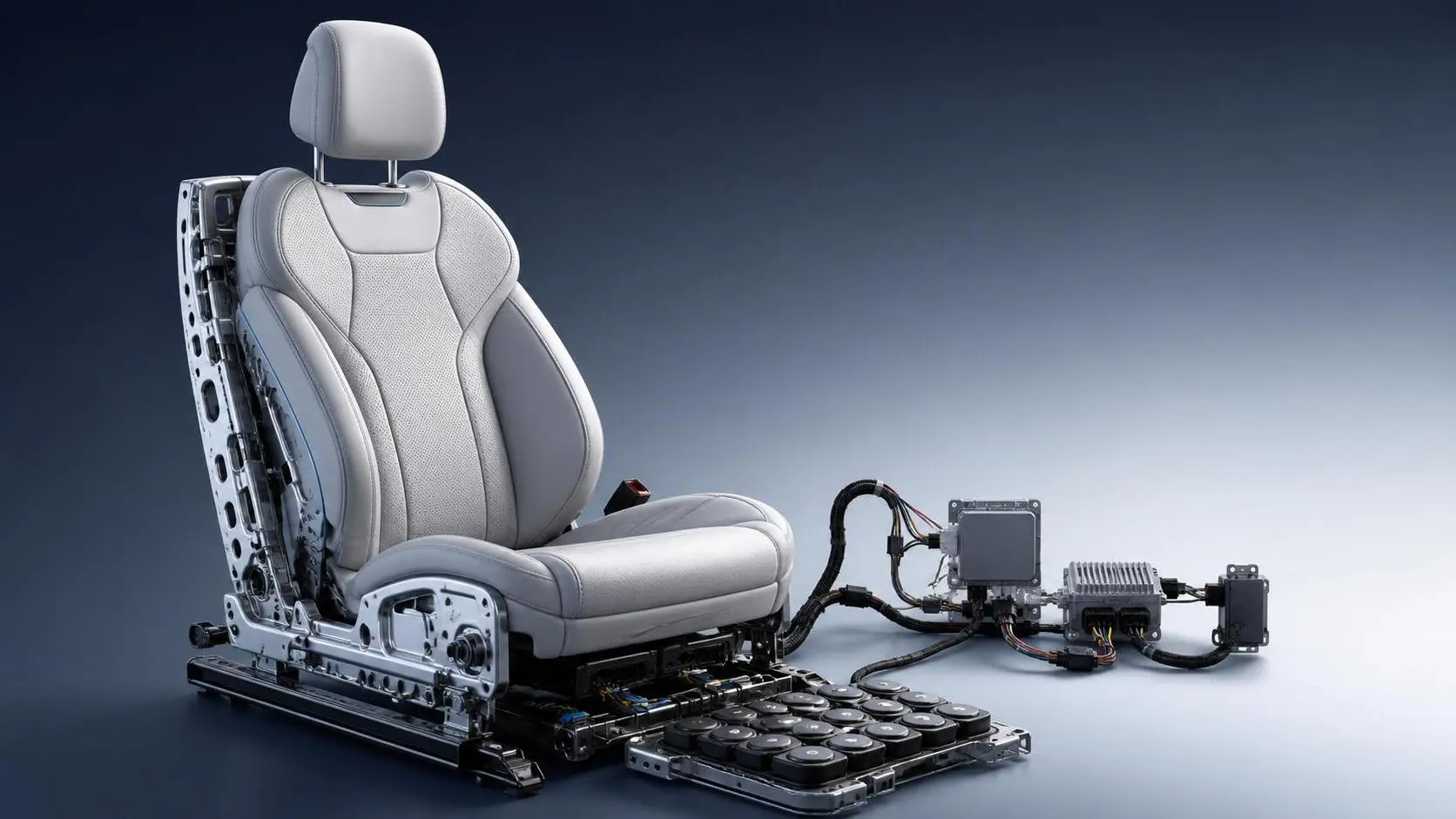
How to Evaluate Custom Smart Automotive Seating for Premium Vehicle Programs?
Custom smart automotive seating evaluation starts with safety, comfort, integration, and production readiness. Discover how premium vehicle teams choose smarter, lower-risk seat solutions.
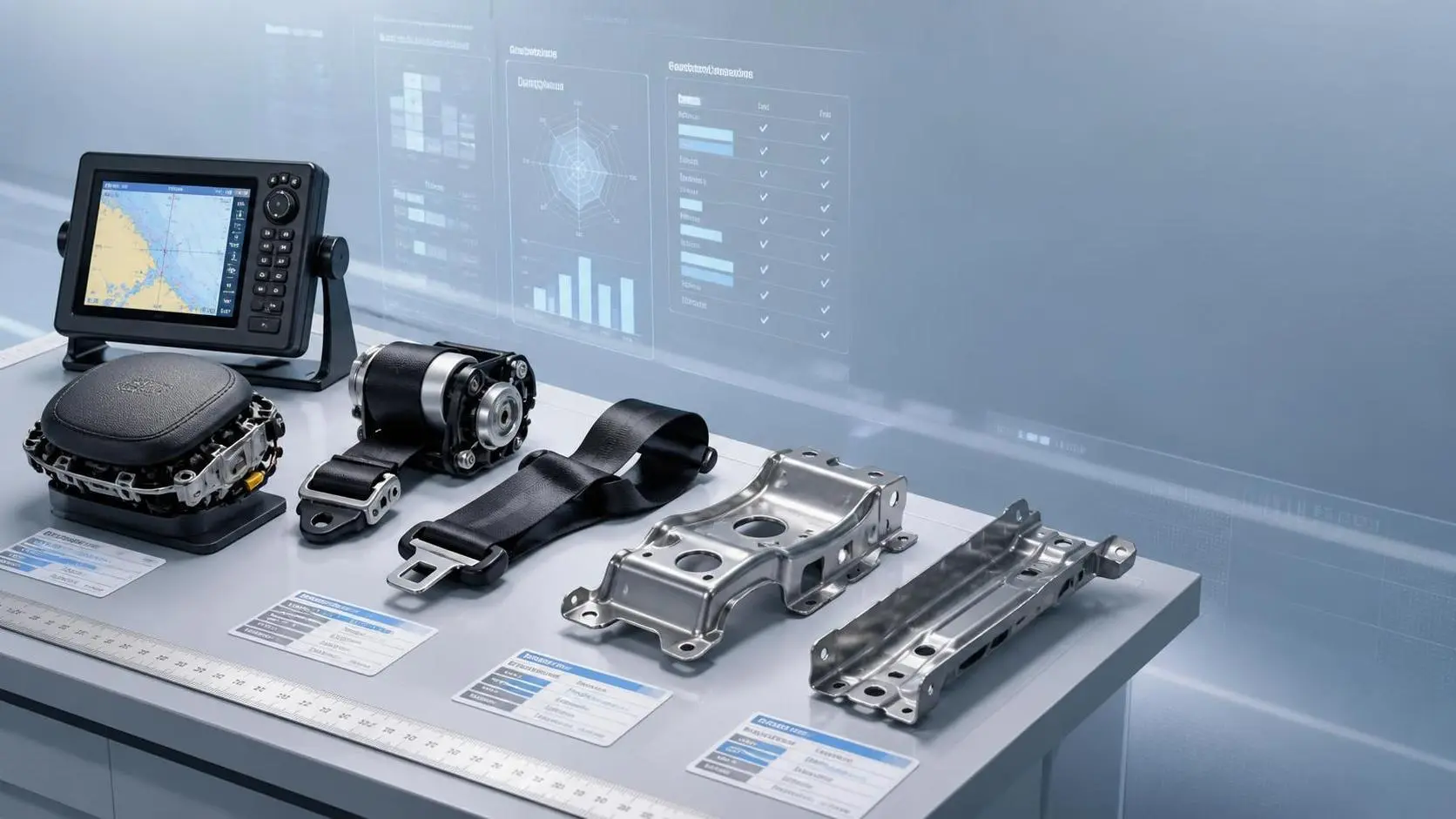
B2B Product Intelligence Platforms: How to Compare Features, Data Coverage, and ROI
B2B product intelligence platform comparison: learn how to evaluate data coverage, feature depth, compliance visibility, and ROI to choose a sourcing tool that reduces risk and speeds decisions.
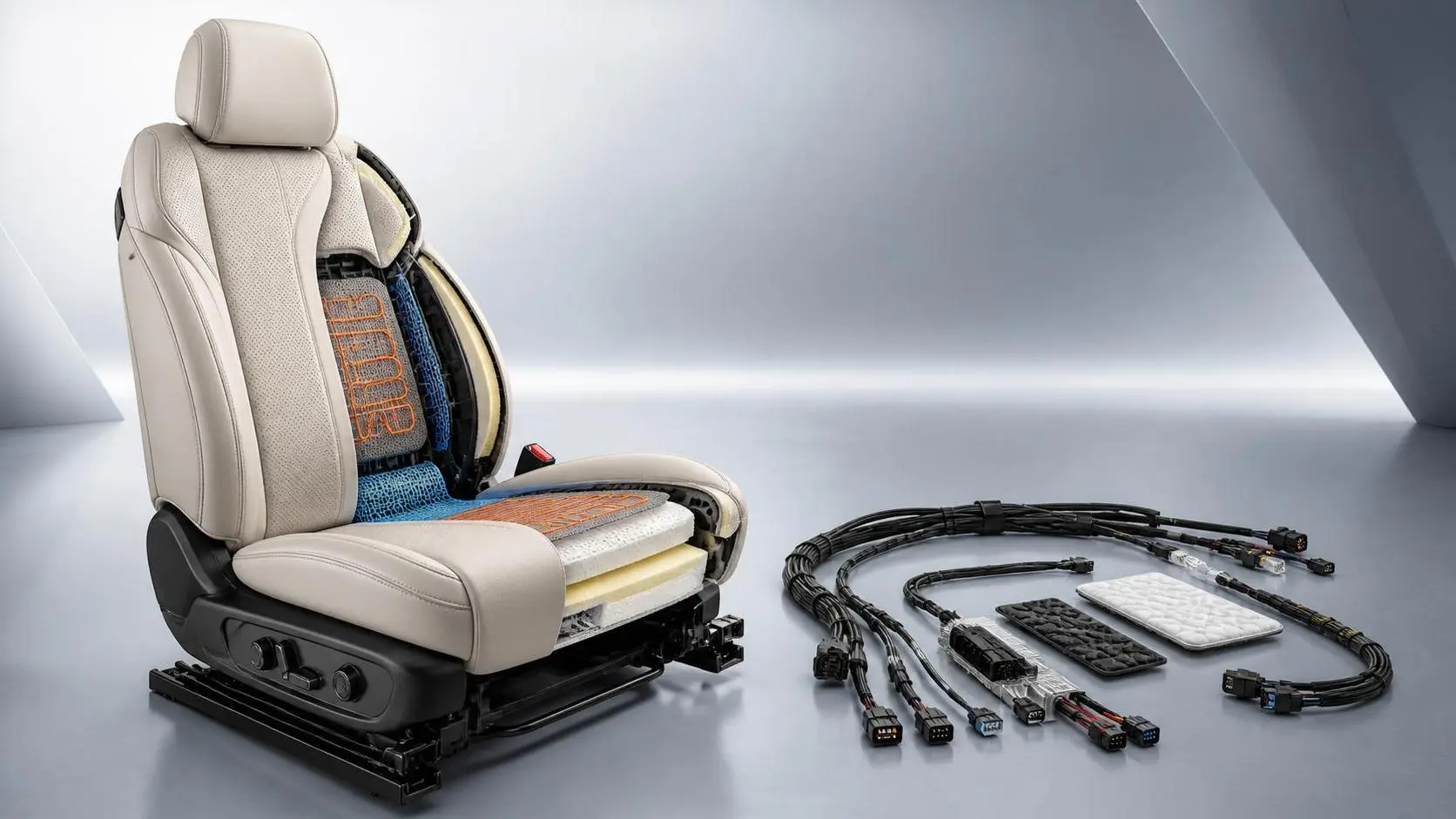
Climate Control Seats Cost: What Drives Price and Long-Term Ownership Value?
Climate control seats cost depends on materials, thermal tech, and integration. Learn what drives price and how to judge long-term value before you buy.

What Factors Drive Marine Navigation Components Cost in Commercial Vessel Projects?
Marine navigation components cost is shaped by integration, compliance, installation, and lifecycle support. Discover what drives pricing and how buyers can reduce risk while improving value.
How Much Does Seat Occupancy Sensing Cost? Key Pricing Factors for Buyers
Seat occupancy sensing price varies widely by technology, integration, and compliance needs. Learn the key cost drivers, avoid hidden fees, and make smarter buying decisions.

How to Specify Micro-Climate Control Cabins for Harsh Outdoor Worksites?
Micro-climate control cabins for harsh outdoor worksites: learn how to specify thermal control, filtration, pressurization, and durability for safer uptime and smarter buying.
How to Evaluate a B2B Product Knowledge Platform for Faster Procurement Decisions
B2B product knowledge platform procurement starts with reducing decision risk. Learn how to compare specs, compliance, and supplier data to speed sourcing with confidence.
How to Evaluate an Occupant Restraint Systems Exporter for Quality, Compliance, and Supply Risk
Occupant restraint systems exporter evaluation guide: learn how to verify quality controls, compliance evidence, and supply risk before sourcing to avoid recalls, delays, and hidden costs.
Related News
- 00
0000-00
Automotive Compliance Information for EVs: Which Standards Matter for New Programs? - 00
0000-00
Crash test standards are changing what cars must prove - 00
0000-00
What crash test regulations now mean for new designs - 00
0000-00
Crash test regulations are changing faster than many plans - 00
0000-00
Maritime Safety Technology Updates That May Affect Fleet Compliance
Weekly Insights
Stay ahead with our curated technology reports delivered every Monday.