
When cabin protection systems fail to meet expectations
When cabin protection systems fail to meet expectations, the issue is rarely a single defective part. For technical evaluators, underperformance usually signals a chain problem involving design assumptions, subsystem integration, validation scope, manufacturing consistency, and regulatory interpretation. The practical question is not simply whether a restraint, airbag, seat structure, or body reinforcement passed a test. It is whether the entire protection strategy remains reliable under real-world occupant variation, crash diversity, lifecycle wear, and compliance pressure.
In high-stakes mobility environments, cabin protection systems must absorb energy, manage occupant kinematics, maintain structural survival space, and coordinate multiple timed responses within milliseconds. When they do not, technical assessment must move beyond supplier claims and nominal certification. Evaluators need evidence that the system performs robustly at boundaries: out-of-position occupants, small overlap events, angled impacts, rollover sequences, secondary collisions, sensor uncertainty, and material aging.
This article examines why cabin protection systems fall short, what technical evaluators should investigate first, and how to judge whether a system is genuinely resilient rather than merely test-ready. The focus is on practical failure modes, evaluation priorities, and decision criteria that support stronger sourcing, validation, and compliance confidence.
Why cabin protection systems fail even after passing validation
One of the most common reasons cabin protection systems disappoint in field performance is that validation was built around a narrow test envelope. A system may satisfy prescribed crash pulses, anthropomorphic test device configurations, and legal requirements, yet still perform inconsistently when real occupant posture, seat adjustment, cargo distribution, or pre-crash motion differs from the validated baseline.
For technical evaluators, this matters because modern cabin safety is a coordinated system, not a collection of independent components. Seatbelt systems, airbag assemblies, seat frames, trim interfaces, body stampings, sensing logic, and control software all influence occupant motion. A local component may meet specification while the overall protection outcome fails due to timing mismatch or unintended interaction.
Another recurring cause is overreliance on compliance testing as a proxy for real-world robustness. Compliance is necessary, but it does not automatically confirm protection margin. Systems optimized too tightly for regulatory points can become vulnerable outside those points. This is especially true when suppliers tune deployments or load paths to achieve score efficiency rather than broad operational resilience.
Manufacturing variation also explains many expectation gaps. Inflator output drift, stitching inconsistency, retractor friction changes, seat foam density variation, weld quality fluctuations, and dimensional stack-up in body structures can all shift occupant kinematics. In evaluation terms, small tolerances can generate large protection differences once dynamic loading begins.
Finally, cabin protection systems often fail expectations because assumptions about user behavior were unrealistic. Occupants recline seats, place objects in deployment zones, wear belts incorrectly, carry child restraints, or sit asymmetrically during long journeys. If design validation ignores these realities, nominally advanced systems may become fragile in use.
What technical evaluators should examine first
When reviewing cabin protection systems, the first task is to define the protection philosophy behind the design. Does the system prioritize early restraint, softer energy management, structural redirection, adaptive deployment, or multi-event survivability? Without understanding this logic, test data can look acceptable while masking strategic weaknesses in occupant control.
The second priority is integration mapping. Evaluators should trace how sensor inputs trigger restraint decisions, how seat position affects deployment thresholds, how belt pretensioning aligns with airbag timing, and how body deformation influences cabin intrusion. The goal is to identify whether the system behaves as a coherent architecture or a loosely coordinated bundle of parts.
Third, ask where the system is known to be sensitive. Every design has edge conditions. A responsible supplier can explain them clearly: certain occupant sizes, side impact angles, low-temperature deployment behavior, seat track positions, or roof crush interactions. If a supplier cannot articulate boundary conditions, evaluators should assume the validation picture is incomplete.
Fourth, examine the difference between test success and engineering margin. Passing criteria matter less than the distance from failure thresholds. Cabin protection systems that only barely satisfy head injury, chest deflection, neck load, femur load, or structural intrusion targets leave little room for production variation or future regulatory tightening.
Fifth, evaluators should look at change control discipline. Protection systems can degrade not only through original design weakness but also through later material substitutions, software updates, packaging revisions, or seat trim modifications. Good programs show evidence that engineering changes are revalidated for occupant safety implications, not just cost or manufacturability effects.
Where cabin protection systems most often underperform
In frontal crashes, underperformance often begins with poor occupant positioning before the primary restraint event. If the seatbelt system does not remove slack quickly enough, the occupant arrives late to the airbag, increasing head, chest, or lower extremity loading. If force limiting is too aggressive too early, forward excursion can become excessive. If it is too stiff, chest injury risk rises.
Airbag assemblies can also fail expectations when deployment geometry does not match occupant trajectory. A technically sound inflator and cushion may still perform badly if steering wheel position, instrument panel packaging, seat travel, or steering column motion shifts the contact pattern. Evaluators should examine not only whether the bag deploys, but where, when, and how the occupant engages it.
Side impacts create another frequent weak point because available crush space is limited and event timing is extremely short. Here, body stampings, door structures, side airbags, seat-mounted modules, and occupant seating posture interact intensely. Small packaging compromises can reduce thorax and pelvis protection significantly, especially for smaller occupants or those seated close to the door.
Seat structures are sometimes underestimated in protection reviews. Yet a seat frame, recliner mechanism, track, and head restraint geometry strongly affect rear impact response, occupant rebound, submarining risk, and belt routing stability. A smart seating system with comfort features adds further complexity because sensors, actuators, and lightweight materials may alter durability and crash load paths.
Rollover and multi-event scenarios often expose weaknesses hidden by single-event validation. A protection system may perform acceptably in the initial impact but lose effectiveness when structural deformation, belt spool-out, occupant rebound, or power interruption affects subsequent restraint phases. Evaluators should pay close attention to retention performance over event sequences, not just initial milliseconds.
How to tell whether the issue is design, integration, or manufacturing
Differentiating failure origin is essential for fair and accurate evaluation. Design weaknesses usually appear as systematic patterns across repeated tests, simulations, or vehicle variants. For example, the same excessive chest loading at several labs and build conditions suggests a fundamental calibration, geometry, or load-path problem rather than random variation.
Integration issues tend to surface when components perform well individually but degrade when assembled into the full cabin environment. A seatbelt retractor may meet bench requirements, and an airbag module may meet deployment requirements, yet their coordination may fail because of seat track position logic, ECU timing, wiring latency, or body deformation effects during real crashes.
Manufacturing-driven underperformance often produces inconsistent outcomes. Evaluators may see wider dispersion in pulse response, deployment pressure, structural deformation, or restraint timing between builds. In such cases, process capability, supplier traceability, joining quality, propellant consistency, and dimensional control deserve as much scrutiny as nominal design intent.
Data discipline helps distinguish these categories. Technical evaluators should compare CAE predictions, sled data, full-scale crashes, teardown measurements, and field returns. If simulation and prototype tests aligned but production units drifted, manufacturing control is suspect. If bench and subsystem tests looked strong but full-vehicle performance degraded, integration is the likely fault line.
What evidence matters more than marketing claims
For cabin protection systems, impressive terminology is easy to present. Words like adaptive, intelligent, predictive, lightweight, and integrated do not prove occupant benefit. Evaluators need structured evidence showing repeatability, boundary performance, and failure transparency. The best supplier dossiers make limitations visible instead of hiding them behind generic confidence language.
Useful evidence starts with correlation quality. How accurately do simulations match sled and vehicle tests across multiple crash modes? Strong correlation suggests the engineering model captures real system behavior, making future design changes more credible. Weak correlation means validation confidence should be discounted, regardless of presentation quality.
Another high-value indicator is robustness testing beyond mandatory requirements. This includes off-nominal occupant positions, varied seat settings, environmental extremes, aged materials, hardware variation, and multi-event conditions. Cabin protection systems that remain stable under these cases deserve more trust than systems documented only at regulation points.
Traceable design rationale also matters. Evaluators should expect clear explanations for force limiter settings, pretensioner timing, airbag venting strategy, seatback strength targets, head restraint geometry, and reinforcement choices in body stampings. If tuning decisions cannot be linked to occupant kinematics and injury metrics, optimization may be superficial.
Field feedback loops provide another layer of confidence. Suppliers or integrators with disciplined post-launch monitoring can identify emergent issues faster, whether related to seat occupancy sensing drift, inflator aging, abnormal belt wear, or structural corrosion effects. A system that learns from field behavior is safer than one frozen at launch assumptions.
How evolving standards are changing evaluation priorities
Technical assessment of cabin protection systems is becoming harder because expectations are rising on multiple fronts at once. Regulators and consumer rating programs increasingly examine not just survival, but injury reduction quality across diverse occupants and crash types. This pushes evaluators to look beyond baseline homologation and into performance breadth.
Consumer programs such as IIHS and Euro NCAP have helped shift attention toward small overlap behavior, far-side protection, advanced restraint coordination, and rear occupant safety. These changes matter because many systems historically tuned for traditional frontal and side protocols may not carry enough margin into newer assessment domains.
Lightweighting adds another challenge. High-strength steels, aluminum structures, magnesium seat components, and mixed-material joining can improve efficiency while complicating load transfer and crash energy management. Evaluators should not assume lighter architecture is inferior, but they should verify that mass reduction has not introduced local brittleness, unstable deformation, or repair sensitivity.
Software dependence is also increasing. Occupant classification, pre-crash positioning, belt reminder logic, active head restraint triggers, and restraint deployment decisions all depend more heavily on electronics and algorithms. As a result, cabin protection systems should be assessed not only as mechanical hardware, but as cyber-physical safety systems requiring software validation discipline.
A practical evaluation framework for technical reviewers
A useful review framework begins with five questions. What occupant risks is the system explicitly designed to control? Under what conditions was that claim validated? Where are the performance boundaries? How much engineering margin exists? And how tightly is production controlled against validated intent? These questions quickly separate mature systems from presentation-driven ones.
Next, reviewers should evaluate cabin protection systems across four layers: structural containment, restraint timing, occupant interface, and lifecycle stability. Structural containment asks whether survival space and load paths remain controlled. Restraint timing looks at sequencing and coordination. Occupant interface covers posture, belt fit, seat interaction, and deployment geometry. Lifecycle stability addresses aging, wear, and production drift.
Then, assign evidence weight accordingly. Full-scale dynamic performance and validated correlation should outweigh brochure features. Repeatability should outweigh isolated best-case tests. Transparent limitations should increase trust, while vague universality claims should reduce it. Systems that openly document trade-offs are often engineered more honestly than those presented as flawless.
Finally, technical evaluators should align judgments with application reality. A premium passenger car, a commercial mobility platform, and a marine-adjacent crew cabin may share passive safety principles, but packaging constraints, duty cycles, occupant variability, and compliance exposure differ. A good evaluation does not ask whether a system is advanced in general. It asks whether it is robust for its actual operating context.
Conclusion: better evaluation starts with asking better questions
When cabin protection systems fail to meet expectations, the root cause is usually not mystery but misplaced confidence. Systems fall short when validation is narrow, integration is weak, manufacturing variation is underestimated, or compliance is mistaken for real-world resilience. For technical evaluators, the key is to judge safety as a dynamic architecture rather than a checklist of approved components.
The most reliable cabin protection systems show strong correlation, broad validation coverage, transparent edge conditions, disciplined change control, and stable production execution. They protect not only in ideal tests, but across realistic variation in occupants, environments, and crash sequences. That is the standard worth applying when reviewing any safety-critical cabin solution.
In practical terms, the best technical decisions come from focusing on interaction, margin, and evidence quality. If evaluators ask how the system behaves at the boundaries—not just how it performs at the center—they will make better calls on reliability, integration readiness, and long-term occupant protection value.
Related News
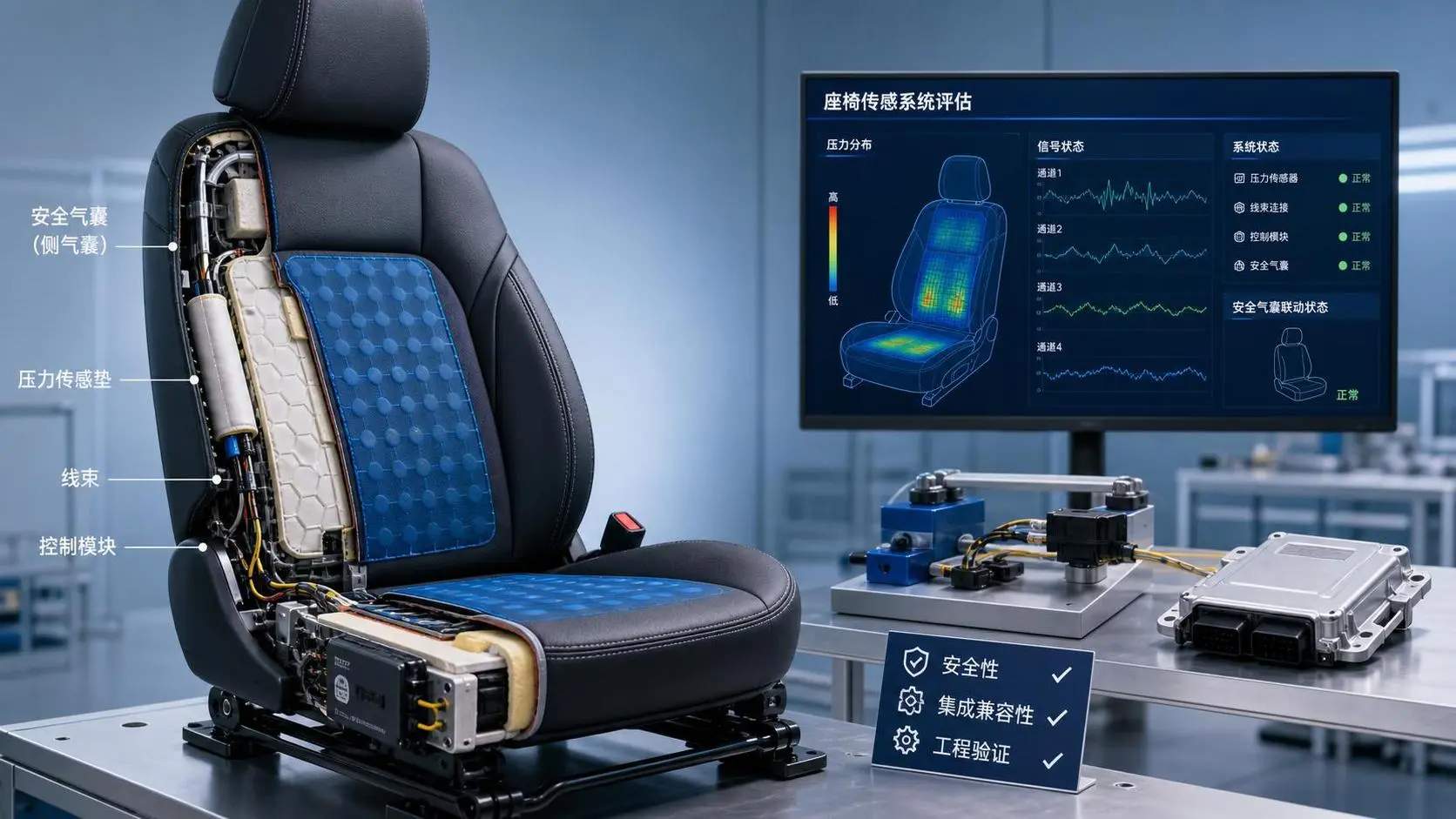
How to Evaluate a Seat Sensing Technology Supplier for Safety and Integration?
Seat sensing technology supplier evaluation guide: compare safety maturity, integration fit, algorithm reliability, and validation support to choose a partner that reduces risk.
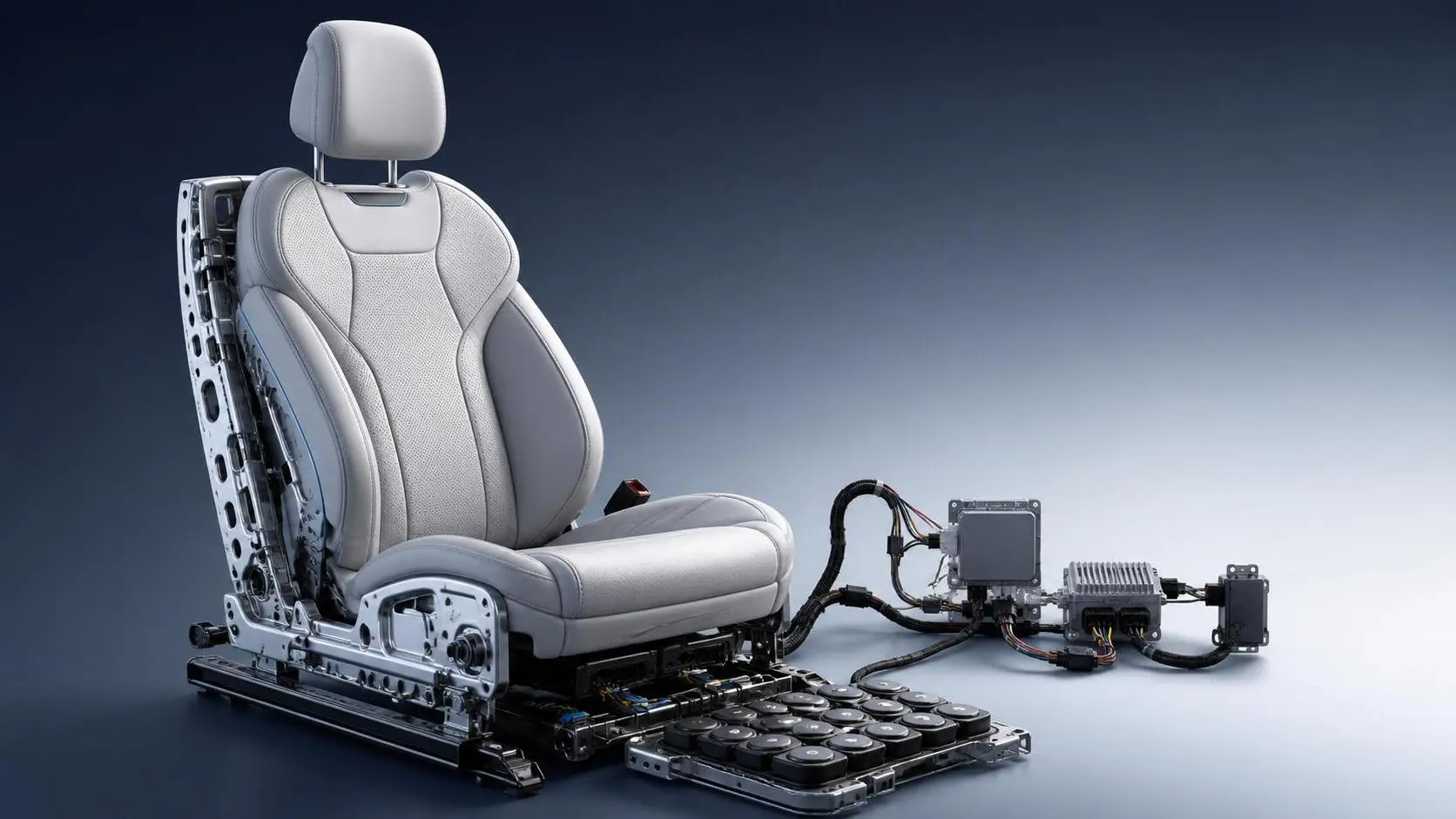
How to Evaluate Custom Smart Automotive Seating for Premium Vehicle Programs?
Custom smart automotive seating evaluation starts with safety, comfort, integration, and production readiness. Discover how premium vehicle teams choose smarter, lower-risk seat solutions.
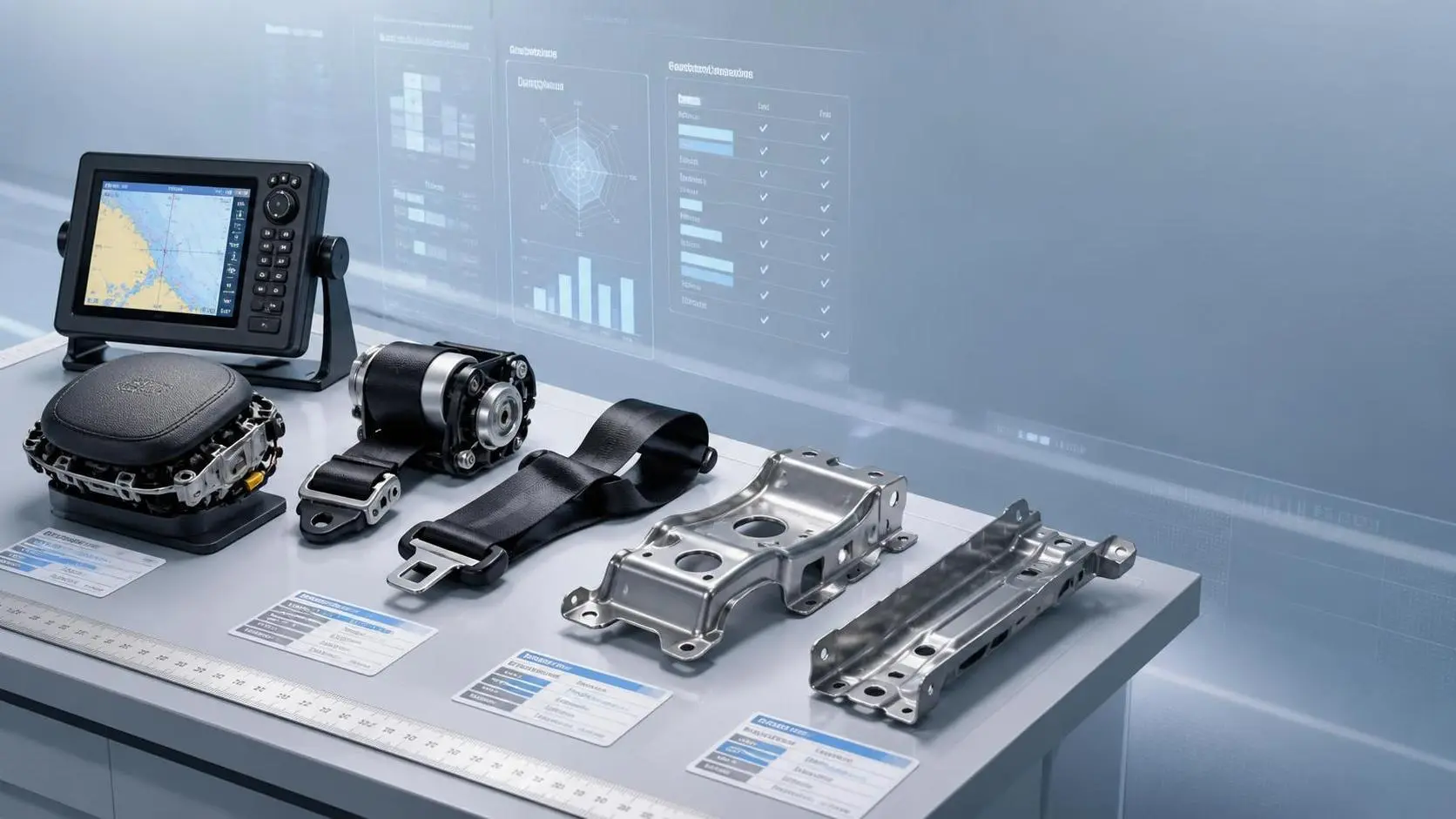
B2B Product Intelligence Platforms: How to Compare Features, Data Coverage, and ROI
B2B product intelligence platform comparison: learn how to evaluate data coverage, feature depth, compliance visibility, and ROI to choose a sourcing tool that reduces risk and speeds decisions.
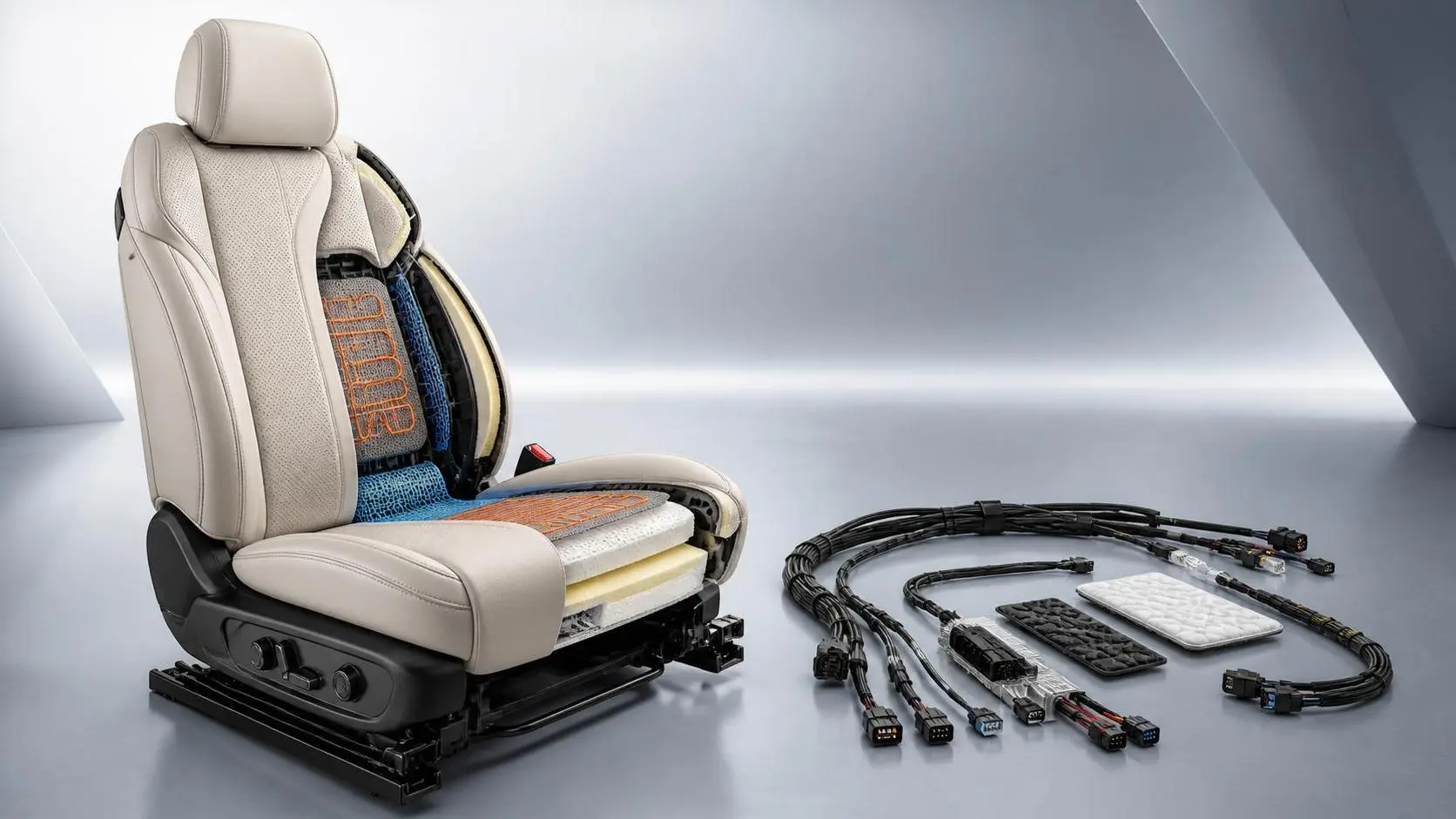
Climate Control Seats Cost: What Drives Price and Long-Term Ownership Value?
Climate control seats cost depends on materials, thermal tech, and integration. Learn what drives price and how to judge long-term value before you buy.
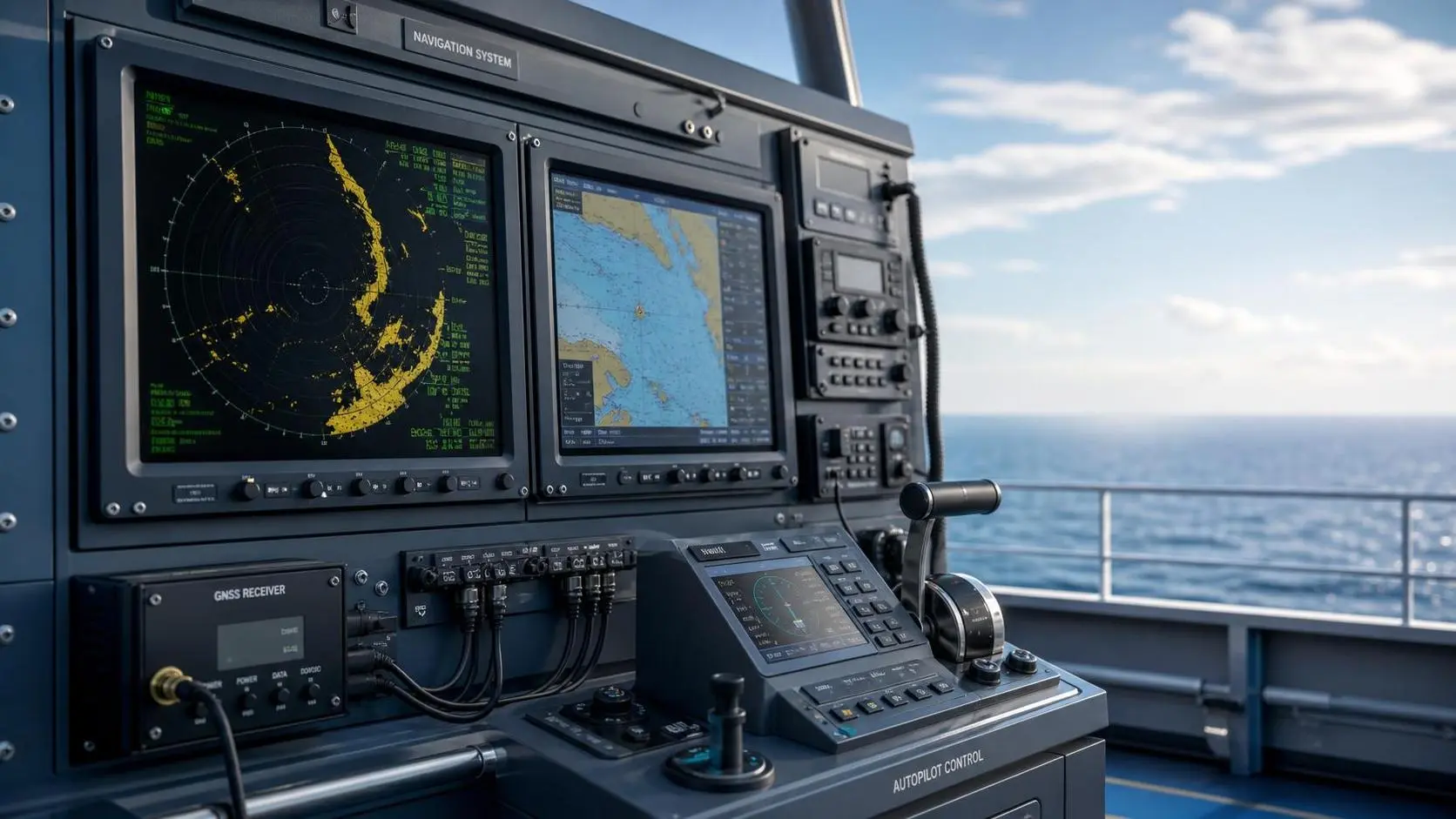
What Factors Drive Marine Navigation Components Cost in Commercial Vessel Projects?
Marine navigation components cost is shaped by integration, compliance, installation, and lifecycle support. Discover what drives pricing and how buyers can reduce risk while improving value.

How Much Does Seat Occupancy Sensing Cost? Key Pricing Factors for Buyers
Seat occupancy sensing price varies widely by technology, integration, and compliance needs. Learn the key cost drivers, avoid hidden fees, and make smarter buying decisions.
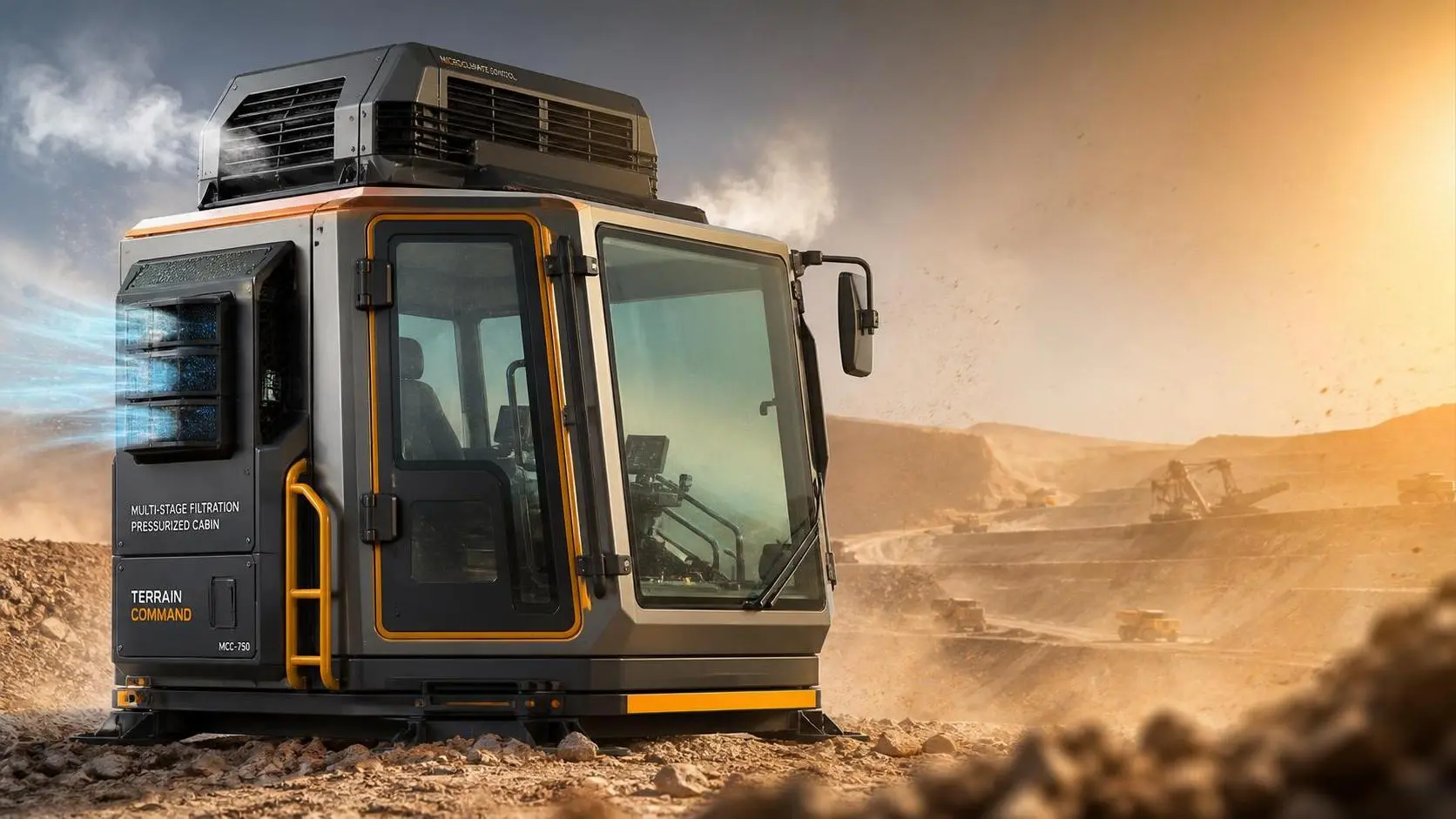
How to Specify Micro-Climate Control Cabins for Harsh Outdoor Worksites?
Micro-climate control cabins for harsh outdoor worksites: learn how to specify thermal control, filtration, pressurization, and durability for safer uptime and smarter buying.
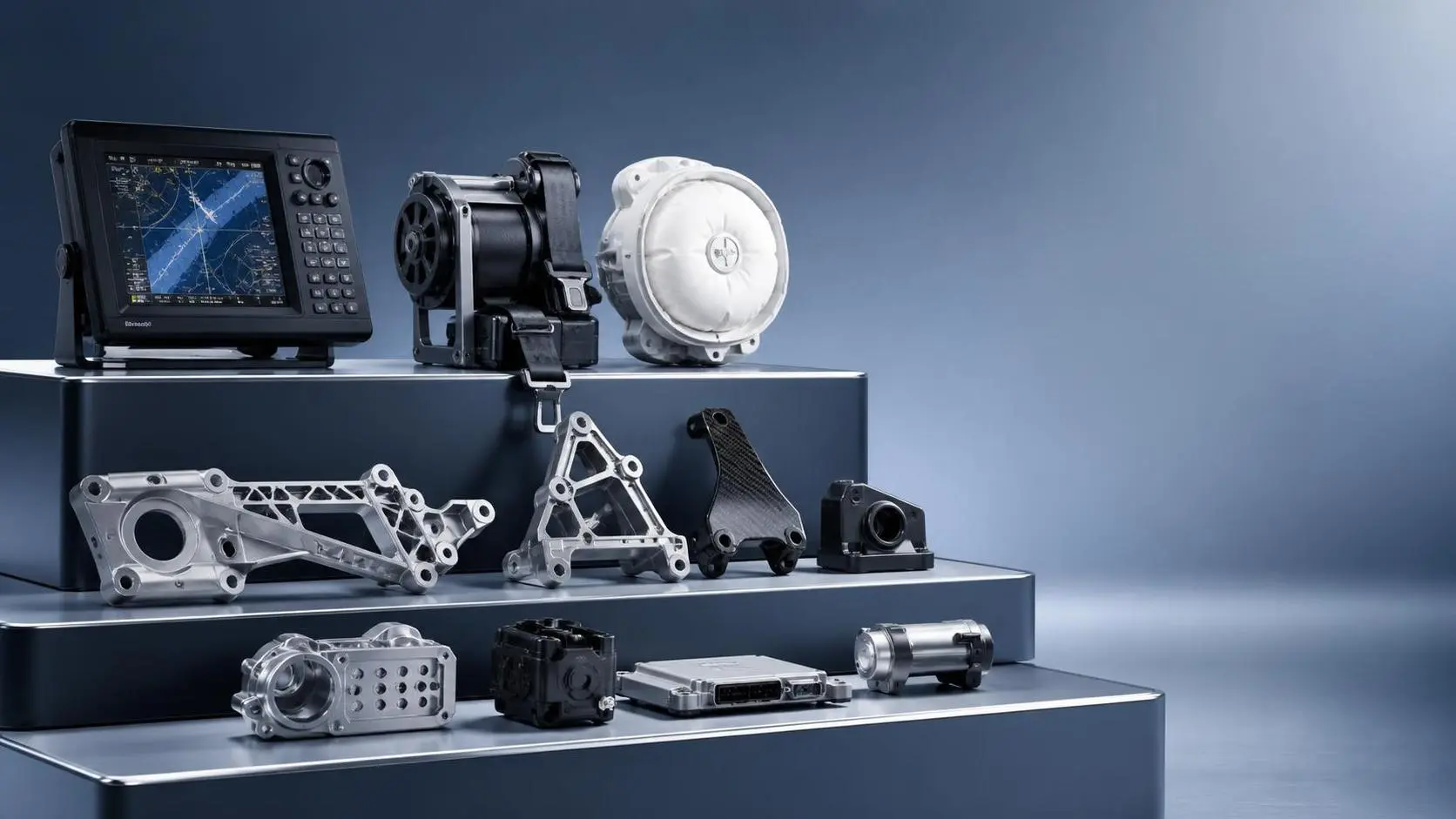
How to Evaluate a B2B Product Knowledge Platform for Faster Procurement Decisions
B2B product knowledge platform procurement starts with reducing decision risk. Learn how to compare specs, compliance, and supplier data to speed sourcing with confidence.
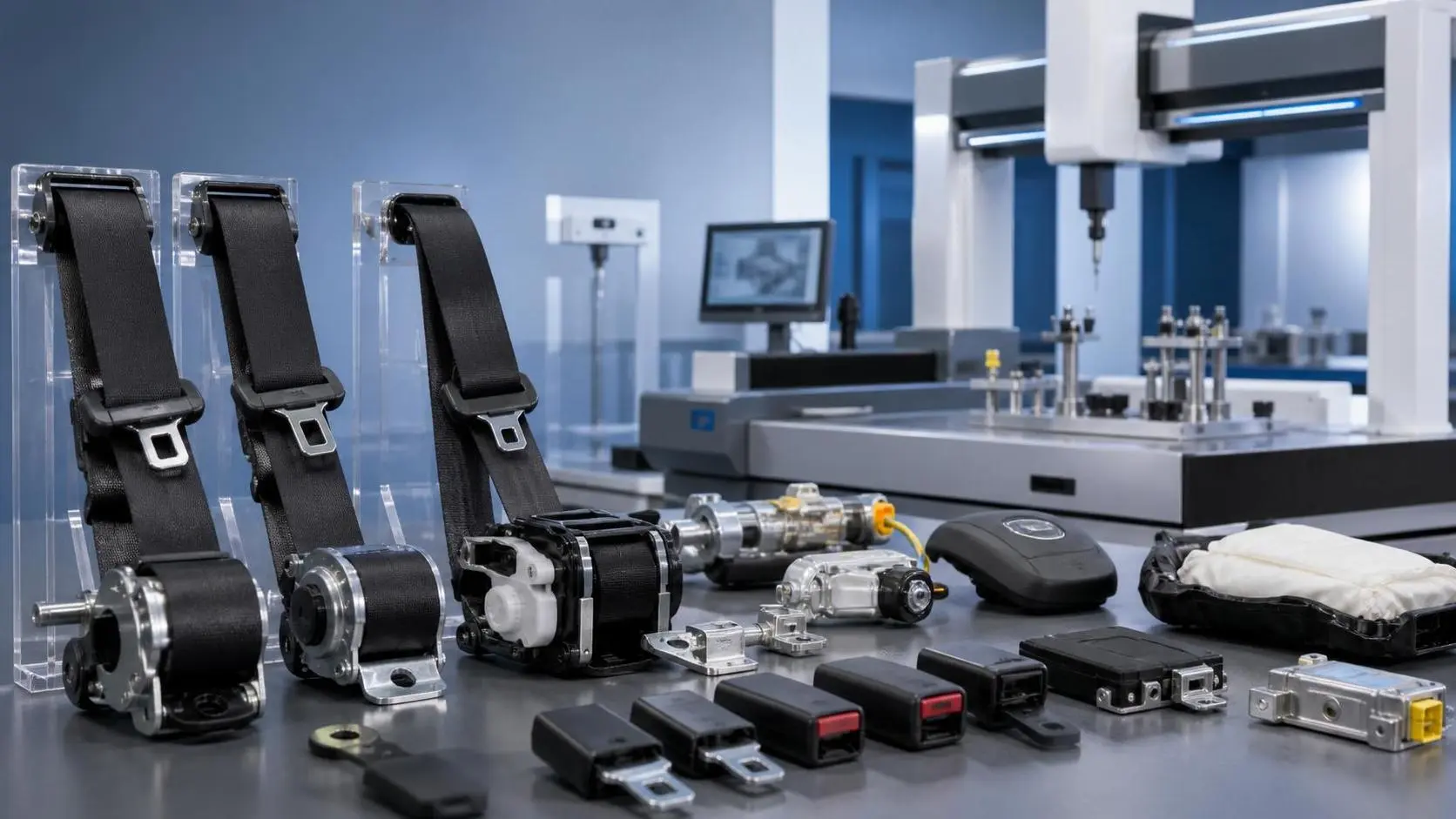
How to Evaluate an Occupant Restraint Systems Exporter for Quality, Compliance, and Supply Risk
Occupant restraint systems exporter evaluation guide: learn how to verify quality controls, compliance evidence, and supply risk before sourcing to avoid recalls, delays, and hidden costs.
Related News
- 00
0000-00
How to Evaluate a Seat Sensing Technology Supplier for Safety and Integration? - 00
0000-00
B2B Product Intelligence Platforms: How to Compare Features, Data Coverage, and ROI - 00
0000-00
What Factors Drive Marine Navigation Components Cost in Commercial Vessel Projects? - 00
0000-00
How Much Does Seat Occupancy Sensing Cost? Key Pricing Factors for Buyers - 00
0000-00
How to Specify Micro-Climate Control Cabins for Harsh Outdoor Worksites?
Weekly Insights
Stay ahead with our curated technology reports delivered every Monday.