
How occupant safety systems affect cost and performance
How occupant safety systems change cost and performance decisions
For modern mobility equipment, occupant safety systems influence far more than regulatory approval. They affect materials, electronics, integration hours, testing cycles, warranty exposure, and the final user experience.
From marine cabin seating to passenger vehicles, the right occupant safety systems can improve crash energy management, weight efficiency, and system reliability while controlling total lifecycle cost.
GNCS tracks this intersection closely because safety hardware now sits at the center of lightweight design, smart cabin architecture, and compliance-driven sourcing strategy.
Why scenario-based evaluation matters for occupant safety systems
Not every platform needs the same safety package. Cost and performance outcomes change sharply by use case, speed profile, cabin layout, regional standard, and expected occupant behavior.
A compact city vehicle, a premium SUV, and a high-end marine cabin seat face different crash loads, packaging constraints, and customer expectations.
That is why occupant safety systems should be judged in context. A low-cost component can create expensive integration problems. A higher-spec design can reduce mass, recalls, and validation risk.
The hidden cost drivers behind safety architecture
Direct part price is only one layer. Inflators, sensors, pretensioners, seat structures, brackets, and control units also affect tooling, calibration, software, and assembly complexity.
When occupant safety systems are added late, body redesign, wiring changes, and repeated crash tests often erase any initial savings.
Scenario 1: High-volume passenger vehicles need balanced occupant safety systems
In volume passenger programs, occupant safety systems must deliver compliance, stable supply, and acceptable weight without pushing bill-of-material cost too high.
Front airbags, side airbags, curtain airbags, seatbelt pretensioners, load limiters, and occupant classification sensors must operate as one coordinated package.
Performance depends on timing accuracy and structural compatibility. If the seat frame, body stamping, and belt anchor points are not aligned, injury metrics rise quickly.
Cost pressure is strongest here. However, cheaper occupant safety systems may increase revalidation effort, scrap rates, and field-quality exposure.
Core judgment points
- Sensor accuracy under varied occupant sizes
- Compatibility with lightweight body structures
- Stable deployment timing across temperatures
- Global certification readiness for NCAP and local rules
Scenario 2: Premium cabins demand occupant safety systems with comfort integration
Premium platforms add powered seats, memory modules, ventilation, posture sensing, and complex trim. This raises interaction risk between comfort features and occupant safety systems.
A smart seat must preserve airbag deployment space, belt geometry, and structural integrity while supporting comfort functions and premium materials.
Here, cost is driven by integration depth rather than just component count. More wiring, more connectors, and more calibration steps mean more failure points.
Yet performance gains can be meaningful. Better seat positioning, occupant detection, and load path control can reduce injury values and improve perceived safety quality.
Core judgment points
- Seat architecture room for side airbag deployment
- Interaction between electronics and restraint control logic
- Durability of safety performance after repeated seat adjustments
- Repair cost after low-speed or partial-impact events
Scenario 3: Lightweight platforms use occupant safety systems to recover protection margins
As aluminum, ultra-high-strength steel, and magnesium spread, body mass falls but crash pulse behavior changes. That shifts the burden on occupant safety systems.
Restraints must respond precisely to new deceleration curves. A lighter structure may improve efficiency but demand different airbag venting, belt force limits, and seat energy management.
This is where cost and performance become tightly linked. Material savings can disappear if the restraint package requires repeated tuning and additional hardware.
Still, well-matched occupant safety systems help lightweight platforms achieve both safety targets and range or fuel-efficiency gains.
Scenario 4: Marine and specialty cabins need occupant safety systems adapted to motion and environment
In marine mobility and specialty cabins, occupant safety systems face vibration, salt exposure, changing seating posture, and different motion patterns than road vehicles.
Seat retention, harness geometry, sensor sealing, and corrosion resistance become essential cost-performance variables.
A system optimized only for standard automotive assumptions may underperform in marine duty, even if nominal specifications look similar.
This is why GNCS emphasizes cross-domain intelligence. Compliance language may differ, but the engineering logic of containment protection remains connected.
How needs differ across occupant safety systems scenarios
Practical fit recommendations for occupant safety systems selection
Choosing occupant safety systems should start with the full safety architecture, not isolated parts. The most useful path is a structured fit review.
- Map body structure, seat design, belt anchorage, and airbag package together.
- Check whether lightweight materials change crash pulse and occupant kinematics.
- Review electronics, connectors, and sensor placement for serviceability.
- Estimate post-crash replacement cost, not just initial acquisition cost.
- Validate against target regulations early, including IIHS, E-NCAP, and local requirements.
What strong solutions usually show
- Low mass without unstable deployment behavior
- Consistent restraint timing across occupant sizes
- Seat and body compatibility proven in testing
- Clear traceability for quality and compliance audits
Common misjudgments when evaluating occupant safety systems
One common mistake is treating airbags, seatbelts, seat frames, and body stampings as separate buying categories. In reality, occupant safety systems work as one energy-management chain.
Another mistake is assuming the lowest component price gives the best value. Hidden costs often appear in software tuning, failed tests, shipping restrictions, and warranty campaigns.
A third oversight is ignoring cabin evolution. New seat functions, larger displays, and revised packaging can alter occupant position and affect restraint effectiveness.
Finally, cross-regional compliance should not be left until the end. Different market requirements can force redesign of occupant safety systems after tooling has begun.
Next steps for smarter occupant safety systems decisions
The best next step is to compare safety architecture options by scenario, not by headline part price. That reveals where occupant safety systems improve protection and where they create avoidable cost.
Use a structured review covering restraint logic, seat integration, lightweight material effects, environmental durability, and certification pathway.
With GNCS intelligence, safety decisions can be tied more closely to crash efficiency, compliance readiness, and long-term commercial resilience.
In a market shaped by precision perception and physical containment protection, occupant safety systems are not just protective devices. They are strategic levers for both cost control and performance advantage.
Related News
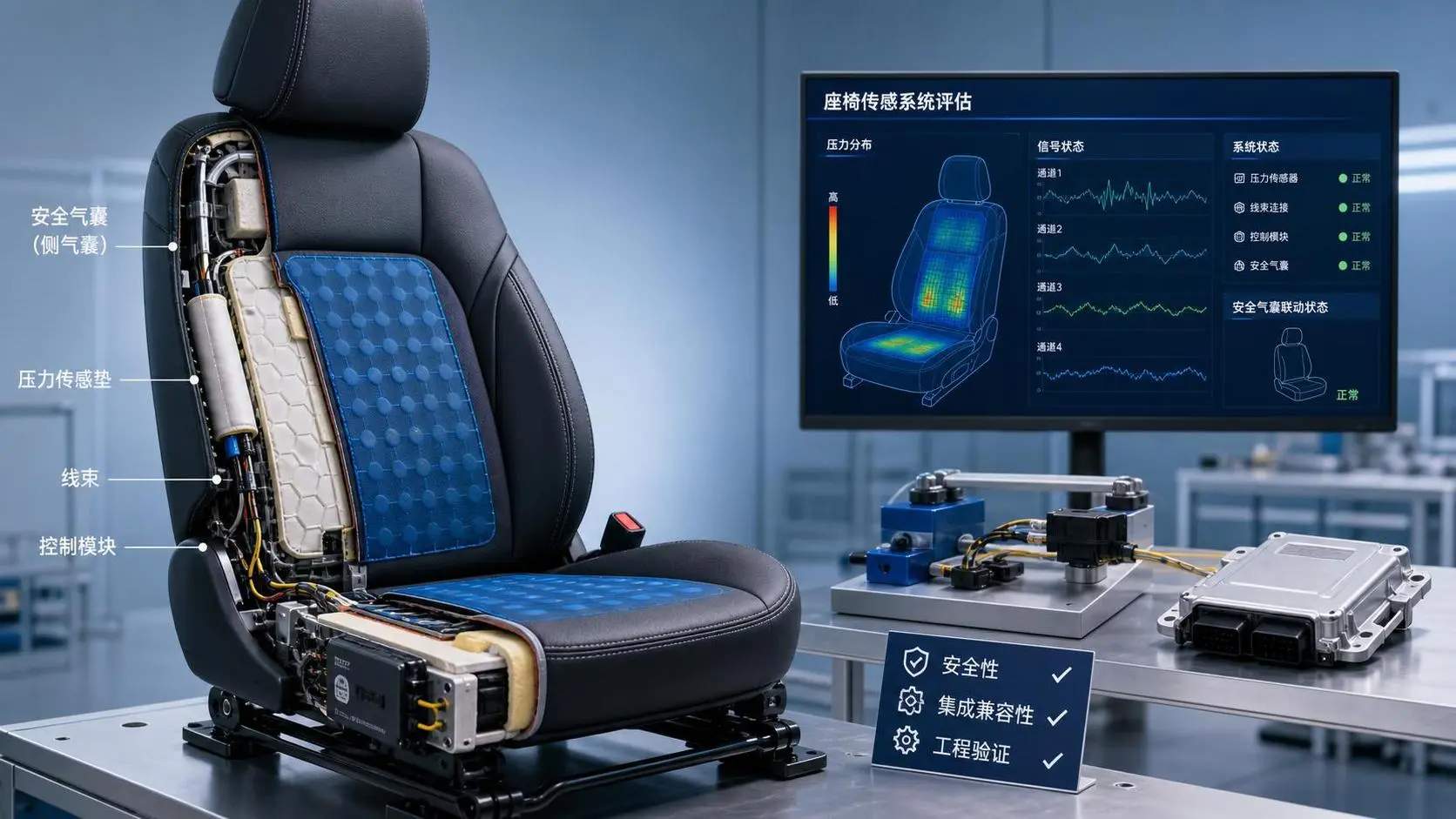
How to Evaluate a Seat Sensing Technology Supplier for Safety and Integration?
Seat sensing technology supplier evaluation guide: compare safety maturity, integration fit, algorithm reliability, and validation support to choose a partner that reduces risk.
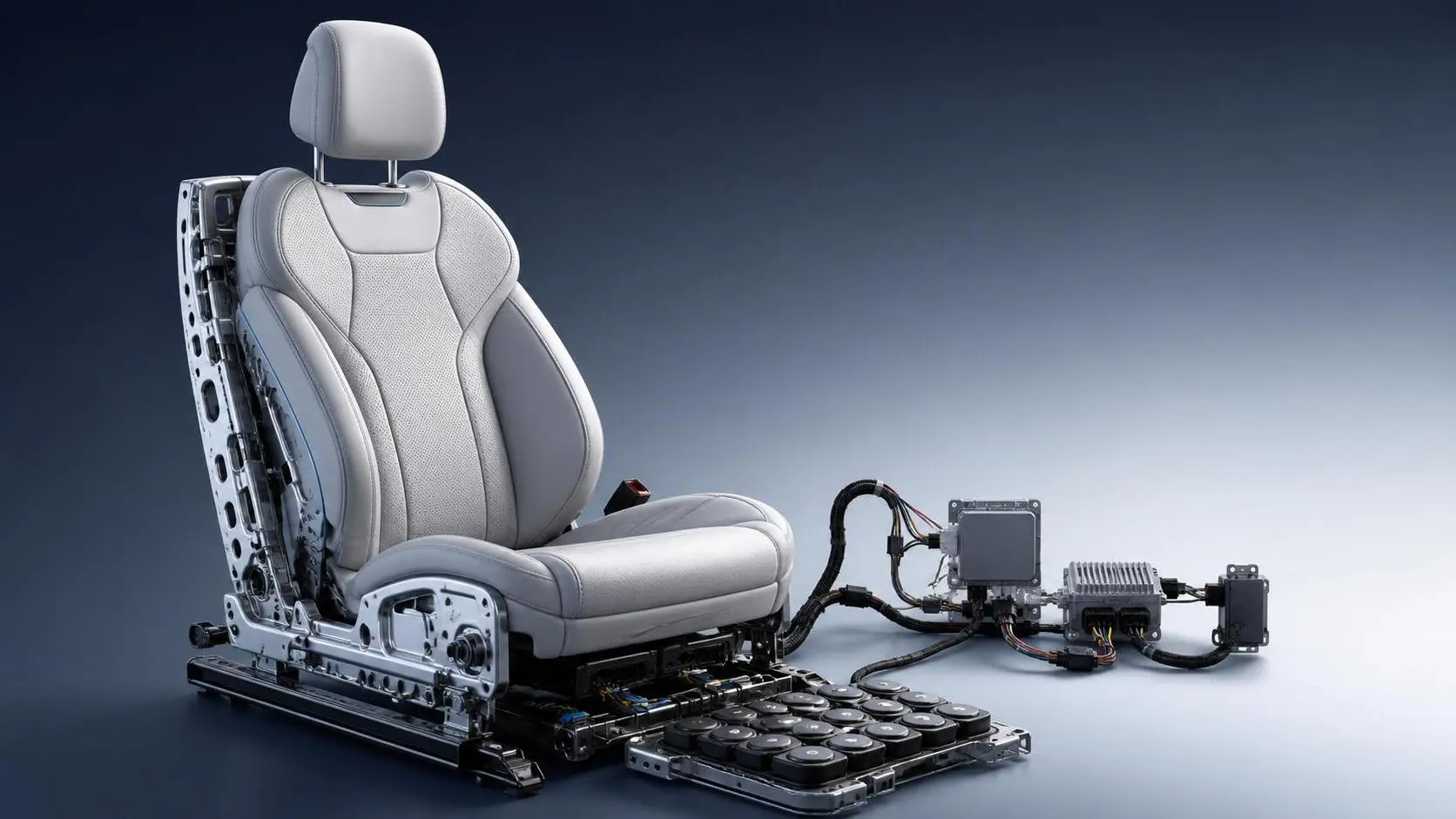
How to Evaluate Custom Smart Automotive Seating for Premium Vehicle Programs?
Custom smart automotive seating evaluation starts with safety, comfort, integration, and production readiness. Discover how premium vehicle teams choose smarter, lower-risk seat solutions.
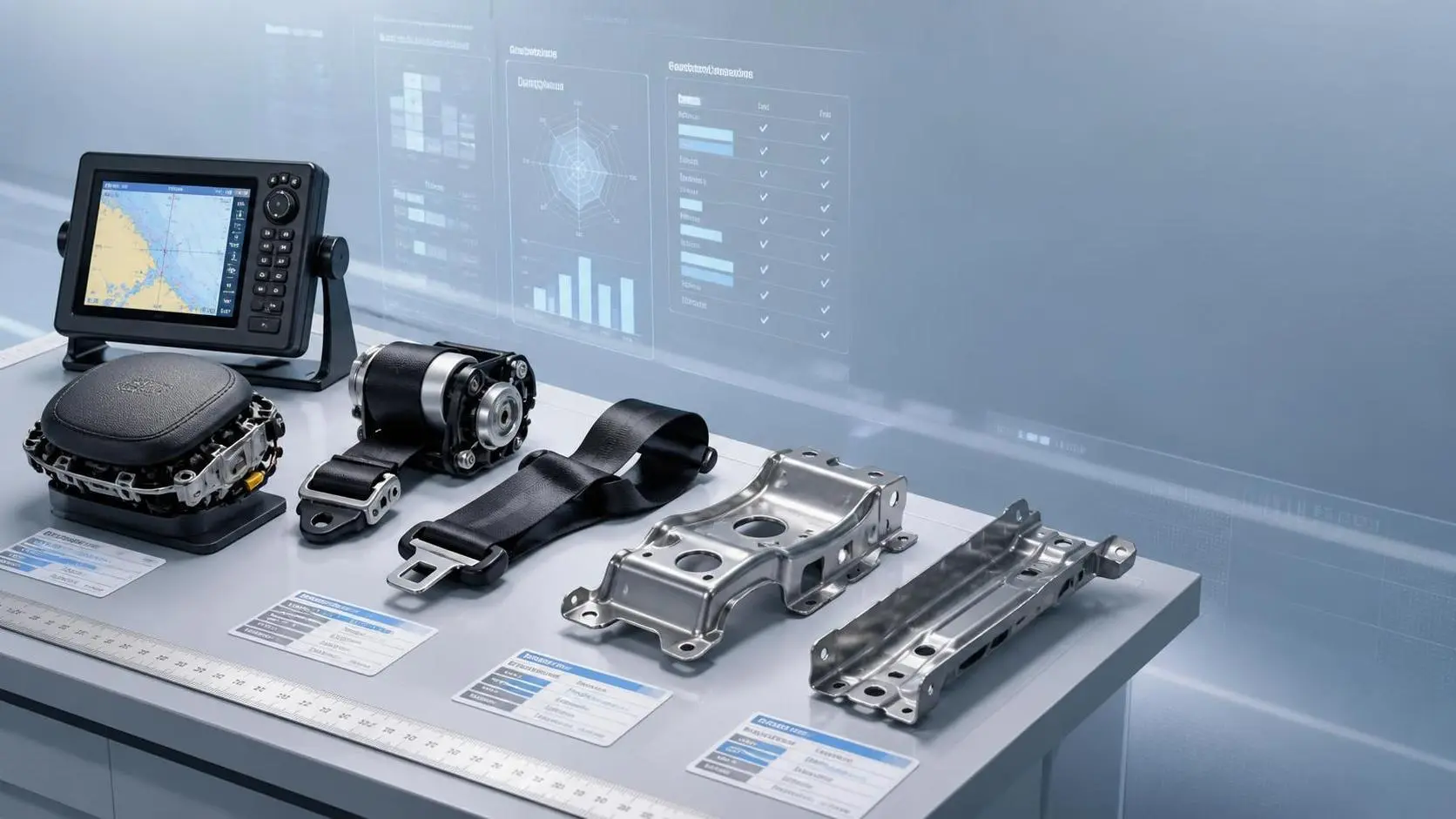
B2B Product Intelligence Platforms: How to Compare Features, Data Coverage, and ROI
B2B product intelligence platform comparison: learn how to evaluate data coverage, feature depth, compliance visibility, and ROI to choose a sourcing tool that reduces risk and speeds decisions.
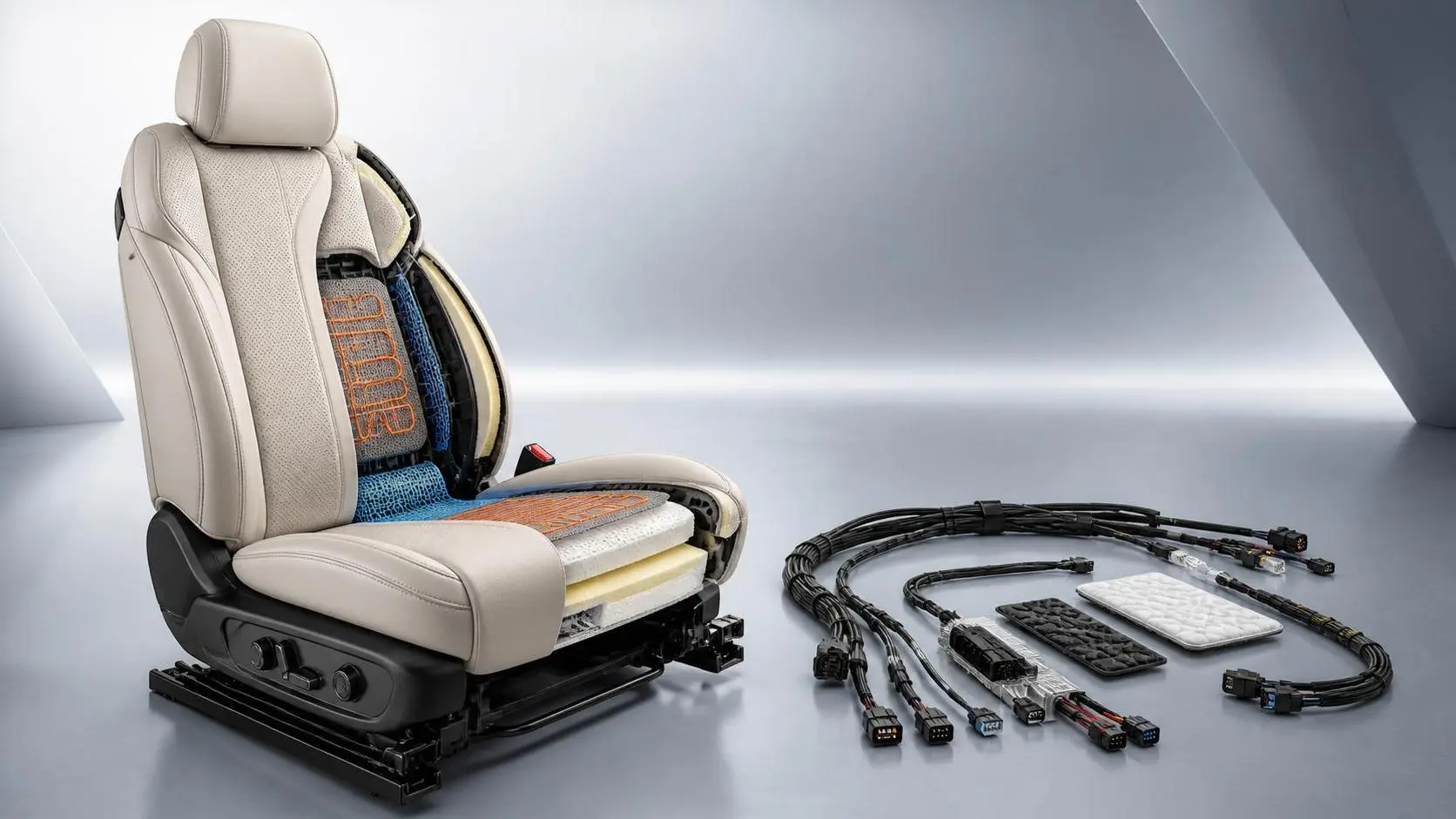
Climate Control Seats Cost: What Drives Price and Long-Term Ownership Value?
Climate control seats cost depends on materials, thermal tech, and integration. Learn what drives price and how to judge long-term value before you buy.
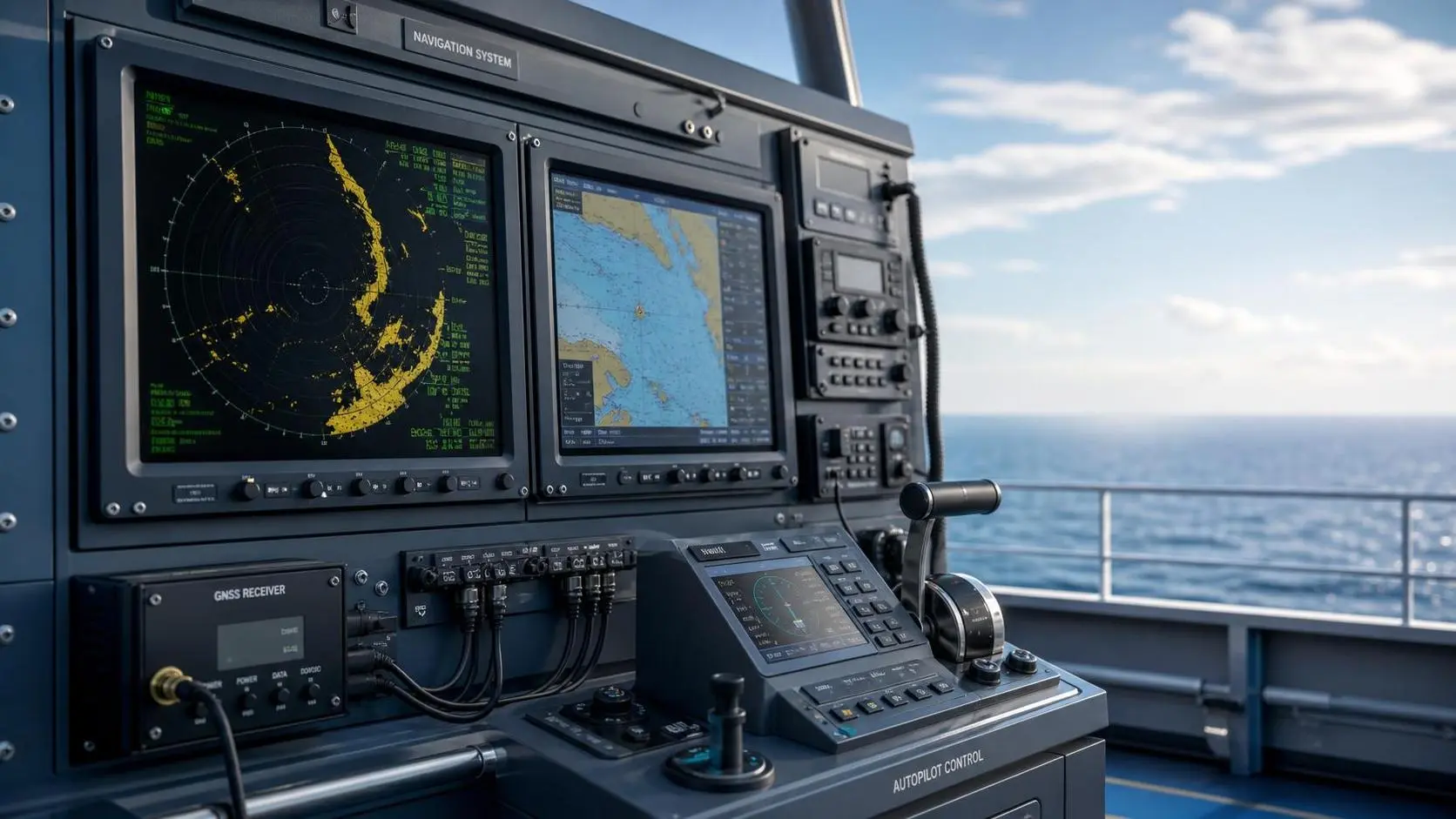
What Factors Drive Marine Navigation Components Cost in Commercial Vessel Projects?
Marine navigation components cost is shaped by integration, compliance, installation, and lifecycle support. Discover what drives pricing and how buyers can reduce risk while improving value.
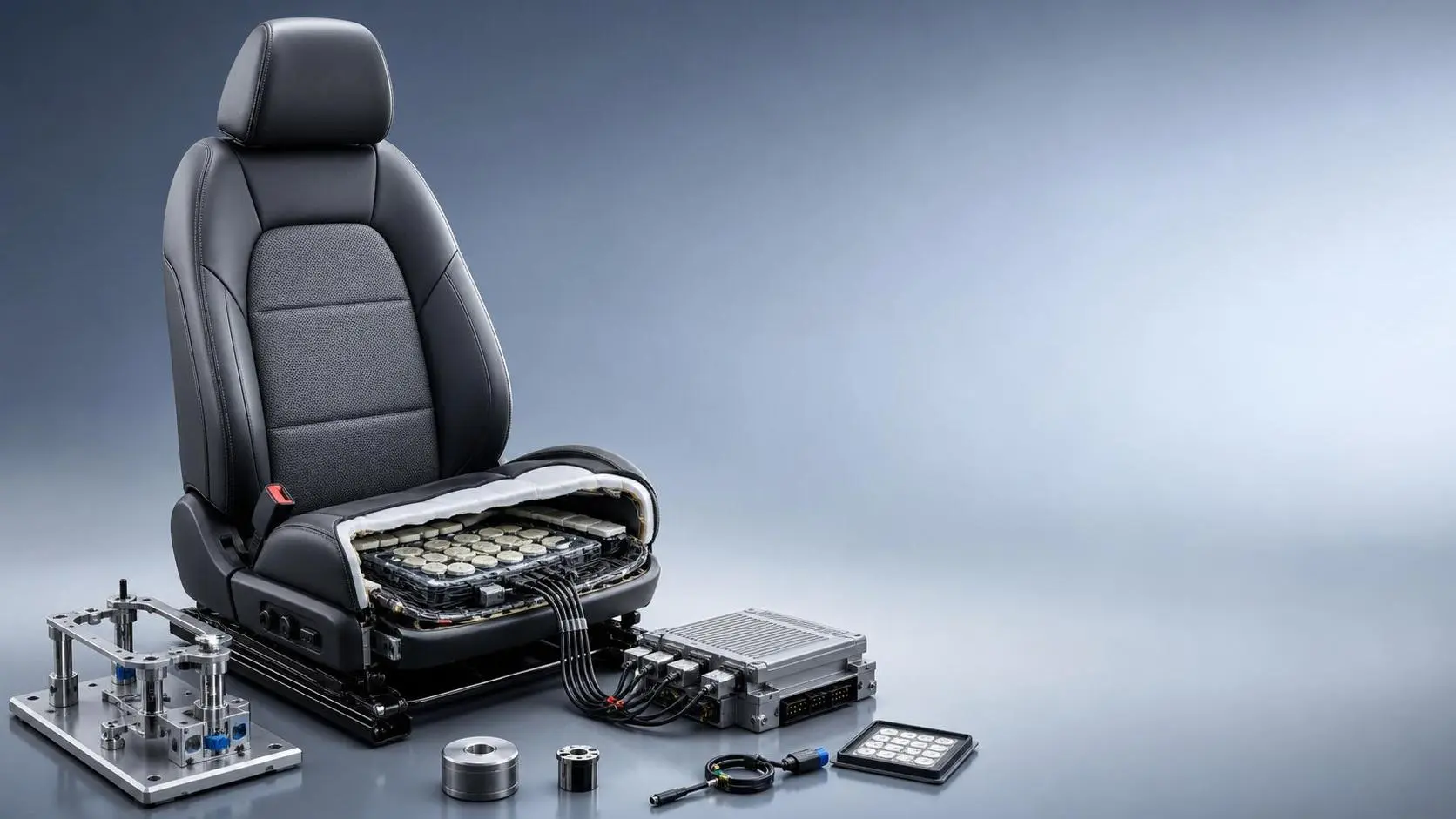
How Much Does Seat Occupancy Sensing Cost? Key Pricing Factors for Buyers
Seat occupancy sensing price varies widely by technology, integration, and compliance needs. Learn the key cost drivers, avoid hidden fees, and make smarter buying decisions.
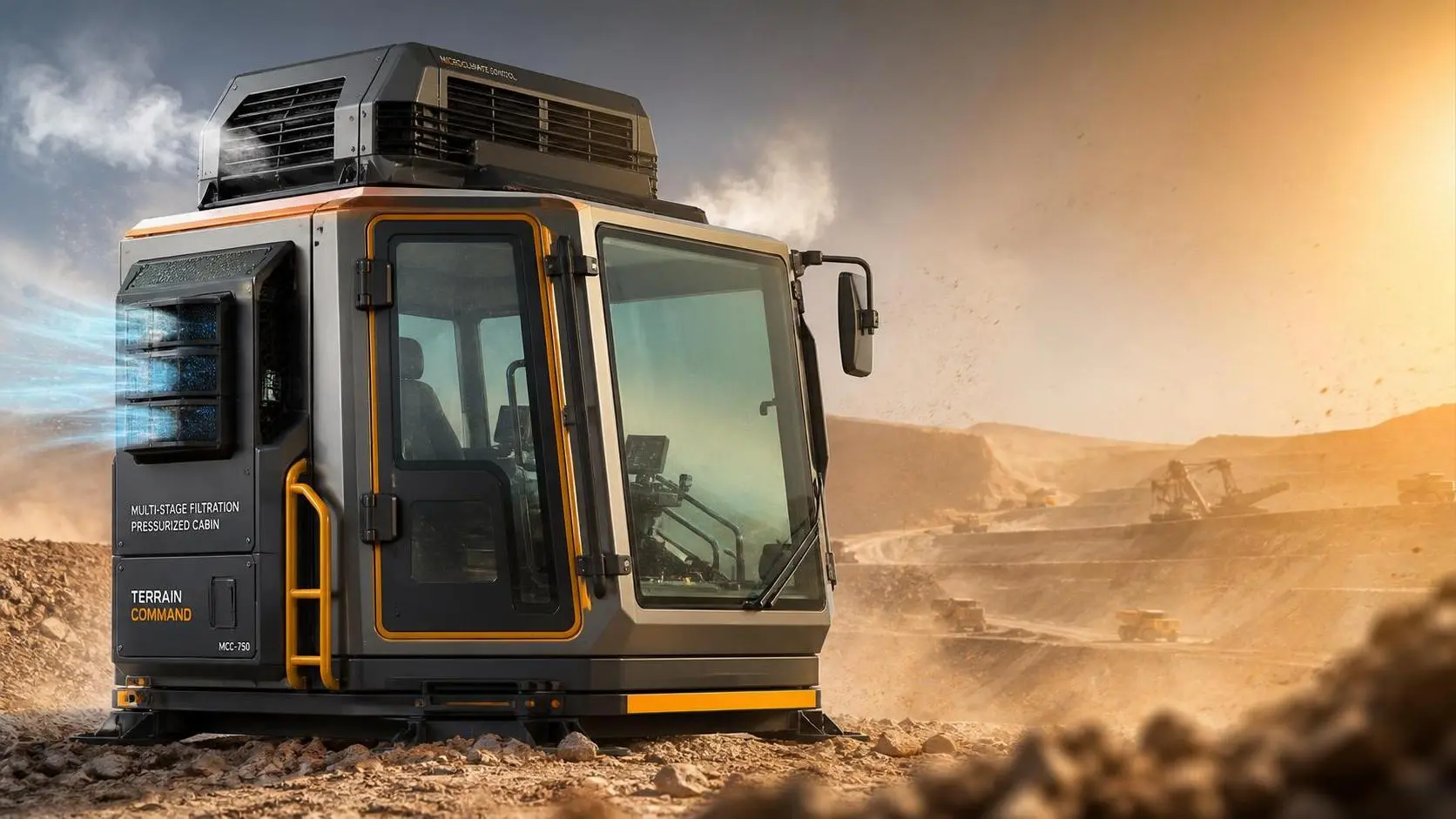
How to Specify Micro-Climate Control Cabins for Harsh Outdoor Worksites?
Micro-climate control cabins for harsh outdoor worksites: learn how to specify thermal control, filtration, pressurization, and durability for safer uptime and smarter buying.
How to Evaluate a B2B Product Knowledge Platform for Faster Procurement Decisions
B2B product knowledge platform procurement starts with reducing decision risk. Learn how to compare specs, compliance, and supplier data to speed sourcing with confidence.
How to Evaluate an Occupant Restraint Systems Exporter for Quality, Compliance, and Supply Risk
Occupant restraint systems exporter evaluation guide: learn how to verify quality controls, compliance evidence, and supply risk before sourcing to avoid recalls, delays, and hidden costs.
Weekly Insights
Stay ahead with our curated technology reports delivered every Monday.