What marine safety equipment matters most at sea?
At sea, the right marine safety equipment can separate normal operations from cascading failure. Beyond compliance, every onboard system affects navigation accuracy, emergency readiness, crew survival, and asset protection.
For modern vessel operations, the best decisions come from understanding which safety categories matter most, how they work together, and where technical reliability creates measurable long-term value.
What counts as essential marine safety equipment?
Essential marine safety equipment includes systems that prevent accidents, support survival, and improve response after an incident begins.
These categories usually include navigation electronics, distress communication devices, firefighting systems, lifesaving appliances, and damage-control tools.
The most critical equipment often depends on route type, vessel size, weather exposure, passenger count, and cargo risk.
Still, several items remain universally important across commercial fleets, patrol craft, fishing vessels, ferries, and offshore support platforms.
- GNSS, radar, sonar, AIS, and ECDIS for situational awareness
- VHF, GMDSS, EPIRB, and SART for distress communication
- Life rafts, life jackets, immersion suits, and lifebuoys for survival
- Fire detection, suppression, extinguishers, and emergency shutdown systems
- Bilge pumps, alarms, watertight gear, and emergency lighting
When people ask what matters most, the answer is usually equipment that protects three things first: position, communication, and life preservation.
Which marine safety equipment matters most for accident prevention?
For prevention, navigation and awareness systems rank highest. It is better to avoid collision, grounding, or fire than to respond after damage spreads.
1. Navigation systems
High-precision positioning reduces route deviation, channel entry errors, and restricted-water misjudgment. Reliable GNSS remains foundational in modern marine safety equipment.
Radar supports visibility during fog, heavy rain, and darkness. AIS adds traffic identity, heading, speed, and collision-awareness context.
Sonar and depth-sensing tools matter where shoals, reefs, or seabed variability create grounding risk.
2. Alarm and monitoring systems
Bridge alarms, engine monitoring, leak detection, and power-failure alerts prevent small faults from becoming full emergencies.
Integrated monitoring is especially valuable because marine incidents often begin as mixed failures, not isolated events.
3. Fire prevention equipment
Marine fire spreads rapidly in enclosed spaces. Detection sensors, suppression systems, and protected cable routing deserve high priority.
In many operating environments, fire safety equipment is as important as navigation hardware.
What marine safety equipment is most important during emergencies?
During an emergency, the focus shifts from prevention to survival, communication, and controlled evacuation.
Distress communication devices
EPIRBs broadcast distress location when normal communication fails. SART units help rescuers locate survival craft or disabled vessels more accurately.
VHF and GMDSS equipment remain core marine safety equipment because rescue effectiveness depends on message speed and signal reliability.
Lifesaving appliances
Life jackets and immersion suits are basic, but quality differences matter. Fit, buoyancy, thermal protection, and storage condition directly affect survival outcomes.
Life rafts should be judged by deployment reliability, canopy protection, boarding ease, and servicing intervals.
Emergency power and lighting
Loss of power can disable communication, route awareness, pumps, and evacuation guidance. Backup batteries and emergency lighting are often undervalued.
Good marine safety equipment planning assumes that darkness, flooding, and confusion may happen at the same time.
How should marine safety equipment be prioritized when budgets are limited?
Budget limits should not force random buying. Prioritization works best when guided by route exposure, consequence severity, and maintenance capability.
A practical rule is simple. Fund equipment that prevents catastrophic loss first, then expand redundancy and comfort-related features later.
This is why robust navigation, communication, and emergency systems usually outrank cosmetic upgrades or non-critical electronics.
How can technical reliability be evaluated before buying marine safety equipment?
Technical reliability should be checked beyond product brochures. Strong marine safety equipment decisions depend on operational evidence, not only specifications.
Look for standards and approval history
SOLAS alignment, MED marking, IMO requirements, and classification acceptance are important starting points.
However, compliance alone does not confirm long-term durability in vibration, salt spray, thermal stress, and continuous duty cycles.
Check update and maintenance architecture
Modern navigation systems depend on software support, cybersecurity practice, chart updates, and component replacement availability.
A cheaper system may become expensive if service networks are weak or updates are difficult to deploy.
Assess usability under pressure
In emergencies, complicated interfaces can create delay. The best marine safety equipment is intuitive during fatigue, stress, and low visibility.
- Are controls readable with gloves or wet hands?
- Can alarms be identified quickly?
- Is training time realistic for rotating crews?
- Are spare parts available across intended trading regions?
What common mistakes reduce the value of marine safety equipment?
Many failures come from poor integration, neglected inspection, or overreliance on minimum legal compliance.
Mistake 1: Buying only for certification
Certified equipment can still underperform if the design is hard to service or poorly matched to vessel conditions.
Mistake 2: Ignoring interoperability
Navigation displays, alarms, sensors, and communication tools should support coordinated decision-making, not isolated data silos.
Mistake 3: Underestimating lifecycle costs
Low purchase price may hide expensive calibration, servicing, battery replacement, or mandatory recertification.
Mistake 4: Treating training as secondary
Even premium marine safety equipment loses value when crews cannot deploy it quickly and correctly.
How do smarter sourcing decisions improve long-term marine safety performance?
Smarter sourcing means selecting marine safety equipment that performs reliably across years, not just during acceptance testing.
This is where intelligence-led evaluation becomes valuable. Navigation precision, signal processing, compliance alignment, and maintainability should be reviewed together.
A strong sourcing framework should compare technical maturity, software support, integration readiness, and global service response.
For organizations tracking maritime technology closely, this approach supports better decisions on bridge electronics, survival systems, and vessel safety architecture.
GNCS follows this wider safety logic by connecting marine navigation intelligence with rigorous equipment evaluation, compliance developments, and real-world performance insight.
In practical terms, the most important marine safety equipment is the equipment that remains dependable when weather worsens, visibility drops, systems fail, and response time disappears.
Start with the essentials. Verify standards. Compare lifecycle value. Test usability. Then build a safety stack that supports prevention, communication, and survival without weak links.
Related News
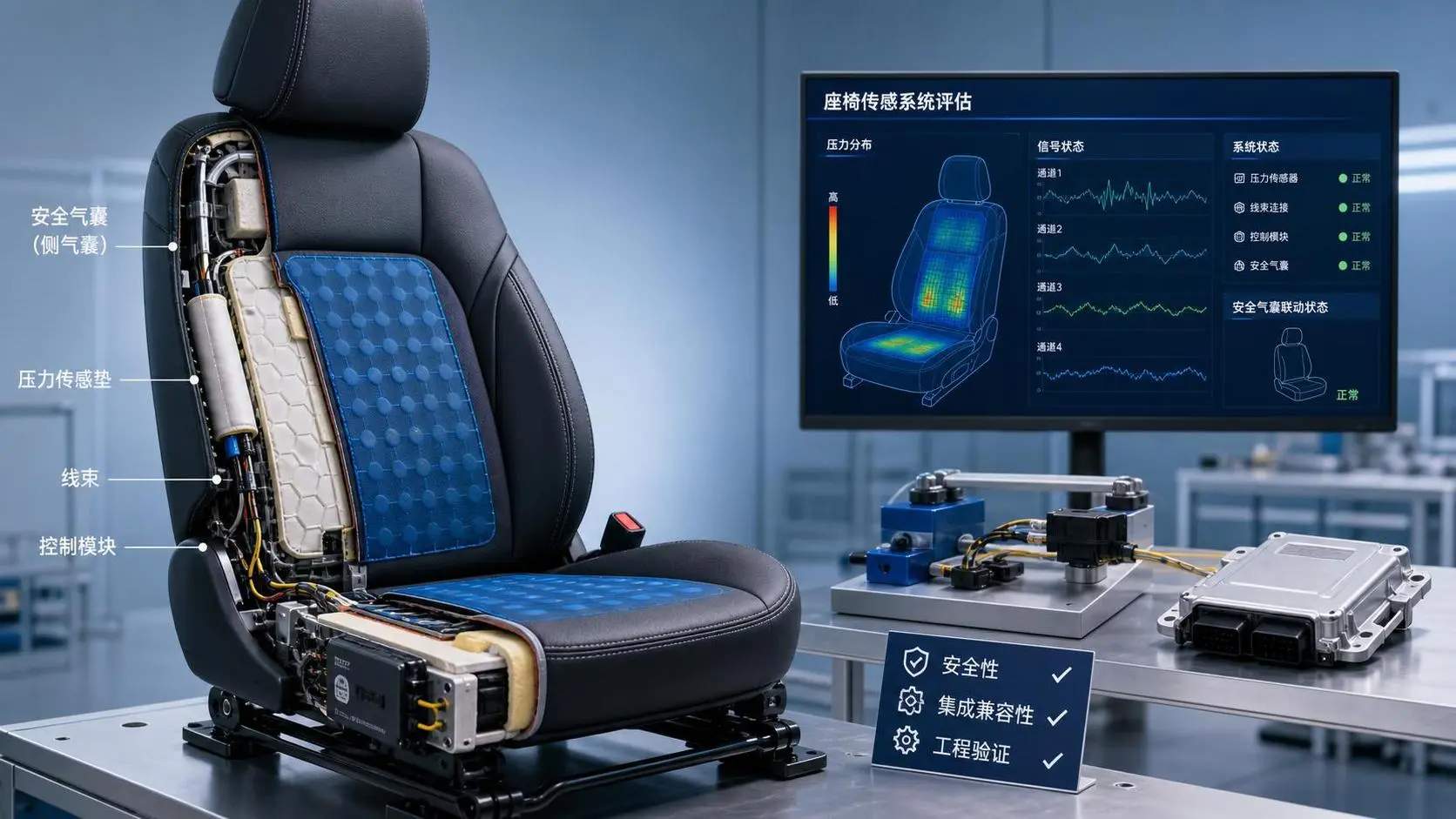
How to Evaluate a Seat Sensing Technology Supplier for Safety and Integration?
Seat sensing technology supplier evaluation guide: compare safety maturity, integration fit, algorithm reliability, and validation support to choose a partner that reduces risk.
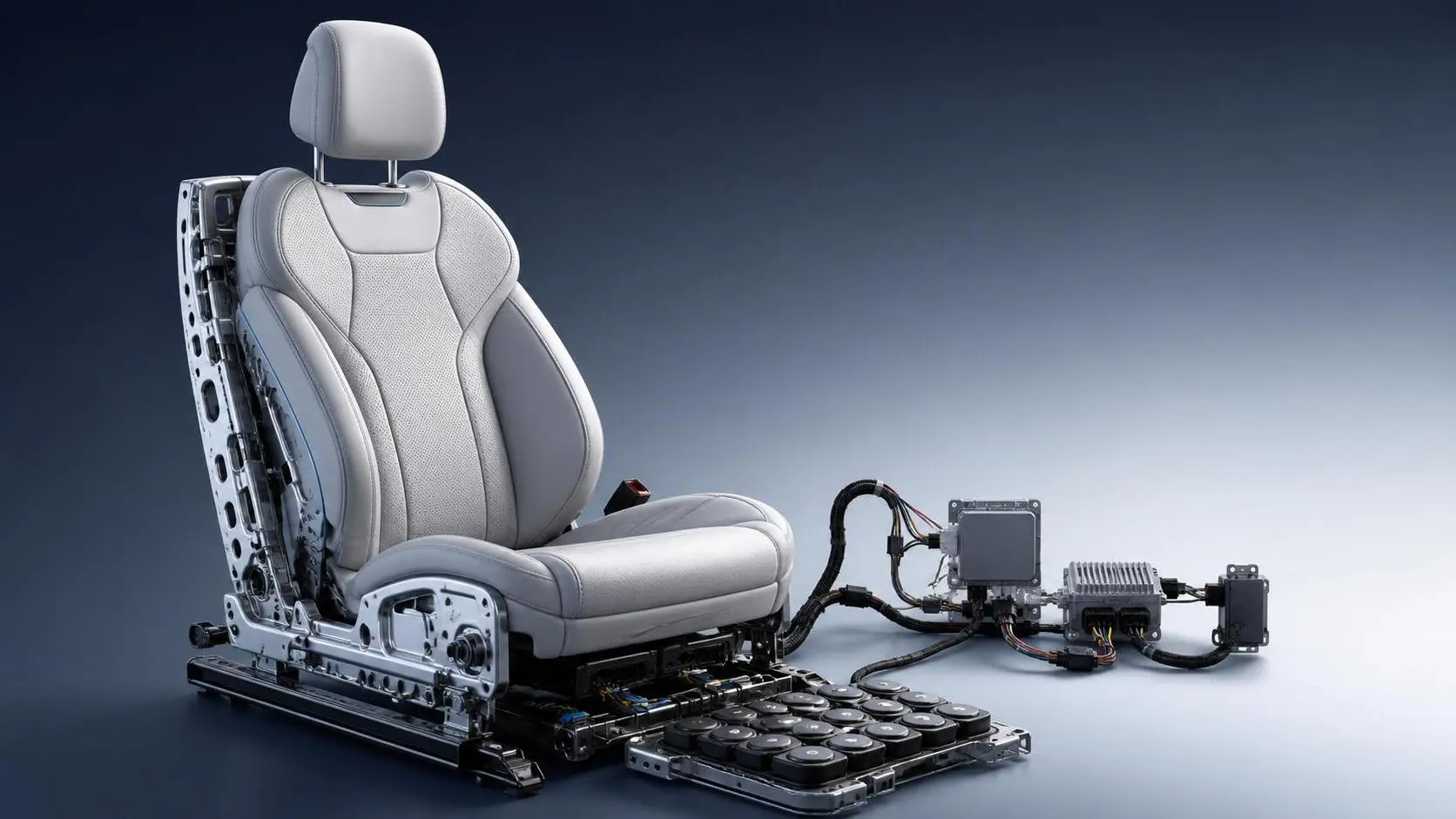
How to Evaluate Custom Smart Automotive Seating for Premium Vehicle Programs?
Custom smart automotive seating evaluation starts with safety, comfort, integration, and production readiness. Discover how premium vehicle teams choose smarter, lower-risk seat solutions.
B2B Product Intelligence Platforms: How to Compare Features, Data Coverage, and ROI
B2B product intelligence platform comparison: learn how to evaluate data coverage, feature depth, compliance visibility, and ROI to choose a sourcing tool that reduces risk and speeds decisions.
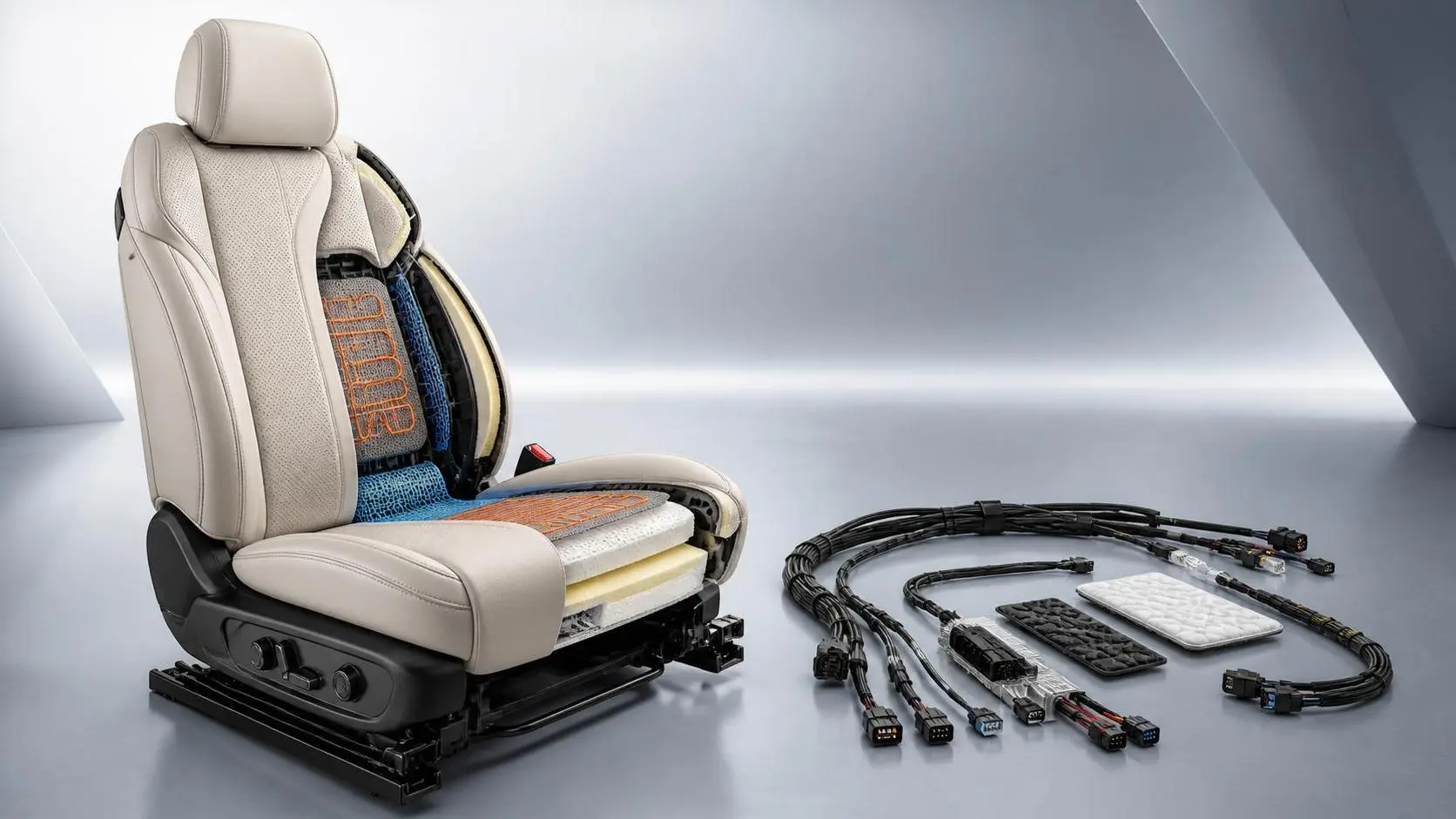
Climate Control Seats Cost: What Drives Price and Long-Term Ownership Value?
Climate control seats cost depends on materials, thermal tech, and integration. Learn what drives price and how to judge long-term value before you buy.
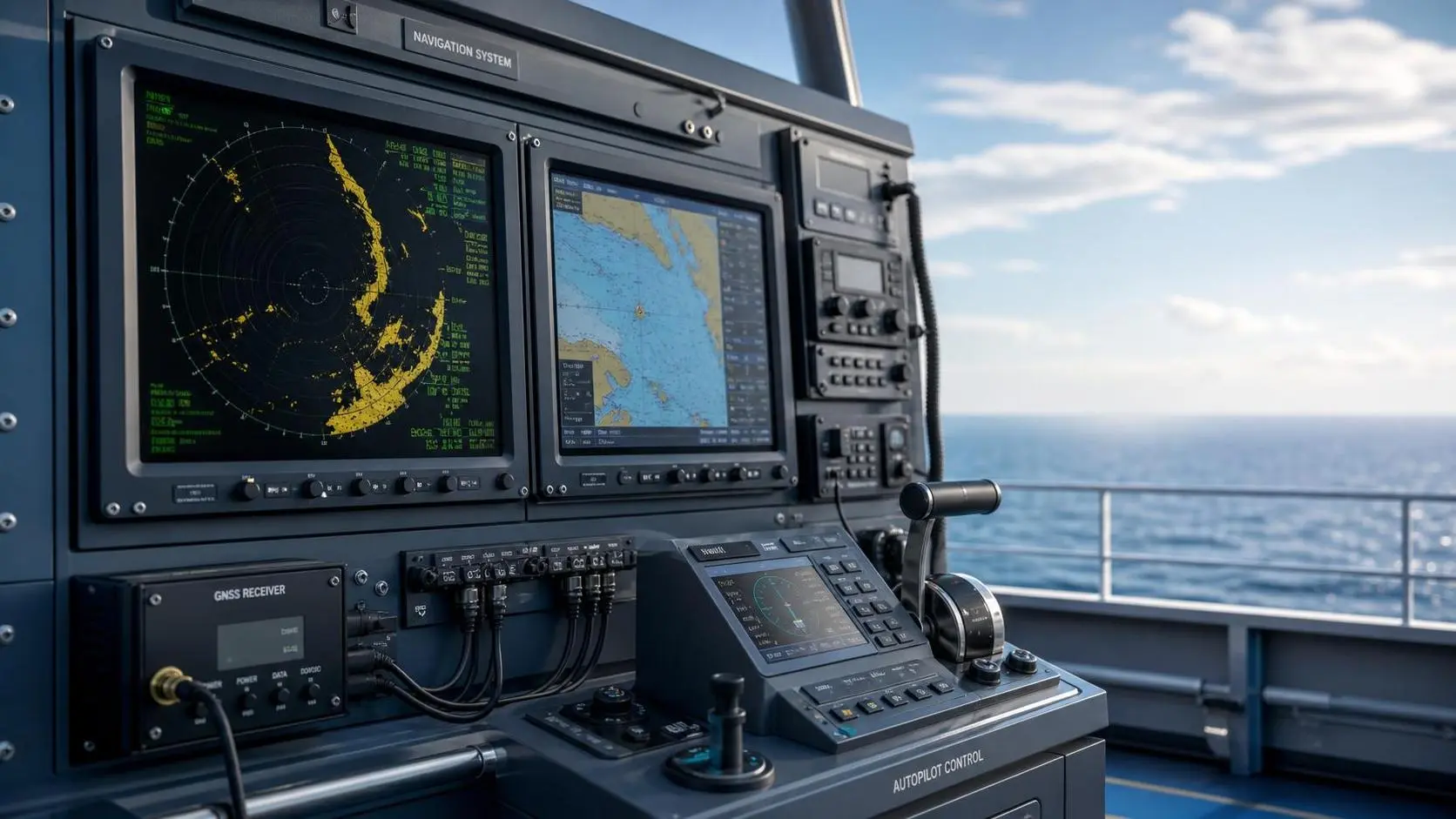
What Factors Drive Marine Navigation Components Cost in Commercial Vessel Projects?
Marine navigation components cost is shaped by integration, compliance, installation, and lifecycle support. Discover what drives pricing and how buyers can reduce risk while improving value.
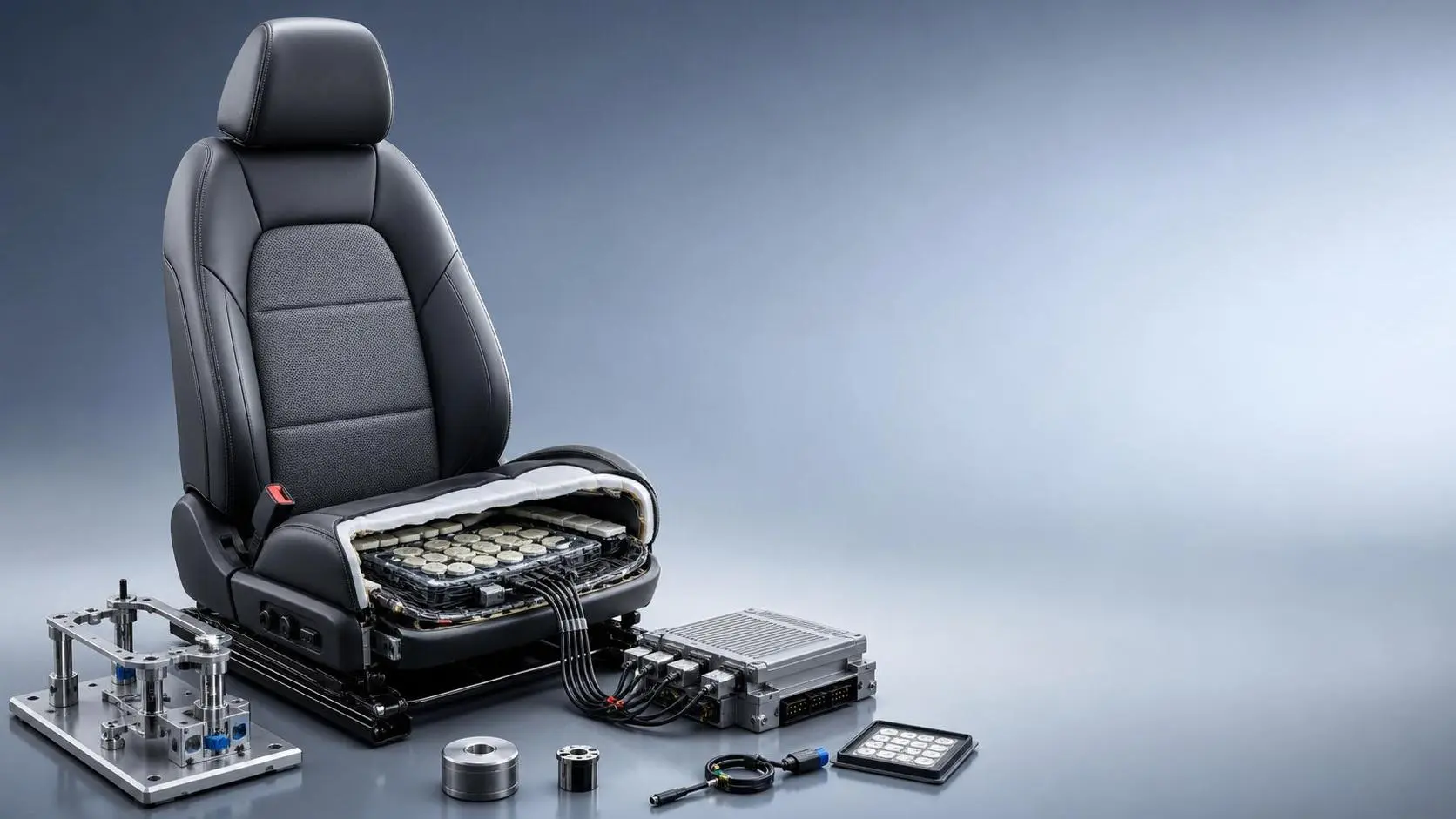
How Much Does Seat Occupancy Sensing Cost? Key Pricing Factors for Buyers
Seat occupancy sensing price varies widely by technology, integration, and compliance needs. Learn the key cost drivers, avoid hidden fees, and make smarter buying decisions.
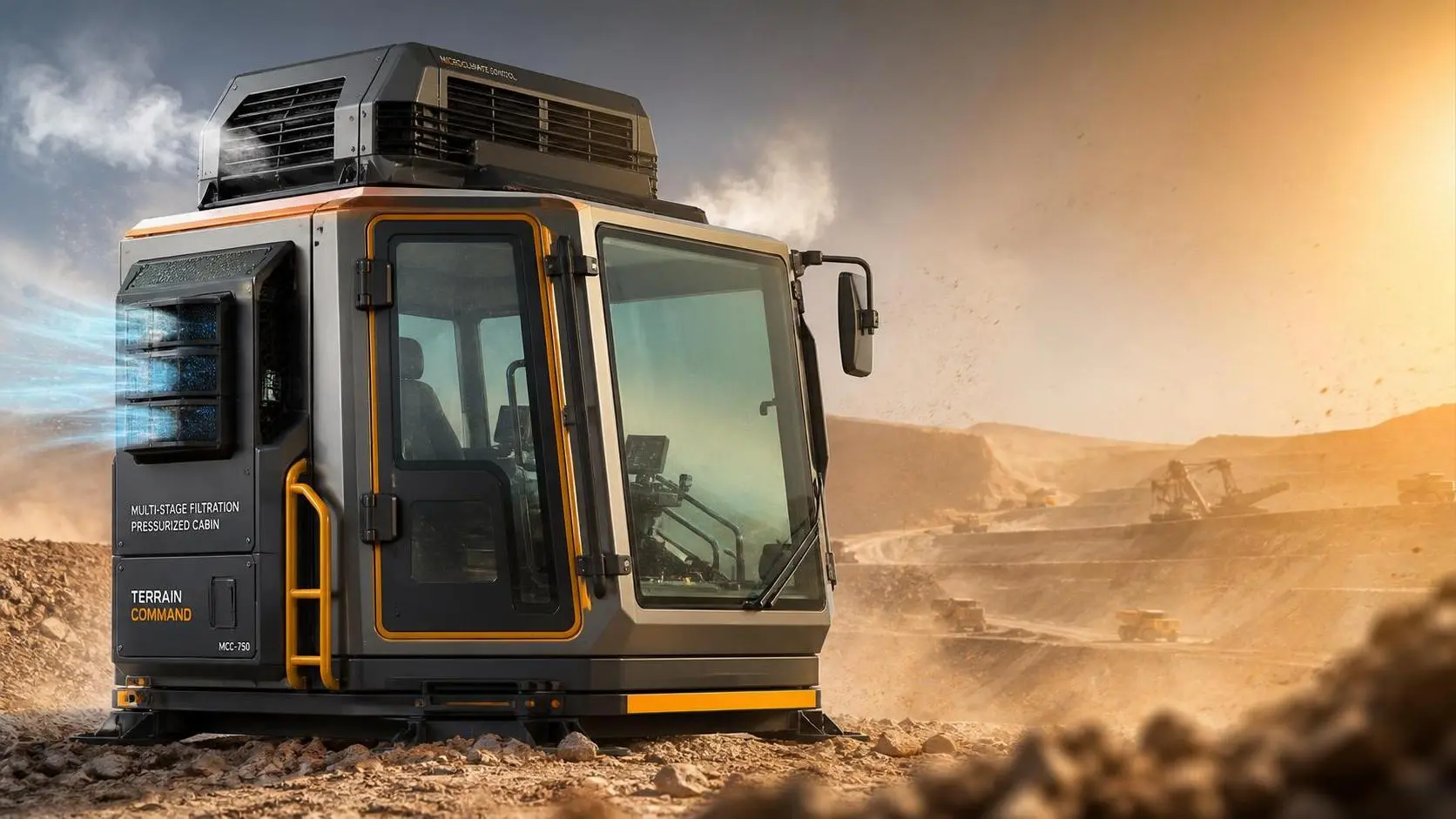
How to Specify Micro-Climate Control Cabins for Harsh Outdoor Worksites?
Micro-climate control cabins for harsh outdoor worksites: learn how to specify thermal control, filtration, pressurization, and durability for safer uptime and smarter buying.
How to Evaluate a B2B Product Knowledge Platform for Faster Procurement Decisions
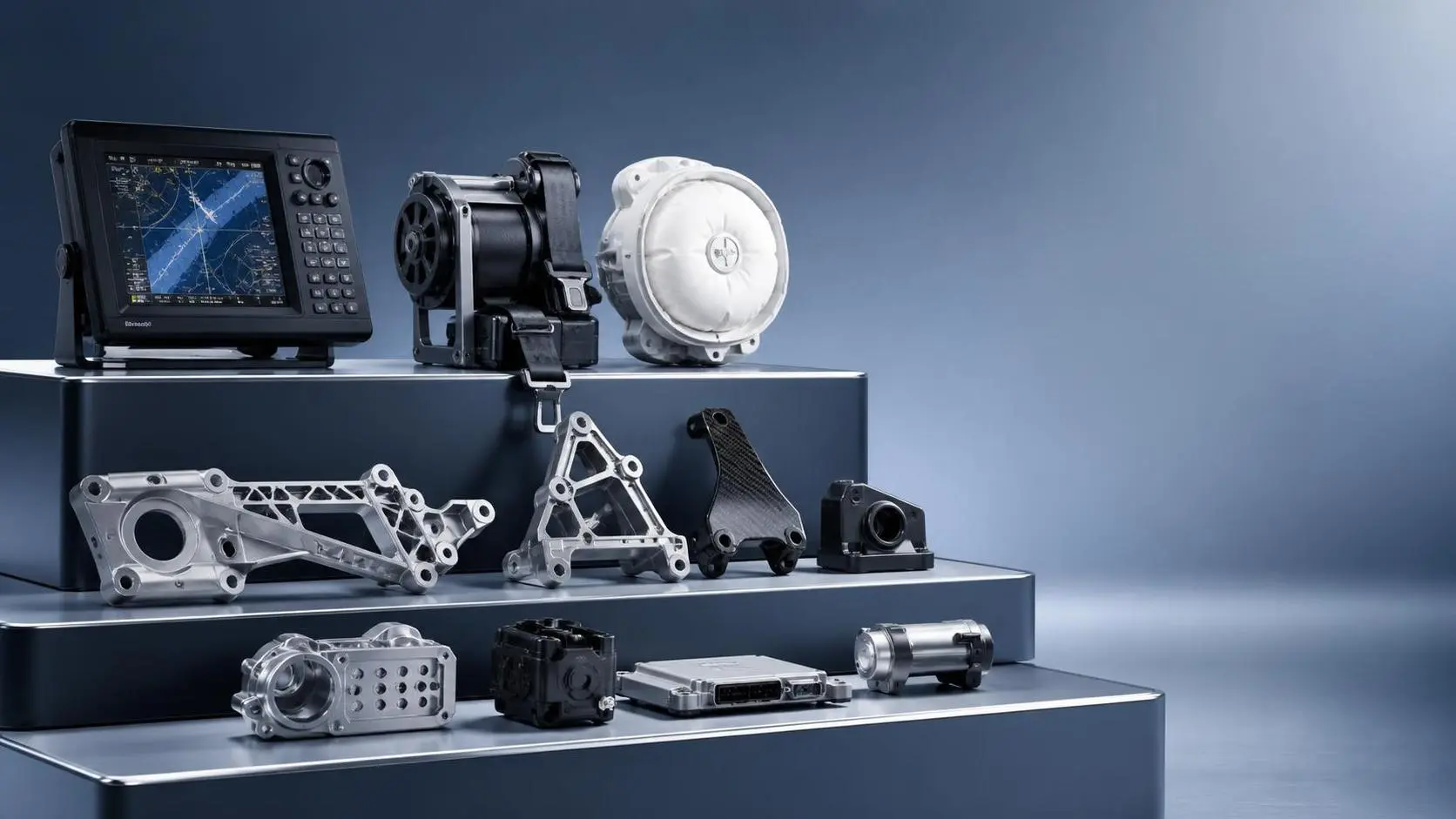
B2B product knowledge platform procurement starts with reducing decision risk. Learn how to compare specs, compliance, and supplier data to speed sourcing with confidence.
How to Evaluate an Occupant Restraint Systems Exporter for Quality, Compliance, and Supply Risk
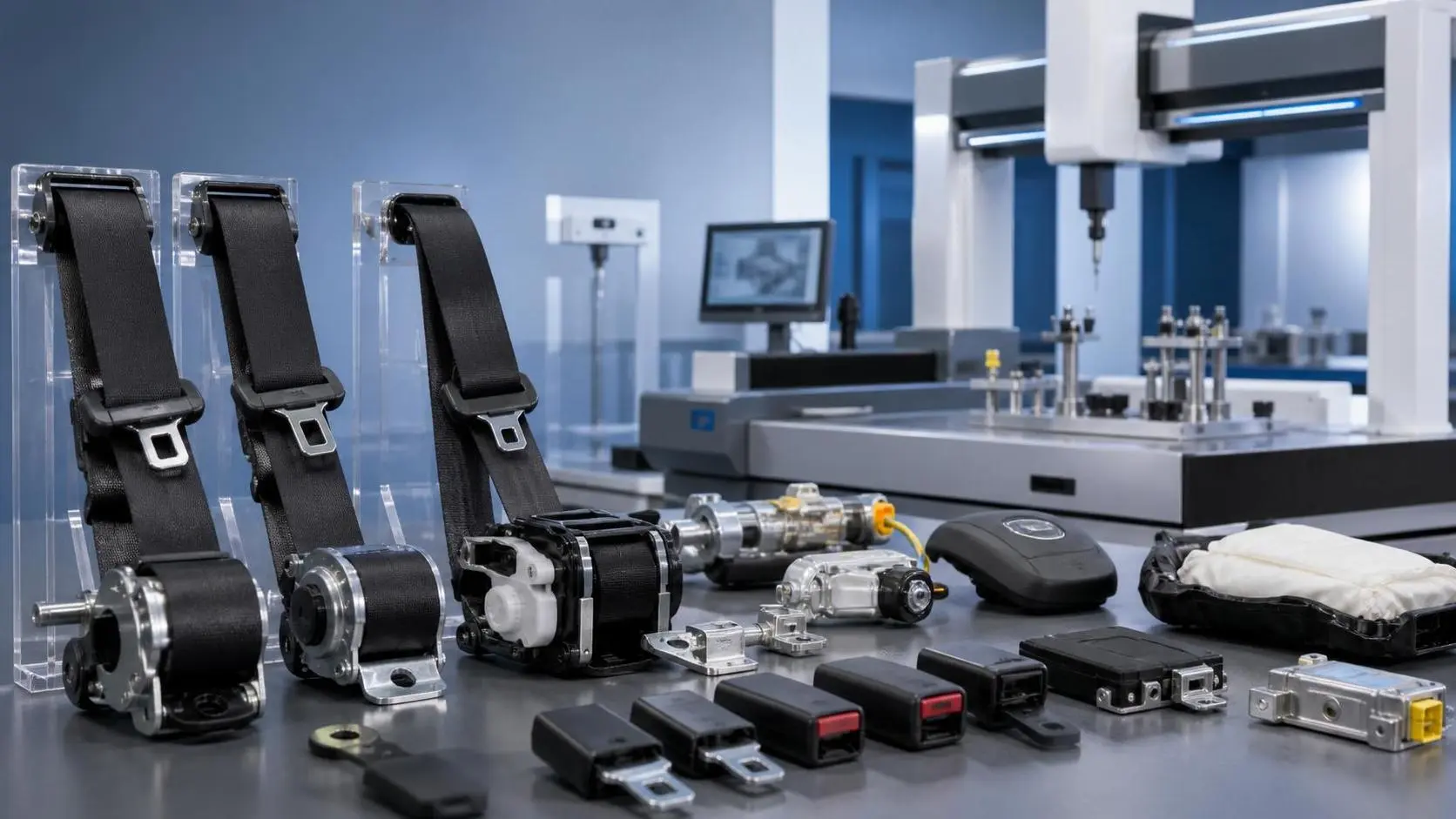
Occupant restraint systems exporter evaluation guide: learn how to verify quality controls, compliance evidence, and supply risk before sourcing to avoid recalls, delays, and hidden costs.
Related News
- 00
0000-00
How to Evaluate a Seat Sensing Technology Supplier for Safety and Integration? - 00
0000-00
B2B Product Intelligence Platforms: How to Compare Features, Data Coverage, and ROI - 00
0000-00
What Factors Drive Marine Navigation Components Cost in Commercial Vessel Projects? - 00
0000-00
How Much Does Seat Occupancy Sensing Cost? Key Pricing Factors for Buyers - 00
0000-00
How to Specify Micro-Climate Control Cabins for Harsh Outdoor Worksites?
Weekly Insights
Stay ahead with our curated technology reports delivered every Monday.