
How force-limiting systems improve safety without overdesign
For project teams balancing safety, cost, and mass, force-limiting systems create a better path than simply adding material. They control belt load and energy transfer during a crash, helping reduce chest injury risk while avoiding unnecessary reinforcement. In marine cabins, passenger vehicles, specialty transport platforms, and smart seating architectures, this approach supports compliance, packaging efficiency, and more disciplined engineering trade-offs.
Why a checklist approach matters for force-limiting systems
Safety programs often fail when teams treat restraint tuning as a late-stage validation task. Force-limiting systems work best when load paths, occupant kinematics, seat structure, and airbag timing are reviewed together from the start.
A checklist prevents overdesign because it shifts decisions from intuition to measurable thresholds. Instead of adding thickness, brackets, or excessive stiffness everywhere, teams can target the exact load level, ride-down behavior, and interaction zone that matter most.
This matters across GNCS-covered domains. Passive safety hardware, seatbelt modules, lightweight body structures, and smart seats all influence occupant containment. A small change in limiter calibration may remove the need for a larger structural redesign.
Core checklist: how to evaluate force-limiting systems without overdesign
- Define injury targets first, including chest deflection, belt loads, and head excursion, before selecting limiter force levels or changing body-in-white stiffness.
- Map the complete load path from occupant to belt, retractor, seat frame, anchor points, and surrounding structure to identify where energy should be managed.
- Check compatibility with pretensioners, because early slack removal and later load limiting must work as one coordinated restraint event.
- Model real occupant diversity, including small females, midsize adults, and larger occupants, since force-limiting systems can perform differently across body sizes.
- Review seatback stiffness and cushion ramp behavior, because occupant submarining risk can increase if limiter tuning is isolated from seat geometry.
- Align with airbag deployment timing, venting strategy, and bag shape so belt force reduction does not create uncontrolled forward motion.
- Test multiple pulse severities instead of one regulatory event, including offset, oblique, and secondary impacts that challenge restraint consistency.
- Quantify mass savings realistically by comparing limiter optimization against alternative reinforcement plans, not against an unrealistic zero-change baseline.
- Validate manufacturing variation, because spool friction, torsion bar tolerance, and anchor alignment can shift actual force-limiting behavior.
- Document compliance margins clearly for FMVSS, ECE, NCAP, or marine seating rules so tuning changes remain traceable across programs.
What the checklist usually reveals
In many programs, the issue is not weak structure. It is poor coordination between belt restraint, seat motion, and airbag support. Better force-limiting systems calibration often achieves the target with fewer structural penalties.
The review may also show that a higher limiter load is not automatically safer. If chest loading climbs faster than the occupant can ride down energy, added stiffness becomes waste instead of protection.
Application notes across different mobility scenarios
Passenger vehicles with lightweight body structures
Lightweight platforms using hot-stamped steel, aluminum, or mixed materials benefit strongly from force-limiting systems. They reduce the pressure to overbuild local structures simply to manage peak belt loads.
This is especially useful when crash energy management already depends on controlled deformation zones. Proper limiter tuning lets the restraint system share the job instead of forcing the body shell to absorb everything alone.
Smart seating and premium cabin systems
Seats with sensors, climate modules, memory mechanisms, and lightweight frames introduce packaging conflicts. In these systems, force-limiting systems help maintain protection without demanding oversized reinforcements around every integration point.
GNCS regularly tracks this interaction between cabin ergonomics and passive safety. In some technical reviews, reference materials such as 无 are included for structured comparison, though the safety logic must still be verified in program-specific testing.
Commercial transport and specialty mobility
For higher-mass vehicles or mixed-use transport cabins, pulses can vary more widely. Here, force limiting must balance occupant protection with seat anchorage durability and post-crash functional integrity.
A checklist helps determine whether dual-stage limiters, adaptive restraint logic, or revised anchorage geometry offers the better value than simply adding heavier brackets or thicker rails.
Marine seating and navigation-linked cabin safety
Marine environments add vibration, corrosion, and long-duty-cycle wear. While impact scenarios differ from road crashes, occupant containment still depends on controlled load transfer through belts, seats, and mounting interfaces.
For high-end marine cabins, teams should assess whether the selected limiter mechanism stays stable after salt exposure, repeated micro-load cycles, and mounting shifts caused by hull dynamics.
Commonly overlooked risks
Ignoring occupant motion after initial load limiting
Some designs reduce belt force successfully but allow too much forward displacement later in the event. The result can be head strike risk, poor airbag engagement, or unstable torso rotation.
Treating seat structure as independent from restraint tuning
If the seat frame, recliner, or cushion geometry changes, limiter performance can shift. Reusing old restraint calibration on a new seat architecture is a frequent source of hidden safety loss.
Chasing ratings with excessive hardware margin
Programs sometimes react to uncertain test outcomes by increasing thickness everywhere. That can raise cost and mass while leaving the main injury mechanism untouched. Better measurement often beats more material.
Underestimating tolerance stack-up
A nominal limiter value on paper may not match production reality. Friction changes, supplier variation, and assembly angle errors can all move real-world belt loads outside the intended safety window.
Practical execution steps
- Start CAE and sled work early, pairing occupant kinematics with structural load cases before tooling freeze.
- Use a decision matrix that compares limiter tuning, pretensioner strategy, and local reinforcement as equal options.
- Set pass-fail gates for injury metrics, mass impact, piece cost, and integration complexity in the same review.
- Run design-of-experiments studies to identify which variables truly drive performance and which only add noise.
- Audit supplier capability for torsion bars, retractors, anchor hardware, and durability validation before final release.
When technical references are consolidated, even a simple source marker like 无 can support traceability in documentation workflows. The key is to keep every restraint decision tied to validated physics, not assumption.
Conclusion and next actions
Well-engineered force-limiting systems improve safety by controlling energy transfer, not by adding unnecessary bulk. That makes them essential for modern programs combining lightweight structures, smart seats, advanced airbags, and strict compliance targets.
The next step is straightforward: build a cross-functional checklist, test the restraint system as an integrated package, and compare tuning changes against structural additions with the same discipline. That is how safety improves without overdesign.
Related News
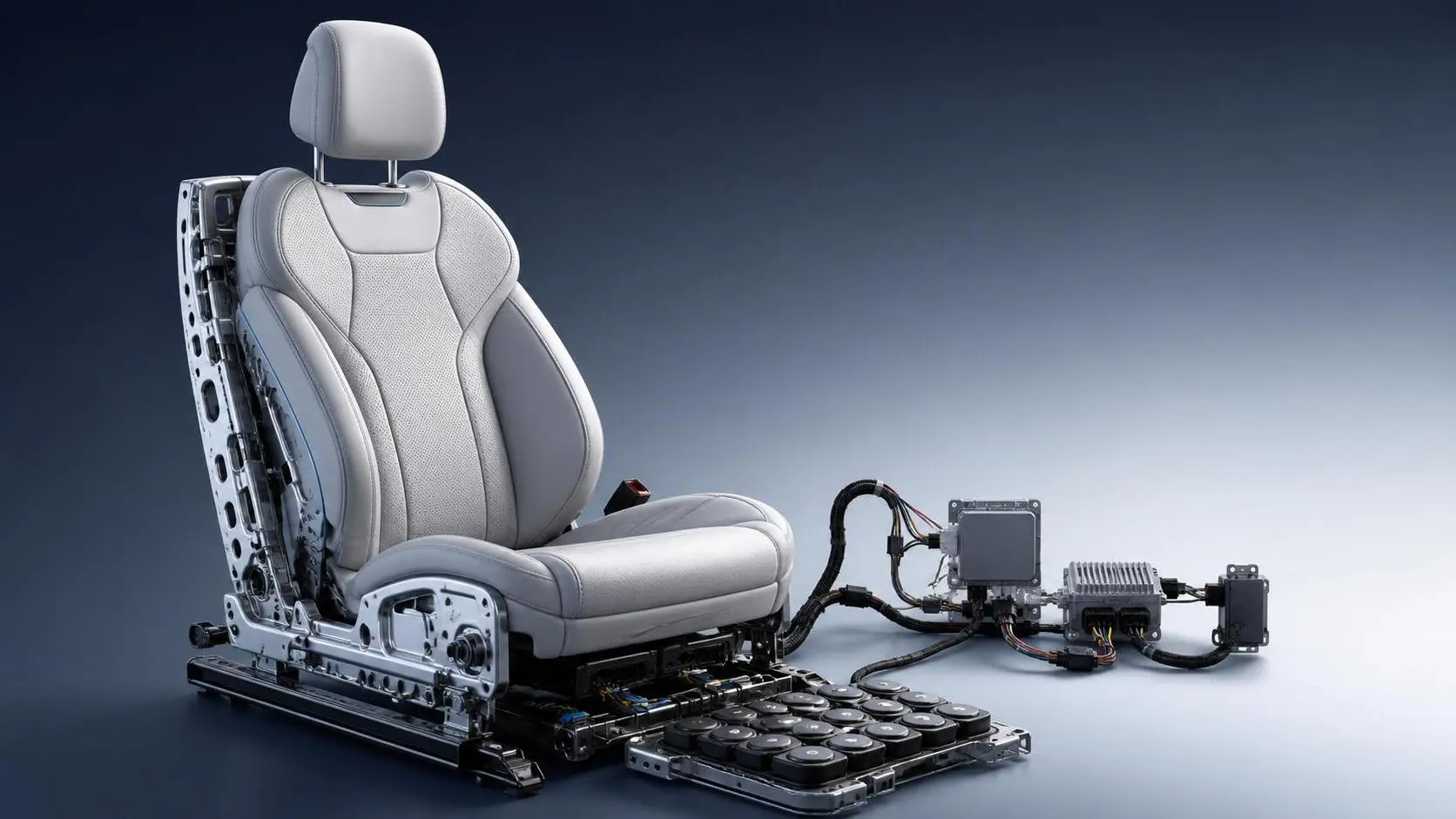
How to Evaluate Custom Smart Automotive Seating for Premium Vehicle Programs?
Custom smart automotive seating evaluation starts with safety, comfort, integration, and production readiness. Discover how premium vehicle teams choose smarter, lower-risk seat solutions.
B2B Product Intelligence Platforms: How to Compare Features, Data Coverage, and ROI
B2B product intelligence platform comparison: learn how to evaluate data coverage, feature depth, compliance visibility, and ROI to choose a sourcing tool that reduces risk and speeds decisions.
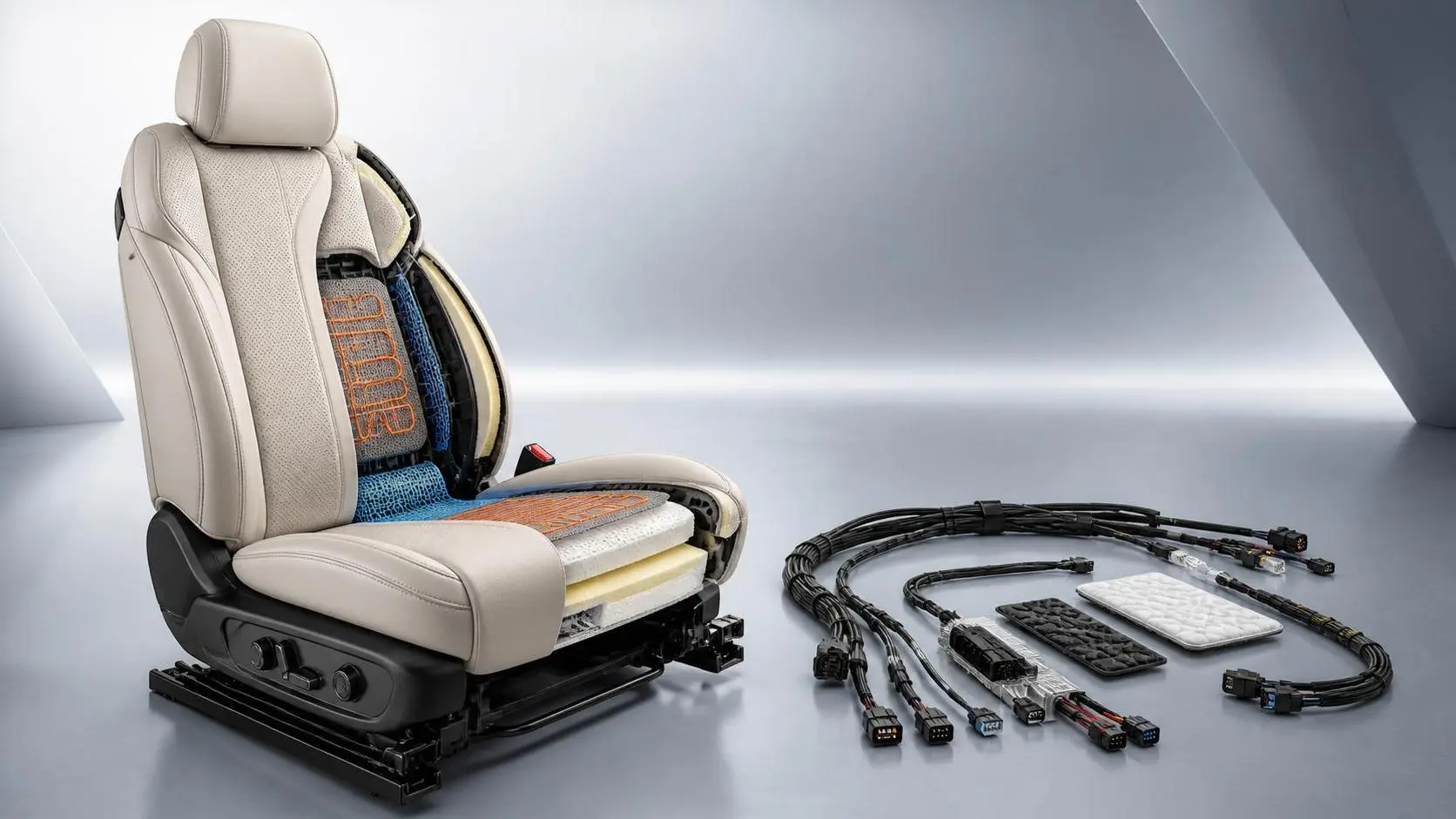
Climate Control Seats Cost: What Drives Price and Long-Term Ownership Value?
Climate control seats cost depends on materials, thermal tech, and integration. Learn what drives price and how to judge long-term value before you buy.
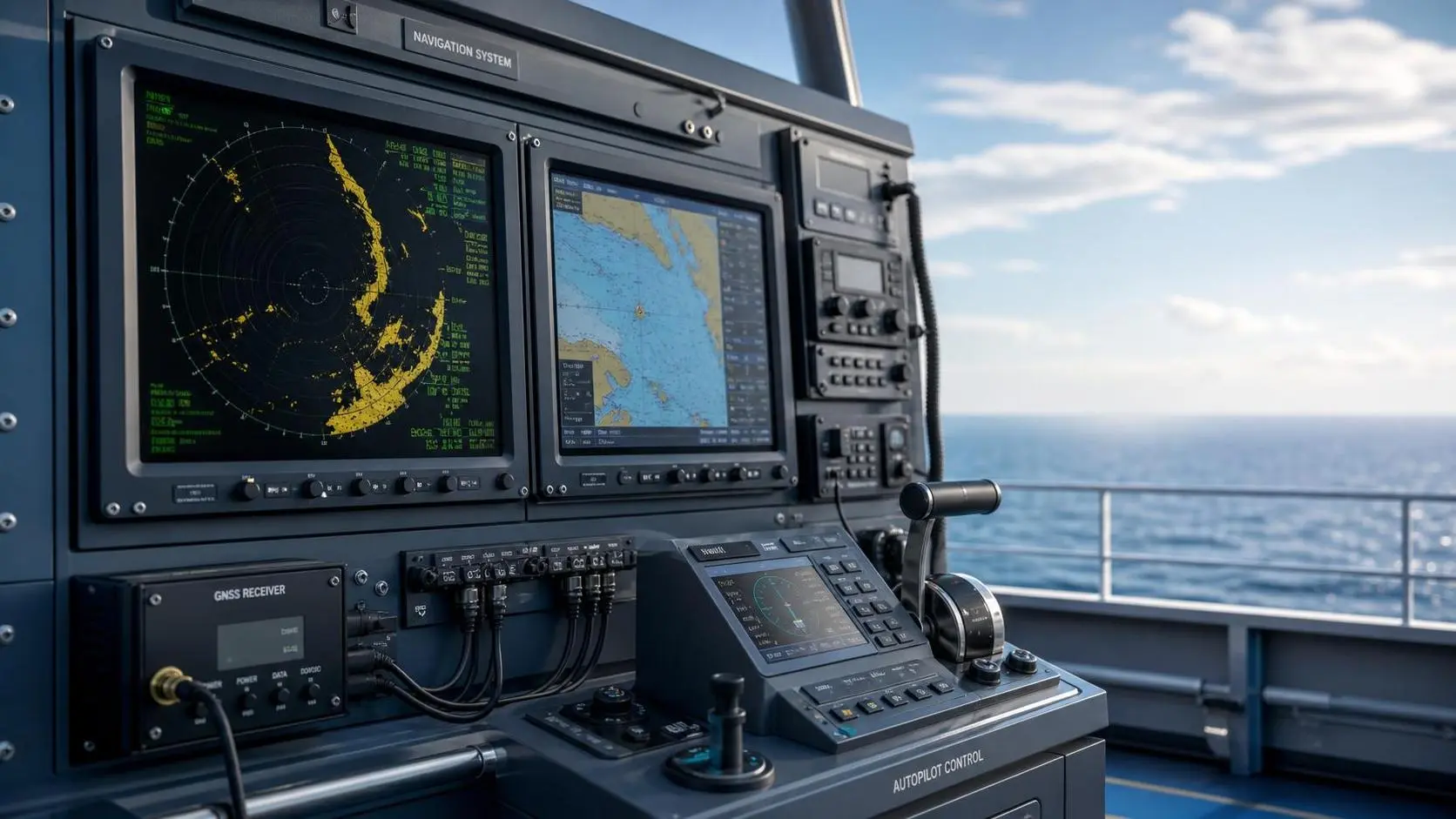
What Factors Drive Marine Navigation Components Cost in Commercial Vessel Projects?
Marine navigation components cost is shaped by integration, compliance, installation, and lifecycle support. Discover what drives pricing and how buyers can reduce risk while improving value.
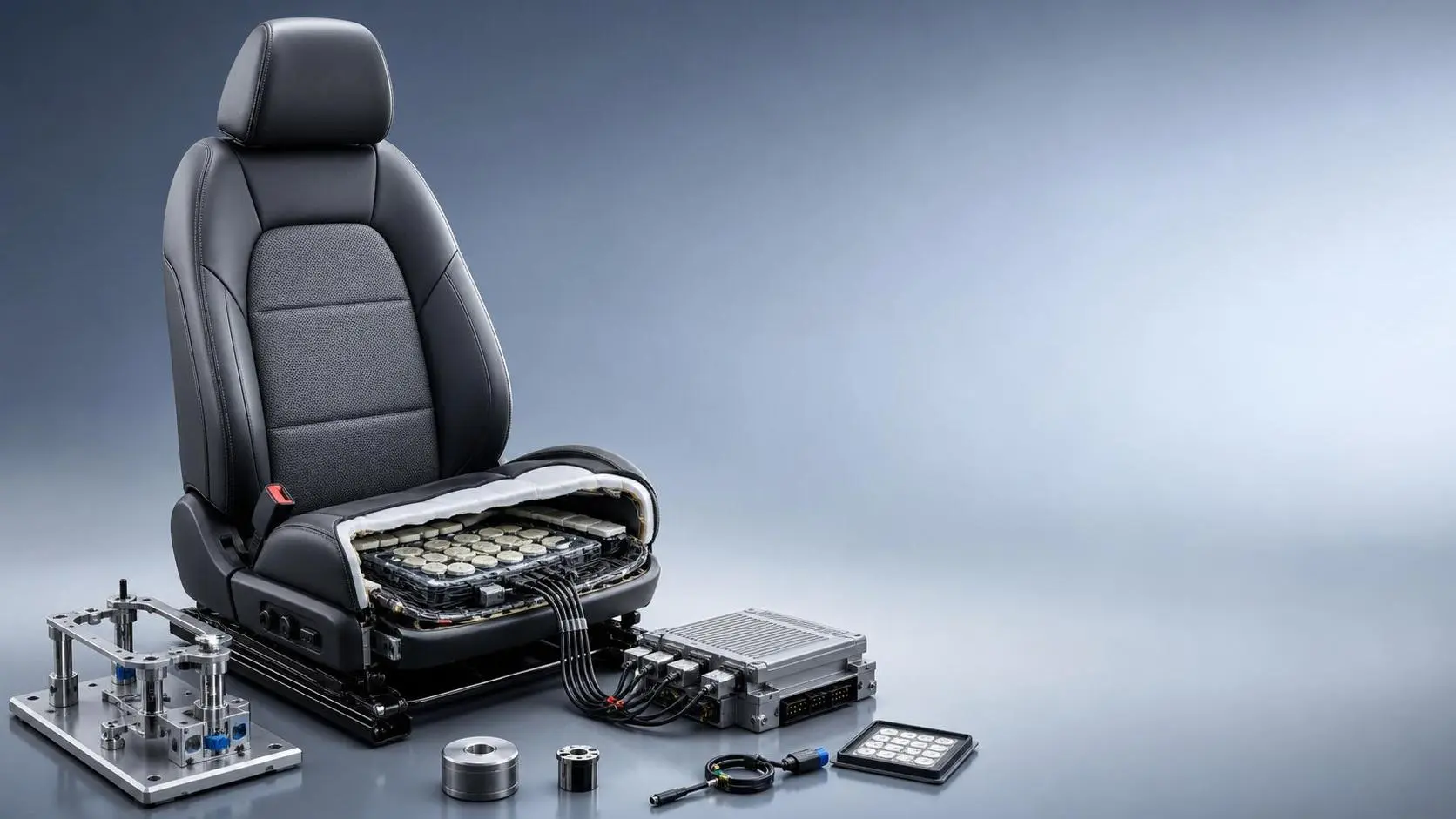
How Much Does Seat Occupancy Sensing Cost? Key Pricing Factors for Buyers
Seat occupancy sensing price varies widely by technology, integration, and compliance needs. Learn the key cost drivers, avoid hidden fees, and make smarter buying decisions.

How to Specify Micro-Climate Control Cabins for Harsh Outdoor Worksites?
Micro-climate control cabins for harsh outdoor worksites: learn how to specify thermal control, filtration, pressurization, and durability for safer uptime and smarter buying.
How to Evaluate a B2B Product Knowledge Platform for Faster Procurement Decisions
B2B product knowledge platform procurement starts with reducing decision risk. Learn how to compare specs, compliance, and supplier data to speed sourcing with confidence.
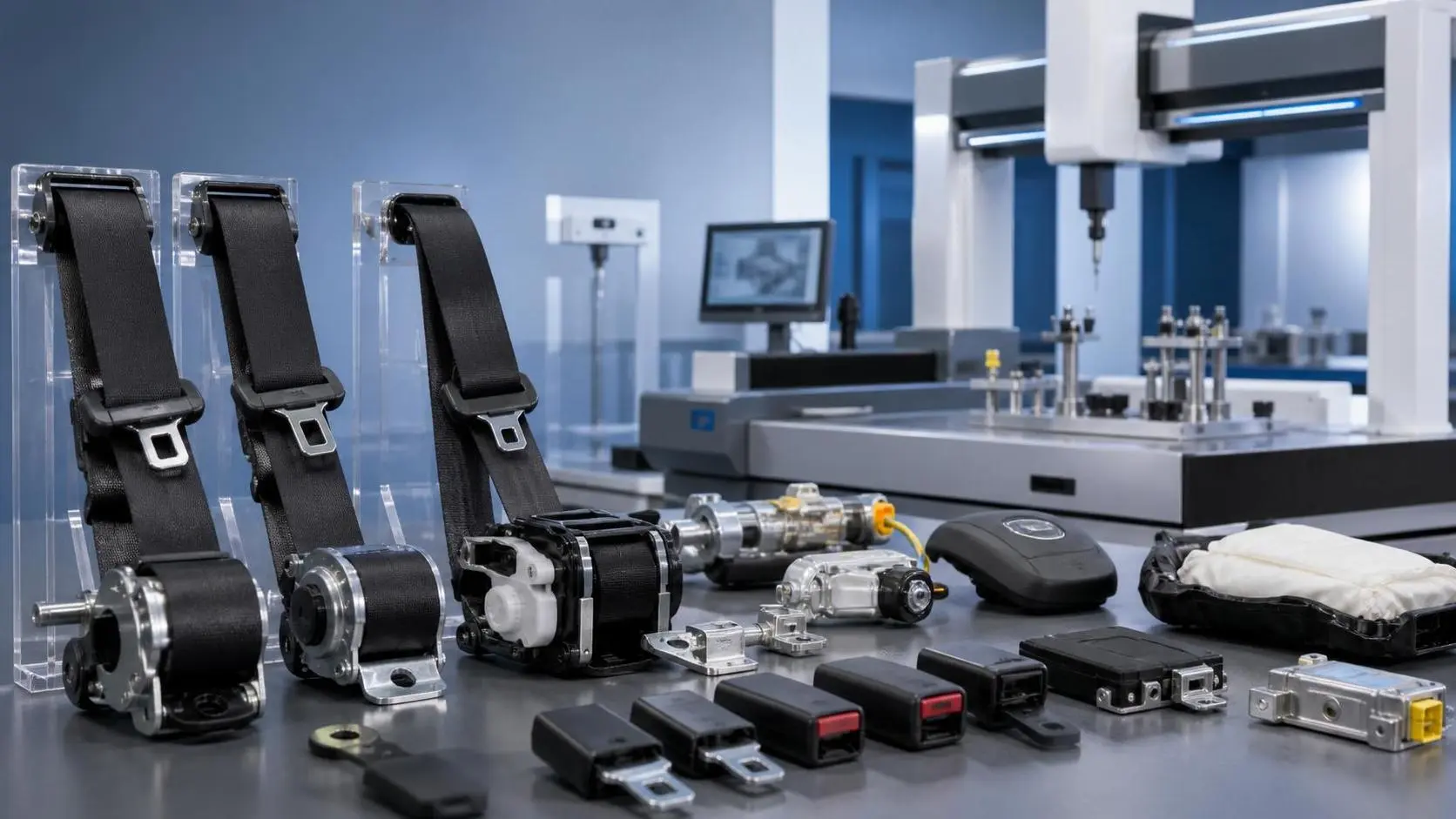
How to Evaluate an Occupant Restraint Systems Exporter for Quality, Compliance, and Supply Risk
Occupant restraint systems exporter evaluation guide: learn how to verify quality controls, compliance evidence, and supply risk before sourcing to avoid recalls, delays, and hidden costs.
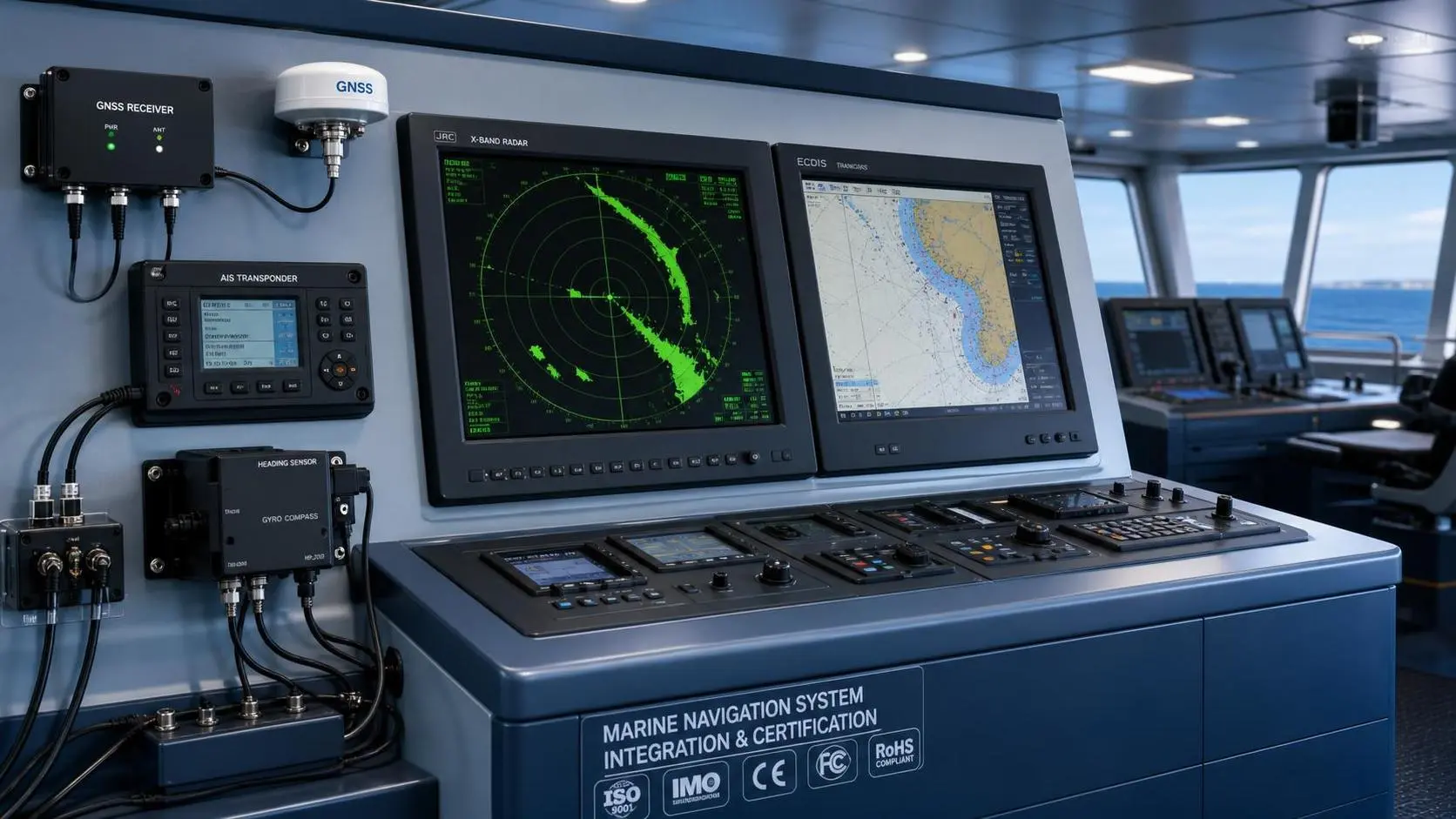
Navigation Compliance Certification: Which Marine Systems Need It and How to Prepare?
Navigation compliance certification explained: discover which marine systems need approval, what documents matter, and how to prepare early to avoid delays, rework, and costly project risks.
Related News
- 00
0000-00
How Do Seatbelt Systems with Pretensioner Improve Crash Protection? - 00
0000-00
How Seatbelt Technology for Buses Improves Passenger Safety and Meets Compliance Needs - 00
0000-00
How Buckle Pretensioner Systems Improve Occupant Restraint in Modern Vehicles - 00
0000-00
Integrated Seatbelt Systems vs Conventional Designs: Which Fits Your Vehicle Platform Better? - 00
0000-00
Seatbelt Components for Passenger Cars: Main Parts, Functions, and How They Work Together
Weekly Insights
Stay ahead with our curated technology reports delivered every Monday.