How marine electromagnetic navigation improves route safety
For project leaders in global mobility and maritime operations, safer routing now depends on signal quality as much as human judgment. Marine electromagnetic navigation improves positioning integrity, interference resilience, and route confidence across crowded ports, offshore corridors, and open sea lanes.
As vessels face tighter compliance demands and denser traffic, marine electromagnetic navigation helps convert raw electromagnetic data into actionable awareness. The result is better route safety, faster hazard recognition, and more reliable decisions under changing weather, traffic, and sea-state conditions.
Understanding marine electromagnetic navigation
Marine electromagnetic navigation refers to navigation methods that use electromagnetic signals to determine position, heading, movement, and nearby risk. It works alongside satellite systems, radar, sonar, AIS, digital charts, and onboard control interfaces.
In practical terms, marine electromagnetic navigation is not one device. It is a coordinated signal ecosystem. Antennas, receivers, processors, displays, and software continuously compare multiple inputs before supporting route decisions.
This technology matters because maritime conditions are rarely stable. Signal reflection, atmospheric effects, shoreline congestion, and vessel structures can reduce clarity. A stronger electromagnetic navigation architecture helps detect and correct those distortions early.
When integrated well, marine electromagnetic navigation supports three essential safety outcomes:
- More precise vessel positioning
- Better awareness of surrounding traffic and obstacles
- Greater continuity during low-visibility or signal-disrupted conditions
Why route safety is under greater pressure
The wider transport equipment sector is becoming more digital, connected, and compliance-driven. Maritime systems now share a similar trajectory with automotive safety platforms: more sensors, more software, and higher expectations for reliability.
GNCS follows this convergence closely. Across marine navigation, passive safety, and intelligent equipment, the common requirement is precise perception under stress. On water, that means identifying route risk before it becomes a collision, grounding, or deviation event.
Several industry pressures are raising the value of marine electromagnetic navigation:
In this environment, marine electromagnetic navigation is no longer a specialized upgrade. It is becoming a baseline capability for route integrity, especially where operational risk and regulatory scrutiny intersect.
How marine electromagnetic navigation improves route safety
The direct safety benefit of marine electromagnetic navigation is better situational awareness. However, the mechanism is broader than simple positioning. It improves the full route decision chain, from planning to execution and post-voyage review.
Higher positioning accuracy
Accurate location data reduces the risk of drift from intended corridors. This matters near reefs, narrow channels, offshore structures, and traffic separation schemes where small positional errors can create major hazards.
Improved interference resistance
Electromagnetic interference can come from onboard equipment, port infrastructure, nearby vessels, or intentional disruption. Marine electromagnetic navigation systems can compare signal sources, detect anomalies, and flag inconsistent data before operators act on it.
Stronger real-time awareness
Integrated displays merge electromagnetic inputs with radar, AIS, sonar, and chart data. This creates a more complete operating picture, helping crews identify converging traffic, shallow areas, route conflicts, and unexpected motion patterns faster.
Safer route planning and re-routing
Route safety is dynamic. Marine electromagnetic navigation supports safe re-routing when weather shifts, traffic density increases, or equipment performance changes. Better signal confidence allows more measured adjustments instead of reactive course changes.
More reliable decisions under low visibility
Fog, heavy rain, darkness, and coastal clutter reduce visual certainty. In these situations, marine electromagnetic navigation becomes a critical assurance layer that supports controlled maneuvering and verifies route continuity.
Operational value across modern maritime contexts
The value of marine electromagnetic navigation changes by mission profile, vessel type, and operating geography. Still, several recurring use cases show why the technology supports route safety across the broader industry.
These advantages also support business continuity. Fewer route deviations, fewer near misses, and more dependable voyage execution can reduce downtime, insurance exposure, fuel waste, and compliance friction.
For intelligence-driven platforms such as GNCS, this is where navigation technology connects with wider equipment strategy. Precision perception is not only a technical metric. It is an operational asset with measurable safety value.
Typical system elements and classification focus
A practical review of marine electromagnetic navigation should look at components, not only outcomes. Safety performance depends on how each layer contributes to trustworthy route information.
- Signal reception layers, including antennas and multi-band receivers
- Processing layers for filtering, correlation, and anomaly detection
- Data fusion layers connecting radar, AIS, sonar, and ECDIS
- Alert and interface layers supporting human interpretation
- Recording layers for diagnostics, audit trails, and compliance evidence
A useful classification approach is to group systems by safety function:
- Position assurance systems that verify vessel location.
- Threat awareness systems that identify moving or fixed hazards.
- Decision support systems that recommend route adjustments.
- Continuity systems that maintain function during degraded conditions.
Implementation considerations and risk controls
Adopting marine electromagnetic navigation effectively requires more than installing advanced equipment. Safety gains depend on integration quality, maintenance discipline, update governance, and operational testing in realistic environments.
Prioritize sensor fusion quality
Disconnected data creates blind spots. Systems should cross-check electromagnetic signals with independent navigation references so route decisions do not rely on one unstable source.
Monitor interference systematically
Routine electromagnetic environment checks can reveal recurring signal distortions. Tracking these patterns supports better equipment placement, shielding decisions, and route-specific operating procedures.
Maintain software and chart integrity
Marine electromagnetic navigation depends on current software logic and synchronized digital chart resources. Delayed updates can weaken route safety even when hardware remains functional.
Test degraded-mode performance
The strongest systems are not only accurate in normal conditions. They remain usable when signals are noisy, weather is poor, or one sensor fails. Degraded-mode drills expose weak links early.
Align records with compliance expectations
Regulators and insurers increasingly expect traceable navigation records. Logging signal quality, route deviations, alerts, and corrective actions strengthens both internal review and external accountability.
Practical next steps for stronger route assurance
Marine electromagnetic navigation improves route safety when it is treated as a complete assurance framework, not a standalone technology purchase. The priority is to verify how signals, software, and human decisions work together under pressure.
A practical next step is to review current navigation architecture against real operating risks. Map interference exposure, data gaps, update status, and re-routing performance across key routes and seasonal conditions.
Then define measurable targets for route integrity, alert reliability, and degraded-mode continuity. This approach turns marine electromagnetic navigation from a technical feature into a documented safety capability.
For organizations tracking the future of precision perception, GNCS highlights the same lesson across navigation and safety systems: resilient intelligence protects movement. In maritime operations, that protection begins with better electromagnetic awareness on every route.
Related News

How to Evaluate a Seat Sensing Technology Supplier for Safety and Integration?
Seat sensing technology supplier evaluation guide: compare safety maturity, integration fit, algorithm reliability, and validation support to choose a partner that reduces risk.

How to Evaluate Custom Smart Automotive Seating for Premium Vehicle Programs?
Custom smart automotive seating evaluation starts with safety, comfort, integration, and production readiness. Discover how premium vehicle teams choose smarter, lower-risk seat solutions.
B2B Product Intelligence Platforms: How to Compare Features, Data Coverage, and ROI
B2B product intelligence platform comparison: learn how to evaluate data coverage, feature depth, compliance visibility, and ROI to choose a sourcing tool that reduces risk and speeds decisions.

Climate Control Seats Cost: What Drives Price and Long-Term Ownership Value?
Climate control seats cost depends on materials, thermal tech, and integration. Learn what drives price and how to judge long-term value before you buy.
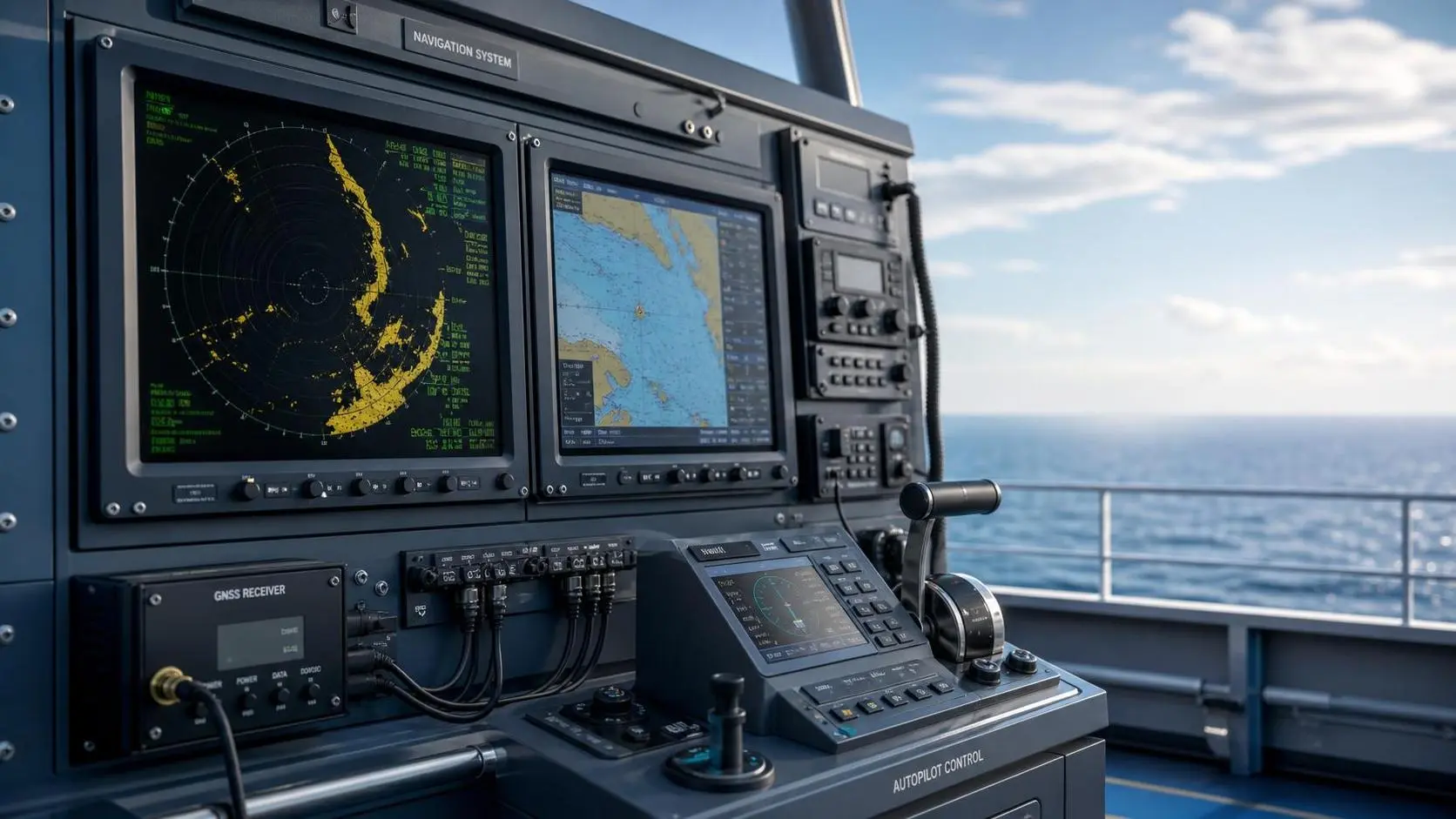
What Factors Drive Marine Navigation Components Cost in Commercial Vessel Projects?
Marine navigation components cost is shaped by integration, compliance, installation, and lifecycle support. Discover what drives pricing and how buyers can reduce risk while improving value.

How Much Does Seat Occupancy Sensing Cost? Key Pricing Factors for Buyers
Seat occupancy sensing price varies widely by technology, integration, and compliance needs. Learn the key cost drivers, avoid hidden fees, and make smarter buying decisions.

How to Specify Micro-Climate Control Cabins for Harsh Outdoor Worksites?
Micro-climate control cabins for harsh outdoor worksites: learn how to specify thermal control, filtration, pressurization, and durability for safer uptime and smarter buying.

How to Evaluate a B2B Product Knowledge Platform for Faster Procurement Decisions
B2B product knowledge platform procurement starts with reducing decision risk. Learn how to compare specs, compliance, and supplier data to speed sourcing with confidence.

How to Evaluate an Occupant Restraint Systems Exporter for Quality, Compliance, and Supply Risk
Occupant restraint systems exporter evaluation guide: learn how to verify quality controls, compliance evidence, and supply risk before sourcing to avoid recalls, delays, and hidden costs.
Related News
- 00
0000-00
How to Choose a Marine Positioning Solutions Supplier in Europe for Offshore and Port Operations - 00
0000-00
Marine Positioning Solutions Provider Comparison: GNSS, Accuracy, and Integration Factors - 00
0000-00
Marine Electromagnetic Navigation Accuracy vs GNSS: Which Performs Better Near Interference? - 00
0000-00
Marine Electromagnetic Navigation Accuracy: What Affects Position Stability at Sea? - 00
0000-00
Marine Positioning Systems Exporter Selection: What to Check in GNSS Accuracy, Compliance, and Support
Weekly Insights
Stay ahead with our curated technology reports delivered every Monday.