Why maritime safety technology is moving beyond compliance
For project managers and engineering leads, maritime safety technology is no longer just about passing inspections or meeting baseline rules. It is becoming a strategic driver of operational resilience, navigation precision, data integration, and risk reduction across global fleets. As digital systems, sensor fusion, and compliance frameworks evolve together, understanding why maritime safety technology is moving beyond compliance is essential for smarter investment and safer project execution.
Why maritime safety technology now matters beyond audit readiness
For years, many vessel operators treated maritime safety technology as a checklist category. If radar, AIS, ECDIS, alarms, and bridge equipment passed inspection, the project was considered complete. That approach no longer matches operational reality.
Today, project teams face denser shipping lanes, more variable weather, tighter reporting requirements, cyber-related system dependencies, and stronger expectations for uptime. In this environment, maritime safety technology influences not only compliance status, but also schedule reliability, fuel efficiency, crew workload, and incident response speed.
For engineering leads, the key shift is simple: safety systems are becoming decision systems. They collect, validate, and distribute operational data. They support route judgment, collision avoidance, fault diagnosis, and maintenance planning. When those functions are fragmented, the hidden cost appears in delays, rework, and risk exposure.
- Compliance protects minimum legality, but not necessarily maximum situational awareness during heavy traffic, low visibility, or equipment degradation.
- Integrated maritime safety technology reduces handoff errors between navigation, monitoring, and reporting workflows.
- Modern project evaluation increasingly considers lifecycle support, update capability, and cross-system interoperability, not just initial equipment approval.
This is exactly where GNCS adds value. Its Strategic Intelligence Center tracks the intersection of marine navigation systems, digital update practices, sensor performance, and compliance change. For project teams, that means fewer blind spots between technical selection and long-term deployment risk.
What has changed for project managers?
The project manager’s challenge is no longer limited to asking whether a system is approved. The stronger question is whether the system can keep supporting navigation quality, maintenance efficiency, and integration stability across changing operational conditions.
The table shows why maritime safety technology is increasingly discussed in boardrooms, project review meetings, and procurement planning. The value has moved from inspection readiness to operational intelligence and resilience.
Which operational scenarios expose the limits of compliance-only thinking?
A compliance-only setup often looks acceptable on paper but struggles under real-world variability. The gap becomes visible when systems must perform under pressure, uncertainty, or incomplete information.
High-traffic coastal navigation
In crowded corridors, maritime safety technology must fuse radar, AIS, positioning, and chart data with minimal latency. A certified but poorly integrated stack may still force crews to cross-check too many screens, increasing cognitive load and reaction time.
Low-visibility and adverse weather operations
Fog, heavy rain, sea clutter, and unstable signal environments test sensor discrimination and alarm logic. Here, the difference between compliant equipment and robust maritime safety technology is not paperwork. It is detection consistency, usable alerts, and confidence in navigation decisions.
Fleet modernization and retrofit programs
Engineering teams often inherit mixed generations of bridge systems. A simple replacement strategy may satisfy minimum rules but create data silos, training complexity, and update incompatibilities. This is where strategic planning matters more than one-time approval.
- Retrofits require interface mapping, power checks, installation sequencing, and crew transition planning.
- Sensor fusion quality matters more when older and newer subsystems must coexist.
- Cloud-based update pathways for systems such as ECDIS introduce new governance and cyber-resilience questions.
GNCS is particularly relevant in these scenarios because it does not isolate maritime navigation from broader mobility safety logic. Its cross-sector view of perception systems, structural protection, and intelligence stitching helps project teams evaluate safety technology as part of a larger reliability architecture.
What should engineering leads evaluate when selecting maritime safety technology?
Selection mistakes usually happen when buyers compare only headline features. A stronger evaluation model examines performance, integration burden, serviceability, and upgrade readiness together. This is especially important for project managers balancing budget, deadline pressure, and certification timelines.
The following table can help structure procurement discussions around maritime safety technology in a practical, project-oriented way.
A structured assessment like this helps avoid the common trap of buying compliant equipment that later increases integration effort, training cost, or service complexity. For engineering leads, that is often where total project cost rises unexpectedly.
A practical checklist before approval
- Confirm whether the system supports the vessel’s real navigation profile, not only its certification profile.
- Review integration drawings and data interface plans before final procurement, not after installation starts.
- Check software update and cyber-governance procedures with the same rigor used for hardware acceptance.
- Estimate crew familiarization time and include it in the project schedule.
- Request a lifecycle support roadmap, including spares, service windows, and obsolescence policy.
How compliance, performance, and cost should be balanced
Budget pressure remains real. Many project managers must justify why more advanced maritime safety technology is worth the premium when a lower-cost compliant option is available. The answer usually depends on lifecycle economics rather than purchase price alone.
A cheaper system may appear attractive during tender review, but it can become expensive when integration complexity, repeated service visits, crew training gaps, and documentation weaknesses are counted. This is why cost analysis should include operational consequences, not just invoice comparison.
The table below compares common decision paths for maritime safety technology procurement.
For complex fleets or vessels with demanding routes, the third option often makes the most sense. It aligns with the broader industry move toward digitalized, safer, and more resilient mobility systems, a direction strongly reflected in GNCS intelligence coverage.
How standards and certification still matter, but differently
Moving beyond compliance does not mean ignoring standards. It means treating standards as the floor, not the ceiling. Maritime safety technology still needs to align with applicable navigation, installation, and operational requirements. However, mature project teams now ask what happens after approval is secured.
What compliance should cover in project reviews
- Documented alignment with relevant marine navigation and vessel equipment requirements.
- Verification of installation environment, interface integrity, and alarm behavior under realistic operating conditions.
- Control of software revisions, chart data handling, and maintenance records across the service life.
GNCS is useful here because its intelligence model follows not only maritime compliance developments, but also adjacent safety frameworks in mobility and cabin protection. That broader perspective helps engineering leaders recognize a familiar truth: when regulation evolves, integration quality becomes a competitive advantage.
Common misconceptions about maritime safety technology
“If it is certified, it is operationally optimized.”
Certification confirms conformity to defined requirements. It does not guarantee the best fit for your route density, crew workflow, retrofit condition, or update strategy. Optimization requires context-specific evaluation.
“More functions always mean better safety.”
Not necessarily. Excessive complexity can increase training needs, interface clutter, and response friction. Good maritime safety technology improves clarity and action quality, not feature count alone.
“Retrofit integration can be solved after purchasing.”
This is one of the most expensive assumptions in project delivery. Late-stage interface problems often trigger schedule slips, added engineering hours, and avoidable onboard modifications.
FAQ: what project teams ask before investing in maritime safety technology
How do we know whether a higher-spec system is justified?
Look at route complexity, downtime cost, retrofit constraints, and crew workload. If vessel operations depend on stable multi-sensor interpretation, frequent updates, or mixed-generation systems, a higher-spec solution is often justified by lower lifecycle risk.
What should we ask suppliers during technical clarification?
Ask about interface compatibility, update governance, failure diagnostics, documentation depth, spare support, training scope, and expected commissioning sequence. These details affect project execution more than brochure claims.
How important is data integration in maritime safety technology?
It is central. Poor data continuity weakens situational awareness and creates manual workarounds. Strong integration improves decision speed, incident traceability, and long-term fleet management visibility.
Can compliance-focused procurement still work for smaller projects?
Yes, but only if the operational profile is simple and future upgrade needs are limited. Even then, buyers should still check serviceability, interface fit, and software maintenance rather than selecting on price alone.
Why this shift will continue
The direction is clear. Maritime safety technology will continue moving toward connected perception, higher software dependence, stronger human-machine coordination, and tighter lifecycle governance. As fleets modernize, the line between safety equipment and operational intelligence will keep fading.
For project managers, that means procurement decisions need to be more architectural and less transactional. For engineering leads, it means integration planning, update control, and usability validation must begin earlier in the project cycle.
Why choose us for maritime safety technology insight and decision support
GNCS brings together marine navigation intelligence, sensor-system understanding, compliance tracking, and a rare cross-sector view of safety engineering. That combination helps project teams assess maritime safety technology not as isolated hardware, but as part of a broader precision perception and risk-control strategy.
If you are reviewing a new build, retrofit, or fleet upgrade program, you can consult us on practical topics that directly affect project success:
- Parameter confirmation for navigation-related system planning and sensor coordination.
- Product selection logic for different vessel profiles, operational environments, and integration constraints.
- Delivery cycle assessment, retrofit sequencing, and documentation readiness before procurement commitment.
- Custom solution direction for digital updates, cross-system compatibility, and long-term support expectations.
- Certification requirement mapping, sample evaluation priorities, and quotation discussions grounded in technical risk.
When maritime safety technology is treated as a strategic asset rather than a compliance checkbox, project outcomes improve. The earlier that conversation starts, the more room you have to reduce risk, control cost, and build a safer operating future.
Related News
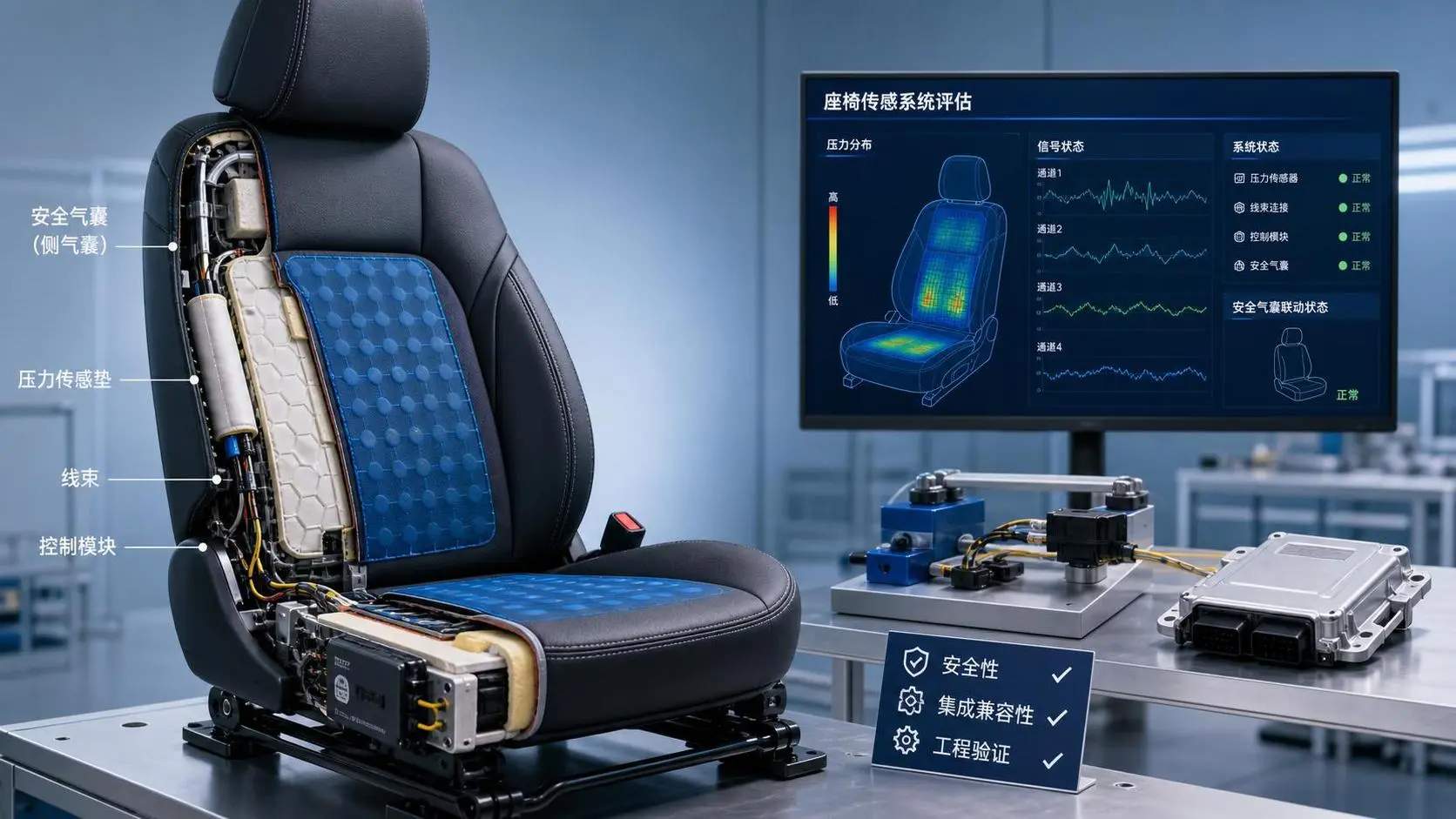
How to Evaluate a Seat Sensing Technology Supplier for Safety and Integration?
Seat sensing technology supplier evaluation guide: compare safety maturity, integration fit, algorithm reliability, and validation support to choose a partner that reduces risk.
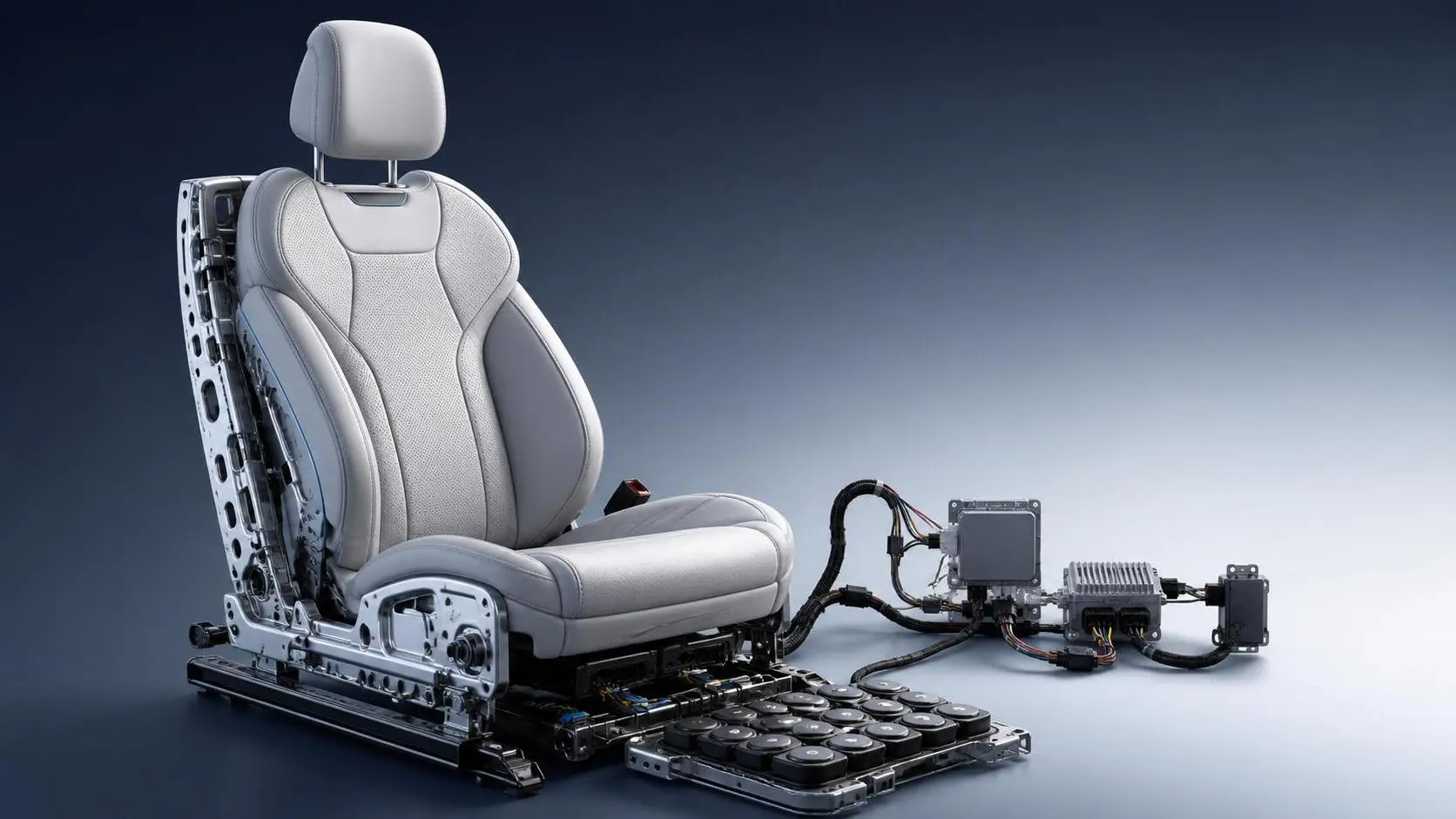
How to Evaluate Custom Smart Automotive Seating for Premium Vehicle Programs?
Custom smart automotive seating evaluation starts with safety, comfort, integration, and production readiness. Discover how premium vehicle teams choose smarter, lower-risk seat solutions.
B2B Product Intelligence Platforms: How to Compare Features, Data Coverage, and ROI
B2B product intelligence platform comparison: learn how to evaluate data coverage, feature depth, compliance visibility, and ROI to choose a sourcing tool that reduces risk and speeds decisions.
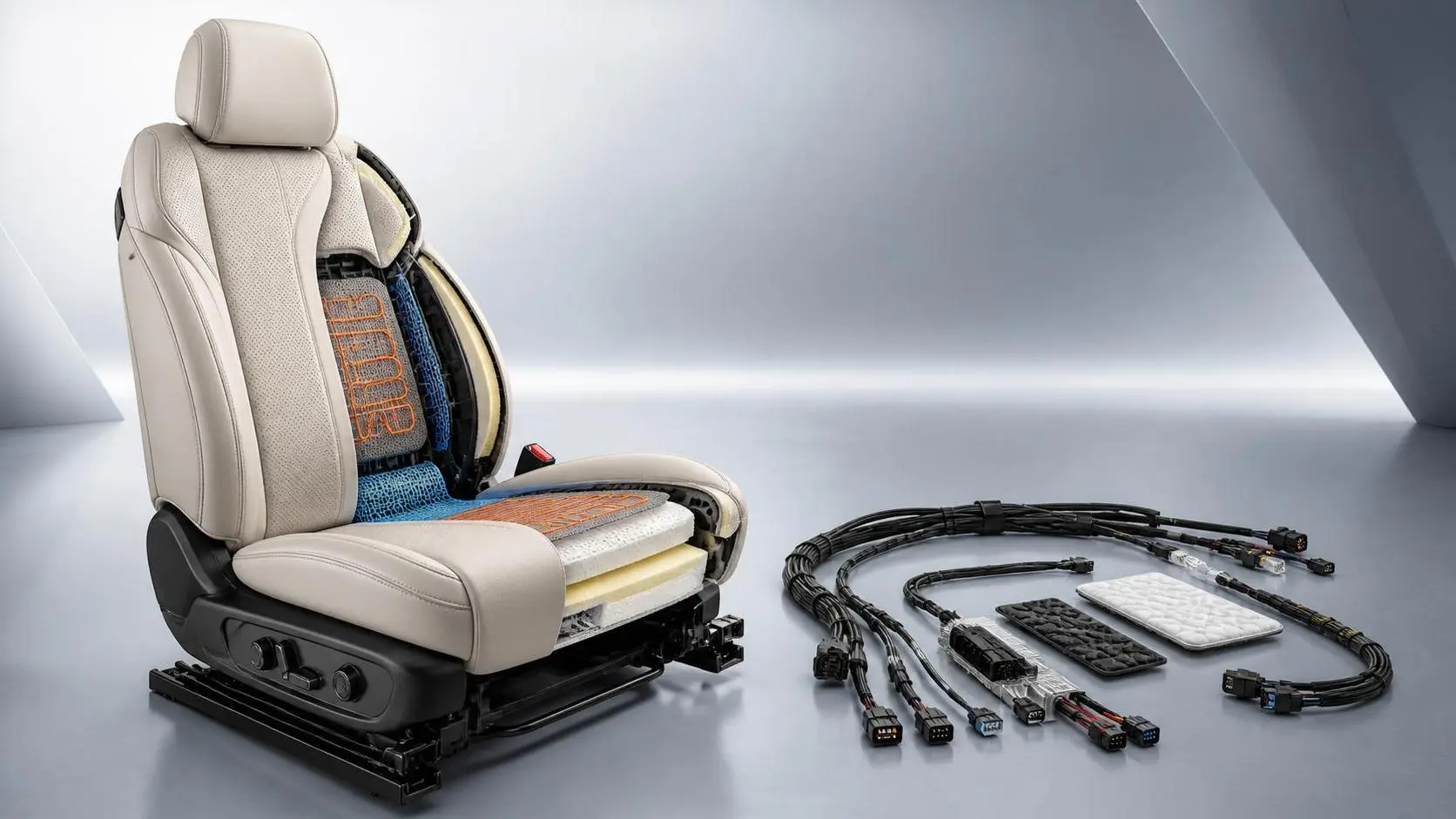
Climate Control Seats Cost: What Drives Price and Long-Term Ownership Value?
Climate control seats cost depends on materials, thermal tech, and integration. Learn what drives price and how to judge long-term value before you buy.
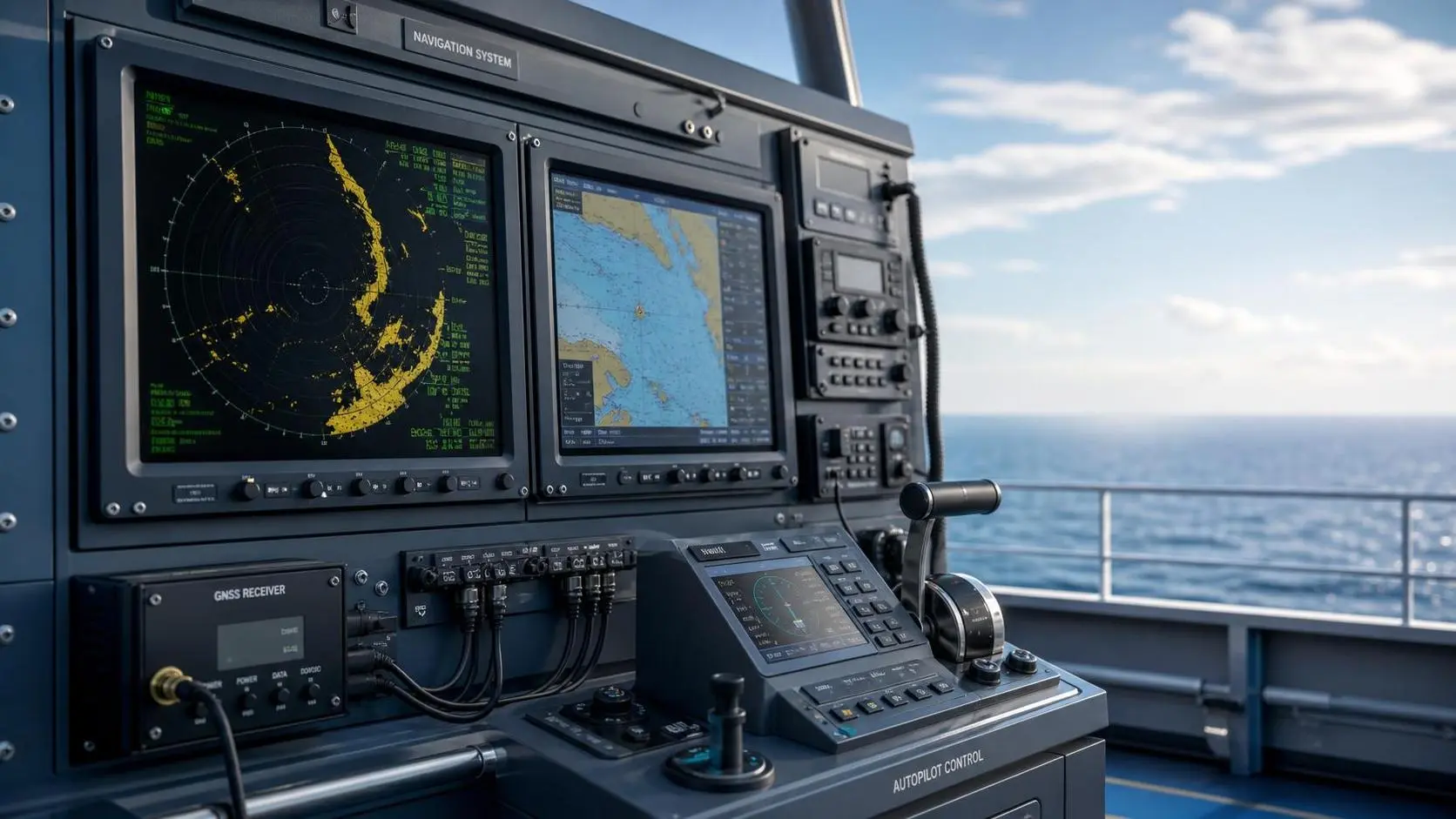
What Factors Drive Marine Navigation Components Cost in Commercial Vessel Projects?
Marine navigation components cost is shaped by integration, compliance, installation, and lifecycle support. Discover what drives pricing and how buyers can reduce risk while improving value.

How Much Does Seat Occupancy Sensing Cost? Key Pricing Factors for Buyers
Seat occupancy sensing price varies widely by technology, integration, and compliance needs. Learn the key cost drivers, avoid hidden fees, and make smarter buying decisions.

How to Specify Micro-Climate Control Cabins for Harsh Outdoor Worksites?
Micro-climate control cabins for harsh outdoor worksites: learn how to specify thermal control, filtration, pressurization, and durability for safer uptime and smarter buying.
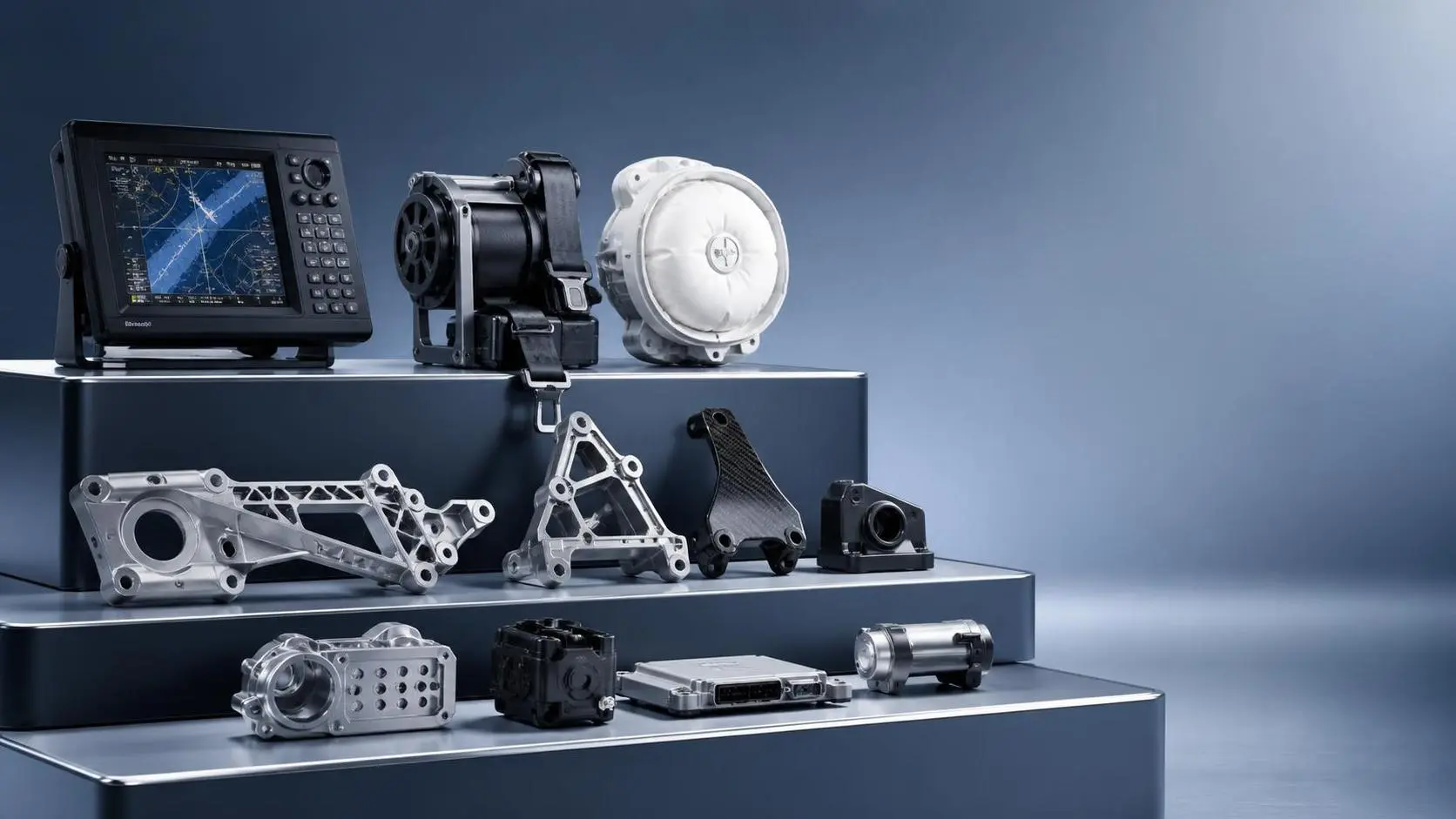
How to Evaluate a B2B Product Knowledge Platform for Faster Procurement Decisions
B2B product knowledge platform procurement starts with reducing decision risk. Learn how to compare specs, compliance, and supplier data to speed sourcing with confidence.
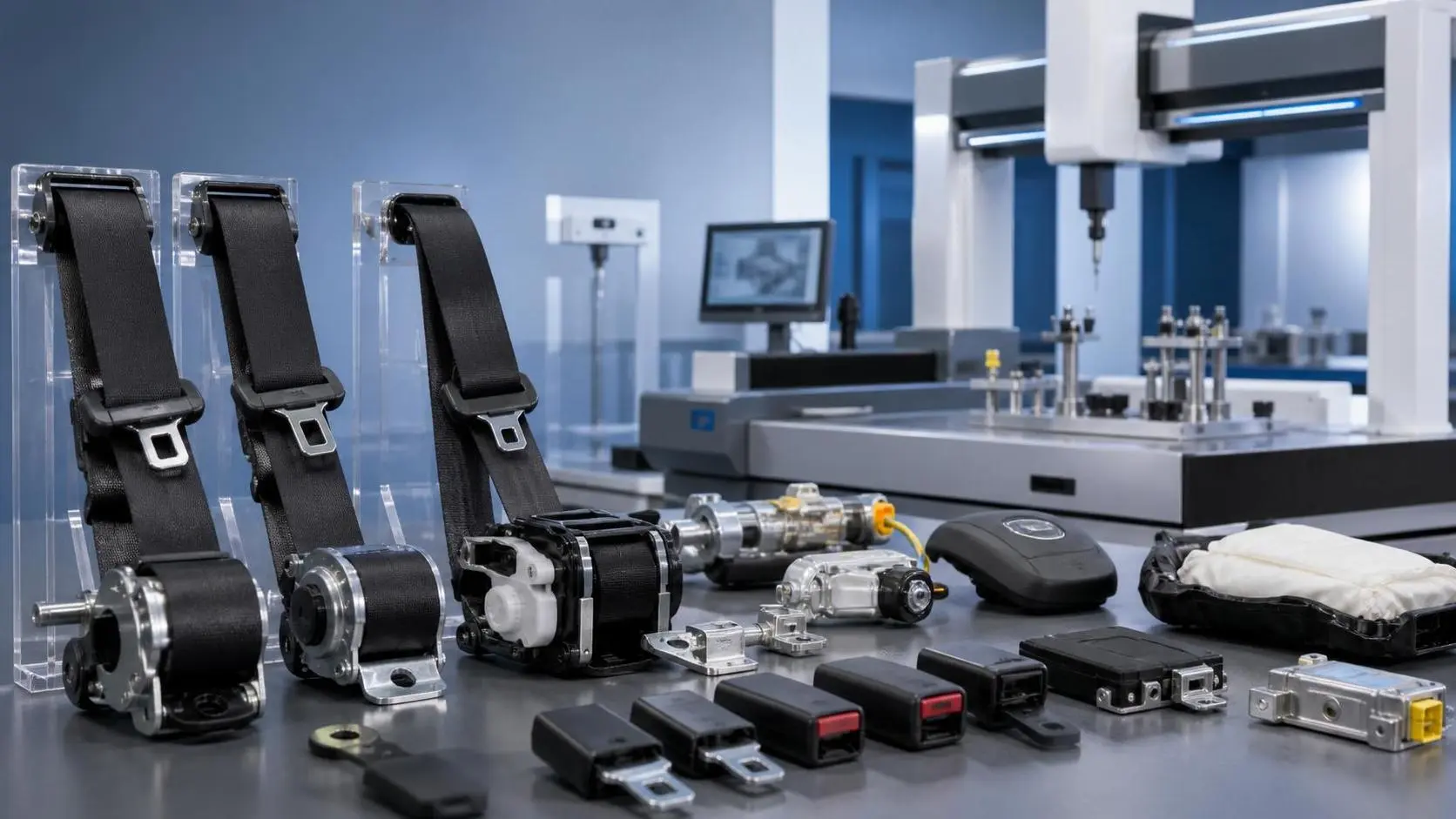
How to Evaluate an Occupant Restraint Systems Exporter for Quality, Compliance, and Supply Risk
Occupant restraint systems exporter evaluation guide: learn how to verify quality controls, compliance evidence, and supply risk before sourcing to avoid recalls, delays, and hidden costs.
Related News
- 00
0000-00
Zero-Casualty Mobility in Practice: Safety Strategies, System Design, and Deployment Challenges - 00
0000-00
Digitalized Mobility Equipment vs Conventional Systems: Where the Cost Difference Comes From - 00
0000-00
How automotive crash protection is changing in 2026 - 00
0000-00
Why are non-toxic propellants gaining ground in new programs? - 00
0000-00
Can zero-casualty mobility move beyond industry talk
Weekly Insights
Stay ahead with our curated technology reports delivered every Monday.