Sonar Technology Explained: Key Operating Frequencies, Range Limits, and Marine Use Cases
Sonar Technology Explained: Key Operating Frequencies, Range Limits, and Marine Use Cases
Sonar technology remains central to marine navigation, seabed awareness, and underwater detection planning.
For technical evaluation, the real question is not whether sonar works.
It is how frequency, range, noise, and mission profile interact in actual water.
That matters when comparing systems for navigation safety, obstacle avoidance, fishery support, survey tasks, or defense-adjacent operations.
At GNCS, sonar technology fits within a broader precision perception framework.
The same logic used in signal reliability also shapes safety-critical decisions across mobility equipment.
This makes a practical understanding of sonar technology especially valuable when performance claims meet operating reality.
What Sonar Technology Actually Does
Sonar technology sends acoustic pulses into water and interprets returning echoes.
Those echoes reveal distance, shape, depth, movement, and sometimes material differences.
Unlike radar, sonar technology relies on sound because radio waves attenuate quickly underwater.
This is why acoustic sensing remains the standard for sub-surface awareness.
Two broad modes dominate system design.
- Active sonar transmits sound and measures the return.
- Passive sonar listens to sounds generated by targets or the environment.
For most commercial marine applications, active sonar technology is the main reference point.
It supports depth finding, bottom profiling, collision awareness, and target localization in changing water conditions.
Key Operating Frequencies and Why They Matter
Frequency is one of the biggest variables in sonar technology performance.
It affects resolution, penetration, beam shape, and practical detection distance.
In simple terms, lower frequencies travel farther.
Higher frequencies usually deliver sharper detail but lose energy faster.
Low Frequency Sonar
Low-frequency sonar technology often operates below 30 kHz.
It is used when long-range propagation matters more than image detail.
This range suits wide-area detection, some defense missions, and deep-water search work.
The tradeoff is lower resolution and larger transducer requirements.
Mid Frequency Sonar
Mid-frequency sonar technology commonly spans about 30 kHz to 200 kHz.
This is a practical zone for navigation support, fisheries, and general detection.
It balances usable range with acceptable target definition.
Many vessel-mounted systems are evaluated in this operating window.
High Frequency Sonar
High-frequency sonar technology usually runs above 200 kHz.
It is favored for short-range imaging, inspection, and fine seabed detail.
Side-scan and imaging sonars often use high frequencies to improve clarity.
Still, attenuation rises fast, so effective range drops quickly in difficult water.
Range Limits in Real Marine Environments
Published range figures often look clean.
Real marine performance rarely is.
Sonar technology range depends on far more than transmitter power.
Water conditions, target properties, installation quality, and vessel noise all matter.
Main Factors That Reduce Range
- Absorption increases with frequency and shortens detection distance.
- Salinity and temperature layers bend sound paths unexpectedly.
- Bubbles, wake turbulence, and cavitation disturb signal quality.
- Seabed composition changes echo strength and clutter levels.
- Rain, biologics, and shipping traffic raise background noise.
This also means two sonar technology systems with similar specifications may perform very differently.
One may excel in sheltered harbors but degrade offshore.
Another may stay stable in deep water but lose detail in shallow, muddy channels.
That is why validation should always include environment-specific range testing.
How to Evaluate Sonar Technology Beyond Datasheets
A strong evaluation process starts with mission definition.
If the job is forward obstacle warning, image beauty is secondary.
If the job is seabed mapping, resolution and swath coverage become critical.
From there, review the full signal chain rather than one headline metric.
Core Evaluation Questions
- What frequency band fits the water depth and target size?
- How stable is range under noise, aeration, and vessel speed?
- Does beam width support the intended coverage pattern?
- How does the processor handle clutter rejection and false echoes?
- Can the system integrate with bridge displays and navigation workflows?
- What maintenance burden follows the transducer installation method?
In actual business settings, integration often decides success more than raw acoustic performance.
A capable sonar technology unit that cannot feed reliable data into bridge decisions creates hidden risk.
That risk grows on vessels operating under tight compliance, scheduling, and crew-training constraints.
Marine Use Cases by Vessel and Mission
Different platforms ask very different things from sonar technology.
The right choice depends on speed profile, hull design, route type, and operational risk.
Commercial Cargo and Ocean-Going Vessels
These vessels use sonar technology mainly for navigation safety and depth awareness.
Reliability matters more than highly detailed imaging.
Systems must remain readable during weather shifts, harbor maneuvers, and long duty cycles.
Fishing Fleets
For fisheries, sonar technology supports biomass detection, schooling behavior awareness, and bottom discrimination.
Frequency selection becomes closely tied to target species and water depth.
Operators often need a balance between search range and target separation clarity.
Survey and Research Vessels
Survey work places a premium on precision, repeatability, and data traceability.
Here, sonar technology may include multibeam, side-scan, or sub-bottom profiling configurations.
Post-processing quality can be as important as the acoustic hardware itself.
Workboats, Tugs, and Port Service Craft
These vessels work in crowded, shallow, and noisy environments.
Sonar technology must perform despite turbulence, propeller wash, and frequent speed changes.
Fast refresh, simple interfaces, and low false-alarm rates become high-value features.
Common Selection Risks and Practical Safeguards
A common mistake is buying for maximum advertised range.
That sounds safe, but it can misalign with the real mission.
Another mistake is treating sonar technology as a standalone sensor.
In modern navigation, its value often depends on how it complements AIS, ECDIS, radar, and autopilot logic.
- Match frequency to mission before comparing premium features.
- Request sea-trial evidence in conditions close to expected deployment.
- Check hull mounting constraints early to avoid signal distortion.
- Review software filtering and operator interface with end users.
- Confirm lifecycle support, calibration practice, and spare-part availability.
These steps usually reduce procurement surprises more effectively than chasing theoretical performance ceilings.
Why Sonar Technology Still Matters
Sonar technology remains essential because underwater awareness still has no simple substitute.
Its value grows when routes become tighter, compliance grows stricter, and operational downtime becomes more expensive.
The most effective evaluations focus on frequency fit, realistic range, installation quality, and bridge-level usability.
That approach turns sonar technology from a specification line into a decision-grade safety tool.
For organizations tracking marine intelligence through GNCS, that practical view supports better procurement, stronger compliance, and more confident deployment planning.
When reviewing the next system, start with the water, the mission, and the operator, then let the sonar technology choice follow.
Related News
How to Specify Integrated Marine Electronics for Reliable Bridge Operations
Integrated marine electronics: learn how to specify reliable bridge systems with clear data flows, redundancy, alarm control, lifecycle interfaces, and operational testing.
How to Evaluate Navigation Radar Manufacturers for Commercial Vessel Projects
Navigation radar manufacturers: learn how to compare performance, compliance, integration, support, and lifecycle cost for commercial vessel projects.
How Adjustable Cabin Ergonomics Reduce Operator Fatigue in Long-Shift Vehicles
Adjustable cabin ergonomics reduces operator fatigue through better seating, reach, visibility, vibration control, and climate comfort for safer long-shift vehicles.
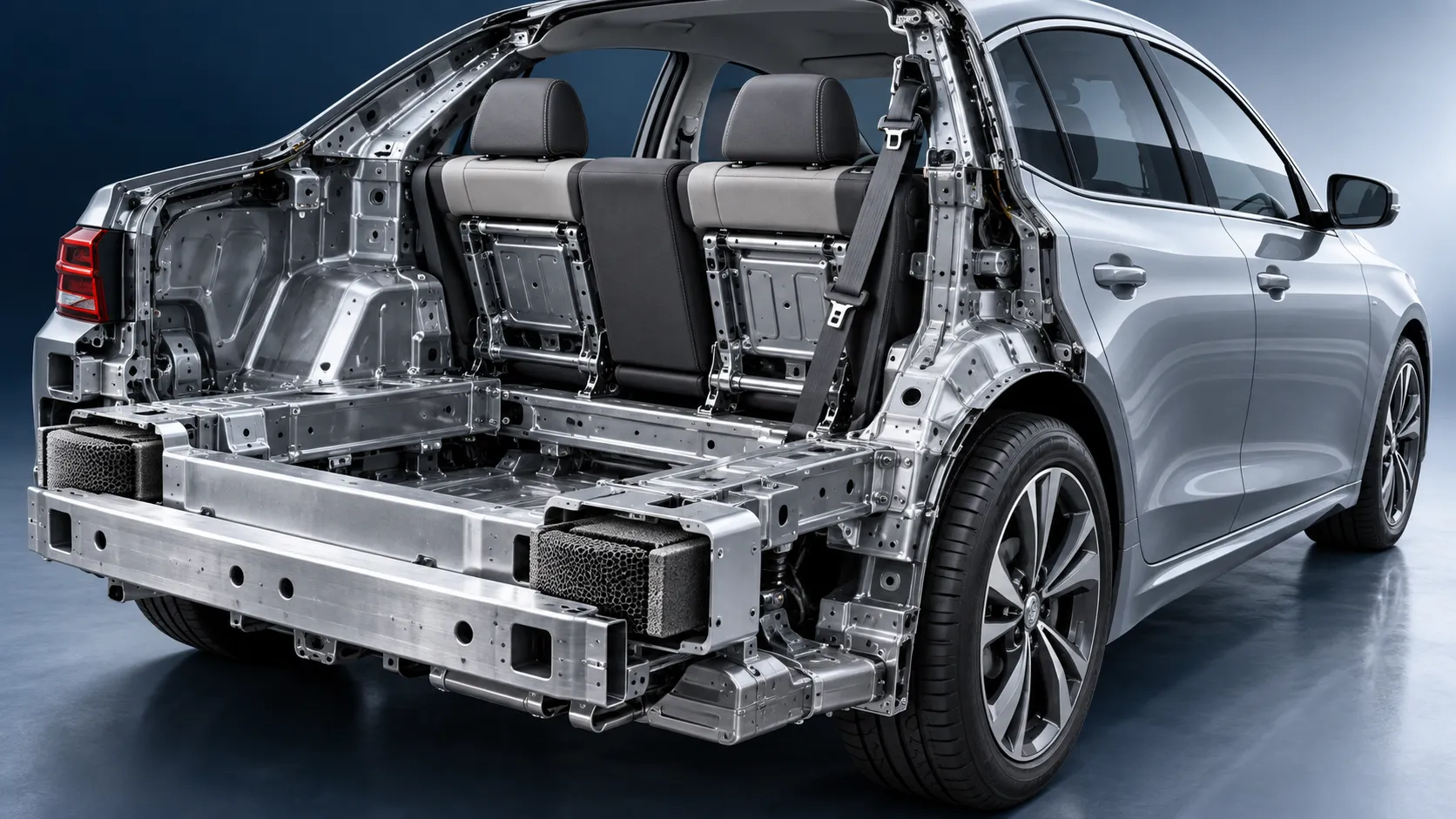
How Rear-Impact Safety Components Work Together to Protect Vehicle Occupants
Explore how automotive safety components for rear impact work together—from crash structures and seats to head restraints and belts—to enhance occupant protection.
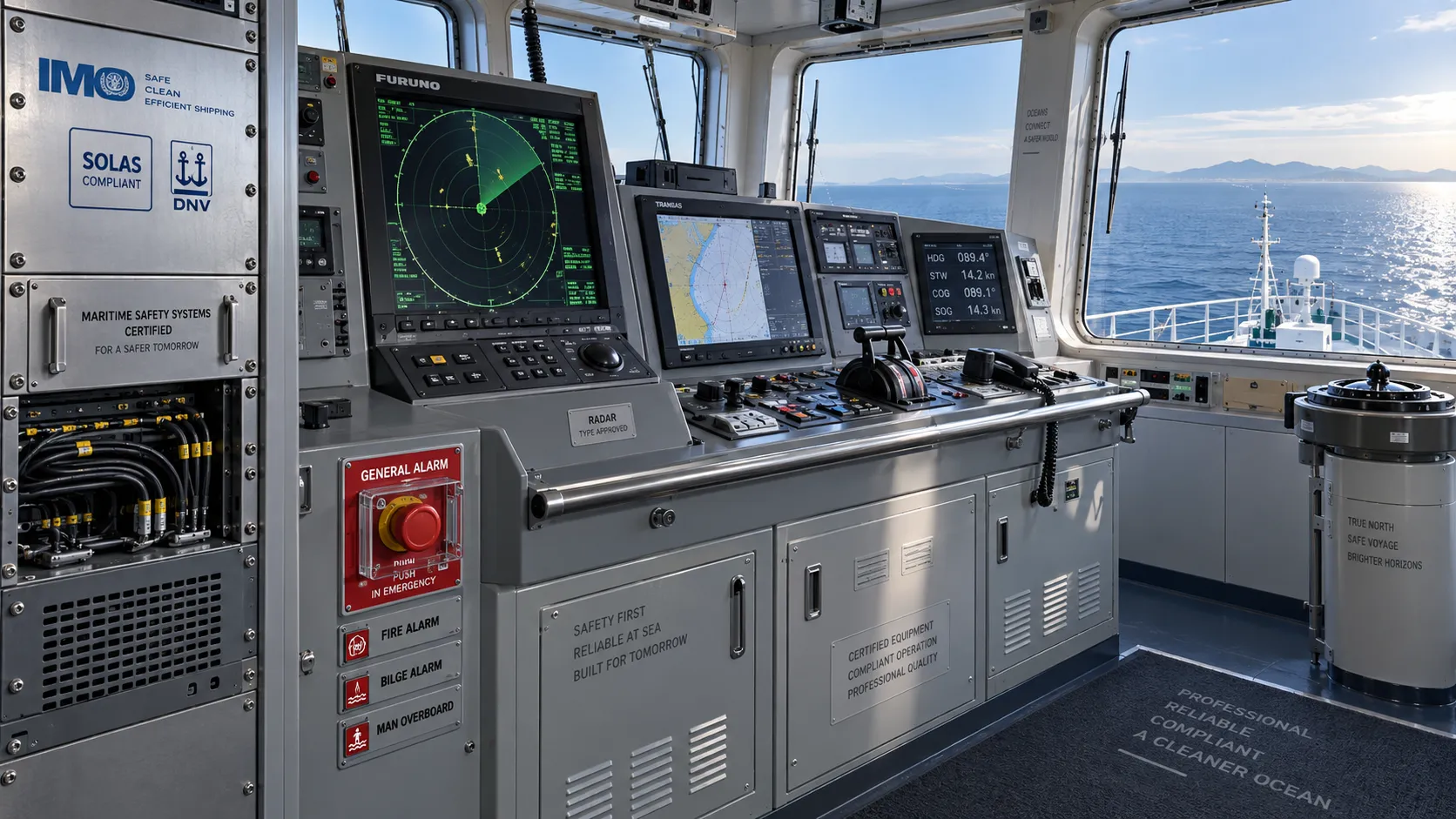
How to Evaluate a Marine Safety Systems Manufacturer for Vessel Compliance and Reliability
Marine safety systems manufacturer evaluation guide: verify compliance, engineering quality, lifecycle costs, and global service support for safer, reliable vessel operations.
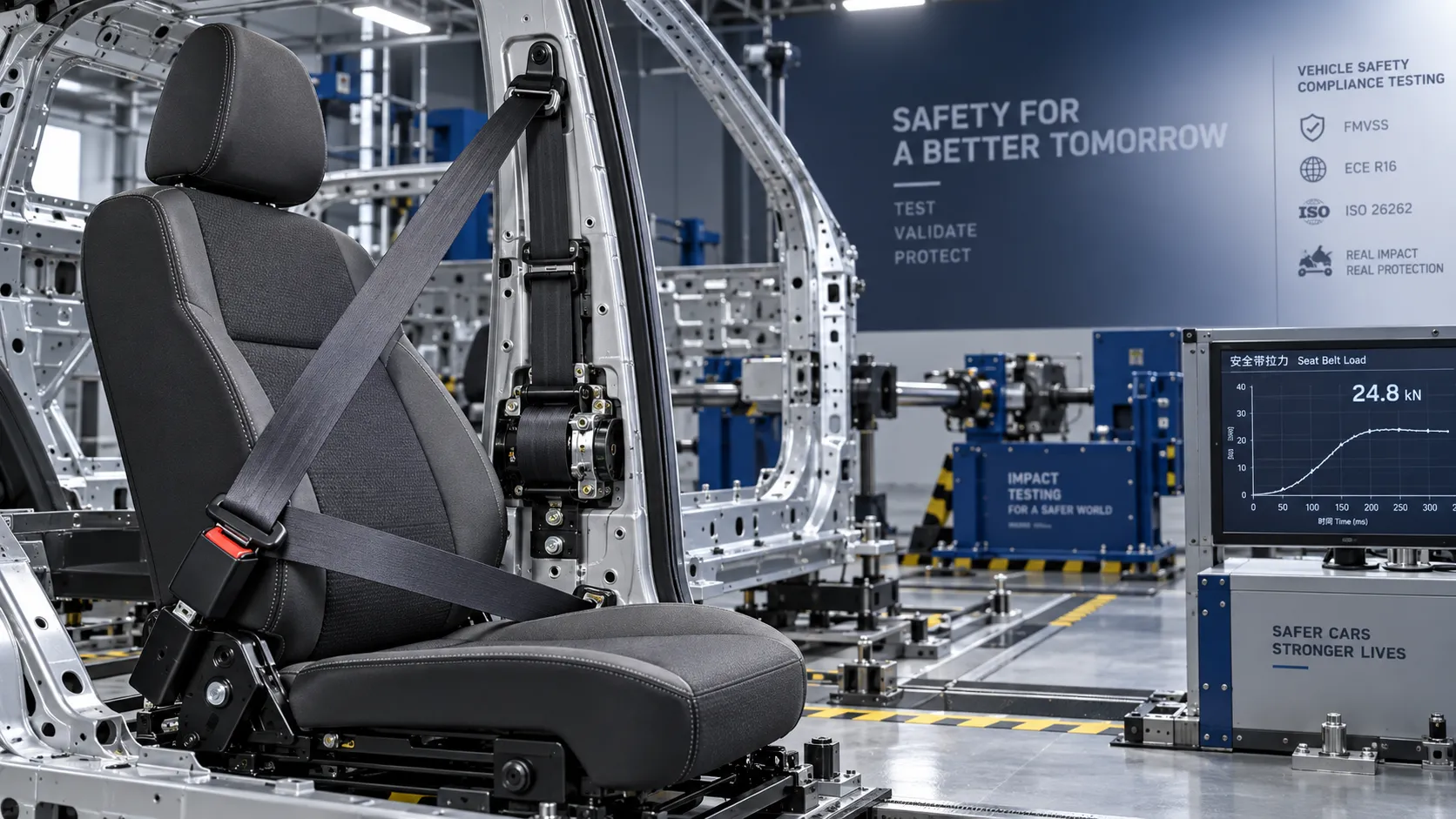
Crash Test Regulations for Seatbelts: Key Compliance Requirements Explained
Crash test regulations seatbelts explained: explore FMVSS, UN rules, anchorage strength, and dynamic restraint testing for safer, compliant vehicle systems.

How to Calculate the Total Cost of Automotive Lightweighting for a Vehicle Program
Automotive lightweight solutions cost: learn how to calculate program-level costs, including materials, tooling, joining, validation, risk, and vehicle-level value.
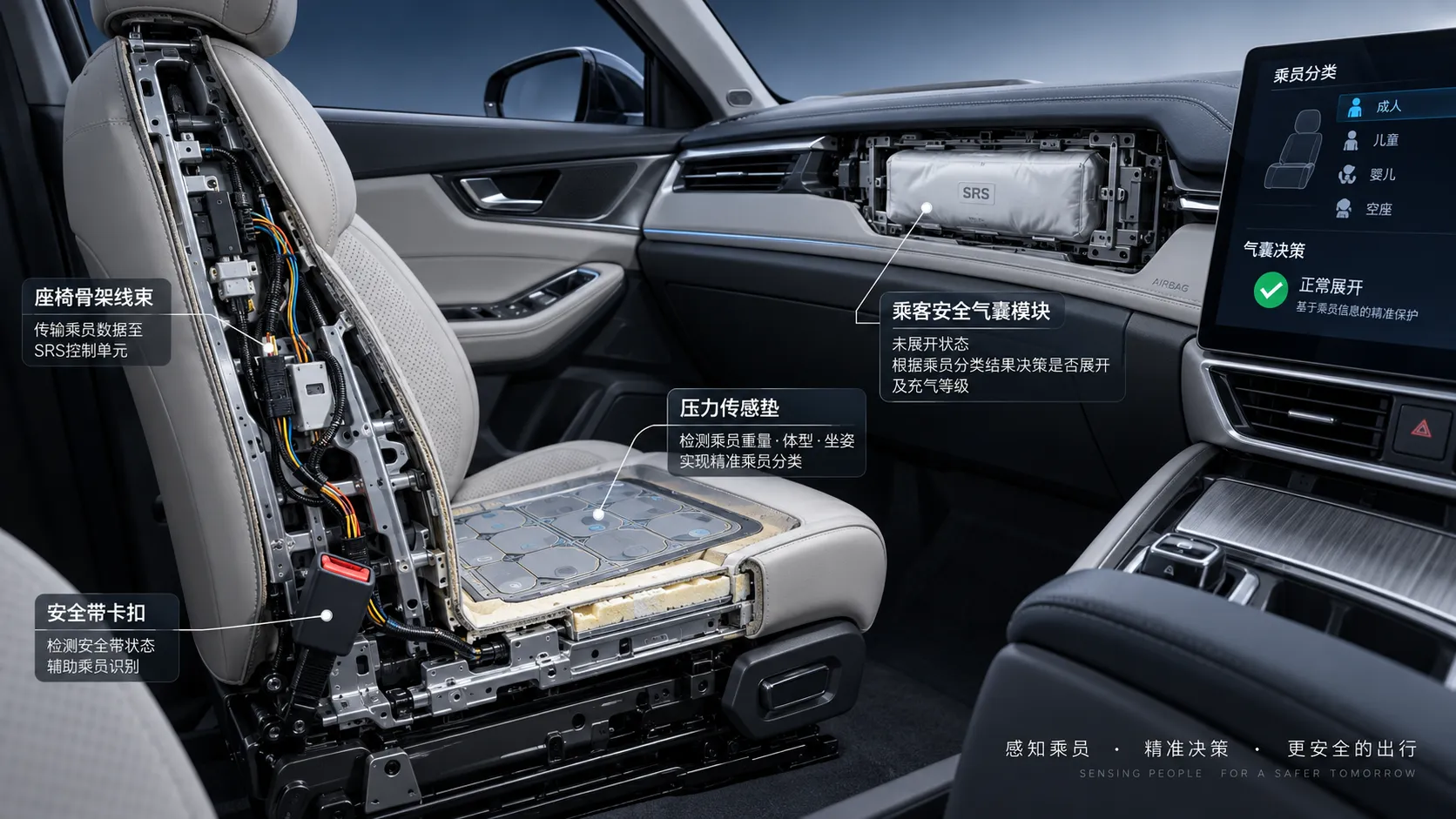
How Automotive Seat Occupancy Sensing Improves Airbag Deployment Decisions
Automotive seat occupancy sensing helps optimize airbag deployment decisions, improving passenger classification, safety diagnostics, and compliance across real-world conditions.

What Drives Lightweight Body Component Costs in High-Volume Vehicle Programs?
Lightweight body components cost depends on material yield, forming, joining, tooling, validation, and logistics. Explore proven ways to optimize total vehicle program cost.
Related News
- 00
0000-00
How to Evaluate Navigation Radar Manufacturers for Commercial Vessel Projects - 00
0000-00
How to Evaluate Cargo Marine Sonar Systems for Detection Range and Vessel Fit - 00
0000-00
How to Evaluate Marine Signal Processing Software for Radar and Sonar Integration - 00
0000-00
How Do Automatic Identification Systems Improve Vessel Tracking and Collision Avoidance? - 00
0000-00
How to Choose Marine Navigation Systems for Patrol Boats in Coastal and Offshore Missions
Weekly Insights
Stay ahead with our curated technology reports delivered every Monday.