Navigation Radar Selection Guide: Range, Target Tracking, and Clutter Control Compared
Navigation Radar Selection Guide: Range, Target Tracking, and Clutter Control Compared
Choosing the right navigation radar is not just about maximum range.
It is about stable target tracking, clutter control, and practical value at sea.
For buyers, the real question is simple.
Which navigation radar delivers reliable performance without overspending on features that crews rarely use?
That decision matters more now.
Port traffic is denser, compliance pressure is higher, and bridge teams expect cleaner data with less manual adjustment.
A strong navigation radar can improve situational awareness, reduce operator fatigue, and protect lifecycle cost.
A poor fit can do the opposite.
Why Range Alone Is a Weak Buying Standard
Maximum range is often the first spec discussed in a navigation radar comparison.
It is also one of the easiest specs to misunderstand.
Long advertised range does not guarantee useful target detection in rough weather, coastal clutter, or heavy traffic lanes.
In actual operations, short and medium range performance often matters more.
That is where collision avoidance and navigation decisions happen fastest.
A navigation radar should detect small craft, buoys, shorelines, and moving targets clearly within the vessel’s most active operating envelope.
From a procurement view, range should be evaluated in context.
Ask whether the vessel runs deep sea routes, approaches crowded harbors daily, or supports offshore work near fixed structures.
Those conditions change the ideal navigation radar profile.
What to verify beyond headline range
- Minimum detection range for close-in maneuvering
- Small target visibility in rain and sea clutter
- Performance stability during pitch and roll
- Refresh rate during high-speed navigation
- Antenna and processor suitability for the intended vessel class
This is why two navigation radar systems with similar range claims can produce very different bridge outcomes.
Target Tracking: Where Safety and Usability Meet
Target tracking is one of the clearest separators between basic and high-value navigation radar solutions.
A radar may display targets well, yet still track them poorly.
That gap becomes risky near fishing fleets, port approaches, and crossing traffic.
Good navigation radar tracking should maintain target identity, heading, speed trend, and alarm reliability.
It should also reduce the need for constant manual reacquisition.
In practice, this improves both safety and crew efficiency.
More importantly, it lowers the hidden cost of operator overload.
Key tracking questions during vendor evaluation
- How many targets can the navigation radar track simultaneously?
- Does tracking remain stable in dense traffic?
- How quickly does the system reacquire temporarily lost targets?
- How are false alarms handled during weather disturbance?
- Can the radar integrate smoothly with AIS and ECDIS workflows?
Recent buying behavior shows a stronger focus on track quality, not just track quantity.
That shift makes sense.
A crowded screen with unstable vectors is less useful than a clear screen with dependable movement intelligence.
Clutter Control: The Real Test in Daily Operation
Clutter control is where navigation radar performance becomes immediately visible to users.
Rain, waves, shoreline reflections, and port interference can quickly overwhelm a display.
If suppression tools are too aggressive, real targets disappear.
If suppression is too weak, crews waste time filtering noise.
The best navigation radar balances automatic control with useful manual override.
This matters especially for mixed fleets, where operator experience levels differ.
When comparing systems, look closely at how each navigation radar handles these common clutter sources:
- Sea clutter during strong surface returns
- Rain clutter in squalls and seasonal storms
- Harbor reflections from cranes and structures
- Interference from nearby radar equipment
- Land masking near coastlines and narrow channels
A useful buying signal is adjustment speed.
If the navigation radar needs frequent fine tuning, long-term usability may suffer.
That also affects training burden and operational consistency.
Comparing Navigation Radar Options by Use Case
Not every vessel needs the same navigation radar configuration.
Buying decisions improve when the use case is defined first.
This use-case approach prevents overbuying and underbuying at the same time.
It also helps compare vendors on relevant value, not just headline specifications.
Cost, Compliance, and Lifecycle Value
A navigation radar purchase should never be judged by unit price alone.
The better metric is total operating value over time.
That includes maintenance intervals, software support, spare parts access, training requirements, and upgrade flexibility.
In the current market, digital compatibility is becoming a stronger selection factor.
A navigation radar that fits existing bridge architecture can reduce installation cost and future disruption.
Compliance also deserves early attention.
Buyers should confirm certification suitability for the vessel category, flag requirements, and regional operating profile.
A lower-cost navigation radar can become expensive if approval gaps delay deployment.
Practical cost checkpoints
- Initial hardware and installation scope
- Annual service and calibration cost
- Software update policy and support response
- Crew training time and interface complexity
- Expected operational life before major upgrade
In many bids, lifecycle clarity becomes the tie-breaker.
A Smarter Evaluation Framework for Buyers
A solid navigation radar shortlist should be built on operating evidence, not brochure language.
The most effective approach is to score each option across four weighted areas.
- Detection performance in real weather and traffic conditions
- Target tracking quality and operator confidence
- Clutter control efficiency and ease of adjustment
- Ownership cost, support strength, and compliance fit
This framework keeps the navigation radar decision practical and defensible.
It also helps internal teams align technical expectations with budget discipline.
When possible, request a live demonstration or a sea-trial reference from a similar vessel type.
That single step often reveals more than pages of specifications.
The best navigation radar is rarely the one with the biggest number on the datasheet.
It is the one that keeps targets clear, controls clutter well, supports compliance, and performs reliably across the vessel’s real mission profile.
For teams managing procurement cost and operational risk together, that is the comparison that truly matters.
Use that lens, and the final navigation radar choice becomes clearer, faster, and far more defensible.
Related News
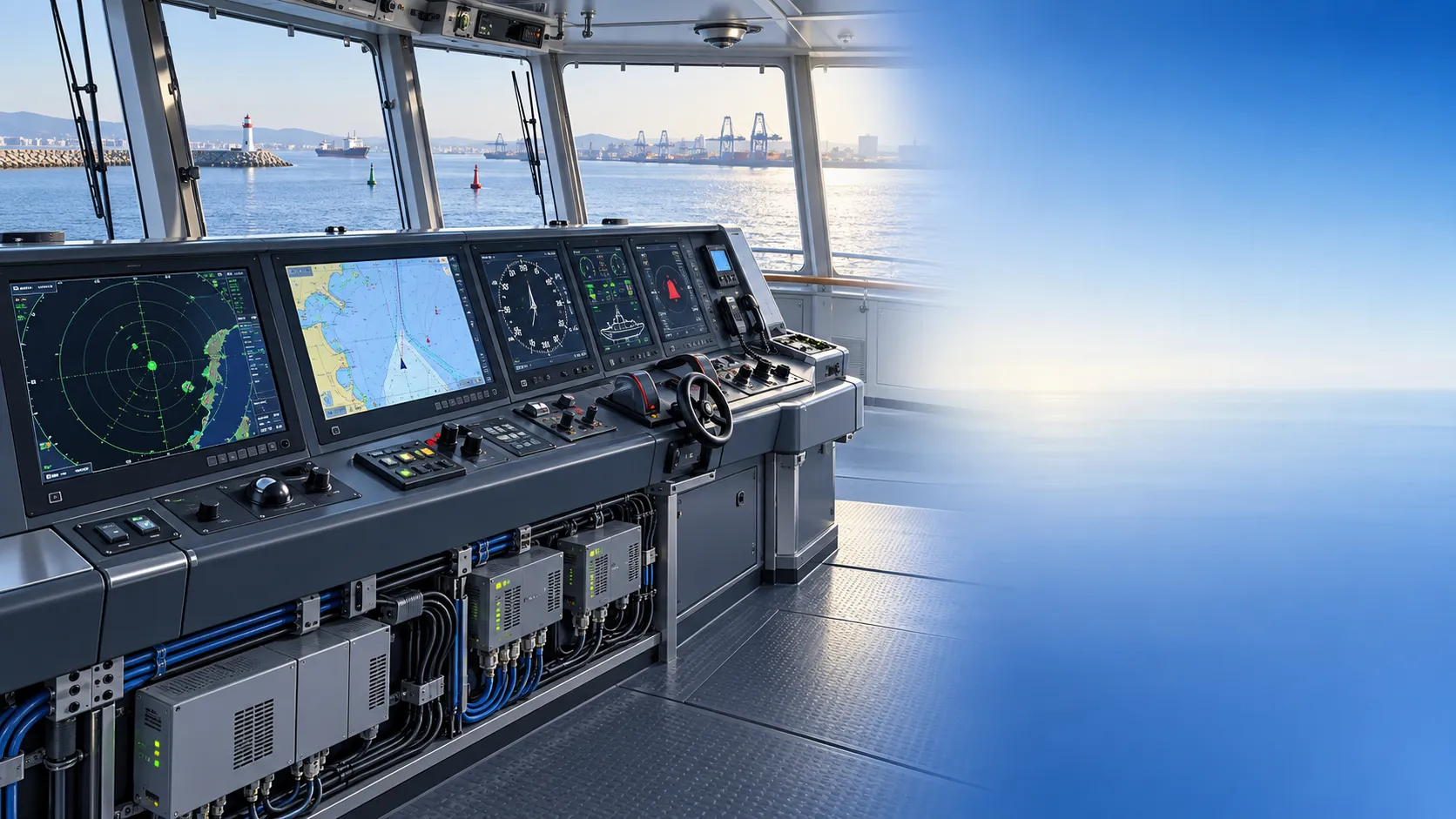
How to Specify Integrated Marine Electronics for Reliable Bridge Operations
Integrated marine electronics: learn how to specify reliable bridge systems with clear data flows, redundancy, alarm control, lifecycle interfaces, and operational testing.
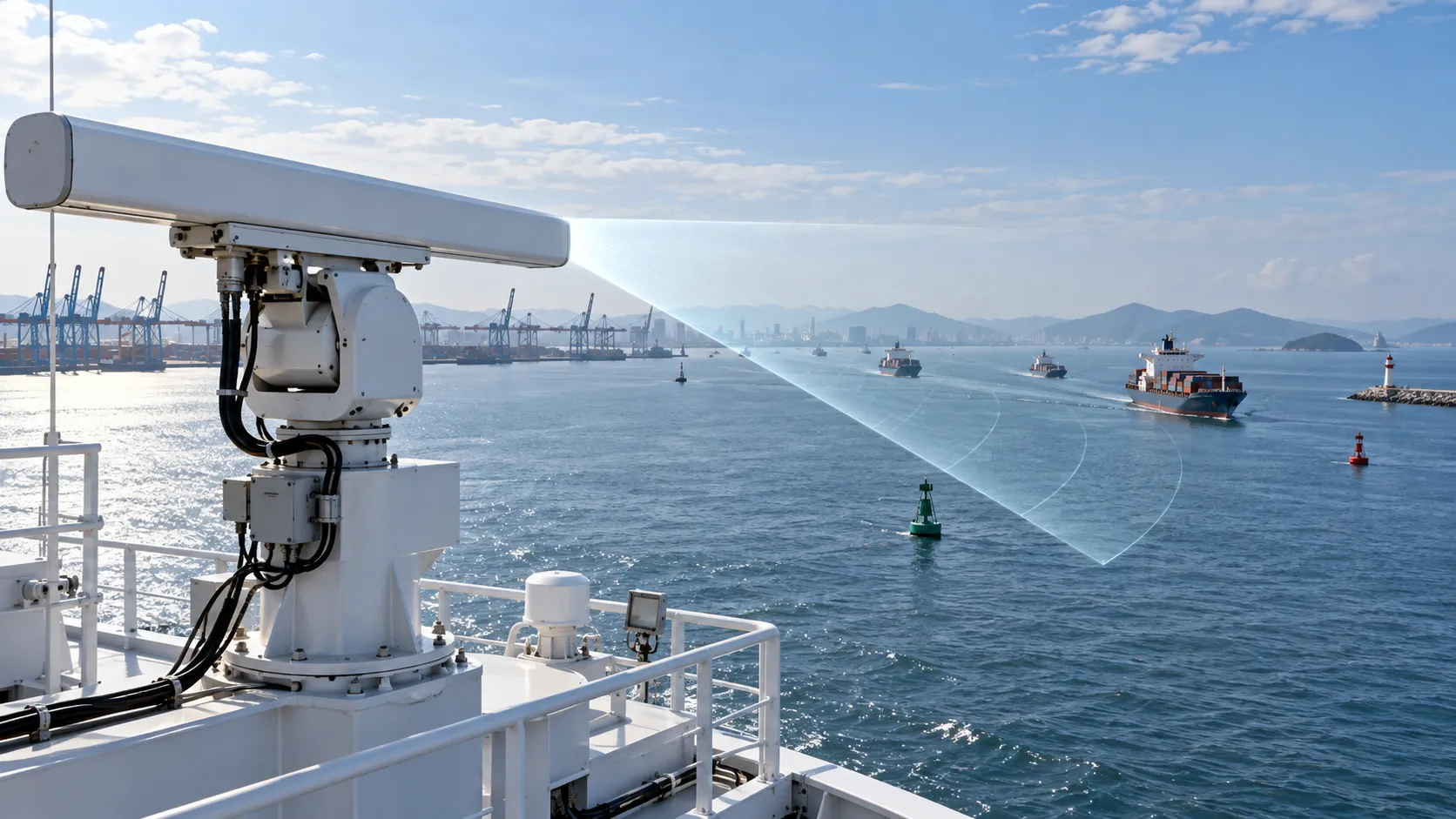
How to Evaluate Navigation Radar Manufacturers for Commercial Vessel Projects
Navigation radar manufacturers: learn how to compare performance, compliance, integration, support, and lifecycle cost for commercial vessel projects.

How Adjustable Cabin Ergonomics Reduce Operator Fatigue in Long-Shift Vehicles
Adjustable cabin ergonomics reduces operator fatigue through better seating, reach, visibility, vibration control, and climate comfort for safer long-shift vehicles.
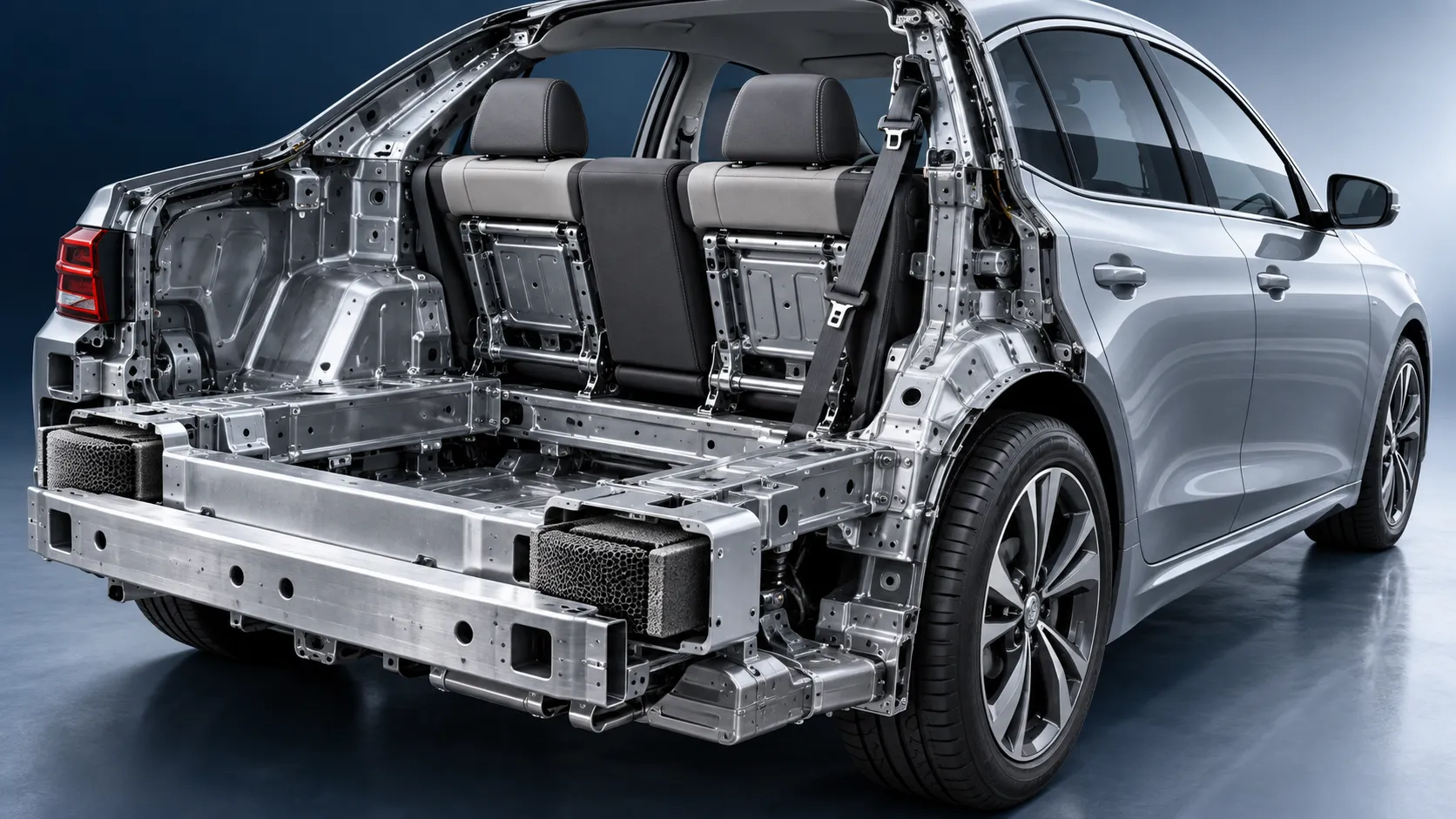
How Rear-Impact Safety Components Work Together to Protect Vehicle Occupants
Explore how automotive safety components for rear impact work together—from crash structures and seats to head restraints and belts—to enhance occupant protection.
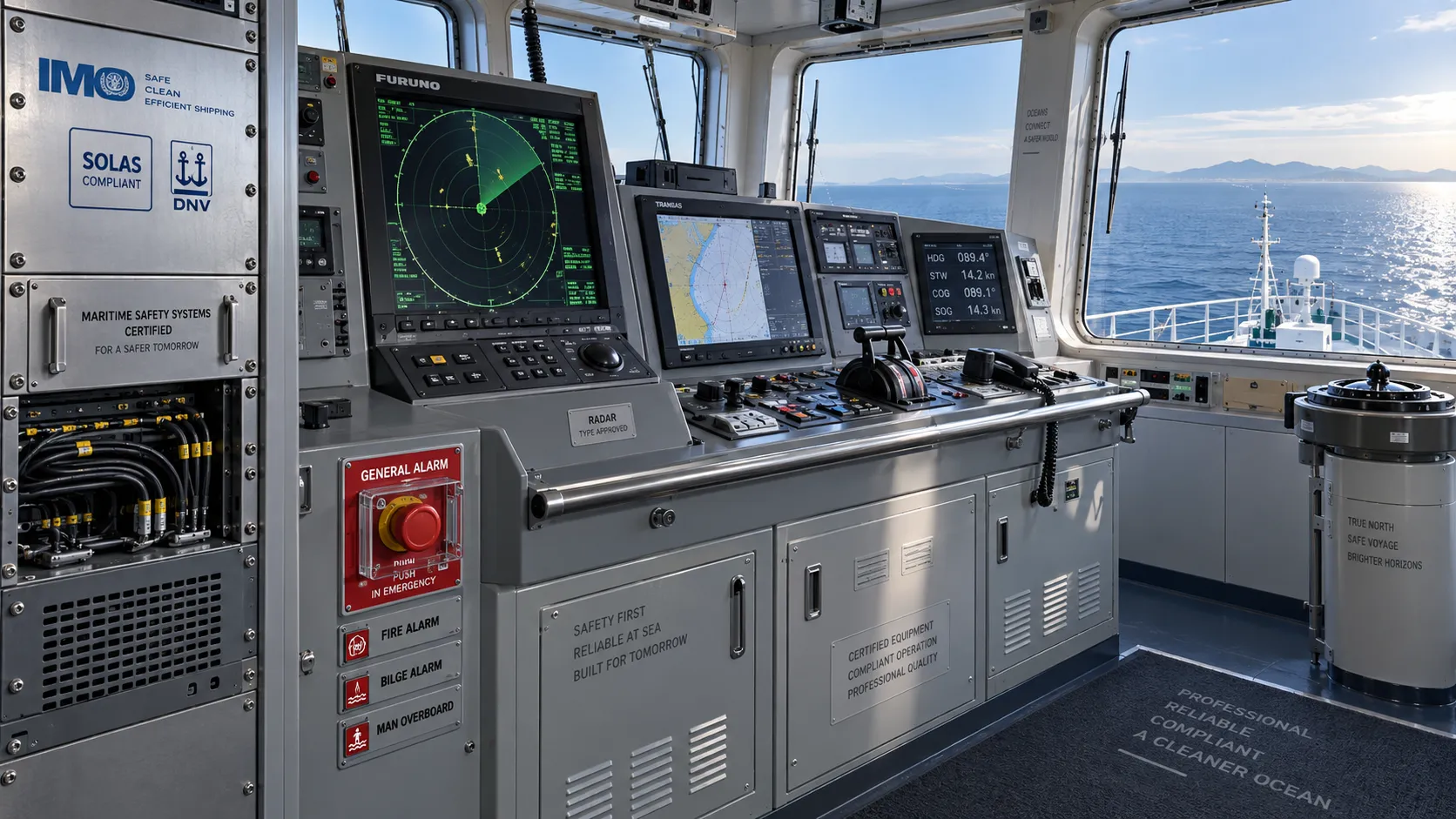
How to Evaluate a Marine Safety Systems Manufacturer for Vessel Compliance and Reliability
Marine safety systems manufacturer evaluation guide: verify compliance, engineering quality, lifecycle costs, and global service support for safer, reliable vessel operations.
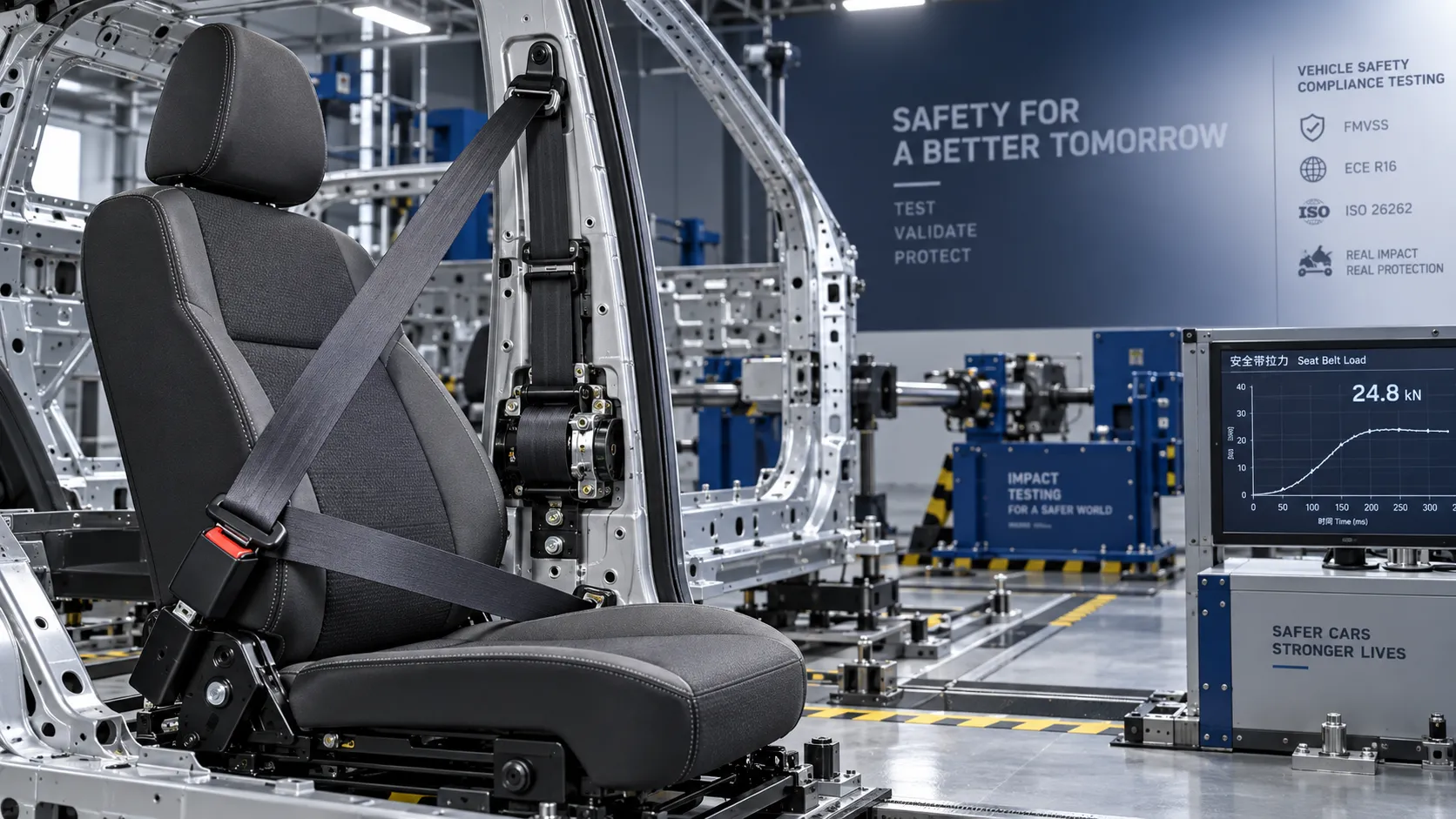
Crash Test Regulations for Seatbelts: Key Compliance Requirements Explained
Crash test regulations seatbelts explained: explore FMVSS, UN rules, anchorage strength, and dynamic restraint testing for safer, compliant vehicle systems.

How to Calculate the Total Cost of Automotive Lightweighting for a Vehicle Program
Automotive lightweight solutions cost: learn how to calculate program-level costs, including materials, tooling, joining, validation, risk, and vehicle-level value.

How Automotive Seat Occupancy Sensing Improves Airbag Deployment Decisions
Automotive seat occupancy sensing helps optimize airbag deployment decisions, improving passenger classification, safety diagnostics, and compliance across real-world conditions.

What Drives Lightweight Body Component Costs in High-Volume Vehicle Programs?
Lightweight body components cost depends on material yield, forming, joining, tooling, validation, and logistics. Explore proven ways to optimize total vehicle program cost.
Related News
- 00
0000-00
How to Evaluate Navigation Radar Manufacturers for Commercial Vessel Projects - 00
0000-00
How to Evaluate Cargo Marine Sonar Systems for Detection Range and Vessel Fit - 00
0000-00
How to Evaluate Marine Signal Processing Software for Radar and Sonar Integration - 00
0000-00
How Do Automatic Identification Systems Improve Vessel Tracking and Collision Avoidance? - 00
0000-00
How to Choose Marine Navigation Systems for Patrol Boats in Coastal and Offshore Missions
Weekly Insights
Stay ahead with our curated technology reports delivered every Monday.