High-Precision Marine Navigation for Commercial Vessels: What Systems Matter Most?
For commercial shipping, high-precision marine navigation has moved from a specialist upgrade to an operational baseline. A vessel may carry fuel, containers, vehicles, or bulk cargo, but its performance still depends on one question: how accurately can it sense position, traffic, depth, and route risk in real time?
That shift matters because navigation now sits at the intersection of safety, compliance, efficiency, and digital fleet control. In crowded ports, narrow channels, offshore wind zones, and variable weather, the right mix of GNSS, ECDIS, radar, AIS, gyro, and sonar determines whether bridge decisions stay ahead of the environment.
From the broader GNCS perspective, this is part of a larger mobility intelligence story. Precision perception at sea has much in common with other safety-critical systems: signal integrity, system redundancy, human-machine trust, and regulatory alignment all shape the final outcome.
What high-precision marine navigation really means
High-precision marine navigation is not one device on the bridge. It is a coordinated navigation environment that combines positioning, charting, target detection, route planning, motion reference, and situational awareness.
In practical terms, precision means more than knowing latitude and longitude. It means reliable course control near hazards, stable positioning during port approach, clear awareness of surrounding traffic, and fast recognition of changing seabed or weather conditions.
A high-precision setup also reduces uncertainty. When data from different sensors agree, the bridge team can act earlier and with more confidence. When signals conflict, a well-designed system helps identify the problem before it becomes a navigational incident.
Why the topic has become more urgent
Commercial vessels now operate in busier, more regulated, and more digitized waters. Traffic density has increased around major trade corridors, while environmental rules push operators to optimize speed, route, and fuel burn with greater precision.
At the same time, bridge technology is expected to support compliance, not just seamanship. Electronic records, approved chart updates, equipment availability, and cybersecurity discipline now affect inspections, insurance confidence, and operational continuity.
This is where GNCS-style intelligence becomes relevant. Tracking navigation technology is no longer separate from understanding standards, update protocols, software reliability, and procurement quality. The market increasingly rewards systems that are technically accurate and commercially dependable.
The systems that matter most on commercial vessels
GNSS and augmentation services
GNSS remains the position backbone for high-precision marine navigation. Multi-constellation reception improves resilience, while augmentation services help tighten accuracy for pilotage, offshore support, dredging, and restricted-water operations.
The real issue is not only nominal accuracy. Signal availability, jamming resistance, spoofing awareness, antenna placement, and integration quality often decide whether GNSS remains trustworthy when conditions deteriorate.
ECDIS as the operational decision layer
ECDIS turns sensor inputs into navigable context. It combines chart data, route plans, safety contours, alarms, and vessel motion information so that bridge teams can judge risk spatially instead of relying on isolated screens.
Its value depends heavily on disciplined chart updating and correct configuration. A sophisticated display offers little protection if overlays are outdated, alarm logic is poorly tuned, or crews treat ECDIS as a passive map rather than an active navigation platform.
Radar and ARPA for independent target awareness
Radar remains indispensable because it provides independent environmental perception. In rain, darkness, glare, or dense traffic, radar confirms what satellite positioning and chart systems cannot show on their own.
ARPA functions add target tracking, closest point of approach estimates, and collision assessment. For high-precision marine navigation, radar is not a legacy backup. It is one of the main tools for validating the whole picture.
AIS for traffic transparency
AIS strengthens traffic awareness by sharing identity, course, speed, and voyage-related data. It is especially useful in congested sea lanes, port entry zones, and areas where coordination with tugs, pilots, or service craft is routine.
Still, AIS should never be treated as a single source of truth. It improves transparency, but it depends on transmitted data quality, update discipline, and correct interpretation alongside radar and visual watchkeeping.
Sonar, echo sounding, and under-keel awareness
Depth-related systems are often underestimated until routes become shallow, dynamic, or sediment-sensitive. Echo sounders and sonar-linked awareness are critical where dredged channels, river mouths, offshore service corridors, or tidal windows affect safety margins.
For certain operations, high-precision marine navigation depends as much on vertical awareness as horizontal accuracy. A vessel can be correctly positioned on the chart and still face unacceptable under-keel risk.
Gyrocompass, autopilot, and motion sensors
Heading reference and motion data are easy to overlook because they work quietly in the background. Yet without stable gyro, rate-of-turn, and motion inputs, overlays drift, track control degrades, and route execution becomes less reliable.
These systems are central when integrating bridge automation, track keeping, dynamic positioning support, or fuel-optimized passage control. Precision is always a chain, not a single sensor.
Integration matters more than device count
A bridge can carry premium hardware and still fall short if systems do not communicate cleanly. The strongest high-precision marine navigation environments are built around sensor fusion, alarm clarity, data consistency, and meaningful fallback logic.
This is where many buying decisions become expensive. Operators sometimes compare specifications line by line, while missing update workflows, interface compatibility, latency, calibration routines, or cyber protection for connected equipment.
GNCS highlights this wider intelligence layer well. Navigation value now extends beyond the bridge console to cloud-based ECDIS updates, software lifecycle management, compliance traceability, and supplier credibility across international operations.
Where system priorities change by operating scenario
System importance is not identical for every vessel profile. Route type, cargo risk, sea area, and maneuvering constraints all change what deserves the highest attention.
This is why a generic equipment list is rarely enough. High-precision marine navigation should be matched to operational geometry, not just to vessel size or budget category.
How to judge system value in practice
A useful evaluation starts with performance under stress rather than performance in brochures. Reliability during poor weather, congested approaches, signal interference, and mixed-traffic conditions tells more than ideal laboratory accuracy.
- Check whether positioning remains stable when primary signals degrade.
- Review how ECDIS updates, alerts, and audit trails are managed.
- Compare radar and AIS correlation, not just standalone features.
- Assess interface logic between bridge systems and shore-side support tools.
- Look at maintenance cycles, calibration needs, and spare-part accessibility.
- Include cybersecurity and software support in the total risk picture.
Another useful lens is human usability. Navigation systems succeed when they reduce ambiguity, support timely decisions, and avoid flooding operators with weak alarms or fragmented displays.
The wider business value behind navigation accuracy
Better navigation precision does more than prevent incidents. It supports predictable arrival windows, cleaner route execution, lower fuel waste, reduced deviation risk, and stronger evidence during audits or incident reviews.
That business logic aligns with the GNCS view of equipment intelligence. Whether dealing with marine navigation systems or other mobility safety components, the core question remains similar: can complex technical systems produce dependable, explainable protection in real operating conditions?
In that sense, high-precision marine navigation is both a bridge technology issue and a management issue. It connects hardware, software, compliance, training, and procurement into one operational standard.
A practical next step for evaluation
The most useful next move is to map navigation needs by route complexity, maneuvering profile, and compliance exposure. After that, compare system stacks based on integration quality, redundancy logic, update governance, and supplier support depth.
For anyone tracking the market, the strongest signal is not which device is newest. It is which navigation architecture keeps commercial vessels accurate, interpretable, and resilient when conditions become less forgiving.
That is where high-precision marine navigation proves its value most clearly, and where future decisions should begin.
Related News
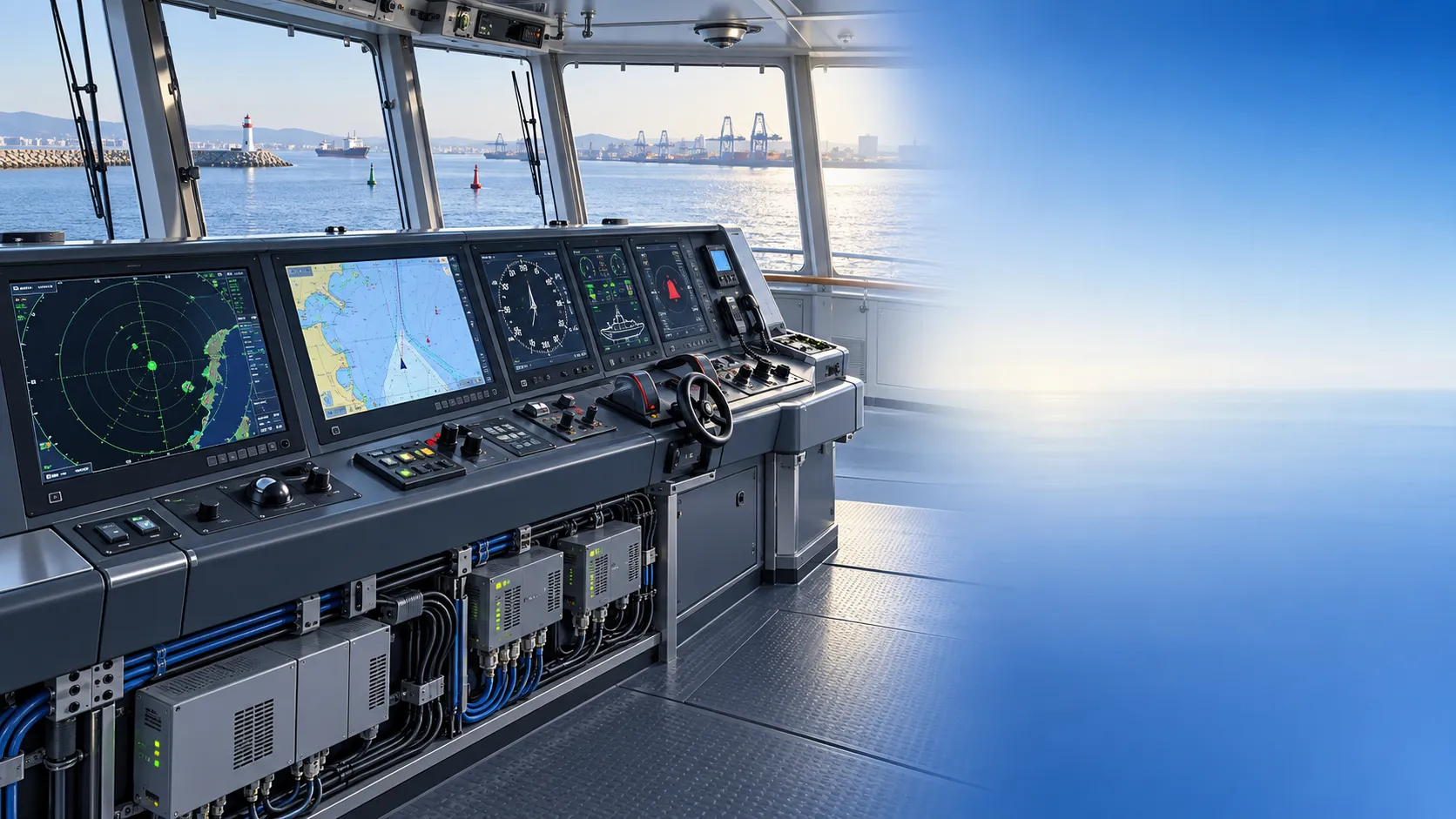
How to Specify Integrated Marine Electronics for Reliable Bridge Operations
Integrated marine electronics: learn how to specify reliable bridge systems with clear data flows, redundancy, alarm control, lifecycle interfaces, and operational testing.
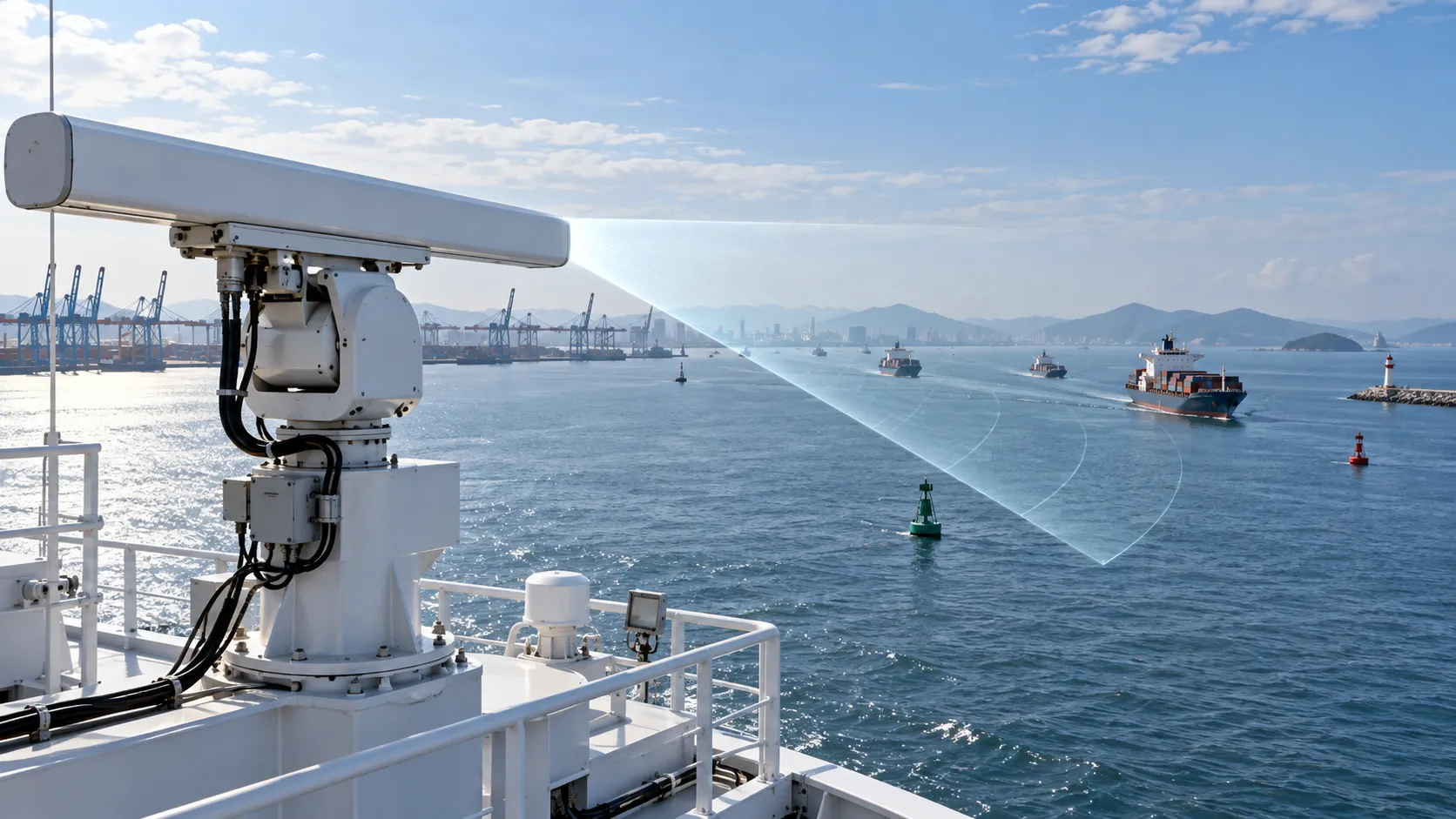
How to Evaluate Navigation Radar Manufacturers for Commercial Vessel Projects
Navigation radar manufacturers: learn how to compare performance, compliance, integration, support, and lifecycle cost for commercial vessel projects.

How Adjustable Cabin Ergonomics Reduce Operator Fatigue in Long-Shift Vehicles
Adjustable cabin ergonomics reduces operator fatigue through better seating, reach, visibility, vibration control, and climate comfort for safer long-shift vehicles.

How Rear-Impact Safety Components Work Together to Protect Vehicle Occupants
Explore how automotive safety components for rear impact work together—from crash structures and seats to head restraints and belts—to enhance occupant protection.
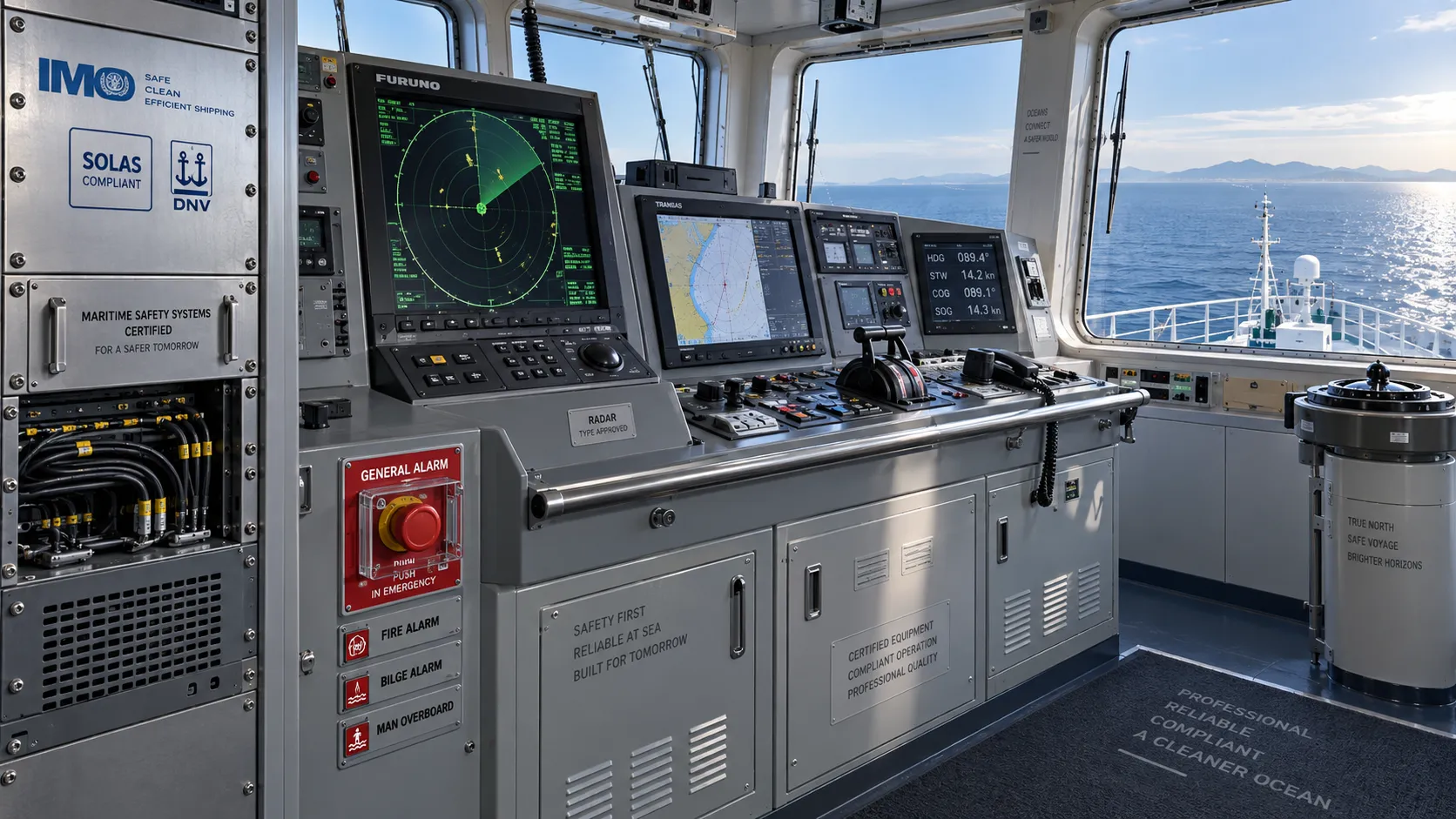
How to Evaluate a Marine Safety Systems Manufacturer for Vessel Compliance and Reliability
Marine safety systems manufacturer evaluation guide: verify compliance, engineering quality, lifecycle costs, and global service support for safer, reliable vessel operations.

Crash Test Regulations for Seatbelts: Key Compliance Requirements Explained
Crash test regulations seatbelts explained: explore FMVSS, UN rules, anchorage strength, and dynamic restraint testing for safer, compliant vehicle systems.

How to Calculate the Total Cost of Automotive Lightweighting for a Vehicle Program
Automotive lightweight solutions cost: learn how to calculate program-level costs, including materials, tooling, joining, validation, risk, and vehicle-level value.

How Automotive Seat Occupancy Sensing Improves Airbag Deployment Decisions
Automotive seat occupancy sensing helps optimize airbag deployment decisions, improving passenger classification, safety diagnostics, and compliance across real-world conditions.

What Drives Lightweight Body Component Costs in High-Volume Vehicle Programs?
Lightweight body components cost depends on material yield, forming, joining, tooling, validation, and logistics. Explore proven ways to optimize total vehicle program cost.
Related News
- 00
0000-00
How to Evaluate Navigation Radar Manufacturers for Commercial Vessel Projects - 00
0000-00
How to Evaluate Cargo Marine Sonar Systems for Detection Range and Vessel Fit - 00
0000-00
How to Evaluate Marine Signal Processing Software for Radar and Sonar Integration - 00
0000-00
How Do Automatic Identification Systems Improve Vessel Tracking and Collision Avoidance? - 00
0000-00
How to Choose Marine Navigation Systems for Patrol Boats in Coastal and Offshore Missions
Weekly Insights
Stay ahead with our curated technology reports delivered every Monday.