Maritime Safety Technology for Passenger Vessels: How to Match Systems to Risk
Why Maritime Safety Technology for Passenger Vessels Must Be Matched, Not Accumulated
Choosing maritime safety technology for passenger vessels starts with operational reality, not catalog depth. More hardware does not automatically create safer routes, calmer cabins, or faster emergency response.
The better approach is to match each layer of protection to route profile, passenger density, weather exposure, maneuvering complexity, and onboard evacuation constraints.
In practice, maritime safety technology for passenger vessels sits between two demanding disciplines. One is precision spatial perception. The other is physical containment protection inside the vessel.
That cross-disciplinary view matters. GNCS has long framed safety around navigation intelligence, cabin protection logic, and compliance-driven engineering rather than isolated equipment selection.
For passenger operations, that means radar, ECDIS, AIS, sonar, alerts, seating restraint logic, and emergency communication should be assessed as one safety architecture.
Actual Risk Changes with Route, Speed, and Passenger Behavior
Different service patterns create different failure chains. A short harbor shuttle faces congestion, constant docking, and human traffic flow issues. A coastal cruise faces weather shifts and longer recovery windows.
A high-speed passenger craft introduces another problem set. Rapid deceleration, slamming loads, and passenger instability make cabin safety as important as navigation accuracy.
This is why maritime safety technology for passenger vessels cannot be judged by one specification sheet. Detection range, signal processing stability, alarm usability, and restraint performance must fit operating context.
Standards also shift the priority list. Regulatory compliance may require certain baseline systems, yet real-world resilience depends on integration quality, update discipline, and crew response under stress.
Where the judgment usually begins
- How crowded and dynamic the navigation environment is
- How much time exists between hazard detection and required action
- Whether passenger movement is controlled, seated, or open-deck
- How severe impact, heel, vibration, and weather loads may become
- How maintainable the system remains over long service cycles
In Congested Urban Waters, Awareness and Alert Clarity Matter Most
Urban ferries usually operate in dense traffic corridors. The main risk is not always extreme weather. It is target saturation, short decision windows, and frequent interaction with terminals.
Here, maritime safety technology for passenger vessels should prioritize fused situational awareness. Radar, AIS, and electronic charts need clean presentation rather than excessive data layers.
Alarm strategy matters as much as sensor quality. If bridge alerts become noisy or repetitive, important warnings lose urgency during berthing, crossing traffic, or sudden route obstruction.
Inside the vessel, attention shifts to controlled movement. Handhold layout, seat anchorage, door monitoring, and public address intelligibility often prevent minor incidents from becoming mass disruptions.
Open Coastal Routes Need Reliability Under Change, Not Only Peak Performance
Coastal passenger vessels encounter visibility swings, swell variation, and changing traffic density over longer durations. A system that performs well in trials may still fail operationally if calibration drifts.
In this setting, maritime safety technology for passenger vessels should be judged by signal consistency, redundancy logic, software update governance, and degraded-mode usability.
This is where GNCS-style intelligence adds value. Tracking ECDIS update practices, component reliability trends, and evolving compliance expectations helps avoid selecting systems that age badly.
Cabin safety is also different offshore. Passengers remain exposed to fatigue, balance loss, and anxiety during longer runs. Seating geometry, restraint logic, and shock attenuation deserve more scrutiny.
High-Speed Craft Shift the Focus Toward Impact Management
High-speed service compresses reaction time. Even with advanced navigation, sudden course correction or hard deceleration can injure passengers before collision risk fully develops.
That is why maritime safety technology for passenger vessels in fast operations extends beyond the bridge. It includes seat structure, restraint behavior, energy absorption, and occupant posture control.
The logic resembles other mobility safety fields. GNCS regularly connects passive safety thinking with transport equipment engineering, and that mindset translates well to passenger craft interiors.
A seat that appears comfortable may perform poorly under slam loads. A restraint that looks robust may create evacuation delays if buckle access and crew procedures are not well aligned.
Typical differences by operating scenario
Passenger Areas Often Expose the Gaps That Bridge Systems Cannot Solve Alone
A common mistake is to treat maritime safety technology for passenger vessels as mostly navigational. That misses where injuries often occur: boarding transitions, sudden motion, poor seating support, and delayed instructions.
Passenger protection depends on physical containment as much as route awareness. Secure seat mountings, sensible restraint decisions, anti-slip movement paths, and visible emergency messaging all influence outcome quality.
This is especially relevant when vessel layouts borrow from comfort-focused design without enough regard for shock loads, evacuation lanes, or disabled passenger movement under stress.
The strongest solutions usually come from balancing precision perception outside the hull with controlled occupant response inside it. GNCS consistently reads those two domains together.
What Gets Misjudged Before Deployment
Some errors repeat across otherwise well-funded projects. They usually come from evaluating components separately instead of testing how they behave under daily operational friction.
- Selecting by headline parameters while ignoring local weather, interference, and route congestion
- Assuming similar passenger vessels have identical risk patterns
- Focusing on acquisition price without lifecycle maintenance, recalibration, and software support
- Adding cabin equipment without checking evacuation speed and access clearances
- Treating compliance as the endpoint instead of the minimum threshold
In actual use, small mismatches accumulate. A poorly tuned alert can create hesitation. An awkward seat layout can slow egress. An update gap can weaken route confidence.
A Practical Way to Match Systems to Risk
A useful evaluation path for maritime safety technology for passenger vessels begins with route mapping. Define traffic intensity, visibility pattern, docking frequency, sea state exposure, and emergency diversion options.
Then compare those conditions against both navigation and cabin layers. The question is not whether each subsystem is advanced. It is whether the full chain remains coherent under pressure.
- Build a scenario matrix for normal, degraded, and emergency operations
- Test alert priority and operator workload, not just sensor availability
- Review seating, restraints, and movement paths against impact and evacuation conditions
- Confirm update procedures for ECDIS, firmware, and monitoring software
- Set maintenance intervals around actual duty cycles, not ideal assumptions
The final decision should connect safety performance, implementation difficulty, and long-term reliability. That is usually more valuable than choosing the most feature-rich package on paper.
When maritime safety technology for passenger vessels is aligned this way, systems support each other. Risk becomes easier to read, easier to manage, and far less likely to migrate into the cabin.
The next step is straightforward: document the real operating scenarios, rank the failure points, compare integration requirements, and establish a vessel-specific safety architecture before procurement or retrofit moves forward.
Related News

How to Specify Micro-Climate Control Cabins for Harsh Outdoor Worksites?
Micro-climate control cabins for harsh outdoor worksites: learn how to specify thermal control, filtration, pressurization, and durability for safer uptime and smarter buying.
How to Evaluate a B2B Product Knowledge Platform for Faster Procurement Decisions
B2B product knowledge platform procurement starts with reducing decision risk. Learn how to compare specs, compliance, and supplier data to speed sourcing with confidence.
How to Evaluate an Occupant Restraint Systems Exporter for Quality, Compliance, and Supply Risk
Occupant restraint systems exporter evaluation guide: learn how to verify quality controls, compliance evidence, and supply risk before sourcing to avoid recalls, delays, and hidden costs.
Navigation Compliance Certification: Which Marine Systems Need It and How to Prepare?
Navigation compliance certification explained: discover which marine systems need approval, what documents matter, and how to prepare early to avoid delays, rework, and costly project risks.
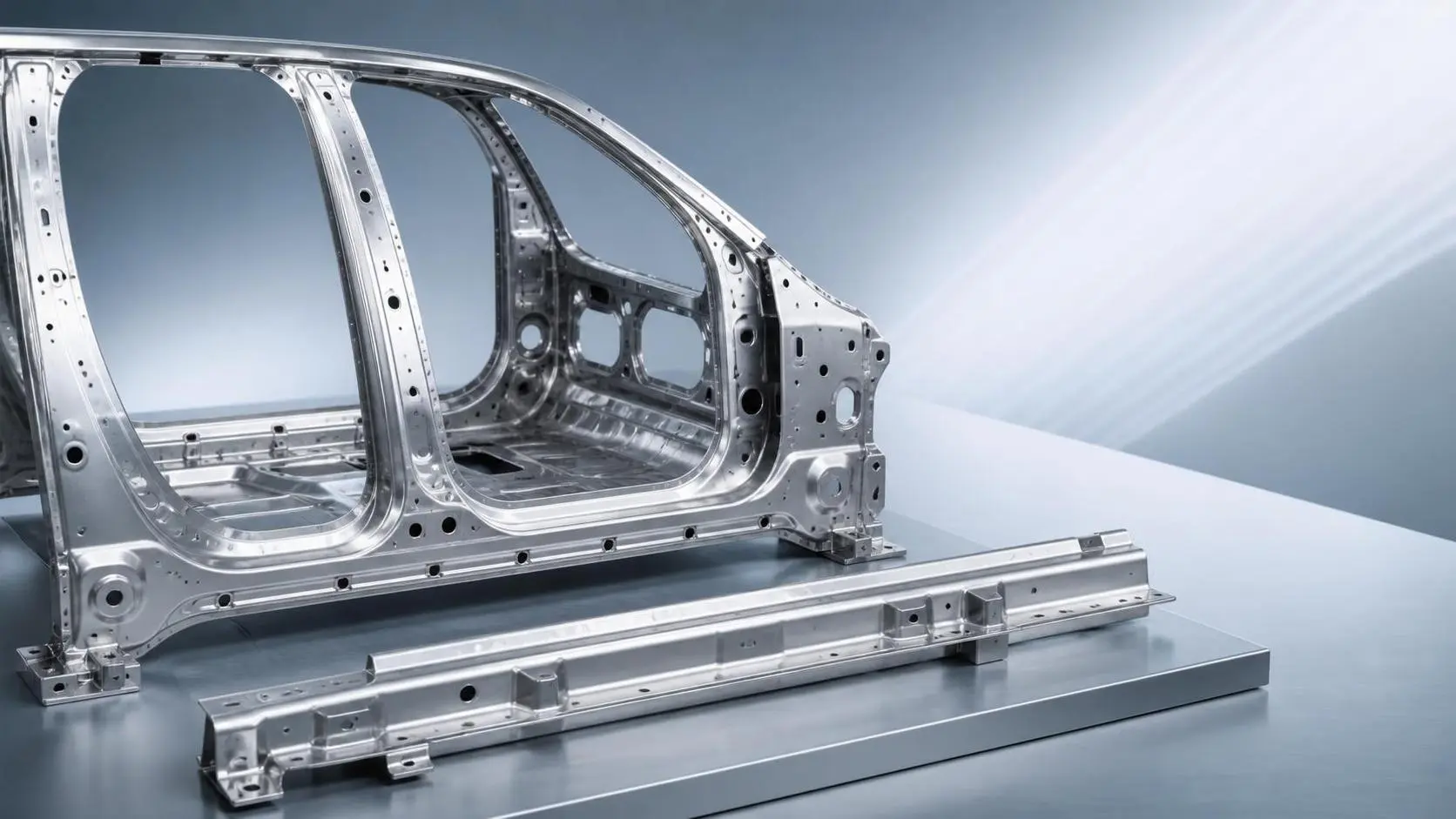
How to Evaluate Steel Auto Body Stampings for Strength, Fit, and Cost
Steel auto body stampings should be judged by strength, fit, and total cost together. Learn how to compare materials, forming limits, springback, joining, and tooling before choosing.

How to Evaluate Lightweight Automotive Components for EV Range and Crash Performance
Lightweight automotive components for EVs: learn how to evaluate real range gains, crash performance, joining risk, and manufacturability to choose safer, smarter EV parts.
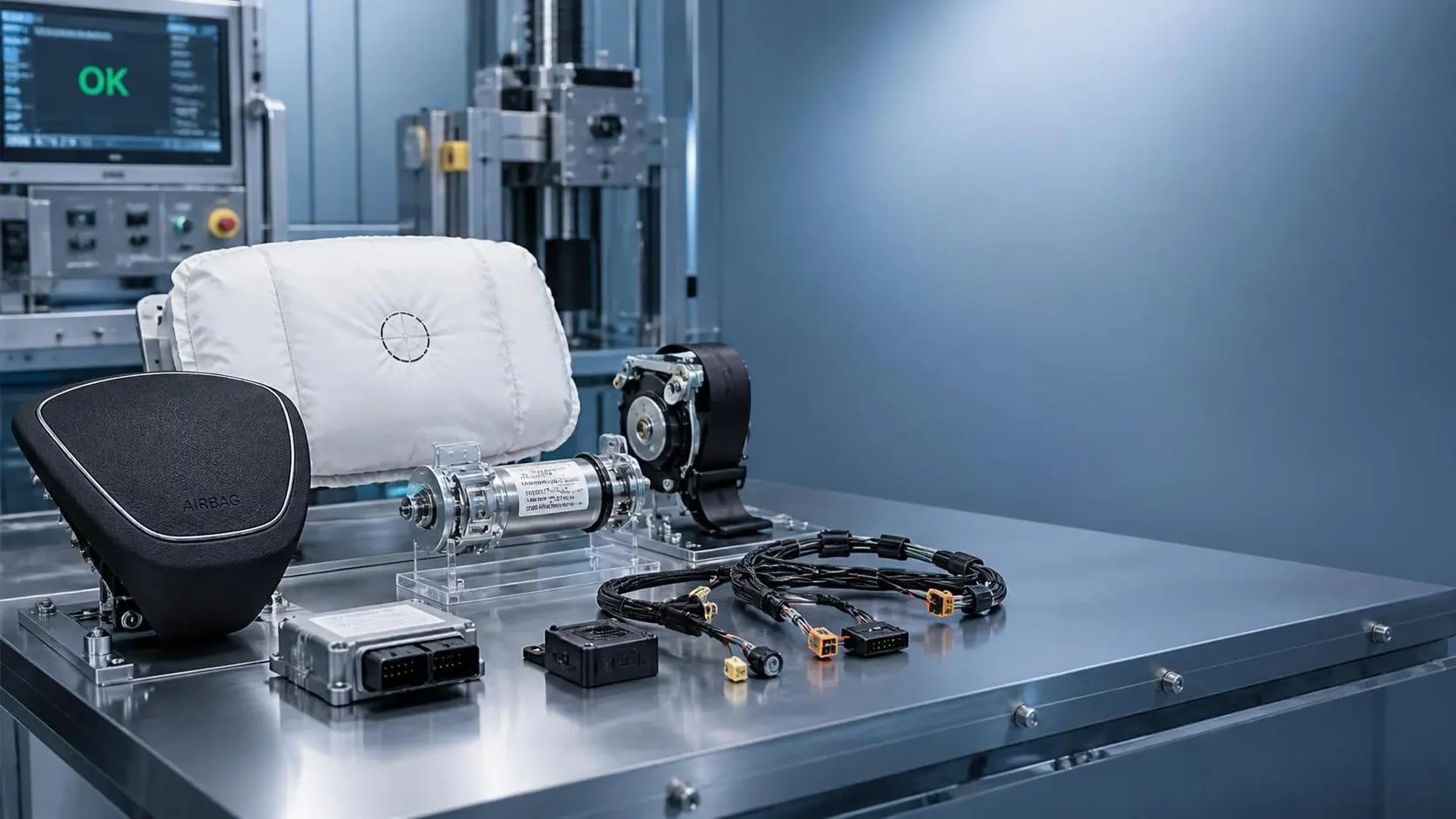
How to Evaluate Airbag Components for OEM Safety Performance and Compliance?
Airbag components evaluation guide for OEM teams: compare deployment performance, inflator consistency, compliance evidence, and supplier traceability to reduce safety risk and choose with confidence.
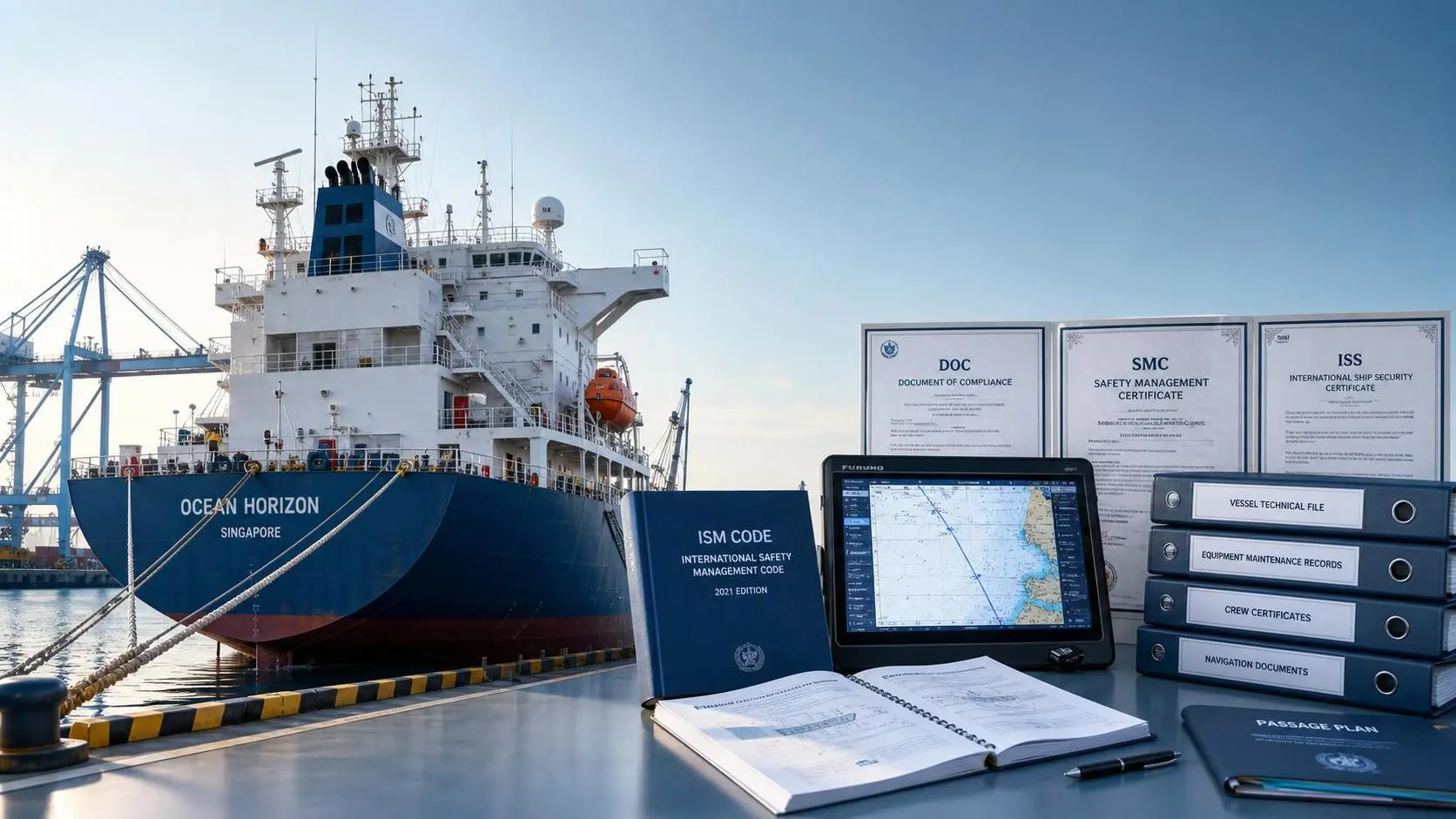
Maritime Compliance Information Standards: What Ship Operators Must Check
Maritime compliance information standards explained for ship operators: learn the key checks for navigation, documentation, updates, and crew readiness to reduce risk and avoid costly delays.

How to Evaluate Cargo Marine Sonar Systems for Detection Range and Vessel Fit
Cargo marine sonar systems: learn how to assess usable detection range, hull fit, noise risk, and bridge integration to choose a reliable solution for real cargo vessel operations.
Related News
- 00
0000-00
How to Evaluate Cargo Marine Sonar Systems for Detection Range and Vessel Fit - 00
0000-00
How to Evaluate Marine Signal Processing Software for Radar and Sonar Integration - 00
0000-00
How Do Automatic Identification Systems Improve Vessel Tracking and Collision Avoidance? - 00
0000-00
How to Choose Marine Navigation Systems for Patrol Boats in Coastal and Offshore Missions - 00
0000-00
Marine Electronics Systems Distributor Selection: 7 Checks Before You Compare Quotes
Weekly Insights
Stay ahead with our curated technology reports delivered every Monday.