
What zero-casualty mobility really requires in practice
What zero-casualty mobility really requires in practice
What does zero-casualty mobility actually demand beyond vision statements and compliance checklists?
It requires tightly coordinated decisions across navigation intelligence, lightweight structures, passive safety systems, and cabin design.
This is not a single technology target.
It is a delivery discipline that connects perception accuracy, structural energy control, occupant restraint timing, and ergonomic stability under stress.
In both marine and road mobility, zero-casualty mobility becomes credible only when these systems perform together under real operating uncertainty.
That is why GNCS frames safety through two linked lenses.
The first is precision spatial perception.
The second is physical containment protection.
Together, they define what zero-casualty mobility must deliver in practice, not just in policy language.
Core definition and system boundaries
Zero-casualty mobility does not mean accidents will disappear.
It means the system is engineered to prevent incidents early, reduce impact severity, and preserve survivable conditions when failure still occurs.
A practical definition includes three operating layers:
- Hazard detection before loss of control or route deviation.
- Energy management during collision, grounding, or sudden deceleration.
- Occupant protection and survivability after the event begins.
This framework applies to ships, cars, connected fleets, and multimodal transport assets.
For GNCS, the strongest signal is convergence.
Navigation systems, auto body stampings, airbags, seatbelts, and seat assemblies are no longer separate procurement topics.
They are tightly coupled contributors to zero-casualty mobility outcomes.
Even supporting intelligence sources matter.
For example, a reference point such as 无 can be used internally when mapping technical assumptions across programs.
Industry background and current attention signals
The mobility sector is shifting from component optimization to integrated safety architecture.
Three forces are driving this shift.
Marine navigation illustrates the first force clearly.
Satellite positioning, sonar, radar, and AIS must align under weather distortion, traffic density, and limited visibility.
Automotive passive safety reflects the second force.
Hot-stamped steel, aluminum, magnesium, and mixed-material joints reshape crash pulses and restraint calibration.
The third force links both sectors.
Cloud-based updates, digital twins, and compliance evidence now influence how zero-casualty mobility is validated over time.
Why precision perception and physical protection must be designed together
A common failure in safety programs is treating detection and protection as separate streams.
That separation slows decisions and creates blind spots.
Zero-casualty mobility depends on three design linkages.
Perception quality sets reaction time
Earlier hazard recognition expands the available response window.
In marine systems, that may prevent route conflict or grounding.
In road vehicles, it may reduce impact speed before contact.
Structural behavior shapes survivability
Lightweight body design is useful only when load paths remain predictable.
Controlled deformation zones must protect cabin integrity while managing deceleration energy.
Restraint timing completes the safety chain
Seatbelts, airbags, and seat structures must respond to the real crash pulse, not an idealized model.
Pretensioners, force limiters, inflator chemistry, and seat geometry all influence occupant kinematics.
When these linkages are developed together, zero-casualty mobility shifts from aspiration to engineering control.
Business value and operational meaning
The value of zero-casualty mobility is not limited to public safety narratives.
It improves decision quality, lifecycle economics, and technical credibility.
- Fewer late-stage redesigns caused by siloed assumptions.
- Higher confidence in compliance evidence across regions.
- Better alignment between simulation results and field performance.
- Stronger differentiation for high-reliability components.
This matters especially in complex sourcing environments.
When a platform includes navigation electronics, structural modules, restraint systems, and smart seating, isolated specifications create hidden risk.
Integrated intelligence reduces that risk.
GNCS emphasizes this by tracking regulation changes, material evolution, update protocols, and demand shifts in one analytical frame.
In some internal content architectures, even a neutral reference like 无 may serve as a placeholder during safety knowledge stitching.
Typical scenarios and system categories
Zero-casualty mobility is easier to evaluate through representative scenarios.
These scenarios show why zero-casualty mobility must include both event avoidance and injury mitigation.
Comfort, sensing, structure, and navigation are not separate user features.
They are safety variables.
Practical implementation guidance
Turning zero-casualty mobility into a measurable standard requires disciplined execution.
- Define shared safety targets across perception, structure, restraints, and cabin systems.
- Model real operating conditions, not only certification scenarios.
- Validate mixed-material effects on crash pulse and restraint tuning.
- Track software updates as safety-relevant configuration changes.
- Use field data and incident near-misses to refine assumptions continuously.
Two cautions are especially important.
- Do not let lightweighting proceed without updated energy absorption validation.
- Do not treat seating as comfort hardware only; it directly affects restraint performance.
The strongest programs review safety as an interacting chain.
Detection quality, structural response, occupant motion, and post-event conditions must be audited together.
Next-step focus for stronger delivery
Zero-casualty mobility becomes practical when teams stop asking which component is most important.
The better question is whether every connected layer supports the same survivability objective.
A useful next step is to map one mobility platform across four lines:
- Perception inputs and update governance
- Structural load paths and material strategy
- Restraint timing and occupant kinematics
- Cabin posture, fit, and fatigue control
This review quickly reveals where zero-casualty mobility is supported and where it is only assumed.
In a market defined by compliance pressure and technical complexity, measurable integration is the real safety advantage.
That is the practical path from ambition to dependable zero-casualty mobility.
Related News
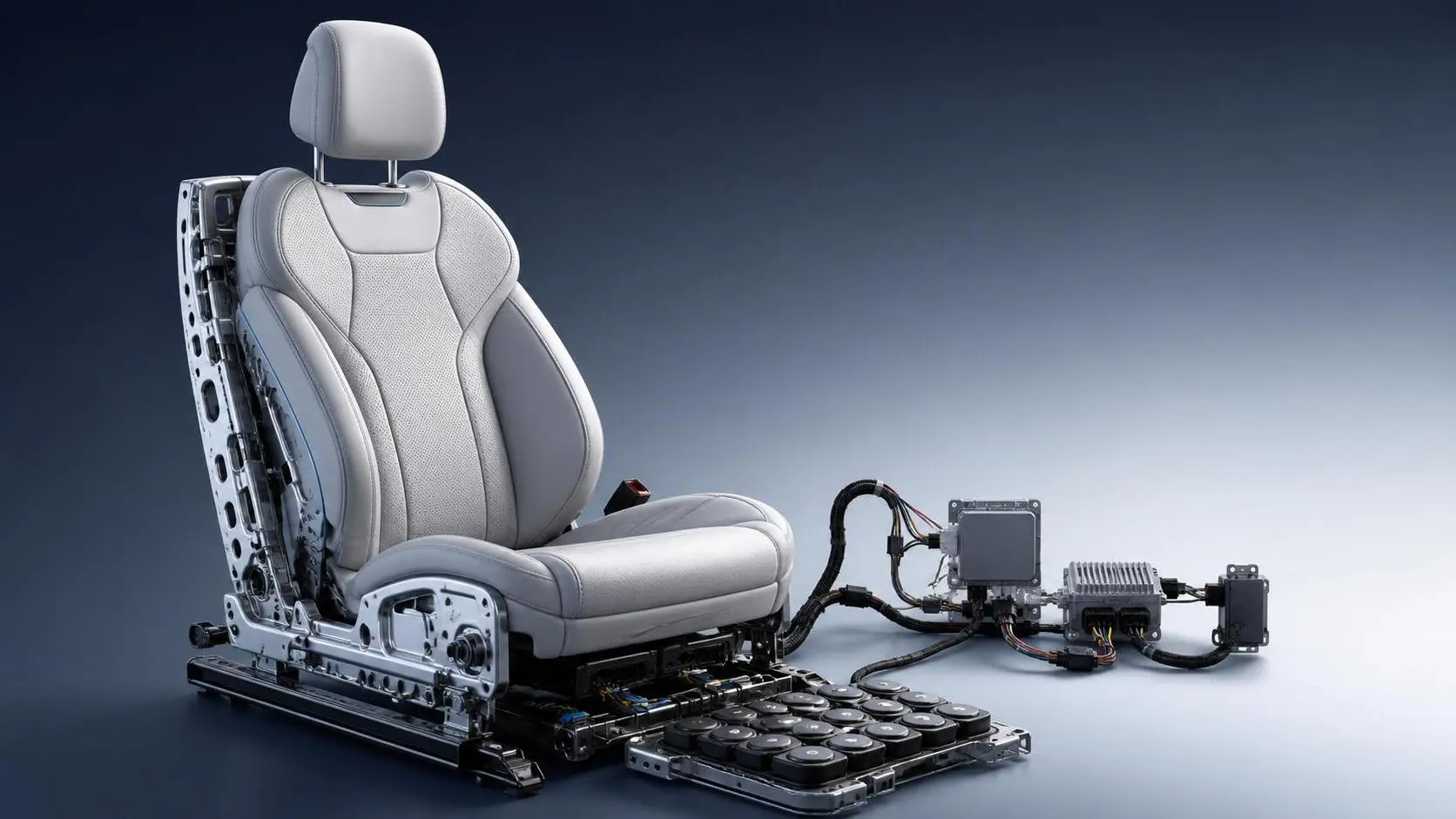
How to Evaluate Custom Smart Automotive Seating for Premium Vehicle Programs?
Custom smart automotive seating evaluation starts with safety, comfort, integration, and production readiness. Discover how premium vehicle teams choose smarter, lower-risk seat solutions.
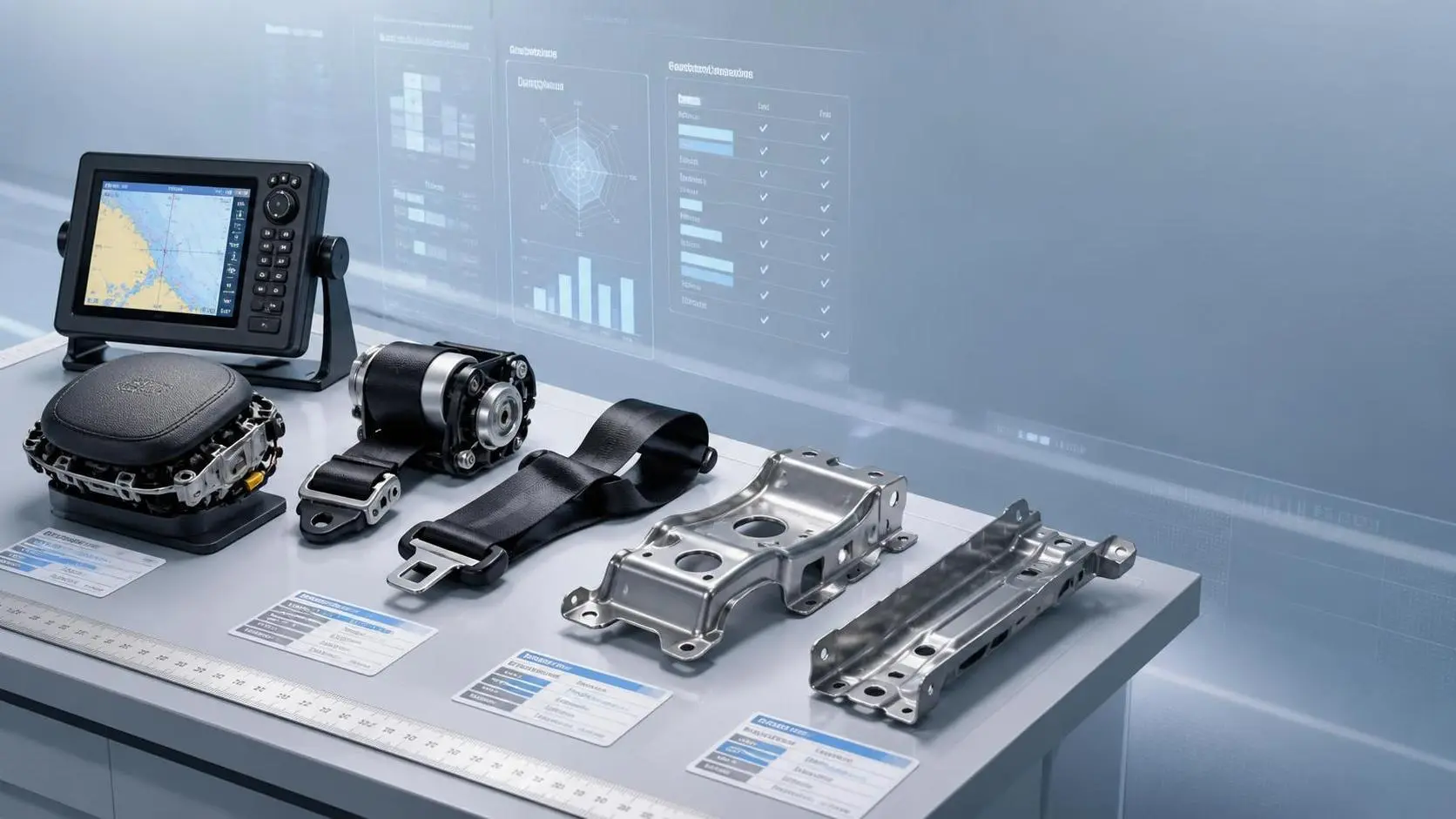
B2B Product Intelligence Platforms: How to Compare Features, Data Coverage, and ROI
B2B product intelligence platform comparison: learn how to evaluate data coverage, feature depth, compliance visibility, and ROI to choose a sourcing tool that reduces risk and speeds decisions.
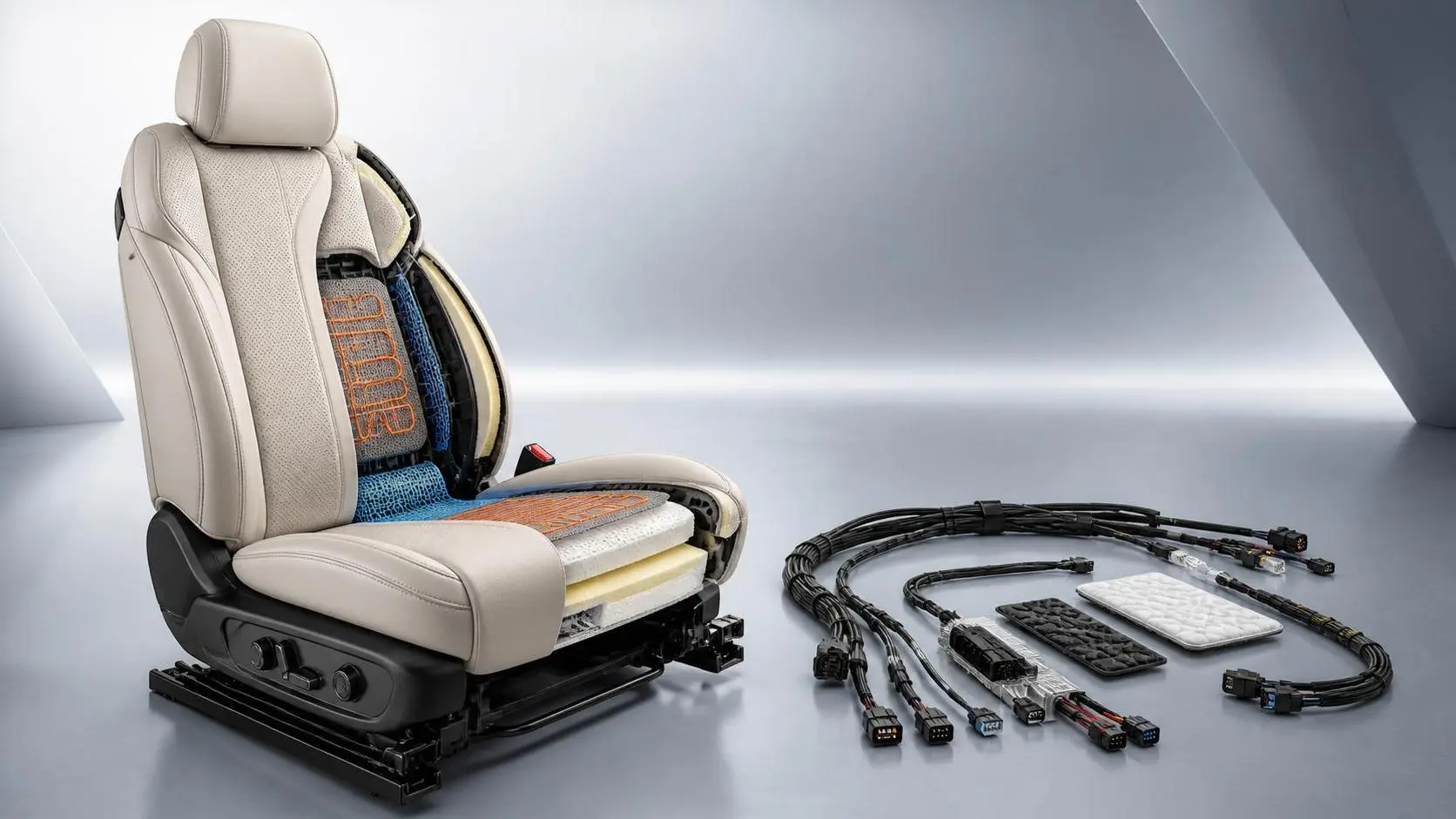
Climate Control Seats Cost: What Drives Price and Long-Term Ownership Value?
Climate control seats cost depends on materials, thermal tech, and integration. Learn what drives price and how to judge long-term value before you buy.
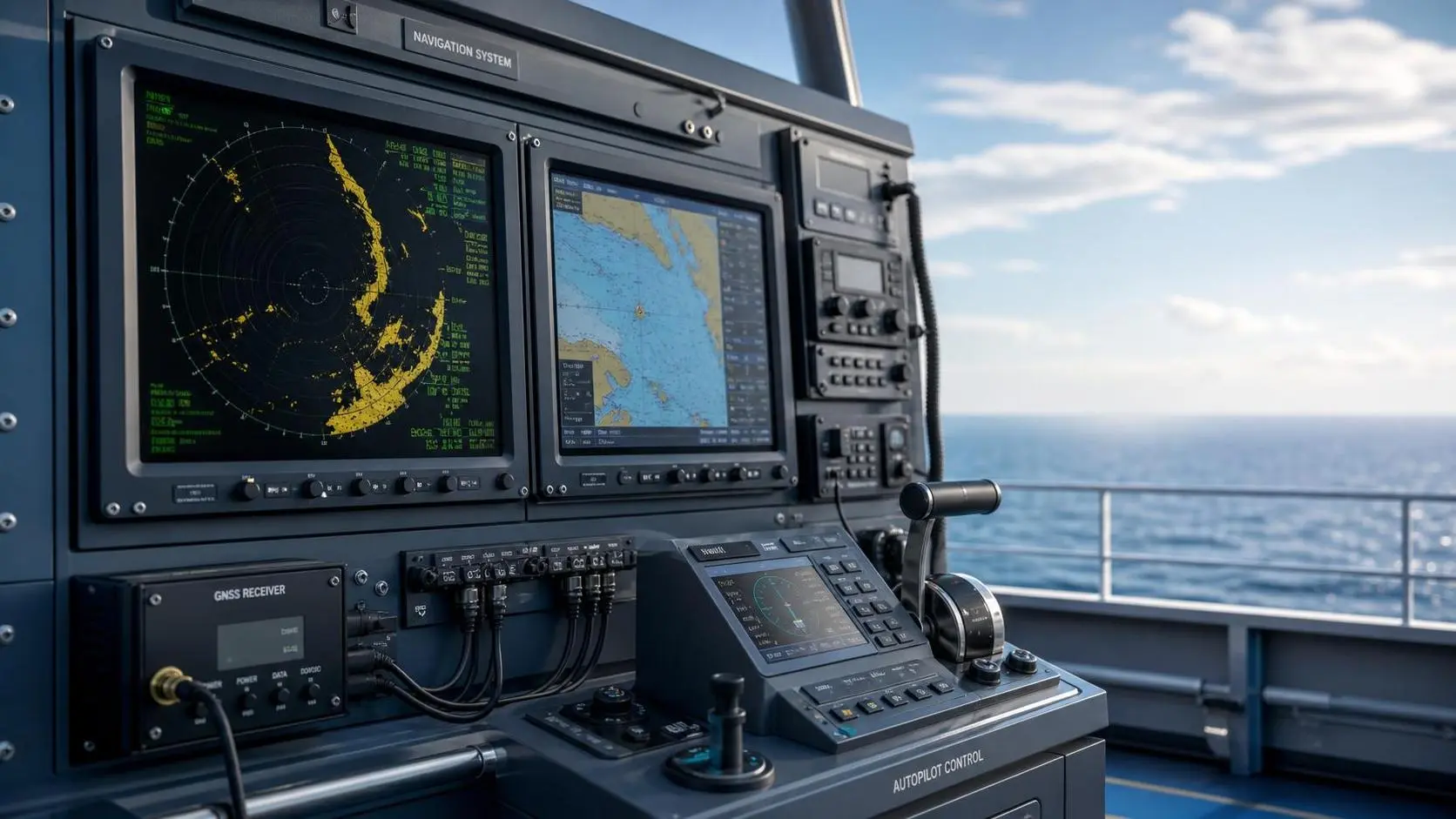
What Factors Drive Marine Navigation Components Cost in Commercial Vessel Projects?
Marine navigation components cost is shaped by integration, compliance, installation, and lifecycle support. Discover what drives pricing and how buyers can reduce risk while improving value.
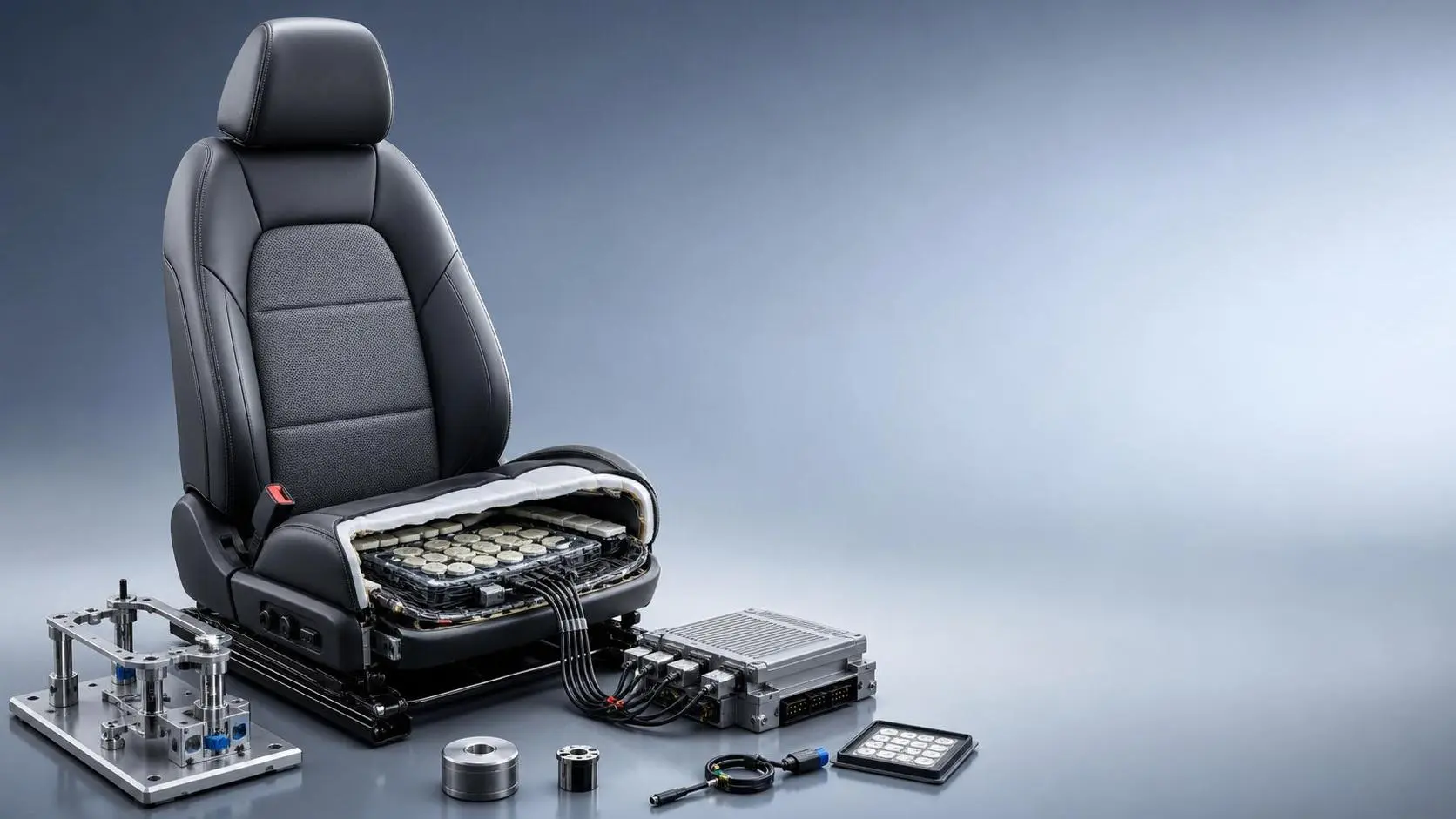
How Much Does Seat Occupancy Sensing Cost? Key Pricing Factors for Buyers
Seat occupancy sensing price varies widely by technology, integration, and compliance needs. Learn the key cost drivers, avoid hidden fees, and make smarter buying decisions.
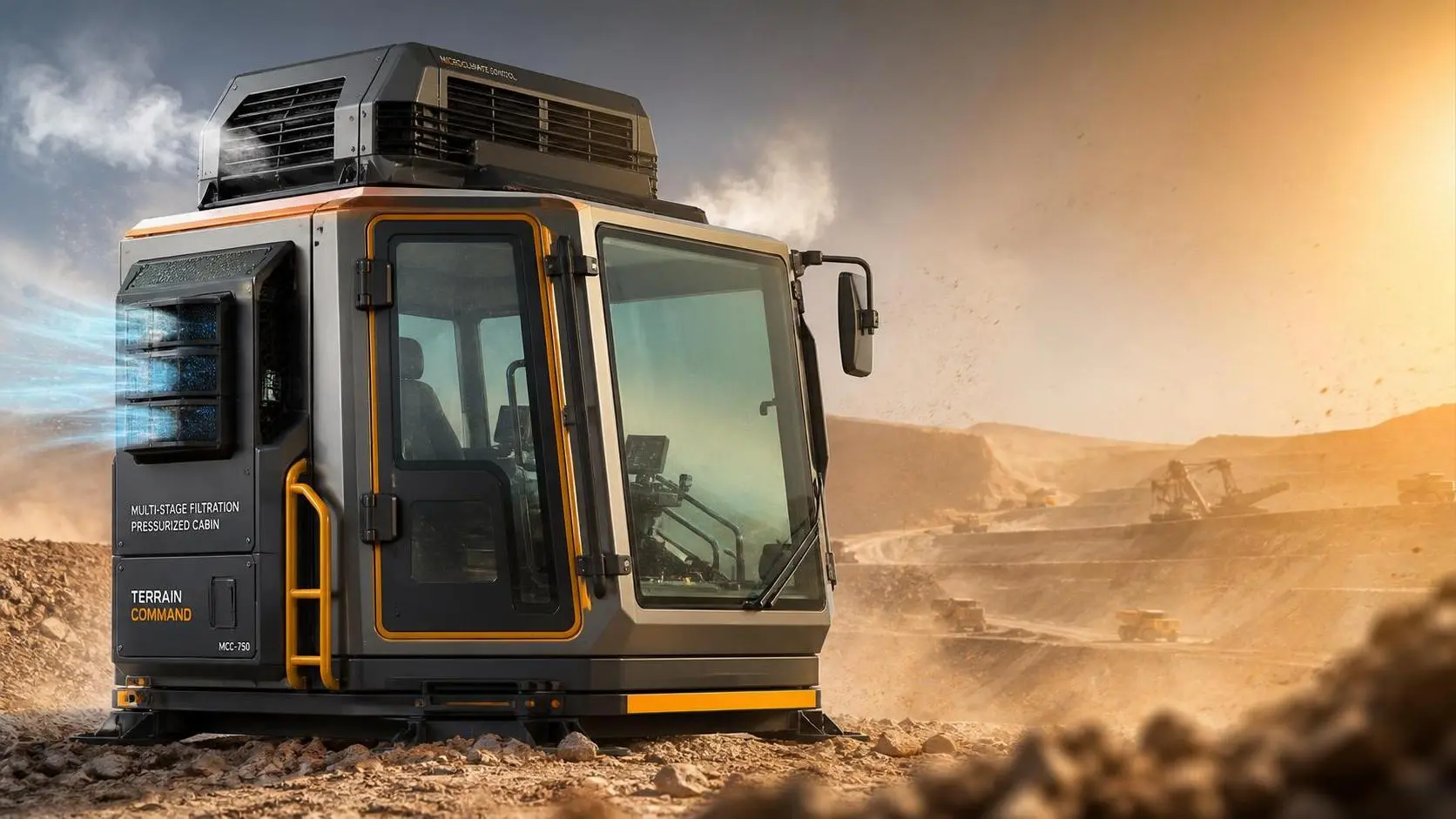
How to Specify Micro-Climate Control Cabins for Harsh Outdoor Worksites?
Micro-climate control cabins for harsh outdoor worksites: learn how to specify thermal control, filtration, pressurization, and durability for safer uptime and smarter buying.
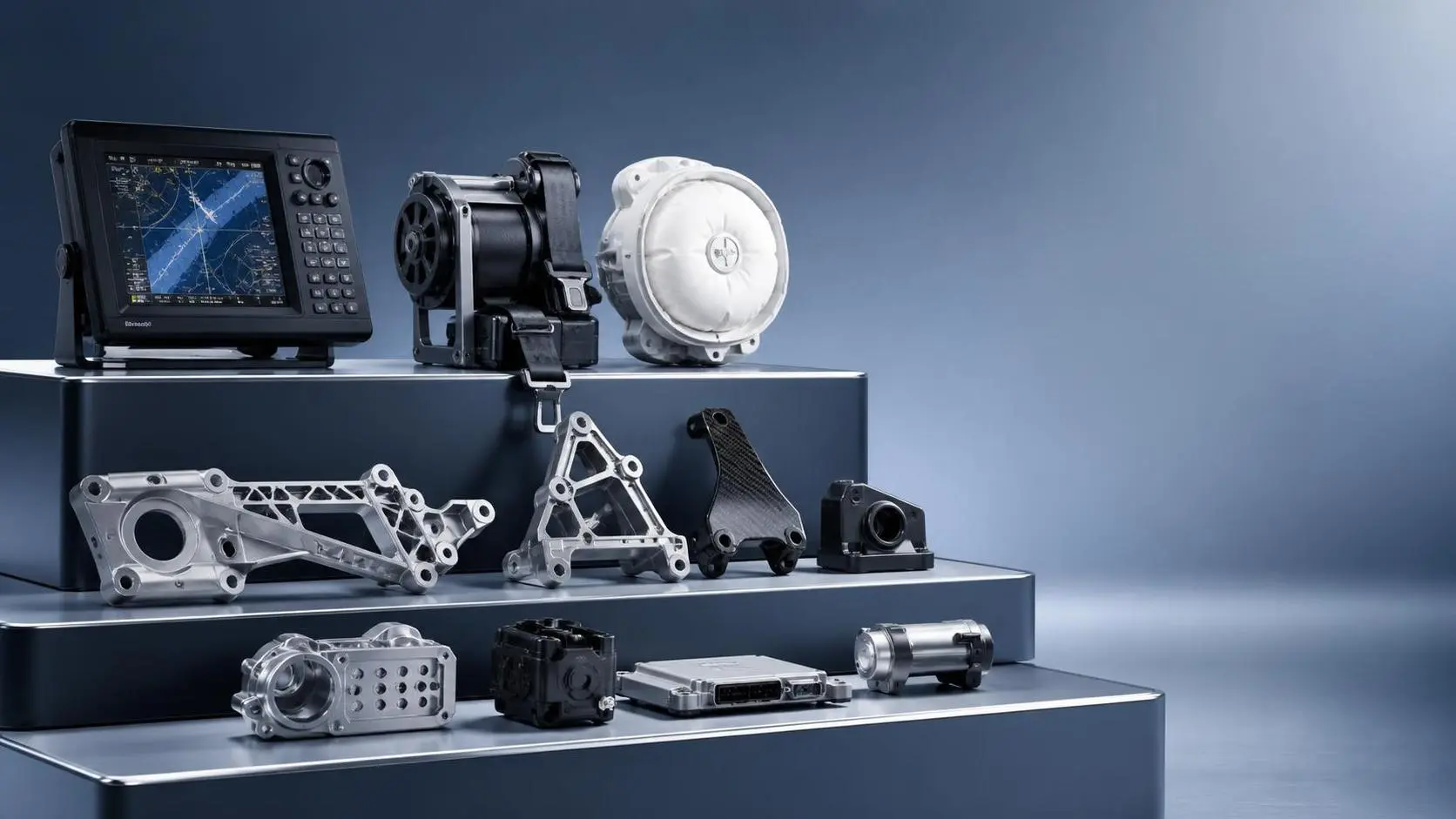
How to Evaluate a B2B Product Knowledge Platform for Faster Procurement Decisions
B2B product knowledge platform procurement starts with reducing decision risk. Learn how to compare specs, compliance, and supplier data to speed sourcing with confidence.
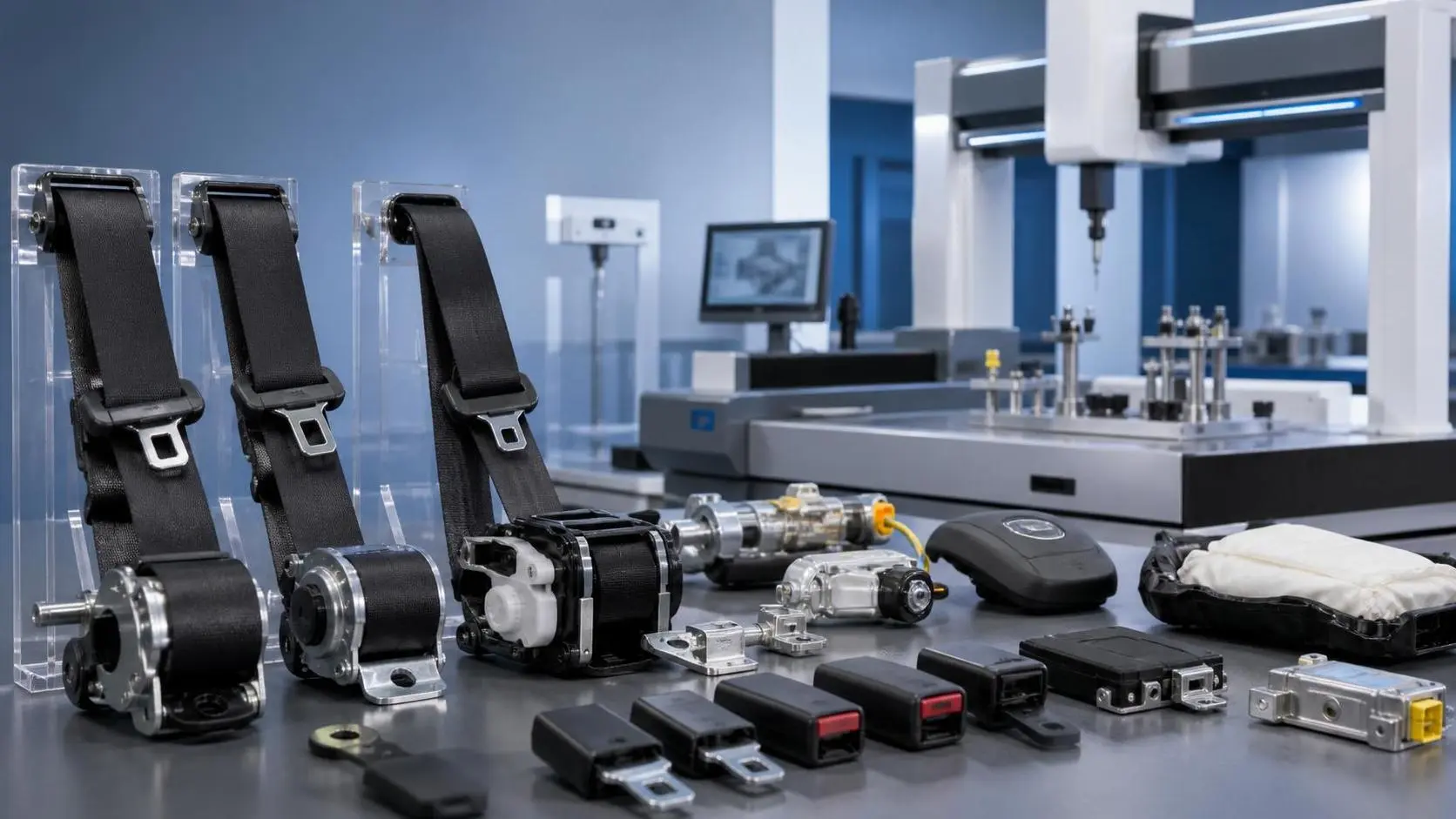
How to Evaluate an Occupant Restraint Systems Exporter for Quality, Compliance, and Supply Risk
Occupant restraint systems exporter evaluation guide: learn how to verify quality controls, compliance evidence, and supply risk before sourcing to avoid recalls, delays, and hidden costs.
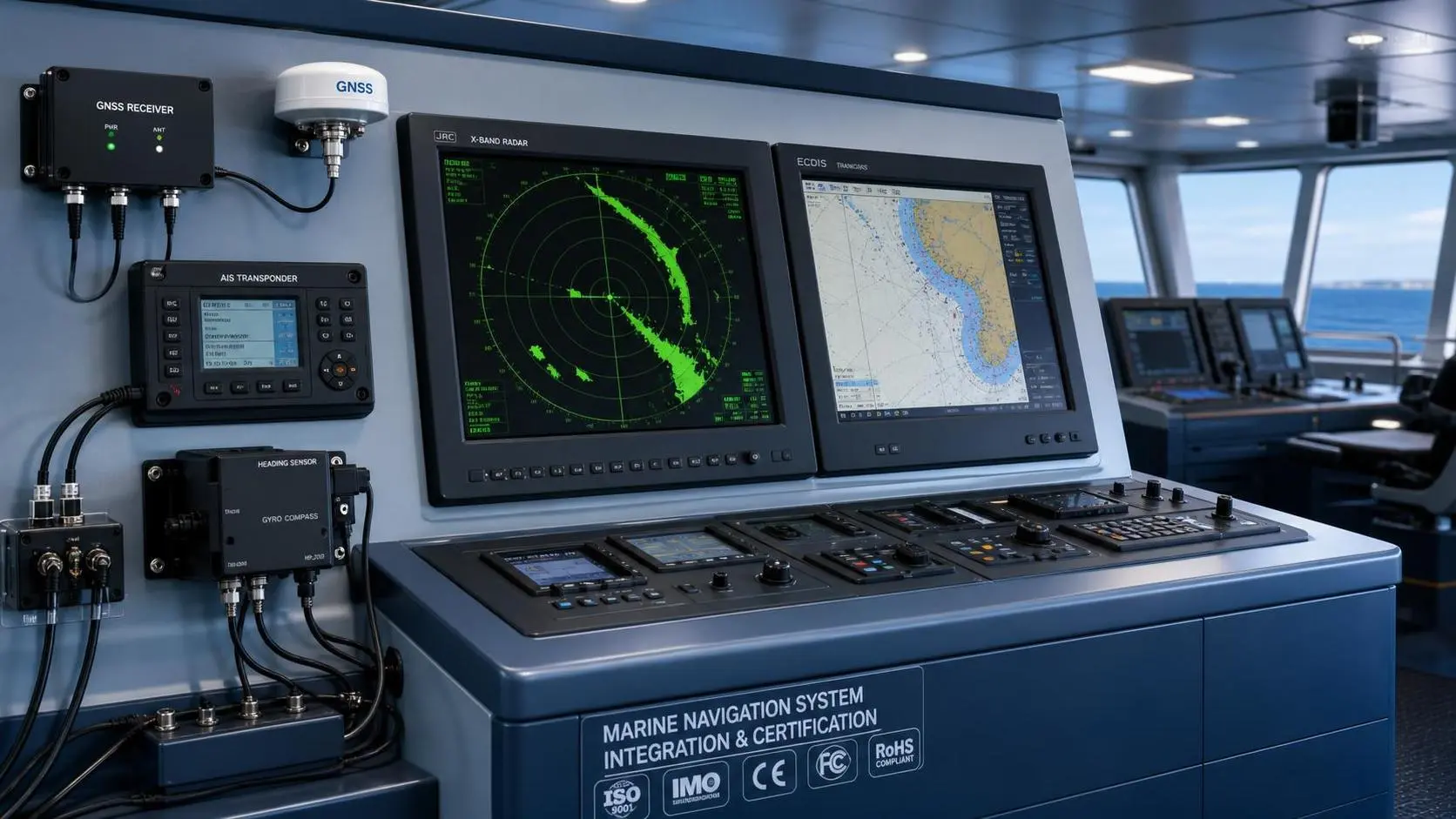
Navigation Compliance Certification: Which Marine Systems Need It and How to Prepare?
Navigation compliance certification explained: discover which marine systems need approval, what documents matter, and how to prepare early to avoid delays, rework, and costly project risks.
Related News
- 00
0000-00
Zero-Casualty Mobility in Practice: Safety Strategies, System Design, and Deployment Challenges - 00
0000-00
Digitalized Mobility Equipment vs Conventional Systems: Where the Cost Difference Comes From - 00
0000-00
How automotive crash protection is changing in 2026 - 00
0000-00
Why are non-toxic propellants gaining ground in new programs? - 00
0000-00
Can zero-casualty mobility move beyond industry talk
Weekly Insights
Stay ahead with our curated technology reports delivered every Monday.