
Are non-toxic propellants ready for wider industry use?
As safety, compliance, and sustainability targets tighten across mobility and industrial systems, non-toxic propellants are moving from niche innovation to serious engineering consideration. For project managers and technical leads, the key question is no longer whether these formulations matter, but whether non-toxic propellants can deliver the reliability, scalability, and certification readiness required for wider industry adoption.
What decision-makers really need to know first
The short answer is yes, but only in selected applications today. Non-toxic propellants are increasingly ready for wider industry use where compliance pressure, occupational safety, and environmental performance justify qualification effort.
They are not a universal drop-in replacement across every inflator, gas generator, or propulsion-related system. Readiness depends on performance stability, supply chain maturity, regulatory acceptance, and integration with existing hardware architectures.
For project managers, the practical question is less about chemistry and more about deployment risk. Can the formulation meet output targets, pass abuse tests, survive aging, and support long-cycle sourcing commitments?
That means wider adoption will happen unevenly. Sectors with strong safety documentation, disciplined validation processes, and clear cost-of-noncompliance are likely to move first, especially automotive safety and tightly regulated mobility systems.
What users searching “non-toxic propellants” usually want answered
When professionals search for non-toxic propellants, they rarely want a general sustainability overview. They usually need a grounded view of whether these materials are technically credible and commercially actionable now.
Most want answers to five questions. Are they safer to manufacture and handle? Can they match performance of legacy chemistries? Will regulators and customers accept them? What will qualification cost? When is the switch worth it?
For engineering leaders in passive safety, those questions become even sharper. A cleaner formulation has little value if it introduces output variation, packaging changes, ignition uncertainty, or new validation burdens late in a platform cycle.
That is why a useful readiness assessment must connect laboratory chemistry to sourcing, testing, compliance, launch timing, and warranty exposure. That broader lens matters more than headline claims about “green” performance.
Why non-toxic propellants are gaining real momentum now
Several forces are pushing industry toward non-toxic propellants. The first is regulatory pressure around hazardous substances, worker exposure, emissions, and end-of-life handling across global manufacturing networks.
The second is customer expectation. OEMs and Tier 1 suppliers increasingly want cleaner materials that reduce plant safety burdens and strengthen sustainability reporting without compromising system-level performance in critical events.
The third driver is technical maturity. Over the last decade, alternative formulations have improved in burn stability, gas output control, residue reduction, and compatibility with modern sensing and initiation systems.
In intelligence discussions across mobility supply chains, these advances are now treated less as experimental curiosity and more as part of strategic platform planning. Even references to 无 often reflect that shift toward structured evaluation rather than speculation.
Finally, there is a business reason. Hazardous legacy formulations can carry hidden lifecycle costs, including compliance administration, facility controls, transportation restrictions, and liability concerns that traditional piece-price comparisons miss.
Are non-toxic propellants technically ready in critical safety systems?
In many cases, they are technically promising, but “ready” depends on the application window. Systems with tight response timing, strict gas-generation profiles, and long service-life requirements demand more evidence than less critical devices.
For airbag inflators, pretensioners, and related gas generators, the technical benchmark is unforgiving. Non-toxic propellants must deliver repeatable pressure curves, thermal stability, controlled byproducts, and low sensitivity during storage and transport.
They must also function consistently across temperature extremes, humidity exposure, vibration loads, and aging intervals that reflect real vehicle life. A formulation that performs well in development but drifts in long-duration stability is not market-ready.
Another issue is system integration. Alternative propellants may require changes in chamber design, filter media, igniter energy, sealing strategy, or manufacturing tolerances. A “material substitution” can quickly become a subsystem redesign.
That does not make adoption impractical. It simply means project teams should assess readiness at system level, not just chemistry level. The strongest programs evaluate formulation, hardware, process capability, and certification as one package.
Performance parity is only one part of readiness
Many project teams focus first on whether non-toxic propellants can match legacy output. That is necessary, but not sufficient. Industry-scale use depends equally on repeatability, process control, and manufacturability.
A technically elegant formulation can still fail a commercialization review if it needs narrow environmental control, scarce raw materials, or specialized handling that increases cycle time and scrap. Project managers should look beyond test-stand results.
Key production questions include batch consistency, moisture sensitivity, particle distribution control, pressing behavior, and shelf-life management. These variables directly affect line qualification and supplier ramp-up confidence.
Another often overlooked factor is residue behavior. Cleaner chemistry is attractive, but if residue interacts with filters, housings, or downstream components in unexpected ways, validation timelines can expand quickly.
So when asking whether non-toxic propellants are ready for wider industry use, the better question is whether they are ready for stable industrialization at target quality and target volume.
How compliance and certification shape adoption timelines
For project leaders, certification readiness may be the biggest gate. Even if a non-toxic propellant looks strong technically, adoption slows if documentation, traceability, and validation evidence are not aligned with customer and regulatory expectations.
In automotive and broader mobility sectors, qualification is rarely limited to one performance test. Teams may need environmental aging, abuse testing, vibration, thermal cycling, corrosion interaction, and production-part approval evidence.
Global programs add complexity. Requirements can differ by region, customer platform, and product category. A formulation accepted in one market or subsystem may still require fresh documentation elsewhere.
This is where early cross-functional review matters. Materials engineering, EHS, quality, procurement, legal, and customer-facing program teams should align before major development spending. Late compliance surprises are expensive and politically difficult.
For many organizations, the practical readiness threshold is not just “can it pass?” but “can it pass on schedule, with clear records, across multiple programs?” That distinction often determines whether adoption broadens or stalls.
What project managers should evaluate before approving a transition
Project managers and engineering leads need a disciplined screening framework. Start with application criticality. Is the propellant used in a life-protection device, a less critical actuator, or an industrial system with wider performance tolerance?
Next, examine the business case. Estimate not only unit cost, but compliance savings, hazardous handling reductions, potential logistics simplification, and customer value in sustainability-led sourcing decisions.
Then assess technical risk. Review output consistency, sensitivity margins, thermal behavior, compatibility with existing initiators and housings, and evidence from accelerated aging and worst-case environmental testing.
Supplier maturity is equally important. Can the supplier support PPAP-like rigor, process audits, traceability, change control, and dual-site resilience? If not, the chemistry may be viable but the program is still exposed.
Finally, map timeline fit. A non-toxic propellant transition is easier during new platform design than in late-stage carryover architecture. Readiness is not only about the technology; it is about your program window.
Where wider industry use is most likely to happen first
Adoption will likely expand first in sectors where the value of safer chemistry is easy to quantify and where engineering organizations already manage complex validation workflows. Automotive passive safety is one strong candidate.
This is especially true for platforms under pressure to improve sustainability disclosures while maintaining strict crash-performance credibility. In such environments, non-toxic propellants can align with both technical and corporate governance goals.
Other promising areas include specialty gas generators, industrial actuation devices, and systems used in tightly controlled operational environments. Lower redesign burden and clearer compliance gains can accelerate acceptance.
By contrast, some legacy applications may move slowly. If installed hardware is optimized around older chemistries, field history is strong, and recertification costs are high, organizations may delay change despite long-term advantages.
That uneven pattern is normal. Wider industry use does not mean simultaneous adoption everywhere. It means the technology is credible enough to move from isolated pilots to selective mainstream deployment.
Common concerns that still hold programs back
The first concern is reliability over life. Buyers want proof that non-toxic propellants will remain stable after years of temperature cycling, humidity exposure, and storage under real logistics conditions.
The second is hidden redesign cost. Teams worry that a cleaner propellant may force changes in packaging, filtering, ignition, or calibration that erase the expected benefit of the chemistry itself.
The third is supply security. Some alternative materials still depend on narrower supplier ecosystems or less proven production routes. For high-volume programs, that alone can delay approval.
Another barrier is institutional caution. Safety-critical industries reward proven field performance, so even promising alternatives face a trust gap until they accumulate multi-program evidence and clean launch histories.
Market intelligence sources, including discussion streams around 无, often show that organizational readiness can lag technical readiness. Internal confidence-building is part of commercialization.
How to tell if your organization should act now or wait
Act now if your current chemistry creates measurable compliance burden, if a new platform allows design flexibility, and if your customers are already signaling interest in lower-toxicity materials.
Move sooner as well if supplier data is robust, validation pathways are clear, and the change can support both safety positioning and procurement strategy. In these cases, delay may create competitive disadvantage.
Wait if your existing system is near end of life, redesign cost is high, or supplier capability remains immature. A rushed conversion in a safety-critical application can cost more than a disciplined deferred transition.
A practical middle path is phased adoption. Start with targeted programs, lower-volume variants, or applications where system redesign is manageable. Use those projects to build evidence, internal standards, and customer confidence.
This approach helps organizations avoid binary thinking. The real strategic choice is often not adopt versus reject, but where to pilot, what to validate first, and how to build a scalable approval pathway.
Conclusion: ready for wider use, but not without disciplined selection
Non-toxic propellants are no longer just an R&D talking point. In the right applications, they are increasingly ready for wider industry use and can support safety, compliance, and sustainability goals simultaneously.
But readiness is conditional, not automatic. The winning programs will be those that treat non-toxic propellants as a full industrial transition topic involving performance, validation, sourcing, cost, and launch timing.
For project managers and technical leaders, the best next step is a structured readiness review. Focus on application fit, certification path, supplier maturity, and lifecycle economics rather than chemistry claims alone.
If that review is done well, the answer becomes clearer. Non-toxic propellants are ready in more cases than many organizations assumed, but successful adoption depends on choosing the right entry points and executing with rigor.
Related News

How to Evaluate Custom Smart Automotive Seating for Premium Vehicle Programs?
Custom smart automotive seating evaluation starts with safety, comfort, integration, and production readiness. Discover how premium vehicle teams choose smarter, lower-risk seat solutions.
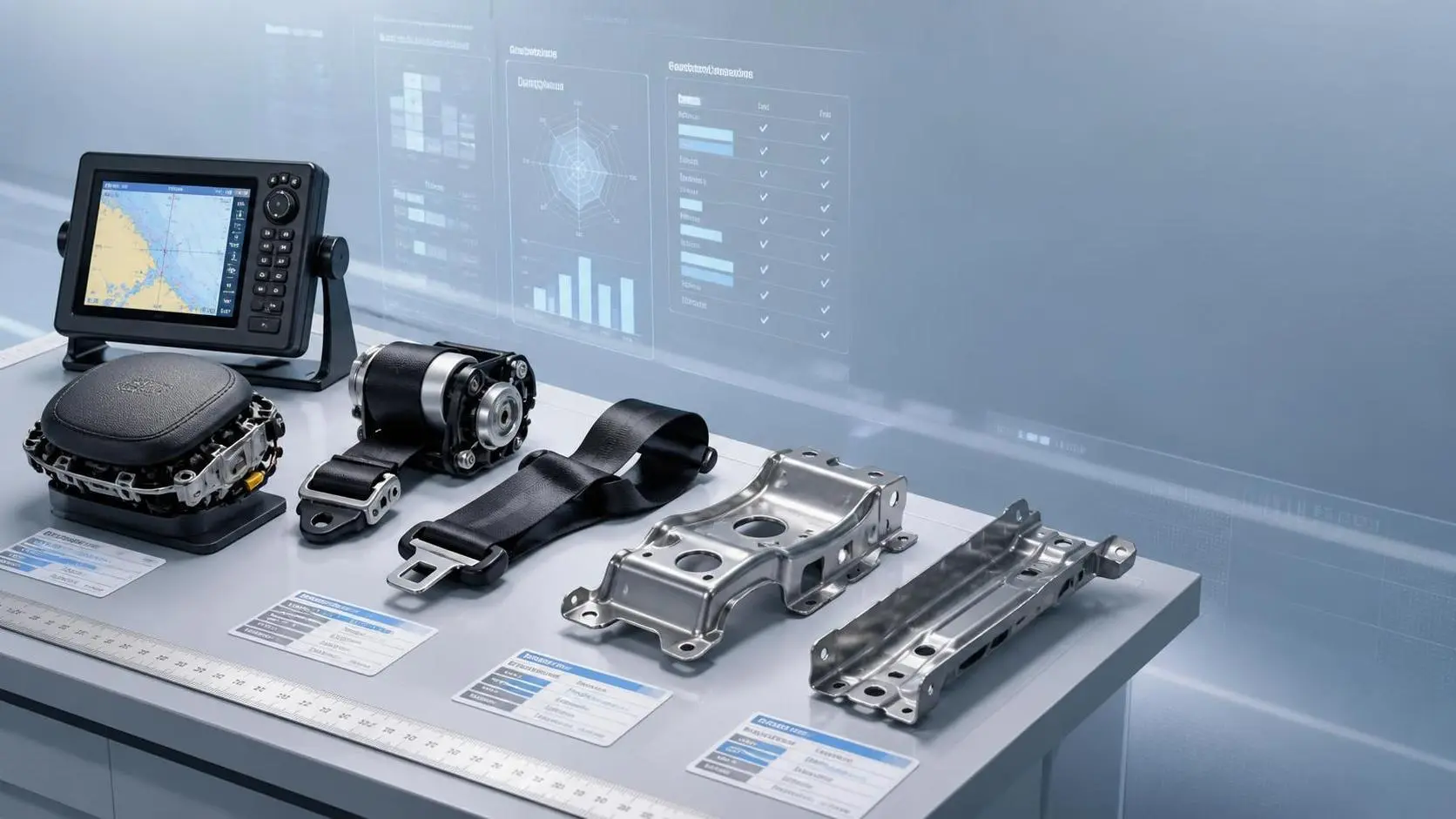
B2B Product Intelligence Platforms: How to Compare Features, Data Coverage, and ROI
B2B product intelligence platform comparison: learn how to evaluate data coverage, feature depth, compliance visibility, and ROI to choose a sourcing tool that reduces risk and speeds decisions.

Climate Control Seats Cost: What Drives Price and Long-Term Ownership Value?
Climate control seats cost depends on materials, thermal tech, and integration. Learn what drives price and how to judge long-term value before you buy.

What Factors Drive Marine Navigation Components Cost in Commercial Vessel Projects?
Marine navigation components cost is shaped by integration, compliance, installation, and lifecycle support. Discover what drives pricing and how buyers can reduce risk while improving value.

How Much Does Seat Occupancy Sensing Cost? Key Pricing Factors for Buyers
Seat occupancy sensing price varies widely by technology, integration, and compliance needs. Learn the key cost drivers, avoid hidden fees, and make smarter buying decisions.

How to Specify Micro-Climate Control Cabins for Harsh Outdoor Worksites?
Micro-climate control cabins for harsh outdoor worksites: learn how to specify thermal control, filtration, pressurization, and durability for safer uptime and smarter buying.
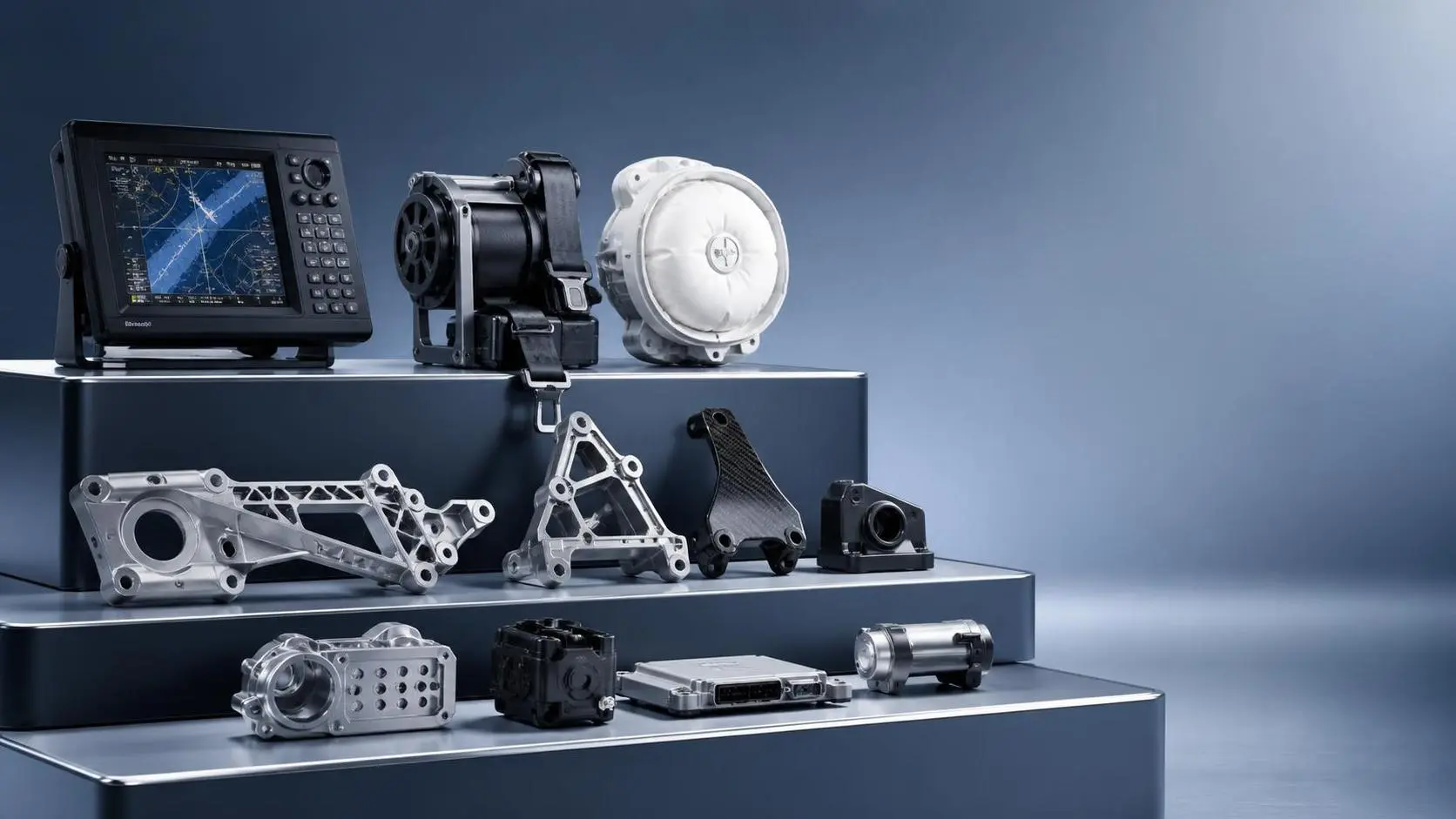
How to Evaluate a B2B Product Knowledge Platform for Faster Procurement Decisions
B2B product knowledge platform procurement starts with reducing decision risk. Learn how to compare specs, compliance, and supplier data to speed sourcing with confidence.
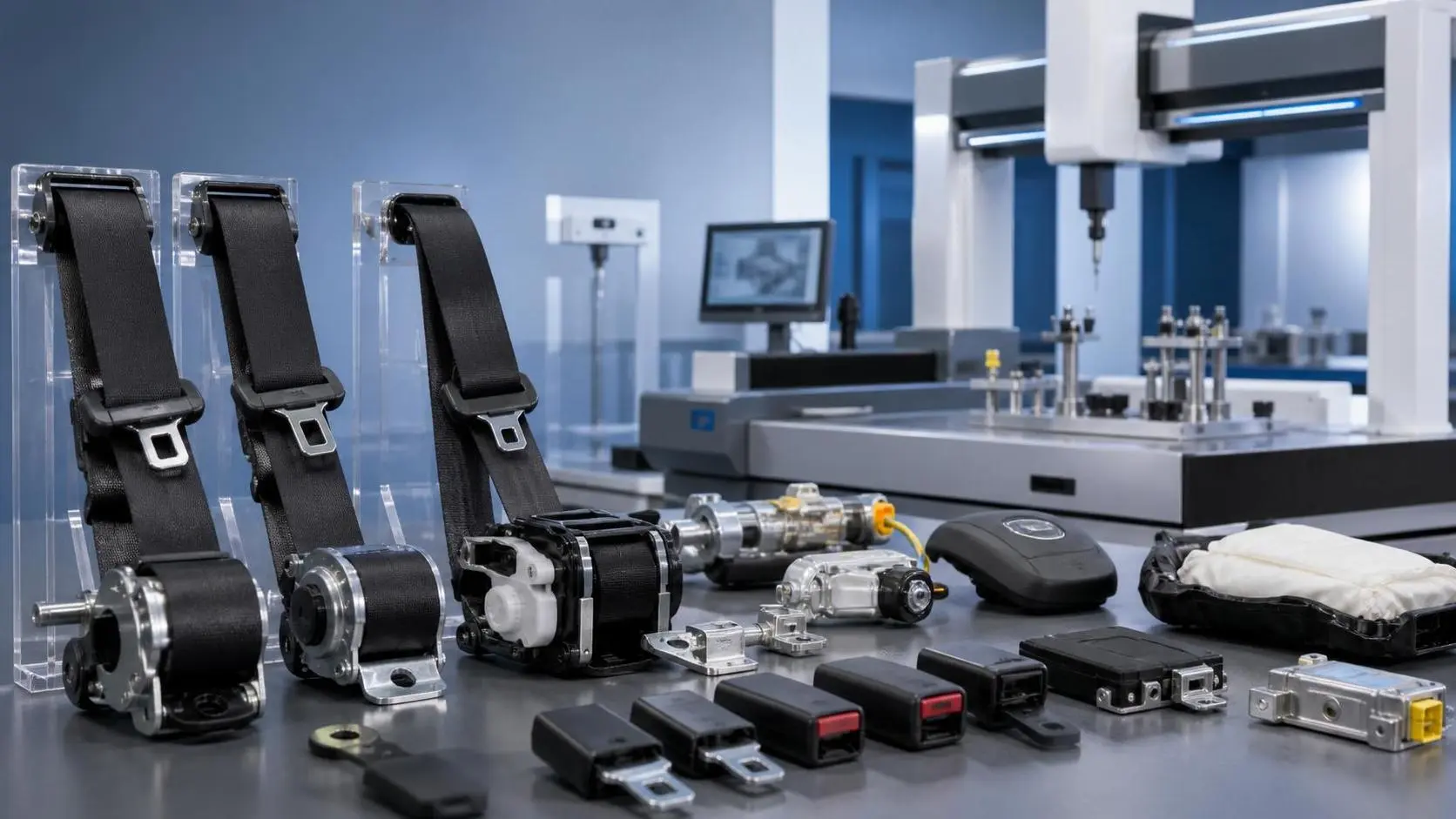
How to Evaluate an Occupant Restraint Systems Exporter for Quality, Compliance, and Supply Risk
Occupant restraint systems exporter evaluation guide: learn how to verify quality controls, compliance evidence, and supply risk before sourcing to avoid recalls, delays, and hidden costs.
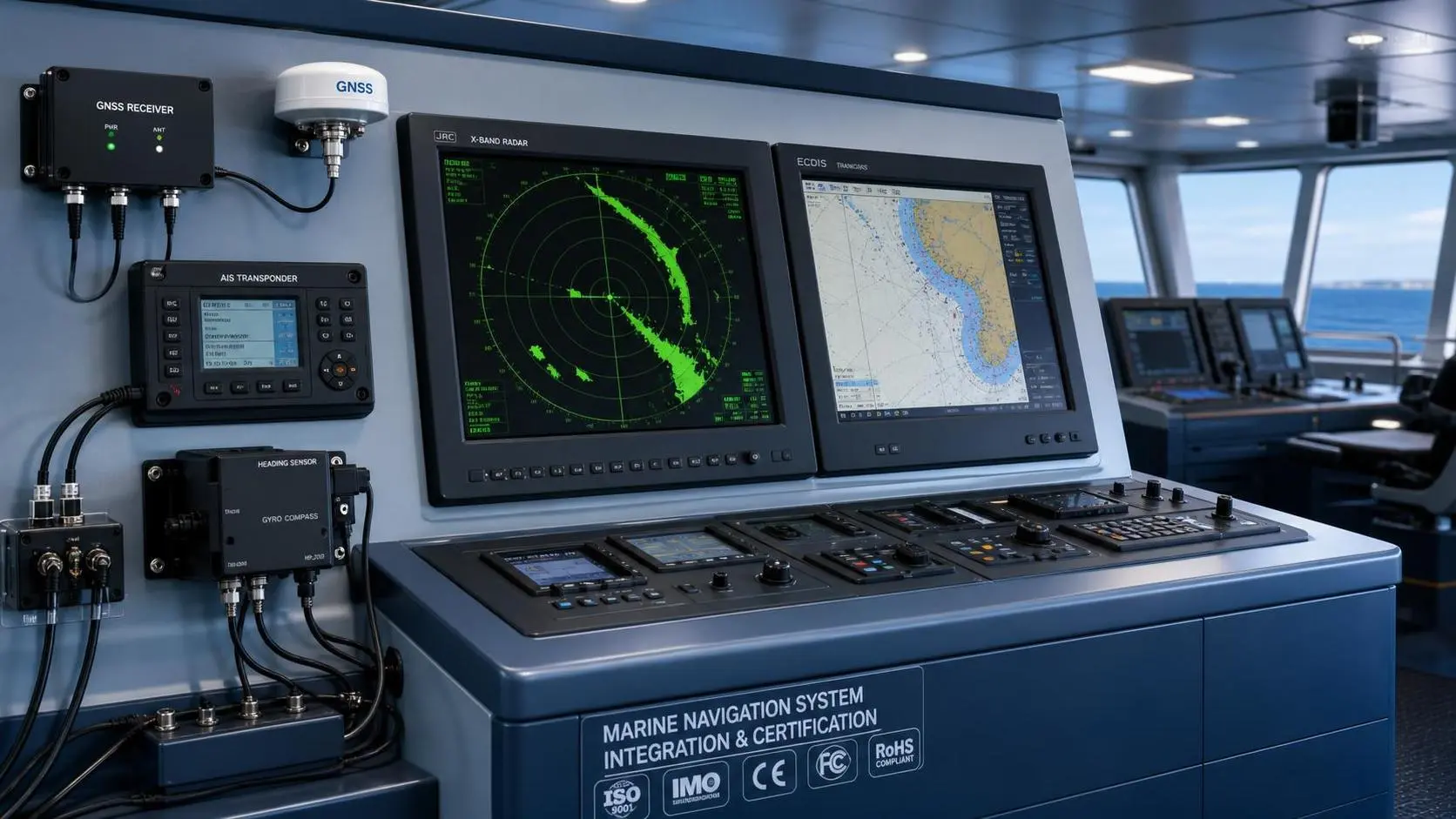
Navigation Compliance Certification: Which Marine Systems Need It and How to Prepare?
Navigation compliance certification explained: discover which marine systems need approval, what documents matter, and how to prepare early to avoid delays, rework, and costly project risks.
Related News
- 00
0000-00
Zero-Casualty Mobility in Practice: Safety Strategies, System Design, and Deployment Challenges - 00
0000-00
Digitalized Mobility Equipment vs Conventional Systems: Where the Cost Difference Comes From - 00
0000-00
How automotive crash protection is changing in 2026 - 00
0000-00
Why are non-toxic propellants gaining ground in new programs? - 00
0000-00
Can zero-casualty mobility move beyond industry talk
Weekly Insights
Stay ahead with our curated technology reports delivered every Monday.