
When digitalized mobility equipment becomes worth the cost
As procurement teams face tighter compliance demands, rising lifecycle costs, and faster technology cycles, knowing when digitalized mobility equipment becomes worth the cost is no longer optional.
From marine navigation systems to passive safety components and smart seating, the right investment can improve reliability, efficiency, and long-term value.
This article explores how buyers can assess cost, performance, and strategic return with greater confidence.
When Is Digitalized Mobility Equipment Actually Worth Buying?
For procurement professionals, the short answer is simple: digitalized mobility equipment becomes worth the cost when it lowers total lifecycle risk more than it raises upfront spending.
That usually happens when equipment must meet stricter compliance rules, reduce downtime, support traceability, improve performance consistency, or remain upgradeable during a long service life.
In other words, the decision is rarely about whether digitalization sounds innovative. It is about whether it creates measurable purchasing value across operations, safety, maintenance, and future sourcing flexibility.
Buyers evaluating marine navigation systems, auto body stampings, airbag assemblies, seatbelt systems, or smart seat assemblies need a framework that goes beyond list price.
The winning question is not “How much does this equipment cost today?” but “What does a non-digital alternative cost us over the next five to ten years?”
What Procurement Teams Are Really Trying to Understand
Search interest around digitalized mobility equipment usually comes from a commercial need, not a theoretical one. Buyers want to know when higher-spec products justify premium pricing.
They are often comparing standard equipment with sensor-enabled, software-connected, data-reporting, or diagnostics-capable alternatives that promise better intelligence and lower operational uncertainty.
The core search intent is evaluative. Procurement teams want criteria for deciding whether digital features generate practical return in their own supply chain and compliance context.
They also want to reduce buying risk. A more advanced product may look attractive, but if integration is difficult or support is weak, the investment can quickly become expensive.
That is why the most useful guidance focuses on total cost of ownership, operational fit, regulatory readiness, supplier capability, and the value of digital data after installation.
Why Upfront Price Alone Is a Poor Decision Metric
Many procurement mistakes begin with a narrow cost comparison. Digitalized mobility equipment often carries a higher acquisition price, but purchase price is only one part of the decision.
Lifecycle cost includes installation, integration, operator training, software updates, preventive maintenance, spare parts availability, downtime impact, warranty exposure, and replacement timing.
In safety-critical or navigation-critical environments, one failure event can erase the apparent savings gained from choosing a cheaper but less intelligent product.
For example, a marine navigation system with better diagnostics and remote update capability may reduce voyage interruption, improve compliance reporting, and extend usable service life.
Likewise, digitally traceable passive safety components can reduce quality disputes, simplify audits, and strengthen confidence in production consistency across global sourcing programs.
Procurement leaders should therefore compare alternatives on cost-to-performance stability, not just invoice value. Stable performance usually creates more value than a lower initial quote.
Signals That the Investment Is Likely Worth the Cost
There are several strong indicators that digitalized mobility equipment deserves serious budget consideration. The first is regulatory complexity.
If a product category faces frequent standards updates, documentation pressure, or audit requirements, digital functionality can reduce the cost of staying compliant.
The second indicator is high failure sensitivity. If breakdowns, quality escapes, or underperformance lead to safety exposure, vessel delays, recalls, or customer penalties, digital monitoring becomes valuable.
The third is long asset life. Equipment used for many years benefits more from remote diagnostics, software upgrades, modular replacement, and data-based maintenance planning.
The fourth is performance variability. If environmental conditions, usage intensity, or operator behavior affect results, digital sensing can improve consistency and troubleshooting speed.
The fifth is multi-site or global sourcing complexity. When procurement teams manage distributed suppliers and users, data visibility and traceability can simplify quality control and vendor accountability.
Where the ROI Often Appears First
Return on investment from digitalized mobility equipment does not always appear as direct labor savings. In many cases, the first gains are less obvious but more strategic.
One common source of return is reduced downtime. Better diagnostics and predictive alerts help maintenance teams address issues before they become disruptive failures.
Another source is compliance efficiency. Digital records, update logs, and performance data make it easier to support inspections, customer documentation, and regulatory reviews.
A third source is quality assurance. When components offer stronger traceability and test visibility, procurement teams gain leverage in supplier management and root-cause resolution.
Return can also come from better asset utilization. Smarter systems often improve operating precision, energy efficiency, safety effectiveness, or user comfort in ways that extend value beyond purchasing.
Finally, digital equipment can support future platform strategies. A product that integrates with data ecosystems today may prevent replacement costs caused by obsolescence tomorrow.
How This Applies Across Different Mobility Equipment Categories
The value equation changes by product type, so procurement should avoid using one universal rule for all digitalized mobility equipment decisions.
In marine navigation systems, digitalization is often worth the cost when uptime, route precision, update capability, and compliance with evolving maritime standards are operational priorities.
For auto body stampings, the digital value may appear less in the stamped part itself and more in manufacturing intelligence, traceability, quality repeatability, and process verification.
In airbag assemblies and seatbelt systems, digitalized production data, validation traceability, and smart testing support become valuable because safety performance and compliance tolerance are unforgiving.
For auto seat assemblies, value often comes from occupant sensing, comfort management, thermal control, memory functions, and diagnostics that improve both user experience and maintenance planning.
Procurement should therefore assess not only the component, but also the digital ecosystem around it, including calibration, data logging, firmware support, and interoperability requirements.
Questions Buyers Should Ask Before Approving a Premium
To determine whether digitalized mobility equipment is worth the cost, procurement teams should ask a focused set of commercial and technical questions.
What specific operational problem does the digital feature solve? If the answer is vague, the premium may not be justified.
How much downtime, scrap, warranty exposure, compliance labor, or performance loss can realistically be avoided through this added capability?
What is the expected service life, and can the software, sensors, or electronics remain supported across that period?
Is the product interoperable with current systems, or will hidden integration costs reduce the business case?
What training burden does adoption create for operators, technicians, inspectors, or downstream partners?
Can the supplier provide audit-ready documentation, cybersecurity clarity where relevant, and evidence of reliability under real-world operating conditions?
What happens if a digital module fails? Buyers should understand redundancy, manual fallback, and service response commitments before making a decision.
Supplier Evaluation Matters More in Digital Purchases
When buying conventional hardware, procurement can often compare dimensions, materials, and price with reasonable confidence. Digitalized mobility equipment demands a deeper supplier assessment.
That is because value depends not only on the physical product, but also on software quality, update discipline, diagnostics logic, data handling, and technical support responsiveness.
A supplier with weak lifecycle support can turn a promising digital product into a long-term burden. Procurement should evaluate support maturity as carefully as hardware performance.
Useful checkpoints include field reliability data, update policy transparency, parts replacement strategy, engineering response time, certification history, and long-term roadmap stability.
Buyers should also verify whether the supplier understands global compliance environments, especially if the product will serve export programs or regulated transportation markets.
In this sense, digital purchasing is also partner selection. The more connected and intelligent the equipment, the more important the supplier’s capability becomes after shipment.
Common Reasons Digital Investments Fail to Deliver
Not every digitalized mobility equipment purchase creates value. Failures usually come from poor alignment, not from digitalization itself.
One common mistake is buying features that look advanced but solve no urgent operational problem. This leads to underused functionality and low internal adoption.
Another mistake is ignoring total integration effort. If software compatibility, installation complexity, or data management needs are underestimated, returns can disappear quickly.
Some organizations also assume that more data automatically means more insight. In reality, data only creates value when teams can act on it through clear workflows and accountability.
Support gaps create another major risk. Without dependable updates, troubleshooting, and training, digital products may degrade into expensive conventional assets with unused intelligence.
Finally, procurement sometimes approves a premium without defining success metrics. If no baseline exists, the business case becomes difficult to validate after deployment.
A Practical Procurement Framework for Decision-Making
For most buyers, the best approach is to use a structured evaluation model instead of debating digital value in abstract terms.
Start by defining the operational outcome. This could be lower downtime, stronger compliance, higher safety confidence, improved comfort differentiation, or better traceability.
Next, quantify the current pain. Estimate the annual cost of failures, service events, delays, documentation burden, inconsistency, warranty claims, or missed performance targets.
Then compare alternatives based on five dimensions: upfront price, lifecycle support cost, risk reduction potential, integration burden, and future adaptability.
Ask suppliers for evidence, not promises. Request case data, validation results, update protocols, reliability records, and clear service commitments.
Where possible, run a pilot or phased rollout. A limited deployment often reveals whether digitalized mobility equipment can deliver measurable value in your exact operating environment.
Finally, define post-purchase KPIs such as mean time between failures, service response speed, audit readiness, defect traceability, or maintenance cost per operating hour.
How to Decide Under Budget Pressure
Budget constraints do not eliminate the case for digitalized mobility equipment, but they do require sharper prioritization.
If funds are limited, buyers should focus first on categories where failure costs are highest, compliance risk is rising, or long-term serviceability matters most.
In many organizations, the smartest move is selective digitalization rather than full portfolio replacement. Not every component needs maximum intelligence at the same time.
Procurement can also negotiate for modular adoption, software activation paths, service bundling, or roadmap commitments that protect future flexibility without overspending now.
Another useful tactic is to build the business case around avoided costs rather than abstract innovation. Finance teams respond more easily to reduced risk than to vague modernization language.
When framed properly, the question becomes practical: which digital features prevent the most expensive operational or compliance problems?
Conclusion: Worth the Cost When It Reduces Risk and Extends Value
Digitalized mobility equipment becomes worth the cost when it improves decision quality across the full asset lifecycle, not merely when it adds modern features.
For procurement teams, the strongest case appears where compliance is demanding, failure costs are high, service life is long, and data can meaningfully improve maintenance or quality control.
In marine navigation, passive safety, body structures, and smart seating, the premium is justified when digital capability protects uptime, traceability, safety performance, and future readiness.
The most effective buyers do not ask whether digitalization is expensive. They ask whether staying less digital will cost more in risk, inefficiency, and lost resilience.
That shift in perspective leads to better sourcing decisions, stronger supplier partnerships, and more confident investment in mobility systems built for the next operating cycle.
Related News
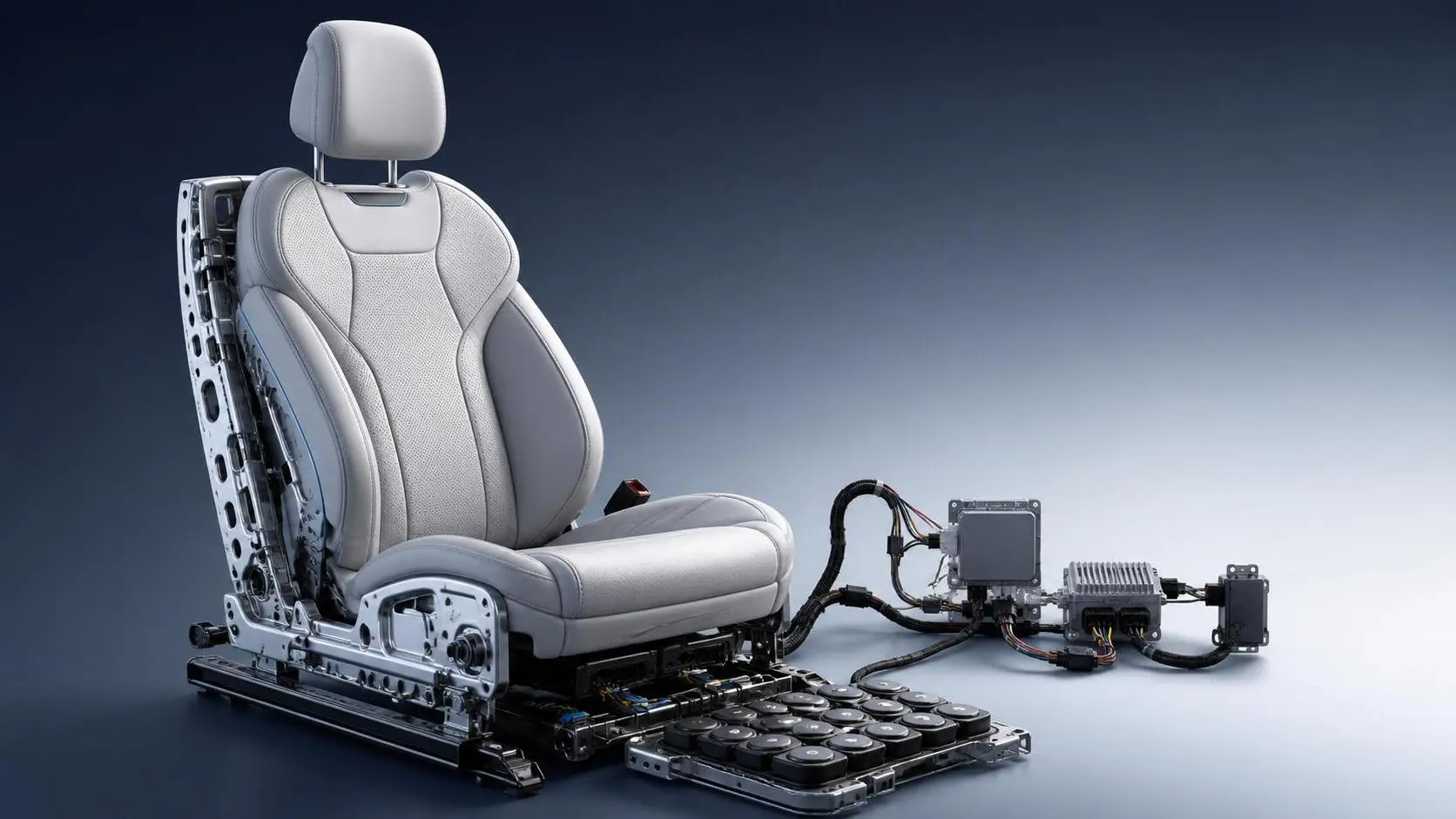
How to Evaluate Custom Smart Automotive Seating for Premium Vehicle Programs?
Custom smart automotive seating evaluation starts with safety, comfort, integration, and production readiness. Discover how premium vehicle teams choose smarter, lower-risk seat solutions.
B2B Product Intelligence Platforms: How to Compare Features, Data Coverage, and ROI
B2B product intelligence platform comparison: learn how to evaluate data coverage, feature depth, compliance visibility, and ROI to choose a sourcing tool that reduces risk and speeds decisions.
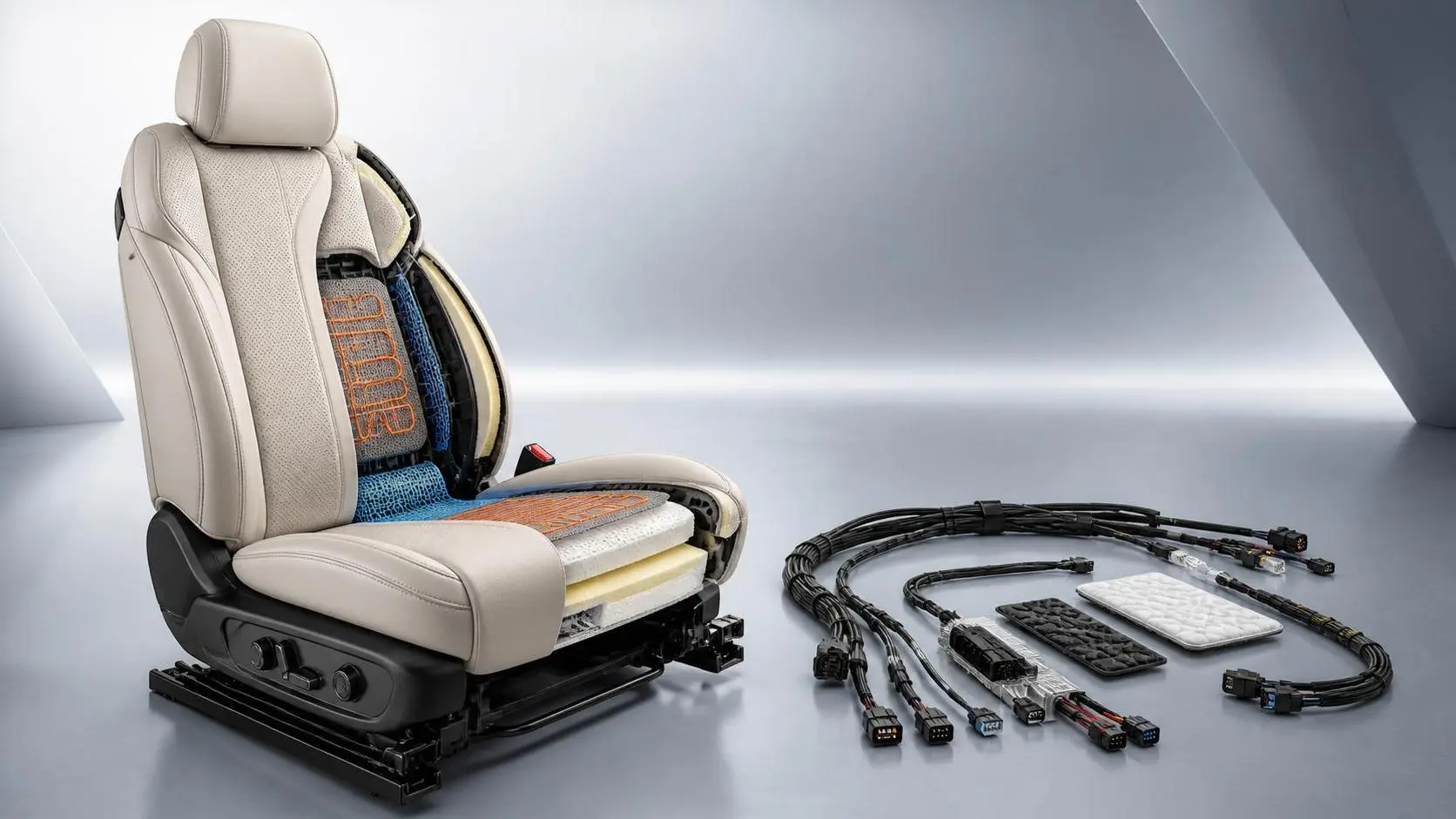
Climate Control Seats Cost: What Drives Price and Long-Term Ownership Value?
Climate control seats cost depends on materials, thermal tech, and integration. Learn what drives price and how to judge long-term value before you buy.
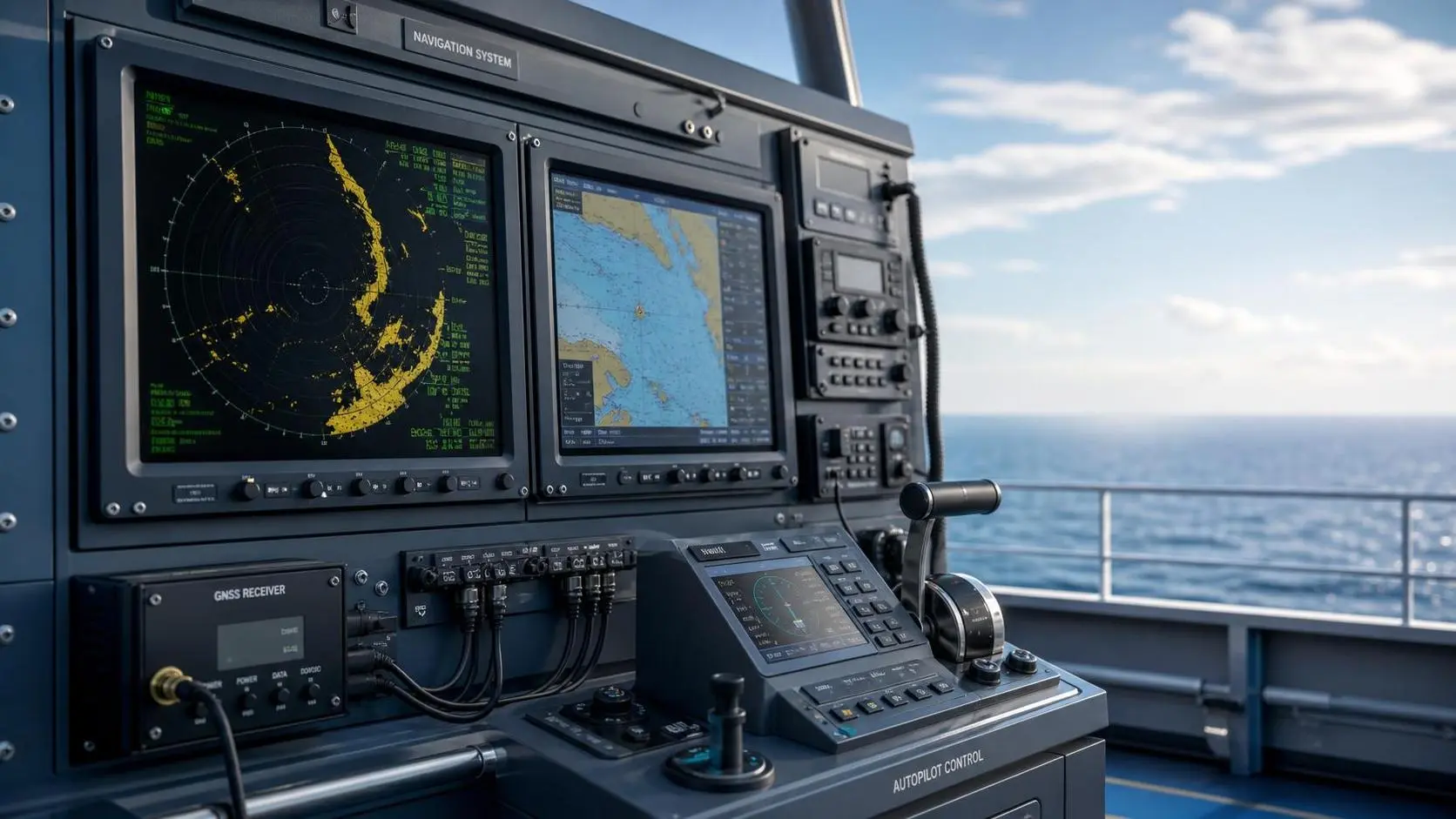
What Factors Drive Marine Navigation Components Cost in Commercial Vessel Projects?
Marine navigation components cost is shaped by integration, compliance, installation, and lifecycle support. Discover what drives pricing and how buyers can reduce risk while improving value.
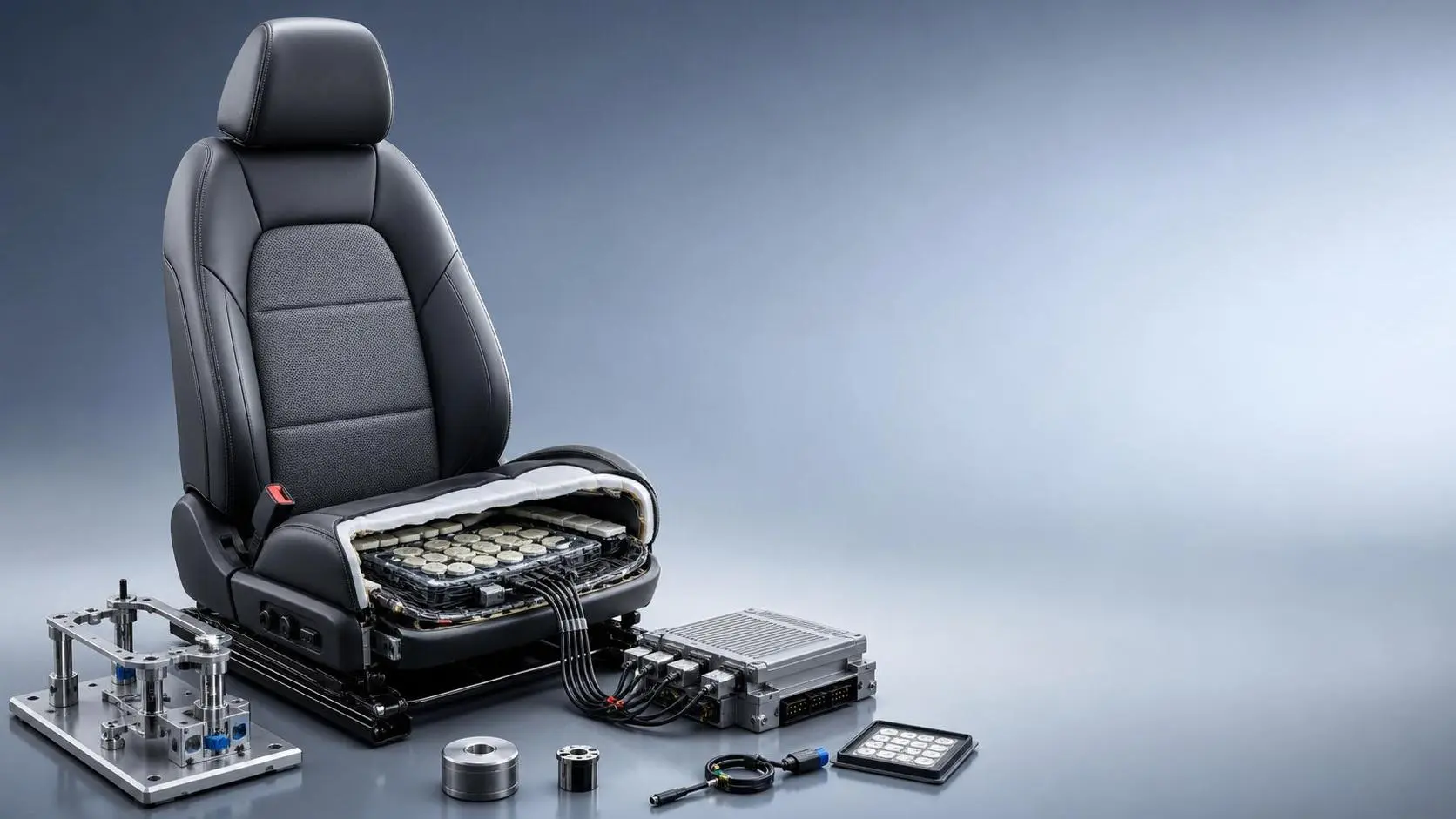
How Much Does Seat Occupancy Sensing Cost? Key Pricing Factors for Buyers
Seat occupancy sensing price varies widely by technology, integration, and compliance needs. Learn the key cost drivers, avoid hidden fees, and make smarter buying decisions.

How to Specify Micro-Climate Control Cabins for Harsh Outdoor Worksites?
Micro-climate control cabins for harsh outdoor worksites: learn how to specify thermal control, filtration, pressurization, and durability for safer uptime and smarter buying.
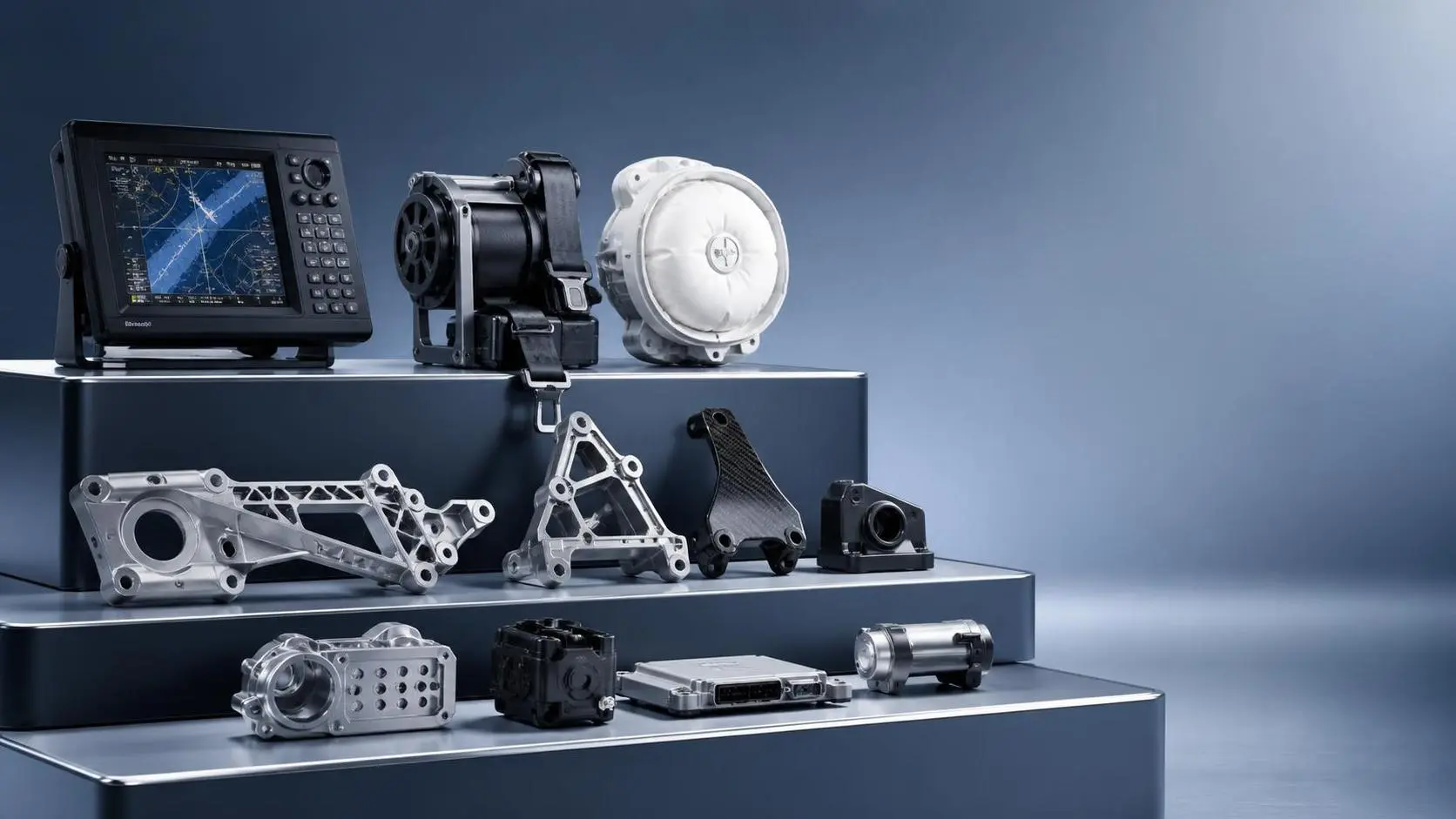
How to Evaluate a B2B Product Knowledge Platform for Faster Procurement Decisions
B2B product knowledge platform procurement starts with reducing decision risk. Learn how to compare specs, compliance, and supplier data to speed sourcing with confidence.
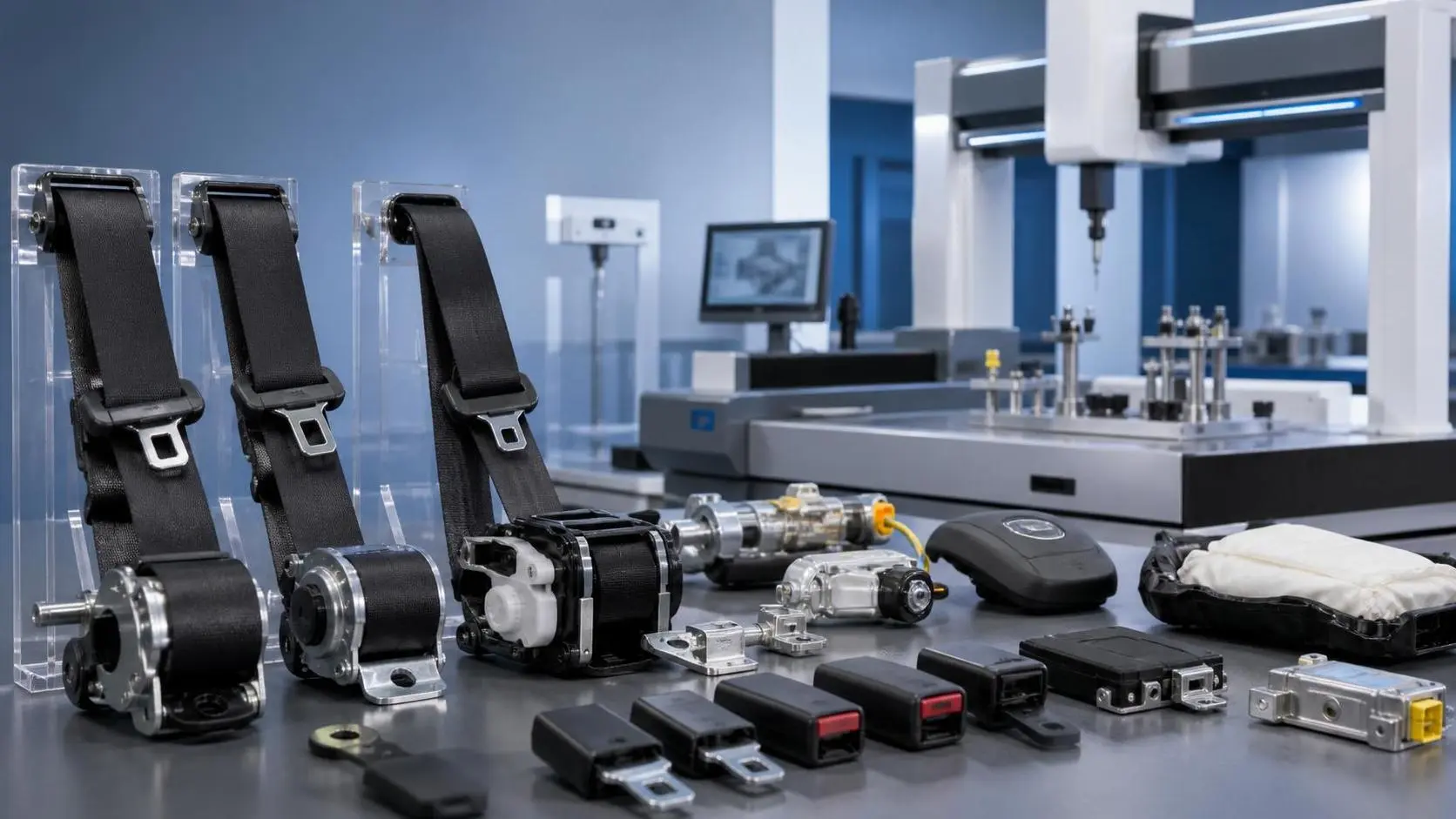
How to Evaluate an Occupant Restraint Systems Exporter for Quality, Compliance, and Supply Risk
Occupant restraint systems exporter evaluation guide: learn how to verify quality controls, compliance evidence, and supply risk before sourcing to avoid recalls, delays, and hidden costs.
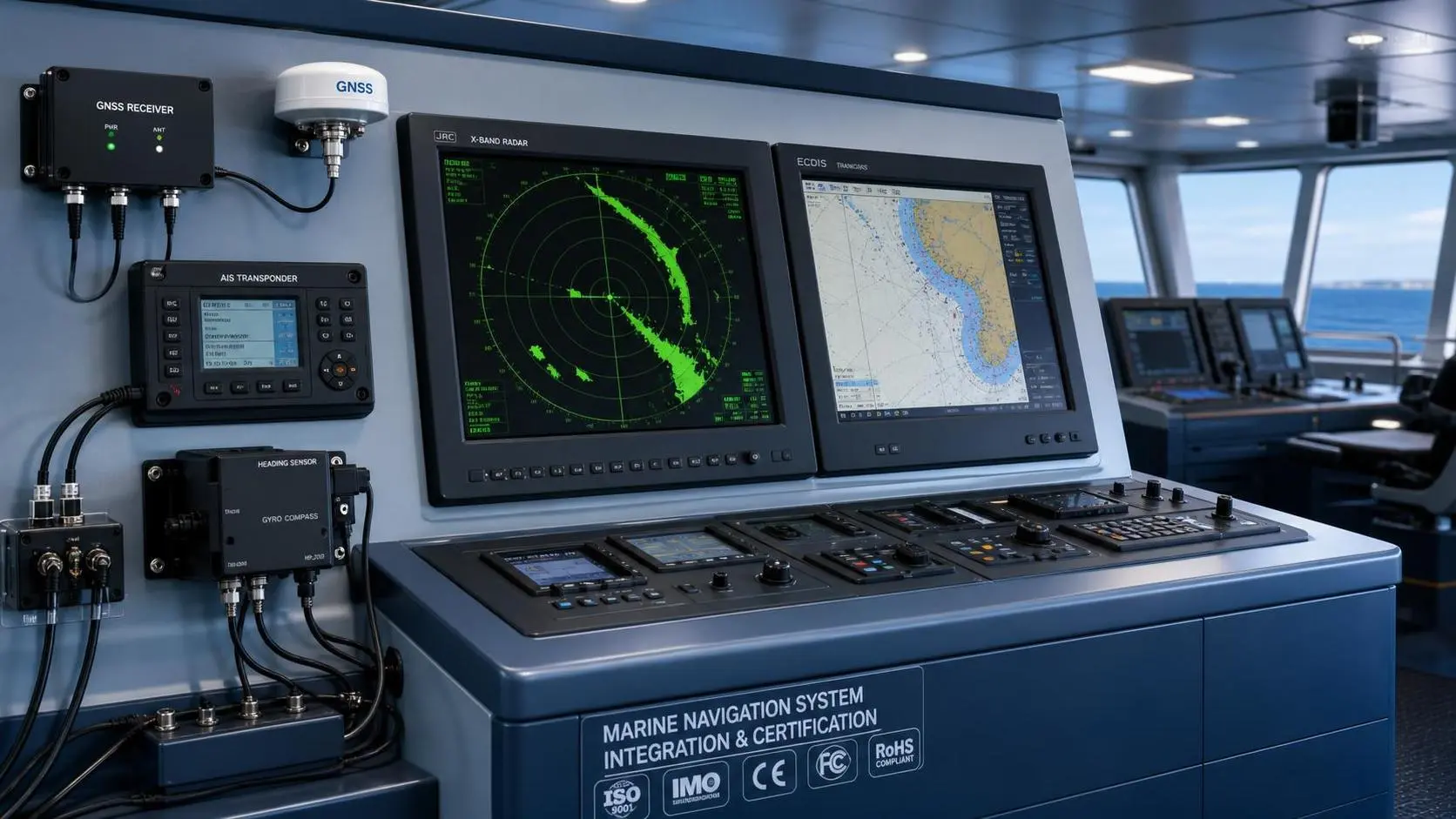
Navigation Compliance Certification: Which Marine Systems Need It and How to Prepare?
Navigation compliance certification explained: discover which marine systems need approval, what documents matter, and how to prepare early to avoid delays, rework, and costly project risks.
Related News
- 00
0000-00
Zero-Casualty Mobility in Practice: Safety Strategies, System Design, and Deployment Challenges - 00
0000-00
Digitalized Mobility Equipment vs Conventional Systems: Where the Cost Difference Comes From - 00
0000-00
How automotive crash protection is changing in 2026 - 00
0000-00
Why are non-toxic propellants gaining ground in new programs? - 00
0000-00
Can zero-casualty mobility move beyond industry talk
Weekly Insights
Stay ahead with our curated technology reports delivered every Monday.