
Can zero-casualty mobility move from vision to reality?
Can zero-casualty mobility move from vision to reality? The question now sits at the center of transport safety, industrial design, and regulatory change.
Across ships, road vehicles, and intelligent cabins, the pursuit of zero-casualty mobility is no longer a distant slogan. It is becoming a measurable engineering target.
Progress depends on two linked capabilities: precision perception and physical containment protection. One helps avoid danger. The other reduces harm when danger cannot be avoided.
This is where GNCS brings value. By tracking marine navigation systems, auto body stampings, airbag assemblies, seatbelt systems, and auto seat assemblies, GNCS connects fragmented signals into usable intelligence.
For anyone evaluating the future of zero-casualty mobility, the real issue is not a single device. It is system-level integration across structure, sensing, compliance, and human protection.
What zero-casualty mobility means in practice
Zero-casualty mobility describes a transport ecosystem designed to prevent fatal outcomes through layered safety, resilient equipment, and rapid response.
It does not imply that risk disappears. It means risk is anticipated, monitored, absorbed, and managed with enough precision to avoid loss of life.
In mobility sectors, this vision usually rests on four foundations:
- Hazard detection before impact or route deviation
- Structural design that controls energy during collisions
- Occupant protection systems that react in milliseconds
- Post-event intelligence for compliance and continuous improvement
That is why zero-casualty mobility is relevant far beyond automotive headlines. Marine navigation, seating ergonomics, and passive safety all influence the final safety outcome.
Why the industry is paying closer attention
Several forces are making zero-casualty mobility more practical and more urgent at the same time.
The result is a shift from isolated component performance to coordinated system performance. Safety is increasingly judged by how technologies work together under real conditions.
This explains why GNCS focuses on intelligence stitching. Compliance updates, material evolution, and sensing advances must be understood as one safety chain.
The two pillars behind zero-casualty mobility
Precision spatial perception
Precision perception helps mobility systems understand position, environment, threat proximity, and route conditions before incidents escalate.
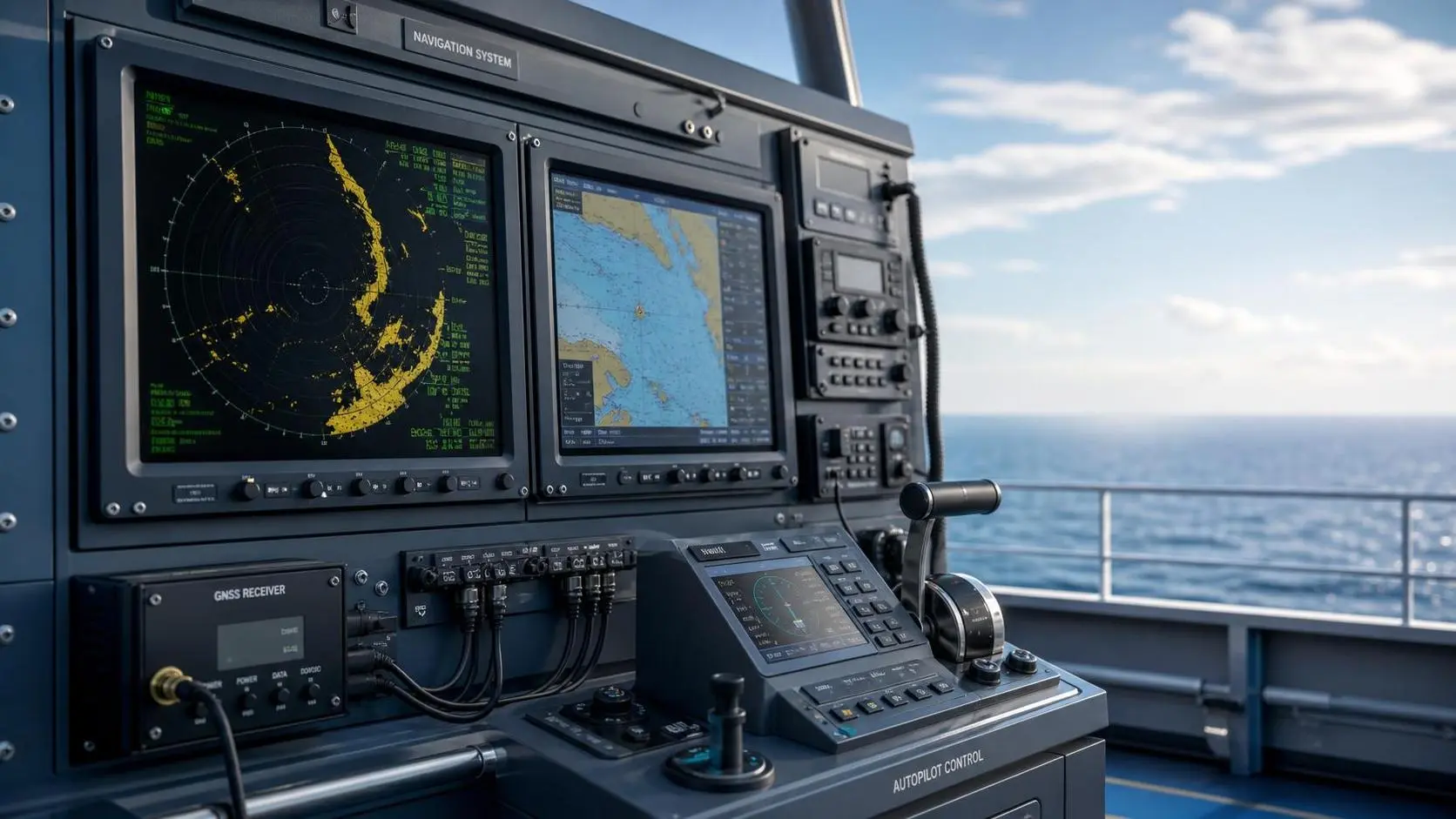
In marine navigation, this includes satellite positioning, sonar, radar, and automatic identification systems working together for all-weather awareness.
Accurate perception lowers the chance of grounding, collision, and route confusion. That directly supports zero-casualty mobility by shifting safety upstream.
Physical containment protection
When avoidance fails, survival depends on how energy is controlled inside the structure and cabin.
Hot-stamped body parts create rigid safety paths. Airbags deploy at precise timing. Seatbelts manage occupant movement. Seats support posture and distribute loads.
This is the second half of zero-casualty mobility. It transforms violent forces into controlled deformation and protected occupant kinematics.
How core equipment areas contribute
The path to zero-casualty mobility becomes clearer when each equipment domain is examined for its real safety role.
Marine navigation systems
Marine systems act as the safety horizon. Reliable positioning and signal processing reduce navigational uncertainty across congested or low-visibility waters.
ECDIS update discipline, radar interpretation quality, and integrated bridge awareness all support safer decisions long before an emergency unfolds.
Auto body stampings
Body stampings form the load-bearing skeleton. Their geometry and material grade define how impact energy is redirected away from occupants.
For zero-casualty mobility, lightweighting cannot weaken protection. It must preserve stiffness, crush behavior, and manufacturing consistency.
Airbag assemblies
Airbags are not simple cushions. They are timed chemical and electronic systems that must deploy within exact thresholds.
Advances in non-toxic propellants, smarter control logic, and broader cabin coverage improve occupant survival potential in varied crash modes.
Seatbelt systems
Seatbelts remain foundational for zero-casualty mobility. Pre-tensioners remove slack quickly, while force limiters reduce excessive chest loading.
Their value rises when integrated with airbags, seating position sensors, and crash pulse management.
Auto seat assemblies
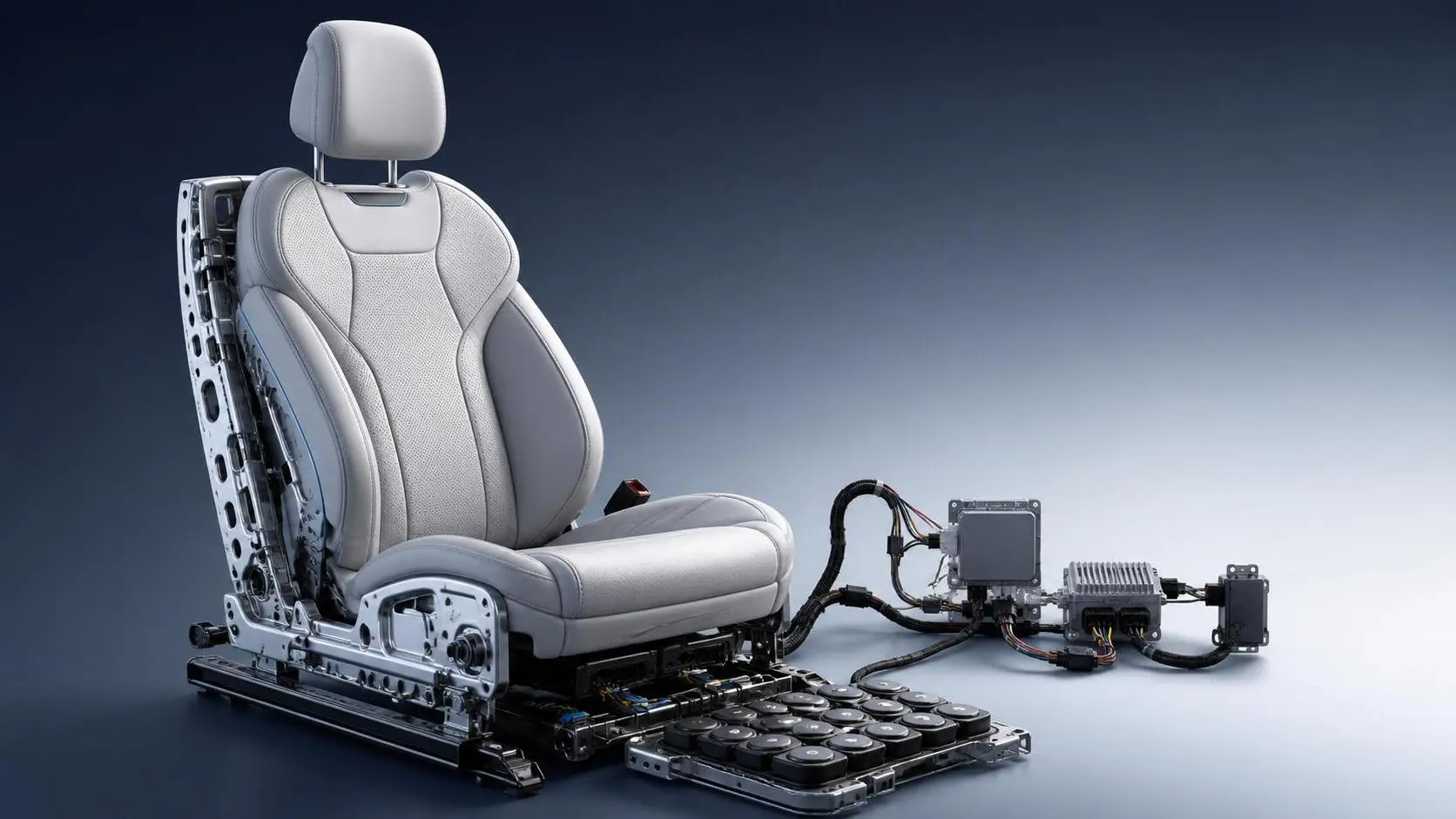
Seats are the first physical interface between humans and the vehicle. Their structure affects posture, fatigue, restraint fit, and injury outcomes.
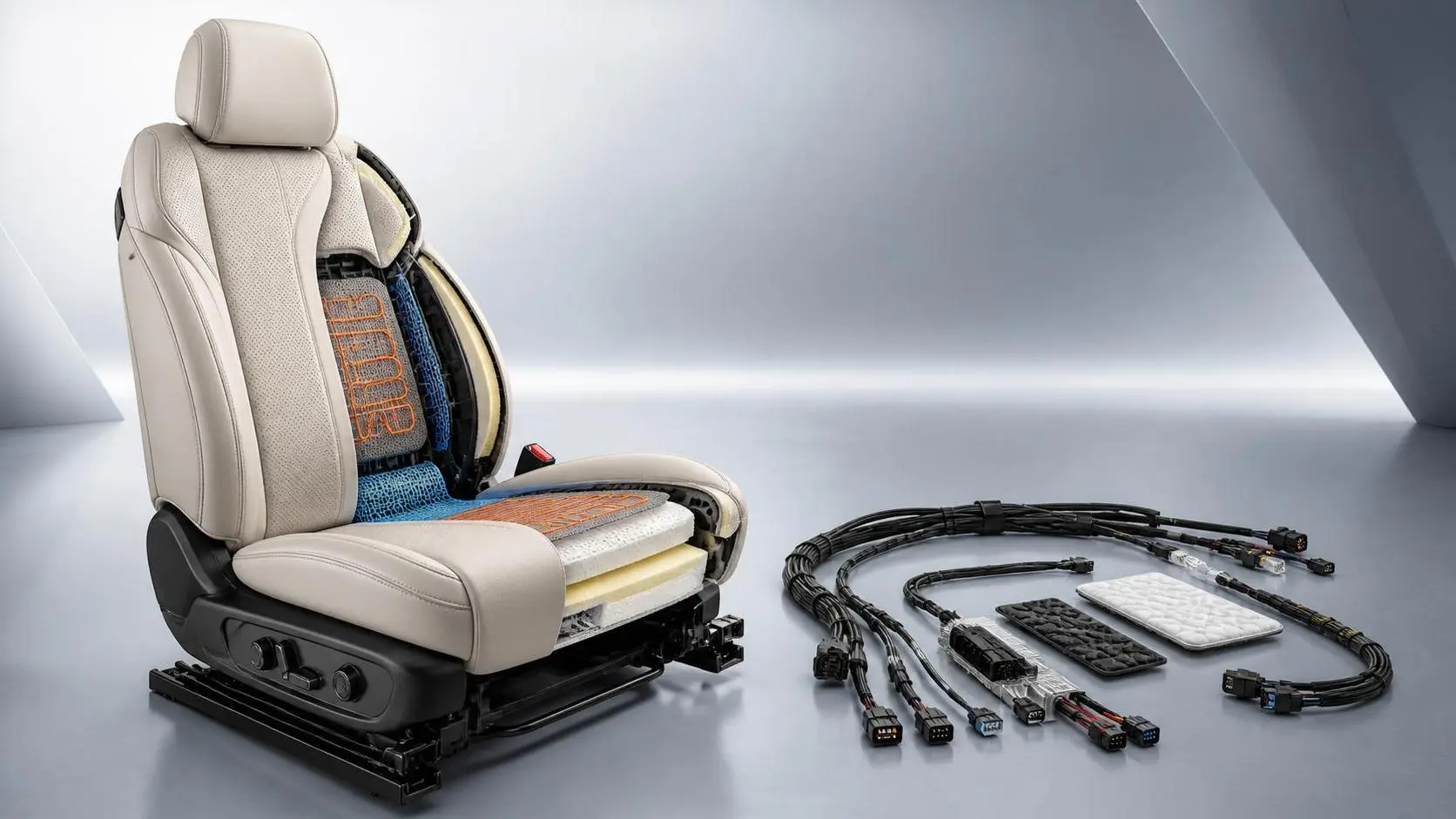
Smart sensing, micro-climate control, and optimized frames improve comfort, but also support safer positioning during long travel exposure.
Typical application scenarios for zero-casualty mobility
Different mobility settings require different safety combinations, even when the zero-casualty mobility objective remains the same.
These scenarios show that zero-casualty mobility is not one technology category. It is a cross-domain safety framework built around predictable protection.
Business and industry value beyond compliance
The value of zero-casualty mobility extends beyond accident reduction. It also shapes competitiveness, technical credibility, and long-term product relevance.
- Better alignment with global safety regulations and audit expectations
- Stronger confidence in high-reliability components and integrated systems
- Improved readiness for platform upgrades and digital diagnostics
- Higher resilience against reputational damage linked to safety failures
For this reason, intelligence platforms like GNCS matter. They help translate evolving standards and material trends into practical decisions.
Practical considerations for moving from vision to reality
Reaching zero-casualty mobility requires disciplined execution. Ambition alone cannot close safety gaps.
- Treat sensing and protection as one architecture, not separate procurement topics.
- Validate lightweight materials under realistic crash and durability conditions.
- Track regulation updates continuously, especially across maritime and vehicle safety domains.
- Use test data to refine occupant models, seat performance, and restraint timing.
- Prioritize software update integrity for navigation and cabin safety electronics.
It is also important to remember that zero-casualty mobility is iterative. Each compliance cycle, crash result, and field event adds new learning.
A grounded next step for evaluating zero-casualty mobility
The future of zero-casualty mobility will be decided by integration quality, not isolated claims. Safer mobility emerges when perception, structure, and protection work as one.
GNCS follows that full chain closely, from marine electromagnetic processing to crash energy absorption and intelligent seating evolution.
A practical next step is to compare current equipment strategies against three questions: What hazards are detected early, what energy is controlled physically, and what standards are changing next?
That approach turns zero-casualty mobility from a broad aspiration into a structured roadmap shaped by evidence, engineering, and continuous intelligence.
Related News
How to Evaluate Custom Smart Automotive Seating for Premium Vehicle Programs?
Custom smart automotive seating evaluation starts with safety, comfort, integration, and production readiness. Discover how premium vehicle teams choose smarter, lower-risk seat solutions.
B2B Product Intelligence Platforms: How to Compare Features, Data Coverage, and ROI
B2B product intelligence platform comparison: learn how to evaluate data coverage, feature depth, compliance visibility, and ROI to choose a sourcing tool that reduces risk and speeds decisions.
Climate Control Seats Cost: What Drives Price and Long-Term Ownership Value?
Climate control seats cost depends on materials, thermal tech, and integration. Learn what drives price and how to judge long-term value before you buy.
What Factors Drive Marine Navigation Components Cost in Commercial Vessel Projects?
Marine navigation components cost is shaped by integration, compliance, installation, and lifecycle support. Discover what drives pricing and how buyers can reduce risk while improving value.

How Much Does Seat Occupancy Sensing Cost? Key Pricing Factors for Buyers
Seat occupancy sensing price varies widely by technology, integration, and compliance needs. Learn the key cost drivers, avoid hidden fees, and make smarter buying decisions.
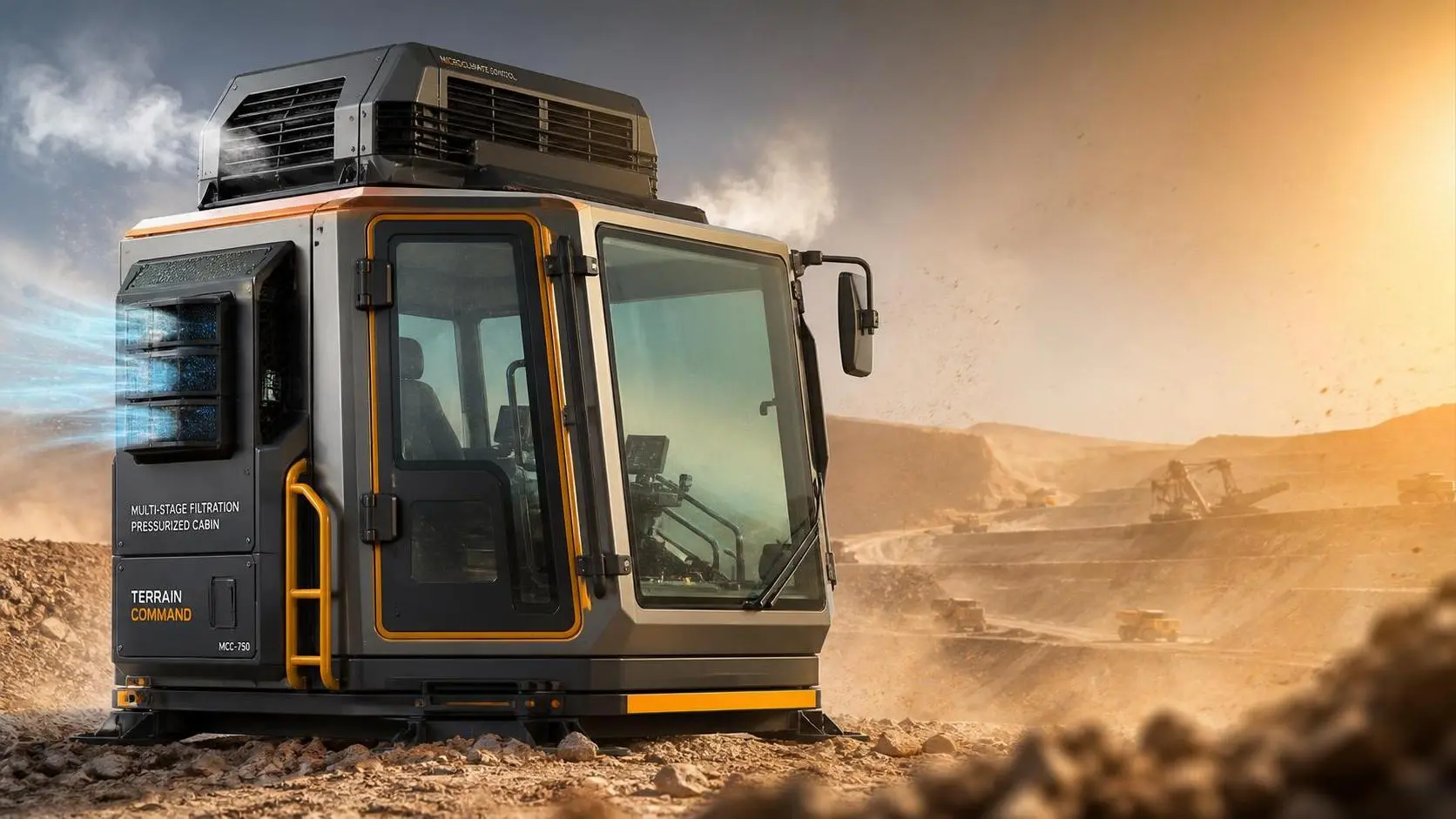
How to Specify Micro-Climate Control Cabins for Harsh Outdoor Worksites?
Micro-climate control cabins for harsh outdoor worksites: learn how to specify thermal control, filtration, pressurization, and durability for safer uptime and smarter buying.
How to Evaluate a B2B Product Knowledge Platform for Faster Procurement Decisions
B2B product knowledge platform procurement starts with reducing decision risk. Learn how to compare specs, compliance, and supplier data to speed sourcing with confidence.
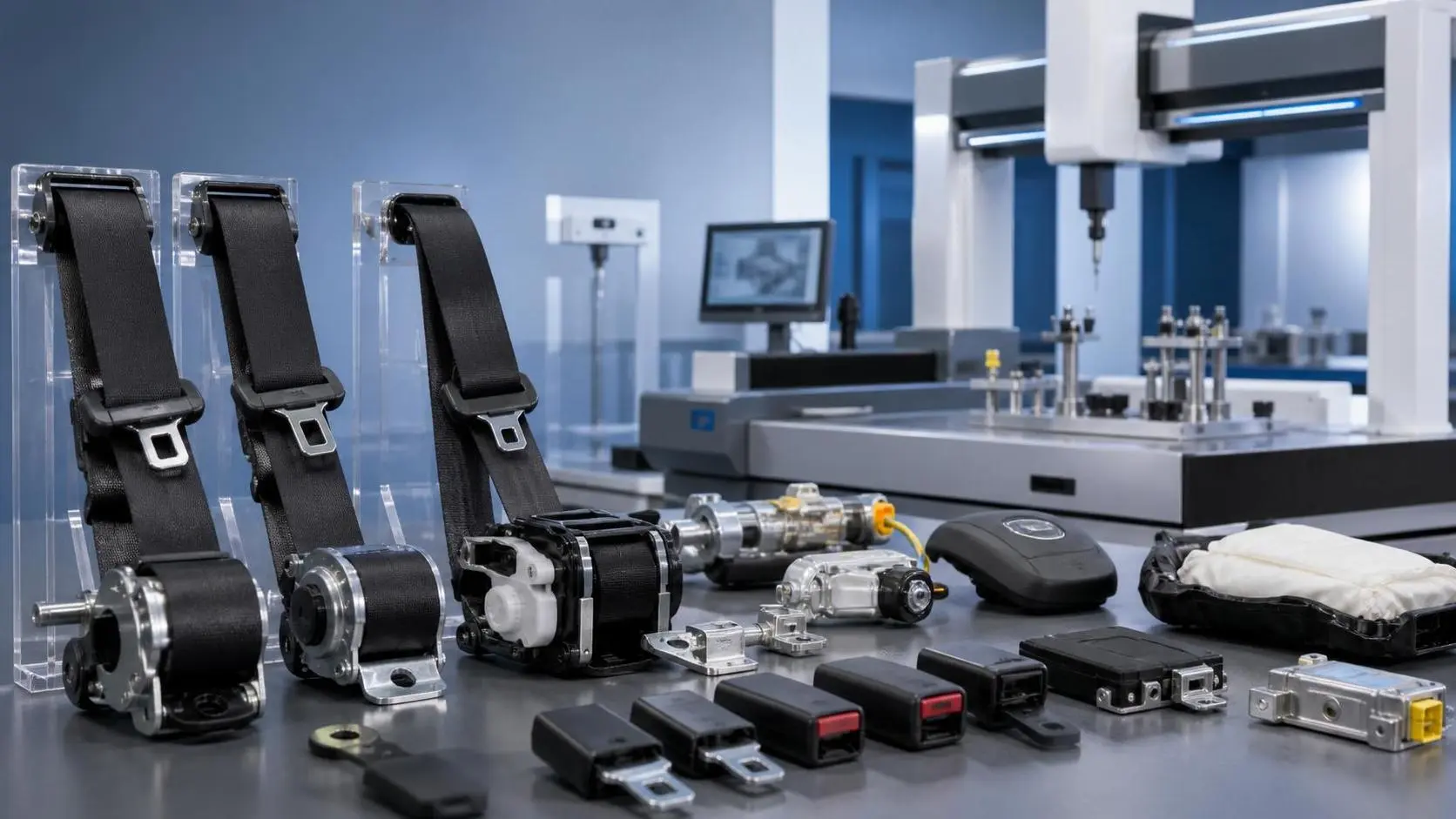
How to Evaluate an Occupant Restraint Systems Exporter for Quality, Compliance, and Supply Risk
Occupant restraint systems exporter evaluation guide: learn how to verify quality controls, compliance evidence, and supply risk before sourcing to avoid recalls, delays, and hidden costs.
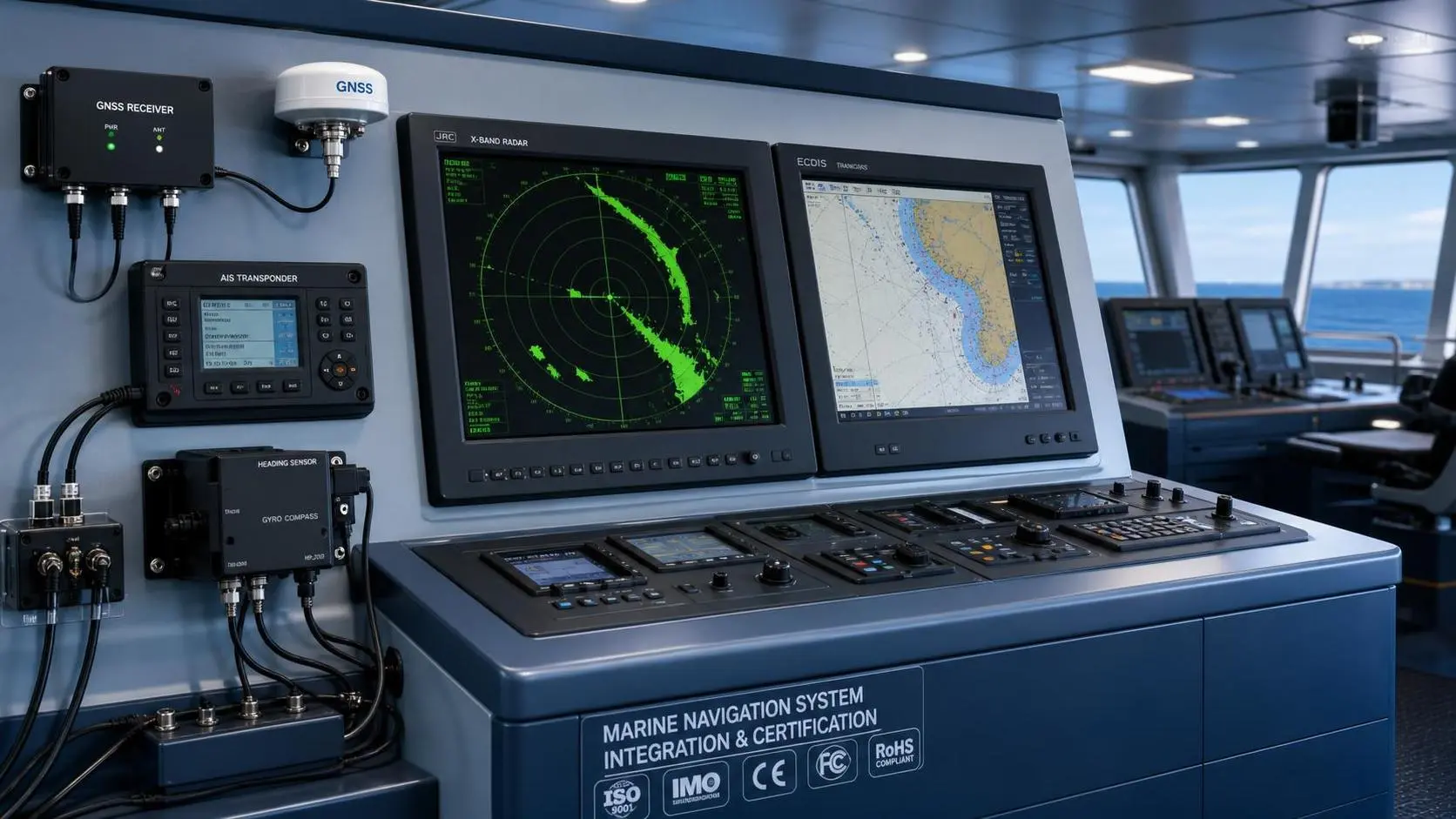
Navigation Compliance Certification: Which Marine Systems Need It and How to Prepare?
Navigation compliance certification explained: discover which marine systems need approval, what documents matter, and how to prepare early to avoid delays, rework, and costly project risks.
Related News
- 00
0000-00
Zero-Casualty Mobility in Practice: Safety Strategies, System Design, and Deployment Challenges - 00
0000-00
Digitalized Mobility Equipment vs Conventional Systems: Where the Cost Difference Comes From - 00
0000-00
How automotive crash protection is changing in 2026 - 00
0000-00
Why are non-toxic propellants gaining ground in new programs? - 00
0000-00
Can zero-casualty mobility move beyond industry talk
Weekly Insights
Stay ahead with our curated technology reports delivered every Monday.