
Can zero-casualty mobility move from vision to reality?
Can zero-casualty mobility evolve from an ambitious concept into an industry-wide standard? Across marine navigation, lightweight vehicle structures, airbags, seatbelt systems, and smart seating, the answer increasingly depends on how precision perception and physical protection work together.
For GNCS, zero-casualty mobility is not a slogan. It is a systems target shaped by sensing accuracy, structural integrity, restraint timing, ergonomic design, and compliance discipline.
The path to zero-casualty mobility is complex. Yet advances in navigation, passive safety, lightweight engineering, and intelligent cabins are making the concept more measurable and more actionable.
What does zero-casualty mobility really mean?
Zero-casualty mobility means designing mobility systems to prevent deaths and drastically reduce severe injuries across normal use, emergencies, and edge-case failures.
It does not imply a single device can eliminate risk. Instead, it requires layered safety across perception, decision, structure, restraint, and post-event survivability.
In marine navigation, zero-casualty mobility starts with reliable spatial awareness. Satellite positioning, sonar, radar, and AIS reduce collision probability before physical danger escalates.
In road mobility, the same principle applies differently. High-strength body structures manage crash energy, while airbags, seatbelts, and seats control occupant motion within milliseconds.
This is why GNCS links “Precision Spatial Perception” with “Physical Containment Protection.” One prevents the event. The other reduces harm when prevention is no longer enough.
Why is the concept gaining traction now?
Three forces are converging: better sensors, stronger digital engineering, and tighter global safety expectations. Together, they move zero-casualty mobility from aspiration toward operational planning.
- Regulations increasingly reward verifiable safety performance.
- Simulation tools predict failure modes earlier in development.
- Connected systems improve updates, diagnostics, and traceability.
Which technologies are making zero-casualty mobility more realistic?
Zero-casualty mobility depends on integrated technologies, not isolated upgrades. The strongest progress appears when sensing, structure, and occupant protection are engineered as one safety chain.
1. Marine navigation systems
Modern maritime safety relies on sensor fusion. GNSS, sonar, radar, and AIS create a more complete picture than any single source can provide.
Cloud-based ECDIS updates also matter. They help vessels stay aligned with changing routes, hazards, and compliance requirements, reducing human interpretation errors.
2. Auto body stampings and lightweight structures
Zero-casualty mobility needs structures that are both light and protective. Hot-stamped steel and advanced aluminum designs help balance energy absorption with mass reduction.
Lighter vehicles can improve efficiency. But poor lightweighting can weaken crash paths. The goal is intelligent mass reduction, not simple thinning.
3. Airbag assemblies and smart inflators
Airbags remain essential to zero-casualty mobility. Their value depends on deployment timing, venting behavior, gas chemistry, and compatibility with varied occupant positions.
The move toward non-toxic propellant evolution reflects a broader safety mindset. Protection is no longer judged only by inflation speed, but by lifecycle responsibility too.
4. Seatbelt systems and smart seats
Pretensioners and force limiters are central to zero-casualty mobility. They manage occupant deceleration before secondary impacts create severe chest, neck, or pelvis injuries.
Seats also shape safety outcomes. Frame stiffness, anti-submarining geometry, head restraint performance, and occupant sensing improve restraint effectiveness.
What are the biggest barriers to zero-casualty mobility?
The largest barriers are not purely technical. Zero-casualty mobility often stalls because development teams optimize separate components instead of total safety performance.
Fragmented engineering priorities
A navigation system may be accurate, yet fail under poor interface design. A body may be strong, yet misaligned with restraint calibration.
When subsystems are developed in silos, safety gaps emerge between handoffs. Zero-casualty mobility requires shared parameters and cross-domain validation.
Compliance complexity
Global mobility equipment faces changing rules, from marine standards to IIHS and Euro NCAP expectations. Meeting one benchmark does not guarantee broader readiness.
This matters for zero-casualty mobility because regulations increasingly test realistic scenarios, mixed occupant conditions, and secondary safety effects.
Data quality and update discipline
Smart safety is only as trustworthy as the data behind it. Poor signal quality, outdated maps, or incomplete crash models can create false confidence.
Zero-casualty mobility depends on continuous validation. Safety cannot remain static while operating environments and regulations evolve.
How should safety performance be judged in real applications?
Zero-casualty mobility should be judged through scenario performance, not marketing claims. The central question is simple: what happens under stress, uncertainty, and misuse?
Key evaluation dimensions
A strong zero-casualty mobility strategy also tests unusual conditions. These include partial sensor blockage, mixed occupant sizes, off-axis impacts, and degraded sea visibility.
What common misconceptions slow progress?
Several misconceptions distort decisions around zero-casualty mobility. Most come from treating safety as a checklist instead of a living engineering discipline.
- “More sensors automatically mean more safety.” Integration quality matters more than sensor count.
- “Lighter always means better.” Lightweight structures must preserve crash logic and durability.
- “Passing a test equals full safety.” Lab success may not cover edge cases or update drift.
- “Passive safety is mature already.” Occupant diversity keeps changing restraint needs.
Zero-casualty mobility advances fastest when teams question assumptions early. A narrowly optimized component can undermine wider system resilience.
What practical steps move zero-casualty mobility from vision to reality?
The most credible route to zero-casualty mobility is phased implementation. Progress comes from disciplined integration, measurable targets, and evidence-based iteration.
Recommended action framework
- Define safety objectives by scenario, not by component.
- Create shared data models across navigation, structure, and restraint systems.
- Validate with real-world misuse and degraded-condition testing.
- Track regulatory shifts across marine and automotive domains.
- Use update governance to preserve safety performance after launch.
GNCS supports this direction through stitched intelligence. It connects navigation technology, passive safety architecture, cabin ergonomics, and commercial insight into one decision view.
That matters because zero-casualty mobility cannot be built through isolated reading of standards or isolated testing of parts. It needs informed coordination across the full safety chain.
Quick FAQ summary table
Can zero-casualty mobility move from vision to reality? Yes, but only through disciplined integration of perception, protection, lightweighting, compliance, and continuous validation.
The next practical step is clear. Review safety systems as connected layers, identify weak interfaces, and align technology choices with evolving global standards.
In that shift, zero-casualty mobility stops being an abstract promise. It becomes a design method, an intelligence framework, and a realistic benchmark for safer mobility worldwide.
Related News
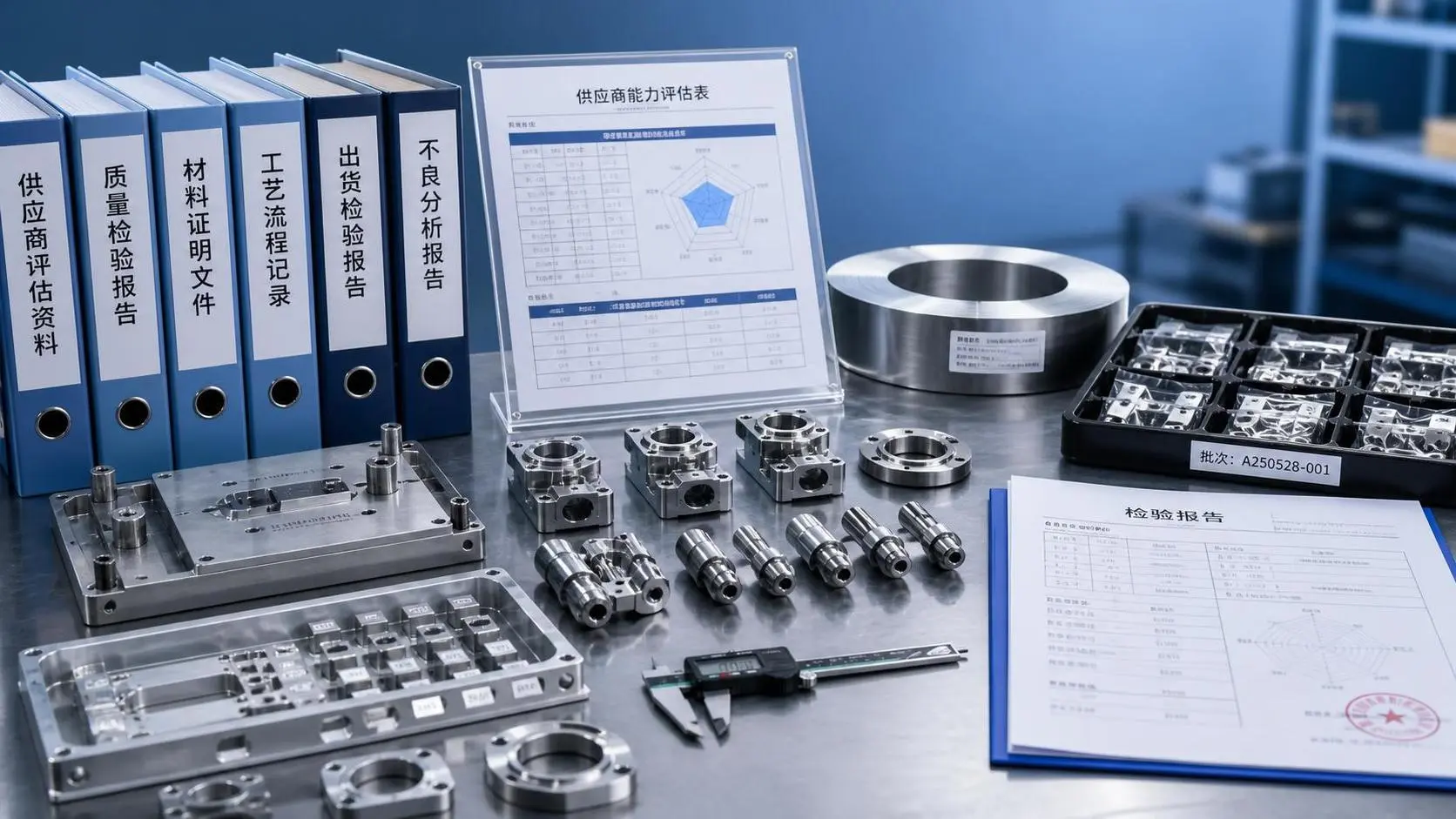
Supplier Capability Evaluation Process: Key Criteria for B2B Sourcing Decisions
Supplier capability evaluation process explained: learn the key criteria for B2B sourcing decisions, reduce supplier risk, and choose partners with confidence.
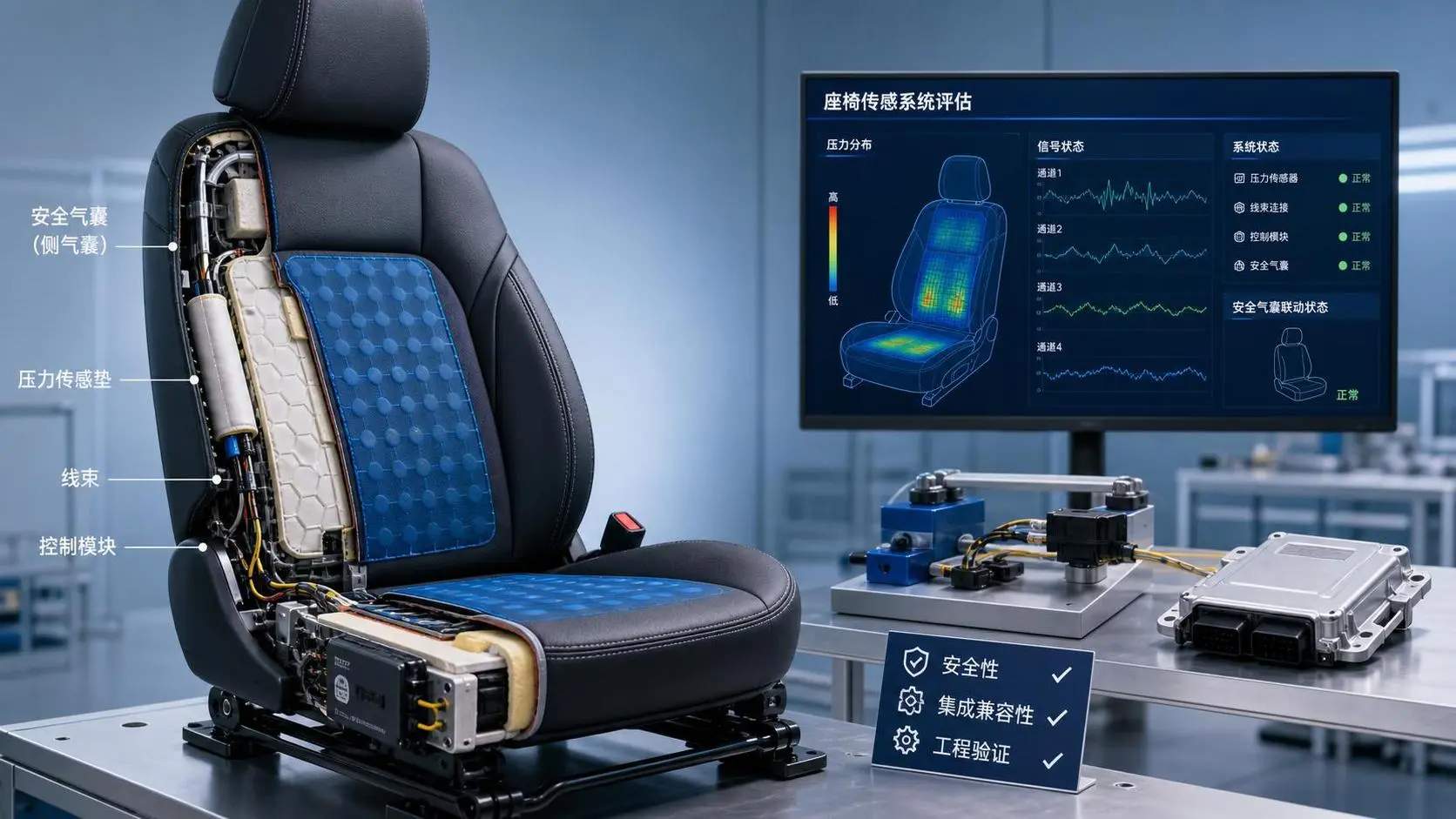
How to Evaluate a Seat Sensing Technology Supplier for Safety and Integration?
Seat sensing technology supplier evaluation guide: compare safety maturity, integration fit, algorithm reliability, and validation support to choose a partner that reduces risk.
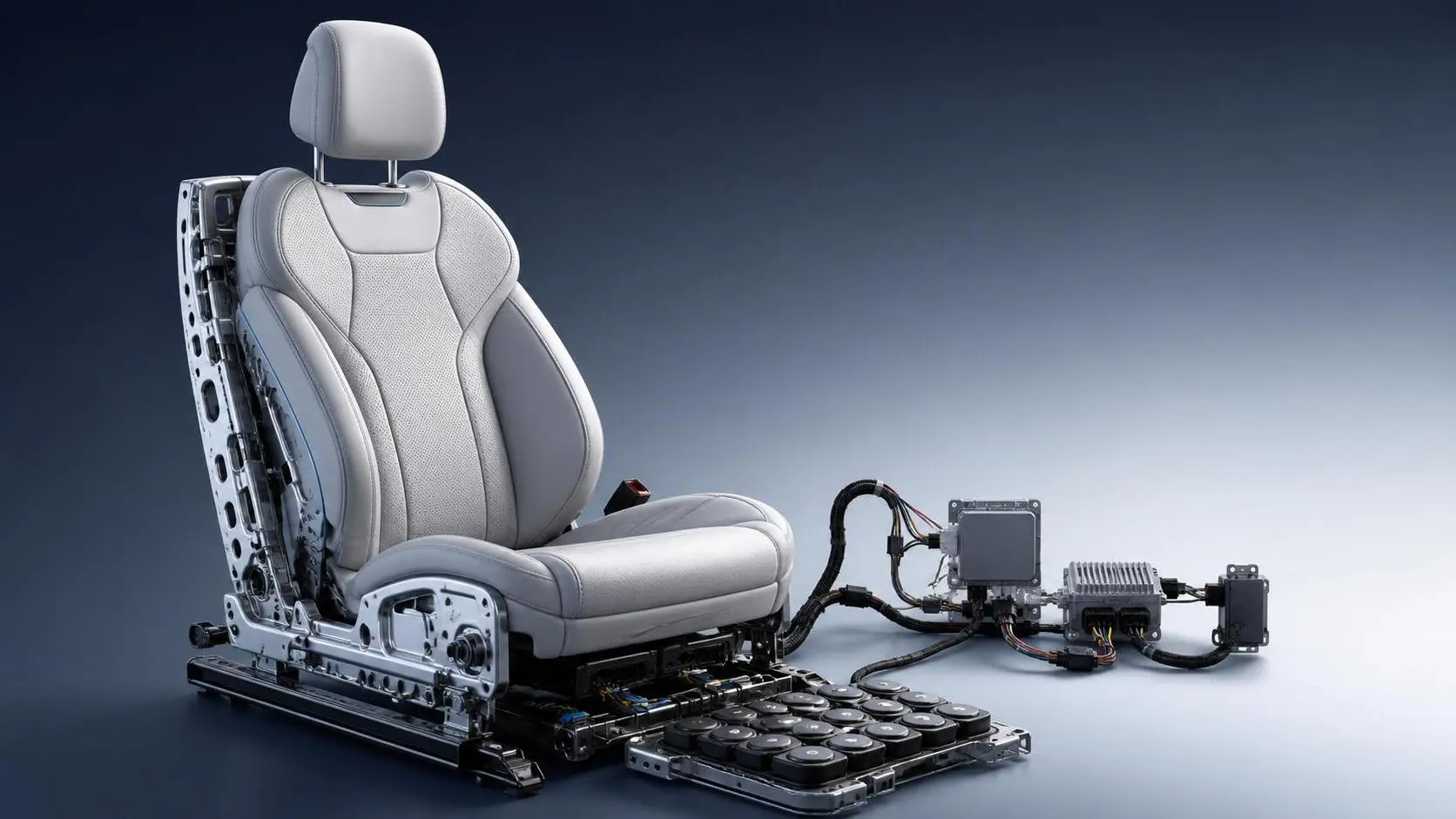
How to Evaluate Custom Smart Automotive Seating for Premium Vehicle Programs?
Custom smart automotive seating evaluation starts with safety, comfort, integration, and production readiness. Discover how premium vehicle teams choose smarter, lower-risk seat solutions.
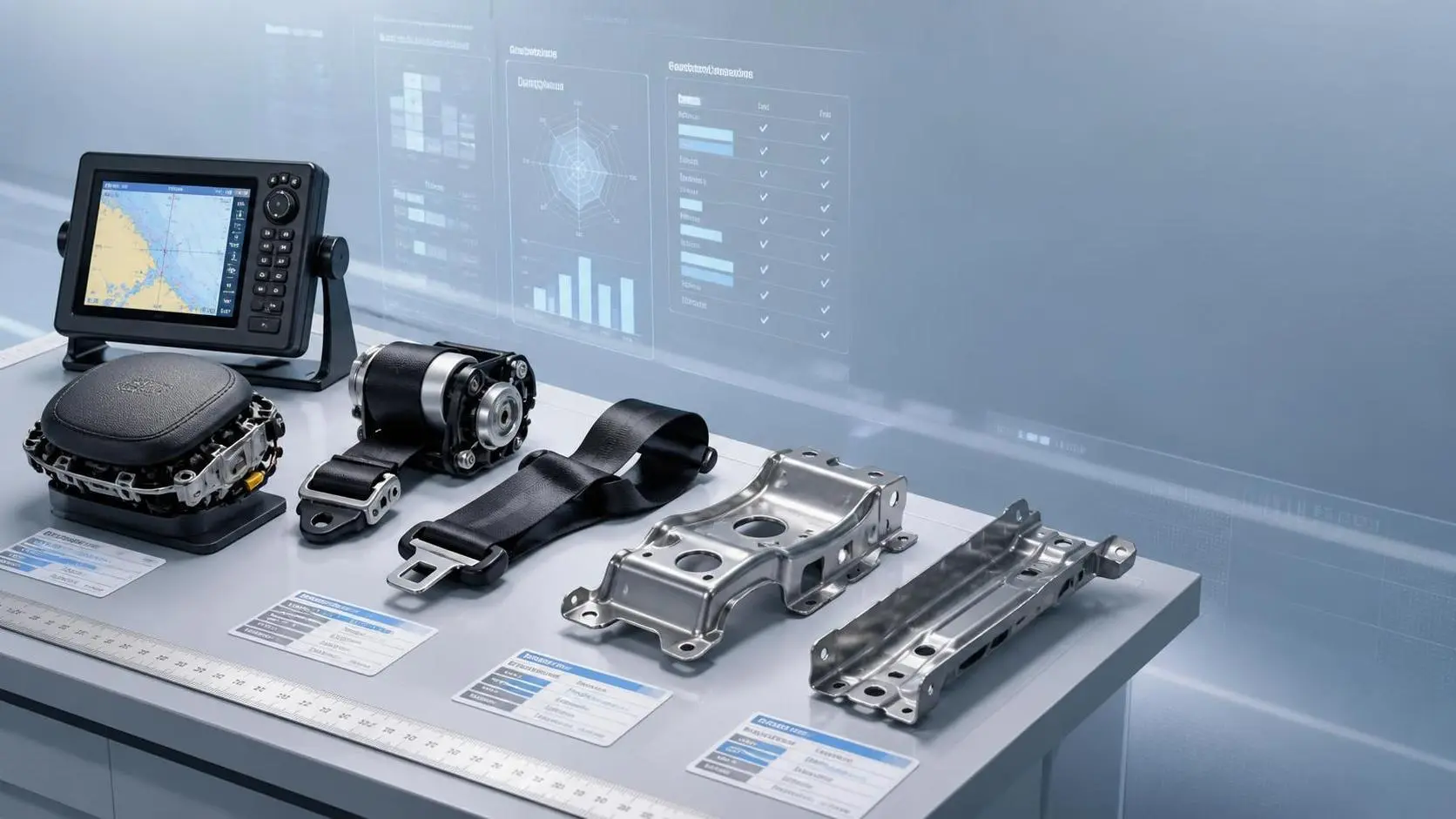
B2B Product Intelligence Platforms: How to Compare Features, Data Coverage, and ROI
B2B product intelligence platform comparison: learn how to evaluate data coverage, feature depth, compliance visibility, and ROI to choose a sourcing tool that reduces risk and speeds decisions.
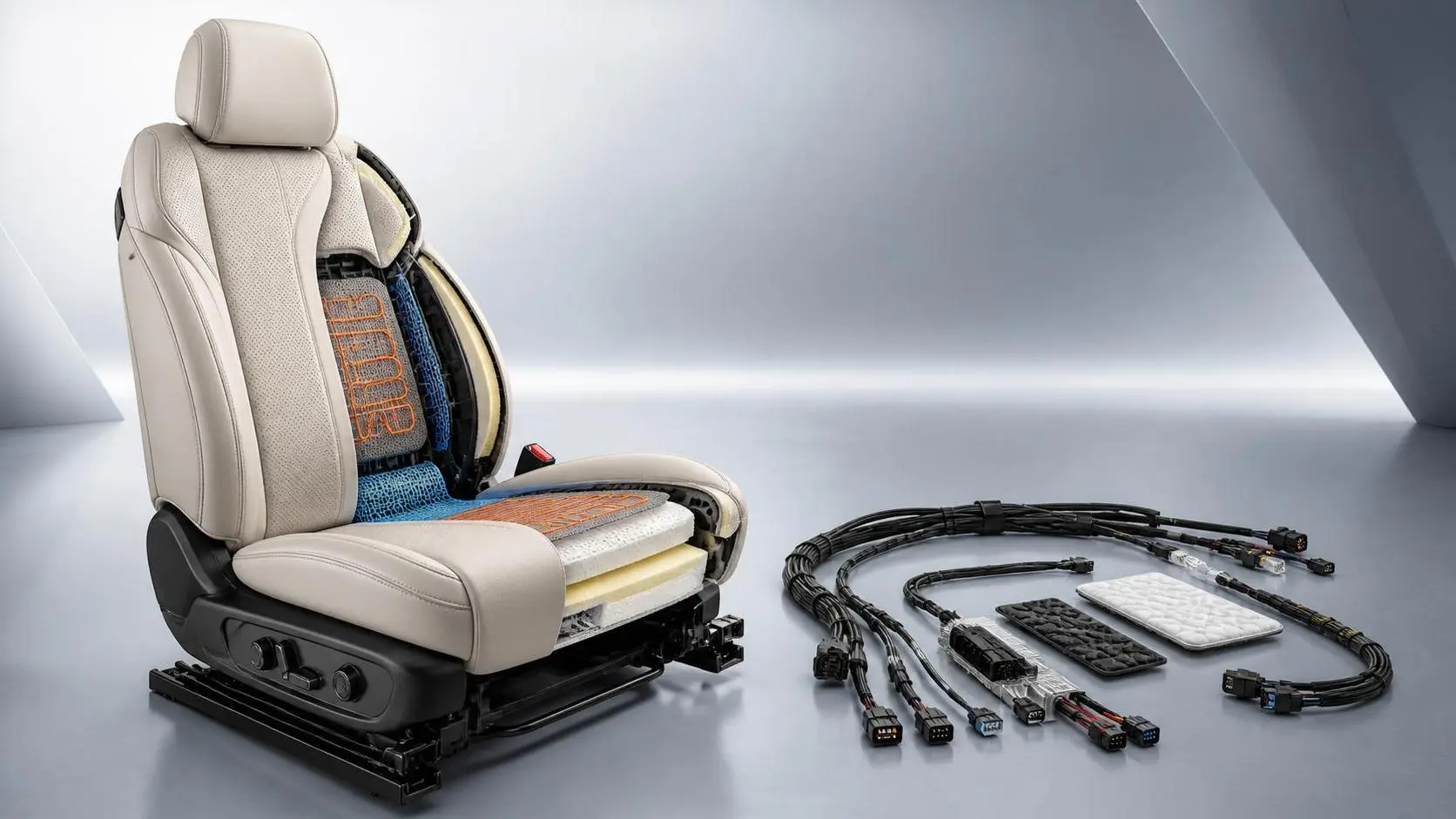
Climate Control Seats Cost: What Drives Price and Long-Term Ownership Value?
Climate control seats cost depends on materials, thermal tech, and integration. Learn what drives price and how to judge long-term value before you buy.
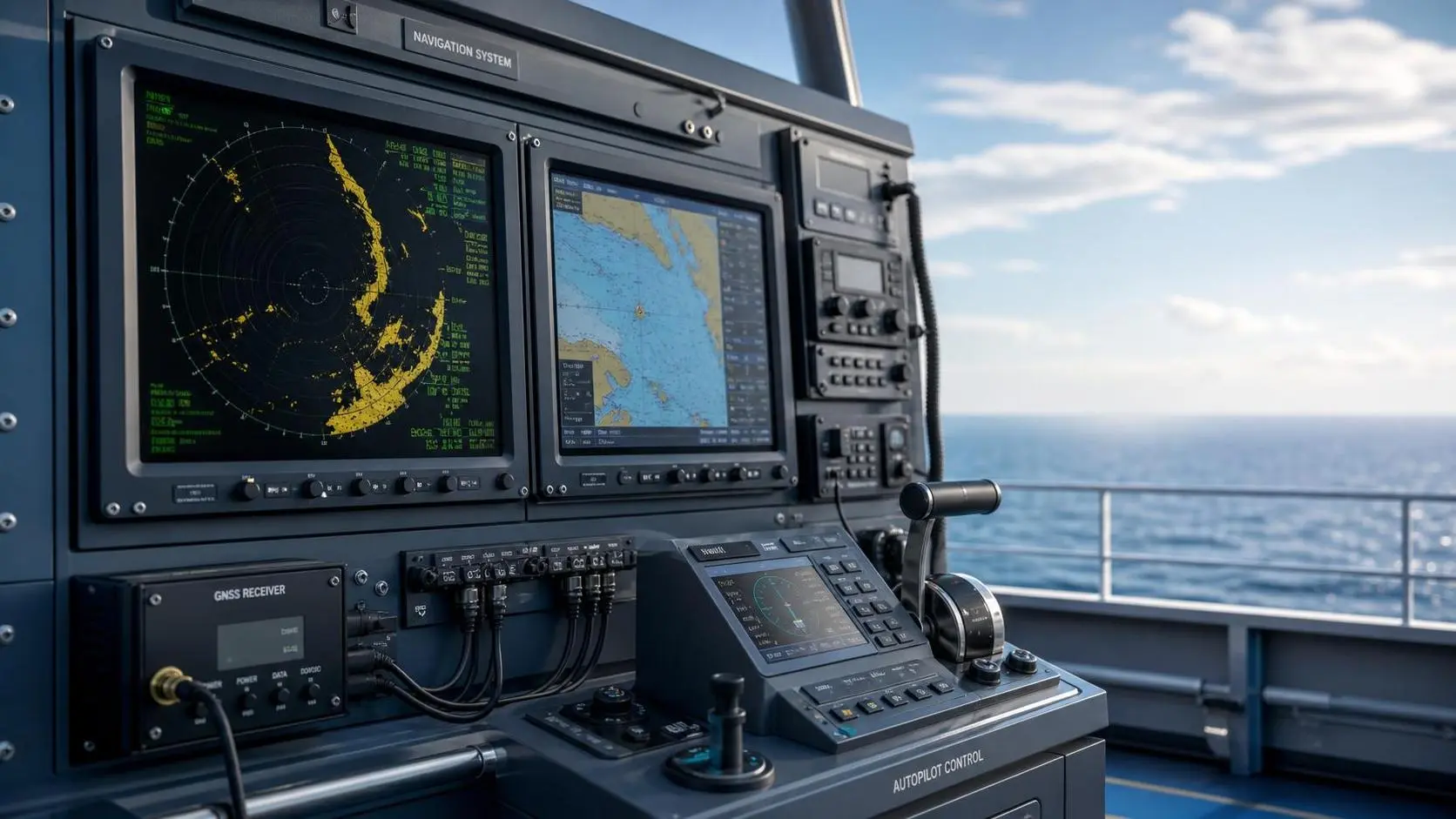
What Factors Drive Marine Navigation Components Cost in Commercial Vessel Projects?
Marine navigation components cost is shaped by integration, compliance, installation, and lifecycle support. Discover what drives pricing and how buyers can reduce risk while improving value.

How Much Does Seat Occupancy Sensing Cost? Key Pricing Factors for Buyers
Seat occupancy sensing price varies widely by technology, integration, and compliance needs. Learn the key cost drivers, avoid hidden fees, and make smarter buying decisions.
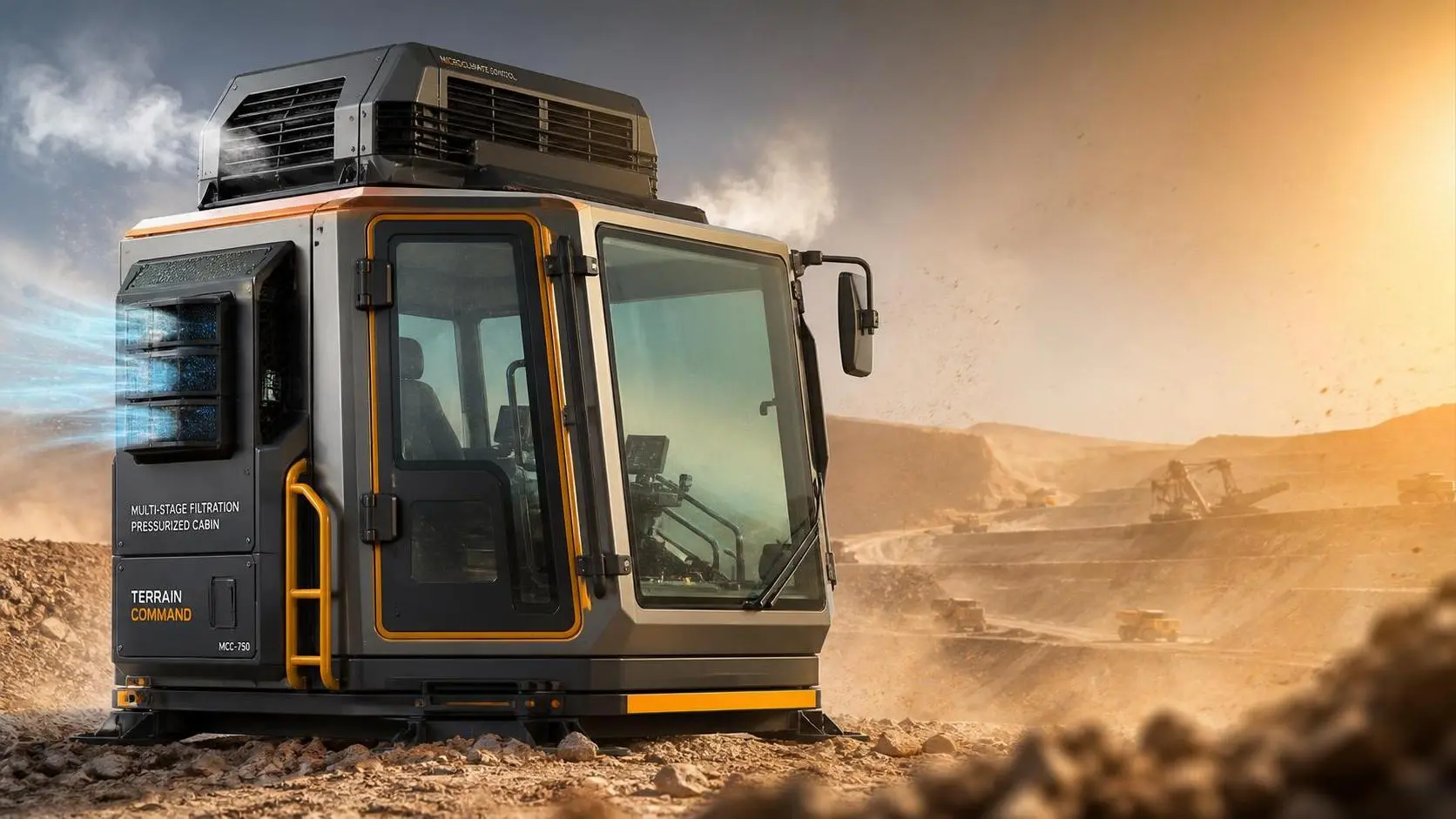
How to Specify Micro-Climate Control Cabins for Harsh Outdoor Worksites?
Micro-climate control cabins for harsh outdoor worksites: learn how to specify thermal control, filtration, pressurization, and durability for safer uptime and smarter buying.
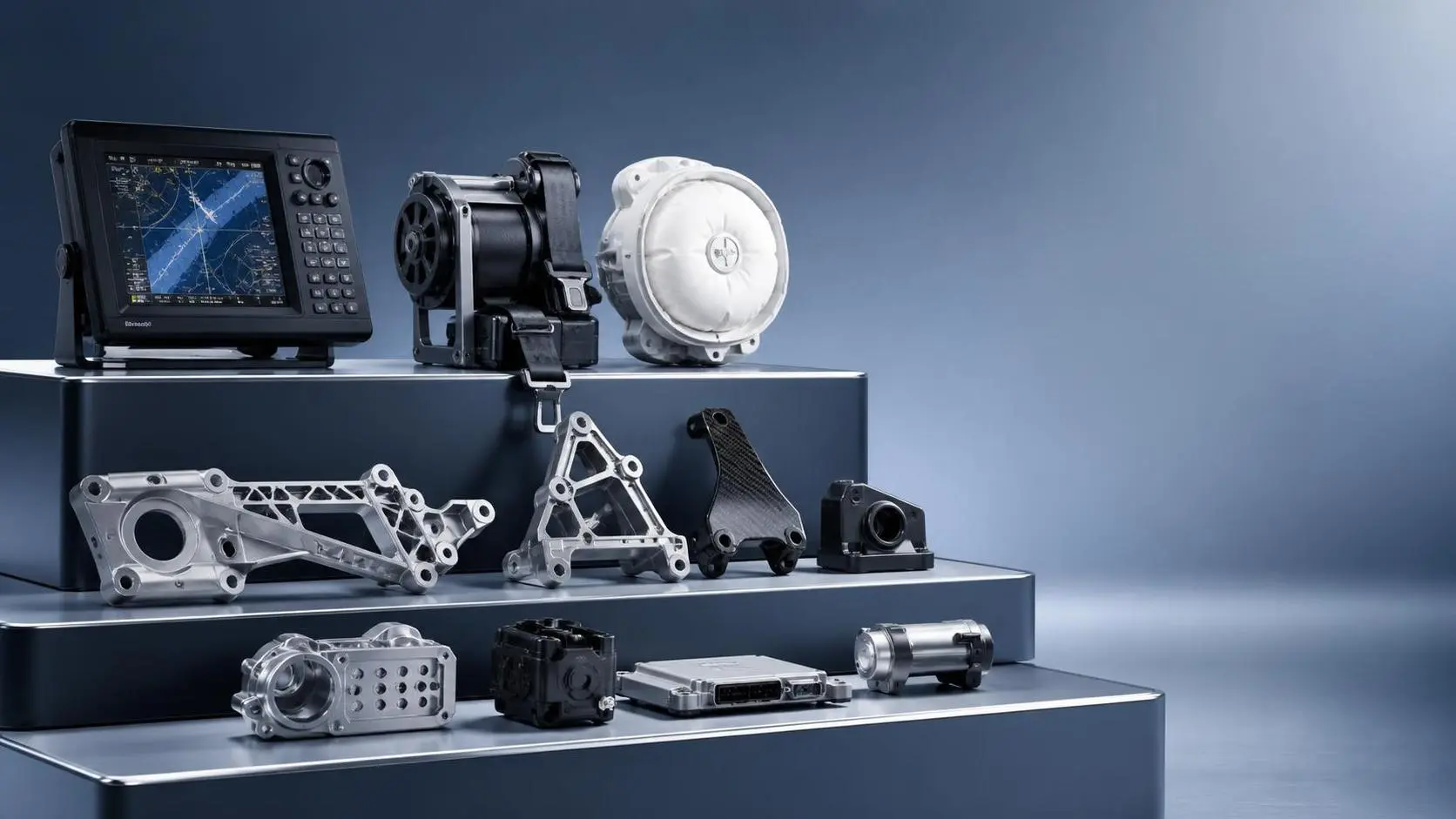
How to Evaluate a B2B Product Knowledge Platform for Faster Procurement Decisions
B2B product knowledge platform procurement starts with reducing decision risk. Learn how to compare specs, compliance, and supplier data to speed sourcing with confidence.
Related News
- 00
0000-00
Zero-Casualty Mobility in Practice: Safety Strategies, System Design, and Deployment Challenges - 00
0000-00
Digitalized Mobility Equipment vs Conventional Systems: Where the Cost Difference Comes From - 00
0000-00
How automotive crash protection is changing in 2026 - 00
0000-00
Why are non-toxic propellants gaining ground in new programs? - 00
0000-00
Can zero-casualty mobility move beyond industry talk
Weekly Insights
Stay ahead with our curated technology reports delivered every Monday.