
Seatbelt Components Cost: 7 Factors That Change Unit Price, Tooling, and Lifecycle Spend
Seatbelt Components Cost: 7 Factors That Change Unit Price, Tooling, and Lifecycle Spend
For procurement teams, understanding seatbelt components cost goes far beyond comparing unit quotes.
Material grades, pretensioner design, tooling investment, certification demands, order volume, supplier capability, and lifecycle quality risks all shape total spend.
That is why a low piece price can still become an expensive sourcing decision.
In practice, seatbelt components cost should be reviewed as a system cost, not a single-line purchase price.
The seven factors below explain what usually moves pricing, where hidden spend appears, and how to build a more reliable cost model.
1. Material Selection Changes More Than Raw Cost
Material choice is often the first visible driver of seatbelt components cost.
Webbing yarn grade, buckle housing metal, latch plate treatment, and retractor steel thickness all influence unit pricing.
But the bigger issue is performance consistency under load, abrasion, corrosion, and temperature cycling.
A cheaper steel grade may reduce purchase cost today while increasing warranty risk later.
This matters even more in export programs with strict salt spray and durability requirements.
- High-tenacity polyester webbing can increase cost but improve dimensional stability.
- Surface-coated metal parts may add cents per unit yet lower corrosion-related claims.
- Tighter resin and spring material specs often support better retractor consistency.
When comparing quotes, ask whether the same material standard, not just the same part name, is being priced.
2. Pretensioner and Force-Limiter Design Raise Technical Complexity
A basic belt set and an advanced passive safety module should never be priced the same way.
Pretensioners, load limiters, pyrotechnic interfaces, and sensor-related integration push seatbelt components cost upward fast.
The reason is not only extra parts.
Assembly control, traceability, validation, and regulatory handling requirements also become stricter.
From a sourcing view, this is where technical architecture strongly affects total spend.
More advanced restraint functions can reduce downstream safety tradeoffs.
Still, they usually require better process controls and a stronger supplier qualification process.
That means the true seatbelt components cost includes engineering support and compliance overhead, not only the hardware itself.
3. Tooling Investment Often Distorts Early Price Comparisons
Tooling can make one quote look expensive and another look attractive for the wrong reason.
Retractor housings, buckle covers, metal stampings, and plastic guides may each require separate tools, gauges, and fixtures.
Some suppliers amortize tooling into unit price.
Others present it as an upfront charge, which changes the apparent seatbelt components cost in the RFQ stage.
This is where annual volume matters.
A program with low forecast volume may never recover expensive dedicated tooling efficiently.
By contrast, a long-life platform may justify stronger tools with lower maintenance risk.
A cleaner comparison uses total program cost over the expected lifecycle, not a single launch-year number.
4. Certification and Testing Requirements Can Shift the Price Floor
Compliance is a major reason seatbelt components cost varies by market and platform.
FMVSS, ECE, OEM internal protocols, endurance testing, abuse testing, and crash-related validation all add workload.
Even when part geometry looks similar, validation scope may be completely different.
That difference eventually shows up in quote structure.
Recent sourcing cycles show a stronger push for documented traceability and process evidence.
That means PPAP support, test reports, capability data, and change control discipline all deserve cost attention.
A supplier with weak compliance support may appear cheaper, but the real seatbelt components cost often rises during approval delays.
5. Order Volume, Forecast Accuracy, and Scheduling Affect Unit Economics
Volume still matters, but forecast quality matters almost as much.
Seatbelt components cost usually falls when production runs are stable and material planning is predictable.
Short-term schedule swings create overtime, expedited freight, and inefficient line balancing.
These costs may not appear in the opening quote, but they surface quickly in real operations.
In actual business, blanket orders and release discipline can help more than aggressive price negotiation.
The same supplier may offer better pricing when demand visibility supports resin, webbing, and stamped-part planning.
- Share a realistic 12-month forecast.
- Clarify service-part volume separately from mass production.
- Define flexibility bands before nomination.
These steps often reduce seatbelt components cost without changing the technical specification.
6. Supplier Capability Drives Hidden Cost and Risk Exposure
Two suppliers can quote the same drawing and deliver very different outcomes.
This is one of the least understood parts of seatbelt components cost.
Process maturity, automation level, incoming inspection discipline, maintenance capability, and sub-supplier control all matter.
When these are weak, defect escapes and delivery instability become more likely.
The financial impact is usually indirect but significant.
It may show up as line stoppage, sorting campaigns, extra audits, or engineering firefighting.
That is why capability reviews should be part of any cost discussion.
A slightly higher quote from a stable source can produce lower lifecycle spend and better launch confidence.
7. Lifecycle Quality Cost Is Often the Biggest Number Nobody Puts in the RFQ
The most expensive seatbelt components cost may come after production starts.
Warranty claims, field returns, recalls, customer chargebacks, and replacement logistics can overwhelm early savings.
Because seatbelt systems are safety-critical, the downside of poor quality is unusually high.
This also means lifecycle risk deserves a direct place in sourcing models.
A practical cost review should include more than landed piece price.
- Estimate expected defect cost per million units.
- Add launch containment and resident support assumptions.
- Score recall exposure based on design and process history.
- Review spare-parts support over the full vehicle lifecycle.
Once these items are visible, seatbelt components cost becomes easier to judge with real commercial discipline.
How to Compare Seatbelt Components Cost More Effectively
A useful sourcing comparison should combine technical, financial, and operational inputs.
That approach gives a more realistic picture than unit price alone.
- Separate base hardware cost from tooling and validation cost.
- Check whether all quotes use the same materials and testing assumptions.
- Ask for costed alternatives for standard and advanced restraint configurations.
- Quantify logistics, buffer stock, and forecast volatility exposure.
- Include quality history and launch support in commercial scoring.
This method keeps seatbelt components cost tied to decision quality, not just negotiation pressure.
It also supports stronger supplier conversations because assumptions are transparent from the start.
Final Takeaway
Seatbelt components cost is shaped by seven connected factors, not a single quoted number.
Material grade, design complexity, tooling, certification, volume planning, supplier capability, and lifecycle quality all influence the final outcome.
From a procurement perspective, the strongest decisions come from comparing total program economics with safety compliance fully in view.
That is the more reliable way to control seatbelt components cost while protecting launch timing and long-term supply stability.
Before the next RFQ round, align technical scope, validation boundaries, and lifecycle assumptions first. Pricing discussions become much sharper after that.
Related News
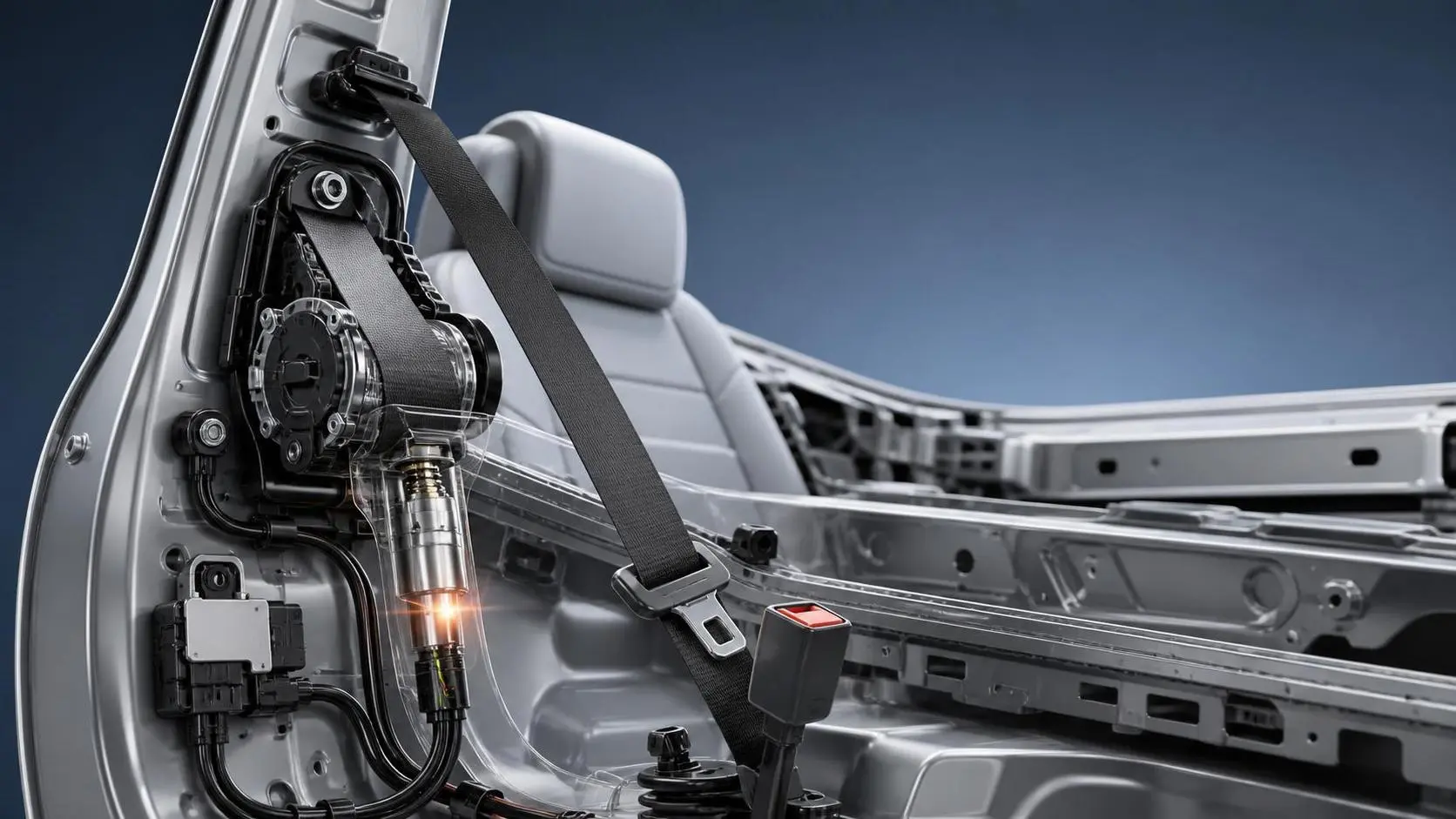
How Seat Belt Pretensioners for EVs Improve Crash Safety and System Response
Seat belt pretensioners for EVs improve crash timing, occupant control, and system response. Discover how smarter integration boosts EV safety performance.
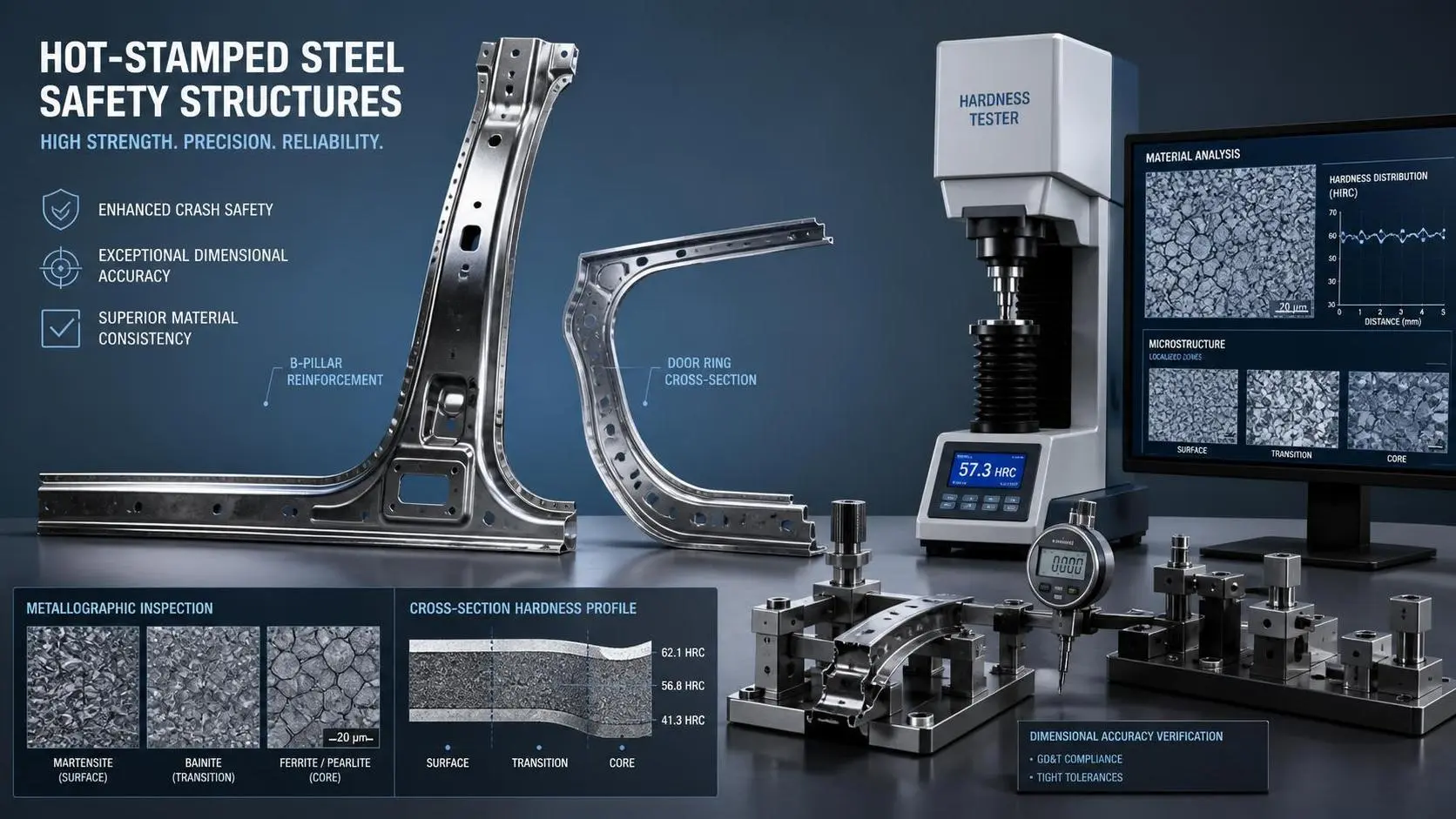
How to Evaluate High Strength Hot Stamped Steel Parts for Crash-Safety Applications
High strength hot stamped steel parts for crash-safety applications: learn how to assess strength, microstructure, dimensional accuracy, and process stability for safer sourcing decisions.
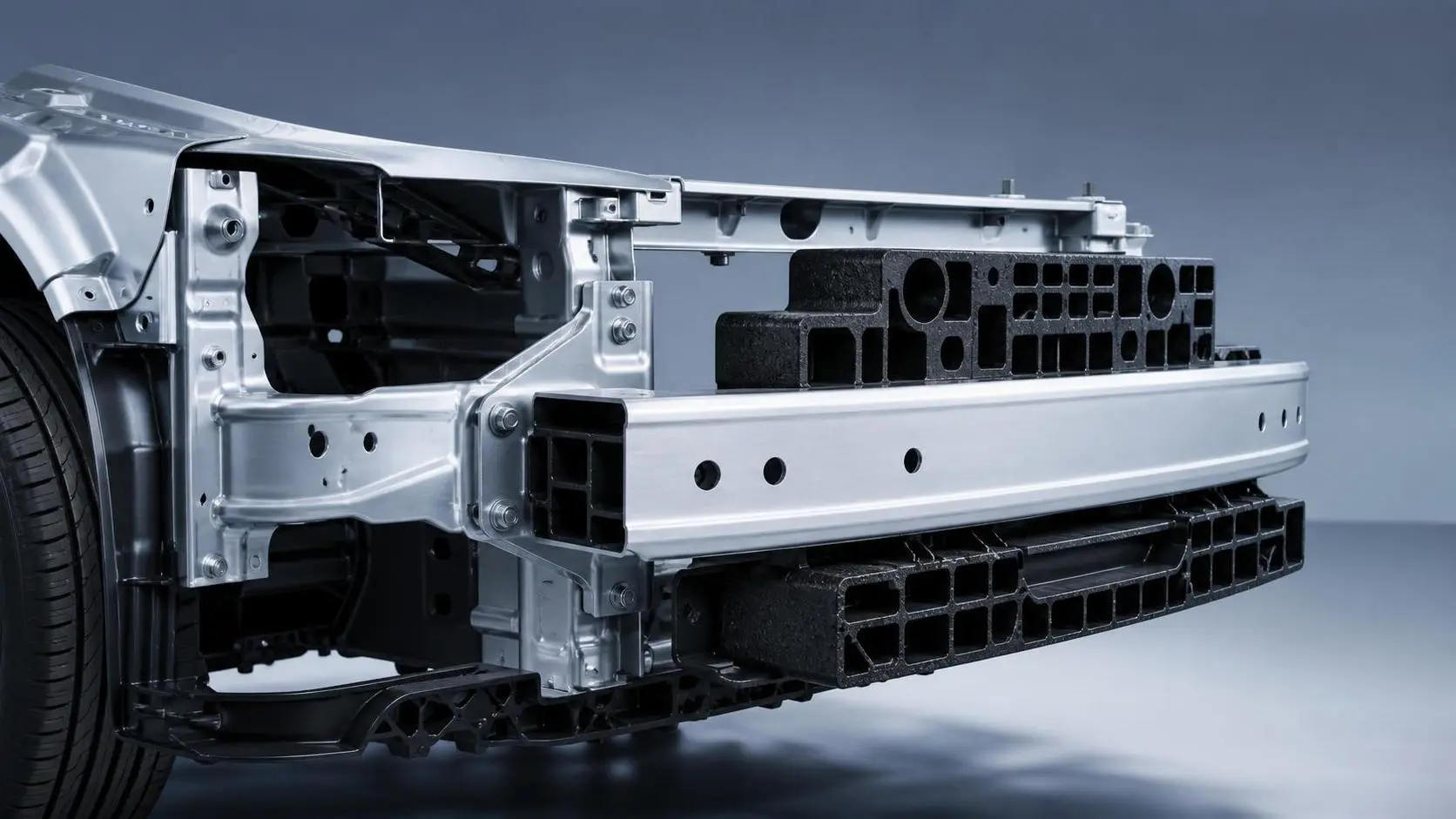
How Crash Management Components Reduce Repair Costs and Improve Impact Performance
Crash management components help reduce repair costs, protect critical vehicle structures, and improve impact performance. Learn how smarter design supports safer, more cost-efficient mobility programs.
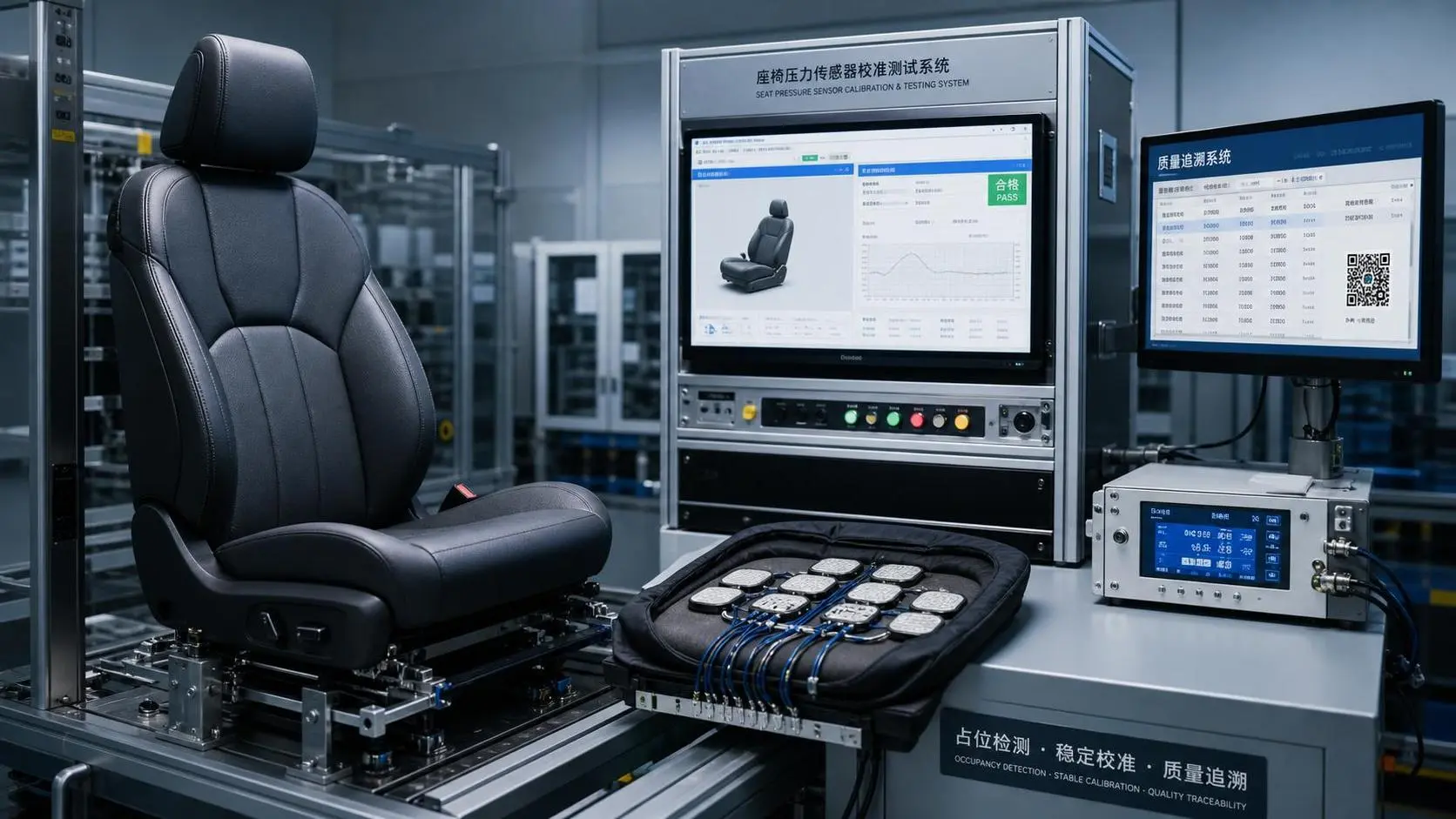
How to Evaluate a Seat Sensing Systems Factory for Automotive Safety Programs
Seat sensing systems factory selection goes beyond price. Learn how to assess quality control, validation, PPAP readiness, and long-term supply reliability for safer automotive programs.
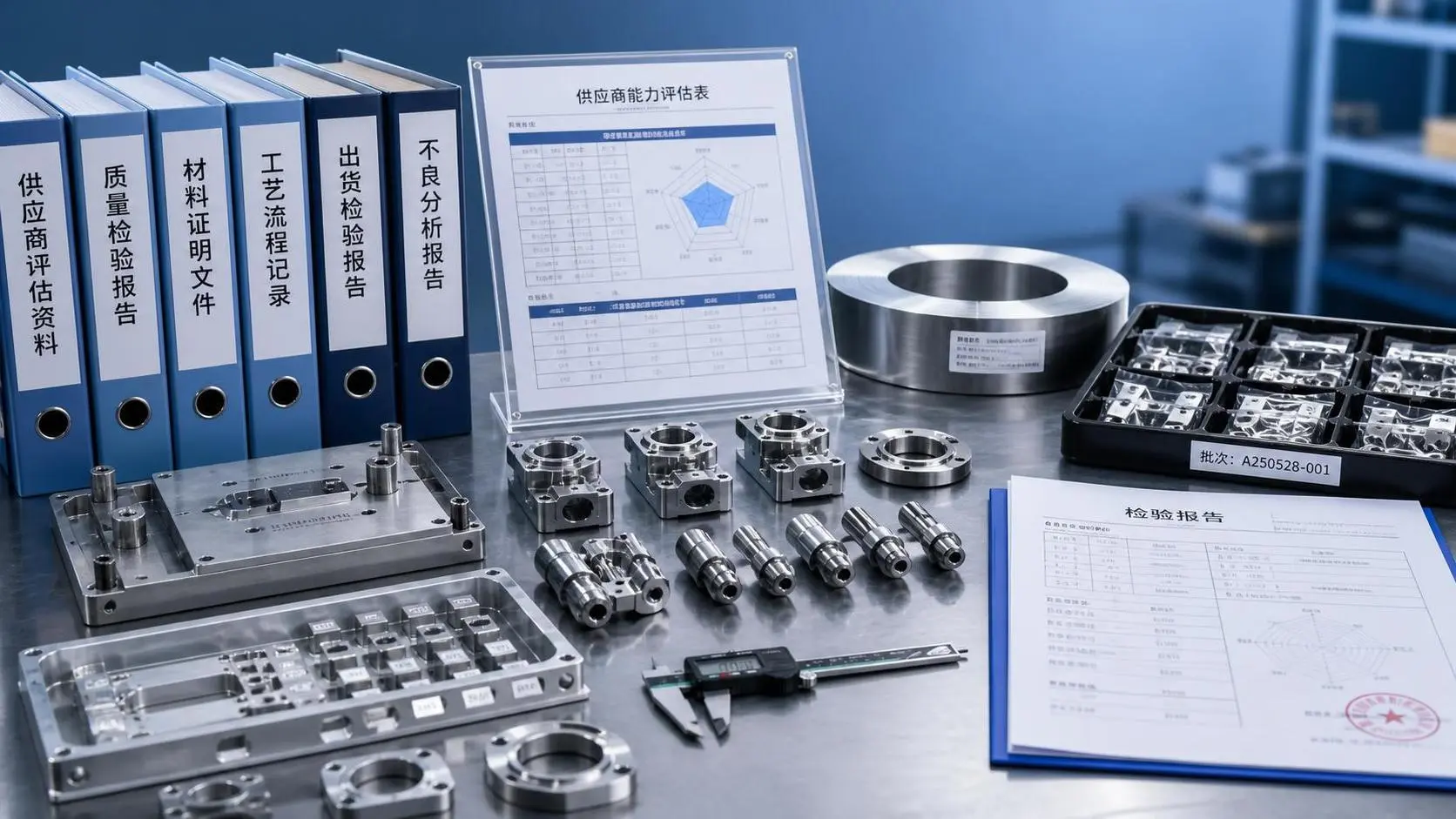
Supplier Capability Evaluation Process: Key Criteria for B2B Sourcing Decisions
Supplier capability evaluation process explained: learn the key criteria for B2B sourcing decisions, reduce supplier risk, and choose partners with confidence.
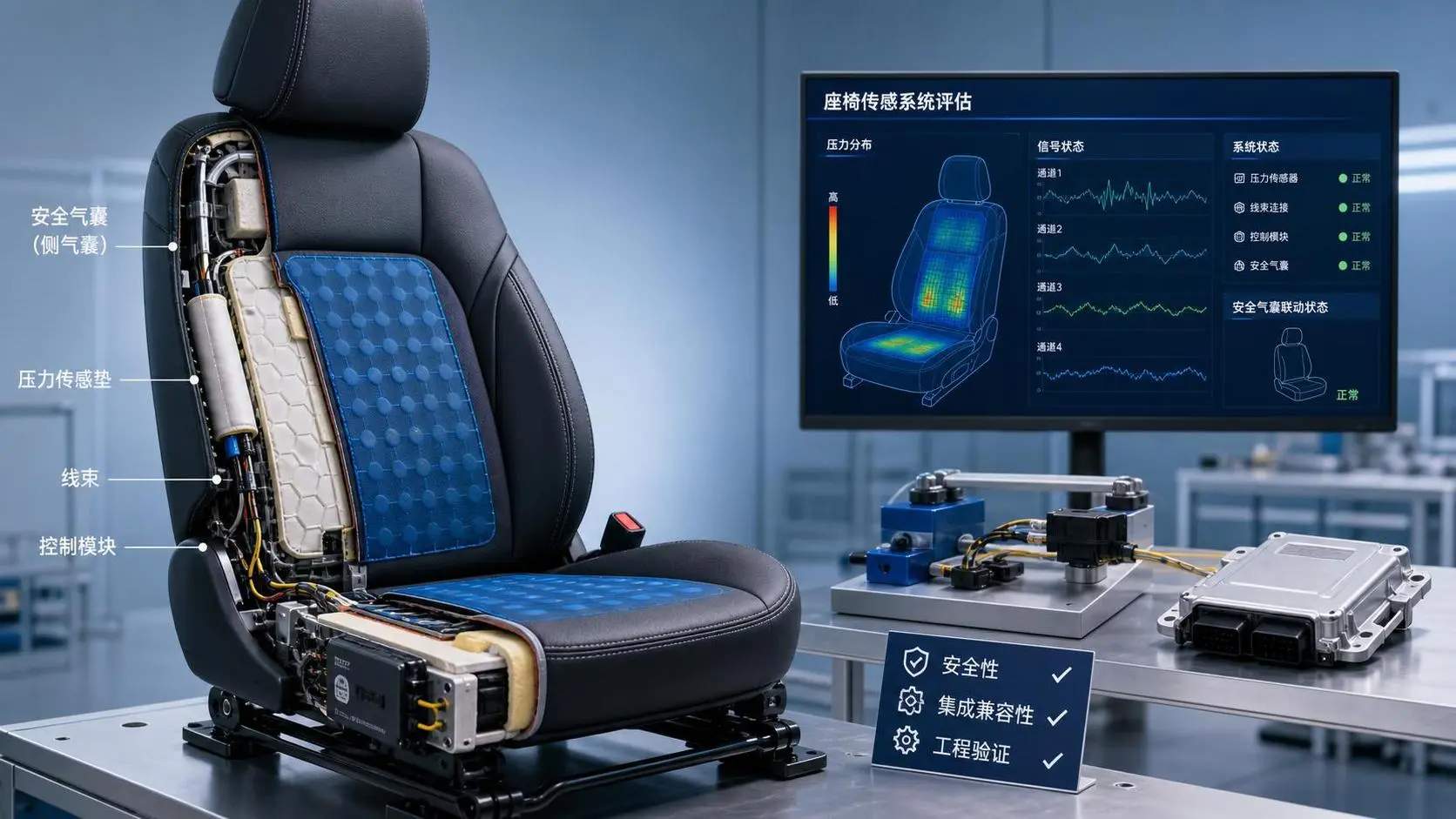
How to Evaluate a Seat Sensing Technology Supplier for Safety and Integration?
Seat sensing technology supplier evaluation guide: compare safety maturity, integration fit, algorithm reliability, and validation support to choose a partner that reduces risk.
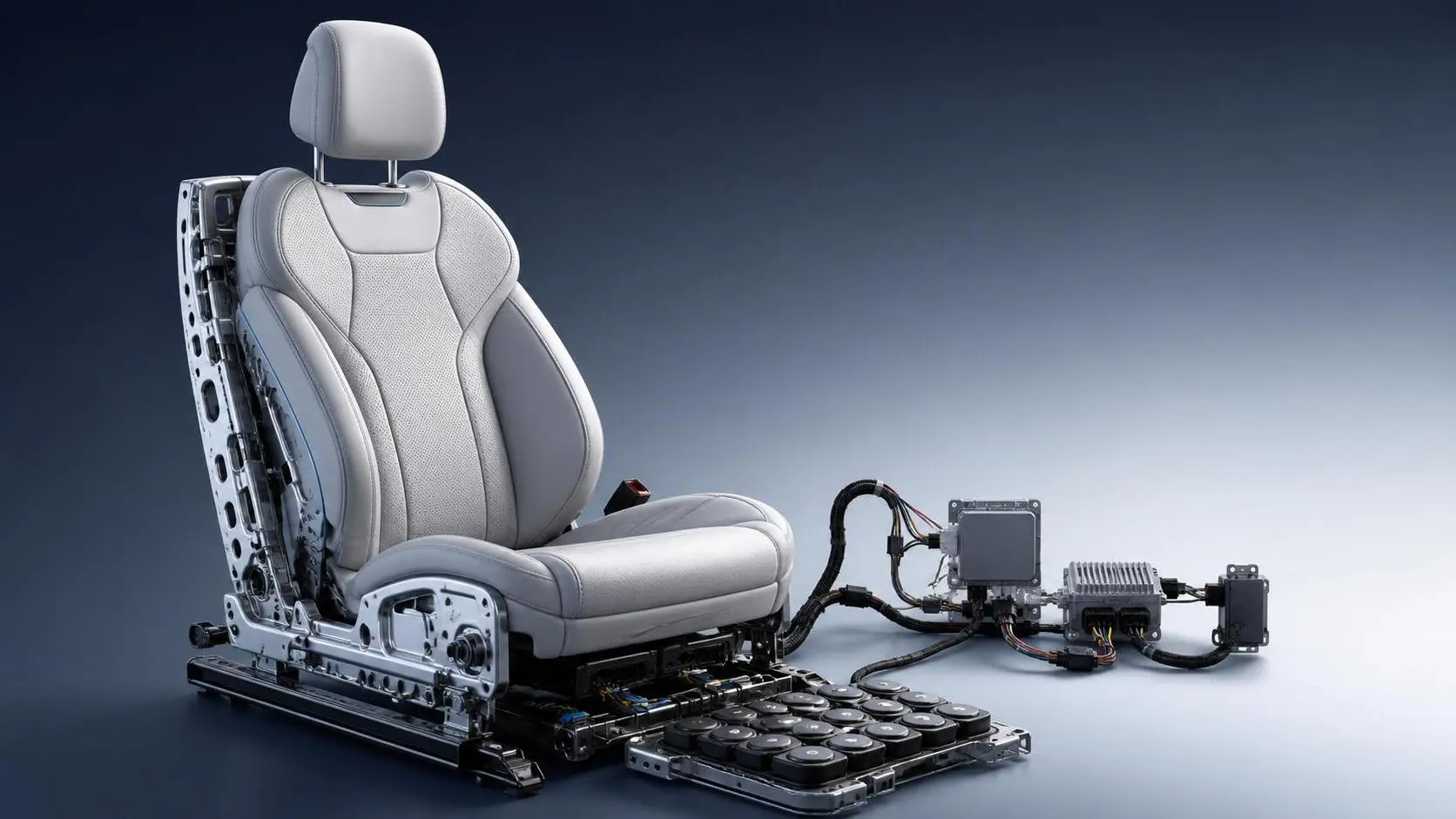
How to Evaluate Custom Smart Automotive Seating for Premium Vehicle Programs?
Custom smart automotive seating evaluation starts with safety, comfort, integration, and production readiness. Discover how premium vehicle teams choose smarter, lower-risk seat solutions.
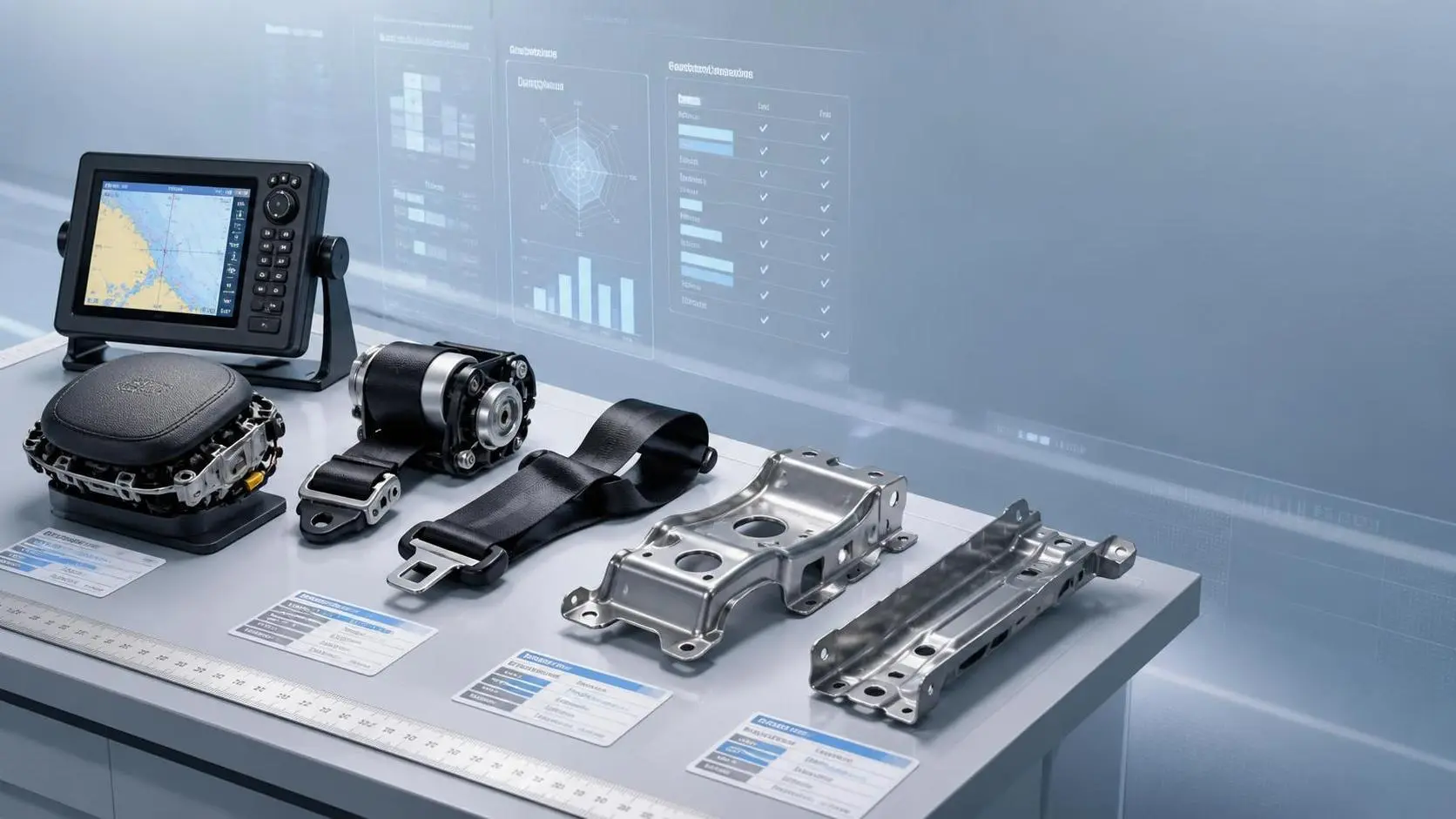
B2B Product Intelligence Platforms: How to Compare Features, Data Coverage, and ROI
B2B product intelligence platform comparison: learn how to evaluate data coverage, feature depth, compliance visibility, and ROI to choose a sourcing tool that reduces risk and speeds decisions.
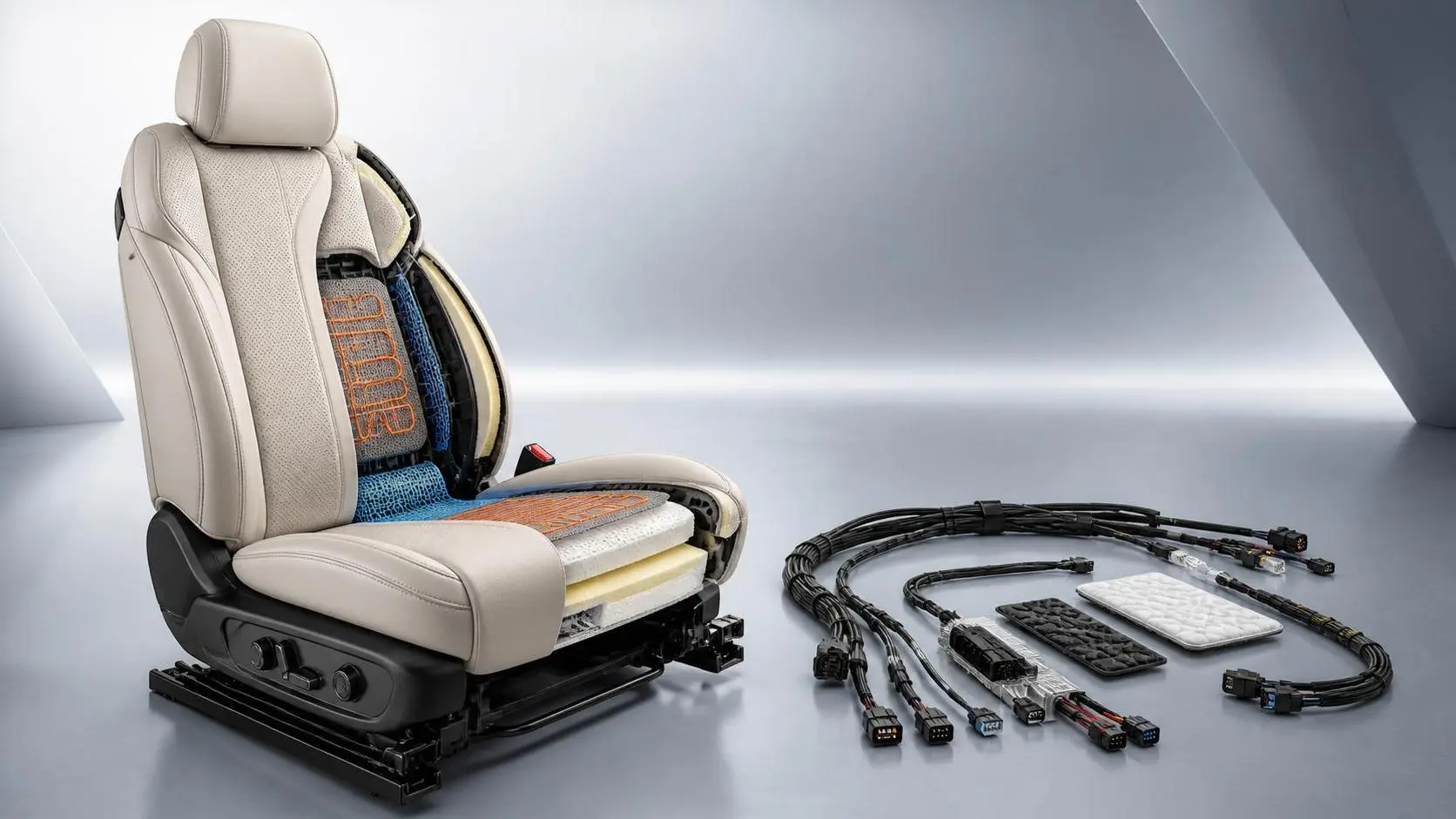
Climate Control Seats Cost: What Drives Price and Long-Term Ownership Value?
Climate control seats cost depends on materials, thermal tech, and integration. Learn what drives price and how to judge long-term value before you buy.
Related News
- 00
0000-00
How Crash Management Components Reduce Repair Costs and Improve Impact Performance - 00
0000-00
Supplier Capability Evaluation Process: Key Criteria for B2B Sourcing Decisions - 00
0000-00
How to Evaluate a Seat Sensing Technology Supplier for Safety and Integration? - 00
0000-00
B2B Product Intelligence Platforms: How to Compare Features, Data Coverage, and ROI - 00
0000-00
What Factors Drive Marine Navigation Components Cost in Commercial Vessel Projects?
Weekly Insights
Stay ahead with our curated technology reports delivered every Monday.