
How to Evaluate an Automotive Body Stampings Supplier for Quality, Capacity, and Lead Time
Choosing an automotive body stampings supplier is rarely a simple price comparison. The decision influences dimensional consistency, crash performance, launch timing, and daily production stability.
In lightweight body programs, small gaps in tooling control or material knowledge can become expensive quality escapes later. That is why a serious review should connect quality, capacity, and lead time from the start.
GNCS often tracks this topic through a broader mobility lens. The same discipline used in marine navigation and cabin safety also matters here: precise sensing, controlled processes, and reliable compliance under real operating pressure.
So what should be checked when comparing one automotive body stampings supplier with another? The most useful answers usually begin with process fit, then move into proof.
What makes one automotive body stampings supplier more dependable than another?
Dependability is not a branding claim. It is the ability to make the right part, at the required rate, with stable quality over time.
A capable automotive body stampings supplier should show evidence in four linked areas: process capability, material control, tooling discipline, and delivery execution.
For body-in-white parts, this matters even more when the program uses AHSS, UHSS, aluminum, or hot stamped components. Material behavior changes quickly if forming windows are narrow.
The first review should answer a practical question: can this supplier build parts that match your geometry, strength, and launch rhythm without constant firefighting?
- Check whether they support cold stamping, hot stamping, transfer press, progressive die, or mixed production cells.
- Ask for similar part references, especially pillars, rails, reinforcements, cross members, and outer panels.
- Review how they manage springback, crack risk, burr height, and hole position variation.
- Confirm whether they can handle traceability by coil, lot, tool, and shift.
A dependable automotive body stampings supplier usually speaks in process data, not broad promises. That is a useful early signal.
How do you judge quality beyond certificates and sample approval?
Certificates such as IATF 16949 are important, but they only confirm that a management system exists. They do not prove that daily process variation is under control.
A stronger test is to ask how the automotive body stampings supplier monitors part quality from blanking to final inspection. The answer should be specific.
In practice, quality evaluation should cover dimensional control, metallurgical consistency, surface condition, joining readiness, and reaction speed when issues appear.
It also helps to ask for weldability or assembly-related evidence. A body stamping that passes incoming inspection but fails downstream joining is still a supplier quality issue.
GNCS coverage of crash regulations and lightweight structures highlights this point often. Precision is not only about shape. It is also about predictable behavior under load and during integration.
Capacity looks fine on paper, but will it hold during launch and ramp-up?
This is where many sourcing decisions become risky. A supplier may have enough installed presses, yet still struggle with die changeovers, labor coverage, maintenance windows, or subcontract bottlenecks.
A realistic capacity review should focus on available capacity, not theoretical capacity. Nameplate tonnage alone tells very little.
More useful questions include: how many strokes per minute are sustainable, how much buffer exists for demand spikes, and what happens if one key press goes down?
- Review OEE history for the relevant line, not plant-wide averages.
- Ask for tool maintenance intervals and spare die strategy.
- Check whether secondary operations create hidden choke points.
- Confirm ramp-up staffing for weekends, extra shifts, and launch periods.
- Verify raw material allocation if steel or aluminum availability tightens.
For a high-volume program, an automotive body stampings supplier should also show scenario planning. Capacity confidence is stronger when backed by contingency logic.
This is especially relevant when global mobility demand shifts quickly. GNCS market intelligence regularly shows that high-reliability components can move from balanced supply to constrained supply faster than expected.
What is the smart way to evaluate lead time reliability?
Lead time is often discussed as a quoted number. In reality, it is a chain made of tooling readiness, material release, PPAP timing, logistics planning, and schedule response.
When assessing an automotive body stampings supplier, ask for lead time performance by phase. Prototype, trial, SOP, and service parts often follow different constraints.
A supplier with a short quoted lead time but weak schedule discipline may create more disruption than a slightly slower supplier with stable execution.
Useful indicators include on-time delivery history, premium freight frequency, engineering change response, and how quickly new dies move from tryout to stable production.
It is also worth checking how they manage imported coils, customs exposure, and external heat treatment or coating steps. Those links often drive real delays.
A practical comparison can be organized like this:
Which supplier questions expose hidden risk early?
The most valuable questions are usually uncomfortable ones. They reveal whether the automotive body stampings supplier understands risk in operational terms.
For example, ask what defect has caused the most customer disruption in the last year, and what changed afterward. A mature supplier answers directly.
Ask how they control springback on high-strength parts, how they validate die repairs, and how they protect geometry after transport. These are real-world failure points.
Another strong test is to request evidence of cross-functional review. Quality, tooling, logistics, and production should speak the same language.
- What proportion of output depends on one critical press line?
- How are hot stamped parts checked for hardness and distortion?
- What is the escalation path for a repeated dimensional drift?
- How often are dies refurbished, and who approves release afterward?
- Which operations are outsourced, and how are they controlled?
These questions help separate a presentation-ready supplier from one that can support a demanding production environment.
Is the lowest-cost automotive body stampings supplier ever the right choice?
Sometimes yes, but only when the price is supported by stable process economics rather than underquoted risk. The cheaper quote is not truly cheaper if it brings sorting, downtime, or launch delay.
A better comparison uses total sourcing cost. That includes scrap exposure, premium freight, line stoppage risk, engineering support, packaging losses, and recovery effort.
For structural and safety-related stampings, the consequences of poor control are larger. GNCS follows this closely across passive safety and lightweight body systems, where compliance and performance margins are tight.
The stronger decision is usually based on weighted scoring. Price matters, but it should sit beside measurable evidence from quality, capacity, and lead-time reviews.
If two suppliers look similar, prioritize the one with clearer process visibility and faster problem closure. That advantage often pays back quickly after SOP.
What should happen before making the final supplier decision?
By the final stage, the goal is not to collect more slides. It is to reduce uncertainty to a manageable level.
A practical close-out usually includes a plant audit, process review for similar parts, sample validation, and a documented scorecard covering commercial and technical points.
It also helps to align the sourcing decision with future program needs. If the next vehicle phase may require lighter gauges, hot stamping, or mixed-material assemblies, that capability matters now.
The right automotive body stampings supplier is the one that can repeatedly meet drawing intent, absorb change, and protect delivery when pressure rises.
As a next step, define the critical-to-quality features, required monthly volume, acceptable lead-time window, and material roadmap. Then compare suppliers against those facts, not against headline pricing alone.
That approach produces a cleaner decision, fewer surprises after nomination, and a sourcing base that can support both present demand and future mobility requirements.
Related News

How to Evaluate Mobility Safety Systems for Safer Vehicle Platform Design
Mobility safety systems evaluation starts with platform architecture, crash energy management, and seat-restraint timing. Learn how to choose safer, validation-ready vehicle designs.
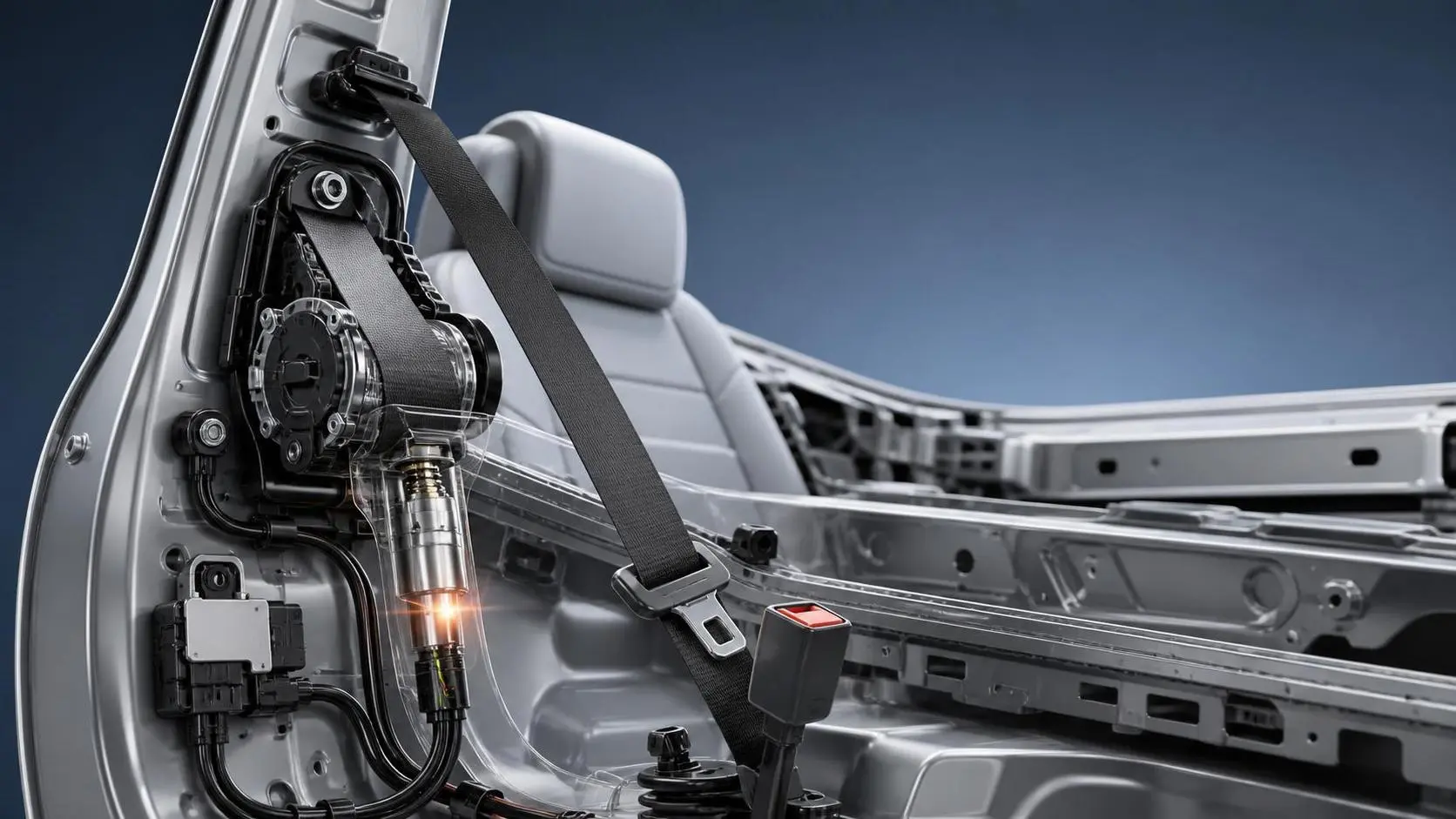
How Seat Belt Pretensioners for EVs Improve Crash Safety and System Response
Seat belt pretensioners for EVs improve crash timing, occupant control, and system response. Discover how smarter integration boosts EV safety performance.
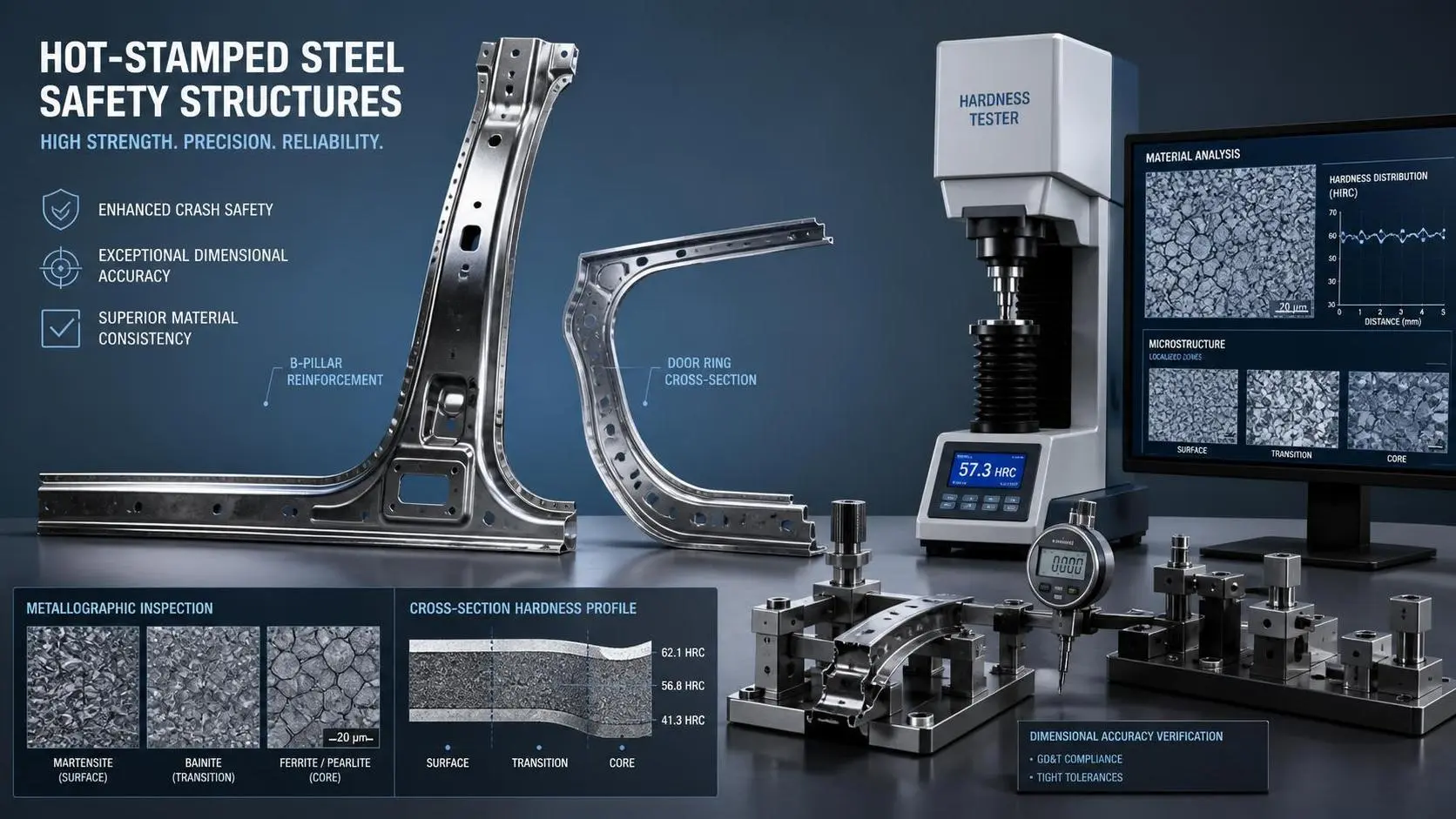
How to Evaluate High Strength Hot Stamped Steel Parts for Crash-Safety Applications
High strength hot stamped steel parts for crash-safety applications: learn how to assess strength, microstructure, dimensional accuracy, and process stability for safer sourcing decisions.
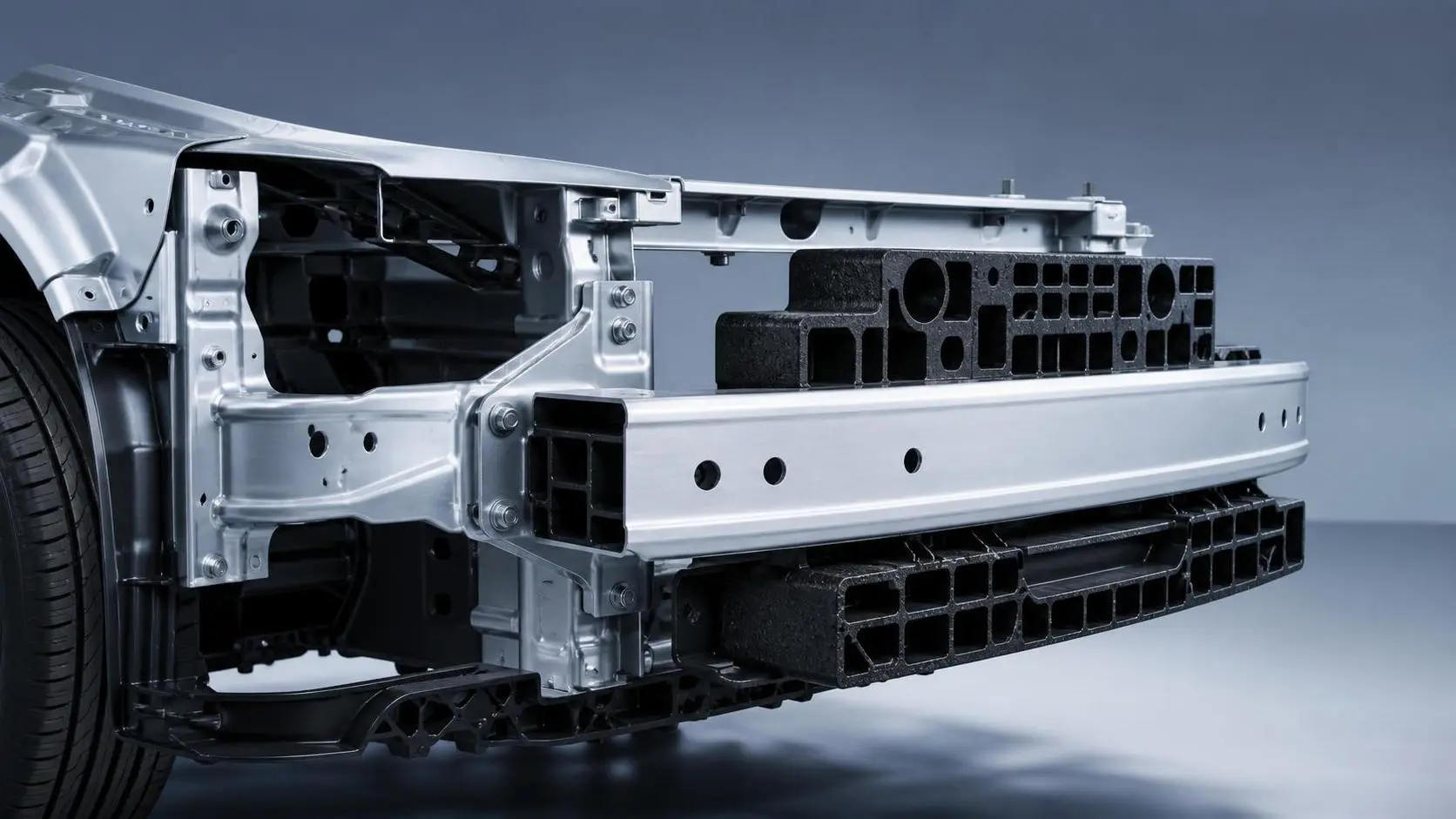
How Crash Management Components Reduce Repair Costs and Improve Impact Performance
Crash management components help reduce repair costs, protect critical vehicle structures, and improve impact performance. Learn how smarter design supports safer, more cost-efficient mobility programs.
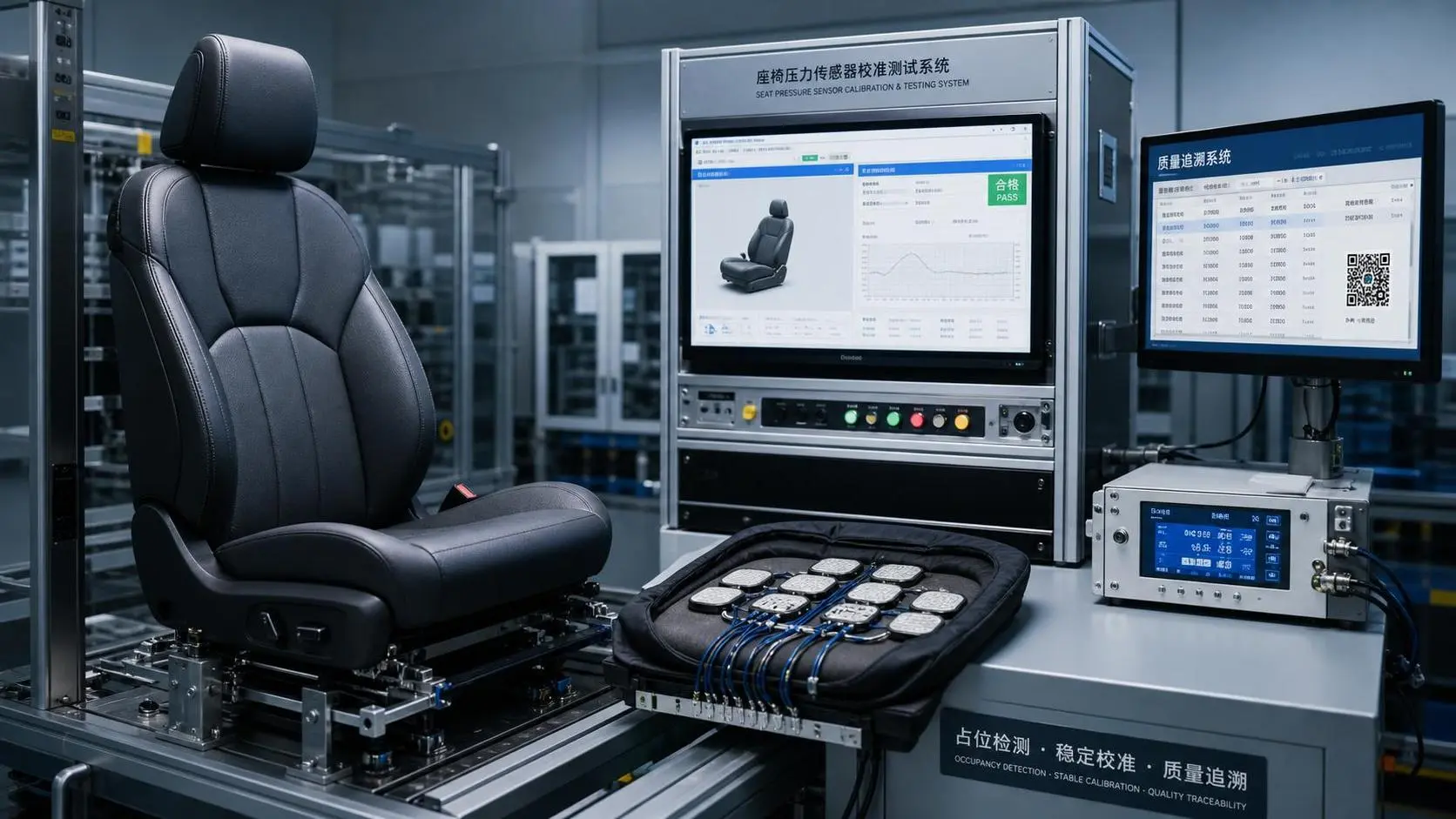
How to Evaluate a Seat Sensing Systems Factory for Automotive Safety Programs
Seat sensing systems factory selection goes beyond price. Learn how to assess quality control, validation, PPAP readiness, and long-term supply reliability for safer automotive programs.
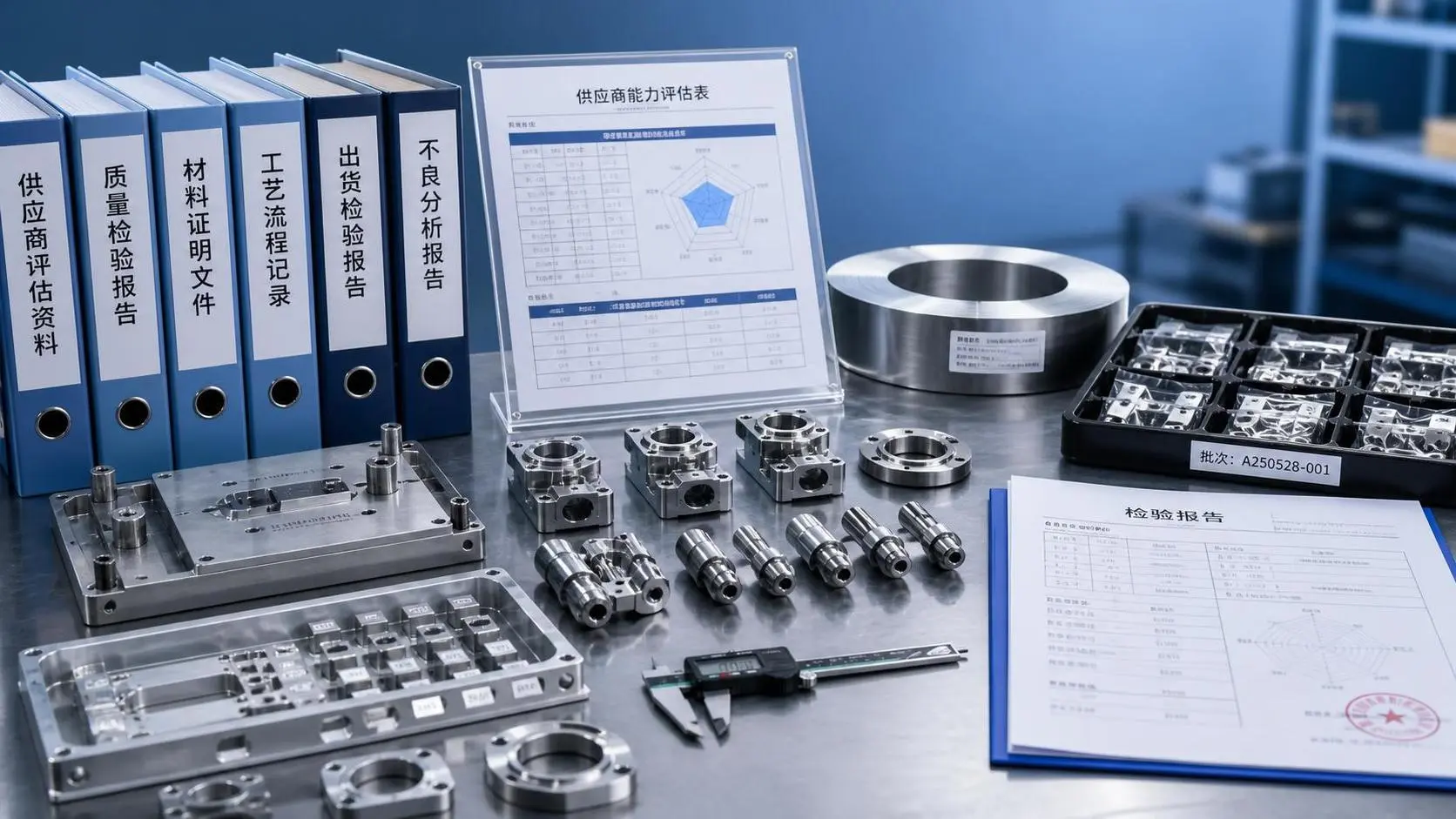
Supplier Capability Evaluation Process: Key Criteria for B2B Sourcing Decisions
Supplier capability evaluation process explained: learn the key criteria for B2B sourcing decisions, reduce supplier risk, and choose partners with confidence.
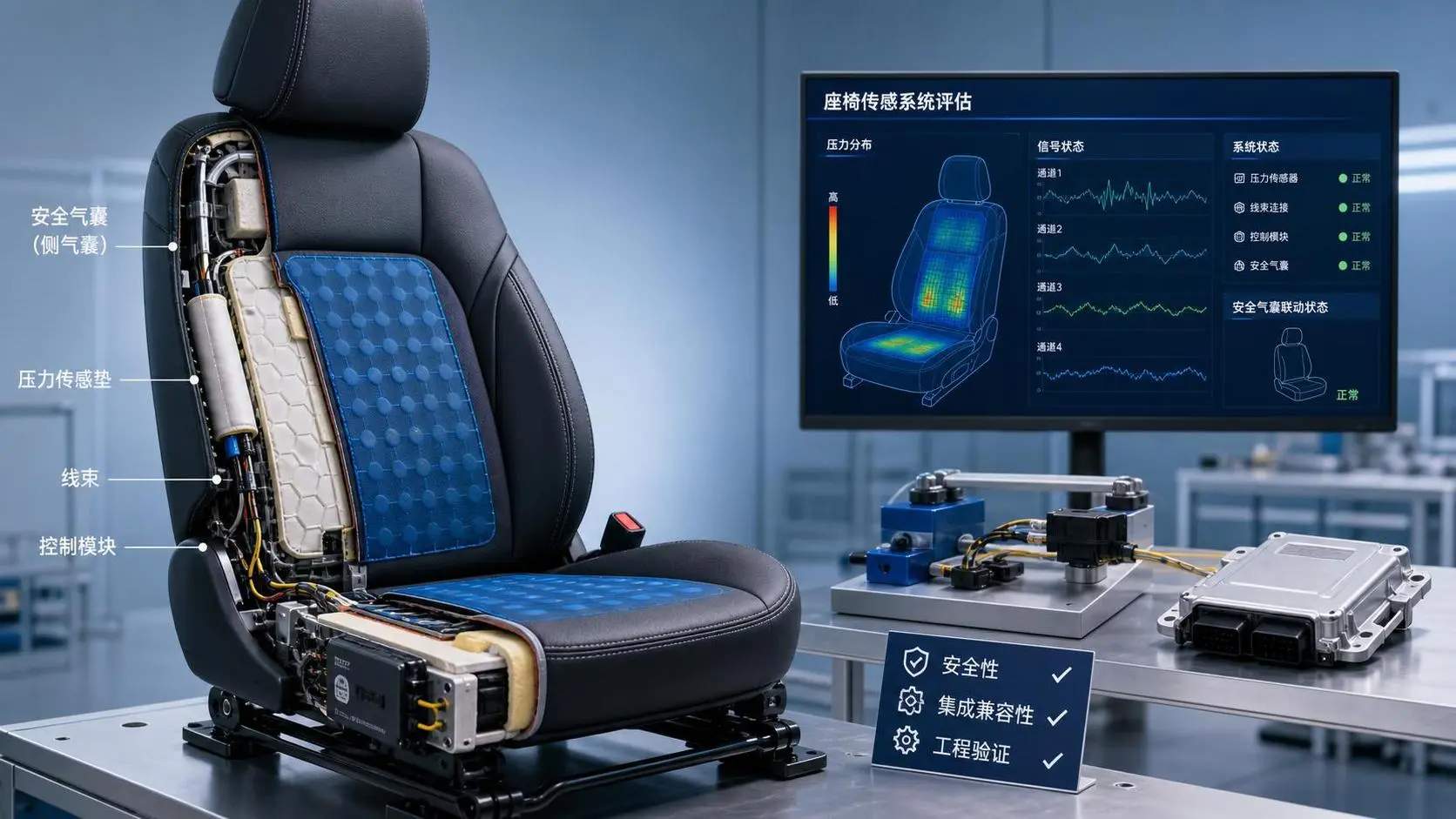
How to Evaluate a Seat Sensing Technology Supplier for Safety and Integration?
Seat sensing technology supplier evaluation guide: compare safety maturity, integration fit, algorithm reliability, and validation support to choose a partner that reduces risk.

How to Evaluate Custom Smart Automotive Seating for Premium Vehicle Programs?
Custom smart automotive seating evaluation starts with safety, comfort, integration, and production readiness. Discover how premium vehicle teams choose smarter, lower-risk seat solutions.
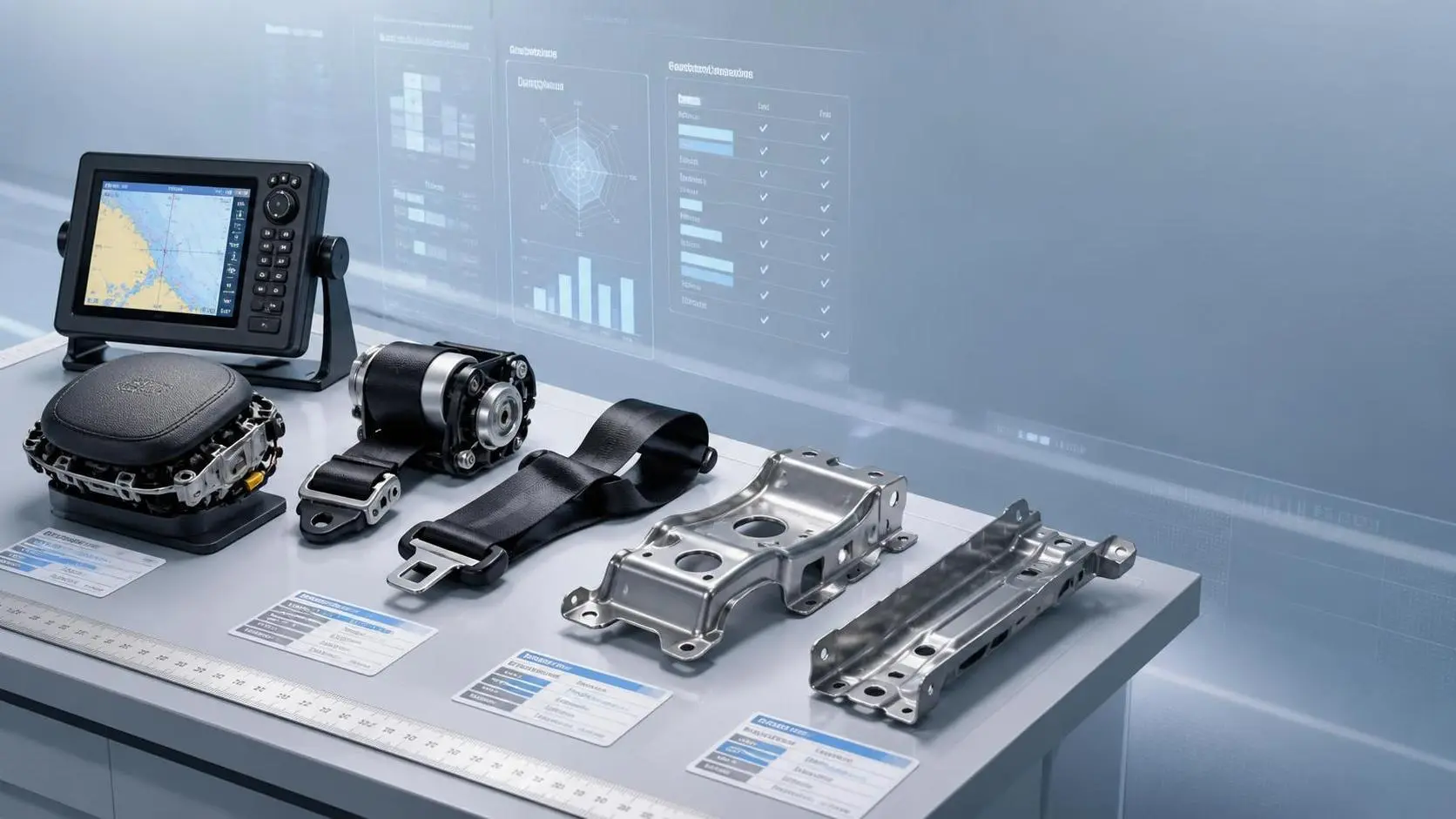
B2B Product Intelligence Platforms: How to Compare Features, Data Coverage, and ROI
B2B product intelligence platform comparison: learn how to evaluate data coverage, feature depth, compliance visibility, and ROI to choose a sourcing tool that reduces risk and speeds decisions.
Related News
- 00
0000-00
How to Evaluate Mobility Safety Systems for Safer Vehicle Platform Design - 00
0000-00
How Crash Management Components Reduce Repair Costs and Improve Impact Performance - 00
0000-00
Supplier Capability Evaluation Process: Key Criteria for B2B Sourcing Decisions - 00
0000-00
How to Evaluate a Seat Sensing Technology Supplier for Safety and Integration? - 00
0000-00
B2B Product Intelligence Platforms: How to Compare Features, Data Coverage, and ROI
Weekly Insights
Stay ahead with our curated technology reports delivered every Monday.