
Adaptive Force Limiter Systems Explained: How to Compare Load Limits, Sensors, and Use Cases
Adaptive force limiter systems have moved from specialist restraint hardware to a central evaluation topic in intelligent mobility safety. In practical terms, they shape how seatbelt loads are managed during a crash, using controlled force release rather than a fixed response. That matters because modern cabins now combine lighter body structures, smarter seats, more sensing inputs, and tighter regulatory targets. For platforms tracked by GNCS, where structural efficiency and occupant protection are studied together, the quality of an adaptive force limiter strategy often affects both technical performance and integration risk.
What adaptive force limiting really means
A conventional force limiter reduces belt load once a preset threshold is reached. It is effective, but it treats many occupants and crash conditions in roughly the same way.
Adaptive force limiter systems add context. They can change the load limit according to crash severity, occupant size, seat position, buckle status, pretensioner timing, or data from surrounding restraint modules.
The goal is not simply lower belt force. The goal is better energy management across the full restraint chain, including airbag deployment, seat geometry, body structure response, and occupant kinematics.
That distinction is important. A lower limit may reduce chest loading, yet it can also increase forward excursion if the rest of the system is not tuned correctly.
Why this topic now draws more attention
Vehicle architectures are becoming lighter, more electrified, and more sensor-rich. At the same time, cabin layouts are changing, especially in premium seating and semi-automated driving concepts.
These changes make fixed restraint assumptions less reliable. A system that worked well in one seating package may perform differently after seat frame redesign, trim changes, or altered airbag positioning.
Regulatory and consumer test pressure also keeps increasing. IIHS, Euro NCAP, and other programs push developers to improve protection for broader occupant conditions and more challenging crash modes.
From the GNCS perspective, this mirrors a larger pattern across safety-critical equipment. Whether handling marine navigation signals or collision energy, better decisions come from better interpretation of real-world conditions.
Comparing load limits without oversimplifying the number
Load limit comparison often starts with one headline value, but that is rarely enough. The more useful question is how the system behaves across the entire crash pulse.
Some adaptive force limiter systems use stepped thresholds. Others use multi-stage behavior or electronically influenced release profiles. In evaluation, the force curve matters as much as the nominal peak.
A higher load limit can improve control of forward motion. A lower load limit can reduce thoracic injury metrics. The correct balance depends on seat stiffness, airbag timing, occupant packaging, and test mode.
In other words, a data sheet value is only the starting point. Good benchmarking compares behavior under realistic restraint system conditions, not in isolation.
Sensor strategies are often the real differentiator
Many teams focus first on the belt mechanism. In practice, sensor strategy often determines whether adaptive force limiter systems deliver measurable value or remain a theoretical upgrade.
The simplest architecture uses crash pulse input and a small set of predefined release modes. More advanced systems pull from occupant classification, seat track position, seatback angle, or even cabin sensing modules.
Sensor richness is not automatically better. Every added input can increase validation effort, fault handling complexity, software dependencies, and compliance burden.
Key sensor questions during evaluation
- Is the input signal already available on the platform, or does it require new hardware?
- How stable is the signal under crash conditions, vibration, and environmental aging?
- What is the fallback mode if the signal is missing, delayed, or implausible?
- Does adaptation depend on software logic that changes homologation scope?
- Can the sensing concept be validated across all seat trims and regional variants?
This is where GNCS-style intelligence stitching becomes relevant. Restraint hardware cannot be judged only by component design; it must be assessed as part of a connected information chain.
Use cases differ more than many sourcing briefs suggest
Not every program needs the same adaptation depth. Some vehicles benefit from modest tuning flexibility, while others need broad operating envelopes because cabin conditions vary much more.
Front outboard seats remain the most common use case. They face the widest crash exposure and typically integrate the richest mix of airbags, pretensioners, and occupancy data.
Rear seating is gaining attention as premium platforms add recline functions, advanced cushions, and comfort-focused geometries. In those layouts, adaptive force limiter systems may help address changing occupant posture.
Lightweight vehicle bodies create another relevant case. When body stampings are optimized for mass reduction, restraint tuning becomes more sensitive to structural timing and pulse management.
Typical application patterns
Where evaluation mistakes usually happen
One common mistake is comparing adaptive force limiter systems by cost delta alone. That misses the downstream effect on validation time, calibration effort, and cross-system tuning work.
Another mistake is assuming that more adaptation always means better protection. If the sensing logic is weak or the fallback mode is blunt, added complexity can dilute the benefit.
A third issue is treating belt hardware independently from seats. Smart seating systems change pelvis angle, torso posture, and belt routing. Those factors directly influence limiter performance.
There is also a compliance angle. Functional safety, software traceability, and regional testing expectations can alter the attractiveness of one concept versus another.
A practical framework for comparison
A disciplined review usually works better than a feature checklist. Start with the crash and cabin conditions that actually define program risk.
- Map occupant conditions: size range, posture range, seat travel, recline, and belt routing.
- Define the key injury and excursion targets for each major test condition.
- Compare adaptive force limiter systems by force curve behavior, not marketing labels.
- Audit sensor dependencies, signal ownership, and fault fallback logic early.
- Review calibration effort alongside tooling, electronics, and validation budget.
- Check whether the system scales across trims, regions, and planned future variants.
This approach keeps the discussion anchored in measurable system behavior. It also makes supplier and platform comparisons more consistent.
What to examine next
Adaptive force limiter systems are best understood as a junction point between mechanics, sensing, software logic, and cabin architecture. Their value appears most clearly when those layers are reviewed together.
For ongoing assessment, the next useful step is to build a comparison matrix around load curve behavior, sensor reliability, seat interaction, and regulatory fit. That creates a clearer basis for benchmarking than headline force numbers alone.
In sectors followed by GNCS, the strongest decisions usually come from connecting structural data, occupant protection logic, and platform evolution early. The same principle applies here: compare the system in context, then decide where adaptation genuinely improves safety and where it only adds complexity.
Related News
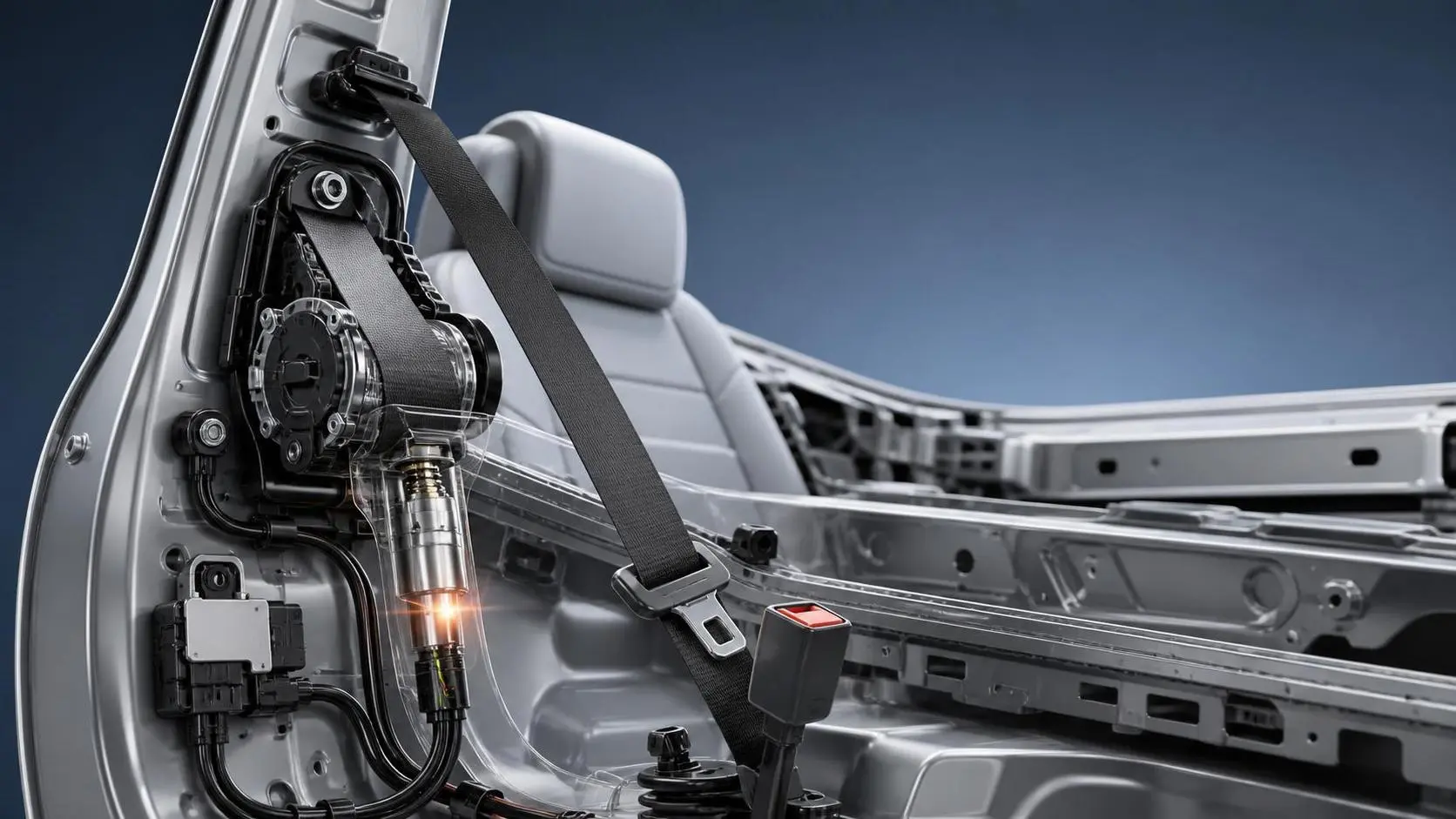
How Seat Belt Pretensioners for EVs Improve Crash Safety and System Response
Seat belt pretensioners for EVs improve crash timing, occupant control, and system response. Discover how smarter integration boosts EV safety performance.
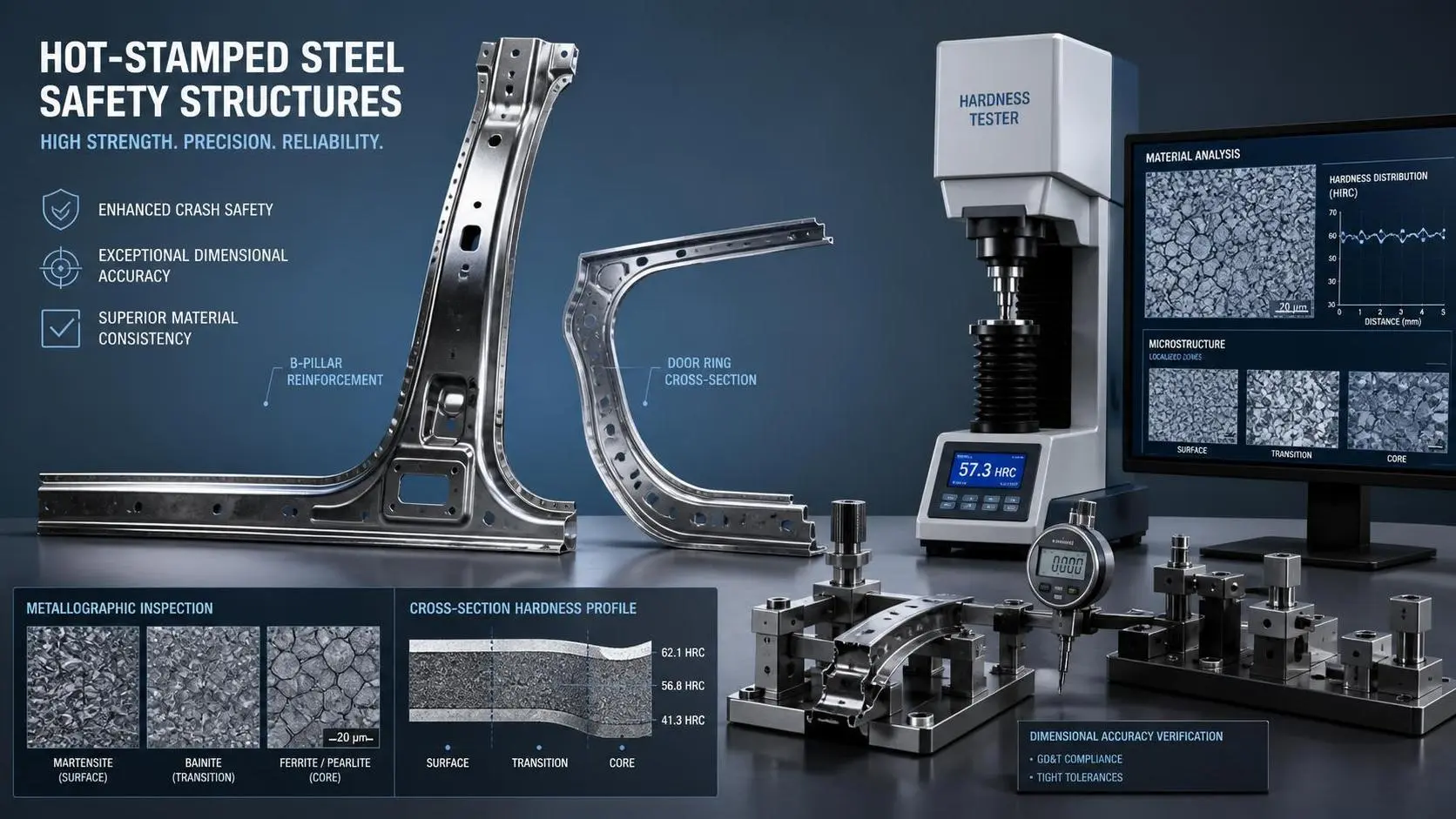
How to Evaluate High Strength Hot Stamped Steel Parts for Crash-Safety Applications
High strength hot stamped steel parts for crash-safety applications: learn how to assess strength, microstructure, dimensional accuracy, and process stability for safer sourcing decisions.
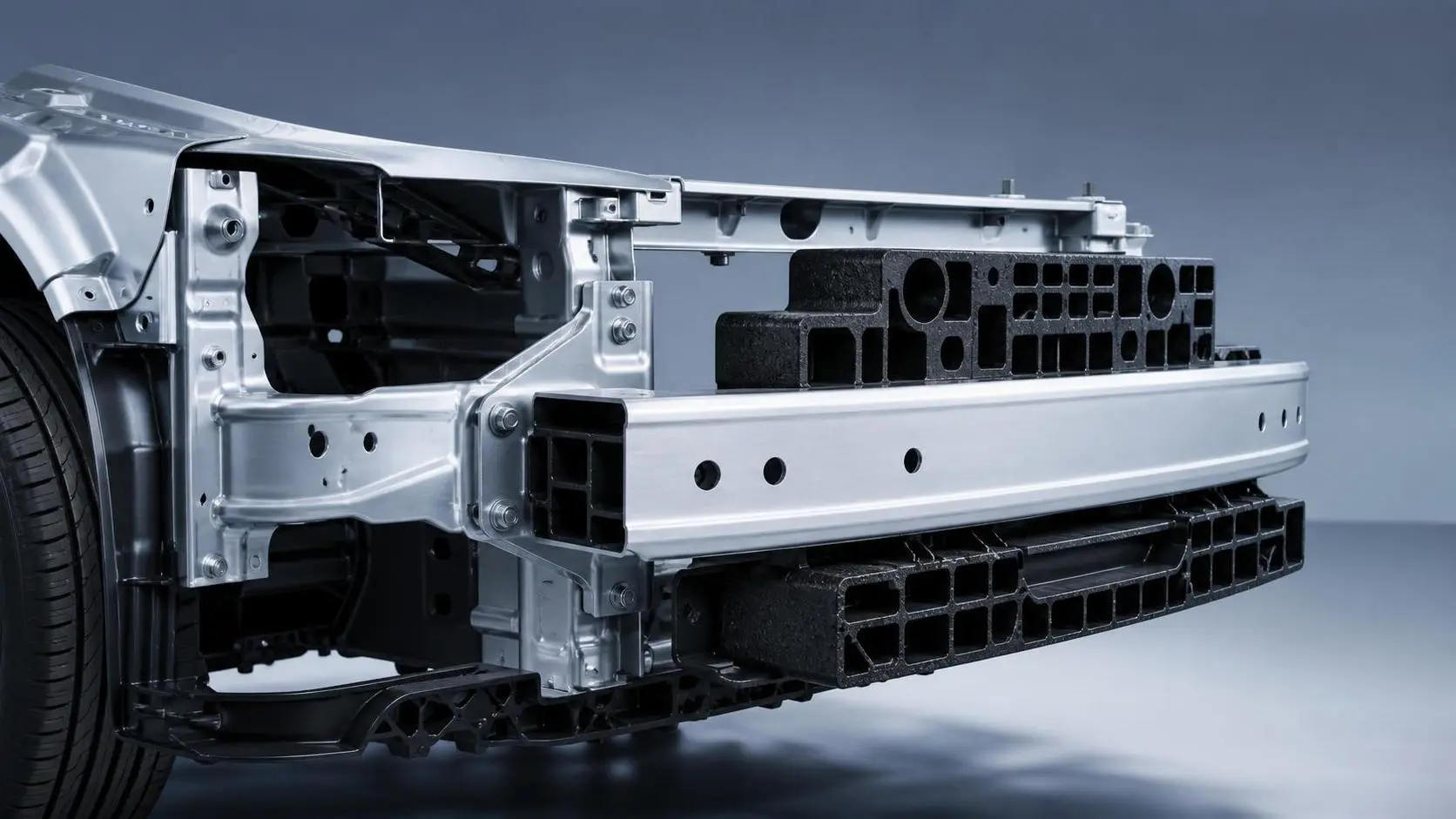
How Crash Management Components Reduce Repair Costs and Improve Impact Performance
Crash management components help reduce repair costs, protect critical vehicle structures, and improve impact performance. Learn how smarter design supports safer, more cost-efficient mobility programs.
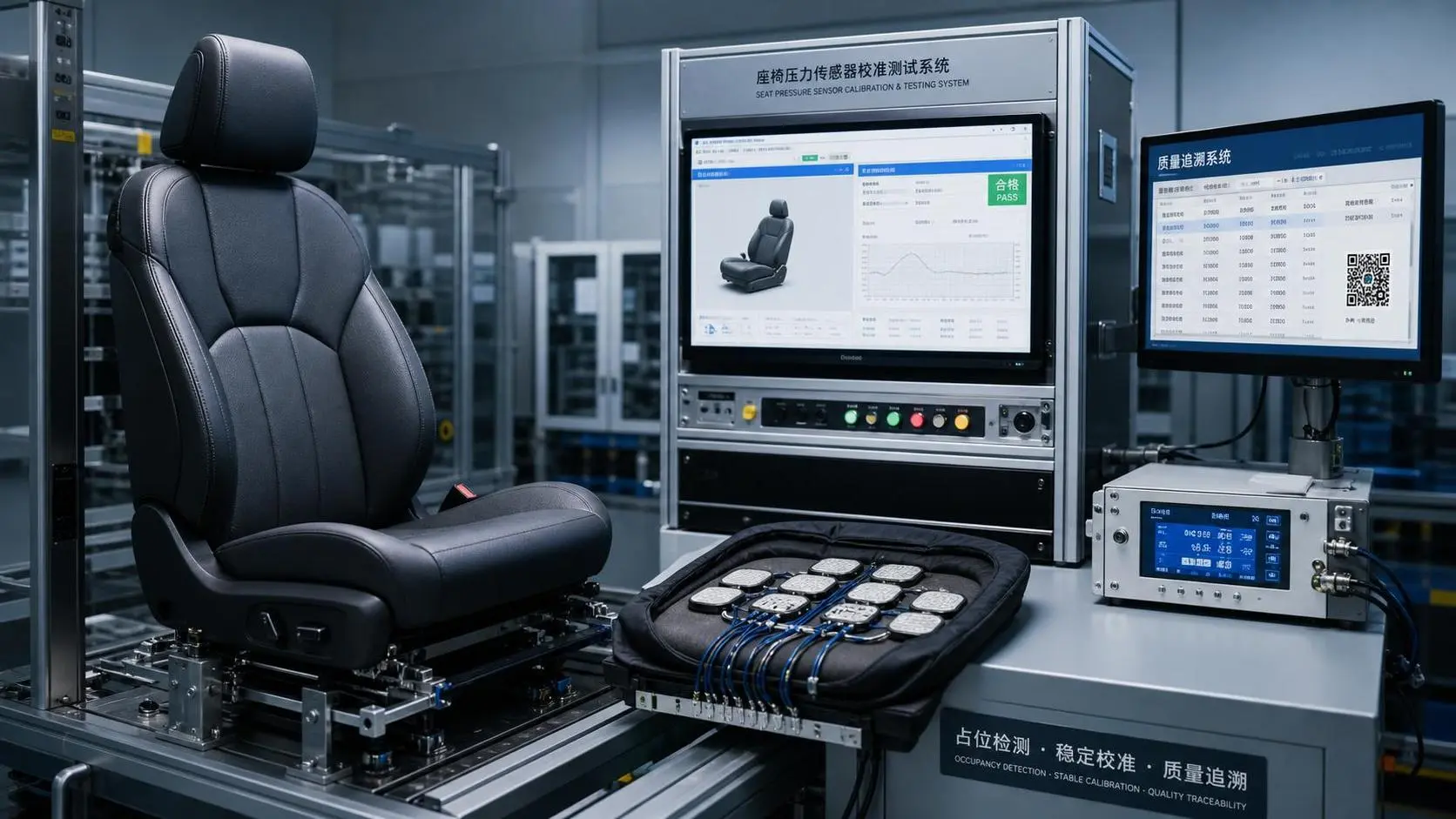
How to Evaluate a Seat Sensing Systems Factory for Automotive Safety Programs
Seat sensing systems factory selection goes beyond price. Learn how to assess quality control, validation, PPAP readiness, and long-term supply reliability for safer automotive programs.
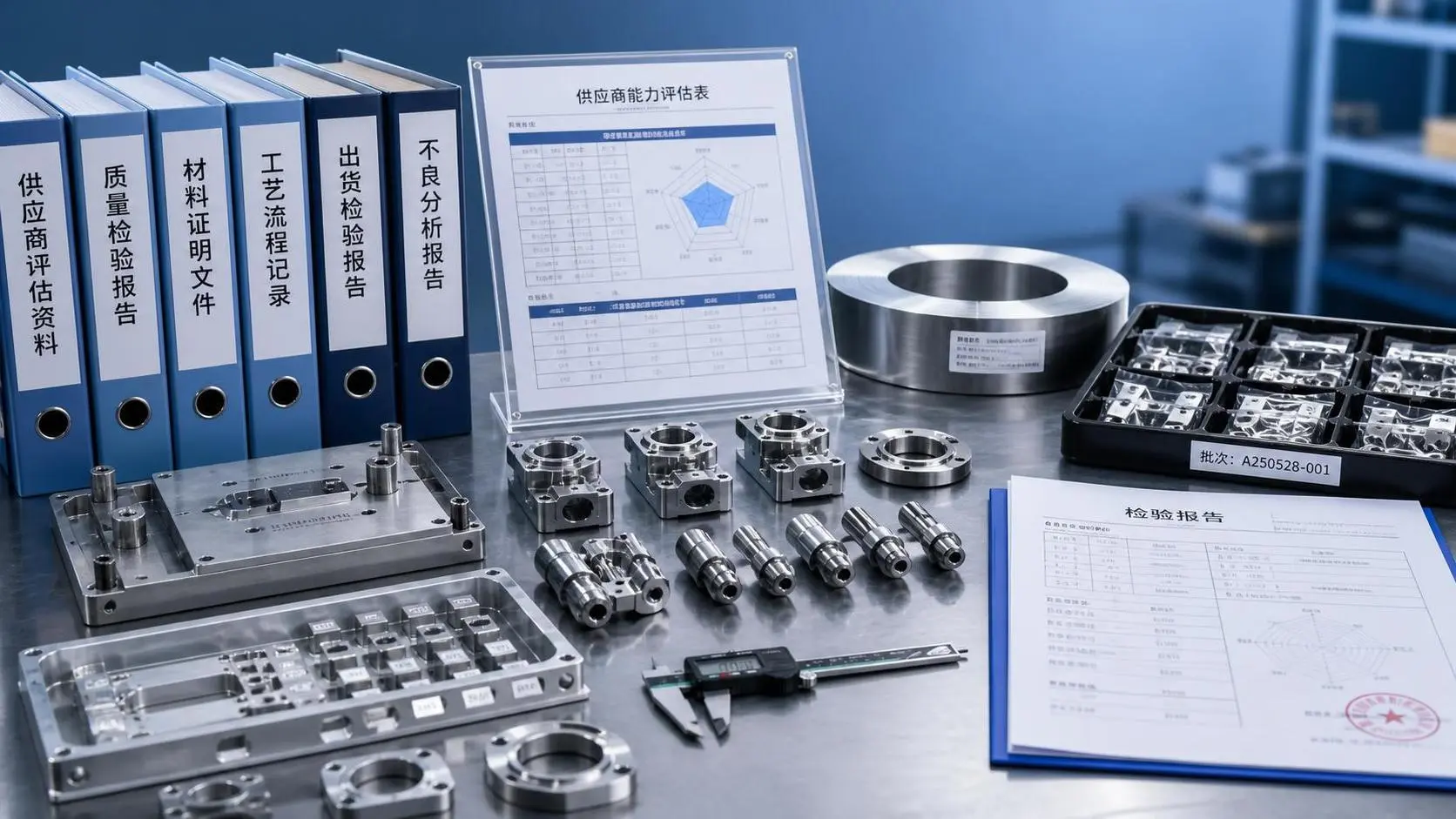
Supplier Capability Evaluation Process: Key Criteria for B2B Sourcing Decisions
Supplier capability evaluation process explained: learn the key criteria for B2B sourcing decisions, reduce supplier risk, and choose partners with confidence.
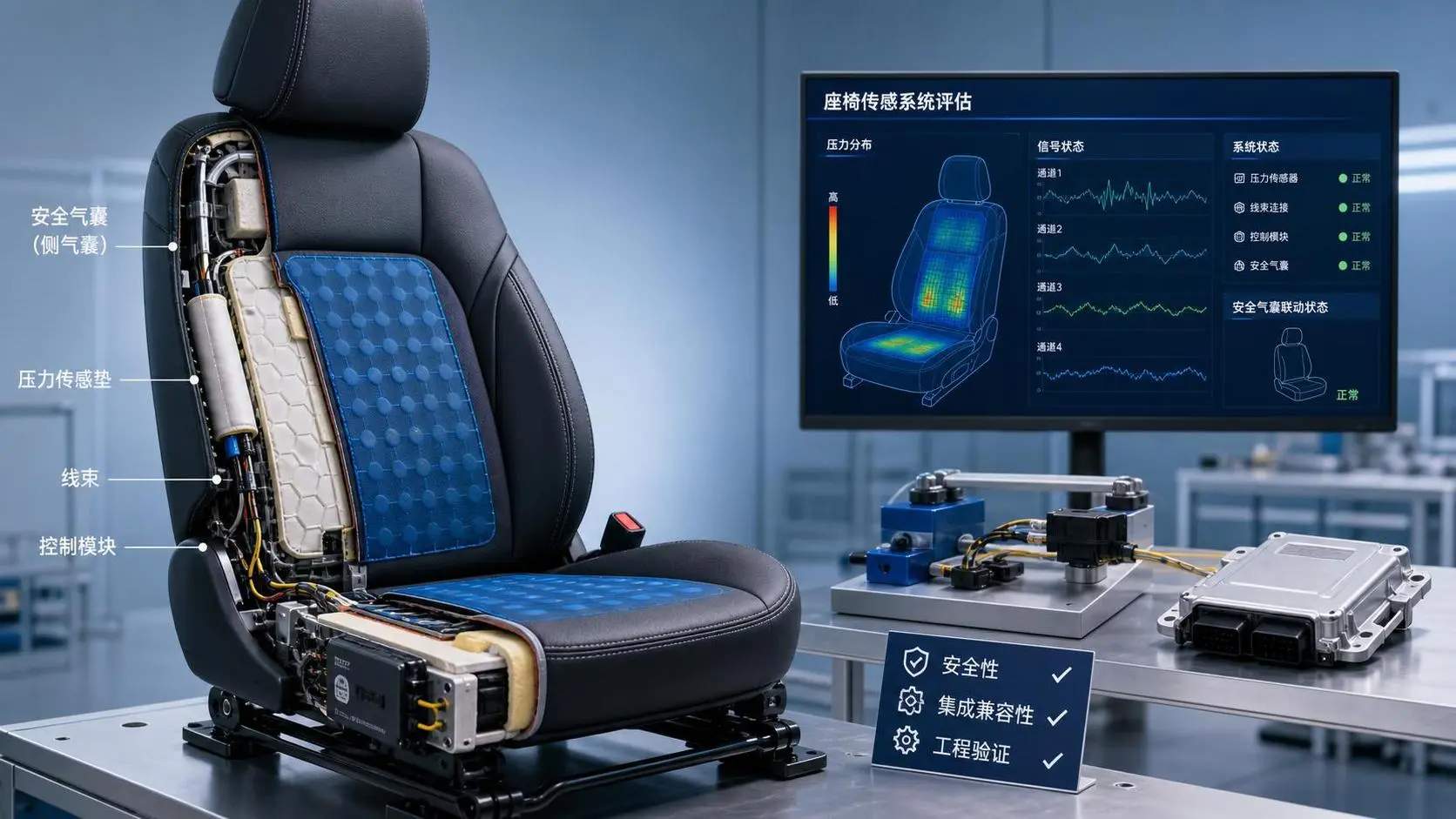
How to Evaluate a Seat Sensing Technology Supplier for Safety and Integration?
Seat sensing technology supplier evaluation guide: compare safety maturity, integration fit, algorithm reliability, and validation support to choose a partner that reduces risk.
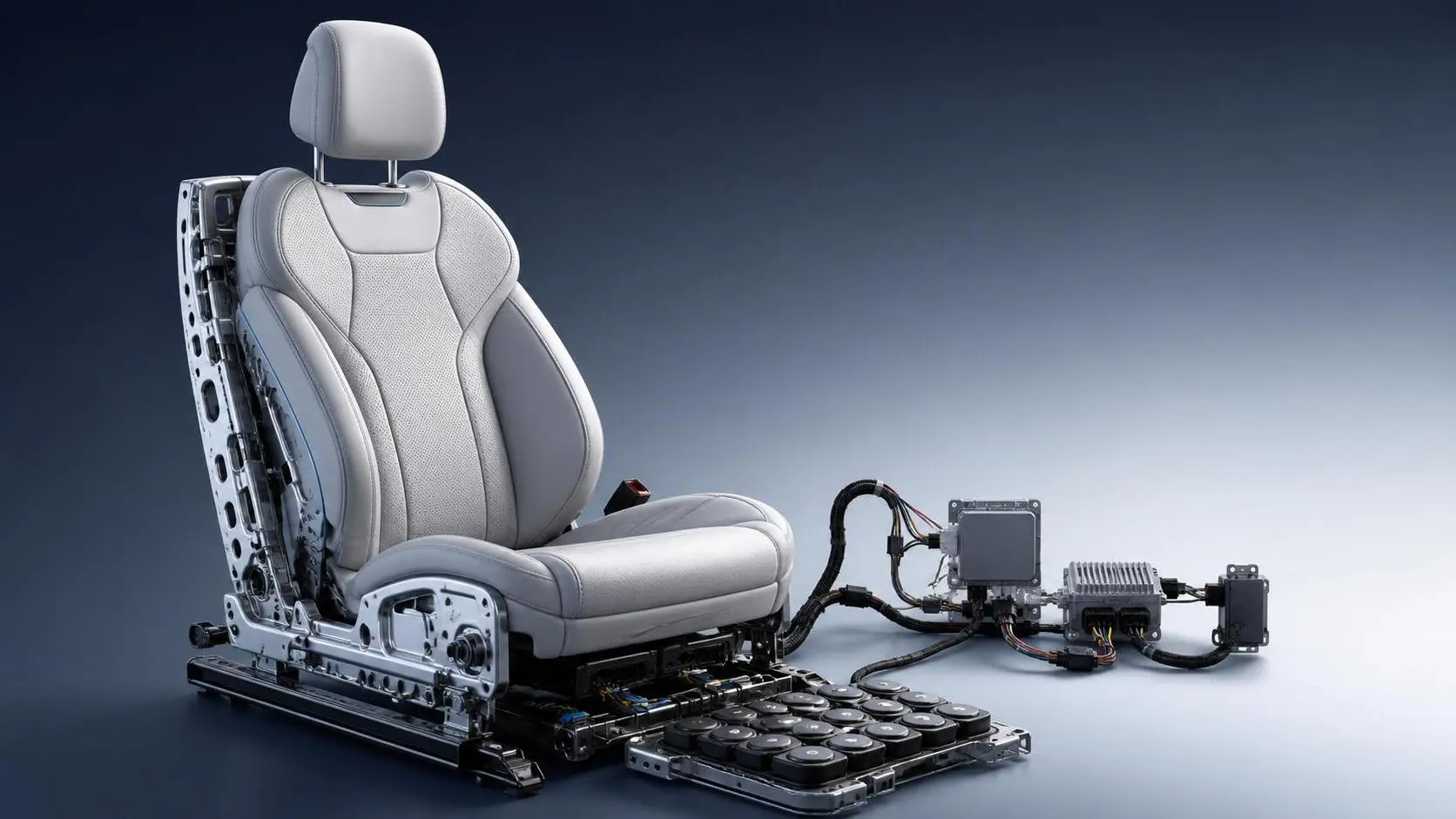
How to Evaluate Custom Smart Automotive Seating for Premium Vehicle Programs?
Custom smart automotive seating evaluation starts with safety, comfort, integration, and production readiness. Discover how premium vehicle teams choose smarter, lower-risk seat solutions.
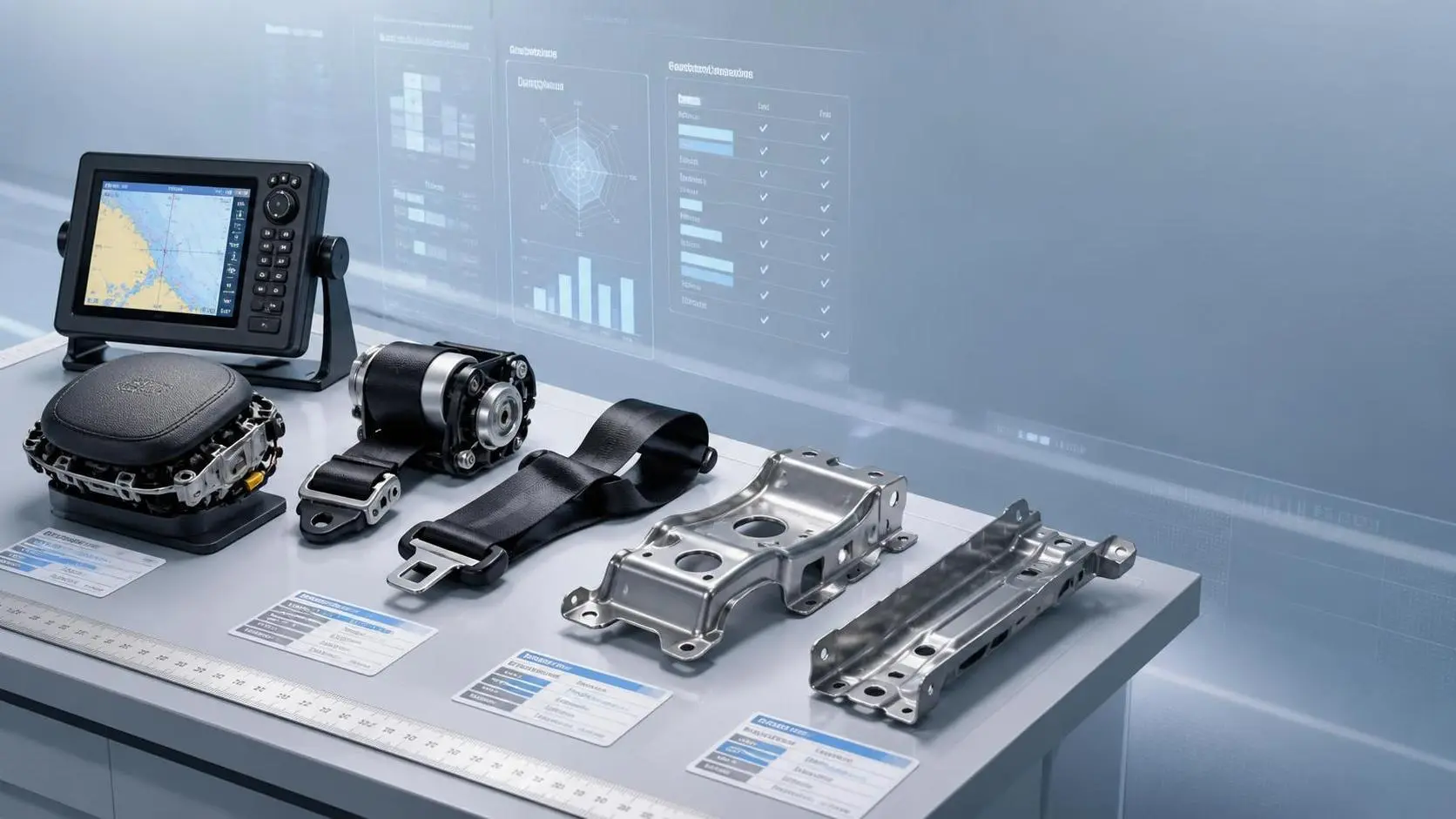
B2B Product Intelligence Platforms: How to Compare Features, Data Coverage, and ROI
B2B product intelligence platform comparison: learn how to evaluate data coverage, feature depth, compliance visibility, and ROI to choose a sourcing tool that reduces risk and speeds decisions.
Climate Control Seats Cost: What Drives Price and Long-Term Ownership Value?
Climate control seats cost depends on materials, thermal tech, and integration. Learn what drives price and how to judge long-term value before you buy.
Weekly Insights
Stay ahead with our curated technology reports delivered every Monday.