
How to Evaluate an Automotive Seat Assemblies Supplier for Quality, Traceability, and Program Launch
How to Evaluate an Automotive Seat Assemblies Supplier for Quality, Traceability, and Program Launch
Selecting the right automotive seat assemblies supplier can shape the entire outcome of a vehicle program.
A weak supplier may pass early sourcing reviews, then create delays during validation, tooling, PPAP, or ramp-up.
That is why a solid evaluation process must go far beyond piece price.
For seat programs, quality, traceability, launch readiness, and change control are tightly linked.
If one of those areas is weak, the risk usually shows up late and costs more to correct.
In practical sourcing work, the best automotive seat assemblies supplier is usually the one that reduces uncertainty.
That means stable manufacturing, clear documentation, fast issue response, and a disciplined launch team.
The sections below break down how to evaluate an automotive seat assemblies supplier in a way that supports a smoother SOP.
Start With Program-Critical Requirements
Before comparing suppliers, define what matters most for the specific seat program.
Not every automotive seat assemblies supplier has the same strength across frame structures, trim, foam, electronics, and safety integration.
A sourcing checklist should reflect real vehicle requirements, not a generic scorecard.
Clarify these points first:
- Seat type and architecture, including front, rear, manual, powered, or smart seating.
- Safety and compliance scope, such as FMVSS, ECE, NCAP, and OEM-specific validation.
- Planned annual volume, ramp profile, and plant localization strategy.
- Comfort features, electronics, sensing, heating, ventilation, or memory systems.
- Launch timing, engineering freeze dates, and change approval windows.
This step helps filter out any automotive seat assemblies supplier that looks capable on paper but does not match program complexity.
Assess Manufacturing Quality at Process Level
A strong plant tour should answer one question clearly: can this supplier build seats consistently, not just occasionally?
For any automotive seat assemblies supplier, process discipline matters more than polished presentations.
Look closely at welding control, foam consistency, trim fit, torque management, end-of-line testing, and defect containment.
Key quality signals to verify
- Certified systems such as IATF 16949 and a mature APQP culture.
- PFMEA, control plan, work instruction, and layered audit alignment.
- Error-proofing on critical assembly steps and operator-sensitive processes.
- MSA and SPC usage on dimensions tied to safety, fit, and appearance.
- Clear rework limits and robust quarantine methods for suspect parts.
Seat systems combine structure, comfort, and safety in one module.
Because of that, one unstable sub-process can affect squeak and rattle, durability, occupant protection, or visual quality.
An automotive seat assemblies supplier should be able to show how those risks are measured, controlled, and escalated.
Check Traceability Beyond the Label
Traceability is often discussed, but the real test is speed and depth.
If a field issue appears, can the automotive seat assemblies supplier isolate affected lots within hours?
Can it trace raw material, subcomponents, station history, operator records, and software versions where applicable?
A useful traceability review should cover:
- Serial or batch linkage from incoming material to finished seat assembly.
- Genealogy across foam, frames, recliners, tracks, covers, airbags, and sensors.
- Digital records for torque, test results, repair events, and inspection status.
- Retention rules that match OEM and regulatory expectations.
- Mock recall capability and documented containment timing.
This area matters even more when the seat includes occupancy sensing, airbags, seatbelt interfaces, or electronic comfort functions.
A capable automotive seat assemblies supplier treats traceability as an operational tool, not a compliance slide.
Review Validation and Engineering Support
Many sourcing decisions fail because validation capability is checked too late.
An automotive seat assemblies supplier should support design maturity, test planning, and issue closure from prototype through production validation.
This includes static strength, durability, environmental performance, abuse testing, and integration with passive safety systems.
Questions worth asking during evaluation
- What validation is completed in-house, and what is outsourced?
- How quickly can test failures be analyzed and converted into design or process actions?
- Does the supplier have CAE, material expertise, and seat system integration experience?
- Can it support regional compliance differences without repeating avoidable work?
Recent market shifts make this more important.
Lightweight structures, smart features, and stricter safety expectations are increasing engineering interaction during launch.
A reliable automotive seat assemblies supplier brings technical depth early, before open issues become timing threats.
Examine Change Control and Supplier Management
For seat systems, change control is a direct quality and launch issue.
A small change in foam density, weld fixture setup, trim material, or sub-supplier tooling can create larger downstream effects.
The right automotive seat assemblies supplier will have disciplined engineering change management and strong control over lower-tier suppliers.
Look for evidence in these areas:
- Formal review and approval flow for product and process changes.
- Impact assessment covering validation, tooling, inventory, and service parts.
- Sub-supplier audit cadence and escalation paths for chronic issues.
- PCN discipline and timely communication with OEM and Tier 1 teams.
- Lessons learned captured from previous seat launches.
If an automotive seat assemblies supplier cannot explain how it prevents uncontrolled change, the risk profile is already too high.
Measure Program Launch Readiness
Program launch is where all supplier claims face reality.
An experienced automotive seat assemblies supplier should show a structured launch model with named owners, milestone control, and fast escalation.
This is especially important for global platforms, mixed-option seats, and multi-plant sourcing.
Launch readiness indicators
In real launch conditions, speed matters, but organized speed matters more.
A strong automotive seat assemblies supplier can distinguish between temporary containment and true corrective action.
Compare Suppliers With a Decision Framework
Once the reviews are complete, convert findings into a weighted decision model.
This makes supplier selection easier to defend across purchasing, engineering, quality, and program management.
A practical scorecard for an automotive seat assemblies supplier often includes:
- Manufacturing quality maturity.
- Traceability depth and recall responsiveness.
- Engineering and validation support.
- Launch readiness and capacity confidence.
- Commercial fit, including total cost and risk exposure.
- Regional footprint and customer support model.
Price still matters, of course.
But a lower quote from an automotive seat assemblies supplier with weak controls usually creates hidden cost later.
Those costs appear as extra launches, premium freight, quality sorting, validation repeats, and management time.
A decision framework keeps the discussion anchored in execution risk, not just sourcing pressure.
Make the Final Evaluation Practical
The best evaluation process is the one that helps teams choose clearly and act early.
When reviewing any automotive seat assemblies supplier, focus on evidence that predicts launch behavior.
Ask how problems are found, how fast they are contained, and how repeat failures are prevented.
That approach gives a more reliable view than presentations alone.
A qualified automotive seat assemblies supplier should combine process quality, part genealogy, engineering support, and launch discipline.
When those elements are aligned, program risk drops and cross-functional decisions become easier to support.
For upcoming sourcing rounds, build the evaluation around plant evidence, traceability tests, validation depth, and launch governance.
That is usually the most dependable way to choose an automotive seat assemblies supplier that can perform well from nomination through SOP.
Related News
Climate Control Seats Cost: What Drives Price and Long-Term Ownership Value?
Climate control seats cost depends on materials, thermal tech, and integration. Learn what drives price and how to judge long-term value before you buy.

What Factors Drive Marine Navigation Components Cost in Commercial Vessel Projects?
Marine navigation components cost is shaped by integration, compliance, installation, and lifecycle support. Discover what drives pricing and how buyers can reduce risk while improving value.
How Much Does Seat Occupancy Sensing Cost? Key Pricing Factors for Buyers
Seat occupancy sensing price varies widely by technology, integration, and compliance needs. Learn the key cost drivers, avoid hidden fees, and make smarter buying decisions.

How to Specify Micro-Climate Control Cabins for Harsh Outdoor Worksites?
Micro-climate control cabins for harsh outdoor worksites: learn how to specify thermal control, filtration, pressurization, and durability for safer uptime and smarter buying.
How to Evaluate a B2B Product Knowledge Platform for Faster Procurement Decisions
B2B product knowledge platform procurement starts with reducing decision risk. Learn how to compare specs, compliance, and supplier data to speed sourcing with confidence.
How to Evaluate an Occupant Restraint Systems Exporter for Quality, Compliance, and Supply Risk
Occupant restraint systems exporter evaluation guide: learn how to verify quality controls, compliance evidence, and supply risk before sourcing to avoid recalls, delays, and hidden costs.

Navigation Compliance Certification: Which Marine Systems Need It and How to Prepare?
Navigation compliance certification explained: discover which marine systems need approval, what documents matter, and how to prepare early to avoid delays, rework, and costly project risks.
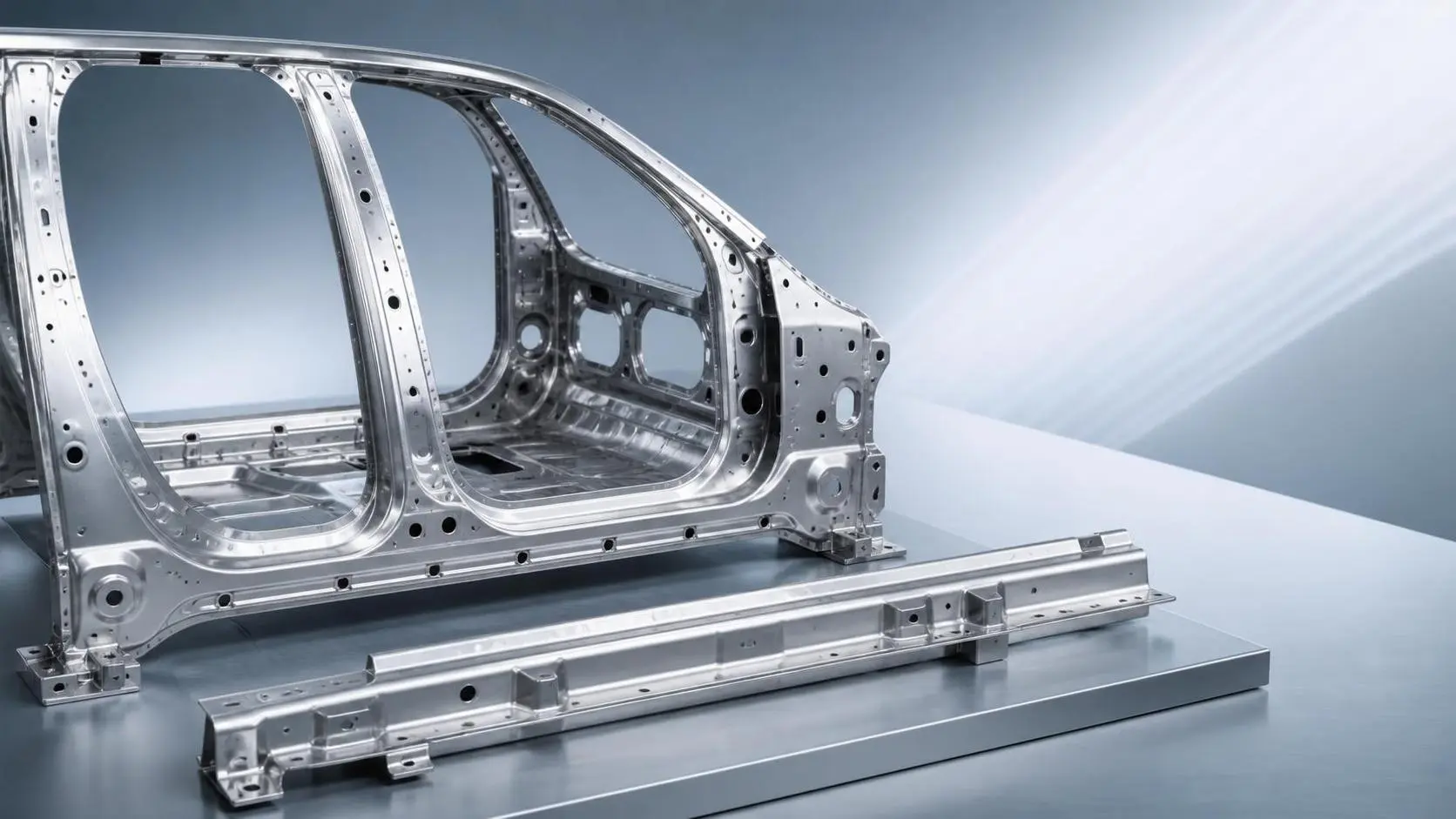
How to Evaluate Steel Auto Body Stampings for Strength, Fit, and Cost
Steel auto body stampings should be judged by strength, fit, and total cost together. Learn how to compare materials, forming limits, springback, joining, and tooling before choosing.
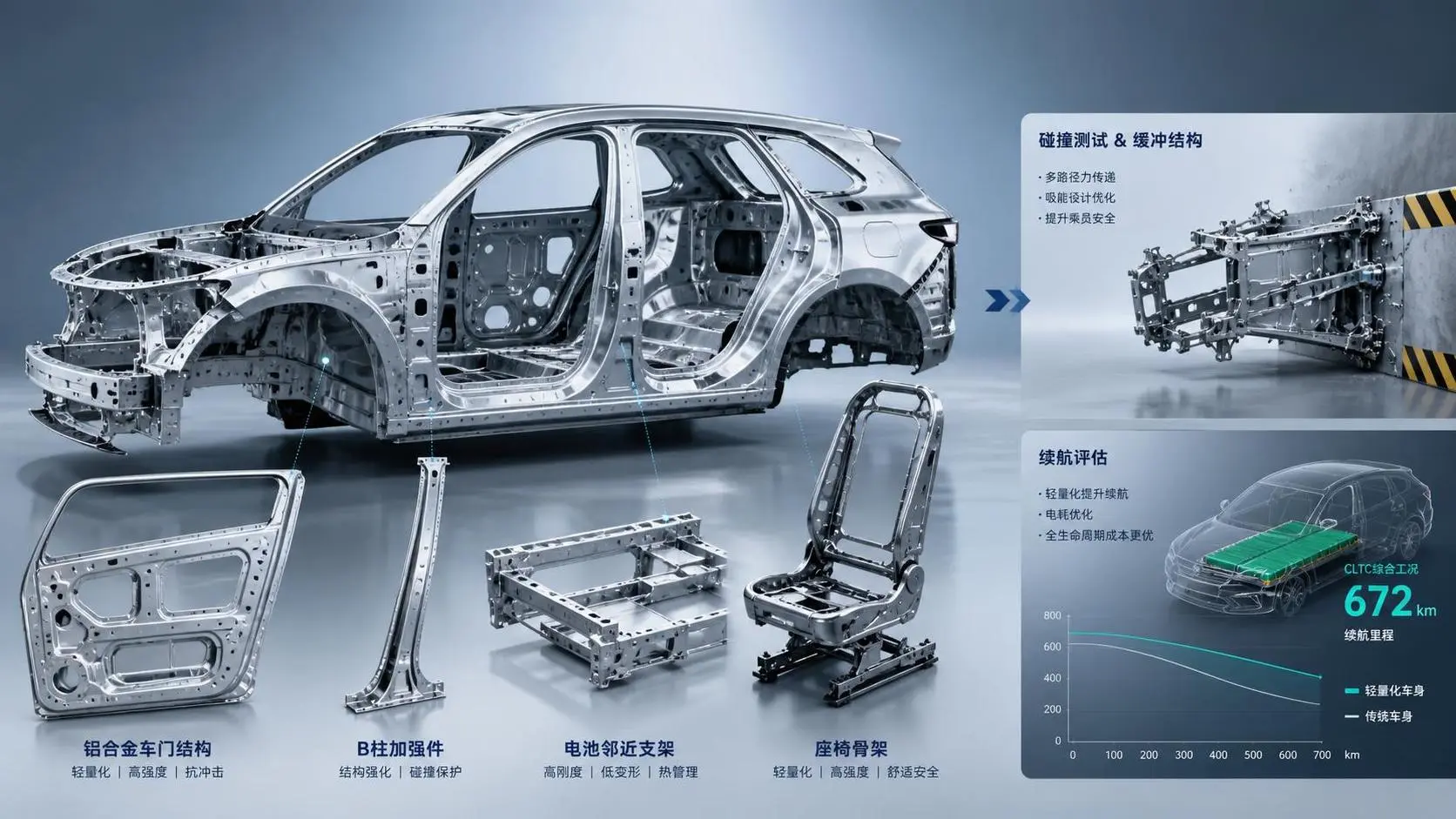
How to Evaluate Lightweight Automotive Components for EV Range and Crash Performance
Lightweight automotive components for EVs: learn how to evaluate real range gains, crash performance, joining risk, and manufacturability to choose safer, smarter EV parts.
Related News
- 00
0000-00
How to Evaluate Automotive Seat Assemblies for EVs by Weight, Safety, and Packaging - 00
0000-00
How to Evaluate a Seat Structures Exporter for OEM Programs: Capacity, Compliance, and Tooling - 00
0000-00
Sensor-Based Smart Seating Solutions: Key Features for Automotive Seat Design - 00
0000-00
What Drives Automotive Ergonomics Cost? Design Inputs, Testing Scope, and Tooling Factors - 00
0000-00
Aluminum Seat Structures vs Steel: When Is the Weight Saving Worth the Trade-Off?
Weekly Insights
Stay ahead with our curated technology reports delivered every Monday.