
How to Compare Maritime Safety Equipment Suppliers in Southeast Asia
How to Compare Maritime Safety Equipment Suppliers in Southeast Asia
Choosing the right partner for maritime safety equipment Southeast Asia procurement requires more than comparing prices.
Buyers need to assess certification, reliability, service coverage, and delivery performance across very different port and regulatory environments.
This matters even more when fleets operate across Singapore, Indonesia, Malaysia, Thailand, Vietnam, and the Philippines.
A supplier that looks competitive on paper may still create risk through weak documentation, poor maintenance response, or unstable lead times.
A better comparison method helps reduce sourcing mistakes and supports vessel safety, uptime, and long-term operating value.
Start with the operating context
Before reviewing suppliers, define what the vessel, route, and operator actually need.
Maritime safety equipment Southeast Asia demand varies by vessel type, cargo profile, and inspection frequency.
A coastal workboat has very different requirements from a tanker, offshore support vessel, or regional passenger craft.
It helps to define four basics first:
- Mandatory equipment scope and class requirements
- Expected service ports and repair turnaround
- Replacement cycle and spare parts demand
- Budget limits versus lifecycle performance goals
This first step keeps the supplier comparison grounded in operational reality, not just brochure claims.
Check compliance before anything else
In maritime safety equipment Southeast Asia sourcing, compliance is the first filter, not a later checklist item.
Suppliers should clearly provide certification records, approval status, and traceable technical documents.
Depending on the product, that may include SOLAS, IMO, MED, USCG, or class-related approvals.
Ask whether approvals are current, product-specific, and valid for the delivery configuration you are buying.
This is where some sourcing projects go wrong.
A supplier may show a general certificate, while the exact model, batch, or assembled package differs from the approved version.
In actual procurement work, request these documents early:
- Type approval certificates
- Factory test reports
- Material or component traceability records
- Maintenance manuals and calibration instructions
- Regional import and labeling compliance records
A qualified supplier should provide these without delay or vague explanations.
Compare reliability, not just specifications
Two suppliers may offer similar specifications, but field performance can still be very different.
That is especially true for navigation electronics, emergency systems, signaling devices, and lifesaving support components.
For maritime safety equipment Southeast Asia decisions, reliability should be reviewed through service history.
Ask for installed base data in tropical, high-humidity, and heavy-salt conditions.
Those conditions often expose weaknesses faster than lab testing does.
Useful comparison points include:
- Failure rate within the first 12 to 24 months
- Mean time between failures for critical equipment
- Warranty claim responsiveness
- Frequency of software or firmware updates
- Parts durability in corrosive marine environments
A reliable supplier should also explain common failure modes and how they were corrected.
If they avoid that discussion, the risk is usually higher than the price advantage suggests.
Evaluate regional service depth
After-sales support often separates a usable supplier from a merely acceptable one.
In the maritime safety equipment Southeast Asia market, geography changes everything.
A vendor with a strong office in Singapore may still have weak support in eastern Indonesia or secondary Philippine ports.
Look beyond headquarters visibility.
Review the actual network for service engineers, spare stock, authorized workshops, and inspection scheduling.
Ask direct questions such as:
- Which ports have local technicians?
- What is the emergency response time?
- Which spare parts are stored regionally?
- Can onboard training be arranged locally?
- How are warranty cases handled across borders?
This also affects total cost, because poor support usually becomes expensive through delays, diversions, and repeat visits.
Review supply stability and lead times
Recent market shifts have made supply continuity a serious procurement variable.
The clearer signal is that lead time volatility now affects both standard items and specialized marine systems.
When comparing maritime safety equipment Southeast Asia suppliers, ask for proof of delivery consistency.
Do not rely on quoted lead times alone.
Review historical fulfillment data for the past six to twelve months.
Important indicators include:
- On-time delivery performance
- Fill rate for urgent orders
- Buffer stock policy
- Alternative component approval options
- Import handling capability in each target country
This is especially relevant for fleets with short dry-dock windows or multi-port service schedules.
A cheaper supplier becomes costly when one delayed shipment stops inspection clearance or vessel deployment.
Use a total cost framework
Price comparison is necessary, but it should never stand alone.
A stronger buying model for maritime safety equipment Southeast Asia uses total cost of ownership.
That means comparing not only purchase price, but also the operational consequences after delivery.
This approach makes supplier decisions more defensible, especially when internal teams focus too heavily on initial price gaps.
Score suppliers with a practical matrix
A weighted scorecard helps turn supplier comparison into a repeatable process.
For maritime safety equipment Southeast Asia sourcing, a simple matrix is often enough.
Use weighted criteria such as compliance, reliability, service coverage, lead time, commercial terms, and technical responsiveness.
One practical setup looks like this:
- Compliance and approvals: 25%
- Product reliability: 20%
- Regional service support: 20%
- Delivery and stock stability: 15%
- Commercial terms: 10%
- Communication and documentation quality: 10%
This also reveals where a low-price offer is masking a high operational risk.
Over time, the matrix becomes a useful benchmark for future maritime safety equipment Southeast Asia procurement rounds.
Watch for common supplier red flags
A few warning signs appear repeatedly in difficult sourcing cases.
Spotting them early can save time and reduce exposure.
- Incomplete certificates or unclear approval scope
- Very low pricing with weak service commitments
- No local parts stock for critical items
- Slow answers to technical questions
- No clear process for recalls, failures, or warranty actions
- References limited to one market or one vessel type
In practice, strong suppliers are usually transparent, specific, and consistent across documents, pricing, and service promises.
Make the final decision with evidence
The best maritime safety equipment Southeast Asia supplier is rarely the one with the lowest quotation.
It is usually the supplier that combines valid compliance, stable delivery, dependable product performance, and credible regional support.
A disciplined comparison process gives you that visibility.
Define the operating need, verify approvals, test reliability claims, review support coverage, and score total cost.
That sequence is practical, defendable, and easier to apply across different vessel programs.
For teams tracking marine navigation systems and broader safety technology shifts, supplier intelligence also matters between purchase cycles.
Continuous market monitoring helps identify capability changes, compliance updates, and service network moves before they affect sourcing outcomes.
When maritime safety equipment Southeast Asia decisions are built on evidence instead of assumptions, the result is safer procurement and stronger operational continuity.
Related News
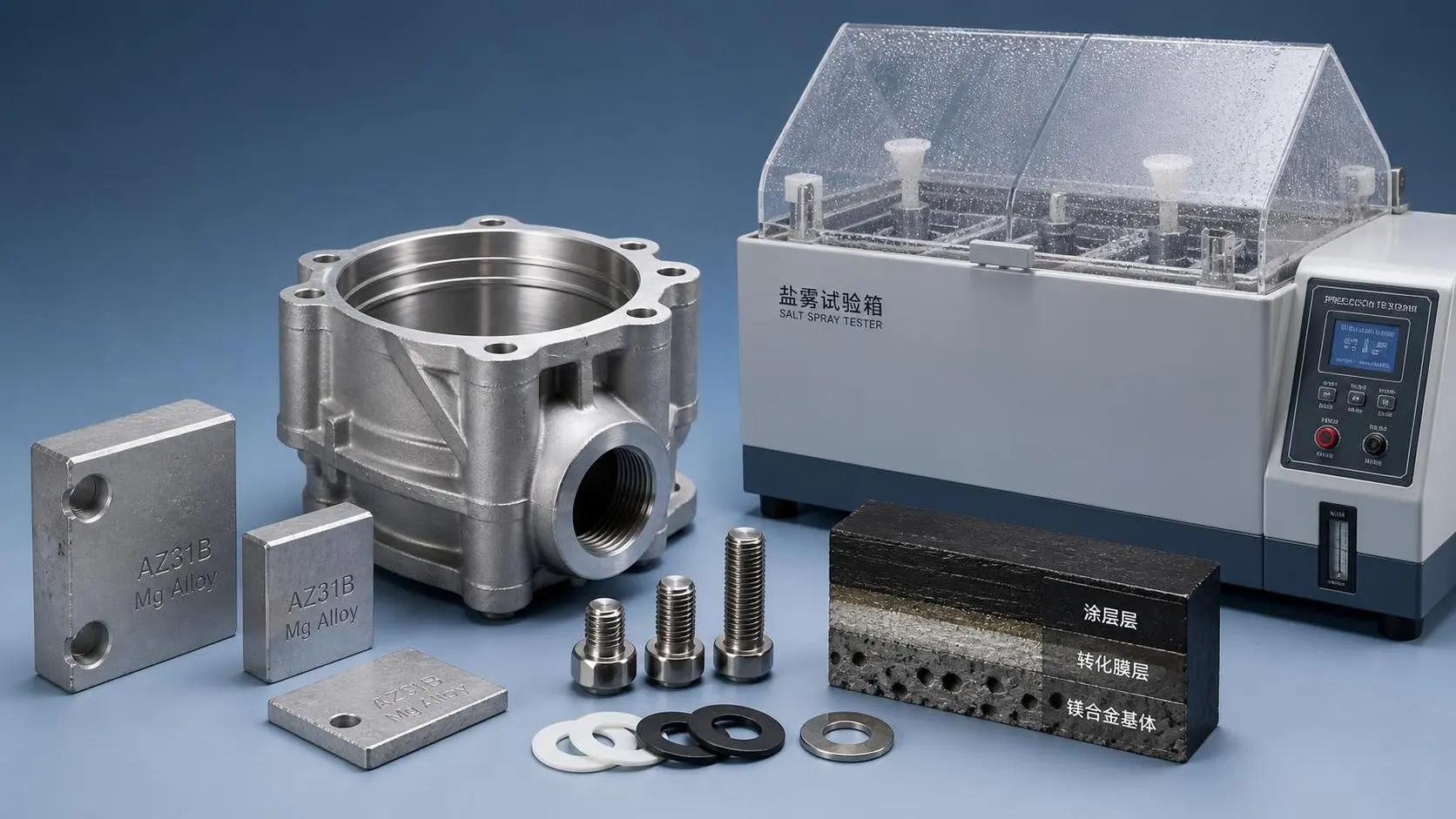
How to Evaluate Magnesium Alloys Corrosion Resistance for Marine Parts?
Magnesium alloys corrosion resistance for marine parts depends on more than alloy grade. Learn how to assess coatings, galvanic risk, geometry, and real-world exposure before you decide.
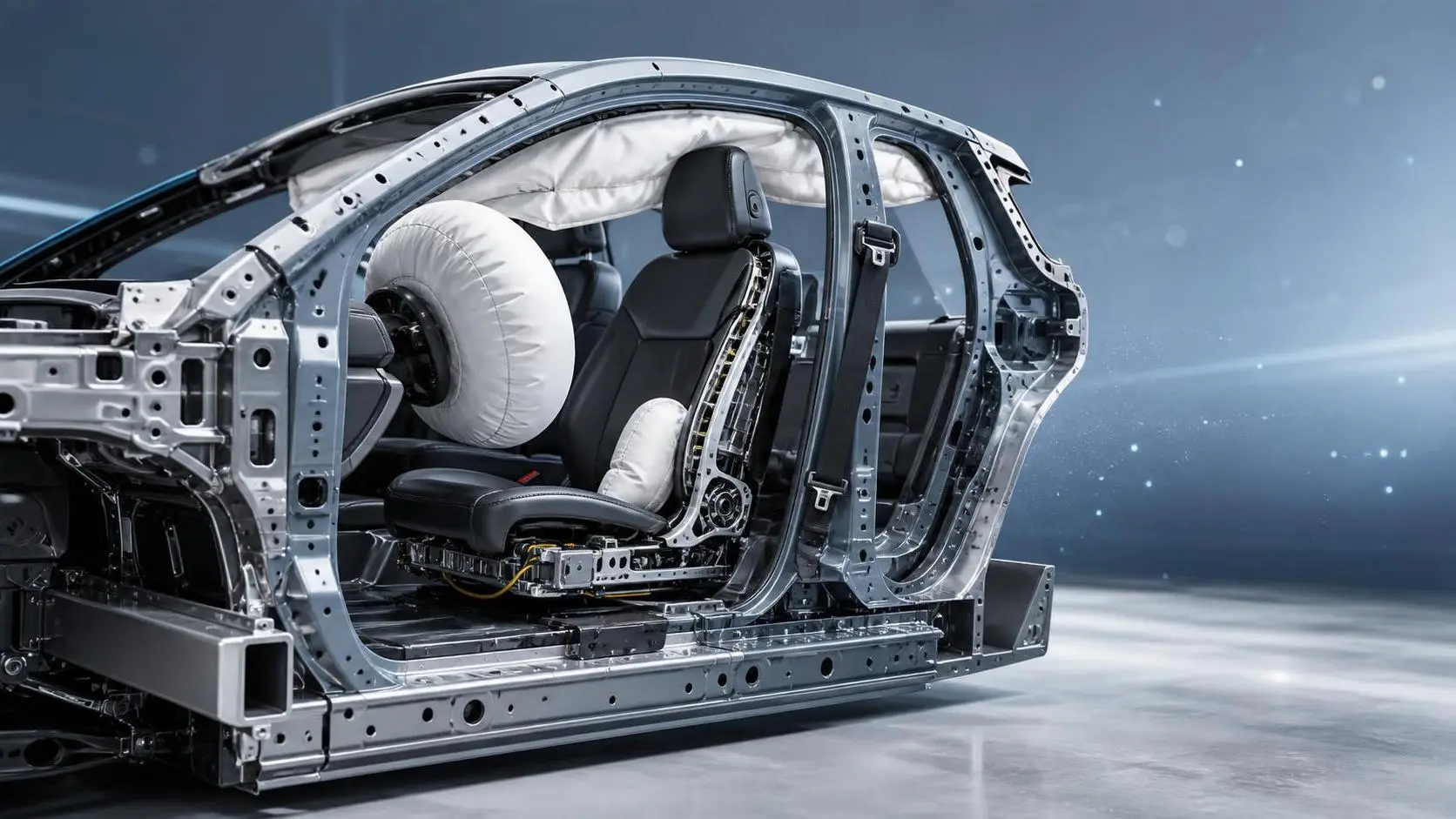
How to Evaluate Mobility Safety Systems for Safer Vehicle Platform Design
Mobility safety systems evaluation starts with platform architecture, crash energy management, and seat-restraint timing. Learn how to choose safer, validation-ready vehicle designs.
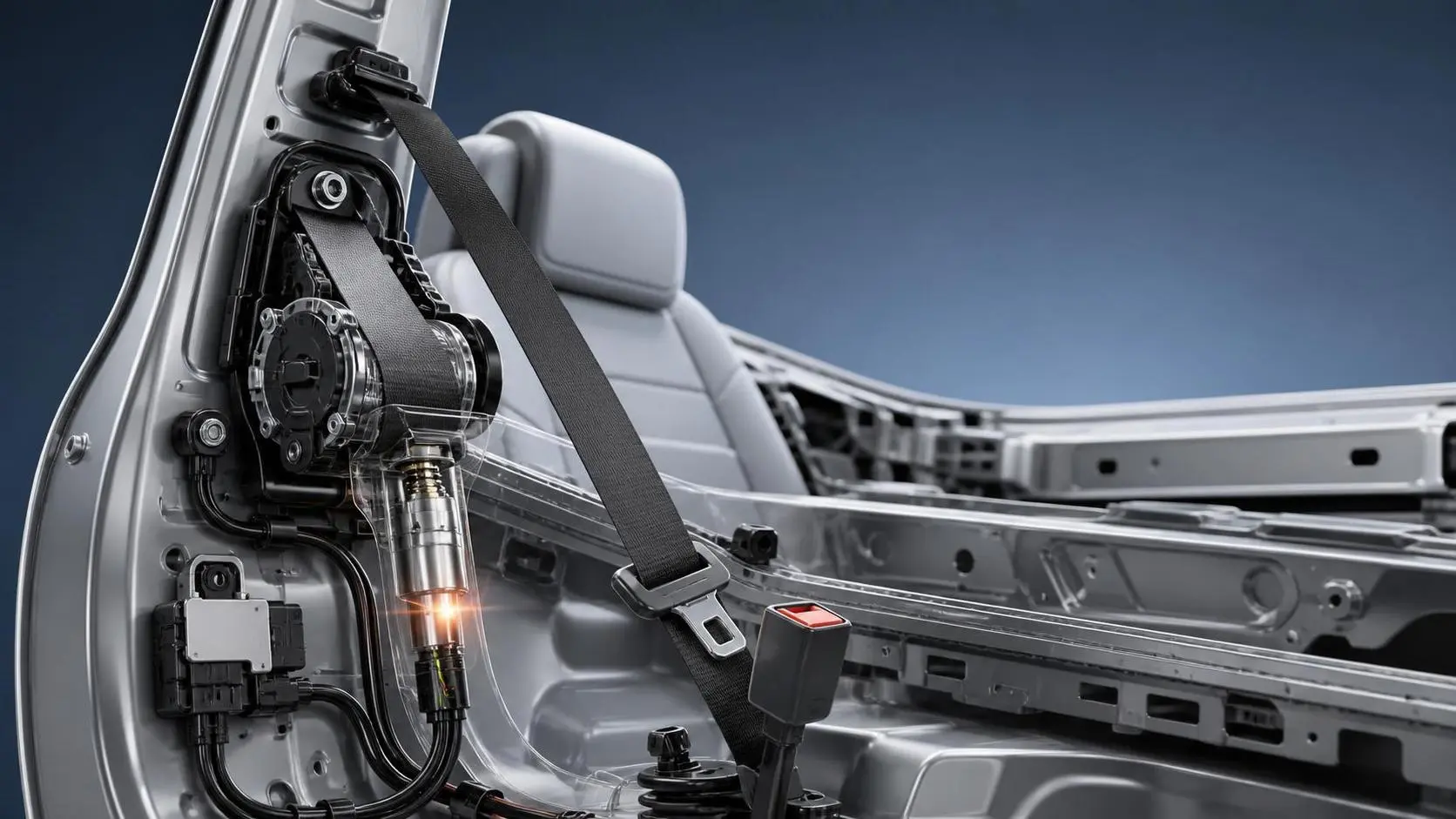
How Seat Belt Pretensioners for EVs Improve Crash Safety and System Response
Seat belt pretensioners for EVs improve crash timing, occupant control, and system response. Discover how smarter integration boosts EV safety performance.
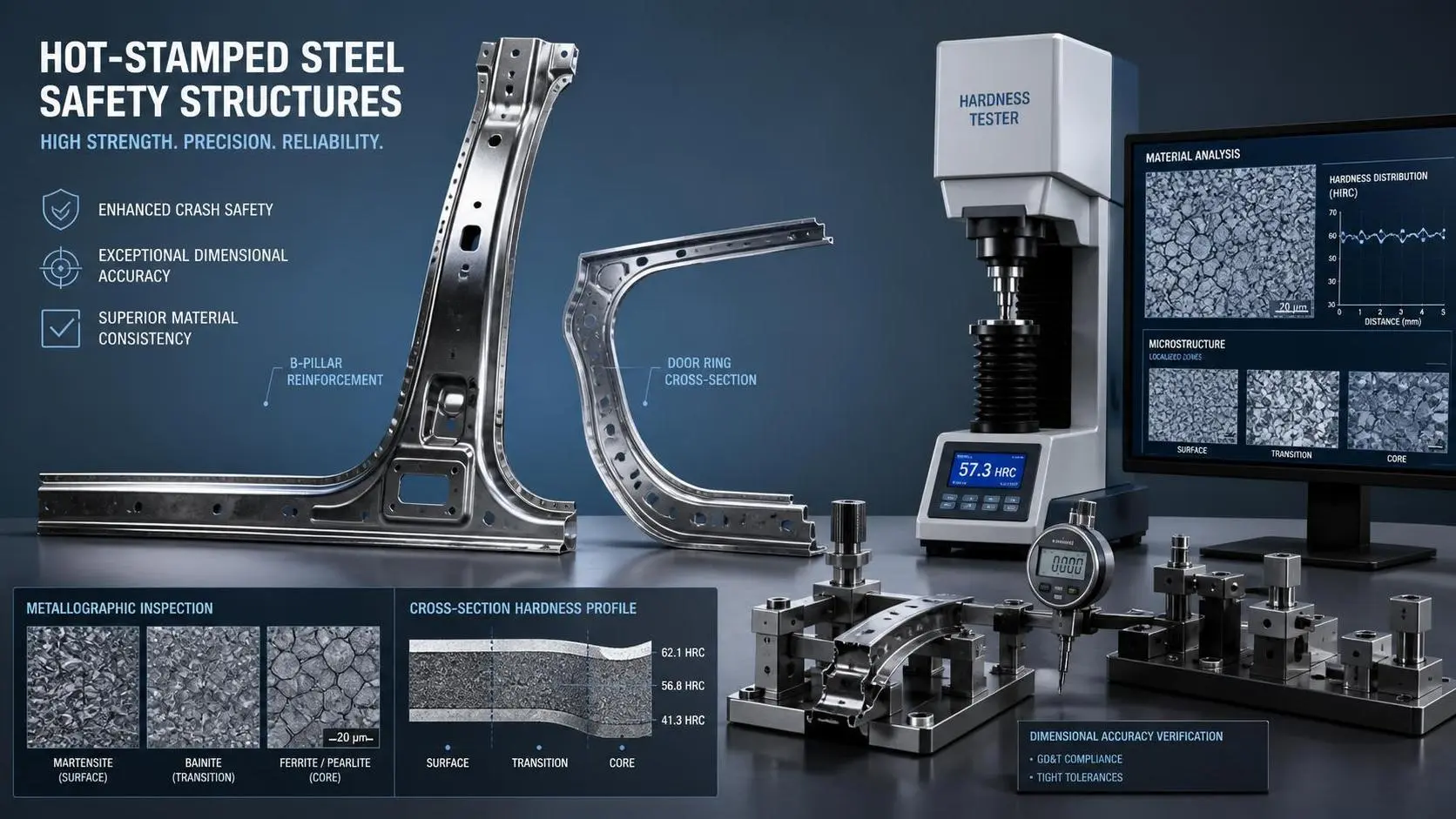
How to Evaluate High Strength Hot Stamped Steel Parts for Crash-Safety Applications
High strength hot stamped steel parts for crash-safety applications: learn how to assess strength, microstructure, dimensional accuracy, and process stability for safer sourcing decisions.
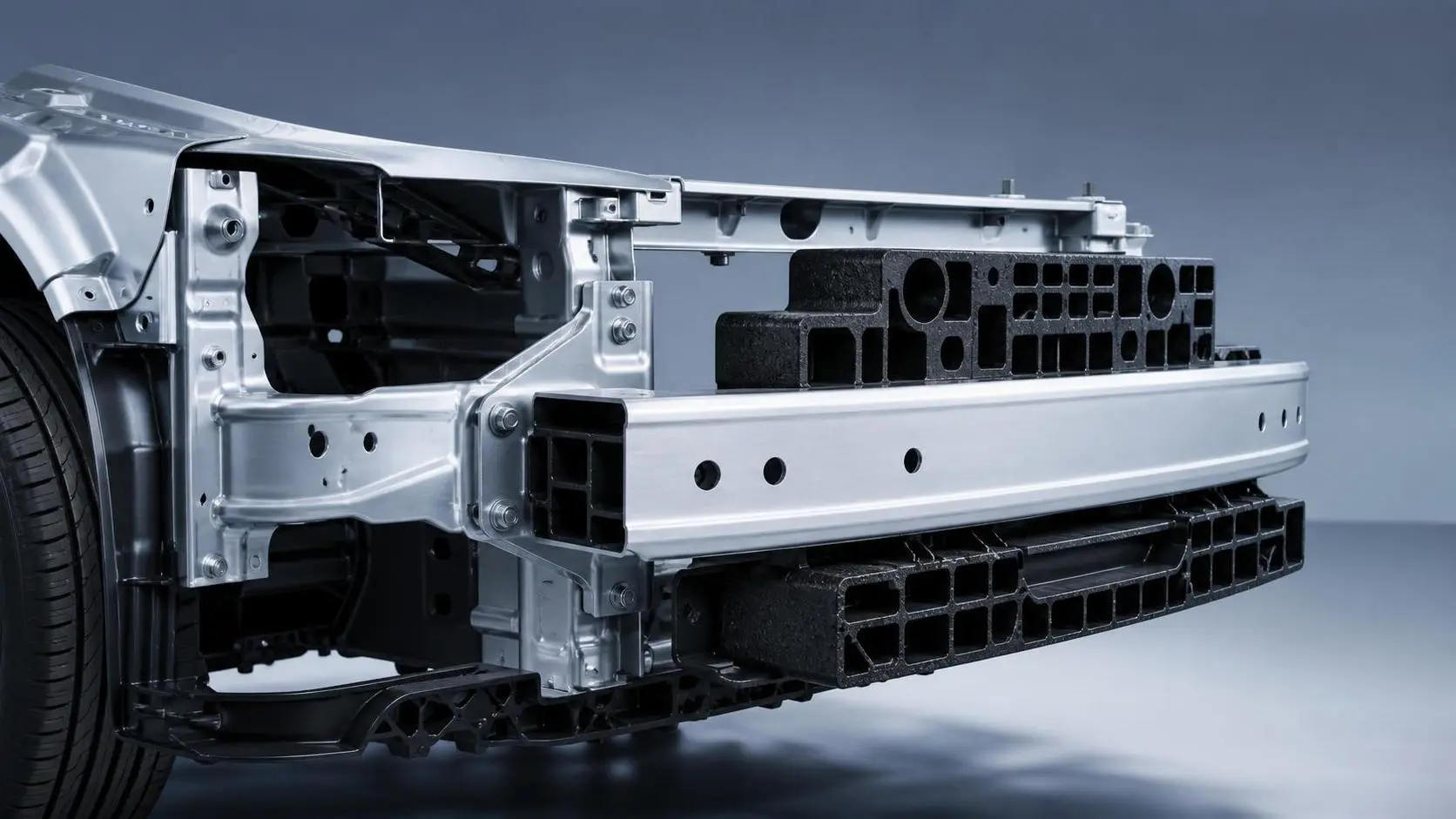
How Crash Management Components Reduce Repair Costs and Improve Impact Performance
Crash management components help reduce repair costs, protect critical vehicle structures, and improve impact performance. Learn how smarter design supports safer, more cost-efficient mobility programs.
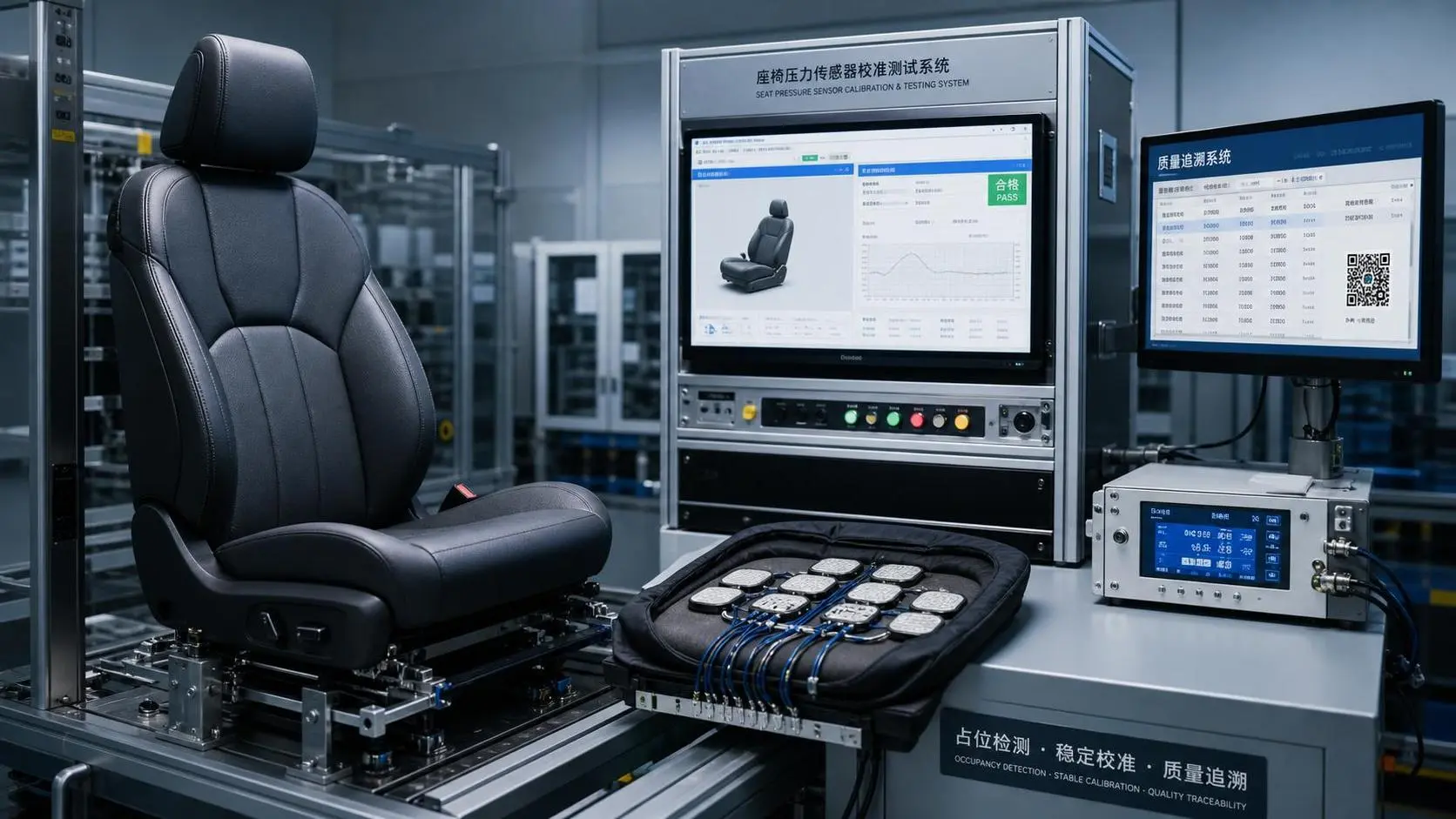
How to Evaluate a Seat Sensing Systems Factory for Automotive Safety Programs
Seat sensing systems factory selection goes beyond price. Learn how to assess quality control, validation, PPAP readiness, and long-term supply reliability for safer automotive programs.
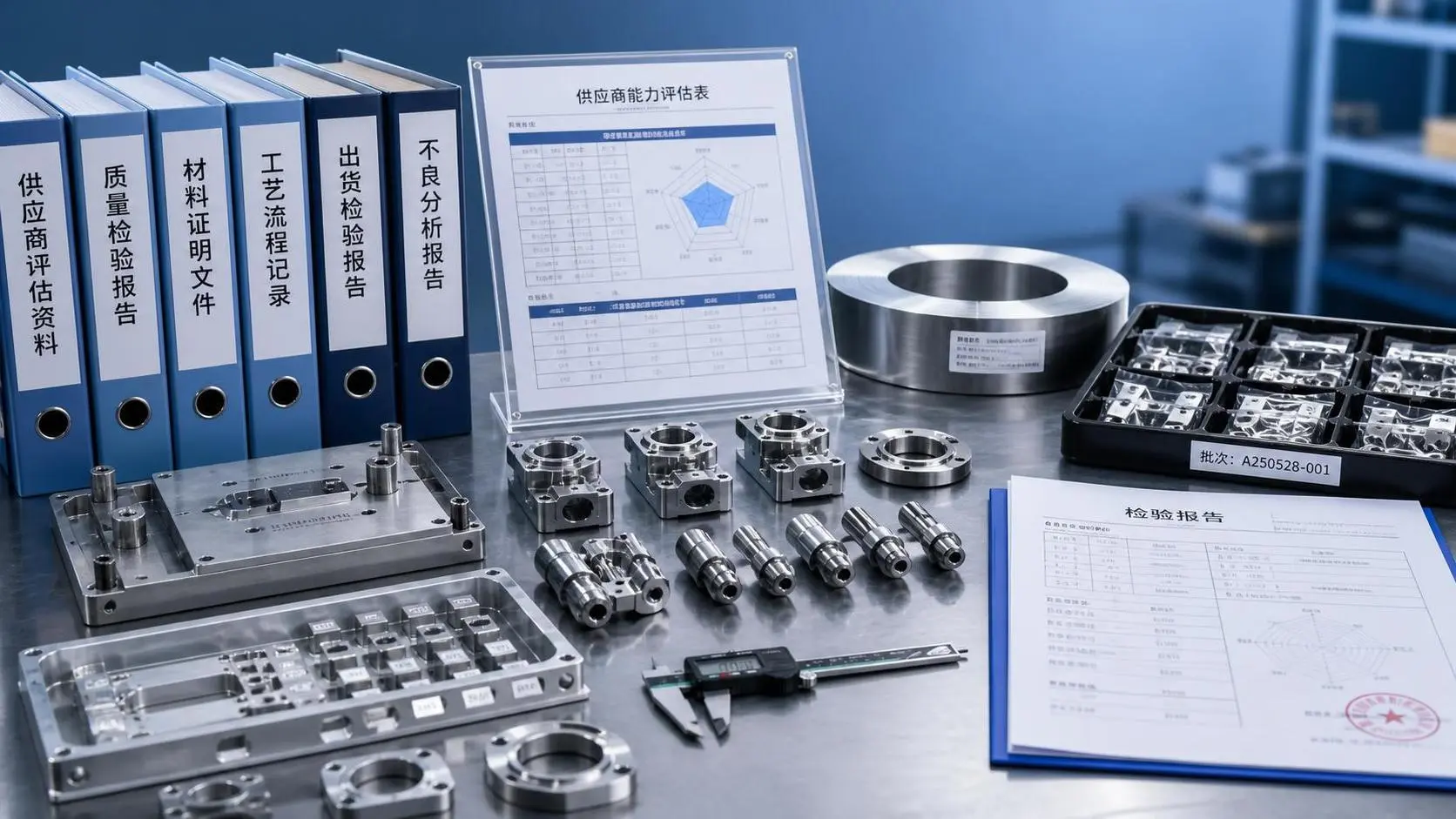
Supplier Capability Evaluation Process: Key Criteria for B2B Sourcing Decisions
Supplier capability evaluation process explained: learn the key criteria for B2B sourcing decisions, reduce supplier risk, and choose partners with confidence.
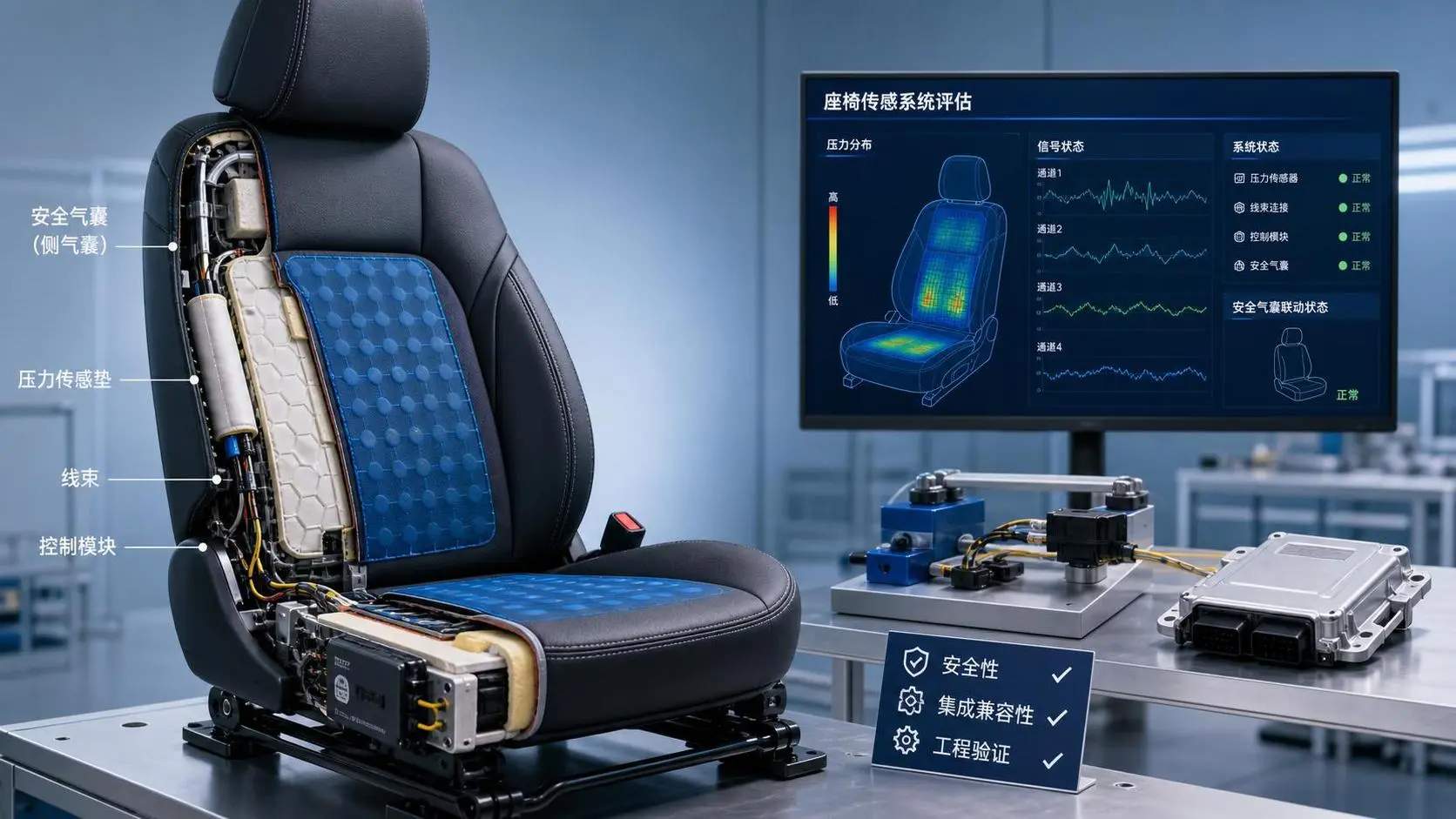
How to Evaluate a Seat Sensing Technology Supplier for Safety and Integration?
Seat sensing technology supplier evaluation guide: compare safety maturity, integration fit, algorithm reliability, and validation support to choose a partner that reduces risk.
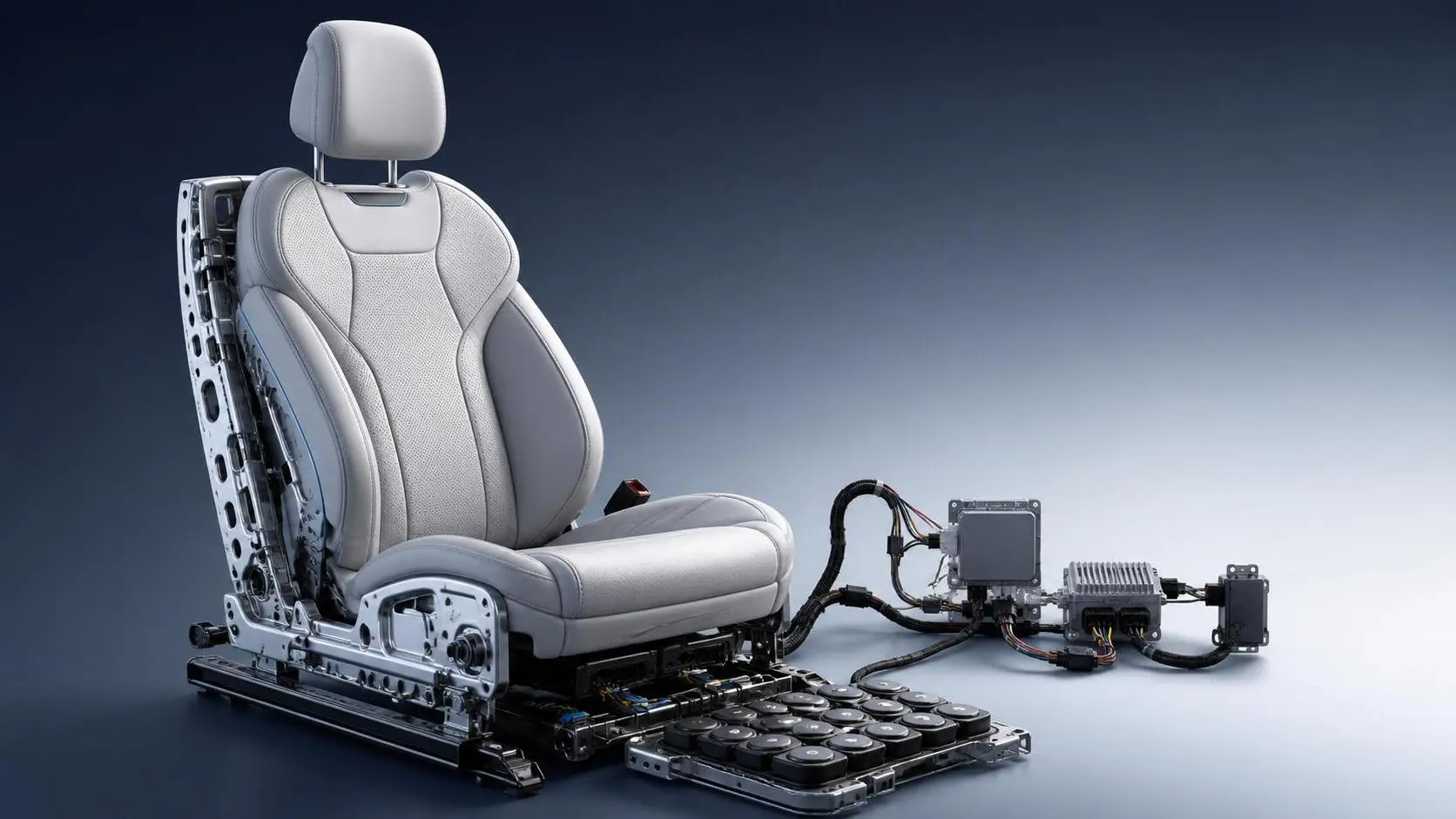
How to Evaluate Custom Smart Automotive Seating for Premium Vehicle Programs?
Custom smart automotive seating evaluation starts with safety, comfort, integration, and production readiness. Discover how premium vehicle teams choose smarter, lower-risk seat solutions.
Related News
- 00
0000-00
How to Evaluate Magnesium Alloys Corrosion Resistance for Marine Parts? - 00
0000-00
How to Evaluate Mobility Safety Systems for Safer Vehicle Platform Design - 00
0000-00
How Crash Management Components Reduce Repair Costs and Improve Impact Performance - 00
0000-00
Supplier Capability Evaluation Process: Key Criteria for B2B Sourcing Decisions - 00
0000-00
How to Evaluate a Seat Sensing Technology Supplier for Safety and Integration?
Weekly Insights
Stay ahead with our curated technology reports delivered every Monday.