
How to Evaluate a Non-Toxic Propellants Manufacturer for Compliance and Scale
Why does choosing a non-toxic propellants manufacturer now carry more strategic weight?
A non-toxic propellants manufacturer is no longer judged only by price, output, or sample performance.
In safety-critical mobility systems, supplier capability affects regulatory approval, field reliability, and launch timing.
That matters even more in sectors linked to containment protection, occupant safety, and high-reliability electronics.
Airbag inflator chemistry is a clear example.
When propellant composition changes, validation methods, residue behavior, gas generation consistency, and storage stability all come into play.
The practical question is simple: can the manufacturer support compliance and scale without introducing hidden program risk?
Within the GNCS view of global mobility equipment, this issue sits beside marine navigation integrity, passive safety performance, and smart cabin systems.
The common thread is disciplined technical verification.
A supplier may look qualified on paper, yet still struggle with formulation control, documentation depth, or global readiness.
That is why evaluating a non-toxic propellants manufacturer should start before nomination, not after pilot builds begin.
What should you confirm first: compliance claims or chemistry maturity?
The strongest answer is both, but chemistry maturity usually reveals the truth behind compliance claims.
A manufacturer may reference major standards, yet the real test is whether its formulation history is stable and well documented.
For non-toxic propellant systems, ask how the chemistry has evolved, what raw material substitutions were made, and why.
Minor changes in oxidizers, binders, or burn moderators can affect gas output and residue profiles.
That directly influences inflator behavior and downstream validation.
Compliance, then, should be checked in layers:
- Material compliance records for restricted substances and regional environmental rules.
- Process compliance tied to traceability, batch control, and change management.
- Application compliance supported by test evidence, not general declarations.
In actual sourcing reviews, a credible non-toxic propellants manufacturer can explain failed trials, reformulation lessons, and validation boundaries.
That level of openness usually signals technical maturity.
A vague answer, by contrast, often means the supplier is leaning on marketing language rather than controlled data.
Which documents and factory signals separate a qualified supplier from a risky one?
The most useful evaluation combines paperwork with on-site evidence.
Certificates alone rarely tell you whether the operation can support sustained serial production.
Start with a compact review table that links questions to proof points.
During a site visit, look beyond the presentation deck.
Check raw material segregation, humidity and temperature control, operator discipline, and reaction to nonconforming lots.
A dependable non-toxic propellants manufacturer usually shows calm operational control, not staged cleanliness.
It should also connect lab results to production behavior without hesitation.
How do you judge whether the supplier can scale without losing consistency?
This is where many programs get surprised.
A non-toxic propellants manufacturer may perform well in prototype quantities, yet struggle once schedules tighten and demand expands.
Scale is not just installed capacity.
It is the ability to repeat chemistry, process timing, and inspection discipline under production pressure.
Ask for evidence across three layers.
Capacity realism
Review nameplate capacity against actual monthly output, maintenance downtime, and bottleneck operations.
Mixing, drying, pressing, and final verification often limit ramp speed more than floor space.
Supply chain resilience
Confirm second-source planning for critical precursors, packaging components, and specialized testing services.
If one upstream chemistry source fails, recovery time can damage launch milestones.
Scale-up discipline
Ask how process capability is rechecked during ramp-up.
The better manufacturers define control limits, reaction plans, and sample retention before volume rises.
In GNCS-tracked safety sectors, reliable scale comes from repeatability under scrutiny, not headline output numbers.
When comparing suppliers, what technical differences actually matter?
Comparisons often get distorted by broad claims such as cleaner chemistry or better safety margin.
A more useful comparison focuses on application behavior.
For a non-toxic propellants manufacturer, the meaningful differences usually include:
- Gas generation consistency across temperature ranges.
- Residue characteristics and filtration impact.
- Aging stability under storage and transport conditions.
- Sensitivity to raw material variation.
- Compatibility with inflator architecture and ignition systems.
Two suppliers may both meet baseline specifications, yet one may require tighter environmental controls or more frequent validation.
That difference affects program cost and timing.
Another overlooked factor is technical communication.
If the manufacturer cannot translate laboratory metrics into system-level implications, later integration work becomes slower and riskier.
A strong supplier comparison should therefore weigh data clarity as well as performance.
What are the common compliance and program mistakes during selection?
The most common mistake is treating compliance as a document package instead of a living control system.
That creates blind spots once regional regulations shift or design revisions start.
Another mistake is assuming a non-toxic propellants manufacturer with automotive references will automatically fit every mobility program.
The intended inflator design, approval route, logistics footprint, and service environment still need separate review.
Watch for these practical traps:
- Approving samples before auditing process change control.
- Accepting general declarations without batch-level evidence.
- Ignoring transport, storage, and shelf-life constraints during sourcing.
- Underestimating revalidation time after material or tooling changes.
- Comparing quoted cost without counting validation and disruption risk.
In practice, the lowest quoted option can become the most expensive once testing delays and supply interruptions appear.
The safer path is to define a weighted decision model early, then test every supplier against it.
What should the final evaluation framework include before approval?
A workable framework should connect compliance, manufacturability, and launch readiness in one view.
That keeps supplier selection from drifting into isolated technical or commercial debates.
A practical approval checklist usually includes:
- Validated formulation history and clear restricted-substance compliance status.
- Documented batch traceability from raw material receipt to shipped lot.
- Evidence of stable pilot and pre-serial output.
- Defined escalation path for deviations, shortages, and engineering changes.
- Regional logistics readiness for controlled materials and documentation.
- A realistic ramp plan linked to forecast volatility.
This approach fits the broader GNCS perspective on high-reliability equipment.
Whether the topic is navigation electronics, hot-stamped structures, or airbag chemistry, the discipline is similar.
You verify technical truth, then test industrial readiness.
If you are narrowing candidates now, begin with a short evidence matrix.
List the compliance points, scale indicators, validation needs, and supply risks that could delay your program.
Then compare each non-toxic propellants manufacturer against those same decision points.
That makes the final choice more defensible, and usually more durable over the full program cycle.
Related News

Which Passive Safety Engineering Standards Apply to Automotive Restraint Systems?
Passive safety engineering standards for automotive restraint systems: explore FMVSS, UN regulations, seatbelts, airbags, anchors, and compliance planning.
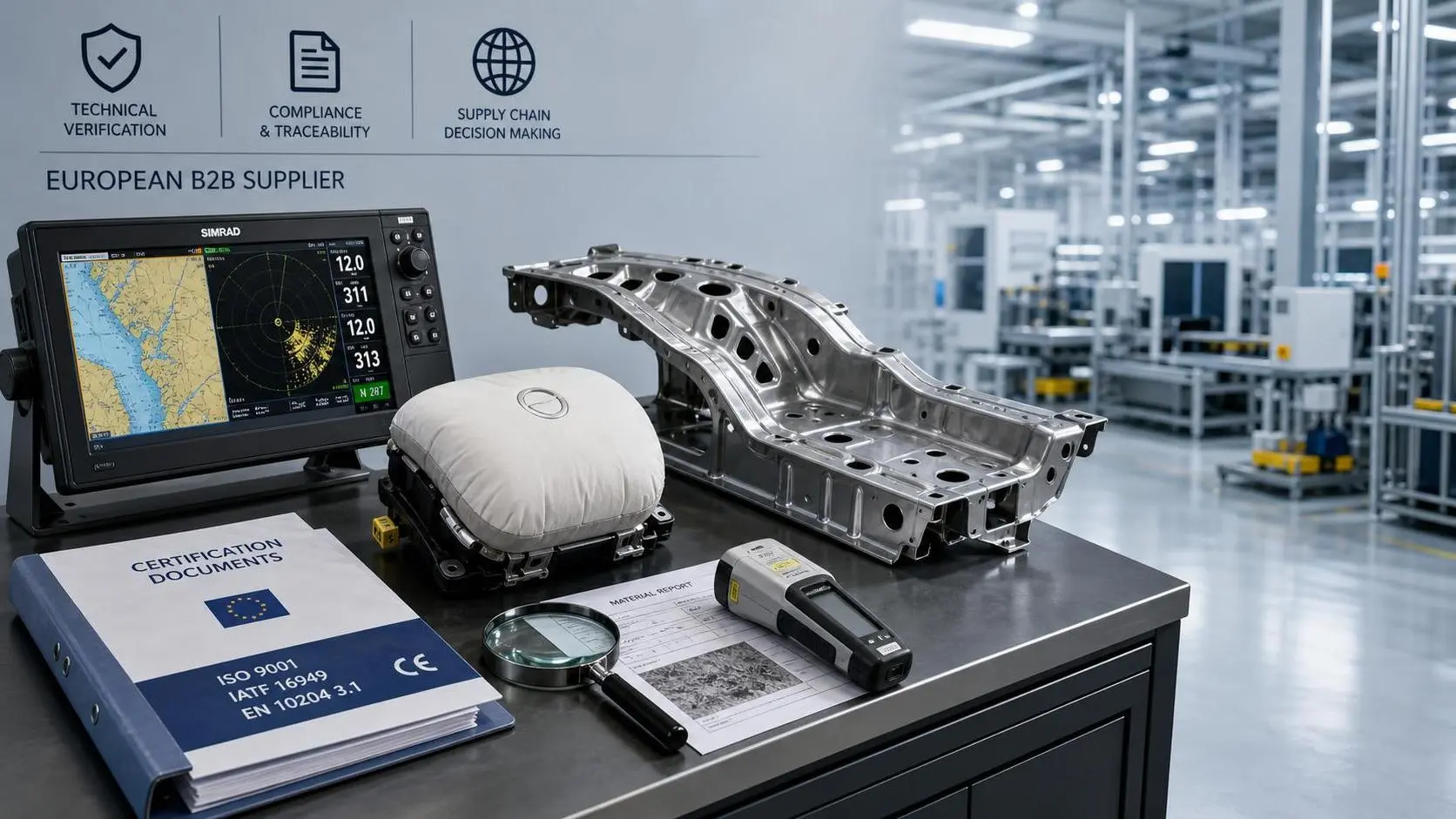
How European B2B Teams Can Evaluate Product Intelligence Platforms for Sourcing
B2B product intelligence platform Europe: learn how procurement teams assess suppliers, compliance data, technical capabilities, and sourcing risks with confidence.
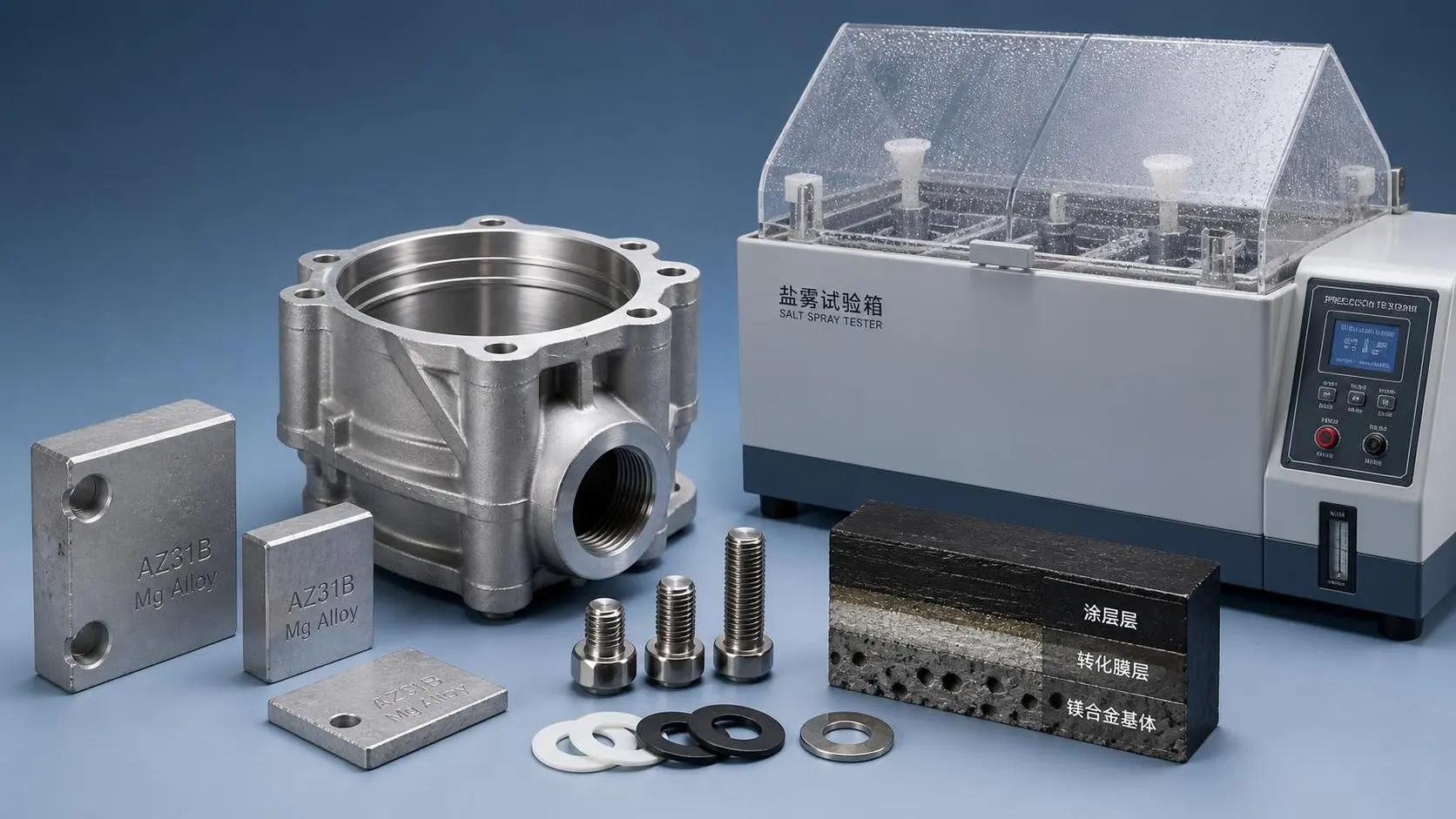
How to Evaluate Magnesium Alloys Corrosion Resistance for Marine Parts?
Magnesium alloys corrosion resistance for marine parts depends on more than alloy grade. Learn how to assess coatings, galvanic risk, geometry, and real-world exposure before you decide.
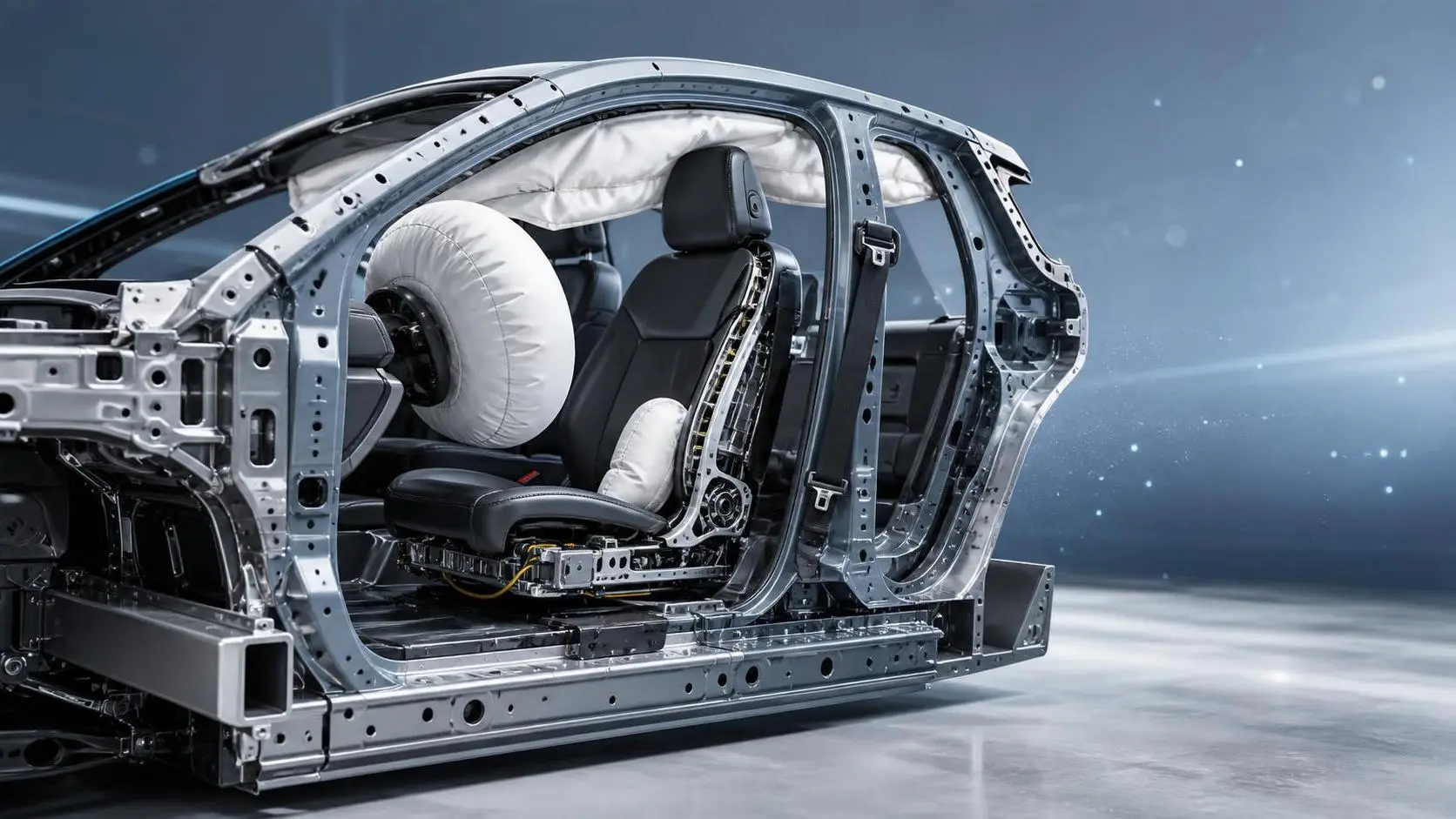
How to Evaluate Mobility Safety Systems for Safer Vehicle Platform Design
Mobility safety systems evaluation starts with platform architecture, crash energy management, and seat-restraint timing. Learn how to choose safer, validation-ready vehicle designs.
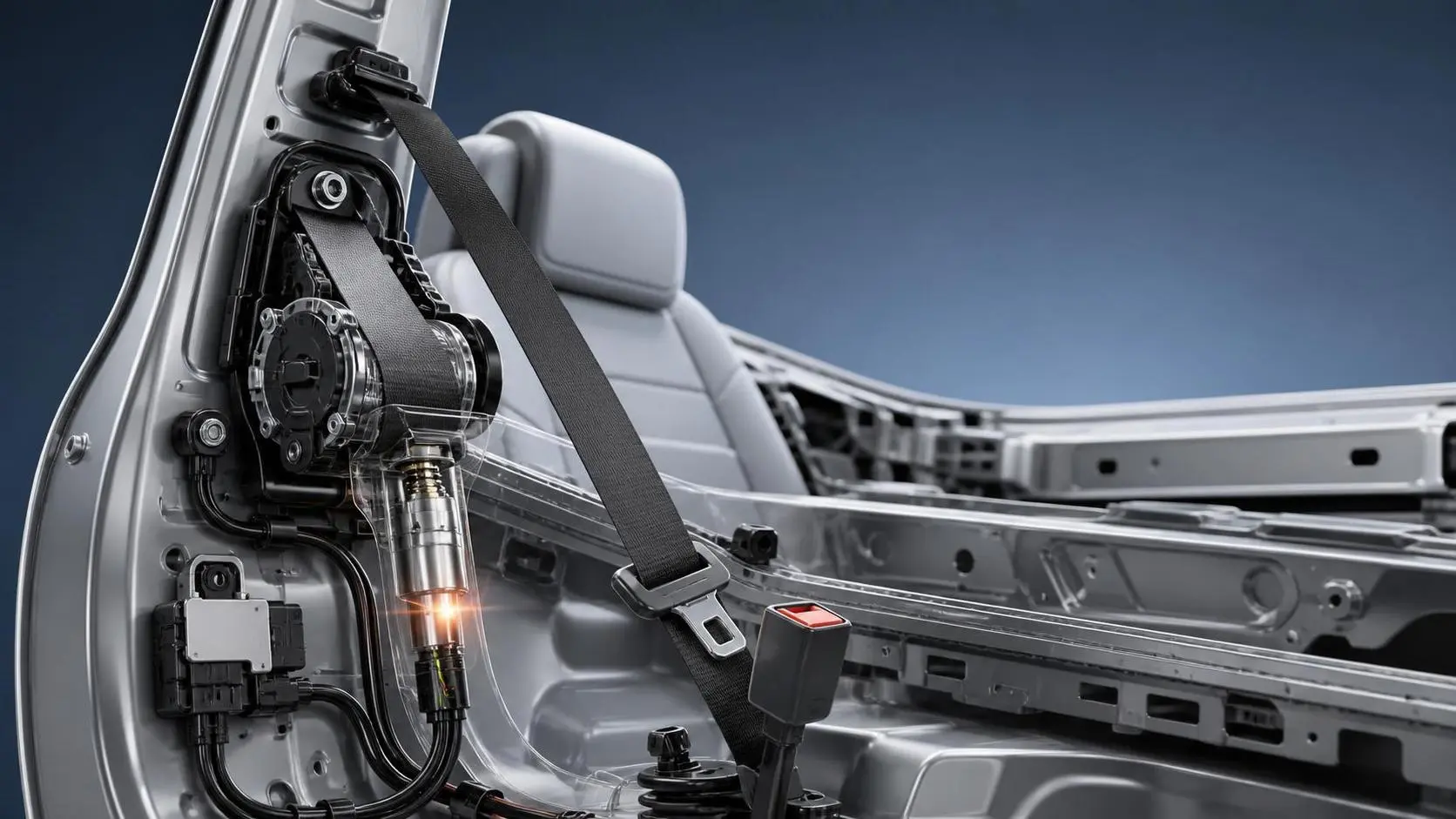
How Seat Belt Pretensioners for EVs Improve Crash Safety and System Response
Seat belt pretensioners for EVs improve crash timing, occupant control, and system response. Discover how smarter integration boosts EV safety performance.
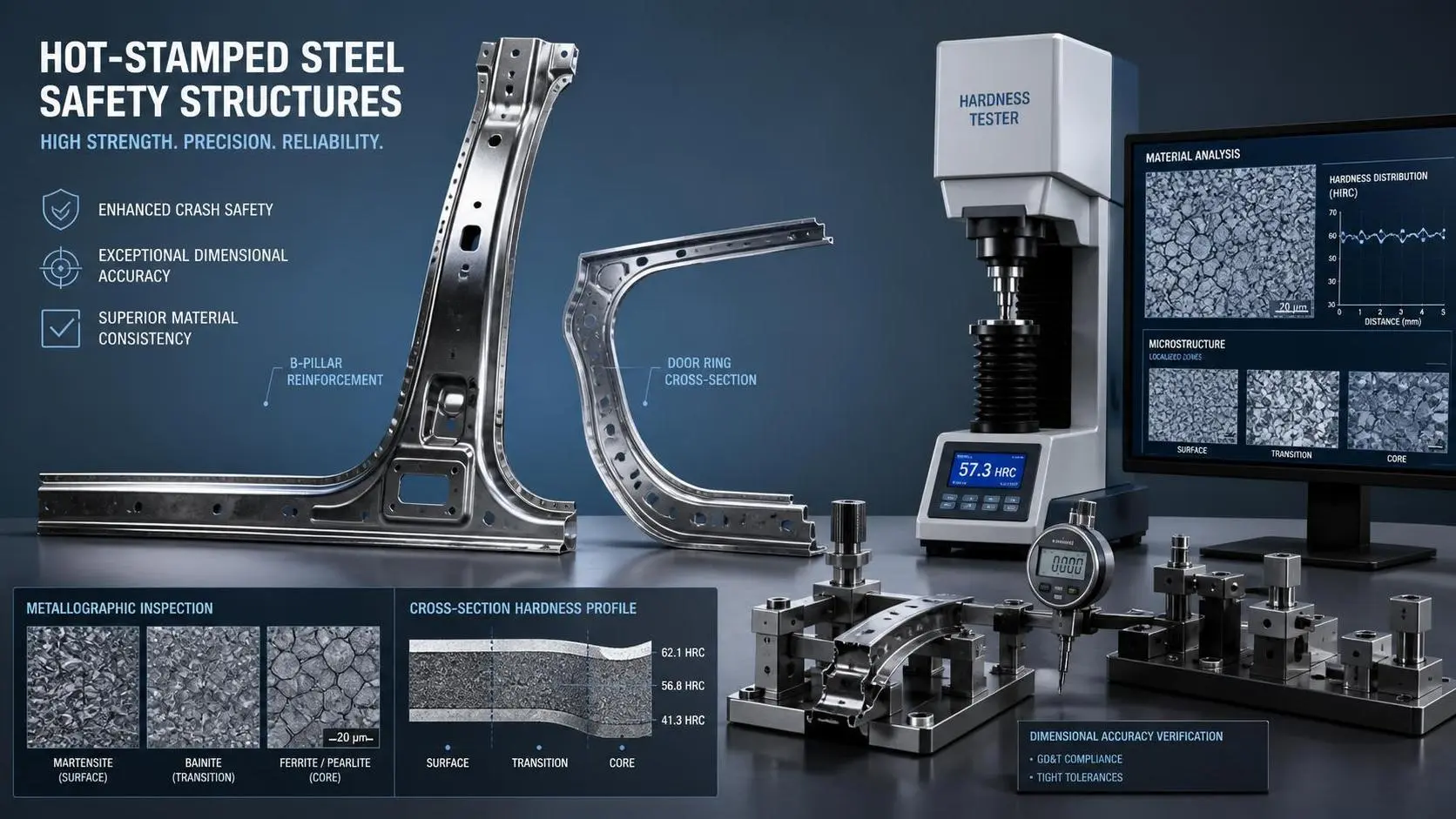
How to Evaluate High Strength Hot Stamped Steel Parts for Crash-Safety Applications
High strength hot stamped steel parts for crash-safety applications: learn how to assess strength, microstructure, dimensional accuracy, and process stability for safer sourcing decisions.
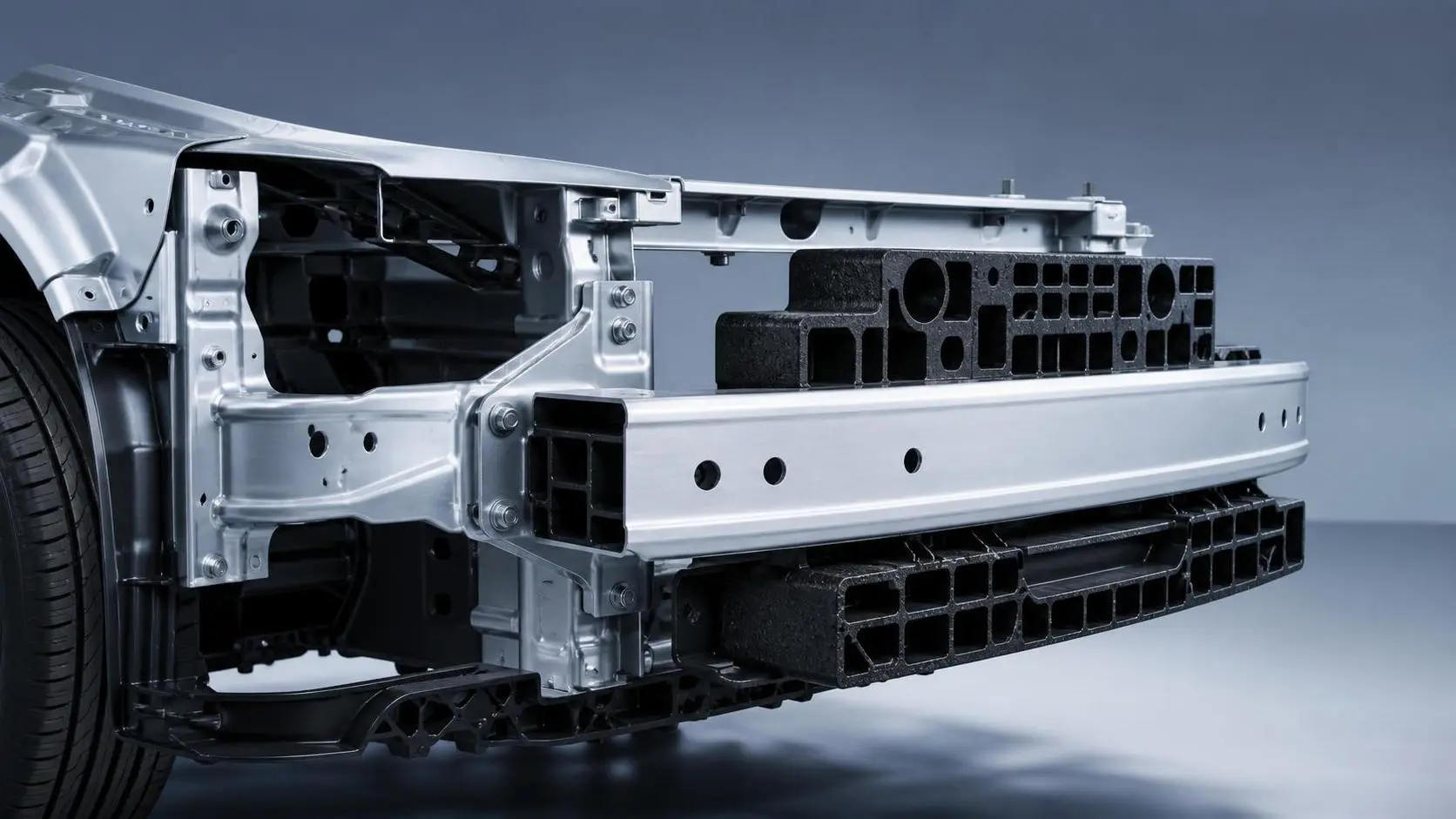
How Crash Management Components Reduce Repair Costs and Improve Impact Performance
Crash management components help reduce repair costs, protect critical vehicle structures, and improve impact performance. Learn how smarter design supports safer, more cost-efficient mobility programs.
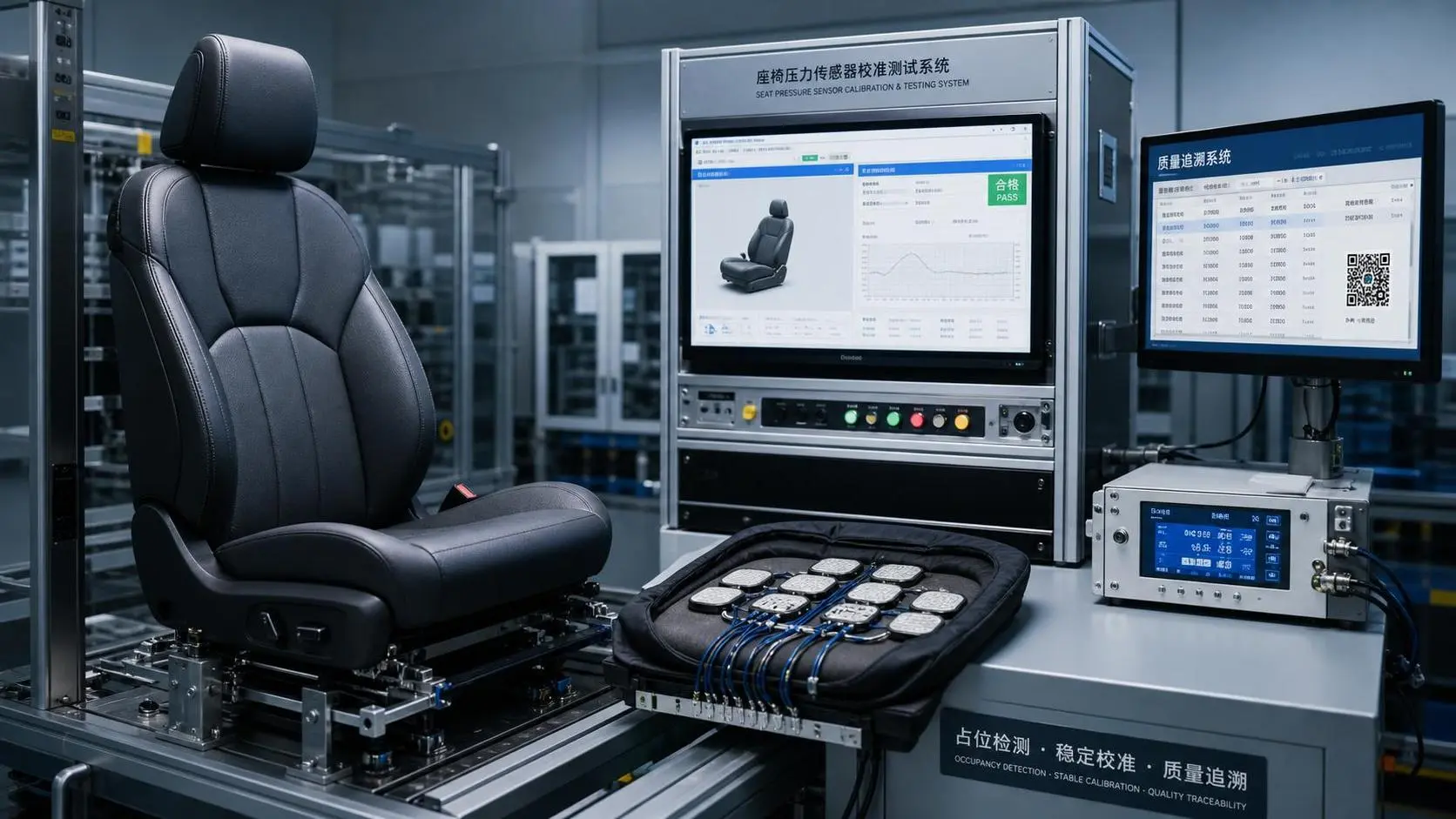
How to Evaluate a Seat Sensing Systems Factory for Automotive Safety Programs
Seat sensing systems factory selection goes beyond price. Learn how to assess quality control, validation, PPAP readiness, and long-term supply reliability for safer automotive programs.
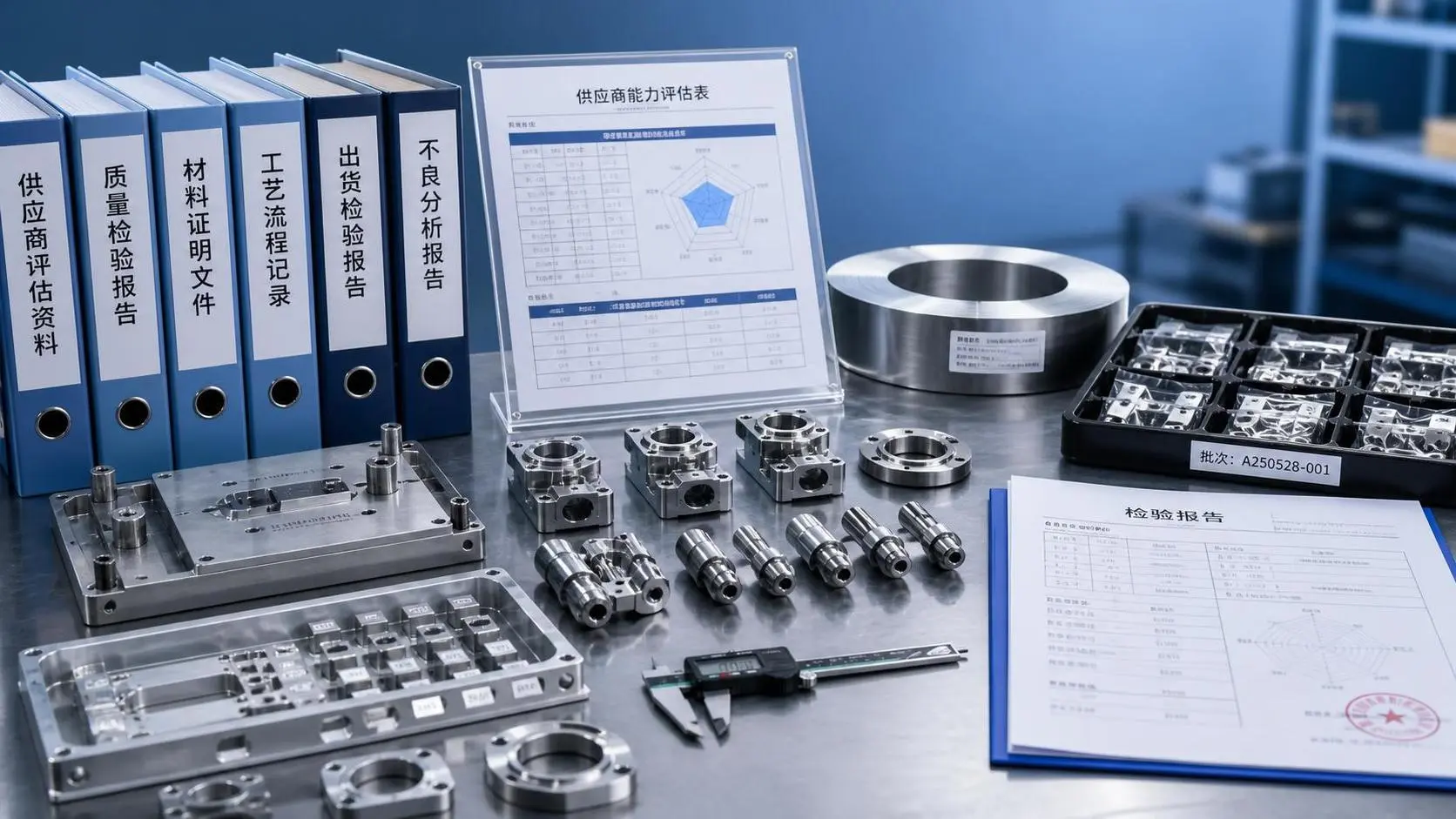
Supplier Capability Evaluation Process: Key Criteria for B2B Sourcing Decisions
Supplier capability evaluation process explained: learn the key criteria for B2B sourcing decisions, reduce supplier risk, and choose partners with confidence.
Related News
- 00
0000-00
How European B2B Teams Can Evaluate Product Intelligence Platforms for Sourcing - 00
0000-00
How to Evaluate Magnesium Alloys Corrosion Resistance for Marine Parts? - 00
0000-00
How to Evaluate Mobility Safety Systems for Safer Vehicle Platform Design - 00
0000-00
How Crash Management Components Reduce Repair Costs and Improve Impact Performance - 00
0000-00
Supplier Capability Evaluation Process: Key Criteria for B2B Sourcing Decisions
Weekly Insights
Stay ahead with our curated technology reports delivered every Monday.