
How to Build a Supplier Evaluation Resources Scorecard That Supports Better Sourcing
How to Build a Supplier Evaluation Resources Scorecard That Supports Better Sourcing
Building a supplier evaluation resources scorecard is no longer optional for teams facing tighter compliance rules, unstable lead times, and constant cost pressure.
A strong scorecard turns scattered supplier data into a consistent decision tool. It also reduces bias when several suppliers look similar on paper.
That matters even more in complex sectors linked to navigation systems, auto body stampings, airbag assemblies, seatbelt systems, and seat assemblies.
In these categories, the cheapest source is rarely the safest choice. Technical fit, validation history, and compliance readiness often decide total value.
This guide explains how to build a practical supplier evaluation resources scorecard that supports faster comparison, clearer sourcing decisions, and stronger supplier performance.
Why a Supplier Evaluation Resources Scorecard Matters
Many sourcing decisions still rely too heavily on quotes, previous relationships, or isolated quality records. That approach creates blind spots.
A supplier evaluation resources scorecard creates one shared framework. Everyone reviews the same criteria, evidence, scoring logic, and decision thresholds.
From recent market shifts, a clearer signal has emerged. Supply continuity and regulatory agility now matter almost as much as price.
For high-reliability components, supplier capability can affect warranty costs, homologation timing, field safety, and brand risk.
A well-built supplier evaluation resources scorecard helps answer five critical questions:
- Can the supplier meet technical requirements consistently?
- Is production capacity stable during demand swings?
- Will delivery performance hold under global logistics stress?
- Does the supplier understand relevant safety and compliance standards?
- Is the total sourcing risk acceptable over the contract period?
Start With the Right Scorecard Structure
A useful supplier evaluation resources scorecard should be simple enough to apply quickly, but detailed enough to support real decisions.
In practice, the best model usually has four layers: category, criterion, evidence, and weighted score.
Recommended Core Categories
- Quality management
- Technical capability
- Capacity and scalability
- Delivery and logistics performance
- Cost competitiveness
- Compliance and certification readiness
- Financial health
- Innovation and improvement support
These categories fit most industrial sourcing cases. They are especially useful when products involve safety-critical performance or demanding validation cycles.
For example, a supplier of airbag inflator parts should score differently from a supplier of low-risk packaging materials.
That also means the supplier evaluation resources scorecard should never be fully generic. It needs category-specific weighting.
Keep the Scale Easy to Read
Use a five-point scale whenever possible. It is detailed enough for comparison and still easy to calibrate across teams.
- 1 = unacceptable
- 2 = weak
- 3 = acceptable
- 4 = strong
- 5 = best in class
Each score should have a written definition. Without that, different reviewers will score the same supplier in different ways.
Define Criteria That Match Real Sourcing Risk
The strength of a supplier evaluation resources scorecard depends on the quality of its criteria. Vague criteria produce weak decisions.
Instead of scoring “good quality,” score measurable signals such as PPM trends, audit findings, corrective action closure, and validation success rates.
Examples of Better Criteria
- Process capability on critical dimensions
- Tooling maintenance discipline
- Traceability for safety-related components
- On-time delivery over the last four quarters
- Ability to support engineering changes quickly
- Certification status for required standards
- Raw material sourcing resilience
- Response speed during disruption events
This is where category intelligence becomes useful. GNCS-style market observation can help teams identify which criteria deserve more weight.
For marine navigation systems, software maintenance discipline and compliance awareness may carry extra importance.
For seatbelt systems or passive safety parts, process stability and traceability usually deserve heavier scoring.
Assign Weights Based on Business Impact
Not every criterion should carry equal value. Weighting is what makes a supplier evaluation resources scorecard useful for actual sourcing decisions.
If a part has direct safety impact, quality and compliance should outweigh unit price. If the item is standardized, cost may deserve more influence.
A practical starting point looks like this:
These numbers are only a baseline. Adjust them by product risk, customer requirements, launch timing, and regional compliance exposure.
Use Evidence, Not Assumptions
A supplier evaluation resources scorecard only works when each score is backed by evidence. Otherwise it becomes a polished opinion sheet.
Evidence should come from current and verifiable sources, not only supplier presentations.
Useful Evidence Sources
- On-site audit reports
- PPAP or equivalent validation documents
- Delivery performance records
- Customer complaint trends
- Capacity studies and line utilization data
- Certification records and expiration dates
- Financial statements or credit reports
- Corrective action response history
In actual operations, documenting evidence also improves internal alignment. Engineering, quality, and sourcing can see why a score was assigned.
That clarity is especially useful when comparing suppliers across different countries, plants, or product platforms.
Avoid Common Scorecard Mistakes
Many scorecards fail because they are either too broad or too complicated. Both problems reduce adoption.
The most common mistakes include:
- Using the same template for all categories without adjusting risk weight.
- Scoring based on impressions instead of records.
- Ignoring supplier improvement trend and only reviewing current status.
- Overloading the scorecard with too many low-value indicators.
- Treating price as the final tie-breaker in every case.
A better supplier evaluation resources scorecard should guide action. It should identify where supplier development is possible and where risk is too high.
Turn the Scorecard Into a Decision Tool
The final step is often missed. Teams build the supplier evaluation resources scorecard, but never connect it to decision rules.
To avoid that gap, define clear outcomes for score ranges.
- 85 and above: approved for nomination or expansion
- 70 to 84: conditionally approved with action plan
- Below 70: not approved or limited to low-risk business
This makes the scorecard operational. It also helps prevent inconsistent awards under deadline pressure.
Where possible, review the scorecard quarterly. That keeps the model aligned with new compliance demands, cost shifts, and supply risk signals.
For sectors monitored by GNCS, this is increasingly important. Navigation software updates, crash regulations, and lightweight material changes can alter supplier risk quickly.
Build for Better Sourcing Outcomes
A practical supplier evaluation resources scorecard does more than rank vendors. It improves sourcing discipline across the full decision cycle.
When built with clear criteria, weighted priorities, and evidence-based scoring, it becomes a reliable foundation for supplier selection.
Start with a focused structure, tailor it by product risk, and connect scores to approval actions. That is how a supplier evaluation resources scorecard begins to support better sourcing in real conditions.
The strongest results usually come from regular review, cross-functional input, and close attention to changing technical and compliance signals.
Related News
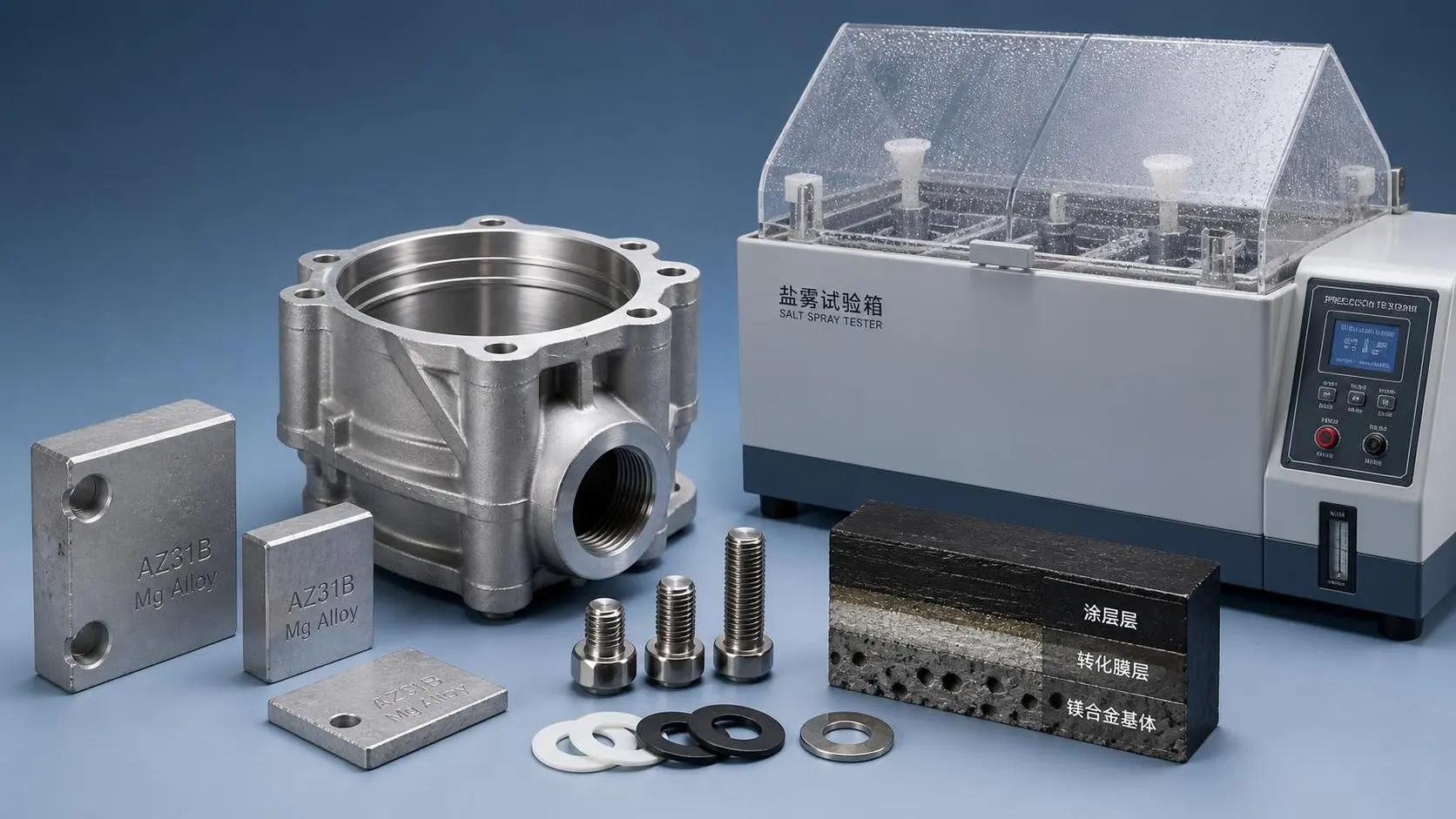
How to Evaluate Magnesium Alloys Corrosion Resistance for Marine Parts?
Magnesium alloys corrosion resistance for marine parts depends on more than alloy grade. Learn how to assess coatings, galvanic risk, geometry, and real-world exposure before you decide.

How to Evaluate Mobility Safety Systems for Safer Vehicle Platform Design
Mobility safety systems evaluation starts with platform architecture, crash energy management, and seat-restraint timing. Learn how to choose safer, validation-ready vehicle designs.

How Seat Belt Pretensioners for EVs Improve Crash Safety and System Response
Seat belt pretensioners for EVs improve crash timing, occupant control, and system response. Discover how smarter integration boosts EV safety performance.
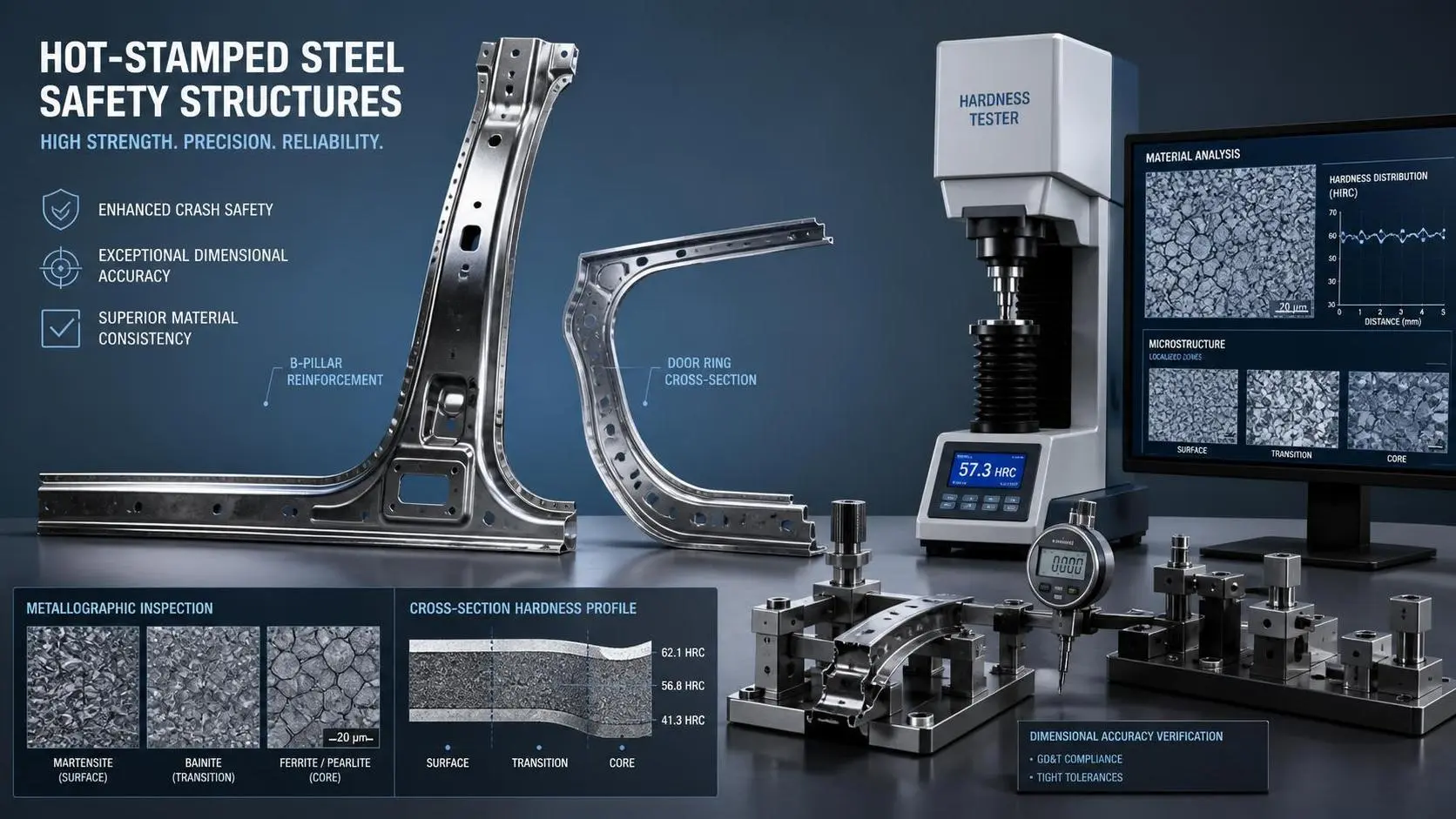
How to Evaluate High Strength Hot Stamped Steel Parts for Crash-Safety Applications
High strength hot stamped steel parts for crash-safety applications: learn how to assess strength, microstructure, dimensional accuracy, and process stability for safer sourcing decisions.
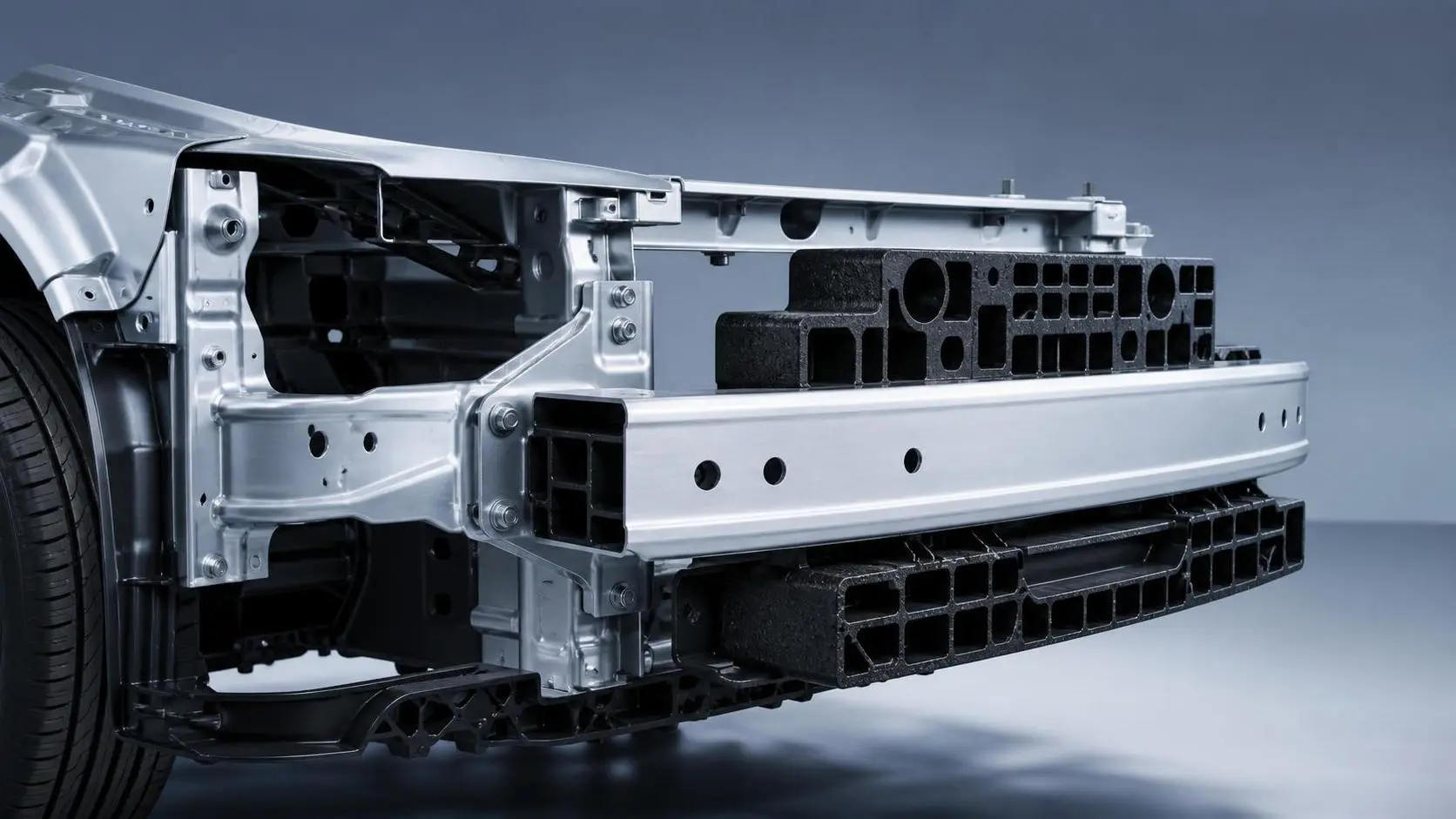
How Crash Management Components Reduce Repair Costs and Improve Impact Performance
Crash management components help reduce repair costs, protect critical vehicle structures, and improve impact performance. Learn how smarter design supports safer, more cost-efficient mobility programs.
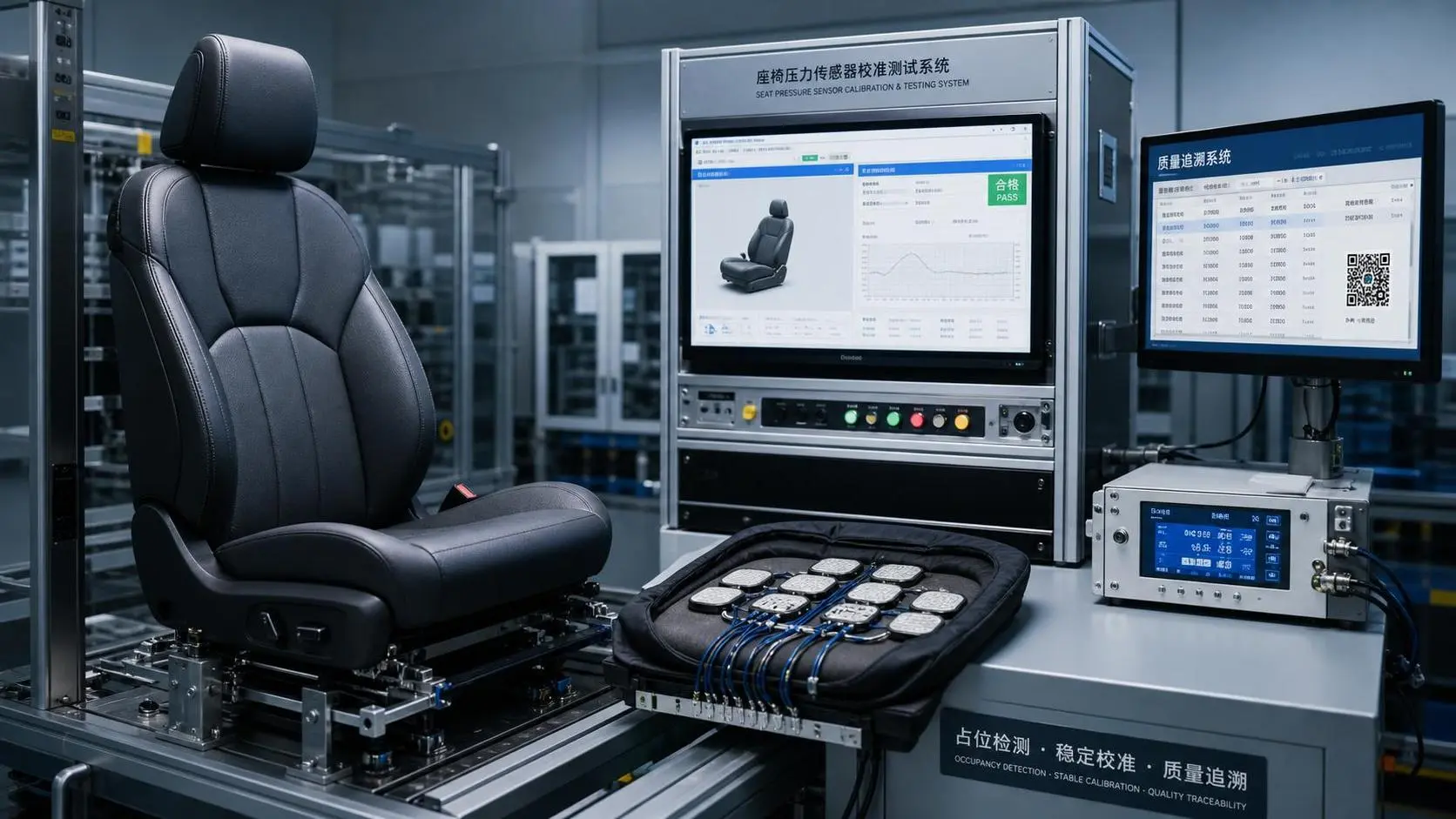
How to Evaluate a Seat Sensing Systems Factory for Automotive Safety Programs
Seat sensing systems factory selection goes beyond price. Learn how to assess quality control, validation, PPAP readiness, and long-term supply reliability for safer automotive programs.
Supplier Capability Evaluation Process: Key Criteria for B2B Sourcing Decisions
Supplier capability evaluation process explained: learn the key criteria for B2B sourcing decisions, reduce supplier risk, and choose partners with confidence.
How to Evaluate a Seat Sensing Technology Supplier for Safety and Integration?
Seat sensing technology supplier evaluation guide: compare safety maturity, integration fit, algorithm reliability, and validation support to choose a partner that reduces risk.

How to Evaluate Custom Smart Automotive Seating for Premium Vehicle Programs?
Custom smart automotive seating evaluation starts with safety, comfort, integration, and production readiness. Discover how premium vehicle teams choose smarter, lower-risk seat solutions.
Related News
- 00
0000-00
How to Evaluate Magnesium Alloys Corrosion Resistance for Marine Parts? - 00
0000-00
How to Evaluate Mobility Safety Systems for Safer Vehicle Platform Design - 00
0000-00
How Crash Management Components Reduce Repair Costs and Improve Impact Performance - 00
0000-00
Supplier Capability Evaluation Process: Key Criteria for B2B Sourcing Decisions - 00
0000-00
How to Evaluate a Seat Sensing Technology Supplier for Safety and Integration?
Weekly Insights
Stay ahead with our curated technology reports delivered every Monday.